PurposeTo explore the impact of epidemic diseases outbreak on the psychological status of medical workers.MethodsA total of 266 online questionnaires were distributed to medical staff in several mobile cabin hospitals in Beijing. The questionnaires were divided into a General Demographic Characteristics Questionnaire and the 12-item General Health Questionnaire (GHQ-12), and a total score of ≥4 in the GHQ-12 was considered to be a decline in mental health.ResultsA total of 266 members of medical staff participated in this study, and 30.1% experienced a decline in mental health recently. The highest prevalence of emotional distress was found among those who were female, married without children, working as doctors and other occupations, aged 30–39 years, working in the confirmation department, supporting the mobile cabin hospitals three times or more, the duration of this support for 1 month or longer, and having a previous state of anxiety and depression. In addition, females experienced higher rates of insomnia due to worry compared to males, as did medical staff in the confirmation department compared to the administration and logistics departments. In the same stressful environment, men and doctors had a greater rate of perceived loss of self-worth than women and nurses.ConclusionThe outbreak of epidemic makes medical workers face the risk of emotional distress. To achieve the purpose of preventing and treating emotional distress of medical workers, we need to carry out continuous and strict research and evaluation on the mental health planning of medical workers, formulate relevant policies and carry out professional psychological intervention.
Objective:To observe the long-term clinical efficacy and safety of fire needling in the treatment of knee osteoarthritis. Methods:Sixty patients with knee osteoarthritis were randomized into an observation group (30 cases, 4 cases dropped out, 1 case was eliminated) and a control group (30 cases, 4 cases dropped out, 2 cases were eliminated). Yanglingquan (GB34), Neixiyan (EX-LE4), Dubi (ST35), Xuehai (SP10), Liangqiu (ST34) and 1-2 ashi points on the affected side were selected in the two groups. Fire needling was applied in the observation group, while conventional filiform needling was applied in the control group. The treatments in both groups were delivered once every other day, 3 times a week for 2 consecutive weeks. The Western Ontario and McMaster Universities osteoarthritis index (WOMAC) score was observed before and after treatment, as well as at follow-ups of 6 months and 1 year after treatment completion, the clinical efficacy and safety were evaluated after treatment and at follow-ups of 6 months and 1 year after treatment completion. Results:After treatment and at 6-month follow-up, the pain, stiffness, difficulty in daily activities scores and total scores of WOMAC were decreased compared with those before treatment in both groups (P<0.05). At 1-year follow-up, the pain, stiffness, difficulty in daily activities scores and total score of WOMAC were decreased compared with those before treatment in the observation group (P<0.05), the pain score of WOMAC was decreased compared with that before treatment in the control group (P<0.05). After treatment, the pain score, stiffness score and total score of WOMAC in the observation group were lower than those in the control group (P<0.05). At 6-month follow-up, the pain, stiffness, difficulty in daily activities scores and total score of WOMAC in the observation group were lower than those in the control group (P<0.05). At 1-year follow-up, the stiffness score, difficulty in daily activities score and total score of WOMAC in the observation group were lower than those in the control group (P<0.05). At 6-month follow-up, the total effective rate was 76.0% (19/25) in the observation group, which was higher than 41.7% (10/24) in the control group (P<0.05). At 1-year follow-up, the total effective rate was 64.0% (16/25) in the observation group, which was higher than 33.3% (8/24) in the control group (P<0.05). No acupuncture-related adverse reactions or events occurred in the two groups. Conclusion:Fire needling effectively improves the symptoms of KOA, and has a definite long-term clinical efficacy.
Objective To observe the effect of ginger-salt-partitioned moxibustion on bladder excitability and bladder ATP-sensitive potassium(KATP)channel in detrusor hyperreflexia(DH)rats.Methods Female SD rats were randomly divided into sham operation,model,moxibustion and inhibition groups(n=8 in each group).Thorax(T)10 spinal cord transection was performed by surgery.Ginger-salt-partitioned moxibustion was applied to"Shenque"(CV8)for 20 min,once daily for 14 consecutive days.Rats of the inhibition group received intraperitoneal injection of glibenclamide(10 μg/kg)15 min before moxibustion intervention.Urodynamic tests were performed after treatment.The detrusor myoelectric activities(frequency and amplitude)were recorded by using Powerlab multichannel physiograph.Primary detrusor muscle cells were extracted and identified by immunofluorescence staining.The changes in KATP channel currents and intracellular Ca2+dynamics of bladder detrusor muscle cells were detected using patch-clamp and calcium imaging techniques.Results Compared with the sham operation group,the first leakage pressure(P<0.000 1)and the leakage point pressure after stable urination(P<0.01)were increased,the urination interval was shortened(P<0.001),the bladder compliance was decreased(P<0.01),the amplitude and median frequency of detrusor electromyography during urination were significantly decreased(P<0.000 1),the current density of KATP channel was decreased(P<0.000 1),and the ratio of intracellular relative calcium fluorescence change was increased(P<0.000 1).After the treatment and compared with the model group,the above-mentioned indicators in the moxibustion group were all reversed(P<0.05,P<0.000 1).Compared with moxibustion group,all the above indicators in the inhibitor group were reversed(P<0.05,P<0.01,P<0.001,P<0.000 1).Conclusion Ginger-salt-partitioned moxibustion can increase the leakage point pressure,prolong the urination interval,improve bladder compliance,and increase the amplitude and median frequency of detrusor contraction during urination in DH rats,which may be associated with increasing the current density of KATP channel,improving the efficiency of channel opening,promoting the outflow of K+and cell membrane hyperpolarization,reducing intracellular Ca2+concentration,thereby inhibiting bladder contraction.
In the past decade, there has been a significant increase in the number of studies related to the combination of acupoints for acupuncture, which has preliminarily revealed the effects and mechanisms of various acupoint combinations. However, there are still limitations. By searching and summarizing studies on the effects and mechanisms of acupoint combinations, it has been found that there are issues in this field that need to be improved, such as vague terminology definitions, uneven research interest in different methods of acupoint combinations, insufficient research on antagonistic effects, and a lack of diversity in outcome indicators for mechanism studies. This paper discusses the optimization direction for future research on acupoint combinations, aiming to effectively promote new progress in the field of formulating acupoint combinations and to facilitate the translation of research findings into clinical practice.
Objective:To observe the effects of moxibustion at "Shenque" (CV8) on urodynamics and the expression of brain-derived neurotrophic factor (BDNF) and immediate early gene (c-fos) in pontine micturition center (PMC), periaqueductal gray (PAG), medial prefrontal cortex (mPFC) of neurogenic bladder (NB) rats after spinal cord injury. Methods:Twenty-four SPF female SD rats were randomly divided into a sham-operation group (6 rats) and a modeling group (18 rats). In the modeling group, T9 complete spinal cord transection method was used to establish a neurogenic detrusor overactivity model, and the 12 rats with successful modeling were randomized into a model group and a moxibustion group, with 6 rats in each group. The rats in the moxibustion group were treated with ginger/salt-insulated moxibustion at "Shenque" (CV8), and 4 consecutive moxa cones were delivered in one intervention. Moxibustion was operated once daily and for 14 days. After intervention completion, the urodynamic indexes of rats in each group were detected. Fluorescence quantitative PCR was used to detect the mRNA expression of BDNF and c-fos in PMC, PAG and mPFC in rats. Western blot was used to detect the protein expression of BDNF and c-fos in PMC, PAG and mPFC. Results:The rats in the sham-operation group did not show phasic detrusor contraction during bladder filling. Compared with the model group, the frequency and amplitude of the phasic detrusor contraction were reduced 5 min before urine leakage in the rats of the moxibustion group (P<0.05), and the duration of the first phasic detrusor contraction during bladder filling was prolonged (P<0.05). Compared with the sham-operation group, the mRNA and protein expression of BDNF and c-fos in PMC, PAG and mPFC increased in the model group (P<0.05). Compared with the model group, the mRNA and protein expression of BDNF and c-fos in PMC, PAG and mPFC decreased in the moxibustion group (P<0.05). Conclusion:Moxibustion at "Shenque" (CV8) can improve the phasic contraction during bladder filling in NB rats after spinal cord injury, possibly by down-regulating the mRNA and protein expression of BDNF and c-fos in PMC, PAG, and mPFC.
The COVID-19 pandemic has had a profound impact on the mental health of medical workers worldwide. While extensive research has investigated pandemic-related mental health challenges, longitudinal analyses of temporal trends remain scarce. This study employs a cross-sectional design to compare mental health outcomes among medical workers in Beijing’s Mobile Cabin Hospitals during the Early-Pandemic Era (2020) and Post-Pandemic Era (2022), with a focus on occupational disparities. This study utilized a cross-sectional design to compare mental health outcomes among medical workers in Beijing’s Mobile Cabin Hospitals during two distinct pandemic phases. Data were collected through anonymized online surveys administered via Wenjuanxing. The questionnaire comprised three domains: demographic characteristics, professional roles within departments and the 12-item General Health Questionnaire (GHQ-12). Emotional distress was operationally defined as a GHQ-12 total score ≥ 4. Comparative analysis revealed a significant deterioration in mental health outcomes among medical workers during the Post-Pandemic Era compared to the Early-Pandemic Era. The prevalence of emotional distress (GHQ-12 ≥ 4) remained elevated across specific subgroups: medical workers aged 30–39 years, married, working as doctors and other professionals. Statistically significant interphase differences emerged in vulnerable populations, including female (P < 0.001), unmarried (P = 0.004), worked with nurses (P = 0.003) and other professionals (P = 0.021), and aged less than 40 years (< 30 years old, P = 0.009; 30–39 years old, P = 0.021). Qualitative symptom profiling indicated that more people reported clinically meaningful manifestations of psychological distress, characterized by depressive symptoms, anxiety, diminished self-worth, and impaired coping capacity during adversity. The cumulative burden of prolonged pandemic has demonstrably exacerbated mental health deterioration among medical workers. These findings underscore the critical need to sustainably safeguard the mental health of medical workers in future public health crises.
Transcutaneous electrical stimulation equipment is a kind of characteristic therapeutic devices developed on the basis of the integration of traditional Chinese medicine (TCM) theory and modern science and technology, which is widely used in clinical practice. Significant breakthroughs have been made in the development of related devices such as transcutaneous electrical acupoint stimulation (TEAS) devices, transcutaneous electrical nerve stimulation (TENS) devices, and transcutaneous auricular vagus nerve stimulation (taVNS) devices in recent years. Although the market for these devices is vast, there are still limitations that need to be optimized in terms of electrode materials and power supply methods, bulky instrument size, cumbersome wiring, restricted applications, and inadequate intelligent functionality. In the future, it is still necessary to further build upon the theoretical foundation of TCM acupuncture, integrate a variety of modern scientific technologies to advance the intelligence and modernization of acupuncture equipment, and thereby improving its capabilities to support clinical practice and research.
OBJECTIVE:To screen the optimal regimen of acupuncture and moxibustion for obstructive sleep apnea hypopnea syndrome (OSAHS), so as to provide the evidences for clinical decision-making. METHODS:From 7 databases in Chinese and English i.e. the Full-Text Database of China Journal Network (CNKI), Wanfang Data Knowledge Service Platform (Wanfang), VIP Information Chinese Journal Service Platform (VIP), Chinese Biomedical Literature Database (SinoMed), PubMed, Web of Science (WOS) and Cochrane Library, randomized controlled trial (RCT) articals of OSAHS treated with acupuncture and moxibustion were searched. The quality of evidence was evaluated with the modified Jadad scale, the evaluation index was established and the optimal regimen of acupuncture and moxibustion for OSAHS was screened by multi-index decision analysis. RESULTS:A total of 10 RCTs were included, and the filiform needling therapy was optimal in treatment of OSAHS. The acupoints included Lianquan (CV23), Danzhong (CV17), Zhongwan (CV12), and bilateral Kongzui (LU6), Pishu (BL20), Fenglong (ST40), Zusanli (ST36), Yinlingquan (SP9) and Zhaohai (KI6). Zusanli (ST36) received the reinforcing method, Pishu (BL20) and Fenglong (ST40) were stimulated with the reducing technique, and the rest acupoints with the uniform reinforcing-reducing. Each acupoint was manually manipulated once every 10 min during the needle retention for 30 min. Acupuncture was delivered once a day, 5 times a week and for consecutive 4 weeks. Among the included literature, the severity of disease was not reported in detail, the filiform needling was the dominant intervention, the local acupoints such as Lianquan (CV23) and Panglianquan (Extra) were mainly selected. The apnea-hypopnea index and the minimum oxygen saturation were taken as the evaluation indexes, and the effect was evaluated in reference to the generally accepted standards. The attention to safety evaluation was insufficient, the report on methodology was not adequate and the quality was low. CONCLUSION:Filiform needling is the dominant therapy of acupuncture and moxibustion for OSAHS, and the local acupoints are considered specially. But the quality of clinical research should be improved.
Objective:To explore the efficacy differences among different acupuncture frequencies for pain of temporomandibular disorders (TMD). Methods:A total of 42 patients with TMD pain were randomly divided into a low-frequency group, a medium-frequency group, and a high-frequency group, with 14 patients in each group. All groups received acupuncture treatment at bilateral Hegu (LI4) and Yanglingquan (GB34), as well as ipsilateral Tinggong (SI19), Jiache (ST6), and Xiaguan (ST7), with each session lasting 30 minutes. The low-frequency group received acupuncture once per week, the medium-frequency group received acupuncture twice per week, and the high-frequency group received acupuncture three times per week, for a total duration of four weeks. The graded chronic pain scale (GCPS) score, visual analogue scale (VAS) score, jaw functional limitation scale-20 (JFLS-20) score, and pressure pain threshold (PPT) were assessed in the three groups before and after treatment, as well as at the four-week follow-up after treatment completion. Results:Compared before treatment, GCPS and JFLS-20 scores were significantly decreased in all the groups after treatment (P<0.05), and VAS scores were significantly decreased in the high-frequency and medium-frequency groups (P<0.05), PPT values at different measurement sites were increased significantly in the high-frequency group (P<0.05). After treatment, GCPS, JFLS-20, and VAS scores in the high-frequency group were lower than those in the medium-frequency and low-frequency groups (P<0.05), while some PPT values were higher than the other two groups (P<0.05). At follow-up, GCPS, JFLS-20, and VAS scores remained significantly lower in all the groups compared to baseline (P<0.05), PPT values were increased significantly in the high-frequency and medium-frequency groups (P<0.05), with the high-frequency group showing lower GCPS, JFLS-20, and VAS scores and higher PPT values compared to the other two groups (P<0.05). Conclusion:Acupuncture three times per week is more effective in reducing TMD pain intensity compared to once or twice per week, and can also alleviate some mandibular functional impairments. The therapeutic effects persist for at least four weeks after treatment completion.
After being treated with acupuncture, some patients with idiopathic tinnitus may experience a short-term aggravation of tinnitus symptoms on the original basis. These symptoms can be gradually relieved and the overall condition fluctuates towards recovery. This phenomenon has brought some difficulties to patients and clinicians. Based on the academic view of TCM, "destroying pathogens and re-building balance", and in association with the existing understanding of acupuncture in modern medicine for tinnitus, this paper briefly discusses the mechanism and influencing factors of symptom fluctuation in patients with idiopathic tinnitus after acupuncture treatment in terms of both TCM and modern medicine, and proposes the future direction in the research of symptom fluctuation, so as to promote the recognition of clinicians and patients on symptom fluctuation and make rational use of its positive effects. Besides, it is hoped that more researchers will pay attention to symptom fluctuation and advance the exploration of it in academic field.
OBJECTIVES:To investigate the repair effects of He's qiangtong method of acupuncture (involved bloodletting technique with strong action of unblocking) on the neurovascular unit of the patients with acute ischemic stroke (AIS) in terms of serological indicators so as to provide new ideas for the treatment of AIS. METHODS:Seventy subjects with AIS were randomly divided into an observation group (35 cases, 1 case dropped out) and a control group (35 cases , 4 cases dropped out). Patients in the control group were treated with conventional regimen. In the observation group, the bloodletting was operated, combined with the conventional treatment. Bloodletting was performed at Baihui (GV20), Sishencong (EX-HN1) and bilateral Erjian (EX-HN6), using He's qiangtong method of acupuncture, 3 times a week and for 2 weeks. Before and after treatment, the scores of the national institute of health stroke scale (NIHSS), the modified Rankin scale (MRS), and the Barthel index were evaluated;and the serological levels of the serum brain-derived neurotrophic factor (BDNF), vascular endothelial growth factor (VEGF), glial fibrillary acidic protein (GFAP), neuron-specific enolase (NSE) and blood-brain barrier permeability-associated protein (S100β protein) were detected in the two groups. RESULTS:After treatment, NIHSS score and MRS score were decreased (P<0.01), and Barthel score was increased (P<0.01) in both groups. NIHSS score of the observation group was lower than that of the control group (P<0.01). Compared with those before treatment, the content of BDNF in both groups increased (P<0.05), and VEGF content was elevated in the observation group (P<0.05) after treatment. The total effective rate was 100% (34/34) in the observation group, higher than that (67.74%, 21/31) in the control group (P<0.01). CONCLUSIONS:He's qiangtong method of acupuncture can promote the recovery of neurological deficits in AIS patients and effectively improve their motor function and the activity of daily living, which may be related to the reconstruction of neurovascular unit in the brain of AIS patients by increasing the levels of serological repair factors.
This article summarizes the clinical experience in treatment of refractory tinnitus with He's santong therapy of acupuncture (three techniques of acupuncture to remove the blockage and promote circulation). Refractory tinnitus is characterized by a mixture of deficiency and excess, which is implicated in the dysfunction of zangfu organs, resulting in physical and mental injuries. In association with the complicated conditions of the diseases and etiology, He's santong therapy of acupuncture is adopted. The needling with filiform needles acts directly on the affected site to regulate the mind and improve the hearing, the fire needling works on removing the refractory illness and blockage through heating up, and bloodletting on activating blood circulation and promoting qi flowing to eliminate the pathogens. The three techniques of acupuncture co-work on harmonizing the mind, promoting the circulations in the ear to stop tinnitus.
Ischemic stroke (IS) is one of the main causes inducing death and disability in adults. Because of the high recurrence rate of IS, prevention of recurrence is of great significance to this population, for which the evidence-based and effective secondary prevention strategy is an important means, and acupuncture intervention has a positive effect on its risk factors. In the present article, we reviewed the progress of researches on the mechanisms of acupuncture underlying prevention of IS relapse from the perspective of its main risk factors, namely 1) hypertension (preventing and controlling the adverse effects caused by the imbalance of blood pressure level, vascular and other tissue structures, endocrine factors and central nervous system activities in patients with hypertension after IS), 2) hypercholesterolemia (lowering serum total cholesterol, triglyceride, low-density lipoprotein-cholesterol (LDL-C) and raising high-density lipoprotein cholesterol), 3) diabetes (regulating the secretion function of adipose tissue, activating the insulin signal transduction pathway, protecting the function of pancreatic β cells, and regulating the central nervous system functions to participate in the secondary prevention of IS), 4) smoking (relieving the symptoms of smoking cessation and reducing the smoker's dependence on smoking by changing the internal environment, lowering the level of blood endorphin and regulating the excitability of central nervous system), 5) sleep apnea syndrome (regulating local muscle function and the excitability of the nervous system, but also affecting some organic changes as reducing tonsil swelling) and 6) obesity (lowering blood glucose and lipid, increasing the ratio of brown/white fat, reducing leptin resistance, and suppressing appetite to induce body weight loss, or directly regulate the changes of fat tissue, etc). Results shows that the acupuncture's regulatory mechanism for IS risk factors is closely related to the neuroendocrine system, and simultaneously involves multiple targets of multiple risk factors. Due to its good efficacy and safety, acupuncture therapy is of great value for clinical promotion as an important intervention for secondary prevention.
OBJECTIVES:To observe the effect of ginger-salt-partitioned moxibustion on ATP-sensitive potassium (KATP) channel of bladder in detrusor overactivity (DO) rats. METHODS:Female SD rats were randomly divided into sham operation, model, moxibustion and antagonist groups (n=9 in each group). Thorax (T) 10 spinal cord transection was performed by surgery. Ginger-salt partitioned moxibustion was applied to "Shenque" (CV8) for 3 cones, once daily for 14 consecutive days. Rats of the antagonist group were intraperitoneally injected with KATP channel specific antagonist glibenclamide (10 μg·kg-1·d-1) once daily for 14 consecutive days. Urodynamic tests were performed after treatment. The distribution and expression of KATP channel tetrameric subunit (SUR2B) in the bladder of rats was observed by immunofluorescence. The protein and mRNA expression levels of SUR2B in bladder tissue were detected by Western blot and qPCR respectively. RESULTS:Compared with the sham operation group, rats of the model group showed intensive and large phasic contractions of the detrusor during bladder filling, the frequency and amplitude of phasic contractions of the detrusor 5 min before leakage were significantly increased (P<0.001);the voiding threshold pressure was significantly decreased (P<0.001);the bladder perfusion volume was increased (P<0.001);the SUR2B protein and mRNA expression in bladder tissue were significantly reduced (P<0.001). Compared with the model group and the antagonist group, the above-mentioned indicators in the moxibustion group were all reversed (P<0.01, P<0.001, P<0.05). CONCLUSIONS:Ginger-salt partitioned moxibustion can reduce the frequency and amplitude of detrusor phase contraction during bladder filling and prolong the time of first phase contraction in DO rats, which may be associated with up-regulating the expression level of KATP channel protein and mRNA, promoting the outflow of potassium ions, and inhibiting the inflow of calcium ions, thus improve the stability of detrusor during storage.
Purpose:Anxious depression (AD) is a common, distinct depression subtype. This exploratory subgroup analysis aimed to explore the effects of acupuncture as an add-on therapy of selective serotonin reuptake inhibitors (SSRIs) for patients with AD or non-anxious depression (NAD). Patients and Methods:Four hundred and sixty-five patients with moderate-to-severe depression from the AcuSDep pragmatic trial were included in analysis. Patients were randomly assigned to receive MA+SSRIs, EA+SSRIs, or SSRIs alone (1:1:1) for six weeks. AD was defined by using dimensional criteria. The measurement instruments included 17-items Hamilton Depression Scale (HAMD-17), Self-Rating Depression Scale (SDS), Clinical Global Impression (CGI), Rating Scale for Side Effects (SERS), and WHO Quality of Life-BREF (WHOQOL-BREF). Comparison between AD and NAD subgroups and comparisons between groups within either AD or NAD subgroups were conducted. Results:Eighty percent of the patients met the criteria for AD. The AD subgroup had poorer clinical manifestations and treatment outcomes compared to those of the NAD subgroup. For AD patients, the HAMD response rate, remission rate, early onset rate, and the score changes on each scale at most measurement points on the two acupuncture groups were significantly better than the SSRIs group. For NAD patients, the HAMD early onset rates of the two acupuncture groups were significantly better than the SSRIs group. Conclusion:For AD subtype patients, either MA or EA add-on SSRIs showed comprehensive improvements, with small-to-medium effect sizes. For NAD subtype patients, both the add-on acupuncture could accelerate the response to SSRIs treatment. The study contributed to the existing literature by providing insights into the potential benefits of acupuncture in combination with SSRIs, especially for patients with AD subtypes. Due to its limited nature as a post hoc subgroup analysis, prospectively designed, high-quality trials are warranted. Clinical Trials Registration:ChiCTR-TRC-08000297.
The active role of"Shen"(mind)in the process of disease treatment has always been valued by scholars of traditional Chinese medicine(TCM)."Tiaoshen"(mind-regulating)is regarded as the fundamental component of TCM therapy."Mind-regulating"acupuncture and moxibustion therapy,as a treatment method for both body and mind,is consistent with the present bio-psycho-social medical model.In recent years,a large number of clinical studies have confirmed the exact efficacy of"mind-regulating"acupuncture and moxibustion therapy.This article reviewed the clinical applications of that in psychosomatic diseases,neurological diseases,and digestive diseases over the last decade.This article also summarized the research progress of various"mind-regulating"acupuncture and moxibustion methods,investigated the theoretical connotations of"Tongdu Tiaoshen"(dredging Governor Vessel and regulating mind)acupuncture,"Shugan Tiaoshen"(soothing liver and regulating mind)acupuncture,and the"Tiaoshen needling technique"(mind-regulating needling technique),and generalized the main acupoint selection rules.Lastly,future development directions were provided for the theoretical basis of clinical application of"mind-regulating"acupuncture and moxibustion therapy for further improvement.
To analyze the research hotspots,frontiers and trends of fire needle clinical randomized controlled trial(RCT)literature in the past 10 years by using bibliometrics and knowledge mapping methods.Six Chinese and English databases including CNKI,Wanfang,VIP,SinoMed,PubMed and Web of Science(WOS)were searched for RCT research literature on fire needle.CiteSpace V6.1.R6 and VOSviewer V1.6.18 software were used to analyze the cooperation network,keyword co-occurrence,keyword clustering,keyword timeline,keyword emergence,etc.,and to draw a visual knowledge map.A total of 1 973 Chinese articles and 3 English articles were included.The top three institutions that publish articles were Guangzhou University of CM,Heilongjiang University of CM and Beijing Hospital of TCM Affiliated to Capital Medical University.The fire needle was often combined with acupuncture,cupping and bloodletting therapy in the treatment of acne,vitiligo,lumbar disc herniation,herpes zoster,stroke sequelae,facial paralysis,knee osteoarthritis and so on.The research frontiers included the combined application of fire needle and other therapies,clinical mechanism research and efficacy evaluation index research.In the future,we should expand the dominant diseases,optimize the research design,strengthen the cooperation between the teams,and carry out high-level clinical research.
The appropriate needle device is crucial for obtaining the curative effect of fire needling therapy. The article introduces the material specification, clinical operation, indications, characteristics and advantages of the contemporary traditional fire needling devices (e.g. He's fire needle and Shi 's fire needle) and the contemporary new-type ones (e.g. fire needling with filiform needle and micro-needle); and determines the innovations of modern fire needling. It is anticipated that the needle specifications, production process and operation standard of fire needling devices should be further unified so as to provide the references for the selection of fire needling devices in treatment based on clinical syndrome differentiation and expand the clinical application of fire needling therapy.
OBJECTIVE:To observe the effect of fire needling on prostate symptoms, quality of life, average daily number of nightly urination, urine flow rate and prostat volume in patients with mild to moderate benign prostatic hyperplasia (BPH) of kidney yang deficiency. METHODS:A total of 60 patients with mild to moderate BPH of kidney yang deficiency were randomly divided into an observation group (30 cases, 3 cases dropped off) and a control group (30 cases, 4 cases dropped off). The observation group was treated with fire needling at Guanyuan (CV 4), Shuidao (ST 28) and Qugu (CV 2) twice a week (2-3 d interval between each treatment), continuous treatment for 4 weeks. The control group received lifestyle advice and education, once a week for 4 weeks. In the two groups, the international prostate symptom score (IPSS), the quality of life (QoL) score and the average daily number of nightly urination were observed before treatment, after treatment and during the follow-up of the 4th week; the urinary maximum flow rate (Qmax), the average flow rate (Qave), and the prostate volume were assessed before and after treatment in the two groups. The safety was observed in the observation group. RESULTS:After treatment and during follow-up, the IPSS scores, QoL scores, and the average daily number of nightly urination in the observation group were decreased compared with those before treatment (P<0.05), and those in the observation group were lower than the control group (P<0.05). After treatment, there was no significant difference in Qmax, Qave and prostate volume between the two groups and within the each group (P>0.05). There were no fire needling-related adverse reactions, and no obvious abnormality was found in urine routine and coagulation function tests before and after treatment in the observation group. CONCLUSION:Fire needling can improve lower urinary tract symptoms and quality of life, reduce frequency of nightly urination in patients with mild to moderate BPH of kidney yang deficiency, and has good safety.
 HuiLin Liu (刘慧林)合作论文数Beijing Hospital of Traditional Chinese Medicine, Capital Medical University22
 Jingqing Sun (孙敬青)合作论文数Beijing Hospital of Traditional Chinese Medicine;Graduate School, Capital Medical University16
 Shao-Song Wang合作论文数14Yu-Qiang Song合作论文数11
 Bin Li (李彬)合作论文数Beijing Tongren Hospital, Capital Medical University10Bingcong Zhao (赵冰骢)合作论文数首都医科大学附属北京中医医院9YiZhan Wang (王一战)合作论文数9
 Fan Zhang (张帆)合作论文数Dongzhimen Hospital, Beijing University of Chinese Medicine9Linbo Shen合作论文数8Lu Liu合作论文数7Luopeng Zhao合作论文数7XueSi Hou (侯学思)合作论文数7
 Xin Du (杜昕)合作论文数Beijing Anzhen Hospital, Capital Medical University7SanFeng Sun (孙三峰)合作论文数6
 Yihuai Zou (邹忆怀)合作论文数Zaozhuang Hospital, Beijing University of Chinese Medicine;Dongzhimen Hospital, Beijing University of Chinese Medicine6Yu-Zhuo Zhang合作论文数5YaLi Wen (温雅丽)合作论文数5Peng Chen (陈鹏)合作论文数5Yali Wen合作论文数5
 Fang Yuan (袁芳)合作论文数Beijing Tiantan Hospital, Capital Medical University5
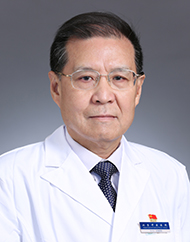 Linpeng Wang (王麟鹏)合作论文数Beijing Hospital of Traditional Chinese Medicine, Capital Medical University5WEI Jiang-yan (魏江艳)合作论文数4Zhijuan Li合作论文数4
 Yi Liu (刘艺)合作论文数School of Chinese Materia Medica, Tianjin University of Traditional Chinese Medicine4Xu Ji合作论文数3Tao Zhang合作论文数3Xiaobai Xu合作论文数3
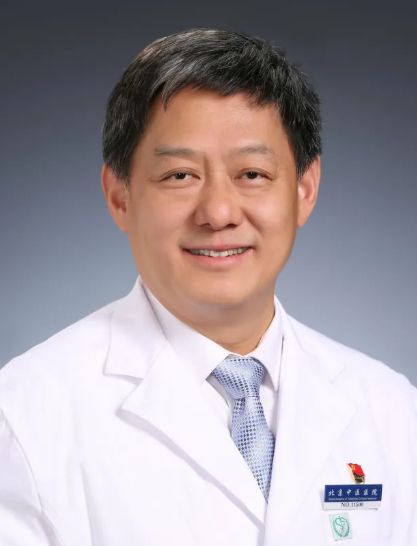 Qingquan Liu (刘清泉)合作论文数Beijing Hospital of Traditional Chinese Medicine, Capital Medical University3
 Jing Guo (郭静)合作论文数Beijing Hospital of Traditional Chinese Medicine, Capital Medical University3
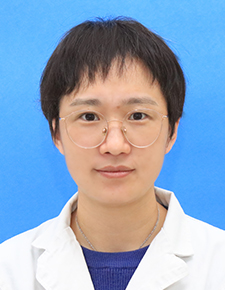 Jie Sun (孙洁)合作论文数Beijing Xiaotangshan Hospital3
 Zongheng Li (李宗衡)合作论文数Dongzhimen Hospital, Beijing University of Chinese Medicine3
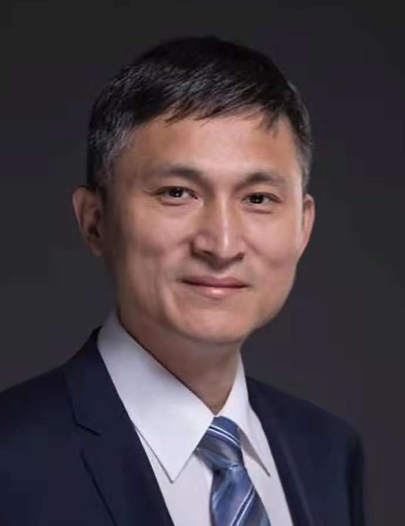 Cunzhi Liu (刘存志)合作论文数School of Acupuncture-Moxibustion and Tuina, Beijing University of Chinese Medicine3Lingyao Sun合作论文数2Qi An合作论文数2GAO Yuanjie (高源洁)合作论文数2Ying Chang合作论文数2Lü Tian-li (吕天丽)合作论文数2XIAO Wen-xun (肖文迅)合作论文数2Xueting Zhang (张雪婷)合作论文数2Wei You合作论文数2Yaohui Feng合作论文数2
 Mina Wang合作论文数Sch Tradit Chinese Med, Beijing Univ Chinese Med2Shu-han JIA (贾舒涵)合作论文数2
 Shiying Sun合作论文数Chinese Acad Sci, Inst Automat, State Key Lab Management & Control Complex Syst, Beijing 100190, Peoples R China2
 Rui-li LIANG (梁瑞丽)合作论文数2YaoHui Feng (冯耀辉)合作论文数2




