The rapid growth of multimodal data—primarily textual, acoustic, and visual signals—has amplified the demand for accurate and robust Multimodal Sentiment Analysis (MSA), which surpasses traditional single-modality approaches by capturing complementary emotional cues unavailable in isolated streams. However, existing methods face three persistent challenges: (i) modality heterogeneity, where variable-length and structurally diverse inputs hinder balanced fusion; (ii) gradient conflicts during joint optimization, which disrupt stable multimodal learning; and (iii) limited use of structured affective knowledge, leading to underutilization of domain priors. To address these issues, we propose KGCF-GA, a unified framework integrating knowledge-enhanced representation learning, cognitive fusion, and gradient-aligned optimization. Specifically, an Affective Knowledge-enhanced Cognition (AKC) module combines SenticNet and ConceptNet with task - specific affective relations to inject structured emotional priors. A Modular Sequence-Compression (MSC) scheme normalizes heterogeneous sequences into fixed-length representations, ensuring modality alignment. A Cognitive Fusion (CF) layer, based on lightweight self-attention with positional encoding, dynamically recalibrates modality weights. Finally, the Gradient-Alignment Weighting (GAW) module computes cosine similarity between modality-specific and global gradients, adaptively adjusting loss weights to mitigate optimization conflicts. Experiments on MOSI, MOSEI, and CH-SIMS demonstrate that KGCF-GA consistently outperforms existing approaches. For instance, it achieves Acc-2 of 88.48% and F1 of 88.91% on MOSI, Acc-2 of 87.95% on MOSEI, and Acc-5 of 51.37% on CH-SIMS. Notably, on MOSI, KGCF-GA improves Acc-5 by 4.4 points and F1 by 2.01 points over the best existing methods, highlighting the substantial advantage brought by our design. These results verify the effectiveness and robustness of the proposed framework across both coarse- and fine-grained sentiment tasks.
Steel surface defect inspection is a critical image-based visual measurement task for ensuring product quality in industrial manufacturing. Current defect measurement methods encounter challenges in adapting to multiple scenarios due to the use of fixed inference boxes. This study proposes a defect measurement method based on an improved DiffusionDet, named FocalDiffDet. It adopts FocalNet as the backbone and incorporates the NDIoU loss function to penalize noise distance at predicted box corners, reducing coordinate-level localization error in diffusion-generated boxes. FocalDiffDet represents the first application of the Signal-to-Noise Ratio (SNR) concept to adjust the loss function in object detection, which dynamically reduces the Localization Loss at a timestep based on the ratio of the signal coefficient and diffusion coefficient, improving measurement stability and resolving gradient optimization conflicts across multiple timesteps in DiffusionDet. Experiments on the NEU-DET dataset show that FocalDiffDet achieved improvements of 2.1%, 1.9% and 1.3% at inference steps 1, 4 and 8, respectively. In the GC10-DET dataset, the model achieved the best accuracy of 76.6% at Nev al = 1000, with an improvement of 2.6% over the baseline DiffusionDet.
Existing multimodal sentiment analysis (MSA) methods have achieved strong performance, but they still face several challenges: (1) insufficient utilization of textual modality information; (2) limited effectiveness in jointly modeling hierarchical multimodal features (including deep and shallow features); and (3) inadequate exploration of the independent characteristics of each modality. These issues may cause models to overlook important emotional patterns in text and hinder effective learning of cross-hierarchical features with salient emotional cues as well as modality-specific characteristics. To address these challenges, we propose a multi-task learning framework that jointly models three unimodal prediction tasks and one multimodal sentiment prediction task. The multimodal branch produces the final prediction output, while the unimodal branches, under the supervision of loss functions, help optimize the network parameters and promote the learning of modality-specific characteristics. The framework contains three innovative modules: (1) the Raw Cross-Modal Information Fusion Module (RCMIF), built upon graph convolution, for learning shallow multimodal representations; (2) the Cleaned Cross-Modal Information Fusion Module (CCMIF), which captures deeper multimodal information via dynamic graph convolution and attention mechanisms; and (3) the Bilinear Attention Deep Independent Characteristics Mining Module (BADIC), which explores unimodal independent characteristics by leveraging bilinear pooling and related techniques. Notably, both BADIC and CCMIF exploit textual guidance, while RCMIF and CCMIF collaboratively learn cross-hierarchical features. Extensive experiments on multiple datasets (MOSI, MOSEI, CH-SIMS, and CH-SIMS-V2) show that the proposed framework achieves improvements of approximately 0.5%-1% in binary classification accuracy and F1 score compared with existing methods.
In this paper, a novel framework of computer-aided tolerancing is proposed, and the basic theories are introduced. In this line, first, the tolerance specification design-related data is analysed, which includes text-based data and CAD modelling data; the former mainly consists of ISO GPS and industrial standards, while the latter mainly includes geometric features and annotations. Next, to realise the historical data reuse, a similarity-based retrieval model is constructed, considering the fuzziness of data; the fuzzy set is employed to process missing and ambiguous information. Third, the historical data reuse for tolerance specification design is not always one; a three-way decision-making-based method is proposed to integrate the advantages of the top k historical tolerance specification design cases. Furthermore, a transformer-based knowledge graph model is presented, and both reasoning and reuse logics are illustrated. A case study is conducted to describe the entire flow of the proposed framework.
The mechanical products design presents significant challenges to engineers, considering the form, dimensions, function and precision requirements, etc. The design of mechanical products refers to historical data. Existing related methods only consider data reuse under conditions of sufficient information. When the information is missing, it is hard to select a suitable reference case. Moreover, most methods retrieve historical cases with the highest similarity, while ignoring the advantages of those with lower similarity. Therefore, this paper presents a novel three-way decision-making (3WDM) approach based on interval-valued Fermatean fuzzy sets (IVFFSs) theory. First, this method utilizes IVFFSs to calculate the total similarity between the target case and historical cases, and a robust missing data processing model is constructed. Subsequently, a 3WDM based method is built to realize classification. While conventional methods are limited to case ranking, the proposed method supports multi-attribute retrieval and ranking of historical cases, and classifies them into positive, boundary and negative regions. The historical cases in the positive region can complement each other based on the similarity of each attribute. Lastly, the mechanical product design experiment is conducted under both complete and incomplete data systems, and the rationality and stability of the proposed method are demonstrated via a comparative study.
Surface defect detection is pivotal for industrial quality control. While supervised methods depend on large annotated datasets, their practicality is often limited by the scarcity of defective samples, high annotation costs, and the extensive diversity of defect types. By contrast, unsupervised approaches have thus gained increasing research attention as it requires only normal samples for training. This study presents a ConvNeXt-based knowledge distillation anomaly detection model designed for high-precision industrial inspection. The proposed method builds upon a teacher-student knowledge distillation framework with a pre-trained ConvNeXt-Tiny backbone, enabling unsupervised learning by modeling the feature distribution of normal samples. Within this architecture, the teacher network remains fixed to provide feature priors, while the student network incorporates Convolutional Block Attention Modules (CBAM) to enhance representational capacity. Furthermore, a joint optimization strategy combining Gradient-aware loss and Mean Squared Error (MSE) is introduced. Augmented with spatial structure constraints, this approach significantly improves segmentation and localization accuracy, allowing defect regions to be automatically identified based on feature residuals—without the need for manual labels. Additionally, a category-adaptive score aggregation mechanism based on Top-K pooling is designed to accommodate diverse defect characteristics. Experimental evaluations on the MVTec AD benchmark show that the proposed model achieves a Detection AUC of 94.9% and a Segmentation AUC of 96.9%, demonstrating competitive performance across both object and texture categories and confirming the efficacy of the proposed method.
Point cloud denoising is essential for quality inspection and reverse engineering of mechanical parts. Mechanical components typically contain mixed geometries such as planar surfaces, cylindrical features, holes, and sharp edges. However, existing methods struggle with these diverse geometric features and noise sources, often causing oversmoothing and loss of structural details. This compromises the reliability of downstream processes. To address these challenges, this paper proposes Progressive Geometry-Aware Denoising (PGAD), a progressive three-stage framework. PGAD consists of three core components: (i) A multi-scale local encoder builds k-nearest-neighbor (KNN) graphs at three scales to capture hierarchical geometric patterns. Based on these graphs, parallel EdgeConv operations extract multi-scale local features and edge features, enabling efficient encoding of diverse surface characteristics. (ii) A global contextual encoder processes these outputs through dual pathways to enhance feature representation. The Transformer pathway applies self-attention to the multi-scale local features, capturing long-range structural dependencies among all points. The Multilayer Perceptron (MLP) pathway enhances the edge features to improve local surface smoothness. Adaptive gating dynamically fuses these two pathway features based on regional geometric characteristics. (iii) A score-based denoising refiner predicts noise directions via learned score functions to achieve accurate point position refinement. The Tweedie formula enables single-step point adjustment. Fused geometric and topological features guide this process, ensuring preservation of critical geometric details while effectively suppressing noise. The framework uses progressive training. Each stage is optimized separately with earlier stages frozen during subsequent training. Experimental results demonstrate that PGAD outperforms existing methods in Chamfer Distance (CD) and Hausdorff Distance (HD). The framework achieves CD of 3.15 × 10⁻⁵ and HD of 7.88 × 10⁻³ at σ = 0.02, supporting downstream quality inspection tasks in manufacturing.
In quality control, the Minimum Zone Cylinder (MZC) criterion plays an important role in tolerance verification and part qualification. This paper proposes a novel MZC evaluation method for large-scale point clouds, termed HoLSE (Homotopy Log-Sum-Exp). Firstly, the original non-differentiable MZC problem is reformulated into a continuously differentiable optimization model involving only five variables, achieved by leveraging the log-sum-exp formulation to construct smooth approximations of the radius set. Secondly, a coarse-to-fine smooth homotopy strategy is introduced, where the Limited-memory Broyden-Fletcher-Goldfarb-Shanno with Bounds (L-BFGS-B) algorithm with progressively decreasing smoothing parameters is employed to accurately refine the cylinder axis. Finally, the original MZC objective is evaluated on the optimized axis to obtain an approximate cylindricity solution. Experimental results demonstrate that the proposed method can efficiently and accurately evaluate cylindricity errors on cylindrical point clouds of varying sizes.
Traditional computer-aided tolerancing (CAT) heavily relies on manual definitions of discrete mate types, which struggles to capture the continuous, probabilistic nature of manufacturing variations. This paper proposes a neuro-symbolic graph learning framework to achieve data-driven, continuous probabilistic tolerance modeling for mechanical assemblies. Given a boundary representation (B-Rep) graph of a CAD assembly, we integrate a Structure-Based Graph Convolutional Network (SB-GCN) with the symbolic physical rules of screw theory. Instead of classifying discrete joints, the network directly predicts a physically interpretable 6x6 covariance matrix (Σ) to represent the small-displacement screw space for each mating pair. To tackle the scarcity of real-world continuous tolerance annotations, a hybrid weakly supervised learning strategy is introduced, leveraging Negative Log-Likelihood (NLL) optimization and Control Parameter Degrees-of-Freedom (CPDF) consistency loss. Qualitative case studies on typical cylindrical mates demonstrate that the framework autonomously learns to assign substantial variances exclusively to unconstrained degrees of freedom (Tz, Rz), suppressing constrained directions to near-zero levels (< 10-5). This highly anisotropic prediction confirms the model’s capability to bridge B-Rep geometric features with underlying kinematic semantics, providing a robust, automated foundation for downstream assembly-level tolerance propagation and quality analysis.
Deep learning has achieved notable success in 3D shape retrieval. However, precise component matching for reuse in intelligent manufacturing remains challenging. This is mainly due to the limited representational capacity of single-dimensional features and the inflexibility of fixed similarity metrics. To address this, we propose a multi-dimensional feature fusion framework based on Case-Based Reasoning (CBR), which integrates geometric, semantic, and point cloud features. Specifically, we design a Semantic-Guided Feature Fusion Mechanism that uses cross-modal attention to dynamically align heterogeneous features under unified semantic guidance, and introduce a Dynamic Metric Learning Network that adaptively assigns dimension-wise weights based on query–candidate pair characteristics. Unlike previous methods that rely on simple feature concatenation or uniform weighting metrics, our approach achieves deep cross-modal synergy and sample-adaptive similarity computation. Experiments on a dataset containing 661 mechanical parts across 5 categories demonstrate the effectiveness and generalizability of our method. This work presents a promising approach for component retrieval, with performance demonstrated on a limited dataset; further validation on larger industrial collections is needed to confirm its practical applicability.
Industrial anomaly detection algorithms based on Convolutional Neural Networks (CNN) often struggle with identifying small anomaly regions and maintaining robust performance in noisy industrial environments. To address these limitations, this paper proposes the Swin Transformer-Based Hybrid Reconstruction Discriminative Network (SRDAD), which combines the global context modeling capabilities of Swin Transformer with complementary reconstruction and discrimination approaches. Our approach introduces three key contributions: a natural anomaly image generation module that produces diverse simulated anomalies resembling real-world defects; a Swin-Unet based reconstruction subnetwork with enhanced residual and pooling modules for accurate normal image reconstruction, utilizing hierarchical window attention mechanisms, and an anomaly contrast discrimination subnetwork based on convolutional Unet that enables end-to-end detection and localization through contrastive learning. This hybrid approach combines reconstruction and discrimination paradigms to improve anomaly detection performance. Experimental results on the industrial dataset MVTec AD demonstrate that SRDAD achieves competitive performance, with improvements of 0.6% in detection accuracy and 0.7% in localization precision. The method demonstrates improved performance in detecting small anomalies and maintaining performance in noisy environments, highlighting its potential for industrial applications.
Human action recognition has achieved competitive performance since the advancement of deep learning and large-scale training datasets. However, recent approaches tend to leverage contextual features instead of interpreting human actions based on semantic definitions. This study presents a long-short-term semantic motion encoding method (LSME) based on human pose sequences, aiming to understand generically semantic action representation over an entire video. The three-dimensional convolutional neural network is proposed to model short-term motions, followed by a two-dimensional temporal convolution for long-term semantic encoding. Finally, the Euclidean distance and Additive Angular Margin Loss based methods are explored to encode action signatures of unseen actions in the open-set recognition problem. Therefore, LSME can understand actual semantic action definitions and recognise unseen actions with negligible data and computational cost adjunction instead of retraining a new model. By fusing a spatial pathway, the proposed model has achieved state-of-the-art performance on action recognition according to the experiments carried out on NTU (Nanyang Technological University) and Kinetics datasets, with the accuracy of 93.82 % on NTU 60, 53.04 % top-1 and 79.32 % top-5 accuracies on Skeleton-Mimetics. These results show that the proposed model is capable of encoding semantic action features whilst speeding up understanding events for real-world applications. It has also demonstrated promising applicability and extensibility for solving challenging real-world human action understanding problems.
Surface defect detection is crucial in industrial production, and due to the conveyor speed, real-time detection requires 30-60 frames per second (FPS), which exceeds the capability of most existing methods. This demand for high FPS has driven the need for lightweight detection models. Despite significant advancements in deep learning-based detection that have enabled single-stage models such as the you only look once (YOLO) series to achieve relatively fast detection, existing methods still face challenges in detecting multi-scale defects and tiny defects on complex surfaces while maintaining detection speed. This study proposes a lightweight single-stage detection model called lightweight industrial defect detection network with improved YOLO architecture (LIDD-YOLO) for high-precision and real-time industrial defect detection. Firstly, we propose the large separable kernel spatial pyramid pooling (SPP) module, which is a SPP structure with a separable large kernel attention mechanism, significantly improving the detection rate of multi-scale defects and enhancing the detection rate of small target defects. Secondly, we improved the Backbone and Neck structure of YOLOv8n with dual convolutional (Dual Conv) kernel convolution and enhanced the faster implementation of Cross Stage Partial Bottleneck with 2 Convolutions (C2f) module in the Neck structure with ghost convolution and decoupled fully connected (DFC) attention, reducing the computational and parameter overhead of the model while ensuring detection accuracy. Experimental results on the NEU-DET steel defect datasets and printed circuit board (PCB) defect datasets demonstrate that compared to YOLOv8n, LIDD-YOLO improves the recognition rate of multi-scale defects and small target defects while meeting lightweight requirements. LIDD-YOLO achieves a 3.2% increase in mean average precision (mAP) on the NEU-DET steel defect dataset, reaching 79.5%, and a 2.6% increase in mAP on the small target PCB defect dataset, reaching 93.3%. Moreover, it reduces the parameter count by 20.0% and floating point operations by 15.5%, further meeting the requirements for lightweight and high-precision industrial defect detection models.
This study proposes a method for reconstructing occluded facial expressions. Firstly, a self-supervised learning Masked Auto-Encoder based facial expression recognition (MAE-FER) method is introduced, which effectively reduces the computational cost and parameter count by enhancing the multi-scale local-global self-attention interaction encoder, thereby improving the training efficiency and generalization capability of the model. Secondly, to address the problem of facial expression occlusion in real-world scenarios, a MAE-based occlusion detector is designed to detect occluded parts of the face, providing effective support for subsequent reconstruction tasks. Subsequently, the Dynamic Weight Allocation Generative Adversarial Network (DWA-GAN) for facial expression occlusion recovery is proposed, which achieves precise occlusion recovery by dynamically allocating weights to reference image blocks, significantly improving the accuracy of reconstruction. Finally, feature fusion is performed on the reconstructed results and applied to the FER task to further enhance classification accuracy and stability. Utilizing the pre-trained MAE-FER model, key hidden vectors are extracted from facial expression images, containing important feature information related to expression recognition. Through this step, closely related features to expression recognition are selected while irrelevant details are discarded, optimizing the inter-class distance issue of facial expressions. Next, to address the performance degradation caused by label ambiguity, an improved Rotate Erasing Attention Consistency (REAC) method is adopted, which effectively mitigates the negative impact of label ambiguity, further improving the accuracy and stability of FER. Experimental results demonstrate that the method achieves the best performance on the RAF-DB dataset.
Unanticipated and rapid change in facial expression are micro-expression (ME) that are hard to hide after an emotionally charged event. Facial microexpressions are transient and subtle, making identification challenging. Recognition of MEs are very crucial in the light of personal intention phase identification. Previous studies had challenges recognizing ME due to complicated spatiotemporal linkage in video data. Using the ConvMixer architecture, we Proposed a novel technique for facial microexpression identification based on convolutional attention mechanism. The research uses SAMM, SMIC, and CASME-II are benchmark datasets used to perform experiments. ConvMixer deployed to analyze the SAMM dataset where ConvMixer achieved an amazing 99.73% accuracy, 97.3% precision, 96.5% recall, and 99% F1-Score while 10-fold cross-validation. In addition, we extended our analysis to the CASME-II dataset, where ConvMixer attained an F1-Score of 99.4%, an accuracy of 99.12%, a precision of 98.3%, and a recall of 98.7%. These findings indicate that ConvMixer regularly outperforms other MER architectures, while capturing video specific and dynamic characteristics. ConvMixer architecture are good in capturing both spatial and temporal correlations and extracts spatial information using depthwise convolutions and channel mixing processes. High F1-Score, recall, precision, and accuracy across several datasets demonstrate the robustness and adaptability of the ConvMixer architecture. Finally, our findings show that the Convolutional Attention-Based Mechanism for facial microexpression recognition (CABM-FMER) works effectively for identifying facial MEs.
This paper proposes and develops a novel method, namely the Partially Iterative Algorithm (PIA), for highspeed assessment of flatness deviation for point cloud data, which is typically measured data obtained by advanced instruments for precision manufacturing, such as optical scanners and industrial computed tomography. Firstly, an enhanced flatness deviation model is established based on the minimum zone principle, which is strictly adhered to the latest ISO definition. Secondly, the proposed method is detailed, including the Dynamic Point Set (DPS), the update scheme, and the terminal condition. Thirdly, comparisons are conducted with typical methods for flatness deviation assessment, along with a practicability test via the simulated dataset and measuring dataset. The results show that the proposed method can accurately and rapidly assess flatness deviation on point cloud data with massive measuring points.
Micro-Expression Recognition is crucial in various fields such as behavioral analysis, security, and psychological studies, offering valuable insights into subtle and often concealed emotional states. Despite significant advancements in deep learning models, challenges persist in accurately handling the nuanced and fleeting nature of micro-expressions, particularly when applied across diverse datasets with varied expressions. Existing models often struggle with precision and adaptability, leading to inconsistent recognition performance. To address these limitations, we propose the Convolutional Variational Attention Transformer (ConVAT), a novel model that leverages a multi-head attention mechanism integrated with convolutional networks, optimized specifically for detailed micro-expression analysis. Our methodology employs the Leave-One-Subject-Out (LOSO) cross-validation technique across three widely used datasets: SAMM, CASME II, and SMIC. The results demonstrate the effectiveness of ConVAT, achieving impressive performance with 98.73% accuracy on the SAMM dataset, 97.95% on the SMIC dataset, and 97.65% on CASME II. These outcomes not only surpass current state-of-the-art benchmarks but also highlight ConVAT’s robustness and reliability in capturing micro-expressions, marking a significant advancement toward developing sophisticated automated systems for real-world applications in micro-expression recognition.
 Zhijie Xu合作论文数Univ Huddersfield, Sch Comp & Engn, Huddersfield HD1 3DH, W Yorkshire, England54
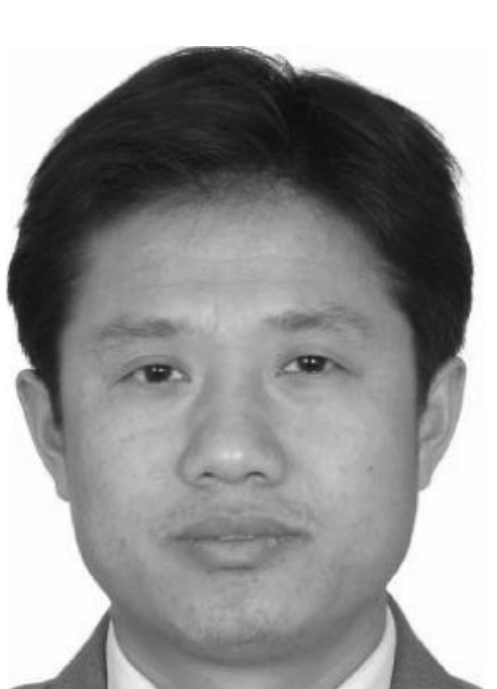 Chaolong Zhang合作论文数College of Computational Science, Zhongkai University of Agriculture and Engineering50
 Chao Kong合作论文数30
 Benjun Guo (郭本俊)合作论文数29
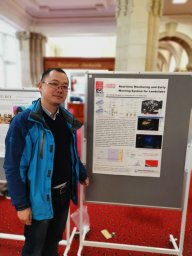 Huang Jian合作论文数State Key Lab. of Geohazard Prevention &Geoenvironment Protection, Chengdu Univ. of Technol.;c;State Key Lab. of Geohazard Prevention & Geoenvironment Protection, Chengdu Univ. of Technol.22
 Tukun Li合作论文数22Lu Jun合作论文数16
 Yanlong Cao (曹衍龙)合作论文数School of Mechanical Engineering, Zhejiang University13Dan Tang (唐聃)合作论文数11
 Jia He (何嘉)合作论文数成都信息工程学院计算机学院10Lu, L.合作论文数9
 Jiliu Zhou (周激流)合作论文数School of Computer Science, Chengdu University of Information Technology;College of Computer Science, Sichuan University8
 Qiuyan Gai合作论文数6
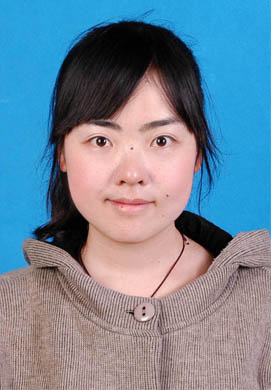 Jiaoling Zheng (郑皎凌)合作论文数Big Data Research Institute, Chengdu University of Information Technology6Yajing Shi合作论文数5
 Xiangqian Jiang (姜向前)合作论文数School of Physics, Harbin Institute of Technology5
 Wang Jing合作论文数School of Computing and Engineering, University of Huddersfield5Han Jiang (蒋含)合作论文数4
 Hongping Shu (舒红平)合作论文数School of Software Engineering, Chengdu University of Information Technology;School of Computing and Artificial Intelligence, Southwestern University of Finance and Economics4
 Jianhua Adu合作论文数4Mei Gong合作论文数4Shaojie Qiao (乔少杰)合作论文数School of Software Engineering, Chengdu University of Information Technology4Xude Dong合作论文数3Zhuowei Li合作论文数3Hailong Tan合作论文数3dengguo yao (咬登国)合作论文数3Xin Deng合作论文数3FU Hongsheng (付红圣)合作论文数3xiang jiang合作论文数3Wenbo Qiao合作论文数3Jian Huang (黄健)合作论文数3
 Paul J. Scott合作论文数Children's Research Institute, Medical College of Wisconsin3Junding Luo (罗钧鼎)合作论文数2Iain Macleod合作论文数2Zirui Mao合作论文数2Xie Pan合作论文数2Nan Han (韩楠)合作论文数2Jie Wang合作论文数2
 Yuwen Li合作论文数Department of Computer Science and Information Engineering, Chang Gung University, Taoyuan, Taiwan2Xiao Tan (覃晓)合作论文数2Jun Lu (卢军)合作论文数2
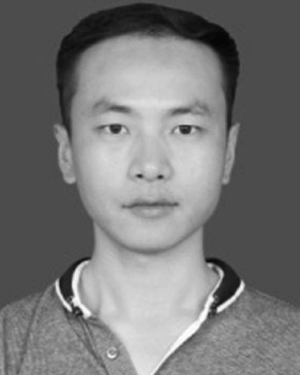 Zuhe Li合作论文数2Yushan Pan合作论文数University of Oslo2
 Kaiwei Wang (汪凯巍)合作论文数College of Optical Science and Engineering, Zhejiang University;National Research Center for Optical Instrumentation, Zhejiang University2
 Changan Yuan (元昌安)合作论文数Guangxi Academy of Sciences2
 Wenhan Zeng合作论文数Centre for Precision Technologies, University of Huddersfield2jonathan pickering合作论文数1
 Junnan Zhi合作论文数1Jianxing Yang合作论文数1




