Summary: Adapted excerpts from the 15th edition of the annual American Association for Cancer Research Cancer Progress Report (https://cancerprogressreport.aacr.org/progress/) to the US Congress and the public highlight significant strides made possible through medical research, much of which is supported by federal investments in the NIH, NCI, FDA, and Centers for Disease Control and Prevention.
INTRODUCTION:The Geriatric Depression Scale is a useful tool in screening for depression in older adults, a particularly vulnerable population in oncology. The National Comprehensive Cancer Network (NCCN) Distress Thermometer (DT) has been validated as a fast and effective screening tool for psychological distress in general oncology populations, and it could possibly be used as a surrogate for the longer Geriatric Depression Scale (GDS) test in older adults with cancer. MATERIALS AND METHODS:In this retrospective cross-sectional study in older adults prior to starting cancer treatment, we evaluated the relationship between the DT and GDS by comparing 242 older adults with cancers' DT scores to their GDS scores, used receiver operating characteristic analysis to determine a DT cutoff score, and used logistic regression to identify variables associated with higher distress. RESULTS:The Spearman correlation coefficient between GDS and DT was 0.41, p < 0.001. A cutoff score of 4 was found to be most sensitive and specific (0.66,0.68) for predicting a positive GDS (c-index = 0.70). DISCUSSION:These results indicate the potential utility of the DT as a mildly to moderately effective screening tool for depression in older adults with cancer starting treatment and support the current NCCN cutoff guidelines to indicate the need for additional distress interventions.
PURPOSE:To update Standards for an Oncology Medical Home (OMH) certification program on the basis of evidence and expert consensus. OMH is a system of care delivery that models coordinated, efficient, accessible, and evidence-based care reinforced by measurement of outcomes to facilitate continuous quality improvement. METHODS:An Expert Panel formed to review and update the OMH Standards. The Panel updated the 2021 systematic literature review on the topics of OMH model of care, clinical pathways, and survivorship care plans (SCPs). New topics for this update include safety and just culture in health care, multidisciplinary team (MDT) management, and geriatric assessment. An informal consensus process was used to revise, update, and add new standards. The process incorporated practice experience gained from a pilot certification process on the basis of the standards. Input was gained from open comment and external review before finalization. RESULTS:No new evidence was identified to warrant revisions to standards on the overarching OMH model of care, SCPs, and clinical pathways originally reported in the 2021 ASCO-Community Oncology Alliance OMH Standards. An additional literature search on safety and just culture in oncology identified three integrative reviews and one systematic review. This evidence, combined with existing ASCO guidance on MDT management and geriatric assessment, plus Expert Panel survey feedback, resulted in modifications to two existing standards and the addition of four new standards. STANDARDS:2025 OMH Standards are provided. The Standards support quality oncology care delivery in the areas of patient engagement, availability and access to care, evidence-based medicine, comprehensive team-based care, quality improvement, goals of care, palliative and end-of-life care discussions, and safe antineoplastic therapy administration.Additional information, including the Standards implementation manual, is available at: www.asco.org/standards.
The International Society for Geriatric Oncology, the American Society of Clinical Oncology, and the National Comprehensive Cancer Network have recommended a geriatric assessment be conducted for all older patients for whom cancer treatment is considered. Increasing evidence is showing effectiveness of geriatric assessment (GA) for identifying and managing vulnerabilities in older patients with cancer to help guide shared-decision making [ [1] Mohile S.G. Dale W. Somerfield M.R. Schonberg M.A. Boyd C.M. Burhenn P.S. et al. Practical assessment and management of vulnerabilities in older patients receiving chemotherapy: ASCO guideline for geriatric oncology. J Clin Oncol. 2018; 36: 2326 Crossref PubMed Scopus (856) Google Scholar , [2] Mohile Supriya Gupta et al. Geriatric assessment-guided care processes for older adults: a Delphi consensus of geriatric oncology experts. J Natl Compr Cancer Netw. 2015; 13: 1120-1130 Crossref PubMed Google Scholar ].
BACKGROUND:Older women with breast cancer frequently experience toxicity-related hospitalizations during adjuvant chemotherapy. Although the geriatric assessment can identify those at risk, its use in clinic remains limited. One simple, low-cost marker of vulnerability in older persons is fall history. Here, the authors examined whether falls prechemotherapy can identify older women at risk for toxicity-related hospitalization during adjuvant chemotherapy for breast cancer.METHODS:In a prospective study of women >65 years old with stage I-III breast cancer treated with adjuvant chemotherapy, the authors assessed baseline falls in the past 6 months as a categorical variable: no fall, one fall, and more than one fall. The primary end point was incident hospitalization during chemotherapy attributable to toxicity. Multivariable logistic regression was used to examine the association between falls and toxicity-related hospitalization, adjusting for sociodemographic, disease, and geriatric covariates.RESULTS:Of the 497 participants, 60 (12.1%) reported falling before chemotherapy, and 114 (22.9%) had one or more toxicity-related hospitalizations. After adjusting for sociodemographic, disease, and geriatric characteristics, women who fell more than once within 6 months before chemotherapy had greater odds of being hospitalized from toxicity during chemotherapy compared to women who did not fall (50.0% vs. 20.8% experienced toxicity-related hospitalization, odds ratio, 4.38; 95% confidence interval, 1.66-11.54, p = .003).CONCLUSIONS:In this cohort of older women with early breast cancer, women who experienced more than one fall before chemotherapy had an over 4-fold increased risk of toxicity-related hospitalization during chemotherapy, independent of sociodemographic, disease, and geriatric factors.
This study aimed to assess whether physical functional decline in older women with early-stage breast cancer is driven by cancer, chemotherapy, or a combination of both. We prospectively sampled three groups of women aged ≥ 65: 444 with early-stage breast cancer receiving chemotherapy (BC Chemo), 98 with early-stage breast cancer not receiving chemotherapy (BC Control), and 100 non-cancer controls (NC Control). Physical function was assessed at two timepoints (T1 [baseline] and T2 [3, 4, or 6 months]) using the Physical Functioning Subscale (PF-10) of the RAND 36-item Short Form. The primary endpoint was the change in PF-10 scores from T1 to T2, analyzed continuously and dichotomously (Yes/No, with "yes" indicating a PF-10 decline > 10 points, i.e., a substantial and clinically meaningful difference). Baseline PF-10 scores were similar across all groups. The BC Chemo group experienced a significant decline at T2, with a median change in PF-10 of -5 (interquartile range [IQR], -20, 0), while BC Control and NC Control groups showed a median change of 0 (IQR, -5, 5; p < 0.001). Over 30
e13766 Background: The Geriatric 8 (G8) is a screening tool validated for cancer patients to identify those in need of a comprehensive geriatric assessment (CGA). It evaluates eight domains encompassing mobility, polypharmacy, age, and self-rated health. The existing original-G8 requires administration by a healthcare professional, limiting its accessibility and practicality. An electronic, patient-reported version could broaden its reach, enhancing care coordination. This study focuses on the implementation and evaluation of a self-reported G8 tool on Epic MyChart and its alignment with the original-G8. Methods: The MyChart-G8 underwent adaptation from the original-G8, retaining all domains while optimizing questions for patient self-completion and adhering to health communication design principles. We introduced MyChart-G8 across our Jefferson health system for all patients aged ≥ 65 with a new cancer diagnosis. For a subset of patients, an oncology nurse or medical assistant also administered the original G8 during the new patient visit rooming process. Agreement between MyChart-G8 and original-G8 for individual items was measured using Kappa statistics. Diagnostic accuracy of MyChart-G8 compared to the original-G8 was also assessed. Results: Our cohort comprised 203 older cancer patients who completed both MyChart-G8 and the original-G8. The frequency of abnormal scores (≤14) for the original-G8 and MyChart-G8 was 40.0% and 67.7%, respectively. Discrepancies between the two tools were partly attributed to less than moderate agreement for three individual items: neuropsychological problems (Kappa 0.15), BMI (Kappa 0.27), and self-rated health (Kappa 0.31). A MyChart-G8 cutoff of 14.5 demonstrated the best balance of sensitivity (0.86 ± 0.13) and specificity (0.57 ± 0.06) when compared to the original G8. Conclusions: The incorporation of self-reported G8 assessments into Epic MyChart is feasible and implementable. Persistent challenges arise in accurately assessing self-reported problems among older adult cancer patients in the electronic format, potentially resulting in MyChart over-flagging abnormalities. The introduction of the Practical Geriatric Assessment (PGA) presents an opportunity to streamline the CGA. By subsequently conducting a PGA for individuals identified as vulnerable through the MyChart G8, we can confirm frailty domains, inform treatment decisions, and address impairments through targeted interventions. This integrated, stepped-up assessment approach holds significant potential to optimize resource utilization, enhance patient engagement, and tailor individualized treatments, ultimately with the goal of maximizing treatment outcomes. The Sidney Kimmel Cancer Center is in the process of developing a decentralized model of PGA using MyChart G8 as a step-up approach across the Jefferson Health enterprise.
Abstract Background: Older adults with early breast cancer (EBC) treated with adjuvant chemotherapy frequently experience severe toxicities. As a result of such toxicities, many older adults do not complete all planned chemotherapy cycles (i.e., discontinue chemotherapy early). Early discontinuation may increase the risk of recurrence and decrease survival. However, aging is heterogeneous and identifying which older adult is at risk of early discontinuation before starting chemotherapy remains a key knowledge gap. To fill this gap, we examined the incidence, reasons, and risk factors for early discontinuation of adjuvant chemotherapy in older adults with EBC. Methods: This is a post-hoc analysis of 501 older adults (age>65) with EBC enrolled in the Hurria Older PatiEnts (HOPE) with Breast Cancer Study (NCT01472094, R01AG037037), a prospective multicenter study. All participants were treated with neo/adjuvant chemotherapy. Prior to initiating chemotherapy, participants completed survey measures on sociodemographic, clinical, and geriatric assessment characteristics. The primary outcome was early discontinuation (yes/no; yes, defined as failure to complete all planned chemotherapy cycles). Multivariable logistic regression with stepwise selection was used to evaluate the association between baseline variables (demographic, clinical, geriatric assessment) and early discontinuation. Results: A total of 501 participants (median [range] age, 70 [65-86] years and mean [SD] physician-rated KPS 93 [9.3]) were included. One hundred and thirteen (23%) had early discontinuation. Among participants with early discontinuation, 69% discontinued treatment within the last 3 cycles. In bivariate analysis, early discontinuation was associated with older age (continuous), higher stage (II/III), use of non-TC regimens (anthracycline-based or trastuzumab-based), lower albumin level (continuous), a history of diabetes, ≥1 fall in the last 6 months, and lower activities of daily living (ADL) score (< 85). Multivariable stepwise logistic regression analysis identified that ≥1 fall in the last 6 months, ADL score < 85, and regimen were associated with early discontinuation at p < 0.05. In the final model, after accounting for clinically meaningful variables including age, stage, and regimen, the results for falls (odds ratio [OR] = 2.04, 95% CI: 1.10-3.78, p=0.02) and ADL (OR=2.10, 95% CI: 1.32-3.34, p=0.002) remained highly significant. Compared to participants with no falls and ADL scores >85, participants with who reported both falls and an ADL score < 85 prior to initiation of chemotherapy had more than 4-fold increased odds of early discontinuation (Table). Conclusion: In this cohort of older adults with EBC, nearly 1 in 4 older patients initiated neo/adjuvant chemotherapy but did not complete all planned chemotherapy cycles. Older patients at risk for early discontinuation should be identified and targeted upfront before initiating chemotherapy. Table. Multivariable associations between falls, ADL score, and early discontinuation. *Adjusted for age (continuous), stage (I vs. II/III), and regimen (anthracycline based + no trastuzumab vs. non-anthracycline based + no trastuzumab vs. anthracycline based + trastuzumab vs. platinum/CMF + trastuzumab vs. taxol only + trastuzumab vs. other). ** Five patients missing fall information. Two patients missing ADL score. Citation Format: Jingran Ji, Canlan Sun, Rachel Freedman, Harvey Cohen, Heidi Klepin, William Tew, Beverly Moy, Andrew Chapman, Tanya Wildes, Efrat Dotan, Allison Magnuson, Tracey O'Connor, Mary Anne Fenton, Heeyoung Kim, Vani Katheria, Cary Gross, Hyman Muss, Mina Sedrak. Early Discontinuation of Adjuvant Chemotherapy in Older Adults with Early Breast Cancer: Results from the Prospective Multicenter HOPE Study [abstract]. In: Proceedings of the 2023 San Antonio Breast Cancer Symposium; 2023 Dec 5-9; San Antonio, TX. Philadelphia (PA): AACR; Cancer Res 2024;84(9 Suppl):Abstract nr PO4-11-04.
Background: Anti-CD-20 immunochemotherapy with cytotoxic agents has been the traditional front-line therapy for patients with the advanced stage indolent non-Hodgkin lymphomas (iNHL) such as follicular (FL) and marginal zone lymphoma (MZL) requiring treatment. For patients with medical comorbidities and advanced age at iNHL diagnosis, treatment regimens without cytotoxic chemotherapy may offer an effective but less toxic option. Combination therapies with non-cytotoxic treatments and anti-CD20 antibodies have been developed in FL and MZL, such as lenalidomide and the anti-CD20 antibody obinutuzumab. The combination of Obinutuzumab and ibrutinib was previously reported in first line treatment of follicular lymphoma (Schmidt et al ASH 2018), but not MZL. In a phase II study, we investigated the front line combination of Ibrutinib plus Obinutuzumab in FL and MZL. Methods: Adult patients with untreated, histologically confirmed Ann Arbor Stage II-IV FL (WHO classification grade 1, 2 or 3a) or MZL (nodal, splenic and extranodal) who had an indication for systemic therapy on the basis of symptoms, high tumor burden, cytopenias and/or other evidence of end-organ damage as per standard modified GELF criteria were eligible. In this single-arm study, patients received ibrutinib 560 mg daily and obinutuzumab in 28-day cycles. Obinutuzumab induction was given on days 1, 8 and 15 of cycle 1, and on day 1 of cycles 2-6. Maintenance therapy was administered if there was at least a partial response based on PET-CT after cycle 7 with obinutuzumab every 8 weeks for a total of 12 doses and ibrutinib 560 mg daily until progression. Treatment response was assessed with PET/CT scans after cycle 4 and 7, followed by every 6 months for 2 years and then annually. Overall response rate (ORR) included complete response (CR) and partial response (PR). The primary study endpoint was ORR after 7 cycles of therapy. Results: Twenty-eight patients were enrolled (15 FL, 13 MZL) and 26 patients were evaluable for ORR after 7 cycles of therapy. The median age was 65 years (range 36-84 years), 11 (39%) presented with B symptoms, 23 (82%) had Ann Arbor Stage III-IV disease, and 18 (64%) had bone marrow involvement. For patients with FL, 11 (73%) had a morphologic grade of 1-2, and 4 (27%) had a morphologic grade of 3a. For patients with MZL, 3 (23%) had nodal, 2 (15%) had splenic, and 8 (62%) had extranodal involvement. The median follow-up time was 2.2 years (3.7 years for FL, 2.1 years for MZL). The overall response rate (ORR) following 7 cycles of therapy was 22/26 (85%) with 11/15 (73%) for FL with 10 having a CR and 1 having a PR for patients with FL and 11/11 (100%) for MZL with 8 having a CR and 3 having a PR for patients with MZL. Progression-free survival (PFS) at 24 months was 81% [67% - 97%, 95%CI] with 66% [45% - 95%, 95%CI] for FL and 100% for MZL patients. Six (5 FL, 1 MZL) patients withdrew due to progression. The most common adverse event was grade 1-2 arthralgia (N=21). The most common grade 3-4 adverse event was infection (N=10), including COVID-19 (N=5), pneumonia (N=2), neutropenic fever not otherwise specified (N=1), influenza (N=1), and diverticulitis (N=1). Conclusions: The chemotherapy free combination of Ibrutinib and Obinutuzumab is effective and well tolerated. The regimen was particularly effective in patients in MZL patients with an ORR and PFS of 100 % after median follow up of 2.1 years, and represents an attractive approach for these patients.
The majority of cancer diagnoses and morbidity occur in patients age 65 and over, and older patients are an understudied population that is projected to significantly increase over the next 20 years [ [1] Tan W.C. Viruses in asthma exacerbations. Curr Opin Pulm Med. 2005; 11: 21-26 PubMed Google Scholar ]. Carcinoma of the breast is strongly correlated with aging. The median age of diagnosis is 62 years and 20% of females diagnosed are over the age of 75. The 2015 study by Rosenberg et al. estimated that as the general population continues to age, invasive breast cancer cases will double by 2030 in the U.S. The significance of this change in demographics is further compounded by the greater risk of therapy in older patients with cancer when compared to the rest of the population. The physiological changes associated with aging increase the risk of developing serious toxicity induced by cancer treatment, manifesting as emergency department visits or hospitalizations and non-compliance with treatment. These risks can negatively affect survival, quality of life, and treatment efficacy [ [2] Given B. Given C.W. Older adults and cancer treatment. Cancer. 2008; 113: 3505https://doi.org/10.1002/CNCR.23939 Crossref PubMed Scopus (0) Google Scholar ]. Data shows that about 30–50% of older patients with cancer receiving chemotherapy experience severe grade 3–5 symptoms as well as temporary declines in quality of life that is both clinically and statistically significant [ [3] Battisti N.M.L. et al. Bridging the age gap in breast cancer: impact of chemotherapy on quality of life in older women with early breast cancer. Eur J Cancer. 2021; 144: 269-280https://doi.org/10.1016/j.ejca.2020.11.022 Abstract Full Text Full Text PDF PubMed Scopus (26) Google Scholar ]. A particularly undesirable consequence of the toxicity of chemotherapy in older patients is hospitalization, as it often leads to irreversible decline in functional capacity, loss of independence, and in increased risk of institutionalization. Further, even a grade 2 toxicity can have devastating impact on quality of life if it is overlooked and does not improved over time [ [4] Muss H.B. et al. Toxicity of older and younger patients treated with adjuvant chemotherapy for node-positive breast cancer: the Cancer and leukemia group B experience. J Clin Oncol. 2007; 25: 3699-3704https://doi.org/10.1200/JCO.2007.10.9710 Crossref PubMed Scopus (257) Google Scholar ]. Thus, it is critical to have tools that help us predict the risk of toxicity and unscheduled care during cancer treatment and to develop an individualized treatment plan to minimize those risks.
12035 Background: Hospitalizations are frequent, burdensome, and potentially avoidable complications of cancer treatment in older adults. While geriatric assessments can identify older patients at risk for hospitalization, the use of these assessments in clinic is limited by time and resources. Screening for falls in the past 6 months is a quick and simple question that clinicians can ask in clinic and fall history has been linked to chemo-related toxicity. Here, we hypothesized that in older adults with cancer fall history prior to chemo is associated with an increased risk of hospitalization during chemo. Methods: In a prospective multicenter study of 497 women age ≥65 with stage I-III breast cancer treated with neo/adjuvant chemo, we assessed baseline self-reported fall history in the past 6 months as a dichotomous (yes/no) and continuous variable (no. of falls). Our primary endpoint was hospitalization during chemo (yes/no, yes defined as incident hospitalization assessed from start to end of chemo and attributed to toxicity from chemo). We used multivariable logistic regression to examine the association between fall history and hospitalization during chemo, adjusting for sociodemographic and clinical covariates. Results: The median age was 70 (65-86), 65% had stage II/III disease, 37% had anthracycline, and 72% received primary prophylaxis with G-CSF. Of the 497 participants, 60 (12%) reported falls (median 1.0 [1-6]) at baseline, and 114 (23%) were hospitalized during chemo (median 1.0 [1-4]). The most common toxicities that resulted in hospitalization were febrile neutropenia (25%), anemia (13%), dehydration (13%), and fatigue (13%). Women who fell in the 6 months prior to chemo had greater odds (adjusted OR = 2.69, 95% CI 1.42-5.11, p= 0.003) of being hospitalized during chemo compared to women who did not fall. Conclusions: In this cohort of older women with early breast cancer, fall history prior to chemo was associated with an increased risk of hospitalization during chemo, independent of sociodemographic and clinical factors. Oncologists do not routinely assess fall history when considering chemo in older adults. Screening for falls is a quick, simple, and important indicator of vulnerability that oncologists may use to identify patients at risk for hospitalization during chemo and inform personalized, patient-partnered treatment decisions. Clinical trial information: NCT01472094 . [Table: see text]
e24030 Background: The geriatric oncology population is uniquely vulnerable to increased levels of psychological distress due to age related challenges such as social isolation, change in lifestyle, and comorbid conditions. In the general population, higher levels of psychological distress have been shown to impact treatment course, quality of life, and survival. The NCCN Distress Thermometer (DT) is a validated fast and effective screening tool for psychological distress, with a cutoff score of 4 yielding optimal sensitivity and specificity in a general cancer population. However, the best cutoff for detecting psychological morbidity in older cancer patients is unclear. In this study, we aim to compare the sensitivity and specificity of various cutoff values for the Distress Thermometer score to predict Geriatric Depression Scale (GDS) score. Methods: Data is derived from 242 geriatric oncology patients from the Senior Adult Oncology Center at Jefferson Health. Using a cutoff of 5 for the GDS as the clinical standard guideline, we use receiver operating characteristic (ROC) curve analysis of the univariable logistic regression model to predict clinical depression. Results: A cutoff DT score of 3.5 was found to be most sensitive and specific (0.66,0.68) for predicting clinical depression (Area Under the ROC Curve (AUC) = 0.70). Multivariable logistic regression including age improved the predictive ability of the DT score to an AUC of 0.75. Conclusions: The increase in AUC with the addition of age indicates the potential use of a composite value of age and DT score to best determine at-risk patients in a clinical setting. While these results indicate the utility of the Distress Thermometer as an effective screening tool in the geriatric oncology population, our findings also suggest that a lower threshold score is advised for clinicians who are hoping to identify older cancer patients who are distressed. Patients who meet the threshold criteria would then be assessed further for triage into appropriate levels of geriatric supportive services.
e24032 Background: Cancer is a disease of the elderly with more than 60% of all cancers diagnosed in adults age 60 or older. Falls pose a substantial risk for older cancer patients leading to hip fractures, traumatic brain injury, and are the leading cause of injury-related hospitalizations in persons aged 60 and older. This risk is due to aging changes compounded by the effect of cancer and cancer therapy. This report aims at understanding risk factors for falls and the perception of fear of falling (FOF) among older patients with cancer. Methods: As a single-site, retrospective cohort study, data was derived from 249 geriatric oncology patients from Senior Adult Oncology Center at Jefferson Health. The primary endpoints are the number of falls in the preceding 12 months and FOF as part of a self-reported fall screening. Multivariate logistic regression model was used to identify the independent risks factors by including patients’ age, sex, race/ethnicity, BMI, polypharmacy, cancer types, ECOG scores, Timed up and go (TUG) test, CARG toxicity scores, Mini-Cog, frailty status and depressive symptom for each endpoint separately. Results: Majorities were White (62.1%) and female (57.2%) with a mean ages of 78.1 (SD = 8.7). The most common cancers diagnosed were hematologic malignancy (34.1%), gastrointestinal (23.4 %) and breast cancer (16.1%). 26.1% experienced one or more falls in the past 12 months and 28.9% were worried about falling. Average CARG score is 10.1 (SD = 3.8). 50.4% had an abnormal TUG tests and 23.6% had an abnormal Mini-Cog. In the multivariate logistic regression, CARG score (OR = 1.46 95% CI = 1.30 - 1.65, p = 0.000) was associated with falls in the past 12 months after adjusting for confounders. Further, both abnormal TUG (OR = 4.63 95% CI = 2.12-10.13 p = 0.000) and increased CARG score (OR = 1.17 95% CI = 1.05-1.31 p = 0.005) were associated with FOF. Conclusions: Falls and FOF are common among older cancer patients in our cohort. As the CARG toxicity score found as a major predictor for prior falls, our findings suggest the importance of future toxicity risk-tailored interventions which could potentially lead to the prevention of further falls. We also found that the TUG test and CARG were associated with FOF, which might diminish older cancer patient’s confidence in participating in daily activities. Future research is needed to investigate causal relationship among comprehensive risk factors and the efficacy of tailored interventions.
Geriatric assessment (GA) has been shown to decrease toxicity from systemic therapy, improve completion of chemotherapy, and reduce hospitalizations in older adults with cancer. Given the aging of the cancer population, this has the potential to have a positive impact on the care of a large swath of patients seen. Despite endorsement by several international societies, including the American Society of Clinical Oncology, uptake of GA has been low. Lack of knowledge, time, and resources has been cited as reasons for this. Although challenges to developing and implementing a cancer and aging program vary depending on the health care context, GA is adaptable to every health care context from low- to high-resource settings, as well as those in which geriatric oncology is a well-established or just emerging field. We provide an approach for clinicians and administrators to develop, implement, and sustain aging and cancer programs in a doable and sustainable way.
e18626 Background: Diversity fuels discovery and is, thus, essential to the well-being of a cancer center and its members. To implement our efforts, the Sidney Kimmel Cancer Center (SKCC) appointed an Associate Director for Diversity, Equity, and Inclusion (DEI) who welcomed interested faculty, staff, and trainees to gather to consider principles, coordination, aims, and priorities to achieve Center priorities for diversity, equity, and inclusion. Methods: After an initial town-hall type gathering, an analysis of approaches at peer institutions, and subsequent subgroup incubator meetings that engaged the Associate Directors for Cancer Research Training and Education Coordination and Community Outreach and Engagement and the SKCC Scientific Programs, additional members became involved, missing potential strategic partners were identified and invited to participate, and a workplan was developed. Results: Through our inclusive process, the SKCC community affirmed equity as a cornerstone value, identified a climate that supports belonging and pathways to success as strategic priorities, and committed to disseminating a survey to guide progress towards the priorities. Our group, initially known as the DEI Committee selected as its name, Belonging-Justice, Equity, Diversity, and Inclusion (B-JEDI), and invited everyone to “B-JEDI”, acknowledging that to succeed, we must all be working towards our ideals. The B-JEDI strategic planning subgroup drafted, tested, and disseminated the survey to yield a strategic plan; and another subgroup developed a DEI mission statement for SKCC. Incubator subgroups composed of faculty, staff, trainees interested in the topic (Investigation, Awareness and Education, Health Care Delivery, Community Outreach Partnership & Engagement (COPE), and Advocacy) are actively working with institutional partners to advance strategic goals and priorities. Conclusions: B-JEDI (Belonging-Justice, Equity, Diversity, and Inclusion) provides guidance and fuel to SKCC in its mission to improve lives through discovery. Composed of interested members of the SKCC community, B-JEDI is welcoming to all, has strategically engaged institutional leadership partners, and is developing processes to engage our catchment community at large. [Table: see text]
12010 Background: Older patients often experience more toxicity from cancer treatments due to their functional age and co-morbidities. The G8 is a geriatric screening tool designed to identify patients who are appropriate for a comprehensive geriatric assessment (CGA) which will inform and optimize oncology therapeutic decision making, reduce toxicities and improve outcomes. Using a nurse-led assessment approach, we have implemented an EMR embedded G8 tool across our cancer center since June 2020. We aim to describe the characteristics of those patients who scored abnormal (≤ 14) on the G8. Methods: The demographic and clinical characteristics were collected from the EMR for those who were ≥ 65 and have completed the G8 screening tool from June 2020 to Jan 2022. Summary statistics such as means, standard deviations and proportions were reported. Comparisons of various endpoints between dichotomized (≤ 14 vs. > 14) G8 scores were performed using pairwise two-sample t-test, pairwise proportion test, Fisher’s exact test and/or Pearson’s chi-squared test. Selected stakeholders were elicited for their perspectives on the implementation process. Results: 544 patients age ≥ 65 completed G8 screening with a mean score of 13.4 (± 2.3). The mean age was 75.2 (± 7.0), and 55.7% were females and 78.3% were non-Hispanic White. The most frequent cancer type was breast cancer (21.3%), followed by lung/respiratory cancer (18.2%), and GI cancer (15.8%). The percentage of patients appropriate for a CGA (based on an abnormal G8 score) was 59% (n = 332), of which only 10% (n = 31) were referred. A spearman correlation of 0.4 (p < 0.001) between G8 scores and age was obtained. A statistically significant association between ECOG and G8 groups was found, but not for any comorbidities. The prevalence of current/former smoking and extreme polypharmacy (> 10) is significantly higher in the G8 abnormal group. Implementation process evaluation found new patients with cancer overwhelmed with information, a lack of patient education and provider engagement, and an unstandardized referral process to CGA, were barriers for CGA referral. Conclusions: The G8 is an effective tool identifying patients appropriate for a CGA. An EMR embedded G8 steadily improved the G8 utilization uptake but not referral for CGA at our institution. To further improve awareness, utilization and referral, we are redesigning a hybrid workflow integrating patient-mediated MyChart implementation and nurse navigator engagement. EPIC enhancements are being designed to inform the oncologist of the patient’s G8 score, CGA referral status and the final CGA report.
Background: Rituximab in combination with chemotherapy (R [rituximab]-CHOP [cyclophosphamide, doxorubicin, vincristine, and prednisone]) is the standard first-line therapy for patients with DLBCL. With an aging population, unfit or frail patients who may not tolerate R-CHOP represent an increasing unmet need. There is also significant heterogeneity in how fitness for therapy is assessed. The simplified geriatric assessment (sGA) identifies three distinct categories (fit, unfit, and frail) based on age, activities of daily living (ADL), instrumental activities of daily living (IADL), and the Cumulative Illness Rating Scale for Geriatrics (CIRS-G, J Clin Oncol 2021;39(11):1214-1222). Loncastuximab tesirine (loncastuximab tesirine-lpyl; Lonca), an antibody-drug conjugate comprising a humanized anti-CD19 monoclonal antibody conjugated to a pyrrolobenzodiazepine dimer toxin, is approved in relapsed or refractory (R/R) DLBCL based on data from the phase 2 LOTIS-2 pivotal trial (Lancet Oncol 2021;22(6):790-800). The safety and efficacy of Lonca-R in combination is also being studied in patients with R/R DLBCL versus immunochemotherapy in an ongoing, separate study (LOTIS-5; NCT04384484). Objectives: To determine the safety and efficacy of Lonca-R in previously untreated unfit/frail patients with DLBCL, as characterized by the sGA, in the LOTIS-9 clinical trial (NCT05144009). Methods: This is a phase 2, open-label, response-adapted study of Lonca-R in previously untreated unfit (Cohort A) or frail (Cohort B) patients with DLBCL. Key inclusion criteria include diagnosis of DLBCL (including DLBCL transformed from indolent lymphoma), high-grade B-cell lymphoma, or grade 3b follicular lymphoma; Eastern Cooperative Oncology Group performance status of 0-2; and measurable disease (2014 Lugano Classification). Each cohort will enroll 40 patients, with fitness (Cohort A) and frailty (Cohort B) assessed using the sGA. The primary objectives are to assess efficacy (Cohorts A and B) and tolerability (Cohort B) of Lonca-R. The primary endpoint will be the complete response (CR) rate (Cohorts A and B) and tolerability defined by the percentage of patients completing a total of 4 cycles of therapy (Cohort B). Lonca-R treatment consists of R intravenously (IV) 375 mg/m2 on day 1 of cycles 1-4 (subcutaneously allowed starting at C2), Lonca 150 µg/kg IV on day 2 of cycle 1 and day 1 of cycle 2, and Lonca 75 µg/kg IV on day 1 of cycles 3 and 4. After completion of 3 Lonca-R cycles, patients who achieve CR or partial response (PR) will continue to receive 1 or 3 additional cycles of Lonca-R, respectively. Patients in Cohort A who do not achieve a CR or PR will discontinue study treatment. Patients in Cohort B who achieve stable disease and derive clinical benefit, per the treating physician, may continue to receive an additional 3 cycles of Lonca-R. All patients will be followed every 12 weeks for 1 year, every 24 weeks for up to 3 years, and then annually for up to 5 years. Results: The study is currently enrolling patients in the United States and will be available to centers in additional countries in the coming months, including Spain, Italy, and Israel. Funding: ADC Therapeutics SA; medical writing: CiTRUS Health Group.
Background: Rituximab in combination with chemotherapy (R [rituximab]-CHOP [cyclophosphamide, doxorubicin, vincristine, and prednisone]) is the standard first-line therapy for patients (pts) with DLBCL. With an aging population, unfit or frail pts who may not tolerate R-CHOP represent an increasing unmet need. There is also significant heterogeneity in how fitness for therapy is assessed. The simplified geriatric assessment (sGA) identifies three distinct categories (fit, unfit, and frail) based on age, activities of daily living (ADL), instrumental activities of daily living (IADL), and the Cumulative Illness Rating Scale for Geriatrics (CIRS-G; Merli et al. J Clin Oncol 2021). Loncastuximab tesirine (loncastuximab tesirine-lpyl; Lonca), an antibody-drug conjugate comprising a humanized anti-CD19 monoclonal antibody conjugated to a pyrrolobenzodiazepine dimer toxin, is approved in relapsed or refractory (R/R) DLBCL based on data from the phase 2 LOTIS-2 pivotal trial (Caimi et al. Lancet Oncol 2021). The safety and efficacy of Lonca-R in combination is also being studied in pts with R/R DLBCL versus immunochemotherapy in an ongoing, separate study (LOTIS-5; NCT04384484). Aims: To determine the safety and efficacy of Lonca-R in previously untreated unfit/frail pts, as characterized by the sGA, in the LOTIS-9 clinical trial (NCT05144009). Methods: This is a phase 2, open-label, response-adapted study of Lonca-R in previously untreated unfit (Cohort A) or frail (Cohort B) pts with DLBCL. Key inclusion criteria include diagnosis of DLBCL (including DLBCL transformed from indolent lymphoma), high-grade B cell lymphoma, or grade 3b follicular lymphoma; Eastern Cooperative Oncology Group performance status of 0-2; and measurable disease (2014 Lugano Classification). Each cohort will enroll 40 pts, with fitness (Cohort A) and frailty (Cohort B) assessed using the sGA. Primary objectives are to assess efficacy (Cohorts A and B) and tolerability (Cohort B) of Lonca-R. The primary endpoint will be the complete response (CR) rate (Cohorts A and B) and tolerability defined by the percentage of patients completing a total of 4 cycles of therapy (Cohort B). Lonca-R treatment consists of R intravenously [IV] 375 mg/m2 on day 1 of cycles 1-4 (subcutaneously allowed starting at C2), Lonca 150 µg/kg IV on day 2 of cycle 1 and day 1 of cycle 2, and Lonca 75 µg/kg IV on day 1 of cycles 3 and 4. After completion of three Lonca-R cycles, pts who achieve CR or partial response (PR) will continue to receive 1 or 3 additional cycles of Lonca-R, respectively. Pts in Cohort A who do not achieve a CR or PR will discontinue treatment on study. Pts in Cohort B who achieve stable disease and derive clinical benefit, per the treating physician, may continue to receive an additional 3 cycles of Lonca-R. All pts will be followed every 12 weeks for 1 year, then every 24 weeks for up to 3 years, and then annually up to 5 years. Results: The study will open for recruitment in 2022. Summary/Conclusion: N/A
ADC Therapeutics SA; medical writing: CiTRUS Health Group.
 Swartz Kristine合作论文数20Katheria Vani合作论文数City of Hope National Medical Center18
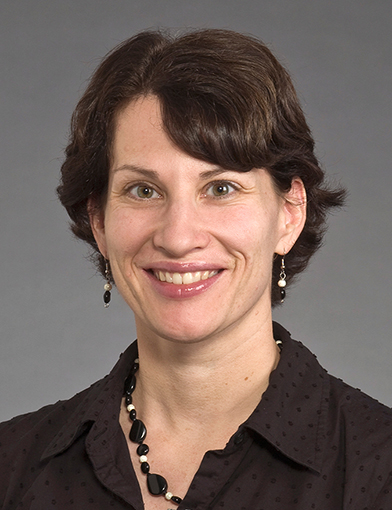 Heidi Diana Klepin合作论文数Comprehensive Cancer Center, Wake Forest University School of Medicine;Sticht Center for Healthy Aging and Alzheimer’s Prevention, Wake Forest University School of Medicine17
 William P. Tew合作论文数Memorial Sloan Kettering Cancer Center16
 Arti Hurria合作论文数Center for Cancer and Aging, Beckman Research Institute, City of Hope15
 Cary Gross合作论文数Section of General Internal Medicine, Yale School of Medicine;Department of Chronic Disease Epidemiology, Yale School of Public Health, Yale School of Medicine15
 Canlan Sun合作论文数Department of Supportive Care Medicine, City of Hope;Center for Cancer and Aging, City of Hope15
 Supriya G. Mohile合作论文数Wilmot Cancer Institute, University of Rochester Medical Center;Department of Medicine , Hematology/Oncolog, University of Rochester Medical Center;Cancer Center, University of Rochester Medical Center14
 Ginah Nightingale合作论文数11Gajra Ajeet合作论文数Cardinal Hlth, Dublin, OH USA11
 William Dale合作论文数11
 Efrat Dotan合作论文数10
 Hyman B. Muss合作论文数Lineberger Comprehensive Cancer Center, School of Medicine, University of North Carolina-Chapel Hill9Magnuson Allison合作论文数9Cynthia Owusu合作论文数9
 Harvey Jay Cohen合作论文数Department of Medicine, Duke University School of Medicine8
 Wildes Tanya M合作论文数Division of Geriatrics and Nutritional Science, St Louis, MO 63110, USA. twildes@dom.wustl.edu8Amy R. Mackenzie合作论文数Thomas Jefferson University;and La Jolla, CA amy.mackenzie@jefferson.edu.;Thomas Jefferson University8
 Stuart M Lichtman合作论文数Memorial Sloan-Kettering Cancer Center8
 Louie Keith Scott合作论文数Biostatistics, Thomas Jefferson University7
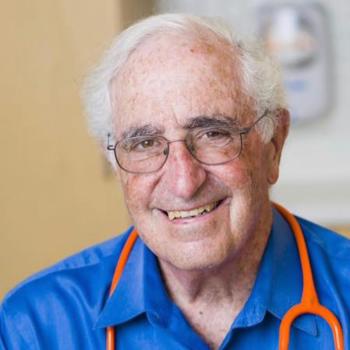 Harvey Cohen合作论文数Department of Pediatrics, School of Medicine, Stanford University7Kuang-Yi Wen合作论文数7Joshua Schoppe合作论文数6Tracey O'Connor合作论文数6
 Rawad Elias合作论文数6
 Mina Sedrak合作论文数Department of Medical Oncology, City of Hope Medical Center6Muss Hyman B合作论文数6Zhan Tingting合作论文数Department of Pharmacology and Experimental Therapeutics, Thomas Jefferson University6
 Rachel A. Freedman合作论文数Dana-Farber Cancer Institute;Harvard Medical School6Jingran Ji合作论文数5
 Heeyoung Kim合作论文数Department of Industrial and Systems Engineering, College of Engineering, Korea Advanced Institute of Science and Technology5Li Daneng合作论文数5Beverly Moy合作论文数est,<SUP>1,2</SUP>, which exists when a department5
 Neal Flomenberg合作论文数5Abrahm Levi合作论文数4Krupa Gandhi合作论文数Thomas Jefferson University;Thomas Jefferson University4Mary Anne Fenton合作论文数4
 Nikita Nikita合作论文数Sidney Kimmel Cancer Center, Jefferson Health4Jordan Berlin合作论文数4
 Barbara Burtness合作论文数Department of Internal Medicine,Yale School of Medicine, Yale University;Yale Cancer Center, Yale School of Medicine, Yale University4
 Gaballa Sameh合作论文数Kimmel Cancer Center, Thomas Jefferson University4
 Edith P. Mitchell合作论文数Department of Medical Oncology, Sidney Kimmel Medical College, Thomas Jefferson University4
 Al B Benson合作论文数Division of Hematology and Oncology, Department of Medicine, Feinberg School of Medicine, Northwestern University;Robert H. Lurie Comprehensive Cancer Center, Feinberg School of Medicine, Northwestern University4Darla K. Liles合作论文数4Andrea Barsevick合作论文数4
 Emily Hajjar合作论文数4
 Grace Lu-Yao合作论文数College of Population Health, Thomas Jefferson University4Marie Bae合作论文数3Ana Maria Lopez合作论文数3




