The integration of circular economy principles into oil- and gas-producing regions is essential for advancing sustainable development and industrial transformation. This study develops a cluster-based circular economy model for drilling waste processing in the Khanty-Mansi Autonomous District. The analysis combines screening of fields by minimum economically viable reserves, QGIS-based assessment of transport accessibility, and scenario-based economic modeling of centralized processing clusters under simultaneous and phased field commissioning. The study focuses specifically on drill cuttings (drilling sludge or the mineral solid phase of drilling waste). The analysis identified eight processing clusters. Under simultaneous commissioning, six clusters were economically viable, with the highest profitability index (PI) reaching 1.43; waste processing costs ranged from 31.6 to 33.8 US/t, which is 15–20
In a dynamic global market, platinum-group metals (PGMs), particularly palladium, are in high demand across various industries due to their unique properties. Palladium plays a crucial role in environmentally friendly technologies, such as catalytic converters, which mitigate harmful automotive emissions. Additionally, it is essential for clean energy production, particularly in hydrogen generation, which makes palladium a critical resource for building a sustainable and secure supply chain. This study evaluates the prospects of the palladium market through strategic analysis, focusing on the Russian mining and metals company PJSC MMC Norilsk Nickel. The research employs strategic and industry analysis methods to examine palladium production, market dynamics, and technological advancements, as well as emerging applications in the context of a green economy. The article analyzes the economics of palladium production, including price volatility driven by stringent environmental regulations and the rising adoption of electric vehicles. The palladium market faces challenges such as a constrained resource base, supply disruptions due to sanctions, price instability, and growing demand from key sectors, particularly the automotive industry. Nevertheless, innovation-driven trends offer promising opportunities for market growth, aligning with sustainable development principles and the transition toward a green, low-carbon economy in both established and emerging markets. As a key scientific contribution, this study proposes a modified methodological approach to industry analysis, enabling the assessment of a mining and metals company’s competitive sustainability in the palladium market over the medium and long term. Furthermore, the research models the life cycle of palladium as a commodity, considering evolving market trends and the rapid development of new industries within the green economy.
The mining and metals industry is one of the strategically important sectors of the Russian industry and offers vast opportunities for future development. The widespread use of metals as part of Industry 4.0 and “green” trends is stimulating demand for them, opening up new prospects. At the same time, the metals industry also faces a significant number of challenges that need to be addressed in a timely manner. These include growing trade barriers, lack of investment resources, limited access to foreign technologies, high volatility of macroeconomic parameters and others. The efficiency of the industry’s development in the long term depends on the ability of companies to adapt to new realities and the flexibility of their strategies. Under such conditions, the role of strategic management and planning in the metallurgical industry at both the state and corporate levels is particularly important. The study reviews the current trends and tendencies in the development of the global metallurgical industry, as well as identifies the conditions for the functioning of Russian companies. A critical analysis of the system of strategic planning of the industry development is presented. A review of long-term strategies of leading Russian metallurgical companies, such as PJSC MMC Norilsk Nickel, JSC Ural Mining and Metallurgical Company (UMMC), JSC Russian Copper Company, JSC EVRAZ, JSC Mechel, PJSC Severstal, JSC Metalloinvest. A conceptual approach to strategic planning for the development of the Russian metallurgical industry is proposed, taking into account the nature and direction of modern challenges facing the industry. Practical recommendations aimed at improving the management of long-term development of the Russian mining and metallurgical sector have been developed.
The metallurgical industry is currently undergoing transformational changes. The role of metals in the modern economy is being reconsidered, systematically leading to structural changes at the industrial level. However, these new opportunities are also associated with significant threats associated with high macroeconomic uncertainty and geopolitical risks. The need to rationally select a vector for the long-term development of the mining and metallurgical industry necessitates the relevance of issues related to strategic planning. The aim of the study is to identify key areas of strategic planning for the development of the Russian nickel industry in the current context. Research methods include content analysis of Russian and international literature, general scientific methods of synthesis, systems, statistical, and comparative analysis, and factor decomposition. This research is based on theoretical aspects of the concept of strategic management and planning. This study clarifies the role of nickel in the modern economy. Structural features of the nickel market are identified, and assumptions regarding its development prospects are made. The study systematizes the opportunities and threats to the long-term development of the nickel industry in the context of national and global trends. Recommendations are offered for improving the existing planning system depending on the industry's development focus. Today, nickel is responsible not only for technological progress and the implementation of plans in the context of the global energy transition but also serves as an indispensable element in ensuring national economic security. To choose an effective development trajectory for the Russian nickel industry amid a wide range of opportunities and threats, it is important to intelligently evaluate existing alternatives and focus on increasing the adaptability of implemented strategies to changing conditions.
In the current macroeconomic environment with its high degree of uncertainty, mining and metallurgical companies need to develop such long-term strategies that could both adapt them to the changing external factors and increase their domestic and international competitiveness. As a rule, strategizing depends on the correct choice of alternatives. The article substantiates the importance of strategic choice of long-term development options in mining and metallurgy, as well as reveals the current specifics of strategizing in these industries and defines some relevant development paths. The authors reviewed and compared the modern methods for evaluating alternatives, i.e., multicriteria utility (MAU), verbal decision analysis (VDA), simple method of multicriteria evaluation (SMART), analytical networks (ANP), analytical hierarchy (AHP), ELECTRE, TOPSIS, MAI, etc. These methods are crucial for strategizing in mining and metallurgy, but their limitations should be taken into account, and most of them have to be adapted to the industrial specifics.
Данное исследование направлено на формирование среднесрочных прогнозов потребления редкоземельных металлов в России с учетом концепций, стратегий и программ развития отечественных промышленных отраслей, характеризующихся устойчивым спросом на данные элементы, и новых, формирующихся отраслей. Для разработки прогнозов применялись методы корреляционного анализа, экстраполяции, а также оценивались удельные значения потребления РЗМ на единицу готовой продукции, сформированные на основе анализа мирового промышленного опыта. Результаты исследования включают разработанную классификацию существующих и перспективных отраслей-потребителей РЗМ в России, прогнозы потребления РЗМ в базовых и формирующихся отраслях промышленности на период 2023-2030 гг., анализ прогнозной структуры спроса по элементам РЗМ. Результаты работы могут быть использованы для разработки документов стратегического характера по развитию редкоземельной отрасли в России.
Drilling-waste management is of great importance in the oil and gas industry due to the substantial volume of multi-component waste generated during the production process. Improper waste handling can pose serious environmental risks, including soil and water contamination and the release of harmful chemicals. Failure to properly manage waste can result in large fines and legal consequences, as well as damage to corporate reputation. Proper drilling-waste management is essential to mitigate these risks and ensure the sustainable and responsible operation of oil and gas projects. It involves the use of advanced technologies and best practices to treat and utilize drilling waste in an environmentally safe and cost-effective manner. This article describes a feasibility study of four drilling-waste management options in the context of the Khanty-Mansi Autonomous Okrug of Russia. For ten years of the project life, the NPV under the base scenario is equal to RUB −3374.3 million, under the first scenario is equal to RUB −1466.7 million, under the second scenario is equal to RUB −1666.8 million and under the third scenario is equal to RUB −792.4 million. When considering projects, regardless of oil production, the project under the third scenario pays off in 7.8 years and the NPV is RUB 7.04 million. The MCD and MCV parameters were calculated to be 106 km and 2290 tons, respectively. Furthermore, the study estimates the ecological damage prevented and the environmental effect of each option. Quantitative risk assessments, conducted through sensitivity analysis, reveal that the fourth option, involving the conversion of drilling waste into construction materials, emerges as the most economically feasible. The study also evaluates the interaction between business and government and analyzes the current situation in the sphere of drilling-waste management, concluding with concise recommendations for both companies and official bodies.
This study aims to develop medium-term forecasts for the consumption of rare-earth elements in Russia by considering the concepts, strategies, and programs associated with the development of both national industries with stable demand for these elements and emerging industries. Forecasts were developed using methods of correlation analysis and extrapolation, and specific values of rare-earth elements consumption per unit of finished product were assessed based on an analysis of global industrial experience. The study results include a classification of existing and promising industries that consume rare-earth elements in Russia, forecasts of consumption in basic and emerging industries for the period from 2023 to 2030, and an analysis of the forecast demand for rare-earth elements. These results can be used to develop strategic documents for the development of the rare-earth industry in Russia.
General goal, which can be formed through a mission, represents main direction of a company’s activities, its values and purpose for national economy, industry, and society. The missions and strategic goals of three leading Russian mining and metallurgical companies, which are key copper producers, have been considered: MMC Norilsk Nickel PJSC, Ural Mining and Metallurgical Company JSC, and Russian Copper Company JSC. Theoretical review of approaches to forming a mission and strategic goals of industrial companies has been carried out. Key stakeholders and their expectations in a mission and strategic goals formulation in relation to the mining and metallurgical industry have been identified. The missions’ components have been studied and the missions of three companies analyzed on their basis. A possible decomposition of an organization’s mission has been performed and “mission-destination”, “mission-policy”, and “mission-orientation” singled out. Within the framework of the conducted research the methods of comparative analysis of missions and strategic goals of enterprises of the mining and metallurgical complex were used. Component analysis was applied for decomposition of firms’ missions. The comparative analysis of missions and strategic goals of the leading domestic copper producers allowed to identify differences in management approaches and vision to determine the priority areas of their strategic development.
The strategic development of mining and metallurgical companies is currently largely related to the development of social policy and maintaining high responsibility of the business towards its employees and ecosystems. The strategic goals of companies should be aimed at the environmental modernization of production, ensuring, among other things, the reduction of emissions of harmful substances and greenhouse gases. The development of low-carbon technologies, compliance with modern environmental requirements, and the achievement of a high level of social responsibility are both areas of strategic development and opportunities for the formation of new competitive advantages. The purpose of the work is to adapt the methods of strategic analysis to modern environmental and social trends to set the current strategic goals of mining and metallurgical companies in terms of increasing attention to the social responsibility of business and the implementation of green production and low-carbon development. The study substantiates the increasing role of environmental and social factors of sustainable development in the activities of mining and metallurgical companies. Using MMC Norilsk Nickel as an example, the main environmental-oriented areas of the company’s development are identified, and the issues of social policy are also reflected. An algorithm of strategic analysis for the specifics of mining and metallurgical companies is proposed, suggesting the use of classical methods of strategic analysis and goal setting with the use of VRIO-analysis methodology, which in turn will allow to identify sustainable competitive advantages associated with the achievement of environmental and climatic objectives and increased social responsibility.
Одна из перспективных опций декарбонизации для внедрения в технологические процессы действующих производств – технологии улавливания, хранения и использования углерода. Для ускорения темпов развития подобных проектов за рубежом нередко используется кластерный подход. В статье проведен анализ применимости кластерного подхода к проектам улавливания и хранения углерода для России. Выделены факторы, определяющие особенности управления межотраслевыми цепями улавливания и хранения СО2, смоделирован потенциальный кластер в Приволжье, проведена оценка экономической эффективности его функционирования. Авторы приходят к выводу, что на данный момент кластерные инициативы улавливания и хранения углерода в России нерентабельны.
The current situation in the world's energy balance is that hydrocarbon energy continues to occupy a major niche. As a result, oil and gas companies continue to increase the volume of oil and gas exploration and production operations, thereby increasing the share of recoverable hydrocarbon reserves. In parallel to these processes, the global energy industry is trying to create a balance in the consumption of «dirty» and generation of «clean» energy. In other words, society is striving for sustainable development, in which environmental and social aspects are particularly important. Consequently, energy producers with high emissions and waste generation have obligations to minimize and prevent them. For example, drilling oil and gas wells generates wastes that are difficult to utilize due to their multi-component composition. To date, the utilization of such wastes, otherwise known as drill cuttings, is carried out by methods aimed at achieving economic efficiency and reducing the burden on the environment. This paper considers methods of utilization of drilling waste generated as a result of operational activities of oil and gas companies, in particular, during drilling. The purpose of the work is to determine the possible economic and environmental effects from the application of drilling waste utilization technologies. The object of the study is drilling wastes of oil and gas companies. The authors analyzed the works of domestic and foreign researchers in the field of drilling waste management. On the basis of literature review the reasons of technological difficulties of waste utilization are described. The advantages and disadvantages of drilling cuttings utilization methods, as well as economic and environmental prerequisites for their effective utilization are revealed.
The relevance of the study lies in the fact that with the depletion of conventional oil and gas reserves and an increase in the global demand for hydrocarbons, the focus of the industrial sector is gradually shifting towards the resources of the Arctic, which have tremendous potential for development. However, the current industrial policy has to take into account the concept of sustainable development, or harmony between economy, ecology, and society. Therefore, the extraction of raw materials must obey the principles of the circular economy, which aims to generate closed-loop cycles that maximize the use of the resources extracted and minimize waste generation so as not to destroy fragile ecosystems. It is necessary to drill wells for the discovery of a hydrocarbon deposit on the shelf, which entails the generation of a tremendous amount of complex waste., The use of disposal methods for drilling cuttings, which must be disposed of economically and with environmental reliability, is required to solve the problem. This study compares two methods of disposing of drilling waste. Statistical modeling results and a review of the literature show that the most effective method from both economic and environmental points of view is the thermomechanical cleaning of cuttings on site. This article discusses the advantages and disadvantages of both methods. It also evaluates drilling waste management prospects and opportunities for Russian offshore fields.
The inconsistency of arguments regarding the value of diversification strategies means that there is a lack of a unified methodological approach and a method for evaluating the impact on efficiency and competitive ability of companies. Research shows that diversification was crucially important for oil and gas companies during the economic shocks of 1998, 2009, and 2015. Nowadays, oil and gas companies apply the strategy of green diversification to solve climate change problems and adapt to energy transition trends. The goals of 14 global oil and gas companies with regard to carbon neutrality were analyzed in this study. This research expands the theoretical studies of diversification processes and outcomes in the oil and gas industry and contributes to the discussion of the feasibility of companies implementing renewable energy projects. The factors that prompt oil and gas companies to adopt green diversification were formulated, and their key strategic priorities were determined depending on the volume of proven resources. The research suggests that global shocks in the international energy market and a reduction in the significance of oil and gas resources in the overall power balance stimulate companies to diversify their asset portfolios, but such strategy does not protect against negative impacts. In addition, important issues were identified for further analysis.
Carbon markets are highly relevant to the need to regulate man-made greenhouse gas emissions. As the world faces the dangerous effects of global warming, reducing greenhouse gas emissions has become a critical priority for governments, corporations and individuals around the world. Carbon markets offer a way to incentivize and encourage emissions reductions and facilitate a smooth transition to a low-carbon economy. Low-carbon development is possible by building transparent and understandable organizational and economic conditions for the operation of carbon regulation. This article considers the feasibility of introducing energy-efficient technologies at Polymetal International PLC enterprises located in Khabarovsk region, engaged in the mining and processing of non-ferrous and precious metals (gold, silver and copper) in light of the country’s growing attention to the regulation of carbon dioxide emissions. The objective of this study is to model the organizational and economic conditions of the carbon market and estimate the economic and climate outcomes from the implementation of energy-efficient technologies at Polymetal International PLC. This study analyzes the current energy-consumption structure of non-ferrous metallurgy enterprises in Russia and identifies potential areas for the use of energy-efficient technologies. An important aspect is the assessment of government policies and incentives that could facilitate the introduction of low-carbon technologies. It is important to assess the impact of prospective carbon-management plans in Russia on the economic performance of steel companies. The results of this study suggest that the introduction of low-carbon technologies has the potential to significantly reduce energy consumption, lower operating costs and reduce carbon dioxide emissions from non-ferrous metal companies in Russia. However, the successful implementation of these technologies will require significant investment, stakeholder cooperation and political support from the Russian government.
Integrated development of hydrocarbon potential is one of the high-priority tasks of the government of Russia policy in the Arctic region. When determining the prospects of oil and gas projects, it may be necessary to envisage ways of responding to large-scale changes in the global energy system, which significantly affect the timing, commercial and budgetary efficiency of project activities in the Arctic. The high level of turbulence creates new challenges for the Russian and global oil and gas complex associated with the strengthening of competition in traditional markets of hydrocarbon resources, the progressive development of technological innovation, and changes in the price environment. The main direction of development of the Arctic oil and gas sector should be quick adaptation to new conditions, reassessment of strategic planning systems of key market players, as well as a targeted state policy in relation to the formation of a favorable investment climate and flexible taxation system in the region. For the purpose of the study, an analysis of the factors of instability of the global energy system and their influence on the efficiency of operation of arctic hydrocarbon fields is conducted. The characteristics of the main directions of government policy in the Arctic zone, stimulating the production of hydrocarbons, are given. The potential limitations and opportunities for the implementation of oil and gas projects resulting from the transformation of the global raw materials market are identified and systematized.
Digital transformation is one of the global trends that has covered most sectors of the economy and industry. For oil and gas companies, the introduction of digital technologies has become not just a trend, but one of the factors for ensuring competitiveness and maintaining a stable position in the market in a rapidly changing macro environment. At the same time, despite the positive effects achieved, digital transformation is a complex process from the point of view of implementation and is associated with high technological, financial, and economic risks. The work aims to develop and test a new system for evaluating the applicability of digital projects in the oil and gas sector. The research methodology includes the application of the Gartner curve, methods of expert assessments, and tools for assessing the economic efficiency of investment projects. The developed assessment system is based on a comprehensive accounting of four components: the level of digital maturity of the company; compliance of the implemented technology with the goals and objectives of the organization; the level of reliability of the implemented technology; the level of innovation of the implemented project. Particular attention is paid to the practical testing of the proposed methodology based on the evaluation of a digital project implemented by a Russian oil and gas company.
Представлено исследование, системно раскрывающее проблемы и возможности развития горно-химического комплекса России. На примере ведущих представителей российского горно-химического комплекса (ПАО «ФосАгро», ПАО «Акрон», АО «МХК “ЕвроХим”», ПАО «Уралкалий») выполнена оценка ресурсного потенциала сектора добычи минеральных удобрений, определены основные финансовые показатели ведущих производителей, проведен сравнительный анализ компаний и рассмотрены основные формы их взаимодействия. Проанализирован спрос и предложение на минеральные удобрения трех видов за последние несколько лет. Применительно к горнодобывающей отрасли определены ключевые тенденции цифровизации, в числе которых: автоматизация, роботизация, интернет вещей, большие данные, данные в реальном времени, машинное обучение, искусственный интеллект и 3D-печать. Подробно рассмотрена корпоративная социальная ответственность (КСО) горно-химических предприятий Мурманской области как фактор устойчивого развития местных сообществ арктических моногородов. Показано, что корпоративная социальная политика крупных горно-химических предприятий Мурманской области отвечает требованиям масштабности и комплексности, а конкретные меры КСО ориентированы на удовлетворение интересов основных стейкхолдеров. Выявлены основные тенденции во внешнем и внутреннем направлениях политики социальной ответственности компаний. Издание предназначено для руководителей и специалистов, занятых в секторе добычи полезных ископаемых, преподавателей и студентов профильных вузов.
Rare-earth metals (REMs) have become an integral part of modern economics and technological advances. The current climate agenda and sustainable development trends have made the global community focus on these valuable and critical materials. Today, they are strategically important for green technologies, modern electronics, the aerospace industry, the military-industrial complex, and so forth. The increasing demand for these metals provides great opportunities for new competitors in the international market. REMs are controversial: while they contribute to the achievement of global goals regarding sustainable development and climate change resilience, their mining and extraction can cause disastrous consequences for the natural environment. Thus, a balance should be found in the process of their production. Russia has considerable REM reserves that can turn the country into a truly global supplier, which makes the issues of the industry's transformation particularly relevant and important. However, despite the government's ambitious targets and priorities concerning this sector, new deposits are not being exploited, and the country is not self-sufficient throughout the production chain as the level of import dependence reaches 80–90%. The goal of the study is to design an industrial policy for the sustainable development of Russia's REM industry. The study is based on the standard research methods of analysis, synthesis, and decomposition, also using strategic analysis, planning tools, and roadmapping techniques. The study analyzes Russia's REM industry along with its challenges, threats, and opportunities and proposes a novel vision of its long-term sustainable development based on four pillars, namely economics, R&D, ecology, and society. As a result, the key goals and principles of the industrial policy are formulated, and an industrial policy roadmap for the sustainable development of Russia's REM industry is suggested. The paper provides a taxonomy of REM projects to analyze government support measures and ensure the industry's sustainable growth and development.
 Pavel Tcvetkov合作论文数St Petersburg Min Univ10
 F. D. Larichkin合作论文数9Alina Ilinova合作论文数7Sergey Fedoseev合作论文数7
 Victoria Solovyova合作论文数5K.I. Sidorova合作论文数4О. О. Евсеева合作论文数4
 Evgeniya Rutenko合作论文数4
 Anna Tsvetkova合作论文数Dept Econ Org & Management, St Petersburg Min Univ4
 Nadejda Komendantova合作论文数4L. S. Sinkov合作论文数3Olga Evseeva合作论文数3S. A. Lipina合作论文数3
 Marina Kruk合作论文数Dept Org & Management, St Petersburg Min Univ3Чанышева Амина Фанисовна合作论文数3
 Natalia Romasheva合作论文数3A. G. Vorobiev合作论文数2
 Nikita Tretyakov合作论文数2Alexey Fadeev合作论文数2Galina Peshkova合作论文数2
 Tatiana Chvileva合作论文数2
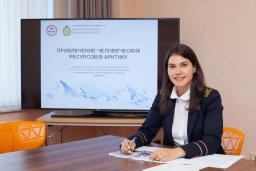 Anni Nikulina合作论文数2
 A. B. Lebedev合作论文数Sci Ctr Problems Proc Mineral & Technogen Resourc, St Petersburg Min Univ2Anna Teslya合作论文数Peter Great St Petersburg Polytech Univ2
 Elias G. Carayannis合作论文数European Union Research Center, School of Business, George Washington University2
 Andrzej Kraslawski合作论文数School of Engineering Science, Industrial Engineering and Management, Lappeenranta University of Technology2Agarkov S. A.合作论文数1Tatyana Semenova合作论文数1A. N. Sultani合作论文数1Yudin Sergey合作论文数1Alexey V. Beloshitskiy合作论文数1Tahseen AL-Saadi合作论文数1Azim Ibrokhim合作论文数1Alina Alex合作论文数1rovna Ilinova合作论文数1
 Aleksandr Semenov合作论文数1Aleksei Kazanin合作论文数1Dmitry Metkin合作论文数1
 Roman Marchenko合作论文数1
 Gennady Stroykov合作论文数1Lina Bocharova合作论文数1A. M. Fadeev合作论文数1I. V. Burenina合作论文数1
 Yurii Vasilev合作论文数1
 A. B. Makhovikov合作论文数Fac Fundamental & Humanitarian Disciplines, St Petersburg Min Univ1
 Marina A. Nevskaya合作论文数1
 Lipina Svetlana Arturovna合作论文数1daniel fjaertoft合作论文数1
 Diana Dmitrieva合作论文数1




