Background and study aims:This international survey aimed to characterize current practice patterns, perceptions, and outcomes related to guidewire use in electrocautery-enhanced lumen-apposing metal stents (EC-LAMS) procedures. Methods:An online survey of experienced therapeutic endoscopists was conducted, collecting information on preferred techniques, indications for guidewire use, perceived risks, and self-reported adverse events (AEs). Post-hoc analyses explored associations between guidewire use, AEs, and operator experience. Results:Eighty-seven endoscopists (mean age 46.1 years, 88.5% with ≥ 5 years of endoscopic ultrasound (EUS) experience) completed the survey. Freehand deployment was the preferred technique for the majority of all procedures. Guidewire use was mainly preferred for EUS-guided choledochoduodenostomy (EUS-CDS, 24.1%) and EUS-directed transgastric endoscopic retrograde cholangiopancreatography (EDGE, 31%). Reported factors favoring guidewire use included small target lumens and difficult scope positioning. Maldeployment was reported as the most important complication, because 49.3%, and 40.6% of the participants reported at least one maldeployment case in EUS-CDS and EUS-guided gastroenterostomy, respectively. Logistic regression showed that guidewire use in EUS-CDS was perceived to result in higher complication rates (44.1% vs 20.0%; odds ratio 3.16, 95% confidence interval 1.08-9.2, P = 0.03). No significant differences in outcomes or guidewire use were observed by operator experience or case volume, although older endoscopists were more likely to use guidewires. Conclusions:Using an international questionnaire for experienced EUS operators, freehand deployment was identified as the predominant technique for EC-LAMS placement.
Miniprobe endoscopic ultrasonography (mEUS) combines high-resolution imaging of the gastrointestinal (GI) wall and bile ducts with ease of applicability during routine endoscopy. This narrative review aims to provide an overview of known and emerging fields of application for mEUS in gastrointestinal endoscopy. After its initial development in pancreatobiliary scenarios in the early 1990s, mEUS has been recently reconsidered a third-space endoscopic technique that is progressively developing and spreading for the treatment of early gastrointestinal neoplastic lesions. The high spatial resolution of mEUS provides an accurate assessment of the degree of submucosal invasion in early esophageal, gastric, and colorectal neoplasia, while the small caliber of catheters allows for mEUS employment in settings where standard echoendoscopes are impractical (e.g., severe stenoses or proximal colonic lesions). Beyond cancer staging, mEUS offers point-of-care characterization of subepithelial lesions by defining the layer of origin and echo-pattern, eventually defining endoscopic resectability, but definitive diagnosis remains histological. In pancreatobiliary diseases, miniprobe intraductal ultrasonography (IDUS) shows its strongest application for indeterminate biliary strictures when endoscopic retrograde cholangiopancreatography (ERCP)-based sampling strategies and brushing cytology show inconclusive diagnoses, and in choledocholithiasis, particularly for the detection of small stones/sludge and confirmation of duct clearance. IDUS is also valuable for the staging of ampullary tumors, for longitudinal extension mapping in hilar cholangiocarcinoma and for selected portal biliopathy scenarios. Overall, mEUS and IDUS are high-resolution adjuncts that can meaningfully refine local decision-making in the treatment of superficial epithelial/subepithelial tumors or lesions involving the bile ducts. Limitations include shallow penetration, lack of tissue acquisition capability, a relative increase in post-ERCP pancreatitis risk for intraductal use, and substantial cost with limited availability in lower-volume centers.
Elastography is an ultrasound-based technique that enables the non-invasive assessment of tissue stiffness. In endoscopic ultrasound (EUS), elastography was initially introduced as a strain-based method, providing qualitative or semi-quantitative information on tissue deformation. More recent technological developments have enabled the integration of shear-wave-based elastography into EUS platforms, including shear-wave measurement (SWM), point shear-wave elastography (pSWE), and two-dimensional shear-wave elastography (2D-SWE). Unlike strain elastography, shear-wave techniques provide quantitative estimates of tissue stiffness by measuring shear-wave velocity or a derived elastic modulus. This invited narrative review summarizes the technical principles, terminology, quality-control requirements, and current clinical evidence for EUS-guided shear-wave-based elastography in pancreatic and hepatobiliary diseases. Because much of the available EUS literature derives from EUS-SWM or point SWE rather than true 2D-SWE, acquisition mode is a central determinant when interpreting clinical evidence and clinical readiness. Current data suggest that EUS-guided shear-wave-based elastography is technically feasible and biologically plausible, but its clinical maturity remains indication-specific. Evidence is most encouraging in chronic pancreatitis, early chronic pancreatitis, autoimmune pancreatitis activity monitoring, and selected endo-hepatology settings, particularly liver fibrosis assessment in patients in whom transabdominal techniques may be suboptimal. In contrast, available evidence does not support EUS-guided shear-wave-based elastography as a standalone diagnostic test for differentiating solid pancreatic lesions, including pancreatic ductal adenocarcinoma, because absolute stiffness values often overlap among malignant lesions, inflammatory masses, and background parenchyma. Before routine clinical implementation, standardized acquisition protocols, disease-specific cut-offs, multicenter reproducibility data, and evidence of incremental clinical value beyond established diagnostic pathways are required.
INTRODUCTION:Endoscopic papillary large balloon dilation (EPLBD) is currently considered the first-line treatment for difficult biliary stones (DBS). However, EPLBD alters the sphincter of Oddi's function, potentially exposing patients to cholangitis. To date, few data are available on the long-term consequences of EPLBD. AIMS AND METHODS:The aim of this study is to explore the long-term complications of EPLBD with endoscopic sphincterotomy (ES) in terms of cholangitis and biliary recurrence. Adult patients who underwent EPLBD with ES with complete bile duct clearance were included in the study. Primary outcome of the study was the rate of cholangitis; secondary outcome was biliary recurrence after EPLBD. RESULTS:1221 patients with a median age of 77 years old (IQR 68-84) were included in the study. One hundred and forty-three patients (11.7%) experienced at least one episode of cholangitis with a cumulative 1-, 3-, and 5-year risk of cholangitis of 7.3%, 13.2%, and 15.3%, respectively. Cholangitis was caused by stones recurrence in 71.6% of cases, whereas alithiasic cholangitis was experienced in 22.9% of patients. The estimated 1-, 3-, and 5-year risk of biliary recurrence was 9.7%, 16.7%, and 21.8%, respectively. In multivariate cox regression analysis, ≥ 2 previous ERCPs before EPLBD were independently associated with increased risk of cholangitis and biliary recurrence. CONCLUSIONS:Cholangitis and biliary recurrence are not an infrequent complication after EPLBD. Biliary stone recurrence may be a consequence of SO dysfunction after EPLBD with ES; further comparative data are needed to evaluate whether EPLBD with ES is directly associated with long-term complications.
In the published publication [...]
Background and study aims Endoscopic ultrasound-guided hepaticogastrostomy (EUS-HGS) is an effective and safe therapeutic option for biliary drainage in patients with malignant biliary obstruction (MBO). Several authors proposed use of antegrade stenting (AS) combined with EUS-HGS to improve long-term outcomes, with controversial results. We aimed to assess pooled performance of EUS-HGS+AS compared with EUS-HGS alone. Methods Database search was performed to identify studies comparing EUS-HGS+AS to EUS-HGS alone for biliary drainage in patients with MBO. Primary outcome was recurrent biliary obstruction (RBO). Secondary outcomes were technical, clinical success, adverse events (AEs), severe AEs rate, time to RBO, and overall survival (OS). Relative risks (RRs) with 95% confidence intervals (CIs) were calculated using random-effect model. Results Five studies involving 555 patients were retrieved. RBO was lower in patients who underwent EUS-HGS+AS (RR 0.30; [0.18-0.49]; P < 0.001). Pooled technical success, clinical success, AE, and severe AE rates were similar (RR 0.94 [0.85-1.05], RR 1.02 [0.94-1.11], RR 0.88 [0.50-1.55]), and 0.26 [0.03-2.22], respectively). Time to RBO was higher in EUS-HGS+AS (SMD + 4.02 [0.57-7.47]; P = 0.04). Mean procedure time was similar among the groups (SMD +0.38 [-0.12-0.87]; P = 0.13) as well as OS was similar in the two groups (SMD 0.18 [-0.20-0.52]; P = 0.85). Conclusions Combining AS with EUS-HGS reduces RBO risk in patients with MBO, without impact on technical, clinical success rates, or safety profile. Randomized controlled trials are needed to confirm these observations.
 Pietro Fusaroli合作论文数Department of Medical and Surgical Sciences, University of Bologna114
 Giuseppe Mazzella合作论文数Department of Internal Medicine and Gastroenterology, University of Bologna50Francesco Azzaroli合作论文数43
 Paolo Cecinato合作论文数36
 Stefano Francesco Crino合作论文数32Federica Buonfiglioli合作论文数Department of Medical and Surgical Sciences, University of Bologna30Marco Montagnani合作论文数Department of Internal Medicine and Gastroenterology, University of Bologna27
 Antonio Facciorusso合作论文数26Bertrand Napoléon合作论文数26Carlo Fabbri合作论文数Bellaria-Maggiore Hospital26
 Benedetto Mangiavillano合作论文数23
 Andrea Anderloni合作论文数20Anna Cominardi合作论文数19
 Cecilia Binda合作论文数AUSL Romagna, Forli-Cesena Hospitals19Claudio Calvanese合作论文数18Giancarlo Caletti合作论文数the Department of Gastroenterology, University of Bologna18
 Ilaria Tarantino合作论文数16
 Alessandro Fugazza合作论文数Medicine Unit, Ospedale Maggiore di Lodi, Lodi, Italy.16Davide Festi合作论文数Department of Clinical Medicine, University of Bologna16P. Fusaroli合作论文数16Serrani Marta合作论文数15
 Daryl Ramai合作论文数14
 Giuseppe Vanella合作论文数14
 Antonio Colecchia合作论文数Department of Internal Medicine and Gastroenterology, University of Bologna14Alberto Larghi合作论文数13
 Tawfik Khoury合作论文数13
 Nicole Brighi合作论文数Department of Radiology, Sant'Orsola-Malpighi Hospital13Forti Edoardo合作论文数13Rodica Gincul合作论文数13Francesca Lodato合作论文数13c calvanese合作论文数12Marco Spadaccini合作论文数12
 Leonardo Henry Umberto Eusebi合作论文数Department of Medical and Surgical Sciences, Università di Bologna12Franco Bazzoli合作论文数12
 Alessandro Repici合作论文数12
 Lorenzo Fuccio合作论文数Department of Internal Medicine and Gastroenterology, University of Bologna12Igor Bacchilega合作论文数11E Roda合作论文数11Silvia Carrara合作论文数10
 Paraskevas Gkolfakis合作论文数Cliniques Universitaires de Bruxelles Erasme Hospital, Université Libre de Bruxelles;fax: +3205554594.;Cliniques Universitaires de Bruxelles Erasme Hospital, Université Libre de Bruxelles10Wisam Sbeit合作论文数10Sarah Leblanc合作论文数10
 Laura Turco合作论文数Dipartimento Ambiente e connessa Prevenzione Primaria, Istituto Superiore Sanità10
 Maida Marcello合作论文数9
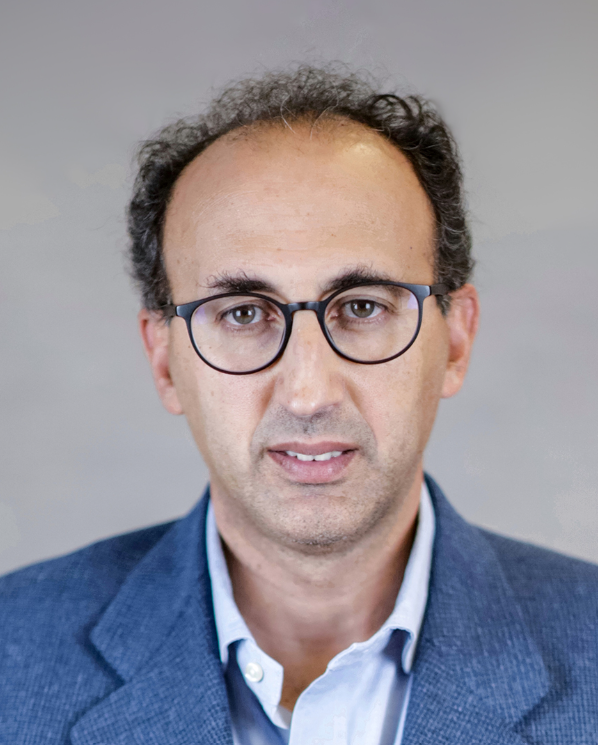 Cesare Hassan合作论文数Humanitas University9
 Francesco Di Matteo合作论文数9
 Rocco Maurizio Zagari合作论文数Department of Medical and Surgical Sciences, University of Bologna9
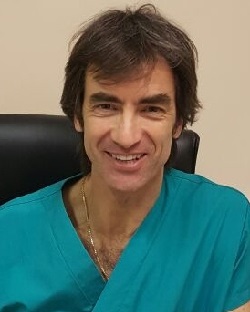 Paolo Giorgio Arcidiacono合作论文数Vita-Salute San Raffaele University;IRCCS Ospedale San Raffaele9
 Aldo Roda合作论文数Department of Chemistry G. Ciamician, University of Bologna9




