As artificial intelligence (AI) assistants become more widely adopted in safety-critical domains, it becomes important to develop safeguards against potential failures or adversarial attacks. A key prerequisite to developing these safeguards is understanding the ability of these AI assistants to mislead human teammates. We investigate this attack problem within the context of an intellective strategy game where a team of three humans and one AI assistant collaborate to answer a series of trivia questions. Unbeknownst to the humans, the AI assistant is adversarial. Leveraging techniques from Model-Based Reinforcement Learning (MBRL), the AI assistant learns a model of the humans' trust evolution and uses that model to manipulate the group decision-making process to harm the team. We evaluate two models -- one inspired by literature and the other data-driven -- and find that both can effectively harm the human team. Moreover, we find that in this setting while our data-driven model is the most capable of accurately predicting how human agents appraise their teammates given limited information on prior interactions, the model based on principles of cognitive psychology does not lag too far behind. Finally, we compare the performance of state-of-the-art LLM models to human agents on our influence allocation task to evaluate whether the LLMs allocate influence similarly to humans or if they are more robust to our attack. These results enhance our understanding of decision-making dynamics in small human-AI teams and lay the foundation for defense strategies.
Recovering missing flows on the edges of a network, while exactly respecting local conservation laws, is a fundamental inverse problem that arises in many systems such as transportation, energy, and mobility. We introduce FlowSymm, a novel architecture that combines (i) a group-action on divergence-free flows, (ii) a graph-attention encoder to learn feature-conditioned weights over these symmetry-preserving actions, and (iii) a lightweight Tikhonov refinement solved via implicit bilevel optimization. The method first anchors the given observation on a minimum-norm divergence-free completion. We then compute an orthonormal basis for all admissible group actions that leave the observed flows invariant and parameterize the valid solution subspace, which shows an Abelian group structure under vector addition. A stack of GATv2 layers then encodes the graph and its edge features into per-edge embeddings, which are pooled over the missing edges and produce per-basis attention weights. This attention-guided process selects a set of physics-aware group actions that preserve the observed flows. Finally, a scalar Tikhonov penalty refines the missing entries via a convex least-squares solver, with gradients propagated implicitly through Cholesky factorization. Across three real-world flow benchmarks (traffic, power, bike), FlowSymm substantially outperforms state-of-the-art baselines in RMSE, MAE and correlation metrics.
Large language models (LLMs) are increasingly deployed in human-AI teams as support agents for complex tasks such as information retrieval, programming, and decision-making assistance. While these agents' autonomy and contextual knowledge enables them to be useful, it also exposes them to a broad range of attacks, including data poisoning, prompt injection, and even prompt engineering. Through these attack vectors, malicious actors can manipulate an LLM agent to provide harmful information, potentially manipulating human agents to make harmful decisions. While prior work has focused on LLMs as attack targets or adversarial actors, this paper studies their potential role as defensive supervisors within mixed human-AI teams. Using a dataset consisting of multi-party conversations and decisions for a real human-AI team over a 25 round horizon, we formulate the problem of malicious behavior detection from interaction traces. We find that LLMs are capable of identifying malicious behavior in real-time, and without task-specific information, indicating the potential for task-agnostic defense. Moreover, we find that the malicious behavior of interest is not easily identified using simple heuristics, further suggesting the introduction of LLM defenders could render human teams more robust to certain classes of attack.
Understanding how complex behaviors, opinions, and innovations spread in online social networks remains a central challenge in computational social science. Existing models of complex contagion typically rely on stylized threshold mechanisms based solely on the number of infected neighbors and do not account for the interaction between individual preferences, local social influence, and global sentiment. Moreover, the emergence of virality through phase transitions and tipping points remains poorly characterized. In this paper, we propose a unified propagation cascade model in which notions propagate as high-dimensional vectors in the same feature space as network nodes. Node activations are governed by a unified decision function that integrates propagation affinity, local influence, and global influence. The resulting dynamics induce a stochastic, Markovian cascade process that enables efficient MCMC sampling of propagation outcomes. Using preferential attachment networks, we systematically study spread distributions, incubation dynamics, parameter sensitivity, and phase transition behavior. Our results show that balanced interactions between local reinforcement and global activation are critical for successful cascades and that early-stage growth patterns provide reliable signals of impending phase transitions.
Large language models (LLMs) have achieved remarkable success in natural language processing (NLP), demonstrating significant capabilities in processing and understanding text data. However, recent studies have identified limitations in LLMs' ability to manipulate, program, and reason about structured data, especially graphs. We introduce GraphEval36K, the first comprehensive graph dataset, comprising 40 graph coding problems and 36,900 test cases to evaluate the ability of LLMs on graph problem-solving. Our dataset is categorized into eight primary and four sub-categories to ensure a thorough evaluation across different types of graphs. We benchmark ten LLMs, finding that private models outperform open-source ones, though the gap is narrowing. We also analyze the performance of LLMs across directed vs undirected graphs, different kinds of graph concepts, and network models. Furthermore, to improve the usability of our evaluation framework, we propose Structured Symbolic Decomposition (SSD), an instruction-based method designed to enhance LLM performance on complex graph tasks. Results show that SSD improves the average passing rate of GPT-4, GPT-4o, Gemini-Pro and Claude-3-Sonnet by 8.38
Link prediction is a fundamental problem in graph data. In its most realistic setting, the problem consists of predicting missing or future links between random pairs of nodes from the set of disconnected pairs. Graph Neural Networks (GNNs) have become the predominant framework for link prediction. GNN-based methods treat link prediction as a binary classification problem and handle the extreme class imbalance -- real graphs are very sparse -- by sampling (uniformly at random) a balanced number of disconnected pairs not only for training but also for evaluation. However, we show that the reported performance of GNNs for link prediction in the balanced setting does not translate to the more realistic imbalanced setting and that simpler topology-based approaches are often better at handling sparsity. These findings motivate Gelato, a similarity-based link-prediction method that applies (1) graph learning based on node attributes to enhance a topological heuristic, (2) a ranking loss for addressing class imbalance, and (3) a negative sampling scheme that efficiently selects hard training pairs via graph partitioning. Experiments show that Gelato outperforms existing GNN-based alternatives.
The problem of maximizing the adoption of a product through viral marketing in social networks is of extreme importance and has been studied heavily through postulated network models. We present a novel data-driven formulation of the problem. We use Graph Neural Networks (GNNs) to model the adoption of products by utilizing both topological and attribute information. The resulting \emph{Dynamic Viral Marketing (DVM)} problem seeks to find the minimum budget and minimal set of dynamic topological and attribute changes in order to attain a specified adoption goal. We show that DVM is NP-Hard and is related to the existing influence maximization problem. Motivated by this connection, we develop the idea of Dynamic Gradient Influencing (DGI) that uses gradient ranking to find optimal perturbations and targets low-budget and high influence non-adopters in discrete steps. We use an efficient strategy for computing node budgets and develop the ``Meta-Influence'' heuristic for assessing a node’s downstream influence. We evaluate DGI against multiple baselines and demonstrate gains on average of 24\% on budget and 37\% on AUC on real-world attributed networks. Our code will be made publicly available.
While large language models (LLMs) have demonstrated impressive capabilities across diverse tasks, their ability to generate valid graph structures remains underexplored. We evaluate fifteen state-of-the-art LLMs on five specialized graph generation tasks spanning delivery networks, social networks, quantum circuits, gene-disease networks, and transportation systems. We also test the LLMs using 3 different prompt types: direct, iterative feedback, and program-augmented. Models supported with explicit reasoning modules (o3-mini-high, o1, Claude 3.7 Sonnet, DeepSeek-R1) solve more than twice as many tasks as their general-purpose peers, independent of parameter count. Error forensics reveals two recurring failure modes: smaller parameter size Llama models often violate basic structural constraints, whereas Claude models respect topology but mismanage higher-order logical rules. Allowing models to refine their answers iteratively yields uneven gains, underscoring fundamental differences in error-correction capacity. This work demonstrates that graph competence stems from specialized training methodologies rather than scale, establishing a framework for developing truly graph-savvy language models. Results and verification scripts available at https://github.com/egedemirci/Are-LLMs-Truly-Graph-Savvy-A-Comprehensive-Evaluation-of-Graph-Generation.
We introduce a manifold analysis technique for neural network representations. Normalized Space Alignment (NSA) compares pairwise distances between two point clouds derived from the same source and having the same size, while potentially possessing differing dimensionalities. NSA can act as both an analytical tool and a differentiable loss function, providing a robust means of comparing and aligning representations across different layers and models. It satisfies the criteria necessary for both a dissimilarity metric and a neural network loss function. We showcase NSA's versatility by illustrating its utility as a representation space analysis metric and a structure-preserving loss function. NSA is not only computationally efficient, but it can also approximate the global structural discrepancy during mini-batching, facilitating its use in a wide variety of neural network training paradigms.
Numerous explainability methods have been proposed to shed light on the inner workings of GNNs. Despite the inclusion of empirical evaluations in all the proposed algorithms, the interrogative aspects of these evaluations lack diversity. As a result, various facets of explainability pertaining to GNNs, such as a comparative analysis of counterfactual reasoners, their stability to variational factors such as different GNN architectures, noise, stochasticity in non-convex loss surfaces, feasibility amidst domain constraints, and so forth, have yet to be formally investigated. Motivated by this need, we present a benchmarking study on perturbation-based explainability methods for GNNs, aiming to systematically evaluate and compare a wide range of explainability techniques. Among the key findings of our study, we identify the Pareto-optimal methods that exhibit superior efficacy and stability in the presence of noise. Nonetheless, our study reveals that all algorithms are affected by stability issues when faced with noisy data. Furthermore, we have established that the current generation of counterfactual explainers often fails to provide feasible recourses due to violations of topological constraints encoded by domain-specific considerations. Overall, this benchmarking study empowers stakeholders in the field of GNNs with a comprehensive understanding of the state-of-the-art explainability methods, potential research problems for further enhancement, and the implications of their application in real-world scenarios.
Global stability and robustness guarantees in learned dynamical systems are essential to ensure well-behavedness of the systems in the face of uncertainty. We present Extended Linearized Contracting Dynamics (ELCD), the first neural network-based dynamical system with global contractivity guarantees in arbitrary metrics. The key feature of ELCD is a parametrization of the extended linearization of the nonlinear vector field. In its most basic form, ELCD is guaranteed to be (i) globally exponentially stable, (ii) equilibrium contracting, and (iii) globally contracting with respect to some metric. To allow for contraction with respect to more general metrics in the data space, we train diffeomorphisms between the data space and a latent space and enforce contractivity in the latent space, which ensures global contractivity in the data space. We demonstrate the performance of ELCD on the high dimensional LASA, multi-link pendulum, and Rosenbrock datasets.
By accelerating time-consuming processes with high efficiency, computing has become an essential part of many modern chemical pipelines. Machine learning is a class of computing methods that can discover patterns within chemical data and utilize this knowledge for a wide variety of downstream tasks, such as property prediction or substance generation. The complex and diverse chemical space requires complex machine learning architectures with great learning power. Recently, learning models based on transformer architectures have revolutionized multiple domains of machine learning, including natural language processing and computer vision. Naturally, there have been ongoing endeavors in adopting these techniques to the chemical domain, resulting in a surge of publications within a short period. The diversity of chemical structures, use cases, and learning models necessitate a comprehensive summarization of existing works. In this paper, we review recent innovations in adapting transformers to solve learning problems in chemistry. Because chemical data is diverse and complex, we structure our discussion based on chemical representations. Specifically, we highlight the strengths and weaknesses of each representation, the current progress of adapting transformer architectures, and future directions.
Graph clustering is a fundamental and challenging task in the field of graph mining where the objective is to group the nodes into clusters taking into consideration the topology of the graph. It has several applications in diverse domains spanning social network analysis, recommender systems, computer vision, and bioinformatics. In this work, we propose a novel method, DGCluster, which primarily optimizes the modularity objective using graph neural networks and scales linearly with the graph size. Our method does not require the number of clusters to be specified as a part of the input and can also leverage the availability of auxiliary node level information. We extensively test DGCluster on several real-world datasets of varying sizes, across multiple popular cluster quality metrics. Our approach consistently outperforms the state-of-the-art methods, demonstrating significant performance gains in almost all settings.
Counterfactual explanations of Graph Neural Networks (GNNs) offer a powerful way to understand data that can naturally be represented by a graph structure. Furthermore, in many domains, it is highly desirable to derive data-driven global explanations or rules that can better explain the high-level properties of the models and data in question. However, evaluating global counterfactual explanations is hard in real-world datasets due to a lack of human-annotated ground truth, which limits their use in areas like molecular sciences. Additionally, the increasing scale of these datasets provides a challenge for random search-based methods. In this paper, we develop a novel global explanation model RLHEX for molecular property prediction. It aligns the counterfactual explanations with human-defined principles, making the explanations more interpretable and easy for experts to evaluate. RLHEX includes a VAE-based graph generator to generate global explanations and an adapter to adjust the latent representation space to human-defined principles. Optimized by Proximal Policy Optimization (PPO), the global explanations produced by RLHEX cover 4.12% more input graphs and reduce the distance between the counterfactual explanation set and the input set by 0.47% on average across three molecular datasets. RLHEX provides a flexible framework to incorporate different human-designed principles into the counterfactual explanation generation process, aligning these explanations with domain expertise. The code and data are released at https://github.com/dqwang122/RLHEX.
Large Language Models (LLMs) have recently made impressive strides in natural language understanding tasks. Despite their remarkable performance, understanding their decision-making process remains a big challenge. In this paper, we look into bringing some transparency to this process by introducing a new explanation dataset for question answering (QA) tasks that integrates knowledge graphs (KGs) in a novel way. Our dataset includes 12,102 question-answer-explanation (QAE) triples. Each explanation in the dataset links the LLM's reasoning to entities and relations in the KGs. The explanation component includes a why-choose explanation, a why-not-choose explanation, and a set of reason-elements that underlie the LLM's decision. We leverage KGs and graph attention networks (GAT) to find the reason-elements and transform them into why-choose and why-not-choose explanations that are comprehensible to humans. Through quantitative and qualitative evaluations, we demonstrate the potential of our dataset to improve the in-context learning of LLMs, and enhance their interpretability and explainability. Our work contributes to the field of explainable AI by enabling a deeper understanding of the LLMs decision-making process to make them more transparent and thereby, potentially more reliable, to researchers and practitioners alike. Our dataset is available at: https://github.com/chen-zichen/XplainLLM_dataset.git
Language models (LMs), such as GPT-4, are powerful tools for natural language processing, capable of handling diverse tasks from text generation to question answering. However, their decision process lack transparency due to the complex, multi-layered, and nonlinear model structures involving millions of parameters. This hinders user trust on LMs, especially in safety-critical applications. Due to the opaque nature of LMs, a promising approach for explaining how they work is by generating explanations on a more transparent surrogate (e.g., a knowledge graph (KG)). Such works mostly exploit attention weights to provide explanations for LM recommendations. However, pure attention-based explanations lack scalability to keep up with the growing complexity of LMs. To bridge this important gap, we propose LMExplainer, a knowledge-enhanced explainer for LMs capable of providing human-understandable explanations. It is designed to efficiently locate the most relevant knowledge within a large-scale KG via the graph attention neural network (GAT) to extract key decision signals reflecting how a given LM works. Extensive experiments comparing LMExplainer against seven state-of-the-art baselines show that it outperforms existing LM+KG methods on the CommonsenseQA and OpenBookQA datasets. We compare the explanation generated by LMExplainer with other algorithm-generated explanations as well as human-annotated explanations. The results show that LMExplainer generates more comprehensive and clearer explanations.
The problem of long-tailed recognition (LTR) has received attention in recent years due to the fundamental power-law distribution of objects in the real-world. Most recent works in LTR use softmax classifiers that are biased in that they correlate classifier norm with the amount of training data for a given class. In this work, we show that learning prototype classifiers addresses the biased softmax problem in LTR. Prototype classifiers can deliver promising results simply using Nearest-Class-Mean (NCM), a special case where prototypes are empirical centroids. We go one step further and propose to jointly learn prototypes by using distances to prototypes in representation space as the logit scores for classification. Further, we theoretically analyze the properties of Euclidean distance based prototype classifiers that lead to stable gradient-based optimization which is robust to outliers. To enable independent distance scales along each channel, we enhance Prototype classifiers by learning channel-dependent temperature parameters. Our analysis shows that prototypes learned by Prototype classifiers are better separated than empirical centroids. Results on four LTR benchmarks show that Prototype classifier outperforms or is comparable to state-of-the-art methods. Our code is made available at https://github.com/saurabhsharma1993/prototype-classifier-ltr.
This research aims to improve the accuracy of complex volleyball predictions and provide more meaningful insights to coaches and players. We introduce a specialized graph encoding technique to add additional contact-by-contact volleyball context to an already available volleyball dataset without any additional data gathering. We demonstrate the potential benefits of using graph neural networks (GNNs) on this enriched dataset for three different volleyball prediction tasks: rally outcome prediction, set location prediction, and hit type prediction. We compare the performance of our graph-based models to baseline models and analyze the results to better understand the underlying relationships in a volleyball rally. Our results show that the use of GNNs with our graph encoding yields a much more advanced analysis of the data, which noticeably improves prediction results overall. We also show that these baseline tasks can be significantly improved with simple adjustments, such as removing blocked hits. Lastly, we demonstrate the importance of choosing a model architecture that will better extract the important information for a certain task. Overall, our study showcases the potential strengths and weaknesses of using graph encodings in sports data analytics and hopefully will inspire future improvements in machine learning strategies across sports and applications by using graphbased encodings.
Abnormal cytosolic aggregation of TAR DNA-binding protein of 43 kDa (TDP-43) is observed in multiple diseases, including amyotrophic lateral sclerosis (ALS), frontotemporal lobar degeneration, and Alzheimer's disease. Previous studies have shown that TDP-43307-319 located at the C-terminal of TDP-43 can form higher-order oligomers and fibrils. Of particular interest are the hexamers that adopt a cylindrin structure that has been strongly correlated to neurotoxicity. In this study, we use the joint pharmacophore space (JPS) model to identify and generate potential TDP-43 inhibitors. Five JPS-designed molecules are evaluated using both experimental and computational methods: ion mobility mass spectrometry, thioflavin T fluorescence assay, circular dichroism spectroscopy, atomic force microscopy, and molecular dynamics simulations. We found that all five molecules can prevent the amyloid fibril formation of TDP-43307-319, but their efficacy varies significantly. Furthermore, among the five molecules, [AC0101] is the most efficient in preventing the formation of higher-order oligomers and dissociating preformed higher-order oligomers. Molecular dynamics simulations show that [AC0101] both is the most flexible and forms the most hydrogen bonds with the TDP-43307-319 monomer. The JPS-designed molecules can insert themselves between the β-strands in the hexameric cylindrin structure of TDP-43307-319 and can open its structure. Possible mechanisms for JPS-designed molecules to inhibit and dissociate TDP-43307-319 oligomers on an atomistic scale are proposed.
 Petko Bogdanov合作论文数Data Mining and Management Lab, Department of Computer Science, College of Engineering and Applied Sciences, University at Albany - SUNY31
 Divyakant Agrawal合作论文数Department of Computer Science, College of Engineering, University of California, Santa Barbara25
 Arlei Silva合作论文数Department of Computer Science, Rice University24
 Tamer Kahveci合作论文数Department of Computer and Information Science and Engineering, University of Florda21
 Sourav Medya合作论文数Kellogg School of Management, Northwestern University19
 Sayan Ranu合作论文数Department of Computer Science and Engineering, Indian Institute of Technology, Delhi;Yardi School of Artificial Intelligence, Indian Institute of Technology, Delhi18
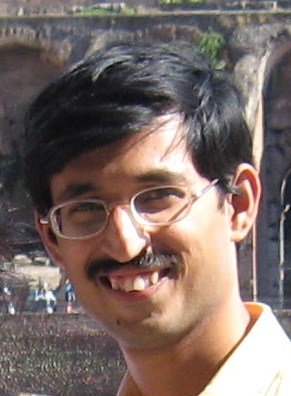 Arnab Bhattacharya合作论文数Department of Computer Science and Engineering, Indian Institute of Technology, Kanpur17
 Manhoi Choy合作论文数14
 Francesco Bullo合作论文数Department of Mechanical Engineering, The Robert Mehrabian College of Engineering, University of California, Santa Barbara;Department of Electrical and Computer Engineering, The Robert Mehrabian College of Engineering, University of California, Santa Barbara14Nicholas D. Larusso合作论文数12
 Amr El Abbadi合作论文数Department Computer Science, University of California, Santa Barbara;Dstributed Systems Laboratory, University of California, Santa Barbara11
 Vebjorn Ljosa合作论文数University of California, Santa Barbara11
 Vishwakarma Singh合作论文数Department of Chemistry, Indian Institute of Technology Bombay11
 Omid Askarisichani合作论文数University of California10
 Orhan Çamoglu合作论文数Google10
 Xifeng Yan合作论文数Department of Computer Science, University of California at Santa Barbara10
 Christian A. Lang合作论文数ViQi Inc.;Acelot, Inc.10
 Mert Kosan合作论文数Visa Research9
 Xuanhong Dang合作论文数IBM Thomas J. Watson9
 Ahmet Bulut合作论文数Faculty of Arts and Sciences, Ondokuz Mayıs University9Minh Hoang合作论文数University of California, Santa Barbara, CA, USA8
 Jerry James合作论文数EECS Department, University of Kansas8
 B.S. Manjunath合作论文数Center for Bio-image Informatics, University of California, Santa Barbara;Vision Research Lab, University of California, Santa Barbara;Center for Multimodal Big Data Science and Healthcare, University of California, Santa Barbara;Department of Electrical and Computer Engineering, The Robert Mehrabian College of Engineering, University of California, Santa Barbara8
 Wei Ye (叶伟)合作论文数Department of Control Science and Engineering, College of Electronic and Information Engineering, Tongji University;Shanghai Research Institute for Intelligent Autonomous Systems, Tongji University8
 Ananthram Swami合作论文数DEVCOM Army Research Laboratory8
 Brian E. Ruttenberg合作论文数University of California8
 Sunil Prabhakar合作论文数Department of Computer Science Purdue University8
 Prithwish Basu合作论文数Raytheon BBN Technologies8
 Zexi Huang (黄泽熙)合作论文数Department of Computer Science, University of California, Santa Barbara7
 Bo Zong合作论文数Salesforce7
 Noah Friedkin合作论文数Department of Sociology, College of Letters and Science, University of California, Santa Barbara7
 Tolga Can合作论文数Department of Computer Engineering
Middle East Technical University7
Tolga Can合作论文数Department of Computer Engineering
Middle East Technical University7 Kristian Gustav Kvilekval合作论文数7
 Misael Mongiovi合作论文数University of California Santa Barbara6Kathy Macropol合作论文数Department of Computer Science, University of California6Huahai He合作论文数6
 Zichen Chen合作论文数CS Department, University of California, Santa Barbara5Anand Meka合作论文数5Furkan Kocayusufoglu合作论文数Univ Calif Santa Barbara, Dept Comp Sci, Santa Barbara, CA 93106 USA5
 Victor Amelkin合作论文数University of Pennsylvania, Philadelphia5
 Yuan-Fang Wang合作论文数Department of Computer Science, University of California;Visualsize Inc.;Computer Vision Research Laboratory, University of California, Santa Barbara5
 Hongyuan You合作论文数Department of Computer Science, University of California, Santa Barbara5Hong V. Leong合作论文数ACM, IEEE Computer Society and IEEE Communications Society5
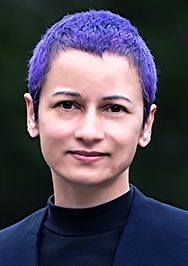 Misha Sra合作论文数The Human-AI Experience Lab, Computer Science Department, College of Engineering, University of California, Santa Barbara;Department of Electrical and Computer Engineering, College of Engineering, University of California, Santa Barbara5Kha-Dinh Luong合作论文数4K. V. R Kanth合作论文数4
 Saurabh Sharma合作论文数University of California Santa Barbara4
 Scott Grafton合作论文数Department of Psychological & Brain Sciences, College of Letters & Science, University of California, Santa Barbara4
 Jeff Moehlis合作论文数Department of Mechanical Engineering, College of Engineering, University of California, Santa Barbara4




