The two-process model of sleep regulation has served as a conceptual framework in the last four decades for understanding sleep physiology. In the 1970s, long-term recordings of sleep in rats were obtained thanks to EEG telemetry. NonREM sleep and REM sleep were found to differ in their time course and response to light-dark protocols. There were indications for their coupling to the circadian system, in particular the light-dark and the dark-light transitions. With the advent of quantitative EEG analysis, slow-wave activity in nonREM sleep was recognized as a sleep-wake-dependent variable. The term "sleep homeostasis" was coined to specify the regulated balance between sleep and waking. The regulatory homeostatic process was designated as "Process S". In the two-process model, its interaction with the circadian pacemaker "Process C" can account for sleep duration under various experimental protocols. Local, use-dependent slow-wave activity changes were demonstrated in both humans and rats by the selective, unilateral activation of a cortical region prior to sleep. Finding that rest in invertebrates has sleep-like regulatory properties opened a new realm of animal studies. Comparative sleep studies in a broad variety of animal species confirmed the validity of the basic concepts of the two-process model. Recent studies have addressed sleep-related changes of brain temperature as an indicator of brain metabolism; the application of the model to Drosophila; the divergence of cortical and subcortical states; and sleep in an increasing number of species and taxa.
The two-process model serves as a major conceptual framework in sleep science. Although dating back more than four decades, it has not lost its relevance for research today. Retracing its origins, I describe how animal experiments aimed at exploring the oscillators driving the circadian sleep-wake rhythm led to the recognition of gradients of sleep states within the daily sleep period. Advances in signal analysis revealed that the level of slow-wave activity in non-rapid eye movement sleep electroencephalogram is high at the beginning of the 12-light period and then declines. After sleep deprivation, the level of slow-wave activity is enhanced. By scheduling recovery sleep to the animal's activity period, the conflict between the sleep-wake-dependent and the circadian influence resulted in a two-stage recovery pattern. These experiments provided the basis for the first version of the two-process model. Sleep deprivation experiments in humans showed that the decline of slow-wave activity during sleep is exponential. The two-process model posits that a sleep-wake-dependent homeostatic process (Process S) interacts with a process controlled by the circadian pacemaker (Process C). At present, homeostatic and circadian facets of sleep regulation are being investigated at the synaptic level as well as in the transcriptome and proteome domains. The notion of sleep has been extended from a global phenomenon to local representations, while the master circadian pacemaker has been supplemented by multiple peripheral oscillators. The original interpretation that the emergence of sleep may be viewed as an escape from the rigid control imposed by the circadian pacemaker is still upheld.
P. Achermann*, T. Graf *, R. Huber*, N. Kuster**, A.A. Borbély* *Institute of Pharmacology and Toxicology, University of Zürich, CH-8057 Zürich, Switzerland **Foundation for Research on Information Technologies in Society (IT’IS), CH-8045 Zürich, Switzerland (Principal contact: acherman@pharma.unizh.ch) Abstract: Results of two recent studies of the effects of electromagnetic fields (EMF) similar to mobile phones on sleep and the sleep electroencephalogram (EEG) are sum-marized and further research directions are outlined.
SummaryMotor activity recording by a wrist‐worn device is a common method to monitor the rest–activity cycle. The first author wore an actimeter continuously for more than three decades, starting in 1982 at the age of 43.5 years. Until November 2006 analysis was performed on a 15‐min time base, and subsequently on a 2‐min time base. The timing of night‐time sleep was determined from the cessation and re‐occurrence of daytime‐level activity. Sleep duration declined from an initial 6.8 to 6 h in 2004. The declining trend was reversed upon retirement, whereas the variance of sleep duration declined throughout the recording period. Before retirement, a dominant 7‐day rhythm of sleep duration as well as an annual periodicity was revealed by spectral analysis. These variations were attenuated or vanished during the years after retirement. We demonstrate the feasibility of continuous long‐term motor activity recordings to study age‐related variations of the rest–activity cycle. Here we show that the embeddedness in a professional environment imparts a temporal structure to sleep duration.
In the last three decades the two-process model of sleep regulation has served as a major conceptual framework in sleep research. It has been applied widely in studies on fatigue and performance and to dissect individual differences in sleep regulation. The model posits that a homeostatic process (Process S) interacts with a process controlled by the circadian pacemaker (Process C), with time-courses derived from physiological and behavioural variables. The model simulates successfully the timing and intensity of sleep in diverse experimental protocols. Electrophysiological recordings from the suprachiasmatic nuclei (SCN) suggest that S and C interact continuously. Oscillators outside the SCN that are linked to energy metabolism are evident in SCN-lesioned arrhythmic animals subjected to restricted feeding or methamphetamine administration, as well as in human subjects during internal desynchronization. In intact animals these peripheral oscillators may dissociate from the central pacemaker rhythm. A sleep/fast and wake/feed phase segregate antagonistic anabolic and catabolic metabolic processes in peripheral tissues. A deficiency of Process S was proposed to account for both depressive sleep disturbances and the antidepressant effect of sleep deprivation. The model supported the development of novel non-pharmacological treatment paradigms in psychiatry, based on manipulating circadian phase, sleep and light exposure. In conclusion, the model remains conceptually useful for promoting the integration of sleep and circadian rhythm research. Sleep appears to have not only a short-term, use-dependent function; it also serves to enforce rest and fasting, thereby supporting the optimization of metabolic processes at the appropriate phase of the 24-h cycle.
In complex and ever-changing environments, resources such as food are often scarce and unevenly distributed in space and time. Therefore, utilizing external cues to locate and remember high-quality sources allows more efficient foraging, thus increasing chances for survival. Associations between environmental cues and food are readily formed because of the tangible benefits they confer. While examples of the key role they play in shaping foraging behaviours are widespread in the animal world, the possibility that plants are also able to acquire learned associations to guide their foraging behaviour has never been demonstrated. Here we show that this type of learning occurs in the garden pea, Pisum sativum. By using a Y-maze task, we show that the position of a neutral cue, predicting the location of a light source, affected the direction of plant growth. This learned behaviour prevailed over innate phototropism. Notably, learning was successful only when it occurred during the subjective day, suggesting that behavioural performance is regulated by metabolic demands. Our results show that associative learning is an essential component of plant behaviour. We conclude that associative learning represents a universal adaptive mechanism shared by both animals and plants.
This chapter introduces a two-process model and highlights that a homeostatic process (process S) rises during waking and declines during sleep. It interacts with a circadian process (process C) that is independent of sleep and waking. The time course of the homeostatic variable S was derived from electroencephalographic (EEG) SWA. Different aspects of human sleep regulation are simulated by the original qualitative version of the two-process model. In the quantitative version process S varies between an upper and a lower threshold that are modulated by a circadian process. The presented model is able to account for diverse phenomena such as recovery from sleep deprivation, circadian phase dependence of sleep duration, sleep during shift work, sleep fragmentation during continuous bed rest, and internal desynchronization in the absence of time cues. The basic assumption of the two-process model, that a homeostatic and a circadian process underlie sleep, is validated by the forced desynchrony protocol in which sleep episodes are scheduled to occur at different circadian phases. This allows the separation of homeostatic (i.e., sleep–waking-dependent) and circadian components of sleep and sleep EEG. Various claims of the two-process model are supported by experimental data. For example, Slow-wave activity (SWA) proved to be determined mainly by a homeostatic (that is, sleep–waking-dependent) factor, whereas the REM/non-REM sleep ratio is shown to be controlled by both homeostatic and circadian factors.
STUDY OBJECTIVES:The main energy reserve of the brain is glycogen, which is almost exclusively localized in astrocytes. We previously reported that cerebral expression of certain genes related to glycogen metabolism changed following instrumental sleep deprivation in mice. Here, we extended our investigations to another set of genes related to glycogen and glucose metabolism. We also compared the effect of instrumentally and pharmacologically induced prolonged wakefulness, followed (or not) by 3 hours of sleep recovery, on the expression of genes related to brain energy metabolism.DESIGN:Sleep deprivation for 6-7 hours.SETTING:Animal sleep research laboratory.PARTICIPANTS:Adults OF1 mice.INTERVENTIONS:Wakefulness was maintained by "gentle sleep deprivation" method (GSD) or by administration of the wakefulness-promoting drug modafinil (MOD) (200 mg/kg i.p.).MEASUREMENTS AND RESULTS:Levels of mRNAs encoding proteins related to energy metabolism were measured by quantitative real-time PCR in the cerebral cortex. The mRNAs encoding protein targeting to glycogen (PTG) and the glial glucose transporter were significantly increased following both procedures used to prolong wakefulness. Glycogenin mRNA levels were increased only after GSD, while neuronal glucose transporter mRNA only after MOD. These effects were reversed after sleep recovery. A significant enhancement of glycogen synthase activity without any changes in glycogen levels was observed in both conditions.CONCLUSIONS:These results indicate the existence of a metabolic adaptation of astrocytes aimed at maintaining brain energy homeostasis during the sleep-wake cycle.
Journal of Sleep ResearchVolume 18, Issue 1 p. 1-2 Free Access Refining sleep homeostasis in the two-process model Alexander A. Borbély, Alexander A. Borbély Institute of Pharmacology and Toxicology, University of Zurich, Zurich, Switzerland(e-mail: borbely@pharma.uzh.ch)Search for more papers by this author Alexander A. Borbély, Alexander A. Borbély Institute of Pharmacology and Toxicology, University of Zurich, Zurich, Switzerland(e-mail: borbely@pharma.uzh.ch)Search for more papers by this author First published: 24 February 2009 https://doi.org/10.1111/j.1365-2869.2009.00750.xCitations: 29AboutSectionsPDF ToolsRequest permissionExport citationAdd to favoritesTrack citation ShareShare Give accessShare full text accessShare full-text accessPlease review our Terms and Conditions of Use and check box below to share full-text version of article.I have read and accept the Wiley Online Library Terms and Conditions of UseShareable LinkUse the link below to share a full-text version of this article with your friends and colleagues. Learn more.Copy URL Share a linkShare onFacebookTwitterLinked InRedditWechat The two-process model postulates that the interaction between the sleep–wake-dependent Process S and the circadian Process C accounts for essential aspects of sleep regulation (Borbély, 1982; Daan et al., 1984). The model has been widely adopted as a conceptual framework of sleep regulation. The original paper has been cited close to 1000 times, and – quite an unusual pattern – the frequency of citation has steadily increased over the years. To characterize the tendency to maintain sleep propensity within a certain range, the term 'sleep homeostasis' was coined (Borbély, 1980) and has also gained wide acceptance. The attractiveness of exploring sleep homeostasis was largely due to the availability of a physiological correlate: EEG slow-wave activity (SWA). This measure has allowed monitoring sleep pressure under a variety of experimental paradigms in both humans and animals. Moreover, SWA was shown to be inversely correlated with brief awakenings during sleep (Franken et al., 1991). This behavioral correlate of sleep homeostasis, which had been recognized early on (Tobler, 1983), was critical for expanding the field of sleep research to the realm of invertebrates, in particular to Drosophila, an ideal species for genetic studies. Another crucial development was the recognition that the dynamics of SWA in human sleep showed regional differences. Thus SWA recorded from the frontal area showed a steeper decline than the record obtained from the parieto-occipital area (Werth et al., 1996). Do the properties of sleep homeostasis exhibit regional specificity, and, if so, how should these findings be interpreted? This question was examined by Zavada et al. (2009). The authors recorded the EEG from 26 locations and confirmed that during sleep SWA dissipated most rapidly at frontal derivations. To account for the regional changes, they propose a novel 'Process Z' (for Zavada?) that exhibits local specificity, whereas Process S is viewed as a global process that determines by its interaction with Process C the timing of sleep. The instantaneous rates of change of Z were computed from the initial value of SWA and the sequence of vigilance states applying an iterative procedure to optimize the fit between empirical and simulated values. Because only baseline data were used, a quantitative estimate of the rise rate of Process Z could not be obtained. Zavada and coworkers recognize some limitations in their approach, such as the assumption of independence of 1 Hz frequency bins. They conclude that there is a single brain-wide Process S with dynamics independent of location. However, due to non-S related processes, SWA is inadequate for fully characterizing Process S. Thus, due to the regional variability of SWA, Process Z is postulated which unlike Process S is not involved in the timing of sleep. A model should not only account for a specific data set, but predict changes for different experimental conditions. In an extended version of the two-process model, a large data pool was used for parameter estimation and three independent data sets were used for testing the performance of the model (Achermann et al. 1993). Schedules with different circadian phase and different durations of prior sleep and waking showed a good fit of intraepisodic buildup and decline of SWA. The puzzling occasional resurgence of SWA towards the end of sleep emerged from the simulations. Moreover, a permanently active rise of Process S was introduced as a novel feature with considerable conceptual implications. Also the role of a noise component accounting for the variability of the actual data was assessed. However, the necessity of using external variables for the REM sleep trigger and for short arousals clearly demonstrated the limitations of the model. Zavada and coworkers used the Achermann et al. version of the model as a basis of their simulations. A salient feature of the two-process model is its simplicity. A multitude of phenomena can be accounted for by the interaction of only two processes. The addition of further processes may enhance the performance of the model, but it increases also its complexity. Thus a Process W representing sleep inertia was added to S and C to simulate subjective sleepiness (Folkard and Åkerstedt, 1992). To account for long-term changes of neurobehavioral performance under different sleep restriction schedules, a process modulating the homeostatic process across days and weeks was introduced in a novel model conceptually rooted in the two-process model (McCauley et al., 2009). The merit of the paper by Zavada et al. is the attempt to deal with the fact that SWA, the main correlate of Process S, has in addition to its temporal dynamics a topographic variability. It is inevitable that the two-process model evolves to accommodate new data generated by advances of recording and analysis techniques. A further aspect of the spatio-temporal pattern of SWA that will have to be addressed in the framework of the model is its high variability between individuals and its low variability within individuals (Buckelmüller et al., 2006). References Achermann, P., Dijk, D. J., Brunner, D. P. and Borbely, A. A. A model of human sleep homeostasis based on EEG slow-wave activity - quantitative comparison of data and simulations. Brain Res. Bull., 1993, 31: 97– 113. CrossrefCASPubMedWeb of Science®Google Scholar Borbély, A. A. Sleep: circadian rhythm versus recovery process. In: M. Koukkou, D. Lehmann and J. Angst (Eds) Functional States of the Brain: Their Determinants. Elsevier, Amsterdam, 1980: 151– 161. Google Scholar Borbély, A. A. A two process model of sleep regulation. Hum. Neurobiol., 1982, 1: 195– 204. CASPubMedWeb of Science®Google Scholar Buckelmüller, J., Landolt, H. P., Stassen, H. H. and Achermann, P. Trait-like individual differences in the human sleep electroencephalogram. Neuroscience, 2006, 138: 351– 356. CrossrefCASPubMedWeb of Science®Google Scholar Daan, S., Beersma, D. G. M. and Borbély, A. A. Timing of human sleep: recovery process gated by a circadian pacemaker. Am. J. Physiol., 1984, 246: R161– R178. CASPubMedWeb of Science®Google Scholar Folkard, S. and Åkerstedt, T. A three-process model of the regulation of alertness-sleepiness. In: R. J. Broughton and R. D. Ogilvie (Eds) Sleep, Arousal, and Performance. Birkhäuser, Boston, 1992: 11– 26. Web of Science®Google Scholar Franken, P., Dijk, D. J., Tobler, I. and Borbély, A. A. Sleep-deprivation in rats. Effects on EEG power spectra, vigilance states, and cortical temperature. Am. J. Physiol., 1991, 261: R198– R208. CASPubMedWeb of Science®Google Scholar McCauley, P., Kalachev, L. V., Smith, A. D., Belenky, G., Dinges, D. F. and Van Dongen, H. P. A. A new mathematical model for the homeostatic effects of sleep loss on neurobehavioral performance. J. Theor. Biol., 2009, 256: 227– 239. CrossrefPubMedWeb of Science®Google Scholar Tobler, I. Effect of forced locomotion on the rest-activity cycle of the cockroach. Behav. Brain Res., 1983, 8: 351– 360. CrossrefCASPubMedWeb of Science®Google Scholar Werth, E., Achermann, P. and Borbély, A. A. Brain topography of the human sleep EEG: antero-posterior shifts of spectral power. Neuroreport, 1996, 8: 123– 127. CrossrefCASPubMedWeb of Science®Google Scholar Zavada, A., Strijkstra, A. M., Boerema, A. S., Daan, S. and Beersma, D. G. M. Evidence for differential human slow-wave activity regulation across the brain. J. Sleep Res., 2009, 18: 3– 10. Wiley Online LibraryCASPubMedWeb of Science®Google Scholar Citing Literature Volume18, Issue1March 2009Pages 1-2 ReferencesRelatedInformation
Journal of Sleep ResearchVolume 17, Issue 2 p. 239-239 In memoriam Dag Stenberg Alexander Borbély, Alexander BorbélySearch for more papers by this author Alexander Borbély, Alexander BorbélySearch for more papers by this author First published: 28 June 2008 https://doi.org/10.1111/j.1365-2869.2008.00657.xCitations: 1Read the full textAboutPDF ToolsRequest permissionExport citationAdd to favoritesTrack citation ShareShare Give accessShare full text accessShare full-text accessPlease review our Terms and Conditions of Use and check box below to share full-text version of article.I have read and accept the Wiley Online Library Terms and Conditions of UseShareable LinkUse the link below to share a full-text version of this article with your friends and colleagues. Learn more.Copy URL Share a linkShare onEmailFacebookTwitterLinkedInRedditWechat No abstract is available for this article.Citing Literature Volume17, Issue2June 2008Pages 239-239 RelatedInformation
Dr Werner P Koella, aged 91 years, passed away on 13 January 2008. After graduating from the University of Zurich in 1942, he started his career at the Clinic of Neurosurgery of the Zurich University Hospital. After 2 years of clinical activity, his interest in the functioning of the central nervous system led him to join the Institute of Physiology. Under the guidance of Professor WR Hess, Nobel laureate in medicine and physiology, he first directed his research efforts toward the experimental study of nystagmus and the role of the hypothalamus in fluid excretion. He made use of the technique of electrical brain stimulation in the unanesthetized cat and reported in 1952 together with K Akert and R Hess Jr on the sleep-inducing action of thalamic stimuli. In the following year, the same authors published the paper ‘Cortical and subcortical recordings in natural and artificially induced sleep in cats,’ which has been highly cited and marks the beginning of Koella's career in experimental sleep research. In 1951, he moved to the Department of Physiology of the University of Minnesota, where he joined the neurophysiology laboratory of Ernst Gellhorn. There he studied the effects of ambient temperature on the EEG and began to use the method of evoked responses to monitor central nervous structures. From Minneapolis he moved to Shrewsbury, Massachusetts, where he joined Peter J Morgane at the Worcester Foundation of Experimental Biology. From very early on, Werner Koella recognized the important role of serotonin in brain mechanisms. Already in 1959, he published the first papers on the effects of serotonin and LSD on evoked potentials. In the following years, serotonin became the major focus of his research, culminating in his most highly cited paper on the effect of serotonin depletion by parachlorophenylalanine on sleep, which he published in 1968 with Feldstein and Czicman. Because at that time serotonin was considered to be the major sleep-promoting transmitter, he suggested jocularly that its name be changed to somnotonin.
Women with ovulatory cycles have a biphasic change in body temperature, reduced subjective sleep quality premenstrually and at menstruation, while sleep homeostatic mechanisms, as reflected by slow wave sleep (SWS), are unaltered. The mid-luteal phase increase in body temperature is associated with more stage 2 sleep, higher spindle frequency activity, reduced REM sleep, and elevated heart rates during sleep when compared to the mid-follicular phase. Based on a few studies the effects of oral contraceptives (OC) appear small: women taking OCs have more stage 2 compared to naturally cycling women but less SWS than naturally cycling women in the luteal phase.
Women with ovulatory cycles have a biphasic change in body temperature, reduced subjective sleep quality premenstrually and at menstruation, while sleep homeostatic mechanisms, as reflected by slow wave sleep (SWS), are unaltered. The mid-luteal phase increase in body temperature is associated with more stage 2 sleep, higher spindle frequency activity, reduced REM sleep, and elevated heart rates during sleep when compared to the mid-follicular phase. Based on a few studies the effects of oral contraceptives (OC) appear small: women taking OCs have more stage 2 compared to naturally cycling women but less SWS than naturally cycling women in the luteal phase.
Power spectra in the non-rapid eye movement sleep (NREMS) electroencephalogram (EEG) have been shown to exhibit frequency-specific topographic features that may point to functional differences in brain regions. Here, we extend the analysis to rapid eye movement sleep (REMS) and waking (W) to determine the extent to which EEG topography is determined by state under two different levels of sleep pressure. Multichannel EEG recordings were obtained from young men during a baseline night, a 40-h waking period, and a recovery night. Sleep deprivation enhanced EEG power in the low-frequency range (1-8 Hz) in all three vigilance states. In NREMS, the effect was largest in the delta band, in W, in the theta band, while in REMS, there was a peak in both the delta and the theta band. The response of REMS to prolonged waking and its pattern of EEG topography was intermediate between NREMS and W. Cluster analysis revealed a major topographic segregation into three frequency bands (1-8 Hz, 9-15 Hz, 16-24 Hz), which was largely independent of state and sleep pressure. To assess individual topographic traits within each state, the differences between pairs of power maps were compared within (i.e., for baseline and recovery) and between individuals (i.e., separately for baseline and recovery). A high degree of intraindividual correspondence of the power maps was observed. The frequency-specific clustering of power maps suggests that distinct generators underlie EEG frequency bands. Although EEG power is modulated by state and sleep pressure, basic topographic features appear to be state-in dependent. (c) 2006 Elsevier Inc. All rights reserved.
 Irene Tobler合作论文数61
 Peter Achermann合作论文数Institute of Pharmacology and Toxicology, University of Zurich59
 Derk-Jan Dijk合作论文数Surrey Sleep Research Centre, University of Surrey;Faculty of Health and Medical Sciences, University of Surrey;School of Biosciences, University of Surrey28
 Landolt Hans-Peter合作论文数23
 Esther Werth合作论文数Sleep Laboratory;Psychiatric University Clinic;Sleep Laboratory, Psychiatric University Clinic16Peter G. Waser合作论文数14
 Joseph P. Huston合作论文数Psychology/Center for Behavioral Neuroscience Heinrich-Heine University12L Trachsel合作论文数11
 Paul Franken合作论文数Center for Integrative Genomics, Faculty of Biology and Medicine, Université de Lausanne10I Tobler合作论文数10
 Daniel P. Brunner合作论文数10
 Reto Huber合作论文数Medizinische Fakultät, Universität Zürich9Corinne Roth合作论文数9JM Gottselig合作论文数8
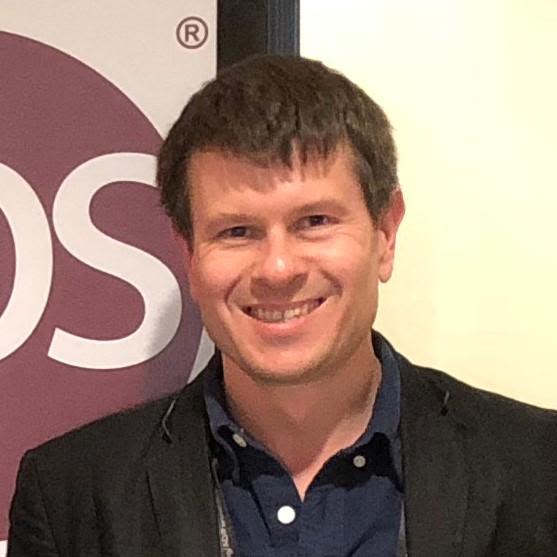 Vladyslav V. Vyazovskiy合作论文数Department of Physiology, Anatomy & Genetics, University of Oxford8HU NEUHAUS合作论文数7G Hofer-Tinguely合作论文数6
 Niels Kuster合作论文数Departement Informationstechnologie und Elektrotechnik, ETH Zurich6Daniel Aeschbach合作论文数6J�Rgen Schuderer合作论文数6Christian Cajochen合作论文数6E Gallmann合作论文数5T Graf合作论文数5P Mattmann合作论文数5
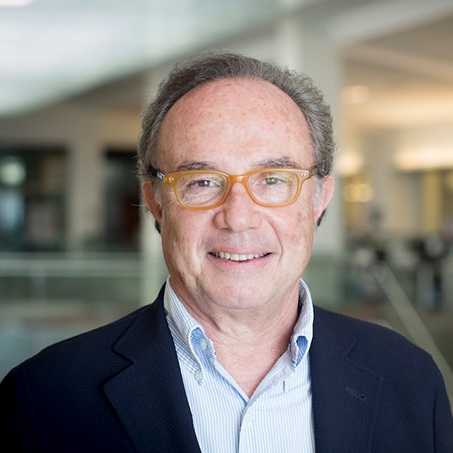 Pierre Magistretti合作论文数Biological and Environmental Science and Engineering Division, King Abdullah University of Science and Technology5Alfred Buck合作论文数5I Strauch合作论文数5S. J. Regel合作论文数4J. V. Retey合作论文数4LA Finelli合作论文数4JM Petit合作论文数4M Loepfe合作论文数4Margaret Gerne合作论文数4Barbara Schwierin合作论文数4KA Cote合作论文数3TA RHYNER合作论文数3Luca A. Finelli合作论文数3Gary Matthews合作论文数3
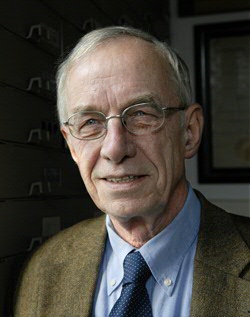 Serge Daan合作论文数Faculty of Science and Engineering, University of Groningen3
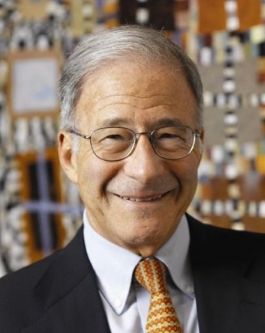 David J. Kupfer合作论文数Department of Psychiatry, University of Pittsburgh School of Medicine;Career Development Institute for Psychiatry, Western Psychiatric Institute and Clinic3Robert D Hall合作论文数3
 Peter Lajos Alfoldi合作论文数3Hans Ulrich Neuhaus合作论文数3Dietrich Lehmann合作论文数3Caroline Kopp合作论文数3W Guggenbuhl合作论文数2Gilberte Tinguely合作论文数2Pa Coble合作论文数2pierre steigrad合作论文数2




