Suppressing background noise is a fundamental challenge in satellite-to-ground Quantum Key Distribution (QKD), where quantum signals traverse free-space optical links rather than isolated dark fibers. As future satellite QKD systems aim to support both nighttime and daylight operations, effective mitigation of solar background radiance becomes essential to maintaining low Quantum Bit Error Rates (QBER) and ensuring stable secure key generation. In this work, we experimentally evaluate background sky radiance and its suppression using two small-aperture (20 cm and 28cm) optical telescopes and the 2.3-meter Aristarchos telescope, applying a unified filtering approach that combines spectral and spatial filtering techniques. The experiments were performed under three distinct observational environments: at an urban location in Athens (similar to 250 m altitude) and Thessaloniki (similar to 60 m altitude) for the small-aperture system, and at the summit of Mount Helmos, Greece, for the large-aperture Aristarchos facility. Single-Photon Avalanche Diodes (SPADs) were used as the primary photon-counting detectors to perform all radiance and noise measurements. These results offer valuable insight into how aperture size, filtering architecture, and observing conditions jointly affect the feasibility and reliability of satellite QKD, particularly during daylight operations where background suppression is most challenging.
This letter evaluates the performance of the selection combining diversity technique, in which different switching scenarios are applied and assessed. The analysis is based on measured rainfall data, collected in two locations in Cyprus, which are converted into rain attenuation values, adopting the synthetic storm technique. The rainfall-induced attenuation and diversity gains versus exceedance probability are delivered at Ka and Q bands for the various switching schemes. The number of switches, as well as the required fade margins, for an outage below 1%, is also provided. The numerical results reveal that switching with threshold achieves the best performance at both examined frequencies accounting for a reasonable number of initiated switches and low fade margin demands. Finally, the number of switches decreases about 33% when the switching schemes with hysteresis are leveraged.
We demonstrate a compact, high-isolation C-band optical ground terminal for satellite-QKD, achieving more than 120 dB daylight background suppression and 135 dB crosstalk noise isolation. Successful QKD over an outdoor 100m FSO validate its feasibility for integration of satellite QKD with urban fiber segments. (c) 2025 The Author(s)
In this contribution, we provide a concise overview of machine learning (ML) techniques for wireless channel line-of-sight (LOS) or non-Line-of-sight (NLOS) classification. Moreover, an Artificial Neural Network (ANN) is employed to for classification using experimental data in an urban environment for a dual-polarized (DP) multiple-input-multiple-output (MIMO) channel and a low-altitude unmanned aerial vehicle (UAV) scenario. The proposed Artificial Neural Network (ANN) is using the azimuth and elevation angles as input features. The adopted ANN approach achieves remarkable classification accuracy, distinguishing effectively LOS from NLOS conditions, delivering also minimal misclassification errors. Key performance metrics, such as precision, recall, and F1-score, are leveraged to validate the model’s reliability. The findings highlight the feasibility of ANN-based classification for UAV communications.
This paper examines the statistical performance of site diversity mitigation technique in Cyprus, based on measured rainfall data, collected in two locations in Cyprus, through the application of the synthetic storm technique (SST). Firstly, the long-term rain attenuation exceedance probability is calculated and assessed at Ka- and Q-bands and at various elevation angles, and then the joint-exceedance probability of hypothetical diversity downlink scenarios is presented. Finally, the number of switches as well as the required fade margins given a specific outage for various Selection Combining (SC) scenarios is also provided. The results indicate the crucial role of the elevation angle and frequency in propagation problems. For very low elevation angles or operating carriers at Q-band the number of switches is increased and lead to higher margins. However, a proper SC diversity when adopted can compensate the demands effectively.
The introduction of Reconfigurable Intelligent Surfaces (RIS) technology marks a transformative era in modern communication systems, enhancing coverage and facilitating higher data transmission rates. While recent research has delved into the integration of RIS into satellite networks, a critical and practical gap persists concerning its implementation in the satellite-Very Small Aperture Terminal (VSAT) downlink, specifically amplifying contributions from the VSAT side. This paper addresses this gap by proposing a simple and engineering methodology to optimize RIS position and orientation, incorporating considerations for the antennas' radiation patterns and the system's topology to streamline optimization variables. The primary objective of this paper is to alleviate the double fading constraint in the reflect link without the need for active elements, achieved by leveraging the Fresnel zone of the RIS. The improvement power ratio depends on the frequency and the VSAT 's diameter. The results show that for a VSAT with diameter 1m the gain is up to 9dB at 2 GHz (S band) and up to 14dB at 4 GHz (C band). Additionally, the RIS channel equation is refined, encompassing the tropospheric attenuation and accounting for electromagnetic wave polarization.
This article presents an extensive performance analysis of a narrowband dual-polarized (DP) multiple-input-multiple-output (MIMO) communication link, between a low-altitude unmanned aerial vehicle (UAV) and a terrestrial terminal. The experimental campaign is conducted in an urban park, under tree shadowing environment. The ergodic capacities are calculated 5.2 b/s/Hz for line-of-sight (LOS), and 4.4 b/s/Hz for nonline-of-sight (NLOS) trajectories, respectively, substantially enhanced compared with the single-input-single-output (SISO) cases. The encountered capacity variations are associated with the propagation geometry and the UAV flight path, as well as with the elevation angle and distance between the related terminals. From the multiplexing assessment analysis, the DP-MIMO channel has been shown its favorability for adopting beamforming methods. A new stochastic model is also suggested that represents the channel matrix employing jointly the inverse Gaussian and Rayleigh distributions. Promising results are delivered, where the adopted model predicts conveniently the channel capacity under the existence of tree shadowing. Finally, shorter stationarity periods are observed under the tree presence affecting their pattern and, in respect, the achieved instantaneous capacity.
This paper evaluates the benefits of site diversity reception at Ka- and Q-band in Cyprus. The analysis is based on local point rainfall rate meteorological data collected near the sites of interest. The performance of a double and the corresponding triple site diversity is presented along with their comparison. According to the simulations, the adoption of double and triple site receptions enhances remarkably the outage performance at both examined frequencies. If very high availability for a satellite service is required, triple diversity is a convenient option at both frequencies without leading to enormous fade margins. Finally, it is endorsed that real rainfall rate data be leveraged for diversity performance calculations, since the simulations highlighted that ITU- R rain-maps tend to overestimate the outage time.
The explosive evolution of internet services and applications has posed new challenges on communication systems during the last decade. Moreover, the end users demand ubiquitous network coverage even at remote areas where oftentimes deploying network infrastructure could be costly or even impossible. In this context, modern satellite communication systems have become a keystone in achieving the aforementioned requirements; they can provide global coverage both indirectly (as a data relay/feeder link backhaul network) as well as a direct link between the end users. Currently, fixed satellite services using GEO satellites commonly employ Ku (12/14GHz) and Ka (20/30GHz) bands offering capacities in the order of hundreds of Gbps. Maintaining a high link availability is therefore a non-trivial task and cannot be achieved by merely using a fade margin; more advanced Fading Mitigation Techniques (FMTs) have to be utilized. Adaptive Coding and Modulation are employed (A. D. Panagopoulos, P. M. Arapoglou and P. G. Cottis, “Satellite communications at KU, KA, and V bands: Propagation impairments and mitigation techniques,” IEEE Communications Surveys & Tutorials, 6, 3, 2004, pp. 2-14.). Therefore, tropospheric attenuation measurements are necessary in order to design reliable satellite communication networks. Except from in excess channel attenuation, it is important to quantify scintillation statistics. Scintillation is caused by the scattering of atmospheric refractive index irregularities in turbulent layers that evolve over time and drift through the propagation path carried by the wind. The phase and amplitude distorted wave front are integrated by the receiving antenna aperture giving rise to the observed signal amplitude fluctuations. The modeling of scintillation is important because it can disturb the fade mitigation systems and the scintillation fades can impact the availability of terminals with very small fade margins. NTUA has designed, tested and deployed two identical Ka-band beacon receivers at the NTUA Campus and at the Lavrion Technological and Cultural Park. The receivers are based on the Software Defined Radio (SDR) principle, making use of high-grade off-the-shelf parts whenever possible to lower the procurement and service costs and to allow for quick provisioning. The measured dynamic range for the Ka-band receivers is in excess of 40 dB. Continuous Wave (CW) signals of constant power and frequency; the beacon signals received at 19.701 GHz for the Ka band are transmitted by the ALPHASAT satellite at 25.0° E. ALPHASAT carries payloads for experimental purposes under the coordination of the European Space Agency. Among them is the so-called Aldo Paraboni Technology Demonstration Payload 5 (TDP #5). In this paper we process scintillation amplitude timeseries, the 10 Hz attenuation timeseries are high-pass filtered using a Butterworth filter of 5th order at a 3-dB cutoff frequency of 0.025 Hz. We present long term scintillation statistics. Some results are given in Figure 1.
The emergence of Reconfigurable Intelligent Surfaces (RIS) technology has revolutionized modern communication systems by enhancing coverage and enabling higher data transmission rates. Recent research studies have investigated the integration of RIS into satellite networks, opening new avenues for improved performance and quality of service. However, a critical research gap has emerged with respect to the implementation of RIS in satellite communications connectivity scenarios and particularly in the reflection link’s side. In this paper, We study GEO satellite networks at frequencies below 10GHz and a method is presented to optimize RIS position and orientation, with a view to maximizing the received power ratio from the reflection link compared to the direct link is presented. Additionally, we explore the placement of RIS in the far field and the radiating near field (Fresnel zone) of RIS, considering the impact of the number of RIS elements on the overall process.
The increasing demand for higher data rates to support the numerous multimedia services using satellites has led to the employment of much higher frequencies bands above 10 GHz. In these frequencies, the electromagnetic wave attenuation due to rainfall (the rain attenuation) is the most noticeable component of the excess losses. This equals to the satellite channel gain for line of sight (LOS) satellite links. The prediction of this factor is of crucial importance for the satellite system design and the accurate estimation of outage events and for the application of fade mitigation techniques. However, the adoption of data-driven models is hampered by the absence of reliable satellite propagation measurements in real conditions. Here, we exploit real propagation measurements from the two experimental stations in Greece at Q-band to predict the the induced of in excess attenuation values for the next future time-steps. The proposed model is a temporal sequential deep learning scheme with causal convolutions. The results are very encouraging since the sequential model achieves performance 0.3 dB, whereas the respective temporal models in literature achieve performance equal to 0.5 dB for the testset in our dataset.
Satellite-based QKD is currently being developed to revolutionize global cryptographic key exchange by facilitating secure communication among remote parties at a global scale. By overcoming the exponential loss of fiber transmission, satellite-to-Earth communication can seamlessly interconnect vast distances as the link budget of such links is sufficient to support QKD links. In terms of this direction, DV-QKD implementations seems to be technologically ahead since key exchange has been experimentally demonstrated to perform much more efficiently by providing key rates that are orders of magnitude higher compared to entanglement-based key exchange. However, the specific requirements to support effectively functional DV-QKD satellite-to-ground links are yet to be defined. This work attempts to define the satellite and ground segment system requirements needed in order to achieve functional QKD service for various satellites orbits (LEO, MEO, and GEO). Finite key size effects are being considered to determine the minimum block sizes that are required for secure key generation between a satellite node and a ground terminal for a single satellite pass. The atmospheric link channel is modeled with consideration of the most important degradation effects such as turbulence and atmospheric and pointing loss. Critical Tx and Rx system parameters, such as the source’s intrinsic Quantum Bit Error Rate (iQBER), the Rx telescope aperture size, and detection efficiency, were investigated in order to define the minimum requirements to establish an operation satellite-to-ground QKD link under specific assumptions. The performance of each downlink scenario was evaluated for the wavelength of 1550 nm in terms of link availability, link budget, and in the distilling of secure key volumes over time. Finally, the feasibility and requirements for distributing the collected space photons via terrestrial telecom fibers was also studied and discussed, leading to the proposal of a more futuristic WDM-enabled satellite QKD architecture. This comprehensive analysis aims to contribute to the advancement and implementation of effective satellite-based QKD systems, which can further exploit the ground fiber segment to realize converged space/terrestrial QKD networks.
This paper delves into the intricate aspects of Re-configurable Intelligent Surfaces (RIS) in the antenna design. It investigates the properties of the array factor of RIS, highlighting the significance of phase shifts in establishing of the reflect path. Additionally, the paper investigates spatial positions requiring identical phase shifts, nullification of the array factor, the count of total maxima, second maximum determination (amplitude of the second lobe), and the calculation of the 3dB bandwidth. They are very useful for RIS-assisted radio communication systems.
This paper is focused on the QKD deployment options for mountain communities based on LEO satellite-to-ground downlinks. The satellite QKD usecase for Vovousa village in Zagori is considered in this paper, providing simulation results for infrastructure deployment options that can support the implementation of LEO satellite DS-BB84 QKD protocol. SKR analysis is provided using an already available key rate calculator, allowing for up to 50kbps key rates with 1.2m receiver apertures in OGS. The use of small sized-OGS as the receiver located in village is also explored, showing similar to 3kbps SKR.
This article assesses the performance of a dual-polarized (DP) multiple-input-multiple-output (MIMO) communication link, between a low-altitude unmanned aerial vehicle (UAV) and a terrestrial terminal. The entire analysis is based on experiments that are commenced in an urban park, having trees that shadow the wireless link. The ergodic capacities are calculated 5.1 and 4.3 b/s/Hz, for line-of-sight (LOS) and non-line-of-sight (NLOS) trajectories, respectively. The obtained results demonstrated that the ergodic capacity, as well as the K-factor of the DP-MIMO channel, vary substantially with respect to the elevation angle. Based on the channel decomposition results and its correlation properties, the communication link under consideration is suitable to accommodate either beamforming, or diversity, instead of spatial multiplexing.
Predicting channel excess attenuation is of utmost importance for the current satellite networks design. However, the adoption of data-driven models is hampered by the absence of reliable satellite propagation measurements in real conditions. In this framework, ESA initiated in 2015 a dedicated project for a large-scale measurement campaign using the Alphasat SCIEX Ka/Q band signals (ASALASCA). Here, we propose a data-driven model to predict in excess attenuation in the next future time-steps, by exploiting the real measurements (excess attenuation and rainfall rate) from the two experimental stations in Greece by NTUA operating at Ka band (19.704GHz).
Geostationary (GEO) satellites are employed in optical frequencies for a variety of satellite services providing wide coverage and connectivity. Multi-beam GEO high-throughput satellites offer Gbps broadband rates and, jointly with low-Earth-orbit mega-constellations, are anticipated to enable a large-scale free-space optical (FSO) network. In this paper, a power allocation methodology based on deep reinforcement learning (DRL) is proposed for optical satellite systems disregarding any channel statistics knowledge requirements. An all-FSO, multi-aperture GEO-to-ground system is considered and an ergodic capacity optimization problem for the downlink is formulated with transmitted power constraints. A power allocation algorithm was developed, aided by a deep neural network (DNN) which is fed channel state information (CSI) observations and trained in a parameterized on-policy manner through a stochastic policy gradient approach. The proposed method does not require the channels’ transition models or fading distributions. To validate and test the proposed allocation scheme, experimental measurements from the European Space Agency’s ARTEMIS optical satellite campaign were utilized. It is demonstrated that the predicted average capacity greatly exceeds other baseline heuristic algorithms while strongly converging to the supervised, unparameterized approach. The predicted average channel powers differ only by 0.1 W from the reference ones, while the baselines differ significantly more, about 0.1–0.5 W.
This paper presents an in-depth satellite-to-ground Quantum Key Distribution (QKD) feasibility analysis between a Low Earth Orbit (LEO) satellite and a 0.28 m small-sized Optical Ground Stations (OGSs) located in urban areas, over nighttime. Both Prepare & Measure (P&M) and Entanglement (ENT)- based QKD protocols are employed and compared in terms of distilled key bits. The performance of various detection setups and environmental conditions including different wavelengths (1550 nm and 810 nm) as well as different types of detectors (Avalanche and Superconducting Nanowires) is simulated. The results are compared to those obtained when OGSs with much larger receiver apertures are placed in rural environment. Our analysis delivers a framework examining the parameters affecting the QKD satellite downlink, and also provides a thorough theoretical framework for the employment of small-sized OGSs in urban environments.
Optical satellite links and networks are currently being deployed by various space agencies and the industry for space, deep-space applications and intersatellite links. In this paper, a REINFORCE-based solution is presented for optimal power allocation regarding an optical geostationary satellite-to- ground system. Specifically, the proposed algorithm is channel model-free, and learns through a centralized stochastic neural network policy. The proposed allocation scheme is considered suitable for optical environments that are hard to model because it learns directly from experience. Experimental data from the ESA’s ARTEMIS optical satellite sessions are employed to evaluate the performance of the proposed algorithm. The achieved capacity outperforms the uniform power (UP) by 6% and exhibits good agreement with the model-based water-filling (WF) solution by 1.12%. The achieved channel allocated powers vary approximately 0.1 Watts from the WF ones, while the UP varies by 0.2-0.4 Watts.
 Charilaos Kourogiorgas合作论文数School of Electrical and Computer Engineering, National Technical University of Athens98
 J. D. Kanellopoulos合作论文数Department of Electrical Engineering;National Technical University of Athens;Department of Electrical Engineering, National Technical University of Athens77
 Nikolaos Lyras合作论文数37
 Philip Constantinou合作论文数33
 Pantelis-Daniel M. Arapoglou合作论文数ESA ESTEC, Noordwijk, Netherlands32
 Apostolos Z. Papafragkakis合作论文数School of Electrical and Computer Engineering, National Technical University of Athens31
 Stavroula Vassaki合作论文数29
 Vasileios K. Sakarellos合作论文数25
 Nektarios Moraitis合作论文数National Technical University of Athens23
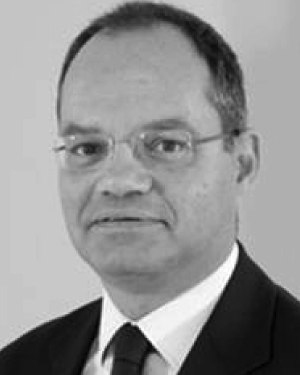 Panayotis G. Cottis合作论文数22
 Dimitrios Skraparlis合作论文数School of Electrical and Computer Engineering, National Technical University of Athens21
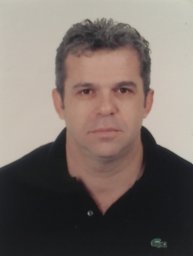 George E. Chatzarakis合作论文数School of Pedagogical and Technological Education, Department of Electrical Engineering Educators, Athens, Greece21
 Anargyros J. Roumeliotis合作论文数School of Electrical and Computer Engineering, National Technical University of Athens, Athens, Greece20
 Marios I. Poulakis合作论文数20
 Dimitris E. Charilas合作论文数School of Electrical & Computer Engineering, National Technical University of Athens19
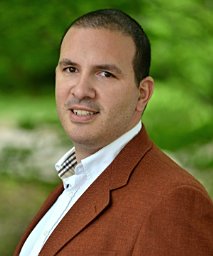 Konstantinos P. Liolis合作论文数School of Electrical and Computer Engineering, National Technical University of Athens18
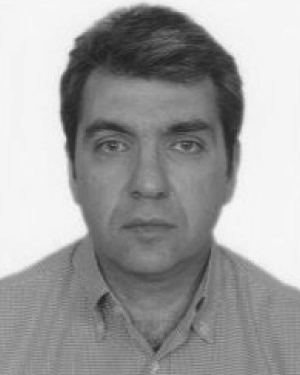 Spiros N. Livieratos合作论文数Division of Electroscience;Department of Electrical Engineering and Computer Engineering;National Technical University of Athens;Department of Electrical Engineering and Computer Engineering, National Technical University of Athens16
 Theodore T. Kapsis合作论文数15
 Christos N. Efrem合作论文数14Panayotis G Cottis合作论文数13
 Giannis Giannoulis合作论文数12
 Charalampos N. Pitas合作论文数12
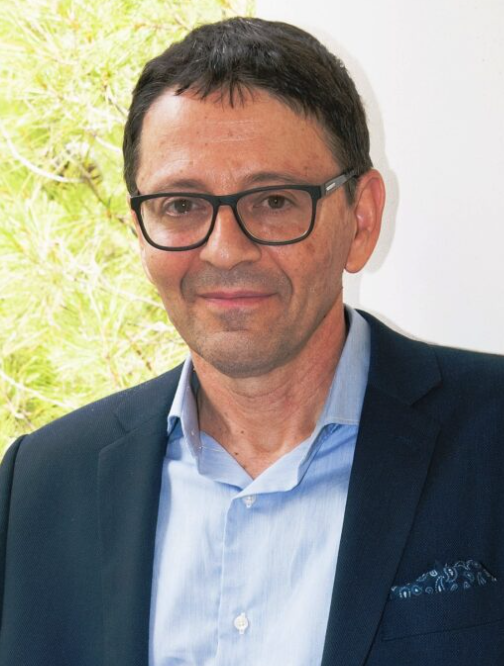 Hercules Avramopoulos合作论文数School of Electrical and Computer Engineering, National Technical University of Athens;Photonics Communications Research Laboratory, Department of Electrical and Computer Engineering, National Technical University of Athens12Georgios T. Pitsiladis合作论文数School of Electrical and Computer Engineering, National Technical University of Athens10
 Theodor D. Kritikos合作论文数9
 Argiris Ntanos合作论文数8
 Aristeidis Stathis合作论文数Inst Chem Engn Sci ICE HT, Fdn Res & Technol Hellas FORTH8
 Sotirios A. Kanellopoulos合作论文数8
 Arsim Kelmendi合作论文数Dept Commun Syst, Jozef Stefan Inst7
 Lam Hong Yin合作论文数Dept. of Commun. Eng., UTM;c;Dept. of Commun. Eng., UTM7
 Jafri Din合作论文数7
 Vassilis Gikas合作论文数7
 Stavros E. Sagkriotis合作论文数7
 Andrej Vilhar合作论文数7Konstantinos Psychogios合作论文数6Spiros Ventouras合作论文数6
 Georgios Karagiannis合作论文数5
 Nikolaos Doulamis合作论文数National Technical University of Athens5
 Andrej Hrovat合作论文数5
 Lorenzo Luini合作论文数Polytechnic University of Milan,Department of Electronics, Information and Bioengineering5
 Athanasios E. Drougas合作论文数4
 Zhi Lin (林志)合作论文数College of Electronic Engineering, National University of Defense Technology4
 Thanassis Mpimis合作论文数School of Rural, Surveying and Geoinformatics Engineering, National Technical University of Athens4
 Dimitris Zavitsanos合作论文数4
 Harris Perakis合作论文数School of Rural, Surveying and Geoinformatics Engineering, National Technical University of Athens4
 Constantinos (Costas) Antoniou合作论文数School of Engineering and Design, Technical University of Munich;Massachusetts Institute of Technology4
 Maria Kaselimi合作论文数National Technical University of Athens4
 Min Lin (林敏)合作论文数Schoolof Communigations and Information Engineering, Nanjing University of Posts and Telecommunications4




