Objectives To investigate the efficacy of pink noise and earplugs in mitigating sleep fragmentation induced by intermittent environmental noise. Methods Twenty-five healthy adults (mean ± SD age 28.5 ± 5.9 years, 7 male) participated in a polysomnographic laboratory study with intermittent exposure to environmental noise (93 events; maximum sound pressure level 45 to 65 dBA), pink noise (40 or 50 dBA), foam earplugs, and their combination. Results Pink noise mitigated aircraft noise induced arousals and awakenings in a dose-response manner but was outperformed by earplugs. Awakening and arousal probability were highest for a crying baby and a fire alarm sound, followed by helicopter, low sonic boom, drone, rail, jet, and road noise. Conclusions Earplugs emerged as a more efficacious option for mitigating environmental noise effects on sleep disruption compared to pink noise. Noise legislation relying on jet noise studies likely underestimate the effects of helicopter noise and other emerging aircraft sounds on sleep. Clinical Trial Registration ClinicalTrials.gov, NCT05774977.
Astronauts will spend prolonged periods in an isolated, confined, and extreme (ICE) spaceflight environment on long-duration space exploration missions. Continuous confinement in close quarters with a few crewmembers will require high levels of crew cohesion to promote mission success and crewmember wellbeing. In the past, the most common measure of crew cohesion were surveys, which tend to have high participant bias. More recently, researchers have analyzed video recordings that provide detailed proximity information but are time consuming to score and prone to interobserver bias. Here, we measured crewmember proximity as a surrogate measure of crew cohesion with proximity sensors worn by crewmembers during two Antarctic 10-14 months winter-over missions (N = 13 in 2015 and N = 12 in 2016). These sensors recorded instances of crewmembers being close in distance to each other, allowing for the identification of trends in crewmember interactions and crewmember withdrawal. We demonstrate that proximity is an unobtrusive, objective, and easy to obtain surrogate measure for crew cohesion that reveals systematic changes with time in mission. This includes a decrease in crew cohesion resulting from more time spent alone as each mission progressed, and higher average crew cohesion scores in Year 1 than in Year 2. Findings from this study could be used to monitor sudden or gradual withdrawal from other crewmembers and provide insights unobtrusively on crew cohesion without compromising crew autonomy.
STUDY OBJECTIVES:Nighttime environmental noise (EN) exposure disturbs sleep and increases morbidity and mortality. Affordable and effective countermeasures are needed, but rigorous research is scarce. This study investigates the efficacy of pink noise (PN) and earplugs for mitigating the effects of intermittent EN on sleep. METHODS:Twenty-five healthy adults (mean ± SD age 28.5 ± 5.9 years, seven male) participated in a seven-night polysomnographic laboratory study with different noise conditions including exposure to EN (93 events; maximum sound pressure level 45 to 65 dBA), PN (40 or 50 dBA), earplugs, and their combination. In the morning, participants completed cognitive tests, cardiovascular measurements, hearing tests, and surveys. RESULTS:Compared to a noise-free control night, EN reduced N3 deep sleep (p < .0001) while PN reduced REM sleep (p < .001). Adding PN to EN worsened sleep structure, despite minor dose-dependent improvements of EN-induced sleep fragmentation and N3 sleep increases. Earplugs mitigated nearly all EN effects on sleep but started failing at the highest EN level (65 dBA). Morning cognition, cardiovascular measures, and hearing were not affected by nighttime noise, but subjective assessments of sleep, alertness and mood were significantly worse after EN and PN exposure. CONCLUSIONS:In contrast to PN, earplugs proved efficacious in mitigating the effects of EN on sleep. Considering the importance of REM sleep for memory, emotion regulation, and neurodevelopment, the negative effects of PN on REM sleep caution against the widespread and indiscriminate use of broadband noise (BN). Additional research on optimal BN color/level and long-term use is needed, especially in vulnerable populations. CLINICAL TRIAL REGISTRATION:Registered at clinicaltrials.gov under "Broadband Sound and Sleep"; https://clinicaltrials.gov/study/NCT05774977; registration # NCT05774977.
Astronauts face significant stress in space, and understanding its neurobiological basis is key to assessing risk and resilience. Analogue environments, like the Antarctic Concordia Station, replicate isolated, confined, and extreme (ICE) conditions. This study assessed brain structure changes in 25 crewmembers who spent 12 months at Concordia, with MRI scans conducted before, immediately after, and five months post-mission. The study included 25 controls scanned over a similar interval and 4 "flying phantom" individuals who were scanned at all sites. Gray matter in the temporal and parietal lobes, hippocampus, pallidum, and thalamus as well as global white matter decreased during the mission in crewmembers, with all but the thalamus returning to baseline after five months. Brain ventricle volume increased, and better sleep correlated with less brain volume loss, highlighting its potentially protective role. These findings emphasize the importance of understanding mechanisms driving brain changes, particularly with growing interest in extended space missions in ICE environments.
Biomathematical models of fatigue capture the physiology of sleep/wake regulation and circadian rhythmicity to predict changes in neurobehavioral functioning over time. We used a biomathematical model of fatigue linked to the adenosinergic neuromodulator/receptor system in the brain as a framework to predict sleep inertia, that is, the transient neurobehavioral impairment experienced immediately after awakening. Based on evidence of an adenosinergic basis for sleep inertia, we expanded the biomathematical model with novel differential equations to predict the propensity for sleep inertia during sleep and its manifestation after awakening. Using datasets from large laboratory studies of sleep loss and circadian misalignment, we calibrated the model by fitting just two new parameters and then validated the model's predictions against independent data. The expanded model was found to predict the magnitude and time course of sleep inertia with generally high accuracy. Analysis of the model's dynamics revealed a bifurcation in the predicted manifestation of sleep inertia in sustained sleep restriction paradigms, which reflects the observed escalation of the magnitude of sleep inertia in scenarios with sleep restriction to less than similar to 4 h per day. Another emergent property of the model involves a rapid increase in the predicted propensity for sleep inertia in the early part of sleep followed by a gradual decline in the later part of the sleep period, which matches what would be expected based on the adenosinergic regulation of non-rapid eye movement (NREM) sleep and its known influence on sleep inertia. These dynamic behaviors provide confidence in the validity of our approach and underscore the predictive potential of the model. The expanded model provides a useful tool for predicting sleep inertia and managing impairment in 24/7 settings where people may need to perform critical tasks immediately after awakening, such as on -demand operations in safety and security, emergency response, and health care.
Human spaceflight has historically been managed by government agencies, such as in the NASA Twins Study1, but new commercial spaceflight opportunities have opened spaceflight to a broader population. In 2021, the SpaceX Inspiration4 mission launched the first all-civilian crew to low Earth orbit, which included the youngest American astronaut (aged 29), new in-flight experimental technologies (handheld ultrasound imaging, smartwatch wearables and immune profiling), ocular alignment measurements and new protocols for in-depth, multi-omic molecular and cellular profiling. Here we report the primary findings from the 3-day spaceflight mission, which induced a broad range of physiological and stress responses, neurovestibular changes indexed by ocular misalignment, and altered neurocognitive functioning, some of which match those of long-term spaceflight2, but almost all of which did not differ from baseline (pre-flight) after return to Earth. Overall, these preliminary civilian spaceflight data suggest that short-duration missions do not pose a significant health risk, and moreover present a rich opportunity to measure the earliest phases of adaptation to spaceflight in the human body at anatomical, cellular, physiological and cognitive levels. Finally, these methods and results lay the foundation for an open, rapidly expanding biomedical database for astronauts3, which can inform countermeasure development for both private and government-sponsored space missions. SpaceX’s Inspiration4 mission sent an all-civilian crew into orbit to study physiological, neurovestibular and neurocognitive changes in the astronauts and found that short-duration civilian space missions do not pose a major health risk.
Objective: Climate change and urbanization increasingly cause extreme conditions hazardous to health. The bedroom environment plays a key role for high-quality sleep. Studies objectively assessing multiple descriptors of the bedroom environment as well as sleep are scarce. Methods: Particulate matter with a particle size < 2.5 mu m (PM2.5), temperature, humidity, carbon dioxide (CO2), barometric pressure, and noise levels were continuously measured for 14 consecutive days in the bedroom of 62 participants (62.9% female, mean +/- SD age: 47.7 +/- 13.2 years) who wore a wrist actigraph and completed daily morning surveys and sleep logs. Results: In a hierarchical mixed effect model that included all environmental variables and adjusted for elapsed sleep time and multiple demographic and behavioral variables, sleep efficiency calculated for consecutive 1-hour periods decreased in a dose-dependent manner with increasing levels of PM2.5, temperature, CO2, and noise. Sleep efficiency in the highest exposure quintiles was 3.2% (PM2.5, p < .05), 3.4% (temperature, p < .05), 4.0% (CO2, p < .01), and 4.7% (noise, p < .0001) lower compared to the lowest exposure quintiles (all p-values adjusted for multiple testing). Barometric pressure and humidity were not associated with sleep efficiency. Bedroom humidity was associated with subjectively assessed sleepiness and poor sleep quality (both p < .05), but otherwise environmental variables were not statistically significantly associated with actigraphically assessed total sleep time and wake after sleep onset or with subjectively assessed sleep onset latency, sleep quality, and sleepiness. Assessments of bedroom comfort suggest subjective habituation irrespective of exposure levels. Conclusions: These findings add to a growing body of evidence highlighting the importance of the bedroom environment-beyond the mattress-for high-quality sleep. (c) 2023 National Sleep Foundation. Published by Elsevier Inc. All rights reserved.
Aircraft noise can disrupt sleep and impair recuperation. The last U.S. investigation into the effects of aircraft noise on sleep dates back more than 20 years. Since then, traffic patterns and the noise levels produced by single aircraft have changed substantially. It is therefore important to acquire current data on sleep disturbance relative to varying degrees of aircraft noise exposure in the U.S. that can be used to check and potentially update the existing noise policy. This manuscript describes the design, procedures, and analytical approaches of the FAA’s National Sleep Study. Seventy-seven U.S. airports with relevant nighttime air traffic from 39 states are included in the sampling frame. Based on simulation-based power calculations, the field study aims to recruit 400 participants from four noise strata and record an electrocardiogram (ECG), body movement, and sound pressure levels in the bedroom for five consecutive nights. The primary outcome of the study is an exposure–response function between the instantaneous, maximum A-weighted sound pressure levels (dBA) of individual aircraft measured in the bedroom and awakening probability inferred from changes in heart rate and body movement. Self-reported sleep disturbance due to aircraft noise is the secondary outcome that will be associated with long-term average noise exposure metrics such as the Day–Night Average Sound Level (DNL) and the Nighttime Equivalent Sound Level (Lnight). The effect of aircraft noise on several other physiological and self-report outcomes will also be investigated. This study will provide key insights into the effects of aircraft noise on objectively and subjectively assessed sleep disturbance.
During spaceflight, astronauts face a unique set of stressors, including microgravity, isolation, and confinement, as well as environmental and operational hazards. These factors can negatively impact sleep, alertness, and neurobehavioral performance, all of which are critical to mission success. In this paper, we predict neurobehavioral performance over the course of a 6-month mission aboard the International Space Station (ISS), using ISS environmental data as well as self-reported and cognitive data collected longitudinally from 24 astronauts. Neurobehavioral performance was repeatedly assessed via a 3-min Psychomotor Vigilance Test (PVT-B) that is highly sensitive to the effects of sleep deprivation. To relate PVT-B performance to time-varying and discordantly-measured environmental, operational, and psychological covariates, we propose an ensemble prediction model comprising of linear mixed effects, random forest, and functional concurrent models. An extensive cross-validation procedure reveals that this ensemble outperforms any one of its components alone. We also identify the most important predictors of PVT-B performance, which include an individual's previous PVT-B performance, reported fatigue and stress, and temperature and radiation dose. This method is broadly applicable to settings where the main goal is accurate, individualized prediction of human behavior involving a mixture of person-level traits and irregularly measured time series.
Biomathematical models of fatigue can be used to predict neurobehavioral deficits during sleep/wake or work/rest schedules. Current models make predictions for objective performance deficits and/or subjective sleepiness, but known differences in the temporal dynamics of objective versus subjective outcomes have not been addressed. We expanded a biomathematical model of fatigue previously developed to predict objective performance deficits as measured on the Psychomotor Vigilance Test (PVT) to also predict subjective sleepiness as self-reported on the Karolinska Sleepiness Scale (KSS). Four model parameters were re-estimated to capture the distinct dynamics of the KSS and account for the scale difference between KSS and PVT. Two separate ensembles of datasets - drawn from laboratory studies of sleep deprivation, sleep restriction, simulated night work, napping, and recovery sleep - were used for calibration and subsequent validation of the model for subjective sleepiness. The expanded model was found to exhibit high prediction accuracy for subjective sleepiness, while retaining high prediction accuracy for objective performance deficits. Application of the validated model to an example scenario based on cargo aviation operations revealed divergence between predictions for objective and subjective outcomes, with subjective sleepiness substantially underestimating accumulating objective impairment, which has important real-world implications. In safety-sensitive operations such as commercial aviation, where self-ratings of sleepiness are used as part of fatigue risk management, the systematic differences in the temporal dynamics of objective versus subjective measures of functional impairment point to a potentially significant risk evaluation sensitivity gap. The expanded biomathematical model of fatigue presented here provides a useful quantitative tool to bridge this previously unrecognized gap.
Cortisol and C-reactive protein (CRP) typically change during total sleep deprivation (TSD) and psychological stress; however, it remains unknown whether these biological markers can differentiate robust individual differences in neurobehavioral performance and self-rated sleepiness resulting from these stressors. Additionally, little is known about cortisol and CRP recovery after TSD. In our study, 32 healthy adults (ages 27–53; mean ± SD, 35.1 ± 7.1 years; 14 females) participated in a highly controlled 5-day experiment in the Human Exploration Research Analog (HERA), a high-fidelity National Aeronautics and Space Administration (NASA) space analog isolation facility, consisting of two baseline nights, 39 h TSD, and two recovery nights. Psychological stress was induced by a modified Trier Social Stress Test (TSST) on the afternoon of TSD. Salivary cortisol and plasma CRP were obtained at six time points, before (pre-study), during [baseline, the morning of TSD (TSD AM), the afternoon of TSD (TSD PM), and recovery], and after (post-study) the experiment. A neurobehavioral test battery, including measures of behavioral attention and cognitive throughput, and a self-report measure of sleepiness, was administered 11 times. Resilient and vulnerable groups were defined by a median split on the average TSD performance or sleepiness score. Low and high pre-study cortisol and CRP were defined by a median split on respective values at pre-study. Cortisol and CRP both changed significantly across the study, with cortisol, but not CRP, increasing during TSD. During recovery, cortisol levels did not return to pre-TSD levels, whereas CRP levels did not differ from baseline. When sex was added as a between-subject factor, the time × sex interaction was significant for cortisol. Resilient and vulnerable groups did not differ in cortisol and CRP, and low and high pre-study cortisol/CRP groups did not differ on performance tasks or self-reported sleepiness. Thus, both cortisol and CRP reliably changed in a normal, healthy population as a result of sleep loss; however, cortisol and CRP were not markers of neurobehavioral resilience to TSD and stress in this study.
Background Medical interns are at risk for sleep deprivation from long and often rotating work schedules. However, the effects of specific rotations on sleep are less clear. Objective To examine differences in sleep duration and alertness among internal medicine interns during inpatient intensive care unit (ICU) compared to general medicine (GM) rotations. Methods This secondary analysis compared interns during a GM or ICU rotation from a randomized trial (2015-2016) of 12 internal medicine residency programs assigned to different work hour limit policies (standard 16-hour shifts or no shift-length limits). The primary outcome was sleep duration/24-hour using continuous wrist actigraphy over a 13-day period. Secondary outcomes assessed each morning during the concomitant actigraphy period were sleepiness (Karolinska Sleepiness Scale [KSS]), alertness (number of Brief Psychomotor Vigilance Test [PVT-B] lapses), and self-report of excessive sleepiness over past 24 hours. Linear mixed-effect models with random program intercept determined associations between each outcome by rotation, controlling for age, sex, and work hour policy followed. Results Of 398 interns, 386 were included (n = 261 GM, n = 125 ICU). Average sleep duration was 7.00±0.08h and 6.84±0.10h, and number of PVT lapses were 5.5±0.5 and 5.7±0.7 for GM and ICU, respectively (all P > .05). KSS was 4.8±0.1 for both rotations. Compared to GM, ICU interns reported more days of excessive sleepiness from 12am-6am (2.6 vs 1.7, P < .001) and 6am-12pm (2.6 vs 1.9, P = .013) and had higher percent of days with sleep duration < 6 hours (27.6% vs 23.4%, P < .001). GM interns reported more days with no excessive sleepiness (5.3 vs 3.7, P < .001). Conclusions Despite ICU interns reporting more excessive sleepiness in morning hours and more days of insufficient sleep (<6 hours), overall sleep duration and alertness did not significantly differ between rotations.
Background A purpose of duty‐hour regulations is to reduce sleep deprivation in medical trainees, but their effects on sleep, sleepiness, and alertness are largely unknown. Methods We randomly assigned 63 internal‐medicine residency programs in the United States to follow either standard 2011 duty‐hour policies or flexible policies that maintained an 80‐hour workweek without limits on shift length or mandatory time off between shifts. Sleep duration and morning sleepiness and alertness were compared between the two groups by means of a noninferiority design, with outcome measures including sleep duration measured with actigraphy, the Karolinska Sleepiness Scale (with scores ranging from 1 [extremely alert] to 9 [extremely sleepy, fighting sleep]), and a brief computerized Psychomotor Vigilance Test (PVT‐B), with long response times (lapses) indicating reduced alertness. Results Data were obtained over a period of 14 days for 205 interns at six flexible programs and 193 interns at six standard programs. The average sleep time per 24 hours was 6.85 hours (95% confidence interval [CI], 6.61 to 7.10) among those in flexible programs and 7.03 hours (95% CI, 6.78 to 7.27) among those in standard programs. Sleep duration in flexible programs was noninferior to that in standard programs (between‐group difference, ‐0.17 hours per 24 hours; one‐sided lower limit of the 95% confidence interval, ‐0.45 hours; noninferiority margin, ‐0.5 hours; P=0.02 for noninferiority), as was the score on the Karolinska Sleepiness Scale (between‐group difference, 0.12 points; one‐sided upper limit of the 95% confidence interval, 0.31 points; noninferiority margin, 1 point; P<0.001). Noninferiority was not established for alertness according to the PVT‐B (between‐group difference, ‐0.3 lapses; one‐sided upper limit of the 95% confidence interval, 1.6 lapses; noninferiority margin, 1 lapse; P=0.10). Conclusions This noninferiority trial showed no more chronic sleep loss or sleepiness across trial days among interns in flexible programs than among those in standard programs. Noninferiority of the flexible group for alertness was not established. (Funded by the National Heart, Lung, and Blood Institute and American Council for Graduate Medical Education; ClinicalTrials.gov number, NCT02274818.)
There are substantial individual differences (resistance and vulnerability) in neurobehavioral deficits from psychosocial stress and sleep loss. However, little is known about whether the time course of heart rate responses across total sleep deprivation (TSD), the combination of TSD and psychological stress, and recovery, differs in resilient vs. vulnerable individuals and whether heart rate predicts individual differences in cognitive performance. Thirty-two healthy adults (ages 27-53; mean ± SD, 35.1 ± 7.1y; 14 females) participated in a five-day experiment consisting of two 8h time-in-bed (TIB) baseline nights, followed by 39h TSD and two 8h-10h TIB recovery nights. A modified Trier Social Stress Test (TSST) was conducted on the day after TSD to induce psychological stress. Heart rate was obtained at six time points during the study (pre-study, at baseline, after TSD, during TSD after the TSST, after recovery, and post-study). The 10-minute Psychomotor Vigilance Test (PVT) measured behavioral attention. Cognitively resistant (n=16) and cognitively vulnerable (n=16) groups were defined by a median split on TSD PVT performance [total lapses (>500 ms response time) and errors]. Repeated measures ANOVA and post hoc comparisons corrected for multiple testing, examined heart rate across time points between groups. In resistant individuals, compared with fully-rested conditions, heart rate decreased with TSD and with TSD + psychological stress, and failed to return to baseline with recovery sleep. By contrast, in vulnerable individuals, compared with fully-rested conditions, heart rate increased with TSD and with TSD + psychological stress, and returned to baseline with recovery sleep. Moreover, the cognitively resistant individuals had higher heart rate before TSD than the cognitively vulnerable individuals. Heart rate differed between resistant and vulnerable individuals across TSD, psychological stress and recovery sleep and predicted individual differences in cognitive performance, whereby higher heart rate during full-rested conditions predicted resistance to TSD and TSD + psychological stress. As such, heart rate is a viable biomarker of sleep deprivation, psychological stress, and cognitive vulnerability in humans. NASA NNX14AN49G.
Study Objectives Prescription sleep aids are frequently used in the general population and even more frequently in spaceflight. To evaluate the risk to operational safety, a ground-based, double-blind, placebo-controlled study on the emergent awakening effects of zolpidem and zaleplon was conducted. Methods N = 34 participants (age M = 42.1 9.7; 25 males; 9 Astronauts, 7 Astronaut candidates, and 18 Flight Controllers) were investigated for three nights separated by M = 10 days. They were randomized to ingestion of one of the following at lights out: placebo, 10 mg zaleplon, and either 5 mg (N = 20) or 10 mg (N = 14) zolpidem. They were awakened abruptly by alarm at the expected P-K,P-max (1 hr after lights out for zaleplon; 1.5 hr for placebo/zolpidem). Participants were required to turn off the alarm and perform a cognitive test battery twice, separated by a 20-30 min reading break. They then returned to sleep and were awakened to perform the same cognitive tasks at an average of 6.7 hr after drug ingestion. Results Relative to placebo, the effects of 10 mg zaleplon and 5 mg zolpidem on cognitive performance were minor. In contrast, 10 mg zolpidem adversely affected cognitive throughput (p < 0.001), psychomotor vigilance (p < 0.001), working memory (p < 0.01), delayed word recall (p < 0.05), and subjective sleepiness (p < 0.01) at the first emergent awakening. At terminal awakening, neither cognitive performance nor subjective sleepiness was impaired after ingestion of zaleplon or zolpidem (5 mg and 10 mg) compared with placebo. Conclusions Presleep ingestion of sleep medications, especially 10 mg zolpidem, poses a risk for performance errors after emergent awakenings near the expected P-K,P-max. Registration Optimize Astronaut Sleep Medication Efficacy and Individual Effects (clinicaltrials.gov ID NCT03526575).
BACKGROUND Neuropsychological changes that may occur due to the environmental and psychological stressors of prolonged spaceflight motivated the development of the Cognition Test Battery. The battery was designed to assess multiple domains of neurocognitive functions linked to specific brain systems. Tests included in Cognition have been validated, but not in high-performing samples comparable to astronauts, which is an essential step toward ensuring their usefulness in long-duration space missions. METHODS We administered Cognition (on laptop and iPad) and the WinSCAT, counterbalanced for order and version, in a sample of 96 subjects (50% women; ages 25-56 yr) with at least a Master's degree in science, technology, engineering, or mathematics (STEM). We assessed the associations of age, sex, and administration device with neurocognitive performance, and compared the scores on the Cognition battery with those of WinSCAT. Confirmatory factor analysis compared the structure of the iPad and laptop administration methods using Wald tests. RESULTS Age was associated with longer response times (mean β = 0.12) and less accurate (mean β = -0.12) performance, women had longer response times on psychomotor (β = 0.62), emotion recognition (β = 0.30), and visuo-spatial (β = 0.48) tasks, men outperformed women on matrix reasoning (β = -0.34), and performance on an iPad was generally faster (mean β = -0.55). The WinSCAT appeared heavily loaded with tasks requiring executive control, whereas Cognition assessed a larger variety of neurocognitive domains. DISCUSSION Overall results supported the interpretation of Cognition scores as measuring their intended constructs in high performing astronaut analog samples.Moore TM, Basner M, Nasrini J, Hermosillo E, Kabadi S, Roalf DR, McGuire S, Ecker AJ, Ruparel K, Port AM, Jackson CT, Dinges DF, Gur RC. Validation of the Cognition Test Battery for spaceflight in a sample of highly educated adults. Aerosp Med Hum Perform. 2017; 88(10):937-946.
Study Objectives Fatigue from sleep loss is a risk to physician and patient safety, but objective data on physician sleep and alertness on different duty hour schedules is scarce. This study objectively quantified differences in sleep duration and alertness between medical interns working extended overnight shifts and residents not or rarely working extended overnight shifts. Methods Sleep-wake activity of 137 interns and 87 PGY-2/3 residents on 2-week Internal Medicine and Oncology rotations was assessed with wrist-actigraphy. Alertness was assessed daily with a brief Psychomotor Vigilance Test (PVT) and the Karolinska Sleepiness Scale. Results Interns averaged 6.93 hours (95% confidence interval [CI] 6.84-7.03 hours) sleep per 24 hours across shifts, significantly less than residents not working overnight shifts (7.18 hours, 95% CI 7.06-7.30 hours, p = .007). Interns obtained on average 2.19 hours (95% CI 2.02-2.36 hours) sleep during on-call nights (17.5% obtained no sleep). Alertness was significantly lower on mornings after on-call nights compared to regular shifts (p < .001). Naps between 9 am and 6 pm on the first day post-call were frequent (90.8%) and averaged 2.84 hours (95% CI 2.69-3.00 hours), but interns still slept 1.66 hours less per 24 hours (95% CI 1.56-1.76 hours) compared to regular shift days (p < .001). Sleep inertia significantly affected alertness in the 60 minutes after waking on-call. Conclusions Extended overnight shifts increase the likelihood of chronic sleep restriction in interns. Reduced levels of alertness after on-call nights need to be mitigated. A systematic comparison of sleep, alertness, and safety outcomes under current and past duty hour rules is encouraged.
Exploration-type missions will require humans to live in isolated, confined, and extreme environments for prolonged periods of time. NASA’s Mars Design Reference Mission 5.0 has a duration of 910 days, which is well beyond the duration astronauts and cosmonauts have remained confined in a spacecraft. NASA’s recent evidence-based review of the behavioral health risks to crew and mission success during exploration spaceflight concluded they were among the most serious unmitigated risks to such missions. Due to their complex logistical operations, harsh threatening environmental conditions such as extreme cold, altered photoperiod, low humidity, isolation, and confinement, as well as the analogous population of researchers with multicultural backgrounds, but similar educational background compared to astronauts, Antarctic research stations are considered a high-fidelity analog for long-duration space missions. While NASA and NSBRI have begun collecting some neuroimaging data before and after missions, our knowledge on the effects of prolonged periods in space or space analog environments on neurostructural and neurobehavioral changes is still limited. To address this knowledge gap, we are investigating neurostructural, cognitive, behavioral, physiologic, and psychosocial changes in a total of N=25 crewmembers during two 1-year Antarctic winter-over seasons (2015/2016) in the French/Italian Concordia station. We will assess subjects using quantitative structural and functional magnetic resonance imaging (MRI) before, immediately after (via collaborations with neuroimaging centers in Christchurch, NZ and Hobart, AUS), and 6-months after the winter-over. We will assess Concordia crew members during the mission using sensitive but unobtrusive methods to measure cognitive performance (Cognition test battery [1], monthly), sleep-wake behavior and sleep continuity (actigraphy, continuously [2]), heart rate and heart rate variability (24-h electrocardiography, monthly), relative proximity (actigraphy, continuously), psychomotor vigilance (PVT-B, weekly [3]) and subjective assessments of stress, mood, fatigue, health, workload, monotony, boredom, loneliness, and crewmember conflicts (questionnaires, weekly). A control group with individuals matched to each crewmember according to age and gender will be investigated with similar methodology at the German Aerospace Center (DLR, Cologne). Neuroimaging and Cognition data will also be compared to N=9 crewmembers over-wintering in the German Neumayer-III station in 2015. Furthermore, Cognition data will be compared to 13 crewmembers over-wintering in the British Halley station in 2015. Baseline data collection for both winter-over seasons was finalized in October 2015. Human phantom scans at envihab Cologne, Christchurch, and Hobart were also completed in October 2015. Data acquisition in the first winter-over crew is ongoing with overall good compliance.
BACKGROUND: Sustained high-level cognitive performance is of paramount importance for the success of space missions, which involve environmental, physiological, and psychological stressors that may affect brain functions. Despite subjective symptom reports of cognitive fluctuations in spaceflight, the nature of neurobehavioral functioning in space has not been clarified.METHODS: We developed a computerized cognitive test battery (Cognition) that has sensitivity to multiple cognitive domains and was specifically designed for the high-performing astronaut population. Cognition consists of 15 unique forms of 10 neuropsychological tests that cover a range of cognitive domains, including emotion processing, spatial orientation, and risk decision making. Cognition is based on tests known to engage specific brain regions as evidenced by functional neuroimaging. Here we describe the first normative and acute total sleep deprivation data on the Cognition test battery as well as several efforts underway to establish the validity, sensitivity, feasibility, and acceptability of Cognition.RESULTS: Practice effects and test-retest variability differed substantially between the 10 Cognition tests, illustrating the importance of normative data that both reflect practice effects and differences in stimulus set difficulty in the population of interest. After one night without sleep, medium to large effect sizes were observed for 3 of the 10 tests addressing vigilant attention (Cohen's d = 1.00), cognitive throughput (d = 0.68), and abstract reasoning (d = 0.65).CONCLUSIONS: In addition to providing neuroimaging-based novel information on the effects of spaceflight on a range of cognitive functions, Cognition will facilitate comparing the effects of ground-based analogues to spaceflight, increase consistency across projects, and thus enable meta-analyses.
 Mathias Basner合作论文数Department of Psychiatry, Perelman School of Medicine, University of Pennsylvania25
 David F. Dinges合作论文数Unit for Experimental Psychiatry, Division of Sleep and Chronobiology, University of Pennsylvania Perelman School of Medicine;Center for Sleep and Circadian Neurobiology, University of Pennsylvania Perelman School of Medicine23
 D. J. Mollicone合作论文数12
 Michael G. Smith合作论文数7
 Judy A. Shea合作论文数Division of General Internal Medicine, Department of Medicine, Perelman School of Medicine, University of Pennsylvania7
 Dylan Small合作论文数Department of Statistics and Data Science, The Wharton School, The University of Pennsylvania;The Leonard Davis Institute of Health Economics, The University of Pennsylvania6Lisa M. Bellini合作论文数6
 Kevin G. Volpp合作论文数Leonard Davis Institute Center for Health Incentives and Behavioral Economics,University of Pennsylvania6
 Nasrini Jad合作论文数Department of Psychology, Rider University5Norton Laurie合作论文数5
 Cristina Novak合作论文数5
 Ruben C. Gur合作论文数Neuropsychology and the Brain Behavior Laboratory, Department of Psychiatry, Perelman School of Medicine, University of Pennsylvania5
 Namni Goel合作论文数Div Sleep & Chronobiol, Univ Penn5
 Jingsan Zhu合作论文数Center for Health Incentives and Behavioral Economics, Leonard Davis Institute, University of Pennsylvania/Division of General Internal Medicine, Perelman School of Medicin, University of Pennsylvania5Eric C Hyder合作论文数4Adrian Di Antonio合作论文数4Igor Savelev合作论文数4
 Makayla Cordoza合作论文数Perelman School of Medicine, University of Pennsylvania4Alexander C. Stahn合作论文数Department of Psychiatry, Perelman School of Medicine, University of Pennsylvania4Kan Kevin合作论文数4Jeffrey P. Sutton合作论文数Harvard Medical School and Department of Brain and Cognitive Sciences, MIT4Marc Kaizi-Lutu合作论文数3Sarah McGuire合作论文数3Morukov Boris合作论文数3
 Allison M Port合作论文数3Daniel Aeschbach合作论文数3Bernd Johannes合作论文数3Christopher G Mott合作论文数2Michele Carlin合作论文数2Kia Howard合作论文数2Mark E. Mccauley合作论文数2Sierra Park-Chavar合作论文数2Victoria Schneller合作论文数2Thom McCann合作论文数2Peter McCauley合作论文数2
 Samantha M Riedy合作论文数Walter Reed Army Inst Res2
 Karthik Prabhakaran合作论文数Univ Penn, Dept Psychiat, Philadelphia, PA 19104 USA2
 Darius A Gerlach合作论文数German Aerosp Ctr DLR, Inst Aerosp Med2
 Haochang Shou合作论文数Department of Biostatistics, Epidemiology and Informatics, Perelman School of Medicine, University of Pennsylvania2Dine C Jessica合作论文数Division of Pulmonary, Allergy and Critical Care, University of Pennsylvania2
 David A. Asch合作论文数Department of Medicine, Perelman School of Medicine, University of Pennsylvania;Hospital of the University of Pennsylvania2Melzer Tracy R合作论文数New Zealand Brain Res Inst2
 Tyler M. Moore合作论文数Perelman School of Medicine, University of Pennsylvania2Savitt Adam合作论文数2
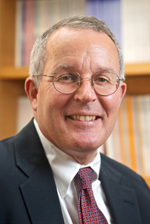 David Westfall Bates合作论文数Department of Health Policy and Management, Harvard T.H. Chan School of Public Health, Harvard University;Division of General Internal Medicine and Primary Care, Department of Medicine, Brigham and Women’s Hospital2
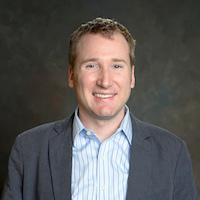 Tyler Moore合作论文数Cyber Security and Information Assurance
Tandy School of Computer Science, The University of Tulsa2Hans P. A. Van Dongen合作论文数2
Tyler Moore合作论文数Cyber Security and Information Assurance
Tandy School of Computer Science, The University of Tulsa2Hans P. A. Van Dongen合作论文数2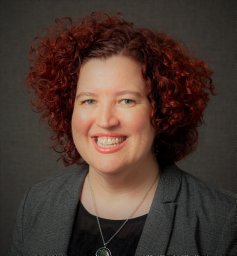 Siobhan Banks合作论文数Adelaide Institute for Sleep Health;Repatriation General Hospital;Repatriation General Hospital, Adelaide Institute for Sleep Health2Sanjay V. Desai合作论文数Department of Pulmonary/Critical Care, Washington Hospital Center2




