GA-hMSC-derived exosomes increase miRNA expression and impact miRNA target gene expression in GSCs.
This study tests the hypotheses that insurance status, race and ethnicity, and neighborhood characteristics are associated with hospital admission and severe health outcomes (Intensive Care Unit [ICU] admission and oxygen assistance) for youth and young adults who present to the emergency department (ED) with COVID-19 in a single, academic health system in Illinois, Rush University System for Health (RUSH). Demographic and clinical data from the electronic health record were collected for all 13- to 24-y-old patients seen at RUSH who tested positive for COVID-19 between March 2020 and 2021. Individual-level and neighborhood characteristics were analyzed to determine their association with hospital admission and severe health outcomes through generalized estimating equations. As of March 2021, 1,057 patients were seen in the ED within RUSH in which non-Hispanic White (odds ratio [OR], 2.96; 95% CI, 1.61-5.46; P = 0.001) and Hispanic (OR, 3.34; 95% CI, 1.84-6.10; P < 0.001) adolescents and youth were more likely to be admitted to the hospital compared with non-Hispanic Black/other adolescents and youth. Patients with public insurance or who were uninsured were less likely to be admitted to the ICU compared with those with private insurance (OR, 0.24; 95% CI, 0.09-0.64; P = 0.004). None of the neighborhood characteristics were significantly associated with hospital admission or severe health outcomes after adjusting for covariates. Our findings demonstrated that race and ethnicity were related to hospitalization, while insurance was associated with presentation severity due to COVID-19 for adolescents and young adults. These findings can aid public health investigators in understanding COVID-19 disparities among adolescents and young adults.
MicroRNAs enriched in GA-MSC-derived exosomes down-regulate predicted gene targets in GSCs.
Endosomal sorting plays a fundamental role in directing neural development. By altering the temporal and spatial distribution of membrane receptors, endosomes regulate signaling pathways that control the differentiation and function of neural cells. Several genes linked to inherited demyelinating peripheral neuropathies, known as Charcot-Marie-Tooth (CMT) disease, encode proteins that directly interact with components of the endosomal sorting complex required for transport (ESCRT). Our previous studies demonstrated that a point mutation in the ESCRT component hepatocyte growth-factor-regulated tyrosine kinase substrate (HGS), an endosomal scaffolding protein that identifies internalized cargo to be sorted by the endosome, causes a peripheral neuropathy in the neurodevelopmentally impaired teetering mice. Here, we constructed a Schwann cell-specific deletion of Hgs to determine the role of endosomal sorting during myelination. Inactivation of HGS in Schwann cells resulted in motor and sensory deficits, slowed nerve conduction velocities, delayed myelination and hypomyelinated axons, all of which occur in demyelinating forms of CMT. Consistent with a delay in Schwann cell maturation, HGS-deficient sciatic nerves displayed increased mRNA levels for several promyelinating genes and decreased mRNA levels for genes that serve as markers of myelinating Schwann cells. Loss of HGS also altered the abundance and activation of the ERBB2/3 receptors, which are essential for Schwann cell development. We therefore hypothesize that HGS plays a critical role in endosomal sorting of the ERBB2/3 receptors during Schwann cell maturation, which further implicates endosomal dysfunction in inherited peripheral neuropathies.SIGNIFICANCE STATEMENT Schwann cells myelinate peripheral axons, and defects in Schwann cell function cause inherited demyelinating peripheral neuropathies known as CMT. Although many CMT-linked mutations are in genes that encode putative endosomal proteins, little is known about the requirements of endosomal sorting during myelination. In this study, we demonstrate that loss of HGS disrupts the endosomal sorting pathway in Schwann cells, resulting in hypomyelination, aberrant myelin sheaths, and impairment of the ERBB2/3 receptor pathway. These findings suggest that defective endosomal trafficking of internalized cell surface receptors may be a common mechanism contributing to demyelinating CMT.
Graduate admissions committees throughout the United States examine both quantitative and qualitative data from applicants to make admissions determinations. A number of recent studies have examined the ability of commonly used quantitative metrics such as the GRE and undergraduate GPA to predict the likelihood of applicant success in graduate programs. We examined whether an admissions committee could predict applicant success at The University of Texas MD Anderson Cancer Center UTHealth Graduate School of Biomedical Sciences based on quantitative metrics. We analyzed the predictive validity of admissions scores, undergraduate GPA, and the GRE for student success. We observed nuanced differences based on gender, ethnicity, race, and citizenship status. The scores assigned to applicants by the admissions committee could not predict time to degree in PhD students regardless of demographic group. Undergraduate GPA was correlated with time to degree in some instances. Interestingly, while GRE scores could predict time to degree, GRE percentile scores could predict both time to degree and PhD candidacy examination results. These findings suggest that there is a level of nuance that is required for interpretation of these quantitative metrics by admissions committees.
The oncogenic receptor tyrosine kinase AXL is overexpressed in cancer and plays an important role in carcinomas of multiple organs. However, the mechanisms of AXL overexpression in cancer remain unclear. In this study, using HEK293T, Panc-1, and Panc-28 cells and samples of human pancreatic intraepithelial neoplasia (PanIN), along with several biochemical approaches and immunofluorescence microscopy analyses, we sought to investigate the mechanisms that regulate AXL over-expression in pancreatic ductal adenocarcinoma (PDAC). We found that AXL interacts with hematopoietic progenitor kinase 1 (HPK1) and demonstrate that HPK1 down-regulates AXL and decreases its half-life. The HPK1-mediated AXL degradation was inhibited by the endocytic pathway inhibitors leupeptin, bafilomycin A1, and monensin. HPK1 accelerated the movement of AXL from the plasma membrane to endosomes in pancreatic cancer cells treated with the AXL ligand growth arrest-specific 6 (GAS6). Moreover, HPK1 increased the binding of AXL to the Cbl proto-oncogene (c-Cbl); promoted AXL ubiquitination; decreased AXL-mediated signaling, including phospho-AKT and phospho-ERK signaling; and decreased the invasion capability of PDAC cells. Importantly, we show that AXL expression inversely correlates with HPK1 expression in human PanINs and that patients whose tumors have low HPK1 and high AXL expression levels have shorter survival than those with low AXL or high HPK1 expression (p < 0.001). Our results suggest that HPK1 is a tumor suppressor that targets AXL for degradation via the endocytic pathway. HPK1 loss of function may contribute to AXL overexpression and thereby enhance AXL-dependent downstream signaling and tumor invasion in PDAC.
Abstract Background: Oncogenic receptor tyrosine kinase Axl is overexpressed and plays an important role in multiple human cancers. However the mechanisms of Axl overexpression in cancer remain unclear. This study is to investigate the mechanisms that regulate Axl expression in pancreatic cancer. Experimental procedures: The interactions between HPK1, Axl and c-Cbl were examined using co-immunoprecipitation and immunoblotting. Inhibitors of endocytic pathway and immunofluorescence were used to examine the underlying mechanisms of HPK1-mediated Axl degradation. The functional significance of HPK1-mediated Axl degradation in the invasive capability of pancreatic ductal adenocarcinoma (PDAC) cells and it downstream signaling pathways were examined using HPK1 stable PDAC cells. Immunohistochemistry was used to examine the in vivo correlation between HPK1 and Axl in human pancreatic intraepithelial neoplasia. The RNA sequencing data of HPK1 and Axl expression and survival data of 176 pancreatic cancer patients in the Cancer Genome Atlas (TCGA) database were downloaded from the Human Protein Atlas (https://www.proteinatlas.org). The expression of HPK1 and Axl was categorized as low or high using the cutoff values set by TCGA (3.42 for HPK1 and 14.09 for Axl). Survival analysis were performed using the Kaplan-Meier method and the log-rank test was used to evaluate the statistical significance of differences. Results: We identified Axl as a novel HPK1-interacting protein and demonstrated for the first time that HPK1 down-regulated Axl and decreased the half-life of Axl protein. HPK1-mediated Axl degradation was inhibited by leupeptin, baflomycin A1 and monensin which inhibit endocytic pathway. HPK1 accelerates the movement of Axl from the plasma membrane onto endosomes in pancreatic cancer cells after treated with Gas6. HPK1 increased the binding of Axl to c-Cbl, promoted Axl ubiquitination, decreased Axl signaling including phospho-Akt and phospho-Erk, and decreased the invasion capability of pancreatic cancer. More importantly, we showed that Axl expression inversely correlated with HPK1 expression in human pancreatic intraepithelial neoplasia (P=0.005). Low expression of HPK1 and high expression of Axl correlated significantly with poor survival in patients with PDAC (P<0.001). Conclusions: Our results suggest a novel tumor suppressor mechanism of HPK1 in which it targets Axl for degradation via the endocytic pathway. Loss of HPK1 may contribute to Axl overexpression and enhance its downstream signaling and tumor invasion in pancreatic cancer. Citation Format: Hua Wang, Xianzhou Song, Hironari Akasaka, Reza Abbasgholizadeh, Ji-Hyun Shin, Craig D. Logsdon, Anirban Maitra, Andrew J. Bean, Huamin Wang. Novel mechanism involved in the regulation ofoncogenic Axl receptor tyrosine kinase in cancer [abstract]. In: Proceedings of the Annual Meeting of the American Association for Cancer Research 2020; 2020 Apr 27-28 and Jun 22-24. Philadelphia (PA): AACR; Cancer Res 2020;80(16 Suppl):Abstract nr 4711.
The extracellular accumulation of amyloid β (Aβ) fragments of amyloid precursor protein (APP) in brain parenchyma is a pathological hallmark of Alzheimer's disease (AD). APP can be cleaved into Aβ on late endosomes/multivesicular bodies (MVBs). E3 ubiquitin ligases have been linked to Aβ production, but specific E3 ligases associated with APP ubiquitination that may affect targeting of APP to endosomes have not yet been described. Using cultured cortical neurons isolated from rat pups, we reconstituted APP movement into the internal vesicles (ILVs) of MVBs. Loss of endosomal sorting complexes required for transport (ESCRT) components inhibited APP movement into ILVs and increased endosomal Aβ42 generation, implying a requirement for APP ubiquitination. We identified an ESCRT-binding and APP-interacting endosomal E3 ubiquitin ligase, ubiquitination factor E4B (UBE4B) that regulates APP ubiquitination. Depleting UBE4B in neurons inhibited APP ubiquitination and internalization into MVBs, resulting in increased endosomal Aβ42 levels and increased neuronal secretion of Aβ42. When we examined AD brains, we found levels of the UBE4B-interacting ESCRT component, hepatocyte growth factor–regulated tyrosine kinase substrate (Hrs), were significantly decreased in AD brains. These data suggest that ESCRT components critical for membrane protein sorting in the endocytic pathway are altered in AD. These results indicate that the molecular machinery underlying endosomal trafficking of APP, including the ubiquitin ligase UBE4B, regulates Aβ levels and may play an essential role in AD progression.
Neuroblastoma is the most common malignancy in infants. Overexpression of the epidermal growth factor receptor (EGFR) in neuroblastoma tumors underlies resistance to chemotherapeutics. UBE4B, an E3/E4 ubiquitin ligase involved in EGFR degradation, is located on chromosome 1p36, a region in which loss of heterozygosity is observed in approximately one-third of neuroblastoma tumors and is correlated with poor prognosis. In chemoresistant neuroblastoma cells, depletion of UBE4B yielded significantly reduced cell proliferation and migration, and enhanced apoptosis in response to EGFR inhibitor, Cetuximab. We have previously shown that UBE4B levels are inversely correlated with EGFR levels in neuroblastoma tumors. We searched for additional targets of UBE4B that mediate cellular alterations associated with tumorogenesis in chemoresistant neuroblastoma cells depleted of UBE4B using reverse phase protein arrays. The expression of STAT5a, an effector protein downstream of EGFR, doubled in the absence of UBE4B, and verified by quantitative immunoblotting. Chemoresistant neuroblastoma cells were treated with SH-4-54, a STAT5 inhibitor, and observed insignificant effects on cell proliferation, migration, and apoptosis. However, SH-4-54 significantly enhanced the anti-proliferative and anti-migratory effects of Cetuximab in naïve SK-N-AS neuroblastoma cells. Interestingly, in UBE4B depleted SK-N-AS cells, SH-4-54 significantly potentiated the effect of Cetuximab rendering cells increasingly sensitive an otherwise minimally effective Cetuximab concentration. Thus, neuroblastoma cells with low UBE4B levels were significantly more sensitive to combined EGFR and STAT5 inhibition than parental cells. These findings may have potential therapeutic implications for patients with 1p36 chromosome LOH and low tumor UBE4B expression.
Graduate schools around the United States are working to improve access to science, technology, engineering, and mathematics (STEM) in a manner that reflects local and national demographics. The admissions process has been the focus of examination, as it is a potential bottleneck for entry into STEM. Standardized tests are widely used as part of the decision-making process; thus, we examined the Graduate Record Examination (GRE) in two models of applicant review: metrics-based applicant review and holistic applicant review to understand whether it affected applicant demographics at The University of Texas MD Anderson Cancer Center UTHealth Graduate School of Biomedical Sciences. We measured the relationship between GRE scores of doctoral applicants and admissions committee scores. Metrics-based review of applicants excluded twice the number of applicants who identified as a historically underrepresented minority compared with their peers. Efforts to implement holistic applicant review resulted in an unexpected result: the GRE could be used as a tool in a manner that did not reflect its reported bias. Applicant assessments in our holistic review process were independent of gender, racial, and citizenship status. Importantly, our recommendations provide a blueprint for institutions that want to implement a data-driven approach to assess applicants in a manner that uses the GRE as part of the review process.
The Gi-coupled somatostatin receptor 2 (SST2) is a G protein-coupled receptor (GPCR) that mediates many of somatostatin's neuroendocrine actions. Upon stimulation, SST2 is rapidly internalized and transported to early endosomes before being recycled to the plasma membrane. However, little is known about the intracellular itinerary of SST2 after it moves to the early endosomal compartment or the cytoplasmic proteins that regulate its trafficking. As postsynaptic density protein/discs large 1/zonula occludens-1 (PDZ) domain interactions often regulate the trafficking and signaling potential of GPCRs, we examined the role of the SST2 PDZ ligand and additional C-terminal residues in controlling its intracellular trafficking. We determined that SST2 can recycle to the plasma membrane via multiple pathways, including a LAMP1/Rab7-positive late endosome to the trans-Golgi network (TGN) pathway. Trafficking from the late endosome to the TGN is often regulated by the retromer complex of endosomal coat proteins, and disrupting the retromer components sorting nexins 1/2 inhibits the budding of SST2 from late endosomes. Moreover, trafficking through the late endosomal/TGN pathway is dependent on an intact PDZ ligand and C-terminal tail, as truncating either the 3 or 10 C-terminal amino acids of SST2 alters the pathway through which it recycles to the plasma membrane. Moreover, addition of these amino acids to a heterologous receptor is sufficient to redirect it from a degradation pathway to a recycling itinerary. Our results demonstrate that endosomal trafficking of SST2 is dependent on numerous regulatory mechanisms controlled by its C terminus and the retromer machinery.
The faculty and student populations in academia are not representative of the diversity in the U.S. population. Thus, research institutions and funding agencies invest significant funds and effort into recruitment and retention programs that focus on increasing the flow of historically underrepresented minorities (URMs) into the science, technology, engineering, and mathematics (STEM) pipeline. Here, we outline challenges, interventions, and assessments by the University of Texas MD Anderson Cancer Center UTHealth Graduate School of Biomedical Sciences (GSBS) that increased the diversity of the student body independently of grade point averages and Graduate Record Examination scores. Additionally, we show these efforts progressively decreased the attrition rates of URM students over time while eliminating attrition in the latest cohort. Further, the majority of URM students who graduate from the GSBS are likely to remain in the STEM pipeline beyond the postdoctoral training period. We also provide specific recommendations based on the data presented to identify and remove barriers that prevent entry, participation, and inclusion of the underrepresented and underserved in the STEM pipeline.
CBE—Life Sciences EducationVol. 17, No. 3 Letter to the EditorFree AccessProspective Student Database: Technological Support for Assessing the Effectiveness of Graduate Recruitment ActivitiesMarenda A. Wilson,Wayne Turner,Anthony L. DePass, and Andrew J. BeanMarenda A. Wilson*Address correspondence to: Marenda A. Wilson (E-mail Address: [email protected]).Deans’ Office, The University of Texas MD Anderson Cancer Center, UTHealth Graduate School of Biomedical Sciences, Houston, TX 77030Search for more papers by this author,Wayne TurnerDeans’ Office, The University of Texas MD Anderson Cancer Center, UTHealth Graduate School of Biomedical Sciences, Houston, TX 77030Search for more papers by this author,Anthony L. DePassDepartment of Biology, Long Island University, Brooklyn, NY 11201Search for more papers by this author, and Andrew J. BeanDeans’ Office, The University of Texas MD Anderson Cancer Center, UTHealth Graduate School of Biomedical Sciences, Houston, TX 77030Department of Neurobiology and Anatomy, Cell Biology and Biochemistry, McGovern Medical School at The University of Texas Health Science Center at Houston, Houston, TX 77030Department of Pediatrics, The University of Texas MD Anderson Cancer Center, Houston, TX 77030Search for more papers by this authorPublished Online:28 Jun 2018https://doi.org/10.1187/cbe.18-04-0057AboutSectionsView PDF ToolsAdd to favoritesDownload CitationsTrack Citations ShareShare onFacebookTwitterLinked InRedditEmail To the Editor:As many of the readers of CBE—Life Sciences Education know, academic institutions compete to attract a finite number of graduate students. Prospective students make high-stakes decisions regarding graduate education, and educational institutions commit significant and sustained resources to recruit, retain, and train students. Approaches to manage recruitment and admissions would allow data-driven decisions concerning resource allocation. Applicant tracking systems are used in human resource management to provide a central applicant database and a set of processes and tools to help employers manage recruitment and hiring efforts (Gardner et al., 2003; Ngai and Wat, 2006; Alshibly, 2011; Laumer et al., 2015); however, academic institutions have been slow to adopt these tracking methods and instead depend on less sophisticated approaches for reasons of scale, expertise, and cost. We designed and created a Prospective Student Database that is purpose-built for tracking applicant movement through the recruitment and admissions processes in graduate education at The University of Texas MD Anderson Cancer Center UTHealth Graduate School of Biomedical Sciences. The system matches prospective applicants with students who have been admitted and, subsequently, with students who have enrolled at the institution. Admitted and enrolled students from one year can be queried against the list of prospective applicants from the current year and previous years using unique identifiers generated by the system (Codd, 2002). Thus, determination of prospective applicants who are admitted and which of the admitted applicants matriculate provides a clear understanding of recruitment outcomes.The reporting feature of this database provides standard reports that inform recruiters and academic institutions about the success of recruitment activities by event, date, and year of matriculation (Figure 1; Wilson et al., 2018). Tracking the effectiveness of different recruitment strategies and the utility of individual events enables institutions to direct resources toward successful approaches. As proof of principle, our recent work (Wilson et al., 2018) that assesses our graduate school's initiatives on recruiting and retaining underrepresented minority students used this Prospective Student Database and a network of databases (admissions, student, and alumni databases) to track recruitment activities (Prospective Student Database), student metrics (admissions database), candidacy examination outcomes (academic affairs database), attrition (academic affairs database), and career paths (alumni database). Thus, this system can be used by recruiters, faculty, staff, programs, and administrative leaders in graduate education for a complete picture of applicant outcomes.FIGURE 1. Example reports generated by the Prospective Student Database. Users can query the database and determine the effectiveness of recruitment events and activities by selecting one of the four “reports” generated by the database: “All Prospects By Events,” “Applicants By Date,” “Applicants Who Were Prospects,” and “Students Who Were Prospects.”While the Prospective Student Database can be used as a stand-alone application, the real value of this platform is its scalability and adaptability as multi-user network-based application in academic and student affairs offices that links pre-existing student databases in a graduate school setting—all of which are important for complete programmatic assessment. To our knowledge, this is the first functional platform to track academic recruiting strategies/events by matching prospective applicants with admissions and matriculation outcomes. Thus, we expect that this system will be adapted by graduate programs that may not have the resources to purchase or develop sophisticated predictive analytic tools currently in use by undergraduate programs.DOWNLOADING AND USING THE SAMPLE DATABASEAccess to the sample database is available by clicking the following link: http://go.uth.edu/SampleProspectBriefly, follow these steps for a successful demonstration of the sample database. Detailed instructions are provided in a Word document titled “Steps for Successful Demonstration” and can be found by clicking the link. Create a folder on your Windows computer: C:/SampleProspect.Download and unzip the files provided using the link above.Save the unzipped files under the new folder C:/SampleProspect.Open the Sample Prospect Access Database (SampleProspect.accdb).Click Process Prospects and Applicants and follow the step-by-step instructions to import the sample Prospect, Admissions, and Student, which are provided as Excel spreadsheets.Click the Return button to return to the workflow switchboard.Users can now match prospect to applicants using the Match by Email or Match by Name buttons.Once matches have been made, users can click on the Example Reports button for complete reports of recruitment activities.In conclusion, graduate programs in STEM, with support from federal and private agencies, spend considerable resources to recruit a diverse student body, albeit with variable success (Antonio, 2002; National Science Foundation, 2014; National Institutes of Health, 2015; Gibbs et al., 2016; Heggeness et al., 2016; Mervis, 2016). Accurate reporting on outcomes is required for assessing the return on investments in recruitment and retention strategies. The Prospective Student Database can help programs address whether the success of mechanisms used to recruit students are proportional to cost, and whether the retention and outcomes of graduate students are linked to recruitment programming.ACKNOWLEDGMENTSWe thank Michelle Barton, PhD, and Michael Blackburn, PhD, for helpful comments.REFERENCESAlshibly, H. (2011). Human resources information systems success assessment: An integrative model. Australian Journal of Basic and Applied Sciences, 5, 157–169. Google ScholarAntonio, A. L. (2002). Faculty of color reconsidered: Reassessing contributions to scholarship. Journal of Higher Education, 73, 582–602 Google ScholarCodd, E. F. (2002). A relational model of data for large shared data banks. In Broy, M.Denert, E. (Eds.), Software pioneers: Contributions to software engineering (pp. 263–294). Berlin: Springer. Google ScholarGardner, S., Lepak, D., & M Bartol, K. (2003). Virtual HR: The impact of information technology on the human resource professional. Journal of Vocational Behavior, 63, 159–179. Google ScholarGibbs, K. D., Basson, J., Xierali, I. M., & Broniatowski, D. A. (2016). Decoupling of the minority PhD talent pool and assistant professor hiring in medical school basic science departments in the US. Elife, 5, e213935. doi: 10.7554/eLife.21393 Google ScholarHeggeness, M. L., Evans, L., Pohlhaus, J. R., & Mills, S. L. (2016). Measuring diversity of the National Institutes of Health-funded workforce. Academic Medicine: Journal of the Association of American Medical Colleges, 91(8), 1164–1172. doi: 10.1097/ACM.0000000000001209 Medline, Google ScholarLaumer, S., Maier, C., & Eckhardt, A. (2015). The impact of business process management and applicant tracking systems on recruiting process performance: An empirical study. Journal of Business Economics, 85(4), 421–453. doi: https://doi.org/10.1007/s11573-014-0758-9 Google ScholarMervis, J. (2016). Scientific workforce. NSF makes a new bid to boost diversity.Science, 351(6277), 1017. doi: 10.1126/science.351.6277.1017 Medline, Google ScholarNational Institutes of Health. (2015, January 12). Notice of NIH's Interest in Diversity. Retrieved from https://grants.nih.gov/grants/guide/notice-files/NOT-OD-15-053.html Google ScholarNational Science Foundation (NSF). (2014). Pathways to Broadening Participation in Response to the CEOSE 2011-2012 Recommendation. Retrieved from www.nsf.gov/od/broadeningparticipation/PathwaysToBroadeningParticipationInResponseToCEOSE2011-2012Recommendation_Nov2014.pdf Google ScholarNgai, E. W. T., & Wat, F. K. T. (2006). Human resource information systems: A review and empirical analysis. Personnel Review, 35(3), 297–314. doi: 10.1108/00483480610656702 Google ScholarWilson, M. A., DePass, A., & Bean, A. J. (2018). Institutional interventions that remove barriers to recruit and retain diverse biomedical PhD students. CBE—Life Sciences Education, 17(2), ar27. doi: 10.1187/cbe.17-09-0210 Link, Google ScholarFiguresReferencesRelatedDetailsCited byExploring Diversity in Graduate and Professional School Applications13 September 2021 | ETS Research Report Series, Vol. 2021, No. 1 Vol. 17, No. 3 September 01, 2018 Metrics Downloads & Citations Downloads: 138Citations: 1 History Information© 2018 M. A. Wilson et al. CBE—Life Sciences Education © 2018 The American Society for Cell Biology. This article is distributed by The American Society for Cell Biology under license from the author(s). It is available to the public under an Attribution–Noncommercial–Share Alike 3.0 Unported Creative Commons License (http://creativecommons.org/licenses/by-nc-sa/3.0).We thank Michelle Barton, PhD, and Michael Blackburn, PhD, for helpful comments.PDF download
Genetic counseling is a rapidly expanding field, and the supply of certified genetic counselors is currently unable to keep up with job demand. Research is fairly limited regarding the awareness and perceptions that prospective genetic counseling students have on the field and what factors most influence their interest. The current study includes data collected from 1389 undergraduate students in the sciences at 23 universities across the United States who were surveyed regarding information related to their awareness, perceptions, knowledge, and interest in genetic counseling. The majority of participants had heard of genetic counseling (78.0%), many from a high school course (37.3%), college course (28.1%), or online (11.5%). Familiarity was associated with factors such as female gender (p=0.003) and length of time in school (p<0.001). After taking the survey, participant interest was positively associated with several factors including female gender (p<0.001) and Asian and Hispanic ethnicity (p=0.012). Factors commonly reported as attractive about the field included direct patient care, the variety of roles available, cultural competency and psychosocial training, and helping others. Discussion elaborates upon specific factors related to student awareness and interest in genetic counseling and potential ways to tailor recruitment strategies for maximum benefit to the field.
Regulating the residence time of membrane proteins on the cell surface can modify their response to extracellular cues and allow for cellular adaptation in response to changing environmental conditions. The fate of membrane proteins that are internalized from the plasma membrane and arrive at the limiting membrane of the late endosome/multivesicular body (MVB) is dictated by whether they remain on the limiting membrane, bud into internal MVB vesicles, or bud outwardly from the membrane. The molecular details underlying the disposition of membrane proteins that transit this pathway and the mechanisms regulating these trafficking events are unclear. We established a cell-free system that reconstitutes budding of membrane protein cargo into internal MVB vesicles and onto vesicles that bud outwardly from the MVB membrane. Both budding reactions are cytosol-dependent and supported by Saccharomyces cerevisiae (yeast) cytosol. We observed that inward and outward budding from the MVB membrane are mechanistically distinct but may be linked, such that inhibition of inward budding triggers a re-routing of cargo from inward to outward budding vesicles, without affecting the number of vesicles that bud outwardly from MVBs.
 Tomas Hökfelt合作论文数Department of Neuroscience, Karolinska Institutet16
 Sirisaengtaksin Natalie合作论文数From the Department of Neurobiology and Anatomy and the Graduate School of Biomedical Sciences, The University of Texas Health Science Center at Houston16
 Andrew Singer合作论文数Department of Electrical and Computer Engineering, College of Engineering and Applied Sciences, Stony Brook University;LISNR, Inc.;OceanComm13
 Q Yan合作论文数11
 Frederick F. Lang合作论文数Department of Neurosurgery, Division of Surgery, The University of Texas MD Anderson Cancer Center;UT Health Graduate School of Biomedical Sciences, The University of Texas MD Anderson Cancer Center9
 Robert H. Roth合作论文数School of Medicine, Yale University;RxGen Inc.9TA Vida合作论文数8M. B. Gireud合作论文数8Lynette M Phillips合作论文数8
 Javier Figueroa合作论文数Dept Neurosurg, Univ Miami8Monica Gireud-Goss合作论文数8
 Peter Zage合作论文数Department of Pediatrics, School of Medicine, University of California, San Diego8
 Tal Shahar合作论文数Faculty of Medicine, The Hebrew University of Jerusalem8
 Roel Verhaak合作论文数Department of Neurosurgery, Yale University School of Medicine8
 Raghu Kalluri合作论文数Department of Cancer Biology, The University of Texas MD Anderson Cancer Center;Metastasis Research Center, The University of Texas MD Anderson Cancer Center;Graduate School of Biomedical Sciences, The University of Texas Health Science Center at Houston;Graduate School of Biomedical Sciences, The University of Texas MD Anderson Cancer Center8
 Edgar T. Walters合作论文数Department of Integrative Biology and Pharmacology, McGovern Medical School, The University of Texas Health Science Center at Houston;Graduate School of Biomedical Sciences, The University of Texas MD Anderson Cancer Center8
 George Calin合作论文数Department of Translational Molecular Pathology, Division of Pathology-Lab Medicine Div, The University of Texas MD Anderson Cancer Center;Department of Leukemia, Division of Cancer Medicine, The University of Texas MD Anderson Cancer Center8
 Juan Fueyo合作论文数Department of Neuro-Oncology, Division of Cancer Medicine, The University of Texas MD Anderson Cancer Center8
 Mohammad Anwar Hossain合作论文数Department of Veterinary Microbiology;Royal Veterinary and Agricultural University;Department of Veterinary Microbiology, Royal Veterinary and Agricultural University8
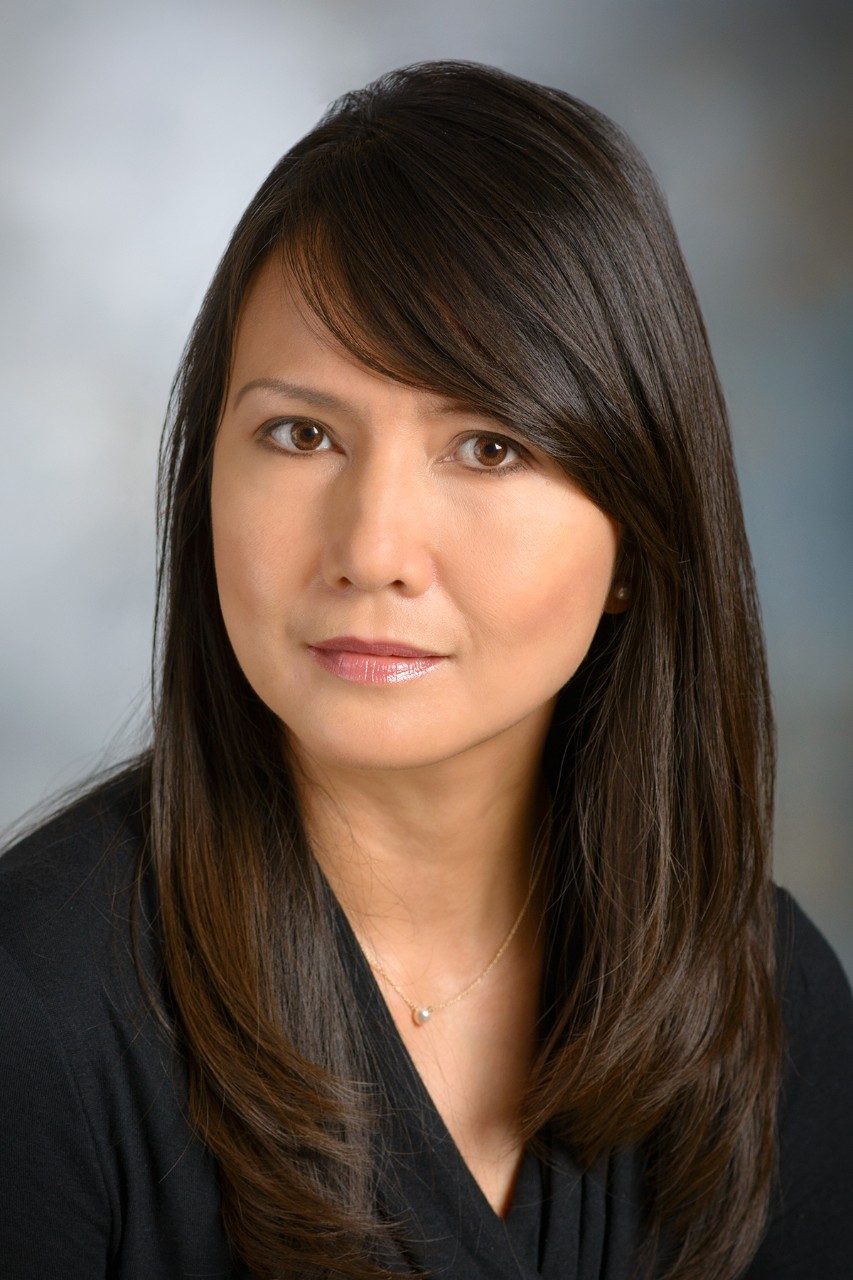 Joy Gumin合作论文数Department of NeuroSurgery, University of Texas MD Anderson Cancer Center8W Sun合作论文数7
 Björn Meister合作论文数C4 Department of Neuroscience, Karolinska Institutet7A Dagerlind合作论文数7
 Rita E. Serda合作论文数Department of Chemistry, New Mexico State University Las Cruces7Silvia Ferrati合作论文数Department of Nanomedicine and Biomedical Engineering, University of Texas Graduate School of Biomedical Sciences at Houston7
 Richard H. Scheller合作论文数Genentech;Department of Biochemistry and Biophysics, School of Medicine, University of California San Francisco6Wilson Marenda A合作论文数5
 Kim Hoon合作论文数Department of Bioinformatics and Computational Biology, The University of Texas MD Anderson Cancer Center;Department of Bioinformatics and Computational Biology, The University of Texas MD Anderson Cancer Center5
 Ralf Pettersson合作论文数Karolinska Institute5
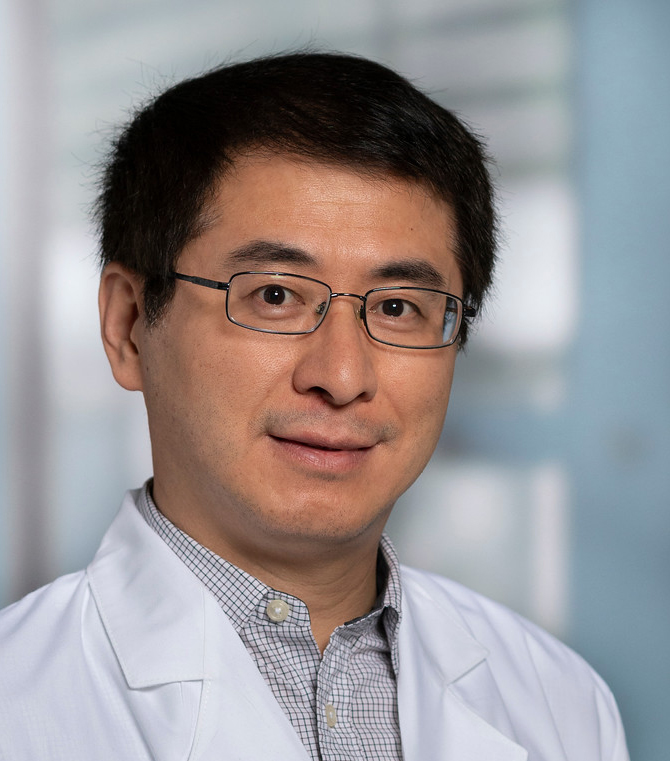 Xuewu Liu合作论文数Academic Institute;Department of Nanomedicine, Houston Methodist Research Institute;Dr. Mary and Ron Neal Cancer Center, Houston Methodist Research Institute5
 Mauro Ferrari合作论文数Department of Pharmaceutics, School of Pharmacy, Pharmaceutics Affiliate Faculty, University of Washington;Houston Methodist Research Institute5P Morino合作论文数4Susan Tsujimoto合作论文数4
 Robert Elde合作论文数Department of Neuroscience, Medical School, University of Minnesota;Science Mill4Woodfield Sarah E合作论文数4
 Sandra Ceccatelli合作论文数Department of Neuroscience, Karolinska Institutet;NorthernLight Diagnostics4Aaron Mack合作论文数4
 Ariel Y. Deutch合作论文数Vanderbilt Brain Institute, Vanderbilt University;Department of Psychiatry and Behavioral Sciences, Vanderbilt University Medical Center4M. Neal Waxham合作论文数Department of Neurobiology and Anatomy, University of Texas Medical School4Julie A. Wilson合作论文数3Kimiya Memarzadeh合作论文数3S. Reyes合作论文数3Jennifer A Watson合作论文数3Ge Martin合作论文数3
 Ciro Chiappini合作论文数Centre for Craniofacial & Regenerative Biology, Faculty of Dentistry, Oral & Craniofacial Sciences, King’s College London3Sahily Reyes合作论文数Laboratory of Malaria and Vector Research and3
 Anthony L Depass合作论文数3
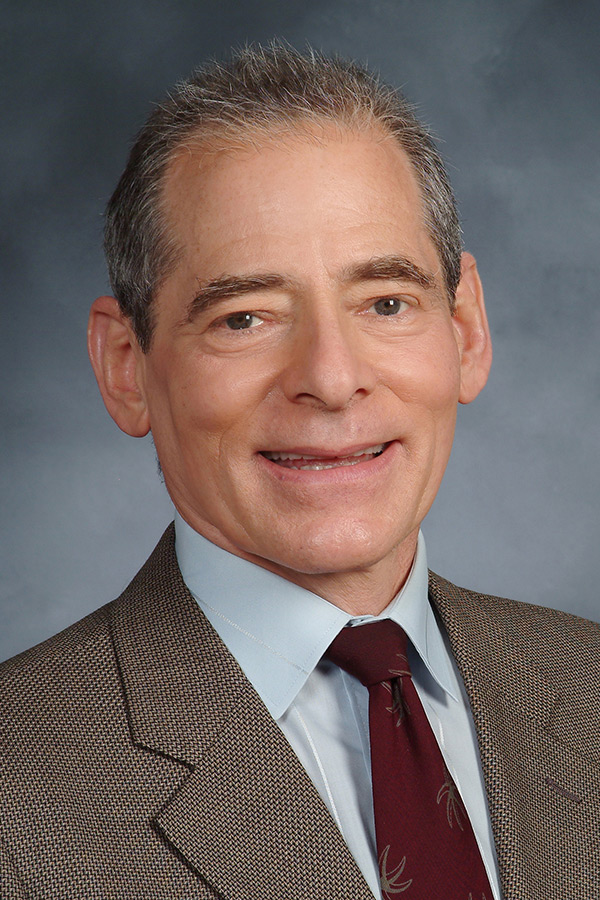 Marc Goldstein合作论文数Center for Reproductive Medicine & Microsurgery, Department of Urology, Weill Cornell Medicine, Cornell University;Accudrive3
 Lars Olson合作论文数Department of Neuroscience, Karolinska Institutet3




