Autonomous vehicles (AVs), either shared or privately owned, are predicted to become a common transport mode used by the general population in coming decades. Policies governing the use of AVs may increase or decrease social inequities. This review synthesizes existing literature and provides policy recommendations to enhance equity as the use of AVs becomes more widespread. We identified nine areas in which AVs could impact equity: (i) assessment of community mobility needs and priorities, (ii) education and outreach, (iii) disparities in infrastructure quality, (iv) equitable distribution of customer services, (v) access to AVs by persons with low incomes, (vi) shared infrastructure services, (vii) barriers to shared AV use, (viii) access to AVs by persons with disabilities and (ix) disruption of existing transportation jobs. Recommendations for promoting equitable use of AVs include (i) policies governing how jurisdictions oversee AV implementation and (ii) policies addressing how jurisdictions issue permits to AV service providers. Oversight policies include ensuring input from disadvantaged communities, providing subsidies for low-income users, establishing ride-sharing rules to protect vulnerable populations, reviewing the equity implications of proposed AV infrastructure improvements, providing retraining opportunities for those who may lose jobs due to AV implementation and monitoring the impact of AV policies implemented. Permitting processes include ensuring equitable access to AVs for low-income, minority, and older users and persons with disabilities, ensuring equitable distribution of AV service areas and verifying that data from all communities are incorporated into the artificial intelligence algorithms used to guide AVs.
Background Local transportation agencies implementing Vision Zero road safety improvement projects often face opposition from business owners concerned about the potential negative impact on their sales. Few studies have documented the economic impact of these projects.Methods We examined baseline and up to 3 years of postimprovement taxable sales data for retail, food and service-based businesses adjacent to seven road safety projects begun between 2006 and 2014 in Seattle. We used hierarchical linear models to test whether the change in annual taxable sales differed between the 7 intervention sites and 18 nearby matched comparison sites that had no road safety improvements within the study time frame.Results Average annual taxable sales at baseline were comparable at the 7 intervention sites (US$44.7 million) and the 18 comparison sites (US$56.8 million). Regression analysis suggests that each additional year following baseline was associated with US$1.20 million more in taxable sales among intervention sites and US$1.14 million more among comparison sites. This difference is not statistically significant (p=0.64). Sensitivity analyses including a random slope, using a generalised linear model and an analysis of variance did not change conclusions.Discussion Results suggest that road safety improvement projects such as those in Vision Zero plans are not associated with adverse economic impacts on adjacent businesses. The absence of negative economic impacts associated with pedestrian and bicycle road safety projects should reassure local business owners and may encourage them to work with transportation agencies to implement Vision Zero road safety projects designed to eliminate traffic-related injuries.
Redlining—a racially discriminatory policy of systematic disinvestment established by the Home Owners’ Loan Corporation (HOLC) in the 1930s and continued until the late 1960s—still influences the contemporary landscape of cities in the US. While the heterogeneous distribution of land surface temperature and tree canopy cover between neighborhoods with different HOLC grades have been recently examined, the development of long-term and city-specific heat management strategies is still limited. Here, we explored the effect of redlining in Portland, Oregon, and Philadelphia, Pennsylvania, to assess its contemporary impact on climate equity. We performed a change analysis of land surface temperature and tree canopy area over the past and introduced mixed-effects models to test the intra- and inter-city differences in canopy cooling effects between the different HOLC grades. We found that (1) persistent temporal patterns of lower land surface temperatures and larger tree canopy areas are observed in higher HOLC grades, (2) greater green equity was achieved through contrasting temporal changes in tree canopy areas across HOLC grades in Portland and Philadelphia, and (3) opposite patterns exist between these cities, with stronger canopy cooling effects in neighborhoods with a Low HOLC grade in Portland and those with a High HOLC grade in Philadelphia. Differences in tree canopy change between the two cities over the past decade highlight potential influences of city-specific tree planting practices. Local planners should back tree planting initiatives to equitably mitigate urban heat exposure, considering historical redlining contexts and contemporary landscape features.
Climate change is making disaster events more frequent and intense, increasing the risk to economic security, ecosystem health, and human health and well-being. Hazard mitigation planning, overseen in the United States by the Federal Emergency Management Agency (FEMA), aims to reduce disaster risk by identifying hazards and taking action to reduce their impact. While FEMA policy requires states and territories to consider the risks of climate change in their plans, guidance remains broad. As a result, jurisdictions have taken different approaches to integrating climate change into their hazard mitigation plans (HMPs). Thirty of 56 U.S. State and Territorial Hazard Mitigation Officers (SHMOs) responded to a survey concerning climate planning, building on a similar survey conducted in 2018. A majority of respondents recognized that their jurisdictions are vulnerable to climate change and agreed that climate change is a threat to their jurisdictions both now and in the future. Respondents were motivated to integrate climate change into their HMPs by factors including increased evidence for climate change projections and disaster events in either their jurisdictions or neighboring ones. Among the most frequently reported barriers was reliance on historical patterns of hazard exposure. Most respondents had incorporated at least one climate change adaptation strategy into their HMPs but reported having insufficient resources to plan for and implement climate-related hazard mitigation activities. Findings suggest that state and territorial hazard mitigation planning programs are taking more steps to integrate climate change into their plans and that SHMOs are more aware of the risks that climate change poses than in 2018. Further research is needed to explore how best to support state-level hazard mitigation program response to climate change.
Built Environment and Public Health: More Than 20 Years of Progress Kimberly A. Rollings PhD, MS, Andrew L. Dannenberg MD, MPH, Howard Frumkin DrPH, MD, MPH, and Richard J. Jackson MD, MPH Affiliation Kimberly A. Rollings is with the Health & Design Research Fellowship Program, University of Michigan Medical School, the Institute for Healthcare Policy and Innovation, and the Institute for Social Research, University of Michigan, Ann Arbor. Andrew L. Dannenberg is with the Department of Environmental and Occupational Health Sciences, School of Public Health, and the Department of Urban Design and Planning, College of Built Environments, University of Washington, Seattle. Howard Frumkin is with the Department of Environmental and Occupational Health Sciences, School of Public Health, University of Washington, and the Land and People Lab, Trust for Public Land, San Francisco, CA. Richard J. Jackson is with the Department of Environmental Health Sciences, Fielding School of Public Health, University of California, Los Angeles. CopyRightCorrespondence should be sent to Kimberly A. Rollings, PhD, MS, Institute for Healthcare Policy and Innovation, North Campus Research Complex, 2800 Plymouth Rd, Building #14, Room G100-22, Ann Arbor, MI 48109-2800 (e-mail: kirollin@umich.edu). Reprints can be ordered at http://www.ajph.org by clicking the “Reprints” link. CONTRIBUTORS All of the authors contributed to the conception of the article and revised subsequent drafts. K. A. Rollings led the writing, research, and literature review. https://doi.org/10.2105/AJPH.2023.307451 Accepted: September 09, 2023 Published Online: December 13, 2023
Paratransit services developed under the Americans with Disabilities Act are a critical transportation means for persons with disabilities to meet their basic needs, but the COVID-19 pandemic posed an unprecedented challenge to service providers. To safeguard transportation equity, this study used complete records of service trips and riders obtained from the Access Transportation Program in the Seattle region for an empirical analysis aimed at answering two research questions. First, how did the ridership and trip purposes of paratransit change after the outbreak of COVID-19? Second, what factors explained the users' changing levels of service usage in response to the pandemic? Statistical methods, including a Hurdle model, were employed as the analytical tools. The results show that paratransit ridership dramatically decreased during 2020 with the most substantial reductions of working and non-essential personal trips, and that most of the remaining trips were for medical purposes. The results also indicate that riders' service usage during the pandemic was associated with their sociodemographic characteristics, disability conditions, and pre-pandemic travel demand. When controlling for other factors, riders who lived in neighborhoods with lower income and lower access to personal vehicles were more dependent on the service. Based on the empirical findings, we recommend that when developing plans for future disruptive events, public transit agencies should promptly implement safety measures, identify and prioritize neighborhoods that are most in need of mobility services, and actively pursue collaboration with other organizations for innovative service delivery options.
Background: Transportation policies and projects have multiple impacts on health. Research on these impacts can help promote positive and reduce adverse health consequences of decisions made by transportation agencies. Methods: In 2019 the U.S. National Cooperative Highway Research Program published a research roadmap for transportation and public health based on an extensive literature search and key informant interviews. The roadmap identified 44 research gaps and 122 research needs on a wide range of relevant topics. From this list, using pre-established criteria including specificity, equity, potential impact, and long-term usefulness, we selected 20 topics suitable for further research especially in academic settings. Results: We present the questions, context, and possible research approach for each of the 20 topics. These topics cover issues ranging from integrating equity into performance measures and developing forecasting models for active travel to incorporating health questions into routine household travel surveys and examining health impacts of autonomous vehicles. We added questions on the impacts of the COVID-19 pandemic on transportation. Discussion: This list will be useful to faculty, researchers, and students as they consider topics for research in transportation and public health. Results of research on these topics could influence transportation decisions in policy making, planning and community participation, capital programming, project design, and implementation. Future leaders of transportation agencies, transportation providers, and advocacy organizations may be more likely to consider transportation policies that incorporate a health perspective if their training includes research findings that increase their awareness of the health impacts of these policies.
INTRODUCTION:Along with all public transit services, paratransit services for people with disabilities experienced substantially reduced demand and an increased need to provide equitable services while protecting their clients and staff's safety during the COVID-19 pandemic. Paratransit services provide a lifeline for their clients' essential mobility needs, including access to medical appointments and grocery stores. In the absence of pre-existing pandemic response plans, examining transit agencies' responses to provide paratransit services during the pandemic can help inform planning for post-pandemic recovery and future disruptive events.METHODS:In September 2020, we conducted semi-structured interviews with 15 decision-makers, planners, and drivers working for the primary transit agency in the Seattle region - King County Metro - and its paratransit contractors. Interview questions were designed to identify current services, policy gaps, and critical challenges for recovery planning and post-pandemic paratransit services. Interview transcripts were analyzed using NVivo software to obtain essential themes.RESULTS:The interviewees provided insights about (1) paratransit service changes in response to the pandemic, (2) anticipated impacts of a returning demand on paratransit service efficiency, equity, and quality during the recovery period, and (3) innovative approaches for maintaining post-pandemic equitable paratransit services while balancing safety measures with available resources.CONCLUSIONS:Study findings suggest that paratransit service providers should consider (1) developing guidelines for future disruptive events, (2) examining alternative methods for food delivery to clients, (3) planning scenarios for delivering equitable services in the post-pandemic recovery period, and (4) increasing resilience possibly by establishing partnerships with transportation network companies.
Active transportation (AT) is widely viewed as an important target for increasing participation in aerobic physical activity and improving health, while simultaneously addressing pollution and climate change through reductions in motor vehicular emissions. In recent years, progress in increasing AT has stalled in some countries and, furthermore, the coronavirus (COVID-19) pandemic has created new AT opportunities while also exposing the barriers and health inequities related to AT for some populations. This paper describes the results of the December 2019 Conference on Health and Active Transportation (CHAT) which brought together leaders from the transportation and health disciplines. Attendees charted a course for the future around three themes: Reflecting on Innovative Practices, Building Strategic Institutional Relationships, and Identifying Research Needs and Opportunities. This paper focuses on conclusions of the Research Needs and Opportunities theme. We present a conceptual model derived from the conference sessions that considers how economic and systems analysis, evaluation of emerging technologies and policies, efforts to address inclusivity, disparities and equity along with renewed attention to messaging and communication could contribute to overcoming barriers to development and use of AT infrastructure. Specific research gaps concerning these themes are presented. We further discuss the relevance of these themes considering the pandemic. Renewed efforts at research, dissemination and implementation are needed to achieve the potential health and environmental benefits of AT and to preserve positive changes associated with the pandemic while mitigating negative ones.
Housing affects health, yet health is seldom considered in housing decisions. Health impact assessment (HIA) is a tool that can improve housing-related policies, plans, programs, and projects by bringing together scientific data, health expertise, and stakeholder engagement to identify the potential health effects of proposed decisions. We systematically identified and reviewed HIAs of housing decisions in the United States, yielding 54 HIAs between 2002 and 2016. Two examined federal proposals; the others explored decisions in 20 states. A variety of organizations led the HIAs, including non-profits, public health departments, and academic institutions. The primary decision-makers each HIA sought to inform were housing, planning, and/or elected officials. Eighteen HIAs focused on housing policies, codes, design elements, and utilities in residential structures. The remaining 36 HIAs included housing as one element of broader community development and transportation planning decisions. HIA recommendations changed decisions in some cases, and the assessment process helped strengthen connections between public health and housing decision-makers. To illustrate key characteristics of housing HIAs, we purposefully selected three HIAs and described the decisions they informed in detail: off-campus student housing in Flagstaff, Arizona; a rental housing inspections program in Portland, Oregon; and revitalization plans for a major thoroughfare in a suburb of St. Louis, Missouri. With a few exceptions, federal, state, and local agencies in the U.S. are not required to consider the health impacts of housing decisions, such as where housing is sited, how it is designed and constructed, and policies for ensuring that it is affordable and safe. HIA has emerged as a tool for advocates, health and housing practitioners, and policymakers to fill this gap. However, few studies have examined whether HIAs do in fact change housing decisions, shift the way that decision-makers think, or ultimately shift determinants of health (e.g., housing affordability and quality). This review demonstrates that HIAs can facilitate the consideration of health during housing decision-making. Housing HIAs can also help decision-makers address commonly overlooked effects, such as changes to social cohesion, and improve civic participation by engaging communities in the decisionmaking process.
Health impact assessment (HIA) is a tool that can be used to examine the potential health impacts of proposed climate change policies and offer recommendations to promote health and mitigate adverse health consequences of such policies. We used an HIA database, a literature search, and expert consultation to identify 12 HIAs of the proposed climate change policies from six states in the U.S. These policies included cap-and-trade legislation, heat-wave and sea-level-rise mitigation and adaptation, transportation policy impacts of climate change, carbon-reduction strategy scenarios, soil- and water-conservation strategies, urban forest canopy for climate adaptation, overheating buildings, and regional transportation plan and sustainable communities strategies. In four descriptive summaries, we found that HIAs foster stakeholder engagement and provide useful health-promoting recommendations. HIAs can facilitate cross-sector collaboration, help optimize the health co-benefits of climate change policies, and raise awareness among decision makers of health impacts of those proposed policies.
INTRODUCTION:Public transportation systems can help people engage in physical activity. This study assesses sociodemographic correlates and trends in the daily time spent walking to and from transit in the U.S. from 2001 to 2017. METHODS:This cross-sectional study used data from the 2001, 2009, and 2017 National Household Transportation Survey. Data were analyzed in 2019 to assess the daily level of physical activity attained solely by walking to and from transit. Regression models were used to examine predictors of daily transit‒associated walking. RESULTS:Compared with the full National Household Transportation Survey sample, transit users who walked to and from transit tended to be younger, from households earning <$25,000 per year, in areas with rail infrastructure, and did not have a household-owned car. Transit walkers spent a median of 20 minutes per day (95% CI=18.5, 21.5) walking to and from transit in 2017, compared with a median of 19 minutes (95% CI=17.5, 20.5) in 2001. Among transit walkers, daily transit-associated physical activity was 27% higher for those residing in areas with rail infrastructure (adjusted coefficient=1.27, 95% CI=1.11, 1.46) and 34% higher for those from households earning <$25,000 per year than those earning >$99,999 per year (adjusted coefficient=1.34, 95% CI=1.15, 1.56). CONCLUSIONS:As documented in a growing literature, most public transit trips include at least some walking; thus, efforts to encourage transit use are favorable to public health. Continued monitoring by transportation surveys is important as new forms of mobility and changing demographics may impact future transit use and associated physical activity.
In coming decades, sea level rise associated with climate change will make some communities uninhabitable. Managed retreat, or planned relocation, is a proactive response prior to catastrophic necessity. Managed retreat has disruptive health, sociocultural, and economic impacts on communities that relocate. Health impacts include mental health, social capital, food security, water supply, sanitation, infectious diseases, injury, and health care access. We searched peer-reviewed and gray literature for reports on small island or coastal communities at various stages of relocation primarily due to sea level rise. We reviewed these reports to identify public health impacts and barriers to relocation. We identified eight relevant small communities in the USA (Alaska, Louisiana, and Washington), Panama, Fiji, Papua New Guinea, Solomon Islands, and Vanuatu. Affected populations range from 60 to 2700 persons and are predominantly indigenous people who rely on subsistence fishing and agriculture. Few reports directly addressed public health issues. While some relocations were successful, barriers to relocation in other communities include place attachment, potential loss of livelihoods, and lack of funding, suitable land, community consensus, and governance procedures. Further research is needed on the health impacts of managed retreat and how to facilitate population resilience. Studies could include surveillance of health indicators before and after communities relocate due to sea level rise, drought, or other environmental hazards. Lessons learned may inform relocation of both small and large communities affected by climate change.
Decisions made in the energy and natural resources sector can affect public health. This report reviews the characteristics and assesses the effectiveness of health impact assessments (HIAs) conducted in this sector. A total of 30 HIAs conducted in 14 states in the United States were identified using a targeted literature search. Five HIAs illustrative of the different source and sub-sector categories, and with identifiable impacts on decision-making processes were selected for review. An existing conceptual framework (Wismar) was used to assess the effectiveness of the five selected HIAs on decision-making related to non-renewable energy, renewable energy, mining, and energy conservation. The 30 HIAs were performed for a variety of projects and assessed health impacts ranging from metabolic disorders to community livability. Eight of the 30 reports were incorporated into environmental impact assessments. All five selected HIAs were generally effective and raised awareness of the health effects of the projects being assessed; four were directly effective and led to changes in final project decisions. Their variable effectiveness may be related to the extent of community engagement and consideration of equity issues, differences in the details and quality of monitoring and evaluation plans devised as part of the HIA process, and whether the outcomes of monitoring and evaluation are reported.
Background. Active commuting to school (ACS) is associated with increased physical activity and lowered risk of obesity. In observational studies, ACS was associated with child self-efficacy, parent self-efficacy, and parent outcome expectations, although few experiments have assessed changes in these behavioral constructs. Aim. This study examined the effects of a bicycle train intervention (BTI) on child self-efficacy, parent self-efficacy, and parent outcome expectations in a diverse, low socioeconomic status population. Method. Data were from a 2014 BTI pilot randomized controlled trial (RCT) on fourth to fifth graders aged 9 to 12 years, n = 54, from four schools serving low-income populations in Seattle, Washington. The BTI was a group of children and study staff who cycled together to/from school daily, while controls received no intervention. Responses to validated child self-efficacy, parent self-efficacy, and parent outcome expectations questionnaires ranged from 1 to 3. Adjusted linear mixed effects models estimated standardized coefficients for child self-efficacy, parent self-efficacy, and parent outcome expectations comparing intervention and controls from Time 1 (preintervention) to Time 2 (final 4-6 weeks of intervention). Results. The intervention group had increases in child self-efficacy of 0.84 standard deviations (95% confidence interval [CI] [0.37, 1.31]), parent self-efficacy of 0.46 standard deviations (95% CI [0.05, 0.86]), and parent outcome expectations of 0.47 standard deviations (95% CI [0.17, 0.76]) compared with controls from Times 1 to 2 (all ps <.05). Conclusion. A BTI improved child self-efficacy, parent self-efficacy, and parent outcome expectations, which warrants a larger RCT to examine long-term changes to these behavioral constructs and ACS.
Arterials are types of roads designed to carry high volumes of motorized traffic. They are an integral part of transportation systems worldwide and exposure to them is ubiquitous, especially in urban areas. Arterials provide access to diverse commercial and cultural resources, which can positively influence community health by supporting social cohesion as well as economic and cultural opportunities. They can negatively influence health via safety issues, noise, air pollution, and lack of economic development. The aims of public health and transportation partially overlap; efforts to improve arterials can meet goals of both professions. Two trends in arterial design show promise. First, transportation professionals increasingly define the performance of arterials via metrics accounting for pedestrians, cyclists, transit riders, and nearby residents in addition to motor vehicle users. Second, applying traffic engineering and design can generate safety, air quality, and livability benefits, but we need evidence to support these interventions. We describe the importance of arterials (including exposures, health behaviors, effects on equity, and resulting health outcomes) and make the case for public health collaborations with the transportation sector.
This study is a systematic review of the current and potential role of a public health tool or process called a health impact assessment (HIA) within the criminal justice system. The review explores the range of criminal justice policies, programs, and projects and their health impacts that have been evaluated by HIAs, and identifies strengths, challenges, and opportunities for the utilization of HIAs in the criminal justice system. Employing HIA clearinghouses and online databases, we conducted a two-phase sample selection that yielded 20 HIAs from the US, UK, Australia, and New Zealand for inclusion. The review analyzed key characteristics of the HIAs including setting, topic, stakeholder engagement levels, funding sources, methods, and recommendations. Factors like high stakeholder engagement, adequate time and staff capacities, and community leadership made HIAs more influential on decisions made. Three case studies highlight the impacts and successful application of HIAs conducted on criminal justice issues. Health impact assessments have potential as an influential tool or process to lead better policy and program decisions in criminal justice by contributing to increasing equity and improving health.
Policies, programs, and projects related to agriculture, food, and nutrition can significantly affect public health. Health impact assessment (HIA) is one tool that can be used to improve awareness of the health effects of decisions outside the health sector, and increasing the use of HIA for agriculture, food, and nutrition decisions presents an opportunity to improve public health. This study identifies and reviews all HIAs completed in the United States on agriculture, food, and nutrition topics. Studies were identified from HIA databases, an Internet search, and expert consultation. Key characteristics were extracted from each study: type of decision assessed, location, level of jurisdiction, lead organization, methods of analysis, and recommendations. Twenty-five eligible HIAs that were conducted between 2007 and 2016 address topics such as regulations on land use for agriculture; food and beverage taxes; and developing grocery stores in food deserts. These HIAs have predominantly supported policy, as opposed to program or project, decisions. Four case studies are presented to illustrate in detail the HIA process and the mechanisms through which HIA findings affected policy decisions. Among other influences, these four HIAs affected the language of legislation and provided guidance for federal regulations. These examples demonstrate several findings: appropriate timing is critical for findings to have an influence; diverse stakeholder involvement generates support for recommendations; and the clear communication of feasible recommendations is highly important. There is substantial scope to increase the use of HIA in the agriculture, food, and nutrition sectors. Challenges include the paucity of monitoring and evaluation of HIAs’ effects on health outcomes, and the limited funding available to conduct HIAs. Opportunities include integrating HIAs and community food assessments, and more widely sharing HIA findings to inform related decisions in different jurisdictions and to increase support for additional HIAs that address the food system. Note: See the supplemental Excel file (under Article Tools>Supplementary files at left) for more details on the health impact assessments included in this systematic review.
 Howard Frumkin合作论文数Trust for Public Land;Department of Environmental and Occupational Health Sciences, School of Public Health, University of Washington9
 Arthur M. Wendel合作论文数7
 Jackson Richard J合作论文数6
 Michael Schwartz合作论文数Coll Med, Texas A&M Hlth Sci Ctr4Mark Harris合作论文数4
 Fiona Haigh合作论文数4
 Richard K. Morgan合作论文数4Chok Harrison N G合作论文数4
 Fran Baum AO合作论文数Stretton Institute, The University of Adelaide4
 James F. Sallis合作论文数Herbert Wertheim School of Public Health and Human Longevity Science, University of California, San Diego;Australian Catholic University, Melbourne;Department of Psychology, San Diego State University4Elizabeth Harris合作论文数4
 Candace D Rutt合作论文数4
 Lynn A Kemp合作论文数UNSW Research Centre for Primary Health Care and Equity4Megan Wier合作论文数4Jeffery Spickett合作论文数4
 Ben Harris-Roxas合作论文数School of Public Health and Community Medicine, University of NSW4Helen Keleher合作论文数Department of Health Science;Monash University;Department of Health Science, Monash University4
 Keshia Pollack Porter合作论文数Department of Health Policy and Management, Bloomberg School of Public Health, Johns Hopkins University3anna ricklin合作论文数2Shailendra N. Banerjee合作论文数2Amy L Freeland合作论文数2Susan E Hobson合作论文数2d a ashford合作论文数2
 Ruth A Lindberg合作论文数2
 Lamis Ashour合作论文数2Yiyuan Wang合作论文数2
 Brian Cole合作论文数Department of Environmental Health Sciences, Fielding School of Public Health, University of California, Los Angeles2
 Melanie Lowe合作论文数Melbourne School of Design, The University of Melbourne2
 Guohua Li合作论文数Department of Epidemiology, Mailman School of Public Health, Columbia University2
 Anne Vernez Moudon合作论文数Department of Urban Design and Planning, College of Built Environments, University of Washington2Leone de Nie Karen合作论文数2
 Cynthia Stone合作论文数2
 Qing Shen合作论文数Department of Urban Design and Planning, College of Built Environments, University of Washington2
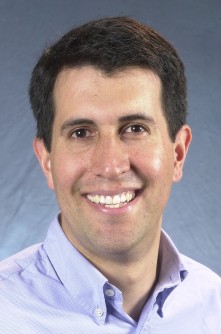 Daniel A. Rodríguez合作论文数Department of City & Regional Planning, University of California, Berkeley2
 David Berrigan合作论文数National Cancer Institute, Division of Cancer Control and Population Sciences, National Institutes of Health2
 Ralph Buehler合作论文数School of Public and International Affairs, Virginia Polytechnic Institute and State University2
 Catherine Ross合作论文数School of City & Regional Planning, College of Design, Georgia Institute of Technology2
 Turrell Gavin合作论文数Health Research Institute, University of Canberra2
 Billie Giles-Corti合作论文数Centre for Urban Research, School of Global, Urban and Social Studies, RMIT University;The University of Western Australia2
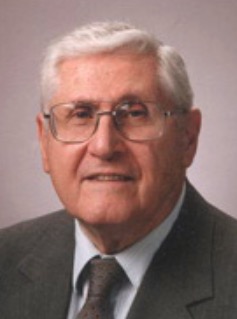 William B. Kannel合作论文数Boston University School of Medicine2Susan P. Baker合作论文数2
 Rodrigo Siqueira Reis合作论文数Programa de Pós-graduação em Educação Física;Universidade Federal do Paraná;Programa de Pós-graduação em Educação Física, Universidade Federal do Paraná2
 Karen Glanz合作论文数Department of Biobehavioral Health Sciences, School of Nursing, University of Pennsylvania;Department of Biostatistics, Epidemiology and Informatics, Perelman School of Medicine, University of Pennsylvania2
 Neville Owen合作论文数School of Health Sciences, Swinburne University of Technology;Physical Activity Laboratory, Baker Heart and Diabetes Institute;School of Public Health, University of Queensland2
 Steven G. White合作论文数Health & Rehabilitation Research Centre, AUT University2
 Nisha Botchwey合作论文数2
 Hannah Badland合作论文数University of Melbourne2Rajiv Bhatia合作论文数2RJ GARRISON合作论文数2




