Anaplastic Hemangiopericytoma (AHPC), now known as Solitary Fibrous Tumor (SFT) Grade III, is a rare biologically aggressive neoplasm with a high rate of recurrence. Owing to its rarity, the existing literature is limited regarding its clinical characteristics, prognostic factors, management, and treatment strategies. In this study, we evaluate the association between patient demographics, clinical variables, and treatment modalities with overall survival in patients with intracranial AHPC/SFT Grade III. The National Cancer Database (NCDB) was queried for the clinical and care parameters of patients ≥ 18-years-old diagnosed with AHPC between 2004 and 2017. Multivariable Cox proportional hazards model was implemented to determine factors associated with overall survival. 427 patients were identified with a mean age of 52.6 ± 0.7 years. Most patients were between 40–70 years old (67.0
Pediatric brain tumors, including high-grade gliomas (HHG), medulloblastomas (MB), and ependymomas (EPN), are a leading cause of death in children. They are often immunologically “cold” with low tumor mutational burden (TMB) and very few tumor-infiltrating lymphocytes (TILs), which may limit the role of immune checkpoint inhibitors (ICI). We performed a PRISMA‑guided systematic review of PubMed/MEDLINE, Embase, and Scopus from inception to September 17, 2025, for English-language studies of patients ≤ 21 years with primary CNS tumors treated with PD‑1/PD‑L1 or CTLA‑4 inhibitors. Eligible reports included prospective trials, retrospective series, and observational/case reports with extractable data on efficacy and/or toxicity. Of 479 records identified, 386 unique citations were screened, 127 underwent full‑text review, and 40 met inclusion criteria for qualitative synthesis. Prospective and institutional studies in biomarker-unselected diffuse midline glioma, high-grade glioma, medulloblastoma, and ependymoma showed low objective response rates (generally ≤ 6
Adoptive cellular therapies may expand treatment options for pediatric brain tumors by focusing activity on tumor antigens and limiting off-tumor effects. We systematically reviewed preclinical and clinical evidence for CAR T cells, TCR-engineered T cells, and NK or γδ T-cell platforms directed against HER2, B7-H3 (CD276), EGFR806-reactive EGFR, GD2, IL13Rα2, and EphA2 or EphA3, with attention to delivery route, safety, persistence, and combination strategies. Following PRISMA, we searched PubMed, Embase, and Scopus from inception through September 17, 2025, restricted to English. The search yielded 324 records; 103 duplicates were removed; 221 titles and abstracts were screened; 180 full texts were reviewed; and 34 studies were extracted by two independent reviewers. We captured design, tumor and molecular features, product engineering, route and schedule, lymphodepletion, toxicities including cytokine release syndrome, immune effector cell associated neurotoxicity, and tumor inflammation associated neurotoxicity, radiographic or clinical response, survival, and correlatives such as persistence or trafficking in blood, cerebrospinal fluid, or tumor tissue, cytokines, and antigen dynamics. In vivo studies showed reproducible antitumor activity for HER2 in medulloblastoma, GD2 in diffuse midline glioma, and multi-antigen constructs incorporating IL13Rα2 and EphA2 in medulloblastoma and ependymoma, with significant survival advantages compared with controls. γδ T cells targeting the EphA axis selectively killed medulloblastoma with neural sparing; GD2 CAR NK-92 inhibited diffuse intrinsic pontine glioma growth. In early clinical programs, route shaped safety and pharmacodynamics. For GD2, low-dose intravenous induction followed by repeated intraventricular dosing produced objective radiographic regressions and manageable tumor inflammation associated neurotoxicity, while dose-limiting cytokine release syndrome was confined to higher intravenous doses. Intraventricular B7-H3 CAR T cells, given without lymphodepletion, enabled multi-cycle dosing with mainly grade 1 to 2 events and cerebrospinal fluid localized persistence. Weekly intracranial EGFR806 CAR T cells were feasible and well tolerated, with stable disease as the best response in a small cohort. Across trials, persistence and immune activation were most evident in cerebrospinal fluid, supporting cerebrospinal fluid centered pharmacodynamic monitoring. Mechanism-based combinations, including IGF-axis inhibition in diffuse midline glioma and epigenetic priming of GD2 with an integrated safety switch in medulloblastoma, enhanced activity. The evidence supports pediatric-centric antigen selection and a CNS-first, locoregional dosing approach to increase on-tumor exposure and reduce systemic toxicity. Priorities include multi-antigen strategies to prevent escape, incorporation of safety switches, earlier deployment when tumor burden is low, and prospective cerebrospinal fluid pharmacodynamics in multisite phase II studies.
Penetrating injury to the dural venous sinuses (DVS) commonly occurs at the superior sagittal sinus (SSS), transverse sinus (TS), and torcular confluence. While rare, DVS penetrating injuries carry high risk of intracranial hemorrhage, air embolism, and venous infarction. The current literature pertaining to penetrating DVS injury consists primarily of isolated case reports and small series. This scoping review consolidates published cases to characterize mechanisms, management strategies, and clinical outcomes pertaining to penetrating DVS injury. A scoping literature search of PubMed, PubMed Central, Embase, and Scopus was performed through September 2025. English-language case reports, case series, and retrospective studies describing penetrating cranial trauma involving the SSS, TS, or torcula were included. Data were summarized descriptively. Twenty-five studies met inclusion criteria, encompassing low-velocity penetrating injuries, civilian firearm trauma, captive-bolt injuries, and wartime shrapnel. Low-velocity injuries were typically managed with wide exposure, circumferential sinus control, and either flow-preserving repair or selective SSS ligation, with favorable neurological outcomes. Firearm-related injuries demonstrated greater variability, ranging from excellent recovery after torcular reconstruction to delayed sinus thrombosis and fatal pulmonary air embolism following incomplete SSS sealing. Reconstruction was generally favored for posterior SSS, torcular, and dominant TS injuries, whereas ligation was better tolerated for anterior or mid-SSS lesions. Penetrating DVS injuries require early venous imaging, meticulous sinus control, and segment-specific decisions regarding repair versus ligation. Flow-preserving reconstruction is increasingly feasible and may optimize survival and neurological recovery.
Traumatic brain injury (TBI) and other acute neurological insults remain leading causes of pediatric morbidity and mortality. In cases where elevated intracranial pressure (ICP) is refractory to maximal medical therapy, decompressive craniectomy (DC) may be considered as a salvage intervention. Although bilateral, bifrontal, bitemporal, and cruciate decompressive approaches are used in selected patients with diffuse cerebral edema or bihemispheric swelling, their role, timing, complications, and outcomes remain poorly defined in pediatric populations. Following PRISMA guidelines, PubMed, Scopus, Embase, and PubMed Central were searched for English-language studies reporting bifrontal, bitemporal, bilateral, or cruciate decompressive craniectomy in pediatric or young adult patients, defined a priori as age ≤ 21 years, with refractory intracranial hypertension from traumatic or non-traumatic etiologies. Studies were included only if the cohort met this age criterion or if pediatric/young adult outcomes could be separately extracted. Mixed-age studies without extractable pediatric/young adult data were excluded from the primary synthesis. Data regarding demographics, operative technique, timing, mortality, complications, ICP response, and functional outcomes were extracted and synthesized qualitatively because of clinical and methodological heterogeneity. Five studies met eligibility criteria for the primary pediatric/young adult synthesis, including one small randomized pilot trial and four observational cohorts. The available evidence was heterogeneous with respect to indication, ICP threshold, timing of surgery, operative technique, and outcome measurement. Bitemporal, bifrontal, bilateral, and cruciate decompressive strategies were reported primarily in selected patients with severe traumatic brain injury or diffuse cerebral swelling. Several larger pediatric decompressive craniectomy cohorts included only small bilateral or bifrontal subgroups, and outcomes were not always stratified by technique. Reported mortality, functional recovery, hydrocephalus, subgaleal collections, and need for reoperation varied across studies. Early decompression was associated with ICP reduction and favorable outcomes in limited reports, including one small randomized trial, but the evidence remains insufficient to determine comparative efficacy, optimal timing, or superiority of one bilateral decompressive approach. Bilateral, bifrontal, bitemporal, and cruciate decompressive craniectomy have been reported as feasible salvage strategies for carefully selected pediatric and young adult patients with refractory intracranial hypertension. However, current evidence is sparse, heterogeneous, and often not technique-specific. Therefore, definitive conclusions regarding efficacy, optimal timing, or superiority of one bilateral approach cannot be made. Prospective multicenter studies with standardized age definitions, ICP thresholds, operative taxonomy, complication reporting, and long-term neurocognitive outcomes are needed.
OBJECTIVE:OpenAI, Google, and Microsoft have recently developed popular large language models (LLMs) with incredible clinical applications. LLMs specific to neurosurgery, such as AtlasGPT, have also been recently released. However, the comparative neurosurgical diagnostic capabilities of these models are not well studied. The aim of this study was to evaluate and compare the ability of LLMs to diagnose neurosurgical pathologies. METHODS:Clinical vignettes (n = 148) extracted from a common neurosurgery case-based review textbook were stratified by subspecialty. OpenAI's ChatGPT-3.5 and ChatGPT-4, Google's Gemini, Microsoft Copilot, and AtlasGPT were prompted to provide a diagnosis: "Provide a neurosurgical diagnosis given the following history…[vignette]." Imaging was inputted for capable LLMs, and all queries were run in May 2024. Diagnoses were compared with the textbook for accuracy and errors were categorized appropriately. RESULTS:ChatGPT-4 was the most accurate model (74% correct), followed by AtlasGPT (63% correct), ChatGPT-3.5 (53% correct), Microsoft Copilot (48% correct), and Gemini (36% correct). Chi-square comparisons demonstrated that ChatGPT-4 was more accurate in providing clinical diagnoses than its counterparts (p = 0.005). Across all vignettes and LLMs, most errors were due to an inability to attribute a key piece of information (generally imaging data) to the diagnostic process while otherwise using logical stepwise reasoning. CONCLUSIONS:ChatGPT-4 offered the most accurate diagnoses when given established clinical vignettes. Adding imaging processing capabilities and relevant data significantly increased the accuracy of LLM diagnoses. LLMs can offer accurate assessments of common neurosurgical conditions but necessitate detailed prompting from clinicians. Artificial intelligence has incredible clinical potential; however, practitioners must be cautious and think critically while using them for diagnostic purposes.
Study DesignA retrospective database analysis.ObjectiveTo determine the incidence of lower extremity deep vein thrombosis (DVT) and identify risk factors associated with DVT development in patients with spinal cord injury (SCI), stratified by level of injury.MethodsThe National Inpatient Sample from 2016 to 2021 was used to identify adult inpatients with SCI who developed DVT within the same admission and to categorize them by anatomical injury level. Multivariable logistic regression was used to assess independent risk factors by SCI level.ResultsAmong 59,498 SCI patients, the overall DVT incidence was 2.8%. The DVT rate was lowest in cervical SCI (2.6%) and highest in thoracic SCI (3.2%). Pulmonary embolism was a strong independent risk factor for DVT across all SCI levels ([Cervical] OR: 12.82, CI: 10.46-15.63, [Thoracic] OR: 11.82, CI: 9.13-15.20, [Lumbar] OR: 11.38, CI: 6.74-18.74). For cervical SCI, risk factors included coagulopathies (OR: 1.90, CI: 1.54-2.32), older age (OR: 1.01, CI: 1.01-1.02), complete (OR: 1.84, CI: 1.43-2.35) or incomplete cervical lesion (OR: 1.38, CI: 1.17-1.63), cervical (OR: 1.34, CI: 1.16-1.54) or lumbar fracture (OR: 1.58, CI: 1.17-2.11), and upper extremity DVT (OR: 3.58, CI: 2.53-4.97). For thoracic SCI, risk factors included thoracic fracture (OR: 1.46, CI: 1.20-1.77), upper extremity DVT (OR: 3.82, CI: 2.18-6.36), and fluid/electrolyte disorder (OR: 1.35, CI: 1.13-1.62). For lumbar SCI, fluid/electrolyte disorder (OR: 1.92, CI: 1.38-2.66) was an independent predictor.ConclusionDVT incidence and risk factors vary by SCI level. Identifying these factors is critical for stratifying care and developing tailored prophylactic strategies that prevent adverse events and optimize patient outcomes.
BACKGROUND:Neuroendovascular interventions, including pipeline embolization device (PED)/flow diverter placement and coil embolization, are increasingly used in the management of nontraumatic subarachnoid hemorrhages (SAH). However, literature on trends, predictors of patient selection, and complications remains limited. This study aims to identify factors influencing treatment selection and risks associated with PED versus coil embolization in SAH. METHODS:The 2016 to 2021 National Inpatient Sample was used to identify adult inpatients with a primary diagnosis of nontraumatic SAH. Univariate and multivariable analyses adjusting for demographics, comorbidity status, and hemorrhage etiology were used to characterize statistical associations. RESULTS:Of 62,567 patients identified as having an SAH from 2016 to 2021, 409 patients (0.65%) underwent PED, and 6834 patients (10.9%) underwent coil embolization. The remaining 88% underwent nonendovascular management. Complications associated with PED placement and not coil embolization included gastrointestinal (5.1% vs. 2.2%; P < 0.05) and respiratory tract bleeding (3.2% vs. 0.7%; P < 0.001). Those who underwent PED were less likely to have hydrocephalus (47.4% vs. 56.5%; P < 0.05) and receive external ventricular drain or ventriculoperitoneal shunt placement (38.9% vs. 48.4%; P < 0.01). After controlling for confounding factors, predictors for receiving coil embolization instead of PED placement included SAH originating from the anterior communicating artery (odds ratio [OR]: 4.0; 95% confidence interval [CI]: 2.87-5.90; P < 0.001), posterior communicating artery (OR: 2.0; CI: 1.90-3.63; P < 0.001), and middle cerebral artery (OR: 2.02; CI: 1.36-3.13; P < 0.05). CONCLUSIONS:PED is associated with a higher incidence of systemic hemorrhagic complications, particularly gastrointestinal and respiratory tract bleeding, compared to coil embolization. Patients undergoing PED require careful patient selection and postprocedural management.
Introduction Takotsubo Cardiomyopathy (TCM) is a rare but well recognized complication of subarachnoid hemorrhage associated with increased morbidity and poor clinical outcomes. There is a scarcity of literature describing the prevalence and risk factors associated with this complication. The aim of this study was to identify patients who are at risk of developing TCM in non-traumatic subarachnoid hemorrhage. Methods The 2016 to 2021 National Inpatient Sample (NIS) was used to identify adult inpatients with a primary diagnosis of non-traumatic subarachnoid hemorrhage. Univariate and multivariable analyses adjusting for patient demographics, comorbidity status, and hemorrhage etiology were used to characterize statistical associations with disease-related complications. Patients with TCM were further divided into those with “good” or “poor” functional outcomes and compared. Results A total of 42 141 patients were identified as having a subarachnoid hemorrhage from 2016 to 2021. Of these patients 486 patients (1.2%) were found to have TCM. TCM was associated with increased length of stay (19.15 ± 17.8 days vs 11.72 ± 14.4, P < .001), increased total costs ($451 502.59 ± 443 777.9 vs $242 327.92 ± 338 862.3, P < .001), increased number of days from admission to first procedure (1.74 ± 4.5 vs 1.94 ± 5.0, P < .001), and increased mortality (31.7% vs 22.8%, P < .001). After controlling for confounding factors, independent risk factors for TCM in patients with non-traumatic subarachnoid hemorrhage included: Female (Odds Ratio [OR]: 3.11, 95% Confidence Interval [CI]: 2.50-3.89, P < .001), Congestive Heart Failure (OR:4.60, CI:3.70-5.71, P < .001), and Fluid and Electrolyte Disorders (OR: 2.52, CI: 2.05-3.11, P < .001). Patients with good functional outcomes were found to have younger age (54.85 years ± 14.0 vs 58.14 ± 14.7, P < .001), decreased length of stay (17.11 ± 16.9 vs 19.83 ± 18.1, P < .001), decreased total charge ($370 245.94 ± 517 702.8 vs $477 366.55 ± 417 122.4, P < .001), and decreased mortality ( P < .001) compared to those with poor functional outcomes. Conclusion TCM after subarachnoid hemorrhage is associated with increased mortality, length of stay, total cost, number of procedures in patients, and number of days to first procedure. Neurosurgeons and Neurocritical care medical professionals should be aware of the comorbidities and factors associated with increased TCM after subarachnoid hemorrhage in order to improve patient outcomes.
BACKGROUND Pott’s disease (PD) is an infection of the vertebral bodies due to Mycobacterium tuberculosis . Commonly presenting with back pain, the insidious nature of the disease can result in the development of kyphotic deformities, epidural collections, and neurological dysfunction. The authors describe the case of a 21-year-old male who presented with symptoms of cervical myelopathy and was found to have a kyphotic deformity involving the C5 and C6 vertebrae with epidural extension. The patient was treated with a combined anterior-posterior surgical approach: anteriorly with C5–6 corpectomy and cage placement and posteriorly with C2–T2 instrumentation. The final pathology was positive for M . tuberculosis , and the patient was placed on antibacterial therapy. OBSERVATIONS PD often presents late with symptoms that do not match the severity of the radiological spinal deformities. Surgical intervention is warranted in patients with severe deformity, neural element compression, and concordant neurological deficits. A literature review demonstrated that the combined anterior-posterior approach provides the greatest correction of kyphotic deformities. However, both anterior and combined approaches are associated with good outcomes and relatively few surgical complications. LESSONS The combined anterior-posterior surgical approach for cervical PD is recommended when kyphosis is severe. With appropriate surgical and medical management, most patients recover well without recurrence of symptoms. https://thejns.org/doi/10.3171/CASE24652
Spinal tumors, whether primary or metastatic, represent a diverse and clinically challenging group of CNS neoplasms. Recent advances in tumor biology have highlighted extracellular vesicles (EVs) as central to tumor biology. This narrative review aimed to examine the emerging role of extracellular vesicles in the pathogenesis, diagnosis, and treatment of spinal tumors and metastases, synthesizing data from preclinical and clinical studies. Tumor-derived EVs in spinal tumors modulate oncogenic signaling, angiogenesis, and immune evasion. In meningiomas and schwannomas, EVs influence tumor behavior and offer potential biomarkers such as miR-497 and e-hTERT. In astrocytomas, circulating EV-circRNAs may enable noninvasive diagnosis and monitoring. In neurofibromas, fibroblast-derived EVs enhance tumor proliferation via VEGF delivery. Metastatic spinal tumors exploit EVs to condition pre-metastatic niches and promote osteolytic or osteoblastic changes via specific miRNAs and proteins. Immune modulation by EVs, including M2 macrophage polarization and T-cell suppression further supports tumor growth. Therapeutically, EVs are being explored as vehicles for targeted drug delivery and as targets themselves via inhibition of EV biogenesis or uptake.
Abstract Background Chiari I malformation, characterized by the displacement of cerebellar tonsils, and Chiari 1.5, involving cerebellar tonsils and brainstem displacement, share symptoms with Idiopathic Intracranial Hypertension, including headache, paresthesia, vision issues, shoulder/arm pain, diplopia, numbness, and motor weakness. Historically, papilledema marked IIH, but there are reports of papilledema in patients with Chiari I/1.5, leading to uncertainty about the most effective treatment strategies. We aim to address this gap by summarizing all reported cases of Chiari I/1.5 with papilledema. Methods Three primary electronic databases (PubMed, EMBASE, and SCOPUS) were screened to identify case reports and case series of patients with Chiari malformation presenting with papilledema. All variables such as year and region of study, age, sex, symptoms, diagnostic information, treatment details, and follow-up duration, were recorded and analyzed. Study quality for each study included was assessed according to four scales: selection, ascertainment, causality, and reporting. Results 27 patients from 21 studies were included. Symptoms included headache (76.4%), decreased visual acuity (70.8%), and visual field loss (29.2%). 44.4% had lumbar punctures, and 40.7% received medical management. Of those managed medically, 41.7% fully recovered. Notably, none of 21 patients who underwent surgical decompression without improvement had prior lumbar puncture (0% vs. 64.3%, n = 9; p = 0.003) or medical management (0% vs. 57.1%, n = 8; p = 0.011) compared to those with symptom improvement. Conclusion Chiari malformation with papilledema exhibits varied symptoms. Medical management should be considered initially, offering standalone effectiveness and potential improvement for subsequent decompression if medication alone does not lead to recovery.
Diffuse idiopathic skeletal hyperostosis (DISH) is a noninflammatory disorder characterized by calcification and ossification of ligaments and entheses of the spine. Limited literature exists on the characteristics, complications, and outcomes of patients undergoing different surgical approaches for DISH. This study aims to identify patient factors associated with postoperative complications and predictors of surgical approach. The 2016 to 2021 National Inpatient Sample (NIS) was used to identify adult inpatients with a primary diagnosis of DISH. From this cohort, those who underwent spine surgery were further identified and subdivided based on the surgical approach and analyzed for demographics, comorbidities, and other patient characteristics to identify associations and trends. Among 5,322 DISH patients, surgical intervention increased from 9.0
OBJECTIVE:Cerebrospinal fluid (CSF) leaks are a known complication of lumbar fusion surgery. There is a scarcity of literature describing the management of this complication. The aim of this study was to identify patients who are at risk of requiring further intervention for managing CSF leaks. METHODS:The Nationwide Inpatient Sample database was used to identify patients who had lumbar fusion in the United States from 2002 to 2014. Inpatient outcomes including the incidence and risk factors for requiring an intervention were calculated. Secondary outcomes including average length of stay, mean cost, and mortality rates were calculated. All statistical analyses were conducted based on multivariate regression models using the SPSS software. RESULTS:A total of 11,636 patients with postoperative CSF leak after elective lumbar fusion were identified in the Nationwide Inpatient Sample database from 2002 to 2014. Of these patients, 79.9% (9294/11,636) required an advanced intervention including epidural blood patch, simple repair, or operative management. There was an increase of 13% per year in the use of an intervention in managing CSF leaks. After controlling for several confounding factors, independent risk factors for requiring an intervention included older age (OR: 1.01; 95% CI: 1.005-1.013; P < 0.0001), lateral approach (OR: 1.52; 95% CI: 1.26-1.81; P < 0.0001) and posterior approach (OR: 1.60; 95% CI: 1.34-1.91; P < 0.0001) compared to anterior approach. Nonsurgical treatment was associated with increased length of stay (5.93 ± 4.61 vs. 5.25 ± 3.63; P < 0.0001) with similar hospitalization costs (119,537.2 ± 89,045.6 vs. 120,277.9 ±87,894.1; P = 0.72) and mortality (0.3% vs. 0.3%; P > 0.05). CONCLUSIONS:Spine surgeons should be aware of certain patient and procedure-specific characteristics that increase the risk of requiring an intervention for CSF leak management after lumbar fusion to improve patient outcomes.
This report portrays a case of a funnel shaped anterior communicating artery (ACoA) fenestration which was mistaken as a small A1 aneurysm in a subarachnoid hemorrhage case. Although tridimensional rotational digital subtraction angiography improves aneurysm diagnosis specially at the ACoA complex, current spatial resolution might leave behind a considerable percentage of ACoA fenestrations. This may lead to diagnostic errors and unnecessary treatments risking iatrogenic complications. Luckily for our patient, a concomitant aneurysm warranted clipping and subsequent surgical exploration of the ACoA complex revealed the pitfall, thus preventing further action. Interestingly, another group of authors who reported similar misdiagnosis with ACoA aneurysms were able to prevent a third error, thanks to the experience acquired with 2 prior cases. Therefore, this clinical image aims to raise wider awareness of the need for very cautious consideration of imaging depicting small and/or atypical aneurysms in the ACoA complex.
OBJECTIVE: Social media outlets such as Instagram have recently become a popular tool for medical professionals to disseminate medical information to a large public audience. In this study, we identify the top neurosurgery influencers on Instagram and analyze trends between content type, audience interaction, and user engagement. -METHODS: A list of neurosurgeon Instagram profiles based on the number of followers, user engagement, and average interaction were compiled. Outcome variables such as the numbers of followers, likes, comments, hash-tags, caption words, user engagement, and average user activity were collected and analyzed. The most recent 30 posts from each included profile were stratified into cat-egories on the basis of type of content.-RESULTS: A total of 73 neurologic surgeon "influencer" Instagram profiles met our inclusion and exclusion criteria (67 male [91.8%]; 6 female [8.2%]). Of the most recent 30 posts for each influencer, clinical and professional posts represented the majority (67.4%), while lifestyle and patient posts made up 30.3% and 2.3%, respectively. In comparison to the rest of the field (n = 43), the 30 profiles with the most followers had a significantly higher average inter-action (418.77 vs. 126.79; P < 0.001), number of uploads (578.87 vs. 184.58; P = 0.004), average number of likes given in the top posts (770.71 vs. 2150.40; P< 0.001), average posts per week (2.40 vs. 1.12; P = 0.041), and average posts per month (9.91 vs. 4.02.; P = 0.015). -CONCLUSIONS: Neurosurgeon influencers on Instagram post content that predominantly features educational and academic subject matter. Post content regarding the in-dividual's personal life or extracurricular activities made up a lesser portion of content, and there were few posts categorized as patient testimonials.
INTRODUCTION: Symptomatic non-stenotic carotid (SyNC) artery disease is emerging as one of the primary causes of embolic stroke of unknown source. The optimal secondary prevention strategies including medical therapy and revascularization (Carotid Endarterectomy (CEA) versus Carotid Artery Stenting (CAS)) continue to be controversial. METHODS: The National Surgical Quality Improvement Program (NSQIP) targeted dataset for CEA and CAS was queried for symptomatic patients with <50% stenosis of the ipsilateral carotid artery undergoing CEA and CAS between 2012-2019. Data analysis for continuous and categorical variables was carried out. RESULTS: A total of 363 symptomatic patients with <50% stenosis of the ipsilateral carotid artery were identified of which 22 underwent CAS and 341 underwent CEA. Statistical analysis showed that patients undergoing CEA were more likely to be male as compared to those undergoing CAS (68% vs 54.5%, p < 0.001). Additionally, patients in the CAS group were more likely to present with high-risk anatomy features compared to patients in the CEA group (31.8% vs 11.7%, p = 0.007) whereas patients undergoing CEA were more likely to have <50% stenosis contralateral ICA stenosis when compared to patients undergoing CAS (65.1% vs 36.4%, p = 0.001). Furthermore, patients undergoing CAS were more likely to experience post procedural stroke at 30 days compared to those undergoing CEA (13.6% vs 3.8%, p = 0.03). Upon multivariable analysis, CEA was associated with lower odds of post procedural stroke as compared to CAS (OR = 0.17, 95% CI 0.033-0.82, p = 0.027). CONCLUSIONS: Carotid revascularization for SyNC is being performed despite current guidelines and CEA is associated with lower odds of post-procedural stroke compared to CAS.
Abstract Background Given the potential for social media to allow widespread public engagement, its role in healthcare, including in cancer care as a support network, is garnering interest. To date, the use of social media in neuro-oncology has not been systematically explored. In the current manuscript, we sought to review Twitter use on glioblastoma among patients, caregivers, providers, researchers, and other stakeholders. Methods The Twitter application programming interface (API) database was surveyed from inception to May 2022 to identify tweets about glioblastoma. Number of tweet likes, retweets, quotes, and total engagement were noted for each tweet. Geographic location, number of followers, and number of Tweets were noted for users. We also categorized Tweets based on their underlying themes. A natural language processing (NLP) algorithm was used to assign a polarity score, subjectivity score, and analysis label to each Tweet for sentiment analysis. Results A total of 1690 unique tweets from 1000 accounts were included in our analyses. The frequency of tweets increased from 2013 and peaked in 2018. The most common category among users was MD/researchers (21.6%, n = 216), followed by Media/News (20%, n = 200) and Business (10.7%); patients or caregivers accounted for only 4.7% (n = 47) while medical centers, journals, and foundations accounted for 5.4%, 3.7%, and 2.1%. The most common subjects that Tweets covered included research (54%), followed by personal experience (18.2%) and raising awareness (14%). In terms of sentiment, 43.6% of Tweets were classified as positive, 41.6% as neutral, and 14.9% as negative; a subset analysis of “personal experience” tweets revealed a higher proportion of negative Tweets (31.5%) and less neutral tweets (25%). Only media (β = 8.4; 95% CI [4.4, 12.4]) and follower count (minimally) predicted higher levels of Tweet engagement. Conclusion This comprehensive analysis of tweets on glioblastoma found that the academic community are the most common user group on Twitter. Sentiment analysis revealed that most negative tweets are related to personal experience. These analyses provide the basis for further work into supporting and developing the care of patients with glioblastoma.
INTRODUCTION: Most surgical journals are published in English, representing a challenge for individuals from non-Anglophone countries and contributing to disparities in research globally. METHODS: The GCP was advertised via the journal website and social media. Applicants were selected to be a reviewer for the GCP if they demonstrated English proficiency. Authors received information about the program if their article was rejected on the basis of poor English language. The workflow is shown.The demographics of GCP members and characteristics and outcomes of articles edited by the GCP during its first year were reviewed. Surveys of GCP members and authors who used the service were conducted. RESULTS: Twenty-one individuals became part of the GCP, representing 8 countries and 16 languages apart from English. A total of 380 manuscripts were peer-reviewed and a final decision given by the editor-in-chief to have potentially worthwhile content but rejected due to poor language. The authors of these manuscripts were informed of the existence of this language assistance program. Forty-nine articles (12.9%) were edited by the GCP in 41.6 ± 22.8 days. Of 40 articles resubmitted to World Neurosurgery, 24 (60.0%) were accepted. GCP members and authors understood the purpose and workflow of the program and recognized improvements in article quality and the probability of acceptance through their participation. CONCLUSIONS: The World Neurosurgery Global Champions Program mitigated a critical barrier to publication in an English language journal for authors from non-Anglophone countries and promoted research equity by providing a free, largely medical student and trainee operated, English language editing service. This model or a similar service can be replicated by other journals.
 James K. Liu合作论文数New Jersey Medical School, Rutgers, The State University of New Jersey/Saint Barnabas Medical Center/Saint Clare's Health/University Hospital6
 John L Reagan合作论文数Rhode Island Hospital, The Warren Alpert Medical School5
 Loren D. Fast合作论文数Division of Clinical Hematology, Rhode Island Hospital5Gabriel Hanna合作论文数4
 Mohammed Ali Alvi合作论文数4Ira M. Goldstein合作论文数Departments of Surgery and Medicine, University of California4
 Hai Sun合作论文数8000 Cummings Hall | Thayer School of Engineering | Dartmouth College | Hanover, NH 037554Naif M. Alotaibi合作论文数SABIC R&T Chemical Research Department P.O.Box 42503 Riyadh 11551 Kingdom of Saudi Arabia3
 Daniel J. Valdivia合作论文数2
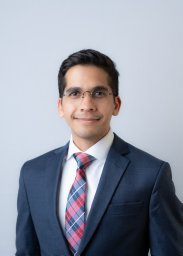 Sarosh Irfan Madhani合作论文数Neurosurg, Mayo Clin2
 Aman M Patel合作论文数Department of Neurological Surgery, Rutgers New Jersey Medical School2Savastano Luis E合作论文数Departments of 1 Neurosurgery and.2Roshan Chanchlani合作论文数1Samuel Brehm合作论文数1Breanna Sheldon合作论文数1Simon Savage合作论文数1Zhe Wang合作论文数1Martha Nevola合作论文数1Amina Shafaqat合作论文数1
 Stephen Saela合作论文数1
 Faisal Ghafoor合作论文数1Karma Barot合作论文数1Christopher E Talbot合作论文数1Zunaira Ahmad合作论文数1O Folorunsho Edobor-Osula合作论文数1Gabriel Trevino合作论文数1Rachel A Anolik合作论文数1Magalie Cadieux合作论文数1
 Alexander Perdomo-Pantoja合作论文数1
 Ulrick Sidney Kanmounye合作论文数1Nihal Manijla合作论文数1Nada A.H. AlKahtani合作论文数1Jordyn Mullins合作论文数1Cristina DelPrete合作论文数1Robert Kamil合作论文数1Alexander Savage合作论文数1Uma V Mahajan合作论文数1
 Jordan J. Levett合作论文数1Andrew Wang合作论文数1
 Larrey Kasereka Kamabu合作论文数Dept Surg, Neurosurg, Makerere Univ1
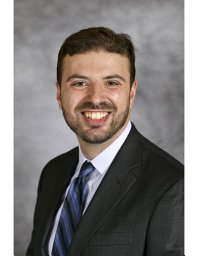 Jonathan Ogulnick合作论文数Sch Med, New York Med Coll1
 Michael Olufawo合作论文数1Hannaan S Choudhry合作论文数Dept Otolaryngol Head & Neck Surg, Rutgers New Jersey Med Sch1
 Miguel A Ruiz-Cardozo合作论文数Department of Neurological Surgery, Washington University1
 Jad Zreik合作论文数Neuroinformat Lab, Mayo Clin1
 Phabinly Gabriel合作论文数New Jersey Medical School, Rutgers University1
 Lior Elkaim合作论文数McGill University, McGill University Health Center1
 Damilola Jesuyajolu合作论文数Manchester Centre for Clinical Neurosciences, Salford Royal Hospital1
 Tarig Fadalla合作论文数Ribat University Hospital, The National Ribat University1




