We compared the presence of additional chromosomal abnormalities (ACAs, n = 345) with a referent group with no ACAs (n = 169) (noACAs) in patients with Ph+ ALL receiving TKI before transplantation. The groups did not differ significantly in age, gender, or interval from diagnosis to transplantation. More patients with ACAs received PB grafts (86.4% vs. 78.1%, p = 0.03), while more patients in the noACAs group received myeloablative conditioning (87% vs. 75.9%, p = 0.003). Day 30 ANC (≥109/L) was 97.9% vs. 98.2%, and day 60 platelet count (≥20 × 109/L) was 93.9% vs. 95.5%. Day 100 acute GVHD grades II-IV was 26.4% vs. 31%, and of grades III-IV was 8.6% vs. 9.7%. 4-year chronic GVHD was 40.5% vs. 39.9%, and the proportion of extensive chronic GVHD was 19.3% vs. 20.1%. 4-year NRM was 13.1% vs. 13.5%, and 4-year RI was 19.2% vs. 21.1%; 4-year LFS and OS were 67.7% vs. 65.4% and 76.3% vs. 78.5%. 4-year GRFS was 48.5% vs. 45%, respectively. In multivariable analysis, having ACAs and the number of ACAs did not significantly affect transplant outcomes. Administration of a TKI upfront, followed by transplantation, may overcome the poor prognostic influence of ACAs in Ph+ ALL.
Higher-risk myelodysplastic syndrome (HR-MDS) is a heterogeneous group of hematopoietic malignancies primarily affecting the elderly, characterized by ineffective hematopoiesis, cytopenias, and a risk of transformation to acute myeloblastic leukemia. This review outlines the current landscape of HR-MDS management, focusing on risk stratification, treatment options, and challenges. The International Prognostic Scoring Systems (IPSS-R and IPSS-M) classify patients into risk categories, integrating cytogenetics and molecular data to guide therapy. Hypomethylating agents remain the standard of care for non-transplant-eligible patients, though their efficacy varies, with median overall survival ranging from 13-19 months. Promising novel agents include anti-apoptotic drugs (e.g., venetoclax), mutation-targeted drugs (e.g., TP53, IDH1/2), signal transduction inhibitors, inflammation pathway inhibitors and immune checkpoint inhibitors. Combinations of hypomethylating agents and these novel agents have shown promise in early trials as initial or salvage therapy but have failed to improve survival in phase III studies. Allogeneic hematopoietic stem cell transplantation is the only potentially curative option, yet its applicability is limited by patient age, comorbidities, and donor availability. Post-transplant relapse monitoring via chimerism and measurable residual disease is critical, with preemptive donor lymphocyte infusion recommended for relapse prevention. Future research should focus on mutation-driven therapies and inclusive trial designs to optimize HR-MDS management.
Many clinical studies are based on registry analyses, but exact approaches of data extraction and pre-processing are rarely included, while this is critical for reliability and reproducibility of results. We aimed to develop an open-source data extraction pipeline which generates a ready-to-analyze dataset focused on relevant determinants of outcomes after hematopoietic stem cell transplantation (HSCT). This pipeline was developed using EBMT registry data, including 54,457 allogeneic and 63,651 autologous HSCT procedures. The pipeline determines HLA matching from molecular data, assesses cytogenetic risk for acute myeloid leukemia and myelodysplastic syndrome, processes molecular markers, assigns the hematopoietic cell transplantation comorbidity index (HCT-CI) based on comorbidities, and maps disease states to simplified categories. We prospectively assessed the recently developed disease risk stratification system (DRSS), showing that the pipeline produces consistent results with previous studies. The hazard ratio correlation between our cohort and the original DRSS derivation cohort was 0.92 with a 2-year AUC of 0.616, indicating similar effects and predictive performance. We aim to establish a new standard by promoting transparent, standardized and uniform extraction of registry data, enhancing reproducibility in registry studies.
Hematopoietic stem cell transplantation (HSCT) offers curative potential for hematologic malignancies and immune disorders, yet pulmonary complications remain major contributors to non-relapse morbidity and mortality. Traditionally attributed to immune suppression and graft-versus-host disease (GvHD), these complications are increasingly recognized to involve disruption of pulmonary microbial communities. A growing body of clinical and experimental evidence indicates that HSCT-associated perturbations in the lung microbiome, driven by conditioning, antimicrobials, immune injury, and infection, are associated with distinct post-transplant pulmonary phenotypes and, in some cohorts, with mortality risk. Whether these microbial shifts represent causal contributors to lung injury or contextual biomarkers of immune vulnerability remains unresolved, and this distinction carries direct implications for microbiome-targeted intervention. Dysbiotic shifts in the lung have been associated with both infectious and non-infectious complications, including idiopathic pneumonia syndrome, bronchiolitis obliterans syndrome, and fibrotic lung disease. Gut-lung microbial crosstalk may amplify or reflect systemic immune dysfunction, though the directionality of this relationship remains incompletely characterized. Multi-omics approaches, integrating metagenomics, metatranscriptomics, and metabolomics, are beginning to define the host-microbiome interaction signatures that distinguish injury subtypes and predict outcomes. This review synthesizes mechanistic insights into lung microbiome-immune interactions after HSCT, critically appraises the methodological constraints on the current evidence base, and evaluates microbiome-based interventions, including fecal microbiota transplantation, inhaled postbiotics, and precision antimicrobials, as candidate strategies for respiratory protection in transplant recipients, while acknowledging that prospective interventional evidence in this population remains limited.
Chronic graft-versus-host disease (cGVHD) remains the leading cause of late morbidity and non-relapse mortality after allogeneic hematopoietic cell transplantation, despite major advances in transplant techniques and supportive care. This European position statement provides a comprehensive and forward-looking synthesis of the evolving biology, epidemiology, diagnosis, and management of cGVHD, while highlighting critical unmet needs that impede progress. cGVHD arises from a complex interplay of immune dysregulation, aberrant tissue repair, and progressive fibrosis, resulting in a heterogeneous clinical spectrum that profoundly impairs quality of life and functional status. Although recent therapeutic innovations-including JAK inhibition, ROCK2 inhibition, and CSF-1R-directed therapies-have expanded options beyond corticosteroids, treatment responses remain variable, and optimal sequencing, biomarkers of activity, and organ-specific strategies are lacking. Persistent challenges in diagnosis, staging reproducibility, integration of patient-reported outcomes, and harmonized clinical trial endpoints further limit clinical and regulatory advancement. The substantial pharmaco-economic burden of cGVHD underscores the urgency of developing more effective, durable, and accessible interventions. This review outlines a collaborative roadmap centered on biomarker-driven precision medicine, harmonized assessment tools, integrated supportive care, and international research networks, aiming to transform cGVHD from a debilitating complication into a predictable, preventable, and ultimately curable condition.
Adult T-cell leukemia/lymphoma (ATLL) is a rare HTLV-1-associated malignancy with a dismal prognosis due to intrinsic chemoresistance and immunosuppression. This retrospective EBMT registry analysis evaluated outcomes of allogeneic stem cell transplantation (allo-SCT) in 73 ATLL patients transplanted between 2004 and 2021. With a median follow-up of 3.9 years, 2-year overall survival (OS) and progression-free survival (PFS) were 49
Background Classical Hodgkin lymphoma (cHL) is a highly curable malignancy but presents a significant health challenge in low to middle-income countries (LMICs), where resource constraints, lack of novel therapies and advanced diagnostics hinder effective treatments, particularly in relapsed refractory settings. Objective To bridge the gap between the outcomes observed in high-income countries and those in resource-constrained settings by providing evidence-based recommendation keeping in view available resources and expertise in LMICs. Methods The target audience includes medical oncologists, clinical hematologists, hematopoietic stem cell transplant physicians, clinical oncologists, histopathologists, nurses, patients and policymakers. The grading of recommendation, assessment, development and evaluation (GRADE) approach using the guideline development tool (GRADE pro-GDT) was used for guideline development. Results The guideline panel formulated 22 evidence-based recommendations addressing the diagnosis, staging, treatment, and follow-up of Hodgkin lymphoma (cHL) in resource-limited settings. Excisional biopsy and immunohistochemistry (IHC) are recommended for accurate diagnosis, whereas Computed tomography with bone marrow examination is a suitable alternative in absence of Positron emission tomography. Doxorubicin, Bleomycin, Vinblastine, Dacarbazine (ABVD) remains the preferred first-line regimen in both the early (+/- radiotherapy) and advanced stages because of its affordability and accessibility. Salvage regimens for relapsed/refractory cHL should prioritize chemotherapy alone, with autologous HCT reserved for chemo sensitive relapses. Emphasis is placed on long-term survivorship monitoring, fertility preservation, and tailored treatment for elderly and pregnant patients. = Conclusion Optimizing cHL management in LMICs requires a balance between evidence-based standards and resource-sensitive adaptations, ensuring that curative outcomes achievable in high-income countries are achieved despite limited resources.
Allogeneic hematopoietic stem cell transplantation (alloHSCT) is a potentially curative treatment for high-risk acute myeloid leukemia (AML), and outcomes are strongly influenced by disease status at transplantation. In transplants using conventional graft-versus-host disease (GVHD) prophylaxis, outcomes also depend on the number of induction courses required to achieve first complete remission (CR1); however, this has not been evaluated in patients receiving post-transplant cyclophosphamide (PTCy). We retrospectively analyzed 677 adult AML patients transplanted in CR1 between 2012 and 2022 using PTCy-based GVHD prophylaxis. Outcomes were compared between patients achieving CR1 after one induction course (n = 518) and those requiring two courses (n = 159). Baseline characteristics, donor type, conditioning intensity, graft source, engraftment, and rates of acute and chronic GVHD were comparable between groups. Patients requiring two inductions had a higher 2-year cumulative incidence of relapse (27% vs. 19.3%; HR 1.75, p = 0.003). However, no significant differences were observed in 2-year overall survival (62.8% vs. 69%), leukemia-free survival (61.1% vs. 65%), GVHD-free/relapse-free survival (46.3% vs. 50.4%), or non-relapse mortality (11.9% vs. 15.7%). In AML patients receiving alloHSCT with PTCy, outcomes were largely similar regardless of whether CR1 was achieved after one or two-induction courses, with relapse incidence being higher in patients requiring 2 inductions.
Cellular therapies, namely autologous hematopoietic cell transplantation (autoHCT), allogeneic HCT (alloHCT) and more recently, chimeric antigen receptor T-cell therapies (CART), play a major role in state-of-the-art treatment of mantle cell lymphoma (MCL). With numerous therapeutic innovations currently entering the MCL treatment landscape, guidance for indication, sequencing and application of cellular therapies is of key importance. To address this practical need, the European Society for Blood and Marrow Transplantation (EBMT) Practice Harmonisation and Guidelines Committee convened an international expert meeting in Berlin on Sept 29/30, 2025. EBMT provided funding and logistical support. Two appointed chairpersons invited experts in MCL and cellular therapy, who completed three work packages devoted to the three types of cellular therapy. A literature search was performed beforehand and suitable published evidence was considered collectively in structured discussions and consensus-building exercises. The recommendations developed as a result of this process provide a sound basis for practical counseling and decision-making in the care of patients with treatment-naïve and relapsed/refractory MCL.
Abstract Purpose: North American Adult T-cell leukemia/lymphoma (NA-ATLL) is an aggressive HTLV-1-associated T-cell malignancy with median survival of less than 2 years. NA-ATLL cases are distinct from those in endemic regions like Japan and exhibit a correlation with poor prognosis and therapeutic resistance. Interferon-alpha/Zidovudine, when combined with other chemotherapy regimens, has shown efficacy in acute and chronic malignancies. We previously showed that Venetoclax induces mitochondrial apoptosis in NA-ATLL; however, resistance inevitably emerges despite initial sensitivity. As limited epidemiologic data delay ATLL research, our center accomplishes one of the nation’s first cohorts, with ∼150 cases annually, predominantly among Caribbean-descent patients. In this study, the use of Venetoclax-treated patient-derived NA-ATLL cells led to prominent Notch pathway activation, highlighting a key adaptive resistance mechanism. Methods: Preclinically, patient-derived NA-ATLL cell lines (Pt-4a, 5a, 6a, 15a) along with Japanese patient-derived ATLL cell lines [ATL43Tb(−)] (J-ATLL) were treated with Venetoclax. RNA-seq identified adaptive survival pathways. Clinically, several patients with aggressive subtypes of NA-ATLL (Shimoyama types: lymphomatous and acute) were treated with Venetoclax-based treatment at our Institution. Results: Preclinical: Both NA-ATLL and J-ATLL cells responded heterogeneously to Venetoclax. In responsive lines, Venetoclax-treated cells enhanced apoptotic priming with caspase-3/PARP-1 activation, and reduced HTLV-1 HBZ and Tax expression whereas non-responders showed minimal effect, while ferroptosis was excluded. BH3 profiling confirmed NA-ATLL has unique apoptotic priming compared to J-ATLL. RNA-seq revealed robust induction of NOTCH1/2, DLL1/4, JAG1/2, and canonical targets HES1. Noteworthy, Venetoclax also upregulated the Fringe glycosylation genes (LFNG, MFNG, RFNG), which augment Notch receptor responsiveness, indicating a glycan-optimized Notch activation program that supports survival under BCL-2 inhibition. Clinical: NA-ATLL patients received Venetoclax-based combinations across multiple therapy lines. Mutation profiling (TP53, NOTCH1) by NGS was correlated with outcomes. Notably, the Venetoclax-based regimes (PEG-IFN + Biktarvy + VEN) produced durable complete responses, with patients remaining alive beyond 95 and 234 days at data cutoff. Conclusion: Venetoclax shows a significant effect in NA-ATLL both at preclinical and clinical settings, but emerging adaptive Notch signaling activation represents a crucial resistance mechanism. Our study supports evaluating Notch-directed agents (γ-secretase inhibitors/Nirogacestat) in combination with Venetoclax to overcome therapeutic resistance and improve outcomes in NA-ATLL. Citation Format: Ankit Tanwar, Salman Sadullah Usmani, Sovira Chaudhry, Aditi Shastri, Marina Konopleva, Murali Janakiram, Ali Bazarbachi, B. Hilda Ye, Xingxing Zang, Amit Verma, R. Alejandro Sica. Venetoclax rewires Notch signaling to drive resistance in North American adult T-cell leukemia/lymphoma [abstract]. In: Proceedings of the American Association for Cancer Research Annual Meeting 2026; Part 1 (Regular Abstracts); 2026 Apr 17-22; San Diego, CA. Philadelphia (PA): AACR; Cancer Res 2026;86(7 Suppl):Abstract nr 1841.
The treatment of adults with Philadelphia chromosome-positive ALL (Ph+ ALL) has evolved significantly over the past 25 years. These changes have been driven largely by the development of potent BCR::ABL1 tyrosine kinase inhibitors (TKIs) such as ponatinib, more accurate risk stratification and monitoring of measurable residual disease (MRD) and, most recently, the frontline use of blinatumomab-based, chemotherapy-free regimens. Although the historical standard of care for newly diagnosed Ph+ ALL was intensive chemotherapy followed by allogeneic hematopoietic stem-cell transplantation (allo-HSCT) in first remission, now most patients can achieve deep and durable remissions-and even cure-with a chemotherapy-free regimen, without the routine need for allo-HSCT. Although the role of allo-HSCT in first remission is diminishing in this new treatment landscape, allo-HSCT remains a reasonable consolidative option for patients with high-risk clinical or molecular features or in treatment settings where frontline blinatumomab and/or high-sensitivity MRD monitoring are not routinely available. With optimal frontline therapy and close disease monitoring, relapses of Ph+ ALL are increasingly uncommon but still pose a significant clinical challenge. Several new agents, including novel TKIs, bispecific antibodies, and chimeric antigen receptor T-cell therapies, are being evaluated in the relapsed/refractory setting and may eventually also play a role in frontline treatment of this disease.
In 2024, the EBMT activity survey surpassed one million HCTs reported since 1990, a major milestone in cellular therapy. That year, 47,204 HCTs (21,023 allogeneic, 26,181 autologous) were reported in 43,791 patients across 688 centres in 53 countries. Compared to 2023, HCT activity decreased (-1.1% overall, -3.9% autologous), while allogeneic increased ( + 2.6%) to the highest annual activity to date. CAR-T therapy reached 6,082 patients ( + 24.5% vs 2023), surpassing 20,000 since 2018. Main indications for allo-HCT were myeloid (62%), lymphoid malignancies (~24%), and non-malignant disorders (~17%). For auto-HCT were plasma cell disorders (59%), lymphomas (22%), and solid tumours (~6%). Unrelated donors (56%) increased ( + 5%), while HLA-identical siblings (25%) and haploidentical (19%) remained stable. Cord blood use continued decreasing (-6.2%). Paediatric HCT activity decreased slightly (-1.7%; -1.9% allogeneic, -1.1% autologous). CAR-T therapy expanded (lymphomas remaining the leading indication (70%), followed by multiple myeloma (18%,) and ALL (8%). Autoimmune diseases indications increased by 67%). Overall, transplant and CAR-T activity steadily increased, with pandemic-related declines mitigated by safety measures, reflecting systems resilience and variable country contributions. From 2025, the EBMT survey will capture adult and paediatric activity separately, establishing a comprehensive database to monitor trends, inform practice, define clinical needs and assess equitable access.
Allogeneic hematopoietic stem cell transplantation (HSCT) remains the only curative option for secondary acute myeloid leukemia (sAML). Post-transplant cyclophosphamide has improved graft-versus-host disease (GVHD) prophylaxis, enabling the broader use of alternative donors. For patients lacking a human leukocyte antigen (HLA)-matched donor, haploidentical donor (Haplo) or 9/10 HLA mismatched unrelated donor (MMUD) HSCTs are widely used, yet their relative effectiveness in sAML is uncertain. We retrospectively compared outcomes after Haplo versus MMUD HSCT in adults with sAML in first complete remission transplanted between 2010 and 2022. Among 711 patients, 602 received Haplo and 109 MMUD grafts. Patient and transplant characteristics differed between cohorts, including donor age, conditioning intensity, graft source, and transplant year. Neutrophil recovery was faster after MMUD transplantation, while platelet recovery was comparable. Rates of acute and chronic GVHD, relapse incidence, non-relapse mortality, overall survival, leukemia-free survival, and GVHD-free/relapse-free survival were similar. Reduced intensity conditioning lowered acute GVHD risk, while peripheral blood grafts increased chronic GVHD. Lower Karnofsky score, older age and adverse-risk cytogenetics were adverse prognostic factors. Haplo and MMUD transplantation demonstrated comparable efficacy and safety with post-transplant cyclophosphamide, supporting both approaches as viable alternatives in the absence of an HLA-matched donor.
The therapeutic landscape of hematological malignancies has been transformed by targeted therapies, immunotherapy, and cellular therapies, leading to more complex and prolonged clinical courses. Currently, there is substantial variability in how “lines of therapy” (LoT) are defined and recorded, which hinders research and data harmonization. To address this, the EBMT Practice Harmonisation and Guidelines Committee has developed a standardized framework for LoT across acute leukemias, lymphomas, and multiple myeloma. A LoT is defined as a coherent therapeutic episode aimed at achieving or maintaining disease control, comprising one or more systemic treatment phases such as induction, consolidation, or maintenance, administered in the absence of disease progression, treatment failure, or major toxicity. A new LoT is assigned at documented progression, relapse, or primary refractory disease, and the introduction of an agent from a distinct therapeutic class to deepen response also constitutes a new line, whereas dose adjustments, schedule changes, or planned omissions to manage toxicity do not create a new LoT. Bridging therapies administered prior to cellular therapy, including CAR-T or transplantation, are considered part of the same LoT as the definitive treatment. This initiative aims to enhance methodological rigor, improve clarity in treatment reporting, and support evidence-based decision-making in precision hematology.
BackgroundAutologous stem cell transplantation (ASCT) is a potentially curative treatment for several hematologic malignancies. However, the short-term cardiotoxic effects of conditioning regimens remain underexplored. This study evaluates echocardiographic changes occurring within the first 100 days after ASCT.MethodsWe conducted a retrospective single-center study of 205 lymphoma and Multiple Myeloma patients who underwent ASCT at the American University of Beirut Medical Center (AUBMC) between 2013 and 2022. Echocardiographic parameters before ASCT were compared to those obtained 100 days post-transplant. Conditioning regimens for the lymphoma patients included BEAM (carmustine, etoposide, cytarabine, and melphalan), however for the Multiple Myeloma patients, high-dose melphalan (200 mg/m2), and other chemotherapy-based regimens. Primary outcomes were changes in left ventricular ejection fraction (LVEF) and the incident of new valvular disease. Statistical analyses included paired t-tests, McNemar's test, and chi-square tests.ResultsAmong 205 patients, 97 (47.3%) had partial remission at transplantation, and 176 (85.9%) had no prior left ventricular (LV) dysfunction. A total of 108 (52.7%) received myeloablative BEAM conditioning. Pre-ASCT, 193 (94.1%) patients had LVEF >50%, compared with 187 (91.2%) at 100 days post-ASCT (p = 0.286). The mean LVEF showed a modest but statistically significant decline (p = 0.016). The prevalence of valvular abnormalities increased from 86 (42%) to 104 (50.7%) post-ASCT (p = 0.073). Pre-existing LV dysfunction was significantly associated with both post-transplant LV dysfunction and valvular disease (p = 0.018 and p < 0.05, respectively). Male gender was associated with a higher incidence of valvular disease (p = 0.024). Conditioning intensity, malignancy type, and prior valvular disease were not significantly correlated with cardiac outcomes. Interestingly, 12 patients with baseline LVEF <50% experienced no cardiac events or ICU admissions post-ASCT; 9 of these demonstrated improved LVEF at follow-up.ConclusionsASCT is associated with mild but statistically significant early declines in LVEF and increased valvular abnormalities within 100 days post-transplant. Early post-ASCT echocardiographic surveillance may enable the detection of subclinical cardiotoxicity. Prospective longitudinal studies are warranted to define the long-term cardiac impact of ASCT and its conditioning regimens.
Allogeneic hematopoietic stem cell transplantation (allo-SCT) is an established treatment for peripheral T-cell lymphoma (PTCL), particularly for patients with relapsed/refractory (r/r) disease. We aimed to retrieve novel information on the role of histology, disease status prior to transplantation, and donor choice for patients with PTCL not otherwise specified (NOS), angioimmunoblastic T-cell lymphoma (AITL), and anaplastic lymphoma kinase (ALK)-negative ALCL. We compared imaging by computed tomography (CT) or positron emission tomography (PET) for defining disease status prior to allo-SCT. Eligible were adult patients with PTCL-NOS, AITL, and ALK-negative ALCL undergoing allo-SCT between 2010 and 2022 and reported to EBMT. 1958 patients underwent allo-SCT. Of patients with known number of prior lines of therapies (n = 1310), 301 (23
The European LeukemiaNet (ELN) 2022 classification categorized both t(9;11)(p21.3;q23.3) and isolated del(7q) in acute myeloid leukemia (AML) as intermediate-risk when treated with intensive chemotherapy. However, their prognostic relevance in the context of allogeneic hematopoietic cell transplantation (allo-HCT) needs further validation. This retrospective, registry-based analysis from the EBMT assessed outcomes in adults with AML who underwent allo-HCT in first complete remission between 2010 and 2022. In the first cohort, data from 141 patients with t(9;11) were analyzed, of whom 23% had additional adverse cytogenetic abnormalities (ACA), primarily complex karyotype. Most had de novo AML (72%), had received myeloablative conditioning (57%), and peripheral blood stem cells (88%). After a median follow-up of 3 years, there were no significant differences in 2-year relapse incidence (22% vs. 18.2%, p=0.85), leukemia-free survival (66% vs. 76%, p=0.42), or overall survival (72% vs. 75%, p=0.68) between patients with non-adverse t(9;11) and those with additional ACA. The second cohort included 250 patients: 84 with del(7q), 95 with monosomy 7, and 71 with del(5q), and all without additional ACA. Most had de novo AML (59%) and had received reduced-intensity conditioning (65%). After similar follow-up, survival outcomes did not differ significantly across the groups (2-year leukemia-free survival: 61% vs. 59% vs. 52% for del(7q), monosomy 7 and del(5q), respectively). In conclusion, these findings suggest that the prognostic value of t(9;11) as intermediate-risk remains consistent in the setting of allo-HCT regardless of additional ACA, whereas del(7q), even without additional ACA, confers a risk comparable to monosomy 7 and del(5q).
The European Group for Blood and Bone Marrow transplantation Practice Harmonization and Guidelines Committee together with the Lymphoma Working Party convened 23 experts in Hodgkin lymphoma, transplantation, and radiation oncology, to develop consensus recommendations on the use of autologous and allogeneic haematopoietic cell transplantation (HCT) in relapsed or refractory Hodgkin lymphoma. Through a structured literature review and a 2-day workshop in Berlin, Germany, on Sept 29 and 30, 2025, the panel established guidance across major clinical decision points. The outcome of this review and workshop include the following recommendations. Salvage therapy should include brentuximab vedotin or checkpoint inhibitors, or both, with metabolic complete response preferred before autologous HCT. BEAM (carmustine, etoposide, cytarabine and melphalan) remains the most commonly used conditioning regimen, and autologous HCT continues to be the standard for chemosensitive relapse. Peri-transplantation radiotherapy could be considered for PET-positive or residual disease. Brentuximab vedotin consolidation is recommended for patients at high-risk. Allogeneic HCT is advised for eligible patients who relapse after autologous HCT, ideally with reduced intensity conditioning and post-transplantation cyclophosphamide as graft-versus-host disease prophylaxis. Routine maintenance after allogeneic HCT is not recommended; relapse management should be tailored and can involve donor lymphocyte infusion, brentuximab vedotin, checkpoint inhibitors, chemotherapy, radiotherapy, or clinical trial enrolment.
BACKGROUND:Autologous haematopoietic cell transplantation (auto-HCT) is the recommended treatment for chemosensitive relapsed Hodgkin lymphoma, while allogeneic haematopoietic cell transplantation (allo-HCT) is indicated for patients who had unsuccessful auto-HCT. The introduction of novel therapeutic agents, alongside advances in donor selection, conditioning regimens, and graft-versus-host disease prophylaxis, might improve post-transplantation outcomes, however supporting data remain limited. We aimed to evaluate changes in post-transplantation outcomes over the period 2010-22, and to identify predictors of these outcomes. METHODS:We conducted a retrospective, registry-based cohort study of patients aged 18 years or older with relapsed or refractory classical Hodgkin lymphoma undergoing first auto-HCT or first allo-HCT between Jan 1, 2010, and Dec 31, 2022, registered with the European Society for Blood and Marrow Transplantation (EBMT), with data from more than 600 transplantation centres, across 53 countries, reporting all HCTs and yearly follow-ups. Patients who received allo-HCT for relapse after auto-HCT were included but tandem transplantations were excluded. For allo-HCT, we included patients who received grafts from matched related donors, mismatched related donors, and unrelated donors. The primary endpoints were overall survival and progression-free survival, which were assessed with the Kaplan-Meier method at 2 years and 5 years after HCT. Multivariate analyses were performed using the Cox proportional-hazards regression model to identify predictive factors. FINDINGS:We identified 22 047 patients who received a first transplantation for relapsed or refractory Hodgkin lymphoma, after excluding 1324 patients with missing follow-up data and 1225 patients with nodular lymphocyte predominant Hodgkin lymphoma, 19 498 patients were retained: 15 648 received auto-HCT (6772 [43%] were female and 8839 [57%] were male, data were missing for 37 patients); median age at HCT was 35 years [IQR 27-47]; median follow-up was 2·4 years [IQR 2·3-2·5]), and 3850 received allo-HCT (1572 [41%] female and 2273 [59%] were male, data were missing for five patients; median age at HCT 32 years [IQR 26-42]; median follow-up was 3·9 years [IQR 3·8-4·1]). For auto-HCT, from years 2010-14 to years 2019-22, the 2-year progression-free survival increased from 63% (95% CI 62-65) to 73% (71-74) and overall survival increased from 85% (95% CI 84-86) to 93% (91-94). Partial response (hazard ratio [HR] 1·92 [95% CI 1·74-2·11]) or stable or progressive disease (2·45 [2·17-2·76]) at transplantation negatively affected progression-free survival. For allo-HCT, from years 2010-14 to years 2019-22, the 2-year progression-free survival, and overall survival, increased from 44% (95% CI 41-46) to 62% (58-66), and from 66% (63-68) to 72% (68-75), respectively. Partial response (HR 1·58 [95% CI 1·39-1·78]) or stable/progressive disease (2·28 [2·02-2·58]) at transplantation negatively affected progression-free survival. INTERPRETATION:To our knowledge, this is the largest study on HCT for Hodgkin lymphoma in recent years, and our findings that outcomes after auto-HCT and allo-HCT improved over time provide relevant information that could set the basis for prospective trials or additional studies. FUNDING:None.
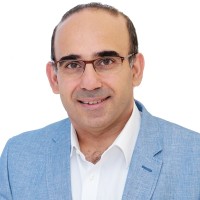 Mohamad Mohty合作论文数Clinical Hematology and Cellular Therapy Department, Saint-Antoine Hospital, Sorbonne University;Saint-Antoine Research Centre192
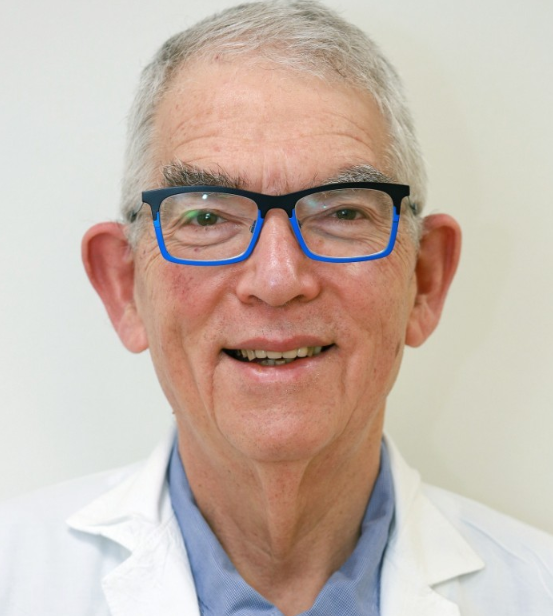 Arnon Nagler合作论文数Hemato-Oncology Center, Sheba Tel Hashomer City of Health;EBMT;Tel Aviv University;Israeli Bone Marrow Association168
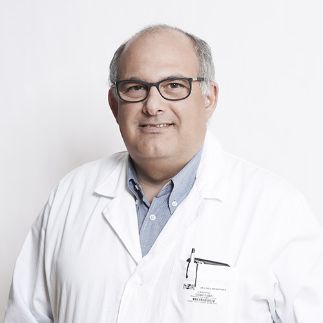 Ciceri Fabio合作论文数Universita Vita-Salute San Raffaele134
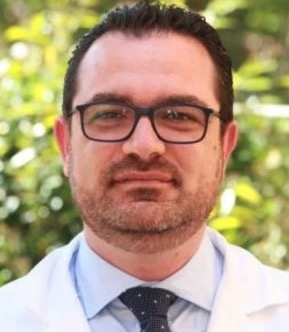 Jean El-Cheikh合作论文数Division of Hematology, American University of Beirut Medical Center;Naef K. Basile Cancer Institute, American University of Beirut Medical Center129
 Didier Blaise合作论文数Institut Paoli-Calmettes;Université Aix Marseille127
 Olivier Hermine合作论文数Hopital Necker-Enfants malades;Universite Paris Descartes;Inathéris124
 Myriam Labopin合作论文数Hospital Saint-Antoine;University Paris6113Eolia Brissot合作论文数Faculté de Médecine, Université de Nantes112
 Rami Mahfouz合作论文数Medical Center, American University of Beirut83
 Ibrahim yakoub-agha合作论文数78
 Iman Abou Dalle合作论文数American University of BeirutBeirutLebanon76Forcade Edouard合作论文数Service d'Hématologie clinique et de Thérapie cellulaire, Bordeaux, Pessac, France. edouardforcade@yahoo.fr73Nour Moukalled合作论文数American University of Beirut70
 Mohamed A. Kharfan Dabaja合作论文数Department of Hematology, Mayo Clinic;Mayo Clinic hospital in Jacksonville70
 Hugues de Thé合作论文数Collège de France70
 Mahmoud Aljurf合作论文数King Faisal Specialist Hospital and Research Centre68
 Nicolaus Kröger合作论文数Department of Stem Cell Transplantation, University Medical Center Hamburg-Eppendorf;Center for Oncolog, University Medical Center Hamburg-Eppendorf;University of Hamburg61
 Hiba El Hajj合作论文数Department of Internal Medicine, American University of Beirut59Sebastian Giebel合作论文数58
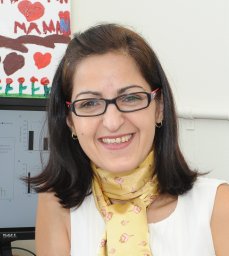 Rihab Nasr合作论文数Amer Univ Beirut, Dept Anat Cell Biol & Physiol Sci, Fac Med, Beirut, Lebanon57Jaime Sanz合作论文数56
 Jordi Esteve合作论文数Hospital Clínic de Barcelona54
 Gerard Socie合作论文数AP-HP Hospital Saint Louis;University of Paris53
 Patrice Chevallier合作论文数Centre Hospitalier Universitaire de Nantes53
 Zaher Otrock合作论文数48Peter Dreger合作论文数46Gesine Bug合作论文数Universitätsklinikum Frankfurt/Main
Medizinische Klinik II
Theodor-Stern-Kai 7
60590 Frankfurt / Main40Christoph Schmid合作论文数38
Zaher Otrock合作论文数48Peter Dreger合作论文数46Gesine Bug合作论文数Universitätsklinikum Frankfurt/Main
Medizinische Klinik II
Theodor-Stern-Kai 7
60590 Frankfurt / Main40Christoph Schmid合作论文数38 Radwan Massoud合作论文数Dept Stem Cell Transplantat, Univ Med Ctr Hamburg Eppendorf38Alexandros Spyridonidis合作论文数Department of Hematology and Oncology, University Medical Center37Anna Sureda合作论文数36
 Xavier Poire合作论文数Service d'Hématologie, Cliniques Universitaires Saint-Luc, Université Catholique de Louvain;Faculté de Médecine et Médecine Dentaire, Université Catholique de Louvain36Annalisa Ruggeri合作论文数35Bipin N. Savani合作论文数34Anne Huynh合作论文数33
 Maija Itala-Remes合作论文数33
 Tobias Gedde-Dahl合作论文数Department of Haematology, University of Oslo;Institute of Clinical Medicine, Faculty of Medicine, University of Oslo;Department of Haematology, Oslo University Hospital33Jurjen Versluis合作论文数medical center Cancer Institute, Erasmus University32Youmna Kfoury合作论文数Faculty of Medicine, American University of Beirut32Bertram Glass合作论文数31
 Hélène Labussière-Wallet合作论文数Department of Hematology, Lyon-Sud Hospital31
 Marwan El-Sabban合作论文数Department of Anatomy, Cell Biology and Physiological Sciences, Faculty of Medicine, American University of Beirut31
 Jakob Passweg合作论文数University of Basel;Basel University Hospital30
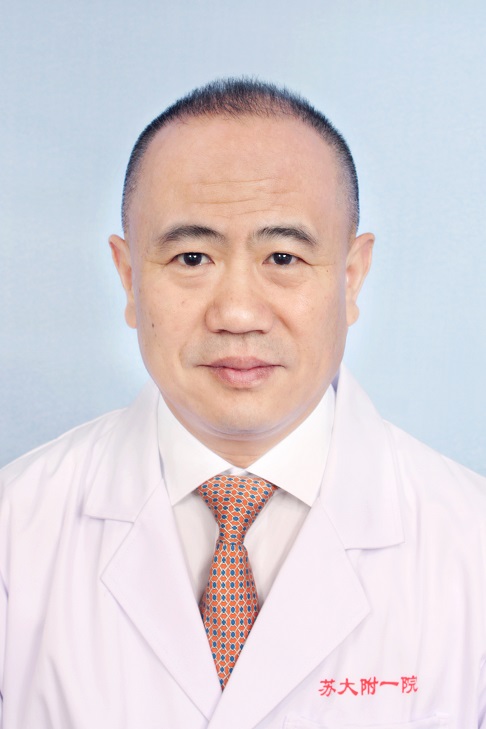 Depei Wu (吴德沛)合作论文数The First Affiliated Hospital of Soochow University;State Key Laboratory of Radiation Medicine and Protection, Soochow University30
 Johan Maertens合作论文数Department of Hematology, Universitair Ziekenhuis Leuven;Laboratory of Clinical Microbiology, Departement Microbiologie, Immunologie en Transplantatie, KU Leuven30
 Frédéric Baron合作论文数Laboratory of Hematology, GIGA Institute, Département des Sciences Cliniques, Faculté de Médecine, University of Liège30Jan Vydra合作论文数29Urpu Salmenniemi合作论文数28Florent Malard合作论文数27




