Credibility is fundamental to the continued development and integration of therapeutic massage and bodywork as a health profession. However, credibility does not arise automatically from advances in education, regulation, research, or professional standards. Drawing on literature from massage therapy, professional identity, sociology of professions, and health professional education, this editorial argues that credibility is a social judgment conferred through recognition by patients, colleagues, regulators, and the public. The discussion examines the relationships among professionalization, professional identity, trust, and everyday practice, emphasizing the importance of communication, informed consent, collaboration, accountability, and professional conduct. Credibility is presented not as an achievement but as an ongoing professional responsibility earned through the consistent demonstration of competence, integrity, and trustworthiness across professional contexts.
Language shapes how therapeutic massage and bodywork are perceived by clients, colleagues, policymakers, and the public. Professional credibility depends not only on what practitioners do but also on how they describe their work. The diversity of terms used across research, education, and practice reflects the field's richness but can also blur its public image, limit research coherence, and hinder integration within health systems. This editorial examines the role of language in defining professional credibility and reviews key initiatives that have sought to establish shared terminology and taxonomies. By advancing collaboration across research, education, and practice, massage therapists can continue to refine their professional language. Clear, credible, and inclusive communication strengthens public trust and reinforces massage therapy's contribution to health and well-being across the continuum of care.
Advocacy is widely recognized across the health professions as an ethical responsibility grounded in patient care, yet it is often understood as an individual rather than collective activity. For therapeutic massage and bodywork practitioners, advocacy most often takes the form of patient advocacy enacted within every-day clinical practice. However, repeated encounters with systemic barriers reveal the limits of individual action and prompt a shift toward collective advocacy. Drawing on literature from nursing, pharmacy, mental health, and integrative health, this editorial examines how advocacy extends from individual care to coordinated action across local, national, and global contexts. The discussion emphasizes alignment without uniformity, highlighting the role of shared priorities, negotiated coherence, and professional stewardship. Advocacy is framed not as a departure from care but as its continuation into the structures that shape access, integration, and recognition.
Peer review is a vital component of scholarly publishing, ensuring that research adheres to the highest standards of rigor, relevance, and integrity. For the International Journal of Therapeutic Massage & Bodywork (IJTMB), peer reviewers play a critical role in advancing the field by providing constructive feedback and supporting the development of impactful research. This editorial outlines the expectations for IJTMB reviewers, emphasizing objectivity, inclusivity, cultural competence, and timeliness. Practical guidelines for conducting a thorough review are provided. Additionally, the editorial highlights key resources available to reviewers. By working together, reviewers, editors, and authors can strengthen evidence-based practice in therapeutic massage and bodywork.
Leadership in therapeutic massage and bodywork is often associated with formal roles or titles. However, the profession benefits when leadership is recognized as action rooted in values, not status. This editorial explores how informal leadership-expressed through innovation, policy engagement, mentorship, and lifelong learning-can strengthen the profession and expand its influence. Drawing from current scholarship and professional practice, it calls on practitioners, educators, and researchers to embrace their capacity to lead in ways that are collaborative, inclusive, and transformative.
This special issue of the International Journal of Therapeutic Massage & Bodywork focuses on the intersection of massage therapy and mental health, highlighting the growing body of research exploring its role in psychological well-being. With contributions from leading researchers and practitioners, this issue examines the mechanisms, applications, and outcomes of massage therapy in supporting mental health across diverse populations. Through the collaborative efforts of authors, reviewers, and guest editors Dr. Cynthia Price and Dr. Sarah Fogarty, this collection of work aims to deepen our understanding of how massage therapy can be integrated into mental health care and broader health-care systems.
Interprofessional collaboration enhances health care by fostering communication, improving patient outcomes, and integrating diverse expertise. For therapeutic massage and bodywork (TMB) practitioners, engaging in interprofessional practice remains a challenge due to professional silos, limited research engagement, and other barriers to integration within health-care teams. This article explores the potential of research as a mechanism for strengthening interprofessional collaboration, positioning TMB practitioners as active contributors to evidence-informed health care. By fostering a stronger research culture, TMB can enhance its role within health-care systems, create new opportunities for integration, and contribute meaningfully to interdisciplinary patient care.
The International Journal of Therapeutic Massage and Bodywork (IJTMB) serves as a dedicated platform for advancing the therapeutic massage and bodywork profession through research, practice, and education. In this article, the focus is on the critical aspect of research, exploring various methodologies and methods to unveil the complexities within therapeutic massage and bodywork research. The IJTMB emphasizes the importance of diversifying research types, considering carefully the methods used, and placing all decisions for research study design and methods within relevant ethical considerations. The necessity of knowledge translation, pushing researchers to disseminate their findings widely, and bridging the gap between research and practice for the betterment of the profession and the broader community are emphasized. The IJTMB remains committed to inspiring and facilitating this vibrant exchange of knowledge within the TMB community, thereby advancing the field.
This editorial is the final in a three-part series discussing the pillars of the International Journal of Therapeutic Massage and Bodywork: research, practice, and education. Highlighting the need for scholarly discourse, this piece aims to inspire therapeutic massage and body-work (TMB) educators to share their creative approaches to educational matters. The author advocates for a united effort to share knowledge and practices that will enrich TMB education and, ultimately, professional practice.
This editorial continues the exploration of the three pillars of the International Journal of Therapeutic Massage and Bodywork. We discuss opportunities in TMB practice to share experiences and learnings with the IJTMB community. Several exemplars of manuscripts published in the Practice Sections are shared for inspiration.
This editorial reflects on the continued professionalization of therapeutic massage and bodywork (TMB) in 2024 through collaboration, growth, and enhanced communication, as highlighted by the International Journal of Therapeutic Massage & Bodywork (IJTMB). Key achievements include the publication of high-quality articles and editorials that explore diverse areas of research, clinical practice, and education. We express deep gratitude to the authors, reviewers, readers, and funders who have supported the journal's mission to advance the profession. Looking ahead to 2025, we invite continued contributions from our community and highlight an upcoming special edition on the intersection of mental health and massage therapy. As always, the journal remains a vital platform for sharing insights and fostering professional growth within the TMB field.
Background: The COVID-19 pandemic was a time of rapid change and uncertainty, with individual jurisdictions within countries implementing a variety of preventative measures. At the onset of the pandemic, as little was known about how COVID-19 was transmitted, restrictions, such as lockdowns, were implemented to prevent further spread of this virus. In many jurisdictions, massage therapists were deemed as nonessential for a period. This disruption to their livelihood, as a professional group and without autonomy to decide, was unprecedented. This prompted the question as to whether this experience had impacted massage therapists' professional identity. Methods: A sequential explanatory mixed methods design was used and massage therapists in Australia and Canada were recruited to participate. Results from a quantitative questionnaire completed by 649 respondents and from 31 semistructured interviews from a subset of the questionnaire participants were used in the mixed analysis. Results: Massage therapists, impacted by the pandemic, experienced a discord between what it means to be a massage therapist, providing patient-centered care and the public health initiatives implemented during the pandemic. This discord occurred in multiple situations and the type of discord was influenced by a number of factors, including how therapists identified themselves within the workforce (i.e., as a health care provider or a service provider). Conclusion: This study sought to understand how the COVID-19 pandemic impacted massage therapists' professional identity. Massage therapists reported that the pandemic impacted their professional identity through a lack of congruence and discord between their identity-constituting beliefs and what it means to be a massage therapist. The sequela to this discord was therapists experiencing different types of moral distress and or moral injury. Future research is needed to determine the longer-term impacts of COVID-19 on massage therapists.
This editorial marks a change in the Edi-torial Board of the International Journal of Therapeutic Massage and Bodywork. The new Executive Editor/Editor-in-Chief, Dr. Amanda Baskwill, shares her gratitude for the outgoing journal leadership, an-nounces new Editorial Board staff, and identifies two initiatives for 2023.
Background: The COVID-19 pandemic was a time of rapid change and uncertainty, with individual jurisdictions within countries implementing a variety of preventative measures. At the onset of the pandemic, as little was known about how COVID-19 was transmitted, restrictions, such as lockdowns, were implemented to prevent further spread of this virus. In many jurisdictions, massage therapists were deemed as nonessential for a period. This disruption to their livelihood, as a professional group and without autonomy to decide, was unprecedented. This prompted the question as to whether this experience had impacted massage therapists' professional identity. Methods: A sequential explanatory mixed methods design was used and massage therapists in Australia and Canada were recruited to participate. Results from a quantitative questionnaire completed by 649 respondents and from 31 semistructured interviews from a subset of the questionnaire participants were used in the mixed analysis. Results: Massage therapists, impacted by the pandemic, experienced a discord between what it means to be a massage therapist, providing patient-centered care and the public health initiatives implemented during the pandemic. This discord occurred in multiple situations and the type of discord was influenced by a number of factors, including how therapists identified themselves within the workforce (i.e., as a health care provider or a service provider). Conclusion: This study sought to understand how the COVID-19 pandemic impacted massage therapists' professional identity. Massage therapists reported that the pandemic impacted their professional identity through a lack of congruence and discord between their identity-constituting beliefs and what it means to be a massage therapist. The sequela to this discord was therapists experiencing different types of moral distress and or moral injury. Future research is needed to determine the longer-term impacts of COVID-19 on massage therapists.
Peer reviewers are instrumental to the publication of high-quality scholarly manuscripts. However, there are challenges within current models, including how best to recognize (and reward) reviewers for their contribution. The International Journal of Therapeutic Massage and Bodywork Editorial Team is committed to enhancing the peer-review process in 2023 and invites colleagues to become reviewers.
In this editorial, Executive Editor and Editor-in-Chief, Dr. Amanda Baskwill, celebrates 15 years of publications of the IJTMB.
Generative artificial intelligence (AI) has become a hot topic, particularly ChatGPT's quick adoption and popularity, prompting discussions about its disruptive potential in health care, education, and creative sectors. The author, an early adopter, shares personal insights on leveraging generative AI for creative tasks and communication challenges, while also exploring its role as a tool rather than an author. Opportunities and limitations of integrating generative AI in the massage therapy field are explored, reflecting on the profession's reluctance to embrace technology and the potential efficiency gains. While acknowledging generative AI's creative promise, the importance of ethical and regulated utilization, highlighting data biases and limitations, is underscored. Overall, a balanced and responsible approach to incorporating generative AI into various domains is recommended.
Abstract Objectives Individuals have multiple, competing identities that vary in importance to the self. Professional identity is a way in which individuals attribute meaning to their contribution to society and is influenced by complex factors. Globally, the roles and responsibilities of massage therapists (MTs) vary, making it challenging to articulate a cohesive professional identity. This article describes the investigation into the variables which influenced response regarding MTs’ professional identity in Ontario, Canada. Methods An online questionnaire was distributed to active MTs with available email addresses in the public register of the College of Massage Therapists of Ontario. Chi-square tests of independence were used to compare dependent variables with independent variables. Significance was adjusted post hoc, using Bonferroni’s correction, to reduce the chance of a type I error occurring. The threshold for significance was adjusted from p≤0.05 to p≤0.01 as multiple analyses were conducted with a high response rate. Results The results provided insight into the variables associated with differences in responses. Variation was seen based on gender, primary practice setting, length in practice, additional education, additional roles within the profession, additional designation as a healthcare provider, and membership in the RMTAO (Registered Massage Therapists’ Association of Ontario). Conclusions While previous studies sought to describe the common and unifying features of MTs’ identity, these findings provide insight into variables that determine differences in responses. These findings are valuable for the development of future studies. They provide a priori assumptions regarding the inclusion of these demographic items that can inform decisions regarding enrollment of the sample and data analysis.
Introduction: In late 2019, a pathogen outbreak occurred that rapidly spread, resulting in the coronavirus disease 2019 (COVID-19) global pandemic. Governments responded to the pandemic with a range of strategies, including forced quarantines and nationwide lockdowns. Research on professional identity during the pandemic has predominately focused on health care providers declared as "essential" rather than "nonessential." In this study, the authors examine the impacts on the professional identity of massage therapists (MTs) who were predominately deemed as nonessential health care providers during the COVID-19 pandemic. Materials and methods: An online, questionnaire-based study sought to answer "In what ways has the professional identity of MTs in Canada and Australia been impacted by the COVID-19 global pandemic?" MTs in Canada and Australia were recruited using convenience sampling through e-mail and social media. A questionnaire was developed and pilot tested before implementation. Results: Six hundred and forty-nine MTs participated (329 from Canada and 316 from Australia). Known constructs of professional identity that were affected during the pandemic included not feeling respected as a health care practitioner, feeling less professional than other health care providers, and experiencing burnout. New constructs that may have developed out of the pandemic and the measures established to manage them included being classified as nonessential and feeling a sense of camaraderie and belonging. Conclusions: This study is the first of its kind to report the impact of the COVID-19 pandemic on the professional identity of MTs. The emerging constructs reported will be used to create interview questions for the subsequent qualitative strand of this explanatory mixed-methods study. In the qualitative study, respondents will be invited to share their experiences with their own voice to further the understanding of the impact of the COVID-19 pandemic on MTs' professional identity.
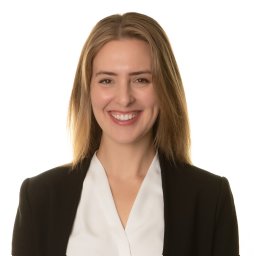 Vanstone Meredith合作论文数The University of Western Ontario4
 Kelly L. Dore合作论文数4
 Del Harnish合作论文数3Rebecca Barnett合作论文数3Bryn Sumpton, BScN合作论文数3Lisa Fiddes合作论文数2Felicia Calleri合作论文数2
 Leila K Kelleher合作论文数School of Hospitality, Recreation, and Tourism, Humber College2
 Fogarty Sarah合作论文数National Institute of Complementary Medicine, University of Western Sydney2Paul Finch合作论文数2Phillipa J. Hay合作论文数2
 Janet Maher合作论文数1Isaac Aguaristi合作论文数1
 Fernando Cabo合作论文数1Trish Dryden合作论文数1
 Baljit Kaur Khamba合作论文数1Anne Leis合作论文数1Preyde Michèle合作论文数1
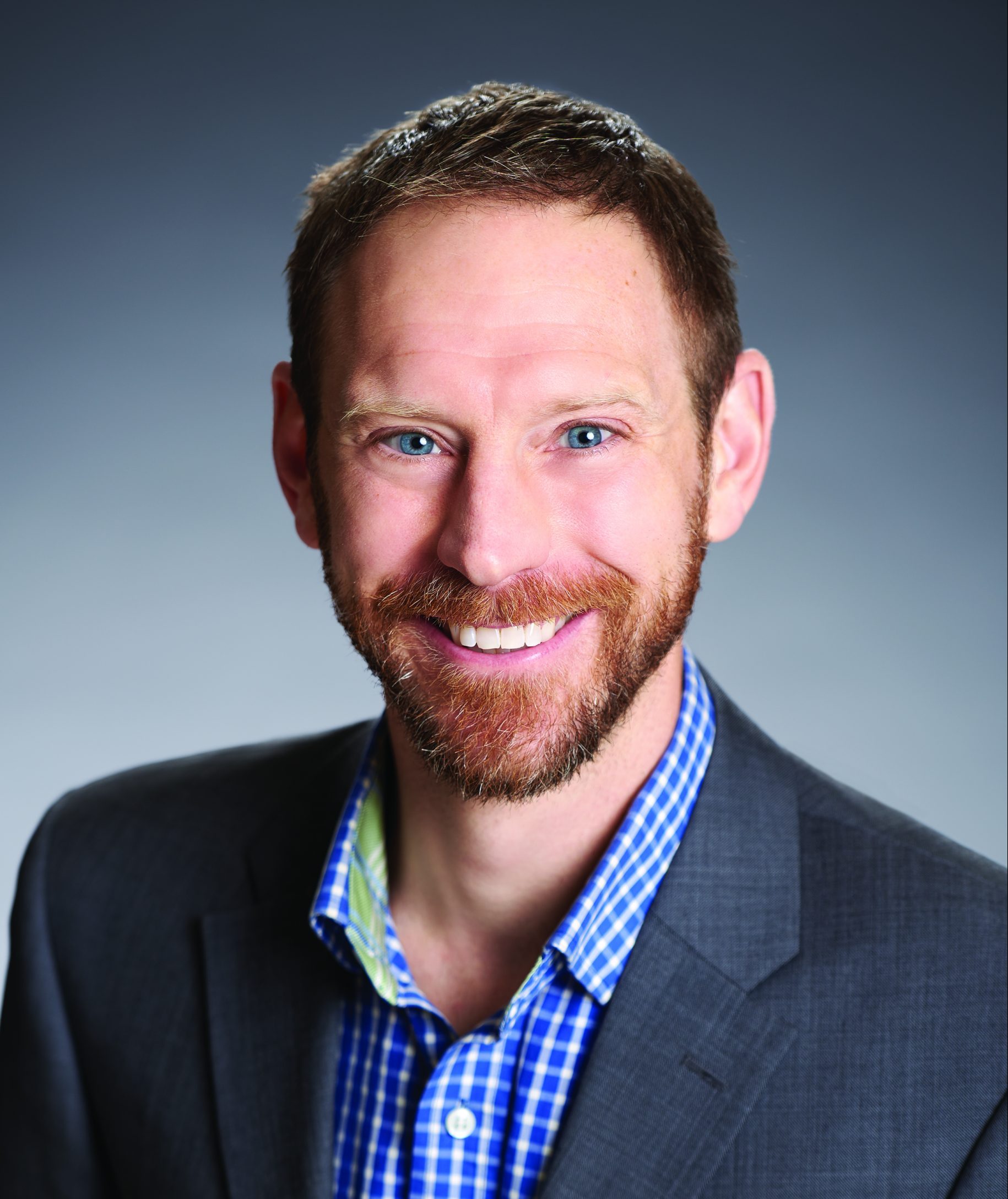 Cooley Kieran合作论文数Canadian College of Naturopathic Medicine, Research & Clinical Epidemiology, Toronto, Canada1
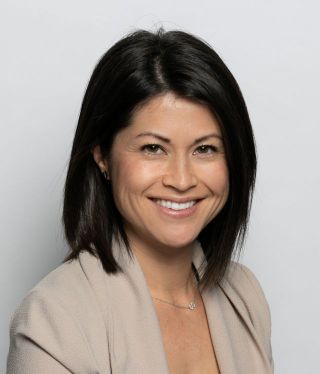 Kristina Lisk合作论文数Department of Surgery, Temerty Faculty of Medicine, University of Toronto1Shipwright Stacey合作论文数1Peter Becker合作论文数1
 Pat Mckee合作论文数1
 Anne Agur合作论文数Department of Surgery, University of Toronto1Frank Marincola合作论文数1Lynda Atack合作论文数1




