Climate change is drastically altering habitats and biodiversity in Northern Canada, threatening Inuit food security and traditional lifestyles. Monitoring these sensitive ecosystems will help track spatiotemporal impacts of environmental constraints. We coupled drone and aerial surveys with historical colony counts to map culturally important seabird hotspots within a Nunatsiavut polynya system during ice-covered and ice-free seasons. Seasonal shifts in seabird abundance and distribution were evident, with more individuals present during the ice-free season. In 2023, we recorded the highest Common Eider colony counts to date, with 1859 breeding pairs. Three gull species declined sharply between 1978 and 2012, reflecting regional trends, but colony sizes have since stabilised or increased. Double-crested Cormorant colony sizes have remained stable for 20 years, yet community members report large abundance increases and northern range shifts. Notably, the area supports nationally important aggregations of foraging Razorbill, exceeding the threshold for Key Biodiversity Area nomination. These abundance and distribution patterns can support Inuit-led conservation initiatives, from protected area planning to assessing risks to egg and meat harvests. Continuing to integrate Inuit Knowledge and community priorities with modern tools will help inform whether nationally important bird populations will persist in this ecologically unique region under future climate pressures.
To manage and protect marine ecosystems, we first need a spatialised knowledge of the seascape-scale processes surrounding them. However, we lack spatially explicit understanding of how regional processes influence biological patterns in many marine systems. This is especially true of remote marine ecosystems, such as those in the deep sea. Here, we conceptualise potential seascape-scale environmental influences on deep-sea hydrothermal vent ecosystems, guided by experts and literature. We propose environmental characteristics that may shape local biodiversity patterns, such as community structure, habitat availability, and temporal stability. Next, we develop pipelines from data extraction to analysis to improve spatial data accessibility and investigate which variables can be used to draw similarities among vent fields. Finally, we group vents from different regions according to shared environmental characteristics. We show that vents that are spatially isolated and have different species pools can share similar environmental characteristics across ocean basins, including geological, oceanographic, and biological dynamics. We thus illustrate how large-scale environmental data can be used to compare seascape attributes across remote, island-like vent ecosystems. We suggest that looking beyond local scales to consider how seascapes both influence and distinguish different vent systems within a global setting is important for conservation and macroecological contexts.
Seamount ecosystems are increasingly exposed to rapid oceanographic change, including warming waters, declining oxygen concentrations, and the upward migration of carbonate saturation horizons. Together, these processes are compressing the depth ranges of suitable habitat for many deep-sea organisms and altering the environmental conditions structuring benthic communities. While deep-sea environments have historically been considered relatively stable due to low environmental variability, empirical evidence documenting how populations respond to ongoing ocean change remains scarce. Here, we use high-resolution photogrammetric reconstructions of 12 monitoring sites (350-1111 m depth) across three Northeast Pacific seamounts to assess changes in the abundance and condition (i.e., health) of cold-water corals and sponges. Baseline reconstructions established in 2018 were compared with repeat surveys conducted 3-5 years later. Contrary to expectations for these slow-growing, long-lived species, significant declines in both abundance and condition were observed. Across the 12 sites, 163 of 844 individuals were lost between surveys, with abundance declining at five sites and condition declining at nine. The most severe losses occurred at a single site on Explorer Seamount, where 51% of individuals were lost, including approximately 80% of the dominant sponge species. Sponges experienced greater declines than corals across all metrics, and the most impacted sites were not consistently located within the lowest oxygen concentrations of the expanding oxygen minimum zone. Although abundance change did not differ significantly among oxygen zones, condition scores were lower at sites with the lowest oxygen levels. These findings suggest that early impacts of ocean change may already be occurring in deep-sea foundation species, highlighting the importance of repeat monitoring to detect rapid ecological change in environments traditionally assumed to be stable.
Marine heatwaves are becoming more frequent and severe, bringing strong ecological change. When heatwaves disturb or eliminate biogenic habitats, such as kelp forests, local species must respond to both heatwave-related temperature extremes and the loss of foundational habitat. Here, we tested whether 2 Pacific heatwaves, the 1997-98 El Ni & ntilde;o and the 2014-16 simultaneous Heat Blob and El Ni & ntilde;o, drove fish community changes in a kelp forest ecosystem in the same direction as expected with gradual warming. To test this, we quantified community thermal affinity shifts following each heatwave using long-term monitoring data from the Channel Islands National Park (California, USA). We compared fish communities from 16 permanent monitoring sites across 5 islands that represented kelp forests and sea urchin barrens over heatwave phases, including recovery. Species observed during both heatwaves had warmer realized thermal affinities and larger range sizes. However, recovery trajectories differed across the 2 heatwaves. Fish communities returned to a similar pre-event state after the 1997-98 El Ni & ntilde;o, but not after the more severe (in magnitude and duration) 2014-16 Heat Blob and El Ni & ntilde;o. In addition, sites characterized as barrens or mixed (barren and kelp patches) tended to host species with warmer thermal affinities and broader thermal ranges relative to kelp-forested sites. Our findings implicate declines in kelp and expanding sea urchin populations in facilitating heatwave-related tropicalization. We highlight the role of heatwaves in restructuring reef fish communities towards a more tropical composition, in part by shrinking kelp habitats that strengthen the biological resilience of communities to heat stress.
While many organisms living in naturally variable environments have evolved tolerance to moderate environmental fluctuations, anthropogenic influences are driving more frequent and extreme climate events. The timing and sequence of stressor events may alter the responses of organisms. For instance, in the intertidal zone, organisms can experience daily temperature extremes that range by 10 or more degrees C. When the weather changes, a heat or cold event can further precede or follow a high rainfall, which "freshens" intertidal habitats. We selected a high intertidal copepod, Tigriopus californicus, for our experiment because it is exposed to extremes of both temperature and salinity stress, and lives at high density in intertidal pools in all seasons of the year. We designed two experiments to test whether repeated extreme heat or freshening leads to different survival outcomes compared to a heat stress that falls before or after a freshening event (double heat, double freshening, heat then freshening, freshening then heat). The second set of experiments had the same design, however, with cold stress replacing heat. To test if a "rest" period between stressors influences survivorship, we integrated different latency periods (0, 12, 24 h) across all experiments. We found that double or single (followed or preceded by an extreme temperature exposure) freshening stress led to lower survival in comparison to double temperature stress (both heat and cold). Sequence pattern further influenced the probability of survival when freshening was applied with heat, but not cold. But we found no shift in survivorship with latency periods of up to 24 h. Our results highlight the importance of considering the specific order and timing of naturally relevant stressors in experimental designs aimed at understanding how organisms respond to multiple stressors.
Climate change-driven alterations of marine ecosystems have motivated predictions of future change that require a foundational understanding of how species relate to their environment. Here, we advance current knowledge on the ecologies of two co-occurring species with distinct environmental preferences in the northwest Atlantic: striped shrimp (Pandalus montagui) and northern shrimp (P. borealis). Quantile generalized additive models (qGAMs) characterize environments of maximum ecological performance, confirming a relatively shallower and cooler niche for striped shrimp and providing support for the abundant-center effect predicted by macroecological theory. GAMs testing effects of large-scale climate drivers [North Atlantic Oscillation (NAO) and sea surface temperature (SST)] on abundances revealed variable effects of NAO and SST and unique species responses across fishery shrimp fishing areas (SFAs) (100 s of kms), possibly explained by nonstationarity in environmental gradients or different variables driving abundances. qGAMs revealed a strong effect of in situ temperature on both species' abundances across a broad scale (1000 s of kms). Thermal niche tracking by both species was supported by the conservation of realized thermal niche boundaries through time within SFAs, underpinning predictions of losses of both species that differed by SFA under forecasted warming. Given the commercial and ecological importance of these species, our work highlights the importance of incorporating regional variability in species responses into management strategies, aiding in mitigating consequences of abundance declines with warming.
Climate change is reshaping biodiversity globally, but not uniformly. Many regions are severely impacted by losses, yet areas and habitats of varying scales exist where climate change impacts are expected to remain comparatively low. The identification and forecasting of such areas, termed climate change refugia, represents conservation capacity for improving resilience of natural and managed ecosystems. However, we still lack methods for detecting and integrating refugia into spatial management plans that incorporate physiological information, especially in marine environments. We offer a new framework to bridge the gap between large-scale environmental modelling and individual- to species-level physiology to identify current and future ocean refugia for biological conservation. We introduce the concept of the “physiological seascape”, which integrates spatial-temporal heterogeneity in climatic drivers, stability and uniqueness of those drivers at organism-relevant scales, and direct and indirect assessments of physiological sensitivity. We provide two theoretical exploratory examples and recommend that mapping the intersection of refugia and biodiversity become part of priority setting within spatial conservation instruments (e.g., as part of cumulative effects assessments), to inform climate-ready biodiversity conservation and restoration actions.
Climate change is increasing temperature variability, driving more frequent and intense heat events that risk pushing species beyond their thermal limits. Ectotherms, which rely on external sources to regulate their body temperature, are especially vulnerable to heat stress. Understanding the range of body temperatures ectotherms experience in the field is essential for assessing how they respond to changing thermal regimes. Yet, point-source temperature loggers often fail to capture the complexity of thermoregulation in living organisms. Infrared thermography (IRT) offers a portable, cost-effective alternative for measuring body surface temperatures of terrestrial and intertidal species. Using IRT, we investigated how biological factors (size, aggregation) and environmental conditions (air, sea surface (SST), and substrate temperatures; humidity, wind, and microhabitat) influenced body surface temperatures of Pisaster ochraceus during summer low tides on Vancouver Island, Canada. We found that body size, aggregation, and wind speed did not predict body surface temperature. We further measured body surface temperatures which differed from ambient air (-6.2 ± 2.5 °C), SST (-1.4 ± 1.2 °C), and adjacent rocks (substrate temperature; -0.6 ± 1.2 °C), particularly where animals occupied heat-protected microhabitats on low humidity days (mean ± SD). Thus, sea star temperatures deviated significantly from environmental temperatures, with most animals maintaining low temperatures in the field, even on hot days. These findings demonstrate the limitations of using air and SST as proxies for body temperature, highlight evaporative cooling as an important thermoregulatory mechanism in intertidal animals, and underscore the value of IRT for thermal biology.
Climate change is altering ocean temperatures. In the Northwest Atlantic, seasonal cooling (16 to-1.5 degrees C) is expected to drive cold adaptation through genetic or behavioral mechanisms. In fractional spawners, seasonal temperature shifts may cause phenotypic metabolic divergence between settlement pulses within a population, affecting year-class recruitment. We used a retrospective otolith-based stable isotope method to examine relationships between field metabolic rate and temperature in two genetically homogenous age-0 Atlantic Cod (Gadus morhua) settlement groups from Newman Sound, Newfoundland. We found significant variation in temperature-corrected field metabolic rates between settlement groups within Newman Sound (metabolic plasticity), and also between Newman Sound individuals and those from a population from the northeast Atlantic (genetic variation). Individuals experiencing higher temperatures during early development maintain a higher mass and temperature-corrected field metabolic rate than those experiencing cooler ocean temperatures. We conclude that age-0 Atlantic Cod in Newman Sound exhibit metabolic plasticity, which could enhance resilience to increasing climate variability imposed by cooling winters in the Northwest Atlantic.
There are thousands of codes of conduct in workplaces. However, most are general for all employees and do not address the behaviour of scientists conducting fieldwork and associated activities. Thus, through consultation with many colleagues within and outside the Global Earth Observation Biodiversity Observation Network, we synthesised a proposed code of practice for researchers. This is applicable to people working in environmental sciences, including ecology, biogeography, geology and associated subjects involving fieldwork. Highlights This code of conduct recommends that scientists: Respect all people, nature and laws Challenge inappropriate behaviour and misinformation Maintain their integrity and be accountable Minimise impacts on wildlife and habitats Publish their findings with full acknowledgements
Temperate intertidal ecosystems form dynamic interfaces between marine and terrestrial environments, where tidal exposure creates predictable windows of resource availability. While these habitats are known to support diverse marine communities, their use by terrestrial mammals and birds remains poorly documented. We deployed 39 unbaited camera traps along intertidal shorelines in Barkley Sound, Vancouver Island, British Columbia, from March to December 2024 to characterize taxonomic composition, behavior, and temporal patterns of wildlife use. We identified 3313 independent detection events representing 11 mammal species and 12 bird families. Birds, particularly waterfowl, were the most frequently detected taxa, followed by black bears (Ursus americanus), black-tailed deer (Odocoileus hemionus), and raccoons (Procyon lotor). Black bears were most active during low tides and exhibited both traveling and foraging behaviors (56% of behaviors traveling; 41% foraging, e.g., overturning rocks, digging in substrate), with seasonal peaks in spring and autumn. Raccoons also foraged and were most active at mid-tide. Smaller-bodied mesocarnivores, including mink (Neogale vison), marten (Martes americana), and ermine (Mustela erminea), were infrequently detected, together accounting for <3% of detections. Herbivores, particularly black-tailed deer, primarily traveled along the shoreline (91% of behaviors traveling). Diel overlap between gray wolves (Canis lupus) and deer was high (Delta(1) = 0.76, 95% CI = 0.61-0.90), with both species showing crepuscular activity. These results demonstrate that temperate intertidal habitats support diverse terrestrial and avian taxa and function as both foraging areas and movement corridors within coastal environments, highlighting the role of the intertidal zone in linking marine and terrestrial ecosystems.
Under accelerating global change, trait-based approaches are emerging as essential tools in the ecological restoration toolbox. Where restoration has traditionally focused on the recovery of focal species in isolated systems, trait-based methods can provide a common language that extends beyond species- or system-specific contexts, allowing scientists and practitioners to translate insights across organisms and ecosystems and predict functional variation critical to resilience in the face of rapidly changing environmental conditions. Trait-based insights can thus help achieve restoration that is both adaptable and scalable as future climate scenarios unfold. To date, trait-based approaches to restoration have developed and proceeded independently across habitats and ecosystems, limiting information sharing and innovation. Here, we synthesize diverse perspectives and research on trait-informed restoration across ecosystems, distilling our findings into three key insights. First, variable contexts and trade-offs in trait-function linkages shape restoration outcomes at distinct ecological scales and project stages. For example, individual-level traits that underpin stress tolerance may play a critical role in initial survival and establishment during early project stages, while traits that influence species interactions and modify energy transformation may play a larger role as communities reassemble and ecosystem function becomes a priority at later stages. Second, coordinating trait-informed restoration across ecosystems can advance multi-trophic and multi-system restoration by closing the divide between "top down" approaches that target individual organisms or populations typically in large, mobile animal reintroductions and "bottom-up" approaches that target community-level organization in the restoration of foundation species. Finally, enhanced interdisciplinary communication and knowledge-sharing can help develop solutions to major challenges hindering the progress of trait-informed restoration (e.g., accounting for intraspecific variation). As novel environmental conditions continue to arise, an integrative approach to trait-informed restoration that spans ecological scales, promotes knowledge-sharing across diverse ecosystems, and fosters management-science collaboration can help unify and advance restoration efforts under current and future disturbance scenarios.
Understanding factors that drive the spawning behaviour of migratory fish populations is essential for effective and sustainable fisheries management. Pacific herring (Clupea pallasii) in the Strait of Georgia, British Columbia, Canada, have undergone a significant contraction in spawning range over the last century, abandoning numerous historical spawning sites in favour of a single dominant region. The mechanisms underpinning the reoccupation of these abandoned regions remain unclear. This study evaluated if habitat type limits reoccupation by quantifying spawning substrate availability at both active and abandoned sites and assessing spawning vegetation preferences. We developed a predictive model of egg deposition based on 36 years of dive surveys (1988-2024) and applied it to vegetation data collected via remotely operated vehicle surveys at eight sites. We found that herring prefer structurally complex vegetation, particularly the invasive macroalga (Sargassum muticum), which supports significantly higher predicted egg densities than native flat kelps or seagrasses. However, contrary to the habitat limitation hypothesis, abandoned sites frequently possess vegetation assemblages equal to or exceeding the quality and density of those at active spawning grounds. Substrate availability is thus not a primary bottleneck for spawning recovery at abandoned sites. Other factors may play a role, such as learned migratory behavior and the loss of diverse spawning contingents. Consequently, while vegetation restoration can benefit ecosystem functioning, the rapid recolonization of historical spawning grounds is unlikely without management interventions targeting population-level constraints rather than habitat enhancement alone.
ABSTRACT Protected areas (PA) are widely used to mitigate overfishing, but their conservation value depends on their size, age, take/no‐take regulations, compliance and enforcement. We evaluated fisher compliance of PAs within Barkley Sound, Canada, using recreational fishing effort location data from aerial surveys (2021–2023). We used these data to identify differences in fishing pressure between protected and unprotected reefs, allowing us to link fishing effort with ecological monitoring data to study shallow rocky reef community responses to protection. We assessed ecological patterns using 4 years (2021–2024) of SCUBA surveys at 27 protected and unprotected sites. PAs had high compliance: Only 1.1% of 7524 observed fishing boats were inside boundaries, with most illegal activity in the seasonally closed PA. Kernel density analyses identified fishing hotspots in sheltered waters near access points (e.g., marinas), suggesting fishers target areas that reduce time and financial costs and are protected from offshore waves. Despite 10–37× higher boat densities near unprotected reefs, the SCUBA survey data showed ecological responses were taxon‐specific and often weak. Fish species richness and biomass of fish ≥ 20 cm were slightly higher with protection, but total fish abundance showed opposite trends. Macroinvertebrates returned mixed responses: Red turban snails were more abundant at protected sites and sea urchins less abundant, whereas other groups showed no clear effects. Overall, we show PAs can effectively reduce fishing effort, but this does not guarantee PAs will significantly increase community biodiversity against the backdrop of natural variability unless other aspects of PA design (e.g., size and age) are adequate.
Aim: Identifying highly vulnerable regions to climate change is increasingly incorporated in marine management planning given the expected redistribution of species with latitude, longitude, and depth following temperature changes. Here, we developed a spatially explicit vulnerability framework incorporating sensitivity, exposure, and adaptive capacity of species living in one of the largest networks of Marine Protected Areas (MPAs) within the EU. Location: Azores Marine Park, North Atlantic. Methods: We quantified benthic, benthopelagic, and pelagic species sensitivity to temperature changes based on adult thermal affinity and georeferenced their distribution with quality-controlled records from various data compilators. To assess their exposure, we extracted historical (1995-2020) temperatures across latitudes, longitudes, and depths and calculated mean interannual change (i.e., increase or decrease) and variability. We estimated the adaptive capacity of species with traits related to relocation ability during adult and early life stages (i.e., "Motility" and "Developmental Mechanism") using the FUN Azores trait database. To map the results, we pooled the species into 3D-regions of 0.25 degrees x 0.25 degrees resolution and 50 and 500 m depth bands at shallow and deep areas, respectively. We assigned a sensitivity, exposure, and adaptive capacity score to each region based on species scores and combined them into a final vulnerability class (i.e., "Highly Vulnerable" (HV), "Advisable Monitoring" (AM), "Expected Relocation" (ER), and "Least Concern" (LC)). Results: HV and AM regions exist only in the benthic environment across various MPAs and depths. Increased mobility of species explains the absence of the most vulnerable categories in the benthopelagic and pelagic environments. Main Conclusions: We advise strong conservation measures in HV areas and to maintain connectivity with climate refugia and monitoring of environmental variables and populations in areas classified as AM and ER, respectively. Our results suggest that the Azores deep-sea benthos is the most vulnerable environment to both warming and temperature variations.
Ectotherms given time to acclimate to warmer environments, habitats or experimental treatments tend to tolerate higher maximum temperatures, but only slightly higher. This means warmer acclimated organisms live closer to their physiological temperature limits (their 'critical temperatures'). The reason for this modest-and often highly variable-plasticity of heat limits is debated but raises concerns for resilience to future climate warming. Experiments have shown heat tolerance is dependent not just on the magnitude of thermal stress but also on time via exposure duration. This implicates rate processes in the regulation of heat limits, yet few studies have explored this possibility. Invoking biological rates (such as metabolic rate) to explain the plasticity of critical temperatures is complicated by the need to account for temperature, time and the nonlinear dependence of rates on temperature. We developed a new approach to explore whether incorporating estimated metabolic rate and its thermal scaling could explain the apparently modest and highly variable capacities of ectotherms to adjust their heat limits. To do this, we re-evaluate a large thermal tolerance dataset for diverse ectothermic animals heated from different acclimation temperatures up to their critical temperature. By integrating temperature, time and the exponential relationship between temperature and metabolic rate, we compute a cumulative 'metabolic currency' that ectotherms expend (or accumulate) before reaching their heat limits. We then explore how this quantity varies for ectotherms acclimated to different temperatures. Our 'metabolic rescaling' has a dramatic impact on explaining variation in heat limits, revealing that heating tolerance is effectively fixed within a species such that heat limits from any acclimation temperature can be predicted with remarkable accuracy by measuring heat limits at any other acclimation temperature. Heating rate also has a strong, consistent, influence. Evidently, warmer-acclimated organisms only marginally elevate their critical temperatures because they have a fixed amount of energy to spend during heating, and they spend it at a faster rate in warmer temperatures. This provides a very different perspective to leading explanations that organismal heat limits are constrained by hard physiological boundaries and instead encourages unification of thermal tolerance and metabolic scaling theory.
Monitoring tools and indicators that incorporate ecological and socio-economic aspects of ecosystems can lead to improved management outcomes and resource use benefits. Local and Indigenous communities in Northern coastal environments, including Nunatsiavut (northern Labrador, Canada), strongly rely on marine resources for food security, social, economic, and cultural integrity. Integrating Indigenous Knowledge and Western science through ethical and principled collaboration with local stakeholders and rights holders is a prerequisite for improving outcomes that support the priorities of local communities. Here, we identify a framework for developing socio-ecological indicators for northern coastal systems using case studies from our research program in Nunatsiavut. We highlight the importance and challenges of integrating science and local knowledge for ocean monitoring and management, and share our experiences to guide future efforts. Our 5-year collaborative research program identifies indicators of status and function of coastal ecosystems, moving beyond historical Western science practices by incorporating local and regional socio-cultural knowledge and needs. We propose that monitoring programs should include practical and accessible indicators that support Inuit priorities (e.g., ice thickness, fish size, and fish flesh color) that local communities and resource users can sustainably monitor and link to local priorities.
AimEcological "bright spots" remain resilient following climate events such as marine heatwaves. One explanation for resilience is that small-scale variability in ocean temperature sustains cooler areas that emerge as local bright spots. In cases where foundational species like kelp thrive through marine heatwaves, the species that rely on kelp for habitat and food also benefit. Here, we test the effect of temperature and habitat loss across both space and time on marine invertebrate communities.LocationThe Channel Islands National Park in Southern California.MethodsWe use 25 years (1995-2019) of the National Park Service Kelp Forest Monitoring program surveys, focusing on permanent transects at 16 sites (including some within marine protected areas) that recorded the abundance of 30 kelp forest invertebrates, and include two major marine heatwave events (1997-1998 El Ni & ntilde;o event and 2014-2016 combined "Blob" and El Ni & ntilde;o event). We examine the effect of local in situ temperature and kelp cover on local diversity and drivers of abrupt diversity changes within the invertebrate communities.ResultsSites with more kelp cover and lower local temperatures supported more even invertebrate communities. Additionally, we show evidence of a major state shift within the invertebrate communities during the "Blob" event where local ocean temperatures at surveyed sites better predicted the presence of species density shifts than kelp cover did. Cooler sites underwent more abrupt changes in invertebrate abundance, with these changes resulting in increases of warm-affinity urchin species that prevented kelp recovery after the "Blob" resided.Main ConclusionsWe show that changes in kelp forest communities did not occur gradually, but through abrupt invertebrate abundance shifts even in protected areas. Contrary to expectations, we found some species benefitted from marine heatwaves, highlighting the importance of examining species-specific responses in improving our understanding of how communities respond to environmental changes and marine heatwaves.
Rapid biodiversity loss is raising concerns about potential declines in the functioning of Earth's ecosystems. Although decades of research explore biodiversity - ecosystem function (BEF) relations, empirical BEF assessments have lagged behind theoretical advances, particularly in marine benthic systems. Here, we incubate intact sediment push cores to examine the relationship between macroinfaunal community composition and benthic nutrient cycling in three nearshore sub-Arctic sites. First, we quantitatively assess potential effects of taxonomic and functional diversity, as well as community-weighted trait means, on oxygen and nutrient fluxes. Second, we examine fluxes in relation to macrofaunal abundance, oxygen consumption (a proxy for total core metabolism), and abundance of key functional groups, to test fundamental expectations based on ecological theory. We report distinct macrofaunal communities and contrasting benthic fluxes among sites, with oxygen and ammonium largely driving multivariate inter-site flux differences. Diversity indices and community-weighted trait means collectively explained similar to 76 % of the variation in multivariate fluxes but provided little insight into the mechanistic links between diversity and functioning. In fact, we find that total macrofaunal abundance was the key driver of benthic fluxes at our sites, rather than functional community composition, which may have important implications for coastal conservation planning. Overall, our findings emphasize the highly context-dependent nature of BEF relationships and highlight the need to improve empirical understanding of these patterns in complex, natural ecosystems.
 Graham Edgar合作论文数Institute for Marine and Antarctic Studies, University of Tasmania39
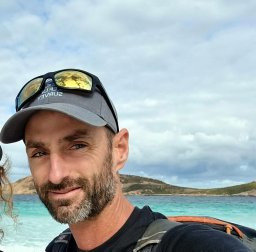 Rick D. Stuart-Smith合作论文数School of Zoology and Tasmanian Aquaculture and Fisheries Institute, University of Tasmania39
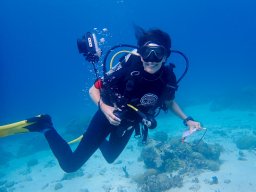 Maria Dornelas合作论文数Ctr Biol Divers, Univ St Andrews15
 Conor Waldock合作论文数Landscape Ecol, Swiss Fed Inst Technol14
 Simon Morley合作论文数University of Sussex14
 Neville S. Barrett合作论文数Tasmanian Aquaculture and Fisheries Institute, University of Tasmania14
 Jonathan S. Lefcheck合作论文数Coll William & Mary, Virginia Inst Marine Sci13
 Jennifer Sunday合作论文数Department of Biology, Faculty of Science, McGill University;Hakai Institute, British Columbia12Blowes Shane A合作论文数11
 Anne E. Magurran合作论文数School of Biology, University of St Andrews11
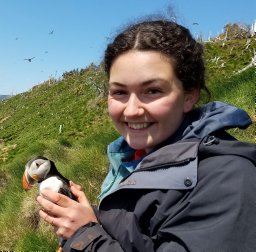 Cerren Richards合作论文数Department of Ocean Sciences, Memorial University of Newfoundland10
 Bjorkman Anne D合作论文数9
 Tomas J Bird合作论文数School of Geography and Environment, University of Southampton9
 Sarah Supp合作论文数9
 Helge Bruelheide合作论文数Department of Geobotany and Botanical Garden, Institute of Biology, Faculty of Natural Sciences, Martin Luther University Halle-Wittenberg8
 Richard B. Primack合作论文数Department of Biology, College of Arts & Sciences, Boston University8
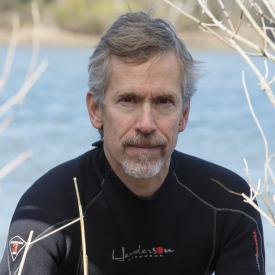 J. Emmett Duffy (Emmett Duffy)合作论文数Tennenbaum Marine Observatories Network, Smithsonian Institution8Diana E. Bowler合作论文数School of Environment, Natural Resources and Geography, Bangor University8
 Stuart Kininmonth合作论文数MSO, Australian Institute of Marine Science8
 Verena Julia Tunnicliffe (Verena Tunnicliffe)合作论文数Departments of Biology, School of Earth and Ocean Sciences, University of Victoria8
 Laura Antao合作论文数Res Ctr Ecol Change, Univ Helsinki7
 Isla Myers-Smith合作论文数Global Change, School of GeoSciences, The University of Edinburgh7
 Brian McGill合作论文数School of Biology and Ecology, The University of Maine7
 Marten Winter合作论文数SDiv - Synthesis Centre, German Center for Integrative Biodiversity Research7
 Jonathan Chase合作论文数German Centre for Integrative Biodiversity Research;Institute of Computer Science, Martin Luther University Halle-Wittenberg7
 Lloyd Peck合作论文数British Antarctic Survey, Natural Environment Research Council;Institute for Protein Biochemistry;Wolfson College, Cambridge University7
 Gretta Pecl合作论文数Centre for Marine Socioecology & ARC, University of Tasmania7
 Stewart Frusher合作论文数Australian Institute of Marine Science7
 Forest Isbell合作论文数Department of Ecology, Evolution, and Behavior, College of Biological Sciences, University of Minnesota;Institute on the Environment, University of Minnesota;Isbell Biodiversity Lab, University of Minnesota7Robert S C Cooke合作论文数6
 Paul B. Day合作论文数6
 Jasmin Schuster合作论文数Dept Ocean Sci, Mem Univ Newfoundland6
 Raymond Lee合作论文数6
 Nick Dulvy合作论文数Department of Biological Sciences, Simon Fraser University6
 Hines Jes合作论文数Department of Aquatic Ecology, Swiss Federal Institute of Aquatic Science and Technology;Department of Experimental Limnology, Leibniz Institute of Freshwater Ecology and Inland Fisheries (IGB),;Smithsonian Environmental Research Center;German Center for Integrative Biodiversity Research (iDiv), Halle-Jena-Leipzig, Germany.;Leibniz Institute of Freshwater Ecology and Inland Fisheries (IGB),, Smithsonian Environmental Research Center6
 Mark Costello合作论文数Faculty of Biosciences and Aquaculture, Nord University6
 Faye Moyes合作论文数School of Biology, University of St. Andrews6
 Navarro Laetitia M合作论文数German Centre for Integrative Biodiversity Research (iDiv) Halle-Jena-Leipzig6Cooper Antonia T合作论文数6
 Mark Vellend合作论文数Département de Biologie, Faculté des Sciences, Universite de Sherbrooke6
 Steven Cooke合作论文数Department of Biology, Carleton University;Institute of Environmental and Interdisciplinary Science, Carleton University6
 Jemina F. Stuart-Smith合作论文数School of Zoology;University of Tasmania;School of Zoology, University of Tasmania6
 Joshua S. Madin合作论文数Center for Ecological Analysis and Synthesis, National;University of California , Santa Barbara;National Center for Ecological Analysis and Synthesis, University of California , Santa Barbara6
 Holly P. Jones合作论文数School of Forestry;Environmental Studies;Yale University;School of Forestry, Yale University6
 Scott D. Ling合作论文数School of Zoology;Tasmanian Aquaculture & Fisheries Institute;University of Tasmania;Tasmanian Aquaculture & Fisheries Institute, University of Tasmania6
 Alistair Hobday合作论文数CSIRO Environment6
 Murray Ian Duncan合作论文数Dept Geol Sci, Stanford Univ5
 Andrew Gonzalez合作论文数Department of Biology, Faculty of Science, McGill University5
 Thomas Wernberg合作论文数School of Biological Sciences, University of Western Australia;Oceans Institute, University of Western Australia;Institute of Marine Research5




