Modern office infrastructure, furnishings, and traditional cooking practices contribute to air pollution, posing significant health risks, including respiratory issues, cancer, and immune system suppression, especially for vulnerable groups.
Air pollution has become a major issue in all major cities throughout the world. Predicting air pollution can help to mitigate its detrimental consequences. The purpose of this study is to develop equations using multivariate regression to predict the concentration of particulate matter smaller than 10 µm (PM10), sulfur dioxide (SO2), nitrogen dioxide (NO2), carbon monoxide (CO), and air quality index (AQI) in Yazd city, Iran. To this end, initially, the daily averages of air temperature, air pressure, wind speed, gust speed, precipitation, and humidity percentage of Yazd city between September 2020 and August 2021 were collected. Moreover, in the same period, the daily average concentrations of PM10, SO2, NO2, CO, and AQI of Yazd were collected. Then, by using multivariate regression, the relationships between meteorological parameters and air pollutants were investigated. Based on the results, seven different equations were developed to predict the concentrations of different air pollutants in different meteorological conditions. In addition, the results showed that the developed equations worked accurately in predicting the concentrations of O3, PM10, and NO2, but not very accurately in predicting the AQI, SO2, and CO concentrations. More specifically, the most accurate equations belonged to PM10 and NO2, which could predict the concentrations of these pollutants in the atmosphere of Yazd city with only 1% and 4% error, respectively. These equations provided a simple way to predict the concentration of important pollutants and AQI in Yazd city.
Pharmaceutical compounds are among the environmental contaminants that cause pollution of water resources and thereby threaten ecosystem services and the environmental health of the past decades. Antibiotics are categorized as emerging pollutants due to their persistence in the environment that are difficult to remove by conventional wastewater treatment. Ceftriaxone is one of the multiple antibiotics whose removal from wastewater has not been fully investigated. In this study, TiO2/MgO (5% MgO) the efficiency of photocatalyst nanoparticles in removing ceftriaxone was analyzed by XRD, FTIR, UV-Vis, BET, EDS, and FESEM. The results were compared with UVC, TiO2/UVC, and H2O2/UVC photolysis processes to evaluate the effectiveness of the selected methods. Based on these results, the highest removal efficiency of ceftriaxone from synthetic wastewater was 93.7% at the concentration of 400 mg/L using TiO2/MgO nano photocatalyst with an HRT of 120 min. This study confirmed that TiO2/MgO photocatalyst nanoparticles efficiently removed ceftriaxone from wastewater. Future studies should focus on the optimization of reactor conditions and improvements of the reactor design to obtain higher removal of ceftriaxone from wastewater.
Numerous studies found the presence of persistent organic pollutants (POPs) in various environmental compartments, including air, water, and soil. POPs have been discovered in various industrial and agricultural products with severe environmental and human health consequences. According to the data, South Korea is a hotspot for POP pollution in the southern part of Asia; hence, South Korea has implemented the Stockholm Convention's National Implementation Plan (NIP) to address this worldwide issue. The purpose of this review is to assess the distribution pattern of POPs pollution in South Korea's atmosphere. According to findings, PAHs, PCBs, BFRs, and PBDEs significantly polluted the atmosphere of South Korea; however, assessing their exposure nationwide is difficult due to a shortage of data. The POPs temporal trend and meta-analysis disclosed no proof of a decrease in PAHs and BFRs residues in the atmosphere. However, POP pollution in South Korea tends to decrease compared to contamination levels in neighboring countries like Japan and China.
The development of novel antifungal agents and, in particular, the widespread use of these medications over the course of the past two decades, has had a significant impact on the treatment of fungal infectious diseases. This has resulted in a complete transformation of the treatment of fungal infectious diseases. However, the widespread development of antibiotic resistance has masked the significance of such breakthroughs. Antifungal infection treatment with nanoparticles has been shown to be effective. As a result of their unique characteristics, these substances, in contrast to antibiotics in their purest form, are able to exhibit an increased anti-proliferative capacity while requiring a lower concentration than traditional drugs do in order to achieve the same effect. Decreased drug effectiveness, minimal tissue penetration throughout tissue, restricted tissue penetration, decreased bioavailability, poor drug pharmacokinetics, and low water solubility are some of the major factors contributing to the employment of antifungal medicines in delivery systems. Because of this, one of the primary goals of incorporating antifungal medications into varying sorts of nanoparticles is to reduce the negative effects of the drugs’ inherent qualities. This article provides an overview of the many types of nanoparticles, such as metal, metal oxide, and non-metal oxide nanoparticles, carbon-based nanoparticles, nanostructured lipid carriers, polymeric nanoparticles, solid lipid nanoparticles, nanofibers, antifungal peptides, composites, and ZnO quantum dots, that can be used as antifungal drug delivery systems, as well as the benefits that these nanomaterials have over purified medications.
The introduction of bioactive glasses (BGs) precipitated a paradigm shift in the medical industry and opened the path for the development of contemporary regenerative medicine driven by biomaterials. This composition can bond to live bone and can induce osteogenesis by the release of physiologically active ions. 45S5 BG products have been transplanted effectively into millions of patients around the world, primarily to repair bone and dental defects. Over the years, many other BG compositions have been introduced as innovative biomaterials for repairing soft tissue and delivering drugs. When research first started, many of the accomplishments that have been made today were unimaginable. It appears that the true capacity of BGs has not yet been realized. Because of this, research involving BGs is extremely fascinating. However, to be successful, it requires interdisciplinary cooperation between physicians, glass chemists, and bioengineers. The present paper gives a picture of the existing clinical uses of BGs and illustrates key difficulties deserving to be faced in the future. The challenges range from the potential for BGs to be used in a wide variety of applications. We have high hopes that this paper will be of use to both novice researchers, who are just beginning their journey into the world of BGs, as well as seasoned scientists, in that it will promote conversation regarding potential additional investigation and lead to the discovery of innovative medical applications for BGs.
The amount of phosphorus released to the wastewater from industry is alarming. One of the phosphorus effects to the environment is eutrophication that will cause algal blooms. Algal blooms will cover the water surface and cause the aquatic plants to not getting enough sun. Insufficient sunlight caused the plants to die thus limiting the oxygen supply to other aquatic life because photosynthesis cannot occur. This research focuses on reducing the amount of phosphorus in a synthetic aqueous solution by using waste mussel shell as absorbent and evaluate the data experiment using kinetic and isotherm models. A batch study was carried out using different adsorbent mass of waste mussel shell and different concentrations of synthetic solution. The absorption efficiency increased with the increasing mass of waste mussel shell but reached constant when the waste mussel shell reached the adsorption limit as equilibrium state. The adsorption was successfully achieved following the pseudo-second order, giving the R-2 as 0.9991. Isotherms model analysis showed that the Freundlich isotherms model was insufficient to explain the adsorption of phosphate onto waste mussel shell compared to Langmuir isotherm model (R-2 =0.8505). The study advanced the understanding of the kinetic adsorption and isotherm study of waste mussel shell and proved that the waste mussel shell has the potential to reduce the amount of phosphorus released into the wastewater. The contribution of this study is alternative adsorbent from waste mussel shell to treat the wastewater in a prospective wastewater treatment facility setting.
Nowadays, electricity consumption has increased worldwide due to the activity of cryptocurrency miners. Much of Iran’s electricity is generated by fossil fuel power plants. So, generating more electricity means producing more air pollutants in Iran. There is not sufficient information about the effects of cryptocurrency mining on Iran’s air pollution. This study aims to estimate the amount of carbon monoxide (CO), sulfur oxides (SOx), nitrogen oxides (NOx), volatile organic compounds (VOCs), and particulate matter (PM) emitted by Iran’s power plants when they generate extra electricity for cryptocurrency miners. In this study, we firstly estimated the amount of fuel used for the electricity needed for cryptocurrency miners. Then, the amounts of emitted NOx, CO, VOCs, SOx, and total PM for generation of such electricity were estimated via the guidelines of the European Environment Agency for emission inventory estimation. The results showed that an on average of 3530, 1547, 103, 11, and 35 tons of NOx, CO, VOCs, SOx, and total PM, respectively, have been emitted into the atmosphere in Iran annually.
Many food preparation areas generate leftover food from vegetables, fruits, and meat. Consequently, the abandoned food will produce an unpleasant odour, attracted wild animals that roam around and disturb the residents. In this study, a combination of food waste; for instance, fruits, vegetables, and meat was used as a natural fertilizer for okra plant and the growth performance of the okra plant was analysed by measuring the plant height and the diameter of the stem. Three major components were used as compost fertilizer, namely brown sugar, food waste, and water, in ratio 1:5:10, respectively. The liquid fertilizer produced from the composted food waste was applied to okra plants in various dilution concentrations (0%, 5%, 10%, 15%, and 20%). After ten weeks, the okra plant gave the highest growth and bigger diameter of 61.80 cm and 0.78 cm, respectively, indicating that the growth performance of the okra plants increased rapidly and healthily using the highest dilution. The effect of nutrients on okra plants was determined by nitrogen ammonia (NH3-N), phosphate (PO43-), and nitrate (NO2-N) analysis. The composted fertilizer showed that the application of natural fertilizer is beneficial to human and can contribute significantly to the conservation of the environment.
Noise is referred as unwanted sound, that is among the most pervasive pollutants today. Ambient noise could be reduced by using acoustic absorbers. The conventional acoustic absorbers are made from synthetic materials which might contribute to global warming and pollutions during its production. Biodegradable materials such as oil palm empty fruit bunch (OPEFB) fiber, paddy straw and egg tray are easily obtained locally. In this study, sound absorption performance of these materials were investigated. Impedance tube and sound reverberation room tests were carried out in this study. In the experimental work for impedance test, at 4000Hz frequency, the combination of paddy straw and egg tray was proved to be a good sound absorber with sound absorption coefficient of 0.97 compared to combination of oil palm empty fruit bunch fiber and egg tray at 0.93. For sound reverberation room, the maximum time value for the room without acoustic panel were 8.01s and 7.05s for microphone 1 and 2, respectively. The maximum time value for egg trays with paddy straw and OPEFB fiber with egg trays for microphone 1 were 4.09s and 4.75s, respectively. For microphone 2, the maximum value for egg trays with paddy straw was 3.52s and egg trays with OPEFB fiber was 3.51s. The experiments that has been carried out showed that egg trays and natural fibers could be a good alternative in replacing synthetic fibers that currently widely used.
No effective strategy has been found so far to control the emission of microplastics. The purpose of this article is to review the available control strategies, as well as barriers to developing them. Based on the estimations in the available literature, decomposition of larger plastics, clothes washing and tire abrasion play an essential part in the total emission rate of microplastics into the ocean. Nonetheless, there is no corresponding information regarding the soil, and more information is needed to prioritize the emission sources of microplastics more preciously. Generally, there have been two approaches for the management of the microplastic issues, including the substitution of non-plastic materials for plastic ones in products such as personal care products, and microplastic removal from wastewater. The former is in its infancy and has commenced only in a few developed countries. Existing wastewater treatment plants (WWTPs) as the other approach can transfer a significant portion of the microplastics into the sludge. The result is that the final destination of these microplastics can be the soil. Since there is little information on how serious the impact of microplastics is on the soil as compared with water, the currently used WWTPs cannot be considered as a final remedy. Furthermore, there has been not been any specifically designed techniques to remove microplastics from wastewater efficiently and economically.
Introduction: Air pollution is a major problem in Isfahan, one of the major cities of Iran. A large number of jewelry making workshops are located in Isfahan, yet there is insufficient information about their pollutants emission rates. The aim of this study is to determine the emission factors of nitrogen oxides and volatile organic compounds (VOCs) in Isfahan’s jewelry making workshops. Materials and methods: In the first step of this study, some jewelry making workshops were visited to find nitrogen oxides and VOCs emission sources. It was revealed that the only possible source of nitrogen oxides and VOCs in these workshops was use of the oxy fuel welding system used to melt gold. In the second step, a set of experiments was conducted to determine the emission factors of nitrogen oxides and VOCs while working with the oxy fuel welding system. Results: The results of this study showed that the emission factor of nitrogen oxides in the oxy fuel welding system was 0.64 kg/kg consumed natural gas. It was also found that no VOCs were emitted while working with the oxy fuel welding system, since sufficient pure oxygen was produced in this system. Interview with managers of some jewelry making workshops showed that the average natural gas consumption in each workshop was 22 kg. Therefore, each jewelry making workshop in Isfahan emitted nearly 14.08 kg of nitrogen oxide per month. Conclusion: It is revealed that in 2018, 81100.8 kg nitrogen oxides were emitted from jewelry making workshops into Isfahan’s atmosphere.
Poor urban development and social instability are the results of unsustainable urbanization. These urban risks could significantly influence public culture and might even lead to aggressive driving styles. A practical approach comprising of model estimation and real-world measurements is applied here to discuss the role of urban development and public culture in the driving behavior and vehicle emissions in an unsustainable urbanized city, i.e. Isfahan, Iran. Over 60,000 speed-time data were collected from the streets for several time slices to develop the ISFahan Driving Cycle (ISFDC). ISFDC is assessed against the DCs of foreign countries and other Iranian cities to discuss the contribution of the studied factors to driving behavior. ISFDC is then entered into the IVE model to estimate the exhaust emission factors (EFs) under real-urban conditions, while IVE is primarily adjusted to the real-world experiments. Also, several emission mitigation scenarios that are likely to mitigate vehicular emissions are evaluated. Results show that ISFDC is already unique around the world, but unsustainable urbanization in terms of poor urban development and aggressive actions/reactions plays a vital role in the driving behavior of Iranian drivers. Unsustainable urbanization causes the CO and NOx EFs of Isfahan vehicles to be 40 and 25.47 % higher than those in Tehran, and 60 and 57 % higher than those in Beijing, respectively. Among the studied EFs, CO EF is more affected by the level of urban development. Ammonia, Formaldehydes, and Benzene are consecutively ranked as the major toxic gases in the Isfahan vehicle exhausts.
In the present study, we seek to conduct a real-world assessment of the driving behavior, emission performance, and fuel consumption of urban buses in a medium-sized city in the Middle East, i.e. Isfahan, Iran. A comprehensive data collection was conducted within the main routes of the city and then the ISFahan Bus Driving Cycle (ISFBDC) was developed using a micro-trips random selection approach. On-board experiments were carried out on 20 urban buses to analyze the emission performance of the fleet in real-world conditions. The effects of bus speeds, after-treatment systems, and passenger load on emission performance and fuel consumption (FC) were also discussed. Meanwhile, the contribution of different driving modes to the CO, HC, NOx, and CO2 mileage(M)/fuel(F)-based(B) EFs and FC rates were investigated. Our results show that ISFBDC is unique in the world. FBEFs are strongly correlated with the speed, so much so that HC FBEFs were reduced by over 70% with increasing 30 km/h in the bus speed. Idling status contributes over 70%, 50%, 30%, and 30% to the NOx, CO2, and HC emission, and FC of the studied fleet, respectively. Although DPF filters in Euro IV buses could significantly reduce the NOx emission, they have no considerable impact on the emission of the other studied pollutants. Per-passenger EFs and FCF are more than halved by 1.5 T increase in passenger loads. Euro IV buses with DPFs had better per-passenger/accumulated emission performance and fuel consumption than the others. CO2 MBEFs of Isfahan buses are nearly twice that of Beijing buses.
The present study aims at a real-world assessment of the driving behaviour and exhaustive emission performance of motorcycle (MC) driving in a middle-sized city of a developing country, i.e. Isfahan, Iran. We developed the Isfahan Motorcycle Driving Cycle (IMDC) using compre-hensive data collection and then compared it with the available overseas MCDCs and DC of local LDVs. Onboard experiments were also conducted on 20 test motorcycles to analyze emission performance, emission characteristics, and combustion quality of motorcycles under real-world conditions. IVE model was used to estimate the MC emission factors (EFs) according to the real-urban conditions, but it was first adjusted to the real-world measurements. Results show that MC EFs steadily decrease with vehicle speeds. Apparent discrepancies were observed between IMDC and the MC DCs overseas, while local DCs of motorcycles and LDVs follow a prevailing trend determined by the new factors of public culture and urban development. CO was the major criteria pollutant of the MCs exhaust, and formaldehyde and benzene were ranked as the first and second principal toxic gases, respectively. The air-fuel mixture control system and combustion quality of 150 and 200 cc MCs were impaired with the vehicle speed, but the same is not true for the 125 cc MCs.
A large amount of Reactive red 198 (RR198) is released yearly into the environment. RR198 is toxic for human and aquatic creatures; therefore, it should be removed from wastewater before releasing into the environment. In this study, the nano ZnO-Nd -photo-catalyst for the first time was synthesized by the combustion method. First, the physical characteristics of the generated nano photocatalyst were evaluated using FESEM, XRD, Bandgap calculation, and FTIR analysis. Then, the ZnO-Nd nano-photocatalyst was suspended into the contaminated water with RR198 dye in a falling-film photocatalytic reactor. The effects of parameters such as the amount of H2O2, catalyst dose, pH, and initial concentration of dye were investigated during the experiments. Finally, the decolorization process with the falling-film photocatalytic reactor was optimized using response surface methodology (RSM). The physical characteristics showed that the average particle size of the synthesized ZnO-Nd was 40 nm. Doping ZnO with Nd reduced the photocatalyst energy bandgap by 14%. The results indicated that the optimum amount of catalyst dose and pH level was 0.1 g/L and 5, respectively. The simultaneous usage of H2O2 and ZnO-Nd with an H2O2/dye ratio of two increased dye removal performance by 90%. The results demonstrated that the developed equations can be applied to predict the performance of the falling-film photoreactor. This study showed that using the nano ZnO-Nd photocatalyst in a falling-film photocatalytic reactor under optimum operating conditions is an appropriate way to remove RR198 from water.
Due to the depletion of fossil fuels, biofuel production from renewable sources has gained interest. Malaysia, as a tropical country with huge resources, has a high potential to produce different types of biofuels from renewable sources. In Malaysia, biofuels can be produced from various sources, such as lignocellulosic biomass, palm oil residues, and municipal wastes. Besides, biofuels are divided into two main categories, called liquid (bioethanol and biodiesel) and gaseous (biohydrogen and biogas). Malaysia agreed to reduce its greenhouse gas (GHG) emissions by 45% by 2030 as they signed the Paris agreement in 2016. Therefore, we reviewed the status and potential of Malaysia as one of the main biofuel producers in the world in recent years. The role of government and existing policies have been discussed to analyze the outlook of the biofuel industries in Malaysia.
The present study is primarily aimed to establish a detailed exhaustive emission inventory of urban motor vehicles in a medium-sized city, i.e. Isfahan. The International Vehicle Emission (IVE) model was utilized to estimate the motor vehicle Emission Factors (EFs) in different areas of Isfahan. IVE was adjusted using the results obtained by on-board real-world EF measurements. A high resolution 1 km x 1 km vehicle emission inventory for the year 2018 was then developed in a bottom-up approach. The method was employed based on the influencing factors such as the collected hourly-data on road network, traffic flow, vehicle driving cycles, and the vehicle population in Isfahan. Moreover, the variations of EFs with vehicle speed were investigated for different vehicle categories to assess the emission rates through Isfahan transportation fleet. The results showed that EFs of all pollutants emitted from vehicle exhausts usually decrease with vehicle speed. Also, gasoline vehicles have larger CO and VOCs EFs than the others, whereas vehicles fueled by diesel have the largest NOx, SOx, and PM(10 )EFs. The established emission inventory revealed that the annual amount of CO, VOCs, NOx, SOx, and PM10 emitted from Isfahan on-road mobile sources in 2018 are 267.6, 12.6, 20.3, 0.3, and 2.3 kt, respectively. The gasoline vehicles including cars and motorcycles were the main sources of CO, VOCs, and SOx, whereas the heavy-duty vehicles and buses equipped with diesel engines were the main sources of NOx and PM10. The hourly variations of EFs ensure an acceptable consistency with the hourly variation of the traffic flow at different areas. Moreover, the high-resolution spatial distribution of vehicle emission inventory represented that emissions were concentrated on the downtown, esp. on underdeveloped historical area of the city, where the most of the governmental and administrative departments are concentrated.
Groundwater pollution by nitrate is a serious problem that has been widely observed worldwide. This type of pollution can be dangerous for human health and especially for children. Therefore, nitrate must be removed from contaminated underground. Electrochemical method has many advantages in comparison with reverse osmosis or ion exchange, such as lower cost, requires less space, less sludge production and requires fewer chemical materials. The aim of this study is to evaluate nitrate removal by electrochemical method. Carrying out this study; water samples contaminated with nitrate were prepared by adding suitable amount of NaNO3 in distilled water. Then samples were treated by a batch of electrochemical reactor in laboratory-scale. In this study, graphical rods were applied as electrodes. Nitrate concentration was determined by spectrophotometric method. The results showed that by using electrochemical method 15.33, 17.41, 19.48 and 21.58 % of nitrate ion could be removed within hydraulic retention times of 30, 60, 90 and 120 min, respectively. These results were obtained by using a voltage of 24 volts and electrode surface of 15.896 cm. Our results elaborated that, electrochemical method is fully capable of removing nitrate ion from water. However, nitrate removal efficiency in this method is not efficient enough to apply in industrial scale.
Ferrate (VI) oxidation process and UV radiation can be used for the removal of dye from wastewater. The aims of this study are 1) investigation of optimal conditions for removal of 1,9-dimethyl-methylene blue zinc chloride double salt from wastewater using ferrate (VI) oxidation process and UV radiation and 2) Study on kinetics coefficient of removal of this compound from wastewater by both ferrate (VI) oxidation and UV radiation. For determination of the optimum conditions for removal of the 1,9-dimethyl-methylene blue zinc chloride double salt, response surface methodology was used. The parameters were pH, temperature, hydraulic retention time (HRT) and initial dye concentration. The results showed that the optimum conditions for the removal of dye by ferrate (VI) oxidation process were at pH of 1.4, temperature of 50 degrees C, HRT in 50 min and initial dye concentration of 70 mg/L. Also, the optimum conditions for dye removal by UV radiation were at pH 13.5, temperature at 45 degrees C, HRT in 43 min and initial dye concentration of 66 mg/L. In addition, it is confirmed that the removal of dye from wastewater by both ferrate (VI) oxidation process and UV radiation were first order kinetics. (C) 2018 The Authors. Production and hosting by Elsevier B.V. on behalf of King Saud University.
 Shahabaldin Rezania合作论文数Corresponding author.25
 Z. Eskandari合作论文数Department of Physics, Sharif University of Technology17
 Mohamad Ali Fulazzaky合作论文数Faculty of Civil and Environmental Engineering Parit Raja, Universiti Tun Hussein Onn Malaysia15
 Muhd.Zaimi Abd Majid合作论文数12
 Hesam Kamyab合作论文数Malaysia Japan Int Inst Technol, Univ Teknol Malaysia12
 Marzieh Bagheri合作论文数Hamedan University of Technology11
 Amin Goli合作论文数10
 Ali Keyvanfar合作论文数Dept Construct Management, Kennesaw State Univ KSU10
 Mohammad Reza Talaie合作论文数College of Engineering, Shiraz University10
 Ponraj Mohanadoss合作论文数Water Res Alliance, Univ Teknol Malaysia9
 Ali Mohammad Amani合作论文数8
 Chew Tin Lee合作论文数Faculty of Chemical Engineering, Universiti Teknologi Malaysia8
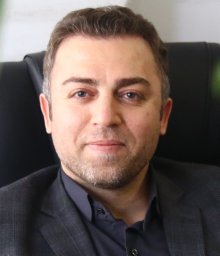 Mohammad Talaei合作论文数Isfahan Cardiovascular Research Institute, Isfahan University of Medical Sciences8
 Arezou Shafaghat合作论文数Dept Architecture, Kennesaw State Univ KSU7
 Shreeshivadasan Chelliapan合作论文数6
 F. Banisharif合作论文数School of Chemical, Petroleum and Gas Engineering, Iran University of Science and Technology6
 Jinwoo Cho合作论文数Department of Environment and Energy, Sejong University6
 Omid Ghaffarpasand合作论文数School of Geography, Earth, and Environmental Sciences, University of Birmingham6
 Maryam Davari Shalamzari合作论文数Dept Phys, Univ Isfahan5
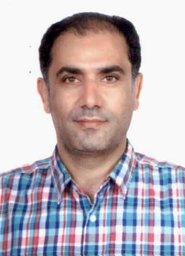 ramin andalib合作论文数Institute for Smart Infrastructure and Innovation Construction, Universiti Teknologi Malaysia5
 Farham Aminsharei合作论文数Najafabad Branch, Islamic Azad Univ5
 Junboum Park合作论文数5
 Rosli Mohamad zin合作论文数Faculty of Civil Engineering;Universiti Teknologi Malaysia;Faculty of Civil Engineering, Universiti Teknologi Malaysia5
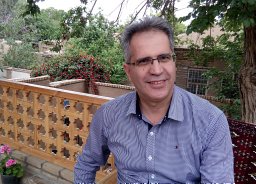 Hossein Ahmadikia合作论文数5
 Sina Majidi合作论文数4
 Mohd Fadhil Md Din合作论文数Fac Civil Engn, Univ Teknol Malaysia4
 Parveen Fatemeh Rupani合作论文数School of Industrial Technology, Universiti Sains Malaysia4
 M. W. Hussin合作论文数Faculty of Civil Engineering;Universiti Teknologi Malaysia;Faculty of Civil Engineering, Universiti Teknologi Malaysia4
 Reza Sanaye合作论文数3Gholam Reza Ziaee合作论文数3
 Amin Aleebrahim dehkordi合作论文数3
 Tayebeh Khademi合作论文数Azman Hashim Int Business Sch AHIBS, Univ Teknol Malaysia3
 Farzaneh Sabbagh合作论文数Department of Chemical Engineering, Chungbuk National University3
 Noorul Hudai Abdullah合作论文数Centre for Diploma Studies, Universiti Tun Hussein Onn Malaysia3
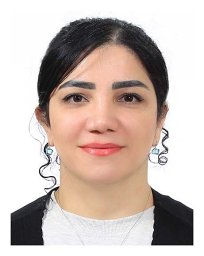 Bahareh Oryani合作论文数Technol Management Econ & Policy Program, Seoul Natl Univ3
 Sahand Jorfi合作论文数Environm Technol Res Ctr, Ahvaz Jundishapur Univ Med Sci3
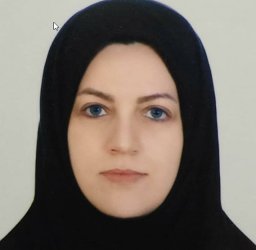 Sanaz Alaee合作论文数School of Advanced Medical Sciences and Technologies, Shiraz University of Medical Sciences3
 Ahmad Shamiri合作论文数Department of Chemical Engineering, University of Malaya3Maryam Bazrafshan合作论文数2Maria Nuid合作论文数2Mohammad Nasiri合作论文数2
 Krishna Kumar Yadav合作论文数2Elham Asgari Kheirabadi合作论文数2Mehdi Yazdan合作论文数2Malihe Salari合作论文数2
 Majid Lotfi Ghahroud合作论文数Dept Financial Management, Univ Tehran2
 Milad Abbasi合作论文数Shiraz University of Medical Sciences2Nur Atikah Abdul Salim合作论文数2
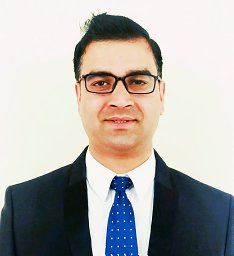 Ashok Kumar Nadda合作论文数Department of Biotechnology and Bioinformatics, Jaypee University of Information Technology2




