The surge of disinformation in the digital sphere following the COVID-19 pandemic presents a considerable threat to democratic principles in contemporary societies. In response, multiple fact-checking platforms and citizen media literacy initiatives have been promoted. The fact checker has indeed become a new professional profile demanded by the sector. In this context, this research delves into the study of digital skills applied to information verification by journalism students. Adopting a comprehensive understanding of digital skills that extends beyond technical proficiency to encompass a shift in mindset, journalism students’ perceptions of their verification abilities are examined using a quantitative survey technique. This examination is based on an original list of competencies prepared specifically for this study. The results indicate that journalism students demonstrate awareness of the implications of disinformation, exhibiting scepticism towards content from unfamiliar sources or displaying clear signs of deceptive intent. Furthermore, they emphasise the importance of verification and fact-checking practices and express confidence in their proficiency in analysis, critical thinking, and social skills. However, their confidence in handling computer applications for verification and specialisation in data journalism is comparatively lower. Notably, significant gender disparities were observed in these areas, with women exhibiting greater confidence in social skills, collaborative work, and innovation, while men displayed a heightened proficiency in computer applications. Consequently, there is a need for improvements in teaching practices, which could potentially create new job opportunities for journalism students.
El uso de las redes sociales y los servicios de mensajería instantánea móvil (SMIM) está aumentando entre los ciudadanos. Según datos de 2023, los usuarios de plataformas digitales superaron los 4.300 millones en el mundo, siendo Facebook, YouTube y WhatsApp las más empleadas. Su uso ha cambiado las formas de comunicación actuales, ampliando el número de canales para compartir contenidos. El objetivo de esta investigación es conocer el uso que la ciudadanía hace tanto de las redes sociales como de los SMIM en la participación social y política. Para ello, se ha realizado una encuesta online a 1.202 personas residentes en España. La muestra se ha estratificado según cuatro variables sociodemográficas: género, edad, nivel educativo e ingresos de los participantes. Los resultados permiten identificar diferencias significativas en los usos políticos y sociales que hacen los ciudadanos a través de las redes sociales y SMIM, especialmente en relación con el género, la edad y el nivel educativo de los encuestados.
Esta investigación examina la relación entre medios convencionales y Twitter durante la campaña electoral de 2016 en España. La metodología combina el análisis de contenido cuantitativo y el análisis métrico sobre una muestra de 8.199 mensajes publicados por los cuatro partidos más votados: PP, PSOE, Podemos y Ciudadanos. Los resultados confirman que los partidos aprovechan Twitter para amplificar el impacto de sus intervenciones en medios convencionales, siendo especialmente significativo el debate a cuatro emitido por diferentes cadenas televisiva. Este dato refuerza la idea de que viejos y nuevos medios conviven y se complementan en un entorno comunicativo híbrido
En los últimos años, el periodismo ha experimentado una profunda transformación debido a la emergencia y consolidación de las tecnologías digitales. Las redes sociales han posibilitado la reinvención y adaptación del periodismo a nuevos formatos narrativos, como el storytelling, que responden a los intereses y a las actuales fórmulas de consumo de la información por parte de la ciudadanía. El objetivo de esta investigación es ofrecer una clasificación de nuevos formatos basados en las técnicas narrativas propias del storytelling y vinculados a las redes sociales, y que los medios de comunicación están usando para producir y difundir sus contenidos informativos. Para ello, se plantea una metodología basada en un enfoque exploratorio y en la técnica del análisis de contenido. Los resultados obtenidos demuestran que los formatos identificados están estrechamente ligados a la actualidad e inmediatez informativa, y permiten a los usuarios participar activamente en la construcción de la realidad.
During the last decades, social media have significantly transformed the field of political communication. Political parties and politicians have incorporated these platforms as a regular tool in their communication strategy. In turn, the mainstream media continues to play a key role in the political and social sphere. In this context marked by the coexistence between traditional media and social media, political actors take advantage of the potential of both communication spaces to expand the dissemination of their message. This research examines the relationship between mass media and Twitter during the 2016 election campaign in Spain. The methodology combines the quantitative content analysis and the metric analysis on a sample of 8199 messages published by the four most voted political parties: PP, PSOE, Podemos and Ciudadanos. The results confirm that parties take advantage of Twitter to amplify the impact of their interventions in mass media, being especially significant the debate broadcast on television. This data reinforces the idea that old and new media coexist and complement each other in a hybrid communicative environment.
Social media, especially Twitter, has become a strategic space for those users who try to extend their influence in the digital environment. This work focuses on opinion leaders who participate in political talk-shows. The aim is to analyse the use and the thematic agenda proposed by these actors on Twitter during electoral periods. The Twitter profiles of 20 opinion leaders (journalists, media editors and experts) of four Spanish television channels are examined. A quantitative content analysis is used on 2,588 tweets disseminated during the November 2019 general election campaign in Spain by them. Results show differences between the different types of actors who make up the sample. Journalists use Twitter to express their criticisms and reinforce their community of followers, especially using interaction and humour. Media editors are more neutral and promote their personal brand through the promotion of their media companies. Experts inform and analyse political news more than journalists, although they also criticise and respond to citizens’ comments. Regarding the subject agenda, messages on electoral results and media content predominate. Thus, the data shows how opinion leaders take advantage of Twitter to freely show their opinions, especially negative ones, and boost dialogue with users.
Introduction: This paper analyses the pressures that have been exerted or attempted to be exerted from politics on journalism. Methodology: The study uses a combination of qualitative methodologies, such as focus groups; and quantitative ones, such as surveys to journalists; both methodologies allow knowing how politics influence on journalists and how it can limit media instruments of accountability. Results: this study demonstrates that journalists and citizens share their perception on how political influence is one of the main circumstances affecting the development of good journalism. Discussion/conclusion: In spite of journalists recognizing political and government pressures, the study concludes that they do not give in or feel responsible to political parties or governments.
Serie Editorial MediaACES MINECO/FEDER, UE, ref: CSO2015-66404-P Ministerio de Economia y Competitividad
Introducción: En el presente trabajo se analizan las presiones que desde la política se han ejercido o intentado ejercer sobre el periodismo. Metodología: A partir de la combinación de metodologías cualitativas, como los grupos de discusión con ciudadanos, y cuantitativas, como encuestas a las profesionales, se analiza cómo esta influencia de la política sobre los periodistas puede llegar a limitar los instrumentos de rendición de cuentas de los que disponen los medios de comunicación. Resultados: los resultados de esta investigación ponen en evidencia que periodistas y ciudadanos comparten la percepción que las influencias políticas son uno de los principales supuestos que afectan al desarrollo de un buen periodismo. Discusión/conclusiones: Pese a que los periodistas reconocen las presiones políticas y gubernamentales, el estudio concluye que no ceden ante ellas ni se sienten responsables ante partidos o gobiernos.
Las redes sociales han incorporado a la ciudadanía en la vida política, especialmente en periodos electorales. El objetivo de esta investigación es evaluar qué elementos de los mensajes difundidos por actores políticos en Facebook favorecen un mayor grado de engagement, apoyo y compromiso de los seguidores. Con las técnicas del análisis de contenido se examinan los posts publicados por PP, PSOE, Podemos y Ciudadanos, y sus respectivos candidatos, durante la campaña de las elecciones generales de 2016 en España. Los resultados indican que el grado de engagement es muy bajo, pese a registrarse niveles de interacción significativos.
La cobertura periodística de los atentados terroristas de Barcelona y Cambrils en 2017 generó un intenso debate sobre la conveniencia de haber publicado ciertas fotografías e informaciones particularmente sensibles. El objetivo de esta investigación es examinar si la prensa digital nacional e internacional cumplió las principales normas deontológicas sobre el uso de imágenes exigibles en estos casos. Se analizan 14 medios de comunicación en sus versiones on-line: Ara, El Punt Avui, VilaWeb, Nació Digital, El Nacional, La Vanguardia, El Periódico de Catalunya, El País, El Mundo, The Guardian, Le Monde, The New York Times, The Washington Post y Süddeutsche Zeitung. La muestra incluye todas las piezas informativas publicadas por estos medios durante las primeras 24 horas tras los ataques terroristas. Los resultados indican que varios periódicos vulneraron el derecho a la privacidad, al publicar imágenes que permitían identificar tanto a los supervivientes como a las víctimas mortales. En algunos casos, aunque los medios tomaron precauciones respecto a sus contenidos, se incluyeron enlaces a fotografías y vídeos de otros medios y usuarios que contenían imágenes de extrema dureza sin advertir a los lectores.
The journalistic coverage of the terrorist attacks in Barcelona and Cambrils in 2017 generated an intense debate on the desirability of having published certain particularly sensitive photographs and information. The aim of this work is to examine whether the national and international digital press complied with the main ethical norms on the use of images required in these cases. For this purpose, 14 media were analyzed in their online editions: Ara, El Punt Avui, VilaWeb, Nacion Digital, El Nacional, La Vanguardia, El Periodic degrees de Cataluna, El Pals, El Mundo, The Guardian, Le Monde, The New York Times, The Washington Post, and Suddeutsche Zeitung. The sample includes all the informative pieces published by these media within the first 24 hours of coverage after the terrorist attacks. The results show that several newspapers violated the right to privacy by publishing images that allowed survivors and mortal victims to be identified. In some cases, despite these media taking precautions regarding their contents, they also included links to photographs and videos from other media and users that contained extremely graphic images without warning the readers.
Social networks have incorporated citizens into political life, especially in elect-oral periods. The objective of this research is to evaluate which elements of the messages disseminated by politicians on Facebook favor a higher degree of engagement support and commitment from followers. The posts published by PP, PSOE, Podemos and Ciudadanos, and their respective candidates are examined with the techniques of content analysis during the campaign of the 2016 general elections in Spain. The results indicate that the degree of engagement is very low, despite registering significant levels of interactio.
Drawing on the perceptions of the future generation of journalists, this article aims to examine the specific motivations and barriers that encourage or discourage students from starting their own journalistic businesses. The goal is to identify those aspects that most influence entrepreneurial intention in the journalistic field, breaking the data down by gender and course. The methodology uses a quantitative approach based on surveys (n = 219). By applying categories of analysis previously tested in entrepreneurship studies in the business world, it was found that motivation in journalism is related to self-realization, as well as independence and flexibility at work. However, barriers are directly connected to the economic situation and self-confidence in knowledge and skill, despite students receiving training in entrepreneurship. Based on the motivations, Reluctant Entrepreneurs and Convenience Entrepreneurs are the two dominant profiles among journalism students. Based on the barriers, Economically Discouraged Entrepreneurs is the most prominent profile. Females are less self-confident about their innovative ideas and entrepreneurial skills, but males are more disappointed by journalism. Advanced students (third and fourth years of the degree) are also more disappointed by journalism than beginner students (first and second years).
Social media have enabled journalists to promote their work and interact with audiences without the intermediation of their organisation. Branding on social media has become a new competency that journalists have to address. It is considered an indicator of anyjournalist's reputation and also away to face the difficulties encountered in the sector. However, there is no research that specifically focuses on personal branding in the field of journalism education. Drawing on the perceptions of future generations of journalists, this research examines the specific skills, practices, attitudes and personality traits associated with branding on social media. By a quantitative approach based on surveys (n = 262), it aims to identify the most effective strategies that students of journalism can each adopt in building a personal brand. Findings show that the students consider that branding is what makes journalists unique, and is the way to show the character, skills and abilities that differentiate them from other journalists. Regarding the strategies, results indicate that positioning, interaction and content curation are the most valued. By contrast, neither self-promotion of own content nor humanisation skills are highlighted enough. On the other hand, a strong link has been found between the brand and the influence in society, as well as between the brand and the reformulation of some classic journalistic values and principles. Moreover, despite branding's origins in the field of marketing, future journalists repurpose the concept and value its implications in both the business and public dimensions of journalism equally.
Social media have become fundamental platforms of influence during election periods. They are forums where politicians promote their agendas and programs, encourage mobilisation, and call on the public to vote, although they rarely engage in dialogue with citizens. The aim of this study is to delve deeper into the case of Facebook and evaluate the functions that Spanish politicians attribute to this platform by using quantitative content analysis of all the posts published by the main political parties and their candidates in the 2016 Spanish election campaign. The results indicate that campaign events take up a significant part of the activity, and that interaction with the audience is low. There is also an upward trend in personalisation and community building, strategies that can help to gain influence by showing a more human side of the candidates and appealing to the values and ideology of the party.
Las redes sociales se han convertido en plataformas esenciales para ejercer influencia en periodos electorales. Son foros donde los actores políticos promocionan sus agendas y programas, animan a la movilización y piden el voto, aunque rara vez dialogan con la ciudadanía. El objetivo de este estudio es profundizar en el caso de Facebook y evaluar las funciones que le atribuyen los políticos españoles, mediante el análisis de contenido cuantitativo de todas las publicaciones difundidas por los principales partidos y sus candidatos en la campaña electoral de 2016. Los resultados indican que los actos de campaña copan el grueso de la actividad y que la interacción con la audiencia es escasa. Se aprecia, además, una tendencia al alza de la personalización y la construcción de comunidad, estrategias que pueden permitir ganar influencia mostrando el lado más humano de los candidatos y apelando a los valores e ideología del partido.
The existence or lack of media accountability instruments in Catalonia, Galicia, Madrid, and Valencia is described. Among the 60 instruments analyzed are journalists associations and unions, press councils, codes of ethics, regulatory authorities, laws regulating the media, online media criticism by journalists bloggers, blogs about media written by members of the public, and viewers associations. A comparative perspective allows us to identify the status of these instruments in the areas studied, including their similarities and differences, and determine which ones are more consolidated within the studied media context.
La responsabilidad de los medios de comunicación y de los profesionales de la información ha de expresarse a través de mecanismos de rendición de cuentas (media accountability) que permitan conocer el grado de cumplimiento de valores como el pluralismo, la transparencia y la veracidad informativa. Este proyecto busca detectar las culturas periodísticas existentes en distintas comunidades autónomas de España, y examinar el impacto de los instrumentos de rendición de cuentas o media accountability systems en cada territorio. El trabajo parte de la hipótesis de que la cultura periodística en España no responde a un único modelo de sistema de medios (modelo mediterráneo o pluralista polarizado), como señalan Hallin y Mancini en Comparing Media Systems, sino que la diversidad de culturas periodísticas requiere matizar esta clasificación. La metodología combina la técnica de la encuesta online a diferentes actores mediáticos y diversos focus group con expertos, responsable de medios y ciudadanos. Los resultados permitirán diseñar y proporcionar a los medios modelos de evaluación de rendición de cuentas que integren valores como la transparencia y la pluralidad.
 Silvia Marcos-García合作论文数Journalism, Univ Jaume I Castello10
 Marcel Mauri i de los Rios合作论文数Pompeu Fabra Univ UPF9
 Ruth Rodríguez-Martínez合作论文数8
 Laura Alonso-Munoz合作论文数Journalism, Univ Jaume I Castello7
 Andreu Casero Ripollés合作论文数Universitat Jaume I7
 Xavier Ramon合作论文数Fabra University6
 Adoración Merino-Arribas合作论文数Univ Int La Rioja6
 Cristina Perales-García合作论文数Journalism, Univ Pompeu Fabra6
 Andres Gostin合作论文数4
 Aitor Zuberogoitia Espilla合作论文数Mondragon Unibertsitatea4
 Marta Narberhaus合作论文数Univ Int Catalunya4Marta Pérez Pereiro合作论文数4
 Juan Carlos Suárez Villegas合作论文数Journalism, Univ Seville4
 Maria Angeles Chaparro合作论文数4
 Hugo Doménech-Fabregat合作论文数Universitat Jaume I;Universitat Jaume I3
 Jesus Diaz-Campo合作论文数Univ Int La Rioja3
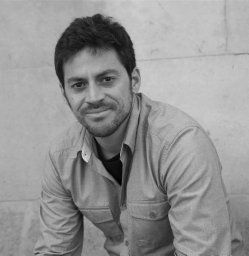 Pablo Lopez Rabadan合作论文数Dept Commun Sci, Univ Jaume I de Castello2susanne fengler合作论文数2
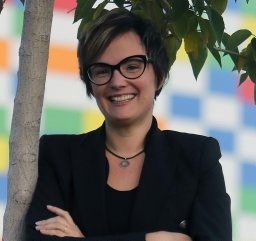 Nadia A Viounnikoff Benet合作论文数Department of Communication Sciences, Universitat Jaume I2
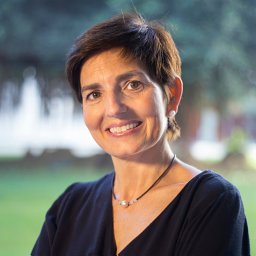 Susana Miquel-Segarra合作论文数Univ Jaume 12
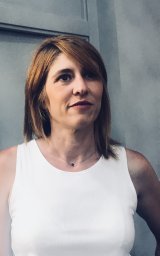 Marta Royo合作论文数Department of Enginyeria Mecànica I Construcció, Universitat Jaume I1
 Marta Estrada Guillen合作论文数1
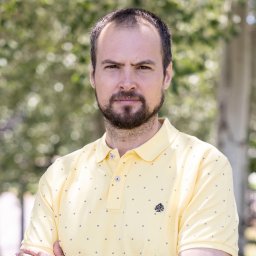 Diego Monferrer Tirado合作论文数Department of Business Administration and Marketing Vicente Sos Baynat s/n., Universitat Jaume I1
 Mercedes Segarra合作论文数1
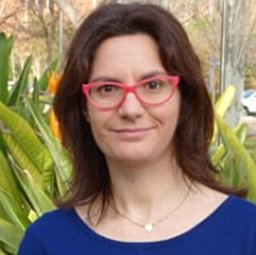 Elena Mulet合作论文数GID, Universitat Jaume I in Castellón1




