Cardiovascular diseases (CVDs) are the foremost contributor to global mortality, with a significant inherited factor that has long been recognized but only recently become decipherable. Next-generation sequencing (NGS) has transformed the study of cardiovascular genetics, allowing researchers to move beyond single-gene analyses toward comprehensive assessments of both rare and common genetic variations. This review summarizes how NGS informs clinical practice, from the molecular diagnosis of inherited cardiac disorders and risk prediction using polygenic models to emerging applications in precision therapeutics. It also discusses analytical and ethical challenges and highlights new technologies, such as long-read and single-cell sequencing, that are likely to further advance precision cardiology.
The purpose of this study was to examine the independent contribution of aerobic physiological variables to 500 m sprint kayak performance in national-level male athletes. Twenty-four male flatwater kayak athletes completed post-intervention physiological and performance assessments following a 6-week training intervention. Sprint performance was assessed using a 500 m kayak ergometer time trial. Pearson correlation and hierarchical multiple regression analyses were performed after accounting for training-group allocation. Power output at VO2max (POVO2max) demonstrated the strongest association with 500 m performance time (r = −0.71, p < 0.001). Hierarchical multiple regression analysis showed that training-group allocation explained a small, non-significant proportion of the variance in performance time (R2 = 0.082, p = 0.648). The addition of POVO2max significantly increased the explained variance (R2 = 0.708, ΔR2 = 0.626, p < 0.001); whereas, VO2max (ΔR2 = 0.012, p = 0.363) and post-exercise blood lactate concentration (ΔR2 = 0.004, p = 0.855) did not provide additional explanatory value. These findings indicate that POVO2max was the strongest independent physiological predictor of 500 m sprint kayak performance after accounting for training-group allocation.
The role of proteins in cellular activity has received close attention. Proteome analysis can detect early enough changes in the cell before the appearance of pathological changes. Due to the increasing number of cardiovascular complications, more specifically hypertension in modern life, this experimental pilot study tries to detect early changes in the protein profile in cases with arterial hypertension. In this pilot study, animal models were used, specifically control rats and spontaneously hypertensive rats (SHRs), which are widely used as translational models relevant to human cardiovascular physiology. Using gel electrophoresis (GE) method, we analysed proteomic signature of blood plasma and aorta tissue samples of the animal models.
Background: During aging, skeletal muscle mass constantly diminishes and myogenic potential declines. At the cellular level, a decline in mitochondrial function is a hallmark of the aging process and the deficiency of the mitochondrial network contributes to a progressive reduction in muscle mass. Autophagic clearance of mitochondria through the process of mitophagy is required to remove impaired or damaged mitochondria, while mitophagy is a key regulator of muscle maintenance. Dysfunctional degradation of mitochondria is increasingly associated with aging (mitophaging), while mechanical stimuli have been shown to ameliorate the aging-induced impaired muscle mass and function; however, less is known about the potential effects of mechanical loading on mitophaging. The aim of the present study was to investigate the effect of mechanical stretching on mitophagy in aged myoblasts, in vitro. Methods: Cell senescence was replicated using a multiple cell division model of C2C12 myoblasts. The control and aged cells were cultured on elastic membranes and underwent passive stretching using a mechanical loading protocol of 15% elongation for 12 h at a frequency of 1 Hz. Cell signaling and gene expression responses of mitophagy-associated and myogenic regulatory factors (MRFs) were assessed through immunoblotting and qRT-PCR of the cell lysates derived from stretched and non-stretched control and aged myoblasts. Results: Mitophagy factor AMP-activated protein kinase (AMPK), mitochondrial biogenesis stimulator peroxisome proliferator-activated receptor gamma coactivator 1-alpha (PGC-1a), and mitophagy/mitochondrial biogenesis factor Parkin were downregulated in control stretched myoblasts compared to non-stretched cells, while the specific mechanical loading protocol used also reduced the phosphorylation of unc-51-like autophagy-activating kinase 1 (p-ULK1) (p < 0.05), as well as the expression of myogenic factor 5 (Myf5) and myogenic factor 4 (myogenin) (p < 0.001). Interestingly, this mechanical loading resulted in increased PGC-1a and Parkin expression (p < 0.05) and induced the previously undetected BCL2 interacting protein 3-like (BNIP3L/NIX) and AMPK expression and p-ULK1 activation in the aged myoblasts. In addition, mechanical stretching differentially affected the expression of MRFs in aged cells, upregulating the early differentiation factor, Myf5 (p < 0.01), while downregulating the late differentiation factor myogenin (p < 0.001). Conclusions: These findings suggest the beneficial effects of mechanical loading on the impaired mitophagy and early differentiation in aged myoblasts, as indicated by the mitophagy initiation and the promotion of mitochondrial biogenesis in these cells. The mechanical loading-induced downregulation of mitophagy and myogenesis in the control myoblasts might indicate their loading-specific differential responses compared to the aged cells.
The physiological and hematological responses to exercise and the corresponding adaptations in high-level sports have become an important issue, from both the health and the physical performance points of view. This study investigated the fluctuations in physiological and hematological variables of young swimmers throughout a training season. Twelve well-trained male swimmers (age: 14 ± 0.3 y) participated in the study. Measurements were carried out at the beginning of the training season (T1) and pre and post the taper of each of the two competitive periods (i.e., T2, T3 for the first training macrocycle, and T4, T5 for the second macrocycle, respectively). At each of the above time points, maximum oxygen uptake (VO2max) was estimated, and blood samples were collected before and 1 h post a maximal 400 m swimming testing to measure hemoglobin (Hb), hematocrit (Hct), mean corpuscular volume (MCV), mean cell hemoglobin (MCH), mean cell hemoglobin corpuscular (MCHC), platelets (PLT), red blood cells (RBCs), and albumin (Alb). Adjustment for exercise-induced plasma volume changes was performed before all data analyses. Analysis of variance (ANOVA) with repeated measures followed by Bonferroni post hoc analyses was used for statistics. Multiple correlations with Bonferroni correction were also performed. Significant improvement of performance from T1 to the end of the study was recorded. Moreover, significant changes in lactate concentration ([La-]) with significant decrease at T3 and increase at T4 were also observed. Significant interaction (pre-post-test × test condition) for Hct, Hb, MCV, MCH, and RBCs; the main effect of test condition for Hct, MCV, MCHC, PLT, and Alb; and pre-post-test for Hct, Hb, MCV, MCHC, and RBCs were observed. No significant changes for VO2max and HR were recorded (p > 0.05). Significant correlations between MCV and MCH at T1, T2, T4, and Hct and Hb at T1, T4, T5 were found. These results indicate that swimming training throughout a season induces both acute and long-term effects on the physiological and hematological profile of young swimmers. These findings provide fundamental information about the effects of the training volume and intensity on physical performance and might be utilized as a useful source for future studies to further characterize the systemic and performance signature of training-induced adaptations during a competitive season in swimmers.
Background/Objectives: Glucose metabolism and hormonal responses are largely affected by exercise intensity, which exhibits an alternating pattern in many sports activities. The aim of this study was to investigate and compare glycemic and hormonal responses during and after exercise of constant (CON) and alternating (ALT) intensity with the same duration and total work. Methods: Ten healthy male volunteers performed two, 60 min cycling exercise bouts in random order: the ALT bout, where exercise intensity alternated between 46.5 ± 1.9% of VO2max for 40 s and 120% of VO2max for 20 s, so the mean intensity was at 105% of the lactate threshold (LT), and the CON exercise bout, where the intensity was constant at 105% of LT (70 ± 4.7% of VO2max). Results: No significant differences were observed in blood glucose concentrations between the two exercise protocols (p = 0.22) or over time at any time point measured, i.e., before, at 30 and 60 min of each exercise bout, and 60 min post-exercise (p > 0.05). Circulating insulin levels decreased significantly over time in both protocols (p < 0.01 and p < 0.05 in ALT and CON, respectively); nevertheless, they did not differ between the exercise protocols (p = 0.45). Similarly, there were no significant differences in serum leptin and prolactin levels between the two protocols (p = 0.77 and p = 0.80 in ALT and CON, respectively); however, circulating levels of leptin decreased at 30 and 60 min of exercise only in CON (p < 0.05) and those of prolactin at 60 min of exercise only in ALT (p < 0.05) compared to pre-exercise values. Conclusions: Cycling exercise of constant or alternating moderate intensity (~70% of VO2max) with the same duration induces similar glycemic but differential over time hormonal responses in healthy males.
Physical activity (PA) is widely recognized as a therapeutic intervention for numerous non-communicable diseases. This study assessed Greek medical students’ knowledge and education on PA across seven medical schools. A structured questionnaire was distributed electronically to all medical schools across Greece, with 135 students responding (67.4% female). Among respondents, 78.5% reported being taught about PA benefits, and 77.8% felt prepared to discuss them with patients. However, 30.2% had received less than two hours of formal PA education. Only 25.2% were aware of the World Health Organization (WHO) and Greek Central Board of Health (KESY) recommendations, while 81.5% expressed the need for additional education on PA and its role in health. Students who were taught about PA were more likely to address exercise physiology (42.5% vs. 17.2%, p = 0.013, OR = 16.4), cardiopulmonary exercise testing (52.8% vs. 24.1%; p = 0.006, OR = 3.5), and PA benefits (89.6% vs. 34.5%; p < 0.001, OR = 3.5). Although most medical students have been taught about PA’s health benefits, only a small proportion have sufficient knowledge for effective prescription.
Background The present study aims at deciphering the individual or combined benefits of aerobic exercise and dietary restriction on liver senescence, a state characterized by cell cycle arrest and simultaneous resistance to apoptosis, which is considered an established hallmark of metabolic dysfunction-associated steatotic liver disease (MASLD). Methods C57BL6 mice were subjected to a normal diet (ND) for 20 weeks or a high-fat diet (HFD) supplemented with 5 % High-fructose Corn Syrup (HFCS) for 12 weeks, followed by eight-week interventions, including dietary restriction (DR), aerobic exercise (EX), a combination of both (DREX) or continuation of a HFD-HFCS diet without intervention. Biomarkers of senescence were analyzed in terms of their liver mRNA expression levels, while GL13 and p21WAF1/CIP1 immunohistochemical stainings were conducted to examine the levels of senescence-associated lipofuscin and p21WAF1/CIP1 respectively, to finally investigate their relationship with the grade of hepatic steatosis and fibrosis observed in the studied mice. Results DR and DREX groups exhibited significantly reduced features of obesity and MASLD-related hepatic steatosis and fibrosis, to a greater extent than the respective amelioration driven by aerobic exercise only in HFDEX animals. A statistically significant increase of mRNA expression was detected for cyclin-dependent kinase p21WAF1/CIP1 in HFD livers as compared to ND, which was also reversed upon DR-inclusive interventions. Immunohistochemical stainings for GL13 and p21WAF1/CIP1, as well as for p16INK4A confirmed the aforementioned alterations of p21WAF1/CIP1 at the tissular level while also revealed a p16INK4A elevation in HFD livers which was reversed only upon DR/DREX. Conclusion Liver senescence is responsive both to exercise and dietary restriction, but its amelioration in the context of MASLD is more robust upon DR-inclusive interventions.
Insulin-like growth factor 1 (IGF-1) is an important endocrine and autocrine/paracrine factor that regulates various cellular responses in multiple biological systems. Its actions are mediated mainly via its binding to the type 1 IGF receptor (IGF-1R), while its bioactivity is also modulated by the IGF-binding proteins (IGFBPs). The IGF-1 system regulates cell growth, differentiation and energy metabolism and thus plays a crucial role in the modulation of key aspects of cancer biology, such as cancer cell growth, survival, transformation and invasion. The synthesis of IGF-1 is regulated, among other factors, by microRNAs (miRNAs), and it has been shown that the miRNA-induced regulation of IGF-1 is implicated in various stages of tumor development and/or progression in different types of cancer. The aim of this review was to identify and characterize the miRNA-induced regulation of the IGF-1 system in various types of cancer. It was revealed that many miRNAs can be used as potential biomarkers, while others may contribute to metastasis regulation, targeting components of the IGF-1 bioregulation system and being implicated in cancer staging and/or progression. Additional miRNAs and their role in IGF-1’s effects on other types of cancer have also been identified. Nevertheless, future studies are needed to expand the current knowledge on the role of miRNAs in the regulation of other components of the IGF-1 bioregulation system and in various types of cancer, contributing further to the characterization of the role of miRNAs and their target genes as pathogenic, therapeutic and diagnostic molecules for cancer in clinical practice.
Physical exercise may affect drug use by balancing neurohormonal system mechanisms. Cortisol and β-endorphin, associated with stress, mood, and pleasure feelings, can be affected by exercise and act as regulators of withdrawal symptoms associated with drug use during short-term abstinence. The present study investigated the effect of a supervised, two-month moderate-intensity aerobic exercise program on salivary cortisol and β-endorphin levels in patients with an opioid use disorder (OUD) and on a substitution treatment during a short-term, 24-36 h withdrawal phase from methadone/buprenorphine medication. Ninety opioid users (41 females) in methadone and buprenorphine substitution treatment were randomly divided into four groups: (a) buprenorphine exercise (BEX) (n = 26; age (mean ± SD): 41.9 ± 6.1 yrs), (b) buprenorphine control (BCON) (n = 25; age: 41.9 ± 5.6 yrs), (c) methadone exercise (MEX) (n = 20; age: 46.7 ± 6.6 yrs), and (d) methadone control (MCON) (n = 19; age: 46.1 ± 7.5 yrs). The exercise intervention groups (BEX and MEX) followed a training program on a treadmill for 20 min at 70% HRmax, 3 days/week for 8 weeks. The responses of cortisol and β-endorphin were measured before (t0) and immediately after an exercise session (t20) on different days (i.e., the 1st, 12th, and 24th session) corresponding to the beginning, middle, and end of the training program. A significant increase in β-endorphin levels was observed after the completion of the training intervention (24th exercise session) in both exercise groups (BEX before: 63.8 ± 33; BEX after: 185.6 ± 182.8 pg/mL; MEX before: 115 ± 211; MEX after: 262.3 ± 505.7 pg/mL), whereas β-endorphin was decreased in the control groups (BCON before: 34.7 ± 20.1; BCON after: 24.2 ± 8.8 pg/mL; MCON before: 129.7 ± 185.7; MCON after: 84.9 ± 104.3 pg/mL) (p < 0.05). Inversely, cortisol decreased in both exercise groups post-intervention (BEX before: 9.5 ± 5.9; BEX after: 2.8 ± 1.5 ng/mL; MEX before: 9.3 ± 6.6; MEX after: 3.1 ± 1.5 ng/mL) and increased in control groups (BCON before: 6.3 ± 2.5; BCON after: 10.1 ± 5.4 ng/mL; MCON before: 7.5 ± 3.2; MCON after: 12.5 ± 4.3 ng/mL) (p < 0.05). Moderate-intensity aerobic exercise can beneficially influence β-endorphin and cortisol levels in individuals undergoing treatment for OUD. By increasing endogenous opioid levels and reducing stress hormones, exercise emerges as a promising adjunctive strategy for alleviating withdrawal symptoms, enhancing emotional regulation, and potentially reducing the risk of relapse. The inverse relationship between β-endorphin and cortisol highlights the role of physical activity as a long-term modulator of neuroendocrine function in the context of substance use recovery. Future research should prioritize longitudinal studies extending beyond two months and involving larger, more diverse populations. Additionally, investigating the integration of exercise with non-pharmacological interventions-and its effects on relapse rates, mental health outcomes, and overall quality of life-would provide further insight into its therapeutic value in addiction recovery.
Background/Objectives: There is a growing interest in the research of wound healing mechanisms worldwide. Particular attention has been paid to the expression of tissue remodeling- and inflammation-related factors. Herein, we investigate the expression patterns of TGF-β1, IL-6, TNF-a, uPA, uPA receptors, MMP-2, and MMP-9 through the four phases of the normal wound-healing process in humans. Methods: Twenty-two individuals presenting with a first episode of pilonidal sinus underwent surgical excision and the wound was left to heal by secondary intention. Sequential biopsies were collected on day 0 (operation), day 2 (inflammatory phase), day 9 (proliferative phase), and day 14 (tissue remodeling phase). The expression levels of the proteins were evaluated using reverse transcription-quantitative PCR. Statistical analyses were performed using GraphPad Prism software. One-way analysis of variance (ANOVA) with Dunn's Multiple Comparison post hoc test was used. Results: The results showed statistically significant differences in the expressions of the factors during wound healing (p < 0.05). TGF-b1 increased on days 2 and 9. TNF-a increased on day 2 and then decreased on day 9. Il-6 was increased on day 2 and decreased on days 9 and 14. uPa mRNA increased up to day 9 but its receptor exhibited high expression throughout the observation time. Finally, MMP-2 mRNA expression increased on day 2 and declined on days 9 and 14, while MMP-9 was highly expressed until the 14th postoperative day. Conclusions: Each factor investigated in this study has an important and distinct role in the normal wound repair procedure. Further investigation is required to evaluate the tissue-specific regulation of these factors and their potential use as therapeutic targets or prognostic biomarkers in wound healing.
BACKGROUND:Regular exercise training provides significant health benefits among cancer survivors and is associated with lower breast cancer mortality and reduced risk of recurrence. Both exercise-induced factors secreted into circulation (exerkines) and bioactive molecules contained in skeletal muscle secretome have been proposed to affect the tumor microenvironment and mediate some of the anti-carcinogenic effects of exercise. This study utilized exercise-conditioned human serum obtained from breast cancer patients during chemotherapy and skeletal myotubes' secretome after mechanical loading to investigate their effects on breast cancer cells in vitro. METHODS:Breast cancer patients participated in a 12-week exercise training program during their chemotherapy, and blood serum was collected immediately before and after an exercise session in the 2nd and 12th weeks of training. Skeletal myoblasts were differentiated into myotubes and subjected to mechanical stretching to collect their secretome (stretch medium (SM)). Hormone-sensitive Michigan Cancer Foundation-7 (MCF-7) and triple-negative M.D. Anderson-Metastatic Breast-231 (MDA-MB-231) breast cancer cells were treated with either human serum or with the skeletal myotubes' secretome to examine their metabolic activity, migration, cytotoxicity levels and apoptosis regulation. RESULTS:The exercise-conditioned serum obtained from breast cancer patients who were subjected to the 12-week training during chemotherapy resulted in reduced metabolic activity (p < 0.001) and increased lactate dehydrogenase activity (cytotoxicity) (p < 0.001) in both MCF-7 and MDA-MB-231 breast cancer cells when compared with the control condition. Moreover, incubation of breast cancer cells with the post-exercise serum induced apoptosis in MCF-7 and MDA-MB-231 cells, as indicated by increase in DNA damage and the percentage of necrotic cells (p < 0.05) when compared to pre-exercise condition. Similarly, a significant decrease (p < 0.001) was observed in the metabolic activity of MCF-7 cells treated with the SM, along with increased cytotoxicity (p < 0.05), compared to the cells cultured with the regular growth media. Comparable though not as profound effects were observed in MDA-MB-231 cells when treated with the SM secretome. Furthermore, the expression of apoptosis-inducing Caspase-7 (p < 0.001) and Caspase-8 (p < 0.01) proteins was increased, whereas cell survival-regulating factors interleukin-8 (IL-8) (p < 0.001), superoxide dismutase-2 (p < 0.05), Fas cell surface death receptor (p < 0.05), and vascular endothelial growth factor (p < 0.01) were downregulated in the SM-treated MCF-7 cells. In addition, the migrating behavior of MCF-7 cells was diminished, and higher levels of DNA damage were observed in cells treated with either SM or non-stretch media. CONCLUSION:Both exercise-conditioned serum of breast cancer patients and skeletal myotubes secretome after mechanical loading can reduce the metabolic activity, promote cell toxicity and DNA damage, modulate the protein expression of crucial cell survival-regulating factors, and lead to apoptosis in breast cancer cells. These findings suggest that even after cancer diagnosis, exercise may exert beneficial effects additive to chemotherapy against breast cancer prognosis.
Purpose: High-intensity interval training (HIIT) has emerged as a time-efficient alternative to traditional endurance training. This study investigated the molecular, systemic, and physiological adaptations induced by an 8-week HIIT program in national-level flatwater kayak athletes. Methods: Six trained male kayakers completed an 8-week HIIT intervention. Skeletal muscle biopsies and venous blood samples were collected before and after training to assess markers related to endocrine function, growth and remodeling, angiogenesis, and inflammation. Physiological and performance measures were evaluated using a maximal oxygen uptake (VO2max) test and kayak ergometer trials. Results: HIIT elicited significant improvements across molecular, systemic, and performance parameters. Post-training analyses showed increased expression of IGF-1R, MMP-4, MMP-9, and TNF-α (p < 0.05), along with elevated serum testosterone concentrations (p < 0.05). Notable performance gains were observed in paddling speed at the second ventilatory threshold (PSVT2; p < 0.05) and in 1000 m (p < 0.01) and 200 m (p < 0.001) time-trial performances. Conclusions: An 8-week HIIT program effectively enhanced molecular signaling, systemic adaptation, and sport-specific performance in elite flatwater kayak athletes. The concurrent upregulation of anabolic, remodeling, and inflammatory pathways suggests that HIIT facilitates coordinated muscular and systemic adaptations beneficial for kayak performance.
 Michael Koutsilieris合作论文数Department of Basic Medical Sciences, Medical School, University of Athens;Experimental Physiology Laboratory, Medical School, University of Athens145
 Maria Maridaki合作论文数Faculty of Physical Education and Sport Science, National and Kapodistrian University of Athens82
 Costas Chryssanthopoulos合作论文数38
 Argyro Papadopetraki合作论文数30
 Athanasios Moustogiannis合作论文数Dept Physiol, Natl & Kapodistrian Univ Athens25
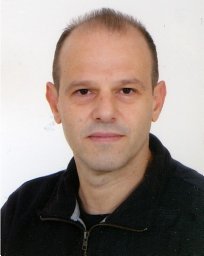 Gregory C. Bogdanis合作论文数Sch Phys Educ & Sports Sci, Univ Athens14
 Serafeim N. Nanas合作论文数Division of Intensive Care I, National and Kapodistrian University of Athens;Medical School, National and Kapodistrian University of Athens;Evgenidio Hospital14Eleftherios Karatzanos合作论文数“Evgenidio” Hospital, National & Kapodistrian University of Athens12
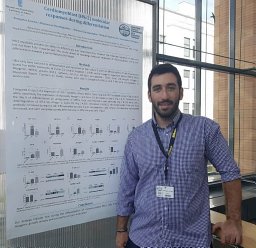 Evangelos Zevolis合作论文数Dept Physiol, Natl & Kapodistrian Univ Athens11Tenta Roxane合作论文数Department of Nutrition Science and Dietetics, Harokopio University11
 Antonios Chatzigeorgiou合作论文数Inst Clin Chem & Lab Med, Tech Univ Dresden11
 Evangelos Maziotis合作论文数Medical School, National and Kapodistrian University of Athens10
 Eirini Chatzinikita合作论文数9
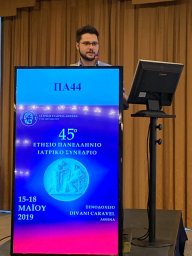 Sokratis Grigoriadis合作论文数Lab Physiol, Natl & Kapodistrian Univ Athens9Konstantinos Sfakianoudis合作论文数9Armakolas Athanasios合作论文数Athens Medical School, National and Kapodestrian University of Athens9
 Dinas Petros C合作论文数Institute of Human Performance and Rehabilitation, Centre for Research and Technology Thessaly8Flora Zagouri合作论文数Hippokratio Hospital, University of Athens8Elisabeth R Barton合作论文数Department of Applied Physiology and Kinesiology, University of Florida8
 Elias Zacharogiannis合作论文数Track and Field Unit;Department of Sport and Exercise Science;University of Athens;Department of Sport and Exercise Science, University of Athens8Antigone Sourla合作论文数8
 Orjona Stella Taso合作论文数7
 Mara Simopoulou合作论文数School of Medicine, National and Kapodistrian University of Athens7
 Georgios Tzanis合作论文数Interventional Cardiology Department, Metropolitan General7
 Stavros Dimopoulos合作论文数Industrial Management and Information Systems Lab, University of Patras7
 Apostolos Theos合作论文数Faculty of Physical Education and Sports Science Department of Sports Medicine and Biology of Physical Activity 41 Ethnikis Antistasis Street, Dafni 172 37 Athens Greece7A Halapas合作论文数6Nikolas Pissimissis合作论文数Medical School, National and Kapodistrian University of Athens6Lambropoulos Ioannis合作论文数6Giannelou Polina合作论文数6Konstantinos Pantos合作论文数6
 Gregory Kaltsas合作论文数First Department of Internal Medicine, National & Kapodistrian University of Athens;University Hospital Coventry and Warwickshire6Stavroula Droufakou合作论文数5
 Antonios Giannopoulos合作论文数Dept Integrat Med Biol, Umea Univ5
 Stamatis Mourtakos合作论文数Dept Physiol, Natl & Kapodistrian Univ Athens5Panagiotis Bakas合作论文数Aretaieio Hospital, University of Athens5
 Athanasios G. Papavassiliou合作论文数Department of Biological Chemistry, Medical School, National and Kapodistrian University of Athens5
 Dimitrios Mantas合作论文数Faculty of Medicine, University of Athens5
 Theodoros P Vassilakopoulos合作论文数Department of Haematology, National and Kapodistrian University of Athens;Laiko Hospital5Gregory Kouraklis合作论文数Medical School, University of Athens5Maria Horianopoulou合作论文数4Dimitrios Vardakostas合作论文数4Elli Karatza合作论文数4Fragkiskos G. Bersimis合作论文数Department of Informatics and Telematics, Harokopio University of Athens4
 Zoe Garoufalia合作论文数Department of Colorectal Surgery, Cleveland Clinic Florida4
 Anna Rapani合作论文数Dept Physiol, Natl & Kapodistrian Univ Athens4Nezos Adrianos合作论文数Dept Physiol, Univ Athens4
 Giorgos Paradisis合作论文数Department of Physical Education and Sport Science, National and Kapodistrian University of Athens4
 Serafim N Nanas合作论文数Medical School, National and Kapodistrian University4




