Integrated Valuation of Ecosystem Services (IVES) has emerged as a pluralistic framework for bringing multiple forms of ecosystem service value into relation for environmental decision-making. Within this literature, socio-biophysical approaches have become especially prominent, most often comparing biophysical estimates of ecosystem service supply with social measures of demand-as-use. However, recent studies increasingly move beyond this supply–demand framing by operationalizing alternative social value constructs. This study conducts a scoping review of this emerging literature following PRISMA-ScR procedures. We identify 18 empirical socio-biophysical studies that compare biophysical supply with social value constructs other than demand-as-use. Across these studies, we identify three recurring constructs: perceived importance, perceived supply and recognition of ecosystem services. We examine how each construct is operationalized and how it is compared with biophysical supply. Our synthesis shows that social construct choice shapes the basis of socio-biophysical comparison, the spatial and analytical strategies available and the governance insights that can be drawn from integrated valuation. Perceived importance is most useful for identifying social priorities and anticipating public reception of management interventions. Perceived supply better supports spatial targeting, hotspot-based planning and comparison with modeled ecological supply. Recognition reveals awareness gaps and under-recognized services that can inform communication, education and participatory planning. By clarifying these construct-specific contributions, this review supports more targeted construct selection in future socio-biophysical IVES research.
Numerous studies have compared public perceptions of climate and environmental change with instrument-derived meteorological records, yet methodological inconsistencies have limited clarity on the degree of alignment between the two. This systematic review synthesizes 204 peer-reviewed articles published between 2010 and 2025 to assess (i) how studies define and use perception recall periods, (ii) the temporal coverage and type of instrumental climate data used and (iii) the methods used to compare perceived and observed trends. Most studies focused on rainfall and temperature and were concentrated in Africa and Asia. We find that triangulation-based comparisons overwhelmingly dominate literature, with only a small subset employing statistical tests capable of assessing the strength or significance of alignment. Across studies, temporal mismatches between perception recall periods and climate data were common, and more than 100 studies did not report recall periods at all. Despite these limitations, many studies reported alignment between perceptions and instrumental records. Overall, our review recommends clearer reporting standards and broader adoption of statistical approaches that explicitly align respondents’ perception recall periods and duration lived in the study region with instrumental data to produce more robust and comparable assessments of perception–climate relationships.
The benefits of involving stakeholders in natural resource projects are well established and in food-energy-water nexus work specifically, those benefits are increasingly being documented. We conducted a review of food, energy, water systems manuscripts and assessed whether stakeholders were engaged, when they were engaged, which stakeholders were involved, the level of their involvement, whether stakeholders' needs were considered, and whether stakeholder engagement was evaluated and monitored. Stakeholder engagement is effective when it is considered as an integrated process, but our review suggests that this is not common practice. We developed a framework for engaging stakeholders that includes six dimensions: 1. When should stakeholders be engaged? 2. Who should be engaged (identification and diversity)? 3. What role should stakeholders play? 4. How can researchers meet stakeholder needs? 5. What methods of engagement should be used? 6. How should researchers evaluate and monitor stakeholder engagement? We discuss the implications of adopting this framework for natural resource studies, including those focused on food-energy-water systems.
This article examines the advancements that food, energy, and water systems (FEWS) researchers have made in proposing and implementing solutions to FEWS issues. We examined 483 FEWS articles published between 2015 and 2023 to determine whether solutions were proposed or implemented and the factors leading to solution proposal and implementation. Our research suggests that only 18 of the articles led to solutions. Factors that contributed to finding solutions included the integration of stakeholders into the research project, the inclusion of governmental stakeholders, and the inclusion of diverse stakeholders. Although most manuscripts included computational or statistical models, our research suggests that they do not lead to the proposal or implementation of solutions, even when stakeholders are included. We call for greater incorporation of stakeholders in FEWS projects in order to more effectively address the environmental issues that arise in these systems.
Stakeholder engagement as a practice has been embraced by relatively few scientists who research FEWS systems. There are numerous benefits to engaging stakeholders, including improved quality of local management plans; effectiveness of solutions; fewer conflicts with and between stakeholders; improved quality of decisions; improved outcomes; and identification and implementation of solutions. Yet stakeholder engagement is often unsuccessful without careful consideration of how stakeholders are engaged. The contributions to this special issue illustrate best practices in engaging stakeholders in FEWS research by: discussing those engagement practices that were successful and those that were not; using stakeholders to assess and improve the engagement process; exploring collaborative learning with stakeholders, and; providing frameworks for successful engagement. The issue provides a robust suite of practices to improve stakeholder engagement in FEWS research.
The loss of small-size farms is a critical issue facing farming communities across the United States. The Magic Valley, Idaho, is one of the largest dairy-producing regions in the country, and loss of small dairy farms is occurring rapidly. This topic has local authorities, researchers, and community members searching for solutions to maintain farm size diversity in the region. This review considers programs aimed at assisting farmers with succession, profitability, management, and attracting new entrants to agri-business and uses those examples to create a framework that could be applied in the Magic Valley, Idaho. The results show that programs that utilize resources spanning local extension, state, regional, and national administrative scales are effective, and farm incubation programs and advising and mentorship programs have been highly effective in other agricultural contexts. These results have applicability to dairy farming and transgenerational continuity in the Magic Valley, Idaho and other regions, and could be a significant aid in addressing the loss of small-sized dairy farms.
There has been a growth in the number of composite indicator tools used to assess community risk, vulnerability, and resilience, to assist study and policy planning. However, existing research shows that these composite indicators vary extensively in method, selected variables, aggregation methods, and sample size. The result is a plethora of qualitative and quantitative composite indices to choose from. Despite each providing valuable location-based information about specific communities and their qualities, the results of studies, each using disparate methods, cannot easily be integrated for use in decision making, given the different index attributes and study locations. Like many regions in the world, the Arctic is experiencing increased variability in temperatures as a direct consequence of a changing planetary climate. Cascading effects of changes in permafrost are poorly characterized, thus limiting response at multiple scales. We offer that by considering the spatial interaction between the effects of permafrost, infrastructure, and diverse patterns of community characteristics, existing research using different composite indices and frameworks can be augmented. We used a system-science and place-based knowledge approach that accounts for sub-system and cascade impacts through a proximity model of spatial interaction. An estimated ‘permafrost vulnerability surface’ was calculated across Alaska using two existing indices: relevant infrastructure and permafrost extent. The value of this surface in 186 communities and 30 military facilities was extracted and ordered to match the numerical rankings of the Denali Commission in their assessment of permafrost threat, allowing accurate comparison between the permafrost threat ranks and the PVI rankings. The methods behind the PVI provide a tool that can incorporate multiple risk, resilience, and vulnerability indices to aid adaptation planning, especially where large-scale studies with good geographic sample distribution using the same criteria and methods do not exist.
As growth in the western U.S. continues to lead to the development of land, pressure is being exerted on agricultural production, and could lead to the loss of prime agricultural land. A wide array of perspectives concerning agricultural protection requires a variety of possible solutions. Diverse and plausible scenarios, driven by stakeholders, can be modeled by researchers to guide potential solutions to address key challenges within a region. This paper addresses one stakeholder-defined social-ecological system (SES) solution in the context of southern Idaho, one of the fastest-growing states in the U.S.: agricultural protection zoning. This project demonstrates a method for incorporating an Agriculture Protection Zone (APZ) within a suite of scenarios showing land protection opportunities across a range of future conditions and challenges. The results, by way of a Geodesign framework, entail suitability analyses through a series of weighted raster overlays to analyze scenario-based solutions. The suite of scenario solutions was compared to demonstrate effective proportions of the APZ. The analysis of the results, as a solution gradient, aim to inform policy makers, planners, and developers about the efficiencies of various APZ delineations as well as a methodology to demonstrate the impact of solutions based on assumptions of stakeholder-informed future scenarios.
Increased ecological disturbances, species invasions, and climate change are creating severe conservation problems for several plant species that are widespread and foundational. Understanding the genetic diversity of these species and how it relates to adaptation to these stressors are necessary for guiding conservation and restoration efforts. This need is particularly acute for big sagebrush (Artemisia tridentata; Asteraceae), which was once the dominant shrub over 1,000,000 km(2) in western North America but has since retracted by half and thus has become the target of one of the largest restoration seeding efforts globally. Here, we present the first reference-quality genome assembly for an ecologically important subspecies of big sagebrush (A. tridentata subsp. tridentata) based on short and long reads, as well as chromatin proximity ligation data analyzed using the HiRise pipeline. The final 4.2-Gb assembly consists of 5,492 scaffolds, with nine pseudo-chromosomal scaffolds (nine scaffolds comprising at least 90% of the assembled genome; n = 9). The assembly contains an estimated 43,377 genes based on ab initio gene discovery and transcriptional data analyzed using the MAKER pipeline, with 91.37% of BUSCOs being completely assembled. The final assembly was highly repetitive, with repeat elements comprising 77.99% of the genome, making the Artemisia tridentata subsp. tridentata genome one of the most highly repetitive plant genomes to be sequenced and assembled. This genome assembly advances studies on plant adaptation to drought and heat stress and provides a valuable tool for future genomic research.
Scientific study of issues at the nexus of food–energy–water systems (FEWS) requires grappling with multifaceted, “wicked” problems. FEWS involve interactions occurring directly and indirectly across complex and overlapping spatial and temporal scales; they are also imbued with diverse and sometimes conflicting meanings for the human and more-than-human beings that live within them. In this paper, we consider the role of language in the dynamics of boundary work, recognizing that the language often used in stakeholder and community engagement intended to address FEWS science and decision-making constructs boundaries and limits diverse and inclusive participation. In contrast, some language systems provide opportunities to build bridges rather than boundaries in engagement. Based on our experiences with engagement in FEWS science and with Indigenous knowledges and languages, we consider examples of the role of language in reflecting worldviews, values, practices, and interactions in FEWS science and engagement. We particularly focus on Indigenous knowledges from Anishinaabe and the language of Anishinaabemowin, contrasting languages of boundaries and bridges through concrete examples. These examples are used to unpack the argument of this work, which is that scientific research aiming to engage FEWS issues in working landscapes requires grappling with embedded, practical understandings. This perspective demonstrates the importance of grappling with the role of language in creating boundaries or bridges, while recognizing that training in engagement may not critically reflect on the role of language in limiting diversity and inclusivity in engagement efforts. Leaving this reflexive consideration of language unexamined may unknowingly perpetuate boundaries rather than building bridges, thus limiting the effectiveness of engagement that is intended to address wicked problems in working landscapes.
Much of the world’s agricultural lands are projected to face hydrologic and climatic changes that will lead to water scarcity and corresponding food insecurity. The emergent response of complex social-ecological systems to change requires rapid response and tailored solutions. Top-down responses without room for local self-organization may fail to implement effective solutions, yet self-organization alone may be too slow to respond in a period of rapid change and may lack the accountability necessary in the management of a public resource such as water. This research relies on concepts of governing complexity to assess the role of local self-organization nested within formal institutions in developing adaptive solutions to conflict involving irrigated agriculture in Idaho’s Upper Snake River Basin. While formal institutions have provided a framework, steering, and resources for local action, the organization of water users dependent on the resource plays a large role in the ability of the region to adapt to water supply disturbances, highlighting the importance of local capacity within an umbrella of governmental steering to respond to rising water resources issues in semi-arid regions.
As pressure on the dairy industry to reduce its environmental impact increases, efficient recycling of manure nutrients through local cropping systems becomes crucial. The aim of this study was to calculate annual nitrogen (N) and phosphorus (P) budgets in six counties located in the Magic Valley, Idaho and estimate what distance manure would need to be transported to be in balance with crop nutrient demand given current dairy cattle populations and cropping systems. Our analysis suggests that crop N needs will not be met solely by manure, and synthetic fertilizer will need to be applied. However, to balance P with crop production, manure would need to be transported a minimum of 12.9 km from dairies and would have to replace synthetic fertilizer P on 91% of regional cropland. Education of producers and technical specialists would be necessary to improve the management of manure use in regional cropping systems. Technical solutions such as alternative diets for cattle and nutrient capture from manure streams will also likely be necessary to bring regional P into balance to protect environmental quality and improve the sustainability of the regional dairy industry.
Abstract In this chapter, the authors refer to resilience as a process predicated on the ability to accurately sense, perceive, and/or evaluate change trajectories, frequency, and magnitude. As a social process, resilience is governed by perceptions—they determine awareness, or lack thereof, of social-ecological system states and guide responsive actions under chronic or catastrophic change. Successful adaptive response is determined by the accuracy of perceptions to actual change. When these are closely aligned, an individual or community is said to have a small delta, or difference between perceived and actual change, and is thus more likely to enact responses that are adaptive—this is known as P Δ I. The extent to which modern conveniences and technology act as a barrier to the awareness of change in the state of landscape or resource conditions (e.g., change over time in water availability or fish abundance or political decision-making) is known as technology-induced environmental distancing and demonstrates how perceptions contribute to resilience as a process. This chapter emphasizes the crucial role of perceptions in multisystemic resilience.
Environmental changes caused by climate change in Alaska pose a serious threat to the food, energy and water systems that support the culturally diverse communities statewide. The fishing industry, watershed managers and other stakeholders struggle with understanding and predicting the rates, magnitude and location of changes occurring in their regions primarily because of the significant range of uncertainty inherent in these changes. With the guidance of stakeholders, we demonstrate a scenario analysis methodology to elucidate the interactions among various components and uncertainties within the food, energy and water systems of the Kenai River Watershed. Alternative scenario analysis provided stakeholders with a venue and process to consider plausible futures in which rates of change in critical uncertainties were modeled to elucidate potential responses. Critical uncertainties ranged from climatic impacts on freshwater systems, to new energy development proposals, to changes in sport and personal use fisheries. Working together, stakeholders developed narratives that reflected different combinations of future uncertainty to guide potential management actions now and in the future. Five scenarios were developed by stakeholders that capture the complex interactions in the Kenai River Watershed as a social–ecological system. This process provides a way for managers and stakeholders to plan for the future in a richer way than extrapolating trends for obvious drivers of change. We present this framework as a platform for integrating climate, landscape and cultural change data into actionable decisions, crafted by stakeholders, to improve future food, energy and water resource management at the watershed scale.
Adaptive capacity is a topic at the forefront of environmental change research with roots in both social, ecological, and evolutionary science. It is closely related to the evolutionary biology concept of adaptive potential. In this systematic literature review, we: (1) summarize the history of these topics and related fields; (2) assess relationship(s) between the concepts among disciplines and the use of the terms in climate change research, and evaluate methodologies, metrics, taxa biases, and the geographic scale of studies; and (3) provide a synthetic conceptual framework to clarify concepts. Bibliometric analyses revealed the terms have been used most frequently in conservation and evolutionary biology journals, respectively. There has been a greater growth in studies of adaptive potential than adaptive capacity since 2001, but a greater geographical extent of adaptive capacity studies. Few studies include both, and use is often superficial. Our synthesis considers adaptive potential as one process contributing to adaptive capacity of complex systems, notes “sociological” adaptive capacity definitions include actions aimed at desired outcome (i.e., policies) as a system driver whereas “biological” definitions exclude such drivers, and suggests models of adaptive capacity require integration of evolutionary and social–ecological system components.
This paper examines the challenges faced by the U.S. intelligence community (IC) in recognizing and responding to the elements inherent in asymmetric competition with China. We offer that cultural and procedural impediments are negatively impacting the community’s capabilities and argue that reliance on outdated methodologies and ad hoc technology acquisition to detect activities specific to asymmetric competition has allowed adversaries to exploit three types of interstitial gray areas (IGA) – operational, organizational, and informational. We argue that an updated framework to combat emerging threats from asymmetric competition and commensurate IGAs that has been proven in field settings to enhance detection, deterrence, denial, diplomacy, and defense against adversarial actions is needed. We demonstrate how the framework improves security resilience by focusing more on the human as a driver and user throughout the system, enabled by technological tools that start with the development of more diverse rules for data analytics through inputs from of federal, state, local, territorial, tribal, provincial, and private sector operators.
Community and stakeholder engagement is increasingly recognized as essential to science at the nexus of food, energy, and water systems (FEWS) to address complex issues surrounding food and energy production and water provision for society. Yet no comprehensive framework exists for supporting best practices in community and stakeholder engagement for FEWS. A review and meta-synthesis were undertaken of a broad range of existing models, frameworks, and toolkits for community and stakeholder engagement. A framework is proposed that comprises situational awareness of the FEWS place or problem, creation of a suitable culture for engagement, focus on power-sharing in the engagement process, co-ownership, co-generation of knowledge and outcomes, the technical process of integration, the monitoring processes of reflective and reflexive experiences, and formative evaluation. The framework is discussed as a scaffolding for supporting the development and application of best practices in community and stakeholder engagement in ways that are arguably essential for sound FEWS science and sustainable management.
The modeling of landscape change and socio-ecological systems (SES) tends to ignore the interactions across distance and boundaries. To fill the gap, this research analyzes landscape change by considering the tele-coupling effects at the local scale between Owyhee county and Treasure Valley in Idaho, United States. The spatial distribution of recreational activities in Owyhee county are modeled by Integrated Valuation of Ecosystem Services and Tradeoffs (InVEST). Land use and cover change (LUCC) are simulated using Multi-Layer Perceptron Neural Network (MLPNN). Results show that the tele-coupling effects have significant impacts on the nature-based recreation in Owyhee county. With the tele-coupling effects, MLPNN has achieved a high overall accuracy and kappa coefficient in LUCC. The findings suggest that the tele-coupling effects should be incorporated into the modeling of landscape change and SES. This study also provides policy implications for land management and stakeholder involvement in accommodating landscape change.
Conceptual and mental models are useful platforms for communicating and understanding how systems work. However, models or frameworks that are not aligned with the perceptions and understanding of the local stakeholders can propagate model output errors and uncertainties. This paper focuses on two sources of epistemic uncertainty in building food-energy-water systems (FEWS) models: (1) context and framing; and (2) model structure uncertainty. To address these uncertainties, we co-construct the FEWS conceptual model with key stakeholders using the Actor-ResourcesDynamics-Interaction (ARDI) method. The method was adopted to specifically integrate public (and local) knowledge of stakeholders in the Magic Valley region of Southern Idaho into a FEWS model. We first used the ARDI method with scientists and modellers (from various disciplines) working on the system, and then later applied this method with local stakeholders. Afterwards, we compared the results and made necessary adjustments in the conceptual model to align with local stakeholders’ understanding of the FEWS. This co-conceptual modelling process with local stakeholders allows for the incorporation of different perspectives and different types knowledge into a system model.
 Lilian Alessa合作论文数Biological Sciences;University of Alaska;Biological Sciences, University of Alaska75Mark Altaweel合作论文数Institute of Archaeology, Faculty of Social & Historical Sciences, University College London22
 Paula Williams合作论文数17
 David L Griffith合作论文数Ctr Resilient Communities, Univ Idaho14Richard B. Lammers合作论文数Water Systems Analysis Group, University of New Hampshire10
 E. Jamie Trammell合作论文数8John T. Murphy合作论文数6
 John Abatzoglou合作论文数Department of Management of Complex Systems, School of Engineering, University of California, Merced6
 Larry D. Hinzman合作论文数Water and Environmental Research Center;University of Alaska;Water and Environmental Research Center, University of Alaska6maryann fidel合作论文数5Grace Beaujean合作论文数5Daniel Cronan合作论文数5Christopher Bone合作论文数5
 Kalb T. Stevenson合作论文数4Daniel M. White合作论文数4
 Grace B. Villamor合作论文数World Agroforestry Centre4
 Nicholson T. Collier合作论文数Argonne National Laboratory;University of Chicago4heidi b rader合作论文数3Sarah Gilmore合作论文数3Igor Pasternak合作论文数3mark clark合作论文数3Shan Zuidema合作论文数3Pantoja Alberto合作论文数3
 Renee Pualani Louis合作论文数Indigenous Peoples Specialty Group3
 Sveta Yamin-Pasternak合作论文数Department of Anthropology, Johns Hopkins University3
 Alistair M. S. Smith合作论文数University of Idaho;Department of Forest Resources;Department of Forest Resources, University of Idaho3
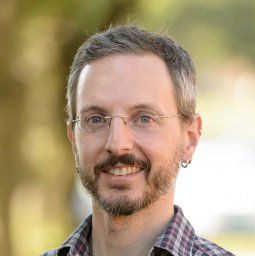 Jonathan Ozik合作论文数Argonne National Laboratory3
 Hans Skailand Eikaas合作论文数Department of Geography Private Bag, University of Canterbury3
 Angus R. McIntosh合作论文数School of Biological Sciences;University of Canterbury;School of Biological Sciences, University of Canterbury3
 Crystal A. Kolden合作论文数Management of Complex Systems Department, School of Engineering, The University of California, Merced;Fire Resilience Center, The University of California, Merced3
 Marika Holland合作论文数Climate & Global Dynamics Lab, National Center for Atmospheric Research3
 Jay T. Johnson合作论文数Department of Geography, University of Kansas3
 John Cassano合作论文数Department of Atmospheric and Oceanic Sciences, College of Arts and Sciences, University of Colorado Boulder;National Snow and Ice Data Center, Cooperative Institute for Research in Environmental Sciences, University of Colorado3
 Arika Virapongse合作论文数3
 Luigi Boschetti合作论文数2
 Sarah M. Wandersee合作论文数2Valoree S. Gagnon合作论文数2jeffery smeenk合作论文数2
 Mario de Haro Marti合作论文数2
 Audrey Martinez合作论文数Ctr Resilient Communities, Univ Idaho2Molly McCarthy合作论文数2Wieslaw Maslowski合作论文数2
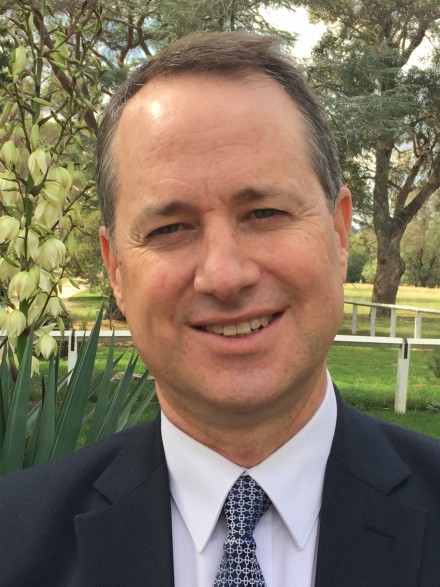 Andrew P Roberts合作论文数Research School of Earth Sciences, College of Science, Australian National University2Alexander A. Prusevich合作论文数2
 Jesse Grunblatt合作论文数2Grier Colin合作论文数2
 Danielle S. Grogan合作论文数2
 A. Dave McGuire合作论文数Institute of Arctic Biology, University of Alaska Fairbanks2
 Virginia Dale合作论文数Environmental Sciences Division, Oak Ridge National Laboratory;Department of Forestry, Wildlife, and Fisheries, University of Tennessee Institute of Agriculture;Department of Ecology and Evolutionary Biology, College of Arts & Sciences, University of Tennessee2




