Eurasian Woodcock Scolopax rust/cola perform a distinctive courtship display known as 'roding', in which male Woodcock travel over large areas of woodland and other suitable breeding habitats in search of females. Observations of roding provide the only practical basis for breeding season surveys of Woodcock, although our existing understanding of roding is derived from a very small number of studies. To provide more representative assessments of roding range size, i.e. the geographic area covered by a displaying male Woodcock, this study analysed fine-scale GPS data collected by tracking Woodcock during their courtship flights. Different methods for estimating roding range size are compared: minimum convex polygons, localised convex hulls and Brownian bridge kernels. Mean estimates of daily roding range size, produced using data from 16 tagged individuals, varied from 0.41-2.00 km2 depending on the method used, with the two most congruous methods suggesting averages of 1.11 km2 or 1.29 km2. The results presented here generally support the existing interpretation of roding as a lek-like system in which mating is determined by male-male competition and female mate selection. Roding ranges were somewhat larger than those provided by previous assessments and we recorded some individuals that made roding movements on a scale far exceeding any previous estimates. The results appear to lend cautious support to existing interpretations of roding count data but raise questions about how woodland size and connectivity may influence display behaviour and thus survey results.
This study develops and applies a context-sensitive cost-benefit analysis (CBA) framework to quantify the economic value of street tree investments across contrasting urban socioeconomic contexts, addressing a critical gap in urban greening policy evaluation. Urban tree canopy decline threatens critical ecosystem services, particularly in socioeconomically vulnerable areas. To demonstrate the framework’s operational utility, we present a comprehensive empirical application to two contrasting municipalities in Greater Adelaide: Salisbury (lower-income, heat-vulnerable) and Unley (higher-income, dense infill). Using local council datasets and practitioner-defined scenarios, this study quantifies the costs and benefits of alternative street tree planting trajectories over a 30-year horizon (2025-2054). The valuation integrates establishment, maintenance, and externality costs with monetised benefits from amenity (property value uplift), carbon sequestration and storage, stormwater management, air pollution removal, energy and emissions savings, and avoided heat-related morbidity, using species-specific growth curves and probabilistic discounting via Monte Carlo simulation. Results show that proactive greening scenarios yield substantial positive net returns, with mean benefit-cost ratios (BCRs) of 1.26 (Realistic) and 1.37 (Optimistic) in Salisbury, and 1.36 (Realistic) and 1.47 (Optimistic) in Unley, implying that every dollar invested yields up to $1.50 in discounted societal returns. A pessimistic scenario reflecting minimal replanting delivers a BCR of 0.61, highlighting the economic cost of inaction. These findings reframe the policy conversation from whether to invest in urban greening to how and where to invest to achieve equitable, climate-resilient outcomes. The framework is therefore designed to support municipal investment prioritisation, species selection, and equitable canopy planning in climate-stressed cities.
Protection and restoration of ecosystems, ceasing human-induced extinctions, and maintaining genetic diversity are key goals for the Global Biodiversity Framework. Molecular techniques can provide empirical data to understand all these goals and provide actionable conservation advice. Acacia araneosa, an endangered aridland shrub, has a restricted distribution in South Australia where it coexists sympatrically with the widespread Acacia rivalis. Evidence of hybridisation between the two challenges the A. araneosa species concept. Here, we examine the genetic distinctness between the two species and use a genomic approach to estimate population genetic structure and historical population size. We used SNP data to quantify species boundaries, population structure, demography, kinship, and genetic diversity within and between populations of both A. araneosa and A. rivalis. We found that while A. araneosa and A. rivalis hybridise to produce F1 hybrids, further backcrossing and gene flow are limited, suggesting that a post-zygotic breeding barrier may exist and that the two species are distinct. Genetic structure within A. araneosa suggests limited gene flow between the two remaining populations occurring within its small range. Our results also reveal a major reduction in effective population size ( Ne) in recent times, dropping from ~49,000 to ~51 (-99.9%) over the last 3,200 years, coinciding with widespread climatic drying across southern Australia. Paleoclimatic data over the last 3,000 years in arid Australia are uncertain; hence, we provide novel empirical support for continued drying in this region using molecular techniques. We recommend that A. araneosa be listed as Critically Endangered on the IUCN Red List, and that the remaining populations are actively conserved and managed to maintain (and ideally increase) population size and genetic diversity.
The fate of carbon (C) in soil is governed by a complex interplay of chemical, physical, and biological processes that determine whether C inputs are rapidly respired or stabilised within more permanent pools. The latter is critical for climate change mitigation, as soil can act as both a source and sink of atmospheric CO₂. Optimising stabilisation pathways is therefore essential to increasing soil C persistence and ensuring meaningful sequestration outcomes. Despite growing recognition of the role of fungi in soil C cycling, the biological mechanisms governing long-term soil C storage remain poorly understood. Here, we introduce the Hyphal Carbon Transfer Theory, which proposes that fungal hyphae can transport plant-derived C from the plant sphere to more stable soil environments. We test this theory by examining the effects of arbuscular mycorrhizal fungi (AMF) inoculation on C partitioning across plant and soil pools using stable isotope ¹³C pulse labelling. We also evaluated biochar as a potential facilitator of this process, given its role in enhancing carbon retention through physical protection, adsorption capacity, and modulation of microbial activity. Biochar did not alter AMF colonisation; however, elevated ¹³C concentrations in both the stable soil fraction and biochar-associated extracts under AMF colonisation indicate that AMF facilitate C transfer away from the highly respiratory root zone toward physically protected microsites. These results point to a previously underappreciated pathway of soil C stabilisation, in which fungal-mediated transport and biochar interactions contribute to C accrual through physical protection and sorption mechanisms.
This paper explores the perceptions of 114 Vietnamese companies regarding the opportunities and challenges they face in trading timber and wood with African countries, drawing the implications for future implementation of the EU Deforestation Regulation (EUDR) in Vietnam and African countries. More than half of the surveyed companies imported African timber for construction, raw material resale, and furniture production. For most companies surveyed, imported African timber was used in 25 %-50 % of their products; just 10 % of companies were entirely dependent on imported African timber. Surveyed companies had a diverse supplier list, with those from the United States and European Union contributing higher percentages of timber than their African counterparts. African countries were considered high-risk for illegal logging; yet surveyed companies also believed African timber imports to be an opportunity due to the continent's significant expanse of tropical forests, high consumer demand for African timber, and favourable conditions when dealing with African businesses. However, importing African timber also brought major challenges for Vietnamese companies due to pressure from consumer countries to ensure timber product legality, and due to the lack of accountable, transparent governance and legal frameworks - in both Vietnam and African countries - required to validate sources. Our paper sheds light on challenges for timber- and wood-processing companies in Vietnam in complying with the EUDR and highlights the need to strengthen governance frameworks around timber imports and exports in Vietnam, African countries and consumer countries to monitor and control the illegal timber trade.
The Periodic Table of Food Initiative addresses food biomolecular composition information gaps through a standardized, accessible and enabling platform based on analytical tools, data and capacity building. Data from 1,650 foods serve as starting point for demonstrating the capacity of this initiative to contribute to nutrition, health and food systems transformations.
The sequestration of atmospheric CO2 in soil is suggested as an effective climate change mitigation strategy. Biochar application shows promise in this regard, while the role of fungi in soil carbon cycling and sequestration is also under investigation. Using a novel high-throughput plant phenomics approach, we explore the impact of arbuscular mycorrhizal fungi (AMF) inoculation and biochar application on wheat growth and soil carbon, guided by one of the leading global carbon credit schemes. Wheat was successfully colonised by AMF, achieving an average root length colonisation of 35.9%. We uncover an indirect fungal-mediated pathway to soil carbon sequestration, with mycorrhizal plants generating more biomass across all soil treatments without yield penalties, suggesting colonised plants deliver more plant derived carbon to the soil, potentially leading to long-term soil carbon gains. Conversely, fungal-driven carbon loss occurred, significantly reducing soil carbon accumulation in unamended soil, but not in biochar-amended soil, suggesting that biochar moderates fungal activity and positively impacts the soil carbon balance. While both biochar and AMF enhance plant growth, their direct effects on soil carbon are complex. Although biochar did not significantly increase soil carbon stocks beyond its own contribution, its ability to regulate fungal activity could play an important role in influencing soil carbon sequestration.
Aim: We test the hypothesis that wind dispersal is more common among emergent tree species given that being tall increases the likelihood of effective seed dispersal. Location: Americas, Africa and the Asia-Pacific. Time period: 1970-2020. Major taxa studied: Gymnosperms and Angiosperms. Methods: We used a dataset consisting of tree inventories from 2821 plots across three biogeographic regions (Americas, Africa and Asia- Pacific), including dry and wet forests, to determine the maximum height and dispersal strategy of 5314 tree species. A web search was used to determine whether species were wind-dispersed. We compared differences in tree species maximum height between biogeographic regions and examined the relationship between species maximum height and wind dispersal using logistic regression. We also tested whether emergent tree species, that is species with at least one individual taller than the 95% height percentile in one or more plots, were disproportionally wind dispersed in dry and wet forests within each biogeographic region. Results: Our dataset provides maximum height values for 5314 tree species, of which more than half (2914) had no record of this trait in existing global databases. We found that, on average, tree species in the Americas have lower maximum heights compared to those in Africa and the Asia Pacific. The probability of wind dispersal increased significantly with tree species maximum height and was significantly higher among emergent than non-emergent tree species in both dry and wet forests in all three biogeographic regions. Main conclusion: Wind dispersal is more prevalent in tall, emergent tree species than in non-emergent species and may thus be an important factor in the evolution of tree species maximum height. By providing the most comprehensive dataset so far of tree species maximum height and wind dispersal strategies, this study paves the way for advancing our understanding of the eco-evolutionary drivers of tree size.
Habitat loss is causing declines in native bees and reducing pollination services. Revegetation can be used to reverse these declines, and this restoration technique attracts growing efforts and resources. However, how the quality of revegetation affects native bee abundance, diversity and their pollination services is not well understood, and this limits opportunities to improve revegetation outcomes. To assess this gap, we surveyed floral and bee diversity in revegetated landscapes ranging in habitat quality, and compared these among each other and to remnant habitat and cleared areas. We also measured pollination services using two native phytometer species, which can be pollinated by native bees only, or by both native and introduced honey bees (Apis mellifera). We found that bee diversity and richness were higher within treatments that were higher in floral diversity. In addition, while pollination services provided by honey bees were uniform across treatments, remnant vegetation supported greater pollination services to the plant species pollinated by native bees only. These results indicate that higher quality revegetation characterized by the establishment of a more diverse set of plant species, has the potential to restore native bee diversity and associated pollination services. However, for the plant species investigated, restoration of pollination services had not occurred and might require more time. These results suggest preserving remnant vegetation should be the highest priority conservation action, and that restoration practitioners and landowners wishing to support landscape-level bee diversity and pollination services, should aim for revegetation using high flowering plant diversity.
Summary Maintenance of a diverse pollinator community helps ensure resilience in pollination services. Fragments of woody and grassy vegetation in the vicinity of croplands have been shown to encourage the presence of crop‐pollinating bees. However, to date, little attention has been given to the management practices that may enhance the presence of bees in such fragments. We investigated how the maintenance of remnant forest fragments adjacent to apple orchards in South Australia affects floral resources and native bee communities. The fragments had been subject to either (a) fire (assessments three years post‐burn), (b) cattle grazing under trees and (c) low maintenance management (>20 years not grazed or burnt). Plant communities were sampled along transects in plots. Bee communities were sampled using hand netting. We fitted generalised linear mixed models to investigate differences in plant and bee diversity between treatments and to elucidate the effect of plant diversity on bee diversity. We compared plant and bee community composition among treatments using non‐metric multidimensional scaling and conducted network analysis to measure the robustness of plant‐pollinator interactions to the removal of species. Both floral resource abundance and bee diversity were higher in burnt and low‐maintenance fragments than in grazed fragments. Bee species richness was positively associated with plant species richness. The species richness of bees that visit apple flowers was positively associated with flower abundance but not with floral species richness. Plant‐pollinator networks in grazed sites had fewer links per species and a higher proportion of realised links than those under other management practices. However, the resilience of pollinator networks did not differ significantly between management practices. Thus, controlled burns or low‐maintenance management of forest fragments appear to be the most suitable landscape management practices to support apple pollinating bees. Burning requires consideration of additional ecological consequences, such as the conservation of fire‐sensitive species and specialist woodland fauna. Cattle grazing adjacent to orchards results in simplified bee communities and pollination networks and is not recommended if pollination services are required for adjacent land uses. This information can benefit orchardist as well as managers of fragments of native vegetation adjacent to orchard crops.
Genetic relationships among teak (Tectona grandis) seed sources have been found to be low, thus genetic materials from other sources are required to maintain broad genetic diversity. This study here is therefore aimed to assess the potency of teak genetic structure in Southeast Sulawesi, Indonesia. Leaf materials were sampled from six populations: the villages of Angondara, Anduna (Konawe), Napabalano, Matakidi, Wakuru (Muna) and Wakonti (Buton). One population from Java Island (Kepek) was used as an outgroup. Genetic structures were assessed by using six microsatellite markers. The genetic diversity within populations was moderate (mean expected heterozygosity = 0.544; mean allelic richness = 3.752) as well as the genetic differentiation among the populations (mean F-ST = 0.085). Dendrogram analysis revealed that the populations were separated into two clusters; the first is Kepek-Angondara, Anduna-Napabalano-Matakidi, Wakuru, and the second is Wakonti. AMOVA showed that the genetic variation was insignificant between regions, but significant among populations. The structural analysis demonstrates the division of populations into two lineages (Java and Southeast Sulawesi populations). Differences in genetic structures indicated that the teak from Southeast Sulawesi may have originated from other sources. Thus, those populations are promising for broadening the genetic base of commercial teak in Java.
Aboveground ecological impacts associated with agricultural land use change are evident as natural plant communities are replaced with managed production systems. These impacts have been extensively studied, unlike those belowground, which remain poorly understood. Soil bacteria are good candidates to monitor belowground ecological dynamics due to their prevalence within the soil system and ability to survive under harsh and changing conditions. Here, we use soil physicochemical assessment and 16S rRNA gene sequencing to investigate the soil physical and bacterial assemblage changes across a mixed-use agricultural landscape. We assess soil from remnant vegetation (Eucalyptus mallee), new and old vineyards, old pasture, and recently revegetated areas. Elevated concentrations of nitrogen (NO3-) and plant-available (Colwell) phosphorus were identified in the managed vineyard systems, highlighting the impact of agricultural inputs on soil nutrition. Alpha diversity comparison revealed a significant difference between the remnant mallee vegetation and the vineyard systems, with vineyards supporting highest bacterial diversity. Bacterial community composition of recently revegetated areas was similar to remnant vegetation systems, suggesting that bacterial communities can respond quickly to aboveground changes, and that actions taken to restore native plant communities may also act to recover natural microbial communities, with implications for soil and plant health. Findings here suggest that agriculture may disrupt the correlation between above- and belowground diversities by altering the natural processes that otherwise govern this relationship (e.g. disturbance, plant production, diversity of inputs), leading to the promotion of belowground microbial diversity in agricultural systems.
Illegal logging and illegal timber trade is a global problem. Anatomical, genetic, and chemical techniques support illegal logging legislation by verifying the species and geographic origin of timber. In principle, these methods can be used to identify timber species and the origin of harvest, however, the availability of specific tests for important timber species is unclear. We review the status of these methods for the top 322 global priority timber taxa. Our results show that for species identification, reference data exist for 100% of taxa using wood anatomy, 86% using genetics, 41% for using DART TOFMS, and 6% using NIRS. For origin identification, data exist for 24% of taxa, with most studies applying genetic approaches (23%). No studies have developed forensic-ready tests for the global priority timber taxa. The review highlights that the current potential for identifying species is greater than for geographic origin and more research focused on determining the geographical origin of timber is required. Based on the current rate, it will take approx. 27 years to generate geographic data for all 322 priority taxa. Finally, we identify research opportunities to improve global timber tracing efforts. Our findings indicate more research is needed, and quickly so that scientific verification can support regulators to combat illegal logging.
Societal Impact StatementSandalwood and other high value tree species are under significant threat from illegal harvest. Illegal logging is an increasing problem contributing to deforestation, biodiversity loss, human rights abuses and funding transnational crime. Successful prosecution of illegal logging is hindered by a lack of methods to provide evidence of the origin of timber. New analytical techniques have been developed to trace timber back to its source. These methods, together with the establishment of sustainable sources of forest resources, can help protect vulnerable species by providing evidence to prosecute illegal harvest and ensure that commercially available forest products come from sustainable sources.SummarySandalwood is highly valued for its fragrant oil and has a long history of cultural and economic importance in many regions of the world. Historical overharvest and poor management have depleted natural populations of sandalwood, which are slow to regenerate. The increasing establishment of plantation sandalwood creates an alternative resource for the sandalwood industry while potentially relieving harvesting pressure on natural stands. Due to the high demand for sandalwood, remaining wild populations are still under threat from illegal logging and methods to identify the source of harvested sandalwood are needed. Laws and regulations aimed at preventing illegal harvest and possession of sandalwood have been put in place but cannot be enforced without the forensic tools to independently verify claimed origin or product quality. The high value of sandalwood combined with the difficulties in enforcing illegal logging laws makes these species particularly vulnerable to poaching. There is an immediate need to develop tools that can identify illegally sourced and adulterated sandalwood products. This paper reviews the current and developing scientific tools that can help identify and control illegal activity in sandalwood supply chains and provides recommendations for future research. Topics include isotope and DNA analysis for tracing illegally harvested sandalwood, chemical profiling for quality control of sandalwood oils, network and policy development to establish a framework for future regulation of the sandalwood trade.
Efforts to explore optimal molecular methods for identifying plant mixtures, particularly pollen, are increasing. Pollen identification (ID) and quantification is important in many fields, including pollination ecology and agricultural sciences, but quantifying mixture proportions remains challenging. Traditional pollen ID using microscopy is time-consuming, requires expertise, and has limited accuracy and throughput. Molecular barcoding approaches being explored offer improved accuracy and throughput. The common approach, amplicon sequencing, employs PCR amplification to isolate DNA barcodes, but introduces significant bias, impairing downstream quantification. We apply a novel molecular hybridisation capture approach to artificial pollen mixtures, to improve upon current taxon ID and quantification methods. The method randomly fragments DNA, and uses RNA baits to capture DNA barcodes, which allows for PCR duplicate removal, reducing downstream quantification bias. Metabarcoding was tested using two reference libraries constructed from publicly available sequences; the matK plastid barcode, and RefSeq complete chloroplast references. Single barcode-based taxon ID did not consistently resolve to species or genus level. The RefSeq chloroplast database performed better qualitatively but had limited taxon coverage (relative to species used here) and introduced ID issues. At family level, both databases yielded comparable qualitative results, but the RefSeq database performed better quantitatively. A restricted matK database containing only mixture species yielded sequence proportions highly correlated with input pollen proportions, demonstrating that hybridization capture usefulness for metabarcoding and quantifying pollen mixtures. The choice of reference database remains one of the most important factors affecting qualitative and quantitative accuracy.
Inoculation of soil with living microbes or propagules has grown in interest and in application due to the modification/degradation of soil systems (including native microbial communities), and the need to maintain agricultural yields with fewer synthetic inputs. However, whilst beneficial microorganisms such as plant growth promoting bacteria (PGPB) and mycorrhizal fungi have been employed via inoculation, their utilisation as an agronomic tool remains trivial in the context of large-scale commercial agriculture. The development of inoculation products has thus far largely focused on their capacity to support plant health (and correlating yield/ profitability), with little attention paid to the ability of these organisms/products to influence soil carbon. Given the expected growth of the agricultural inoculant industry (estimated to reach US$12.5b in revenue by 2027), the increasing commercialisation of soil carbon sequestration (via carbon credits and other financially linked instruments), and the need to find viable solutions to assist in the drawdown of atmospheric CO2, a greater understanding of the role of soil microbes in soil carbon cycling is required in order to facilitate the development of products capable of supporting the sequestration and retention of soil carbon.Here, we review the mechanisms by which microorganisms contribute to soil carbon sequestration and retention and suggest several groups that may be promising candidates for further exploration. Of the many microbial mediated mechanisms identified, we highlight (among others) the capacity of arbuscular mycorrhizal fungi to facilitate the transition of carbon from labile to recalcitrant pools (mineral associated and aggregated), melanising endophytic fungi as a potential source of stabile soil carbon, and PGPB as stimulators of plant growth/ reliance and thus carbon entering the soil carbon pool. We put forward the 'biochar + microbe system' as a potential avenue to overcome the current limitations to building and retaining soil carbon stocks. This review is timely, given the challenges facing global food production, and the need to find viable solutions to address climate change.
Accurate identification of species from timber is an essential step to help control illegal logging and forest loss. However, current approaches to timber identification based on morphological and anatomical characteristics have limited species resolution. DNA barcoding is a proven tool for plant species identification, but there is a need to build reliable reference data across broad taxonomic and spatial scales. Here, we construct a species barcoding library consisting of 1550 taxonomically diverse timber species from 656 genera and 124 families, representing a comprehensive genetic reference data set for Chinese timber species and international commercial traded timber species, using four barcodes (rbcL, matK, trnH-psbA, and ITS2). The ITS2 fragment was found to be the most efficient locus for Chinese timber species identification among the four barcodes tested, both at the species and genus level, despite its low recovery rate. Nevertheless, the barcode combination matK+trnH-psbA+ITS2 was required as a complementary barcode to distinguish closely related species in complex data sets involving internationally traded timber species. Comparative analyses of family-level discrimination and species/genus ratios indicated that the inclusion of closely related species is an important factor affecting the resolution ability of barcodes for timber species verification. Our study indicates that although nuclear ITS2 is the most efficient single barcode for timber species authentication in China, complementary combinations like matK+trnH-psbA+ITS2 are required to provide broader discrimination power. These newly-generated sequences enrich the existing publicly available databases, especially for tropical and subtropical evergreen timber trees and this current timber species barcode reference library can serve as an important genetic resource for forestry monitoring, illegal logging prosecution and biodiversity projects.
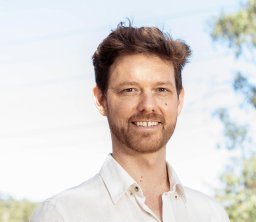 Martin F Breed合作论文数Australian Centre for Evolutionary Biology and Biodiversity (ACEBB) and School of Earth and Environmental Sciences, University of Adelaide48
 Greg R. Guerin合作论文数Australian Centre for Evolutionary Biology and Biodiversity, University of Adelaide39
 Ben Sparrow合作论文数Sch Biol Sci, Univ Adelaide27
 Stephen Cavers合作论文数Centre for Ecology and Hydrology-Edinburgh, Bush Estate, Penicuik, Midlothian EH26 0QB, UK,24
 Eleanor E. Dormontt合作论文数School of Earth and Environmental Sciences, University of Adelaide21
 P. J. Prentis合作论文数School of Earth and Environmental Sciences, University of Adelaide18
 Navarro O Carlos合作论文数Fac Anim & Vet Sci, Univ Chile16
 Nick Gellie合作论文数Ecosyst Surveillance, Univ Adelaide15
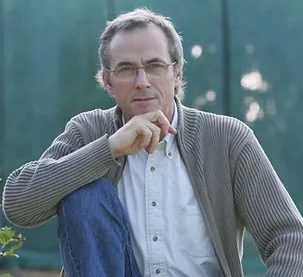 Antoine Kremer合作论文数Institut National De La Recherche Agronomique, Universite de Bordeaux14
 Matthew John Christmas合作论文数Australian Centre for Evolutionary Biology and Biodiversity (ACEBB) and School of Earth and Environmental Sciences, University of Adelaide14Ed Biffin合作论文数13
 Michael G Gardner合作论文数12r c munro合作论文数12
 Caddy-Retalic S合作论文数School of Earth and Environmental Science, University of Adelaide12
 Jacob G. Mills合作论文数Sch Biol Sci, Univ Adelaide10Margaret Byrne合作论文数9
 Glenda Wardle合作论文数School of Life and Environmental Sciences, Faculty of Science, The University of Sydney9
 Kym Ottewell合作论文数School of Earth and Environmental Sciences, University of Adelaide9
 Maurizio Rossetto合作论文数8Cross Hugh B合作论文数8
 Richard J. Abbott (Richard Abbott)合作论文数School of Biology, University of St Andrews8
 Joan Cottrell合作论文数8
 Duncan I. Jardine合作论文数School of Biological Sciences, University of Adelaide7
 Irene Martín-Forés合作论文数Department of Biogeography and Global Change, Spanish National Research Council (MNCN-CSIC),7
 Timothy R. Cavagnaro合作论文数School of Agriculture, Food and Wine, Faculty of Sciences, The University of Adelaide7
 Richard Ennos合作论文数School of Biological Sciences, University of Edinburgh7Zdravko Baruch合作论文数Departamento Estudios Ambientales;Universidad Sim;Departamento Estudios Ambientales, Universidad Sim7a c m gillies合作论文数6Emrys Leitch合作论文数6
 Laura Weyrich合作论文数Department of Anthropology, College of the Liberal Arts, Pennsylvania State University6
 Alan Andersen合作论文数Research Institute for the Environment and Livelihoods, Charles Darwin University6
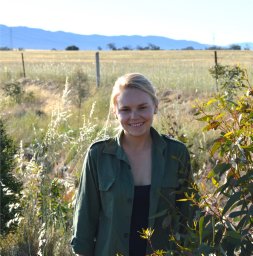 McCallum Kimberly P合作论文数School of Earth and Environmental Sciences, University of Adelaide6
 Philip Weinstein合作论文数School of Public Health, Faculty of Health and Medical Sciences, University of Adelaide6
 Maristerra R Lemes合作论文数Laboratório de Genética e Biologia Reprodutiva de Plantas, Instituto Nacional de Pesquisas da Amazônia6j d deans合作论文数6UM Csaikl合作论文数6
 Rogerio Gribel合作论文数Lab Genet & Biol Reprod Plantas, Inst Nacl de Pesquisas da Amazonia6
 Francesca A. Mcinerney合作论文数Department of Geological Sciences, Northwestern University6N Colpaert合作论文数5Doug Bickerton合作论文数5
 Bryan Finegan合作论文数Department of Ecology and Evolutionary Biology, University of Connecticut;Division for Inclusive Green Development, Centro Agronomico Tropical de Investigacion y Ensenanza;College of Natural Resources, University of Idaho5
 Ary Hoffmann合作论文数School of BioSciences, Faculty of Science, University of Melbourne5Godelieve Gheysen合作论文数Faculty of Bioscience Engineering, Ghent University5
 David Lindenmayer合作论文数Fenner School of Environment and Society, College of Systems and Society, Australian National University5
 Ming Kang (康明)合作论文数South China Botanical Garden, Chinese Academy of Sciences;University of Chinese Academy of Sciences5
 Rogerio Margis合作论文数Instituto de Biologia, Universidade Federal do Rio Janeiro5Nicole Thurgate合作论文数5
 David Paton合作论文数Department of Zoology;University of Adelaide;Department of Zoology, University of Adelaide5Barbara Van Dam合作论文数5




