Mediterranean mussels (Mytilus galloprovincialis) are a cornerstone of Italian aquaculture, yet their quality and survival can be affected by post-harvest handling and long-distance refrigerated transport. This study investigated the effects of a 17-hour-simulated transport at 7 +/- 1 degrees C on mussel health status and quality, considering the position of mussels within stacked packaging layers (top, intermediate, and bottom). Results evidenced that the simulated transport conditions or the position within the pallet did not affect mussels' marketable indexes (condition index, edible fraction yield, shell incidence) but were able to affect the mussels' nutritional profile. In fact, mussels after transport exhibited reduced dry matter, crude protein, and crude lipid contents, coupled with fatty acid remodeling (mainly a decrease in palmitic acid and a parallel increase in n3-polyunsaturated fatty acids), regardless of their position within the pallet. These variations reflected the physiological mobilization of endogenous reserves to maintain basal metabolic functions during transport in emersion conditions as well as an active homeoviscous adaptation to counteract the reduction in membrane fluidity induced by the lower temperature. Interestingly, that fatty acid remodulation resulted in improved lipid quality indices (lower atherogenicity and thrombogenicity indexes, higher h/H ratio) leading to a more favorable nutritional profile. Finally, the simulated transport conditions majorly affected the health status of the mussels located at the bottom layers, possibly interested by the synergic effect of cold stress and hypoxia. In fact, mussels collected from these layers were characterized, at gills level, by an upregulation of markers involved in cellular (hsp70) and oxidative (sod1 and cat) stress together with a higher incidence of histopathological indexes compared to those from the top and intermediate layers. These findings suggest that short-term refrigerated transport induces physiological adjustments to extend their period of survival in adverse conditions, that were exacerbated in mussels located at the lowest levels of the pile.
This study evaluates the near-zero-pollution biorefinery concepts coupled with valorisation processes. Nine different scenarios were developed to assess the biochar production from various waste streams, including raw mollusc waste (Sc1-2), raw fish waste (Sc3), a mix of raw fish and mollusc waste (Sc4), enzymatic hydrolysis residues from fish and mollusc wastes (Sc5-7) and alternative feedstocks (Sc8), mixture of alternative feedstock in varying proportion with raw fish waste (Sc9). Scenario comparison revealed that mollusc-based scenarios (Sc1-2) and mixed hydrolysis residue scenarios (Sc5-7) were unsuitable for biochar production due to high inert content and reduced fixed carbon. On the other hand, two suitable feedstock configurations were identified: i) pyrolysing only lignocellulosic materials (Sc8) and ii) co-pyrolysis of lignocellulosic materials with seafood waste. Effects of biochar on compost quality were assessed in a pilot-scale experiment. Pyrolysis experiments suggested that the amount of fish waste should be less than 30% of the mixture with wooden materials, as higher proportions decreased biochar yield and increased nickel concentration in the final product, which could eventually surpass the maximum limit set by EU Fertilising Products Regulation. Biochar addition to composting (10-14% by dry weight) reduced CH4, N2O, and total CO2-equivalent emissions by 33%, 23% and 13%, respectively, as well as increasing carbon content to 41.5%. Biomethane yields showed secondary residues hold great potential for renewable energy (319 mL/gVS). Overall, this is one of the first studies conducted on a near-zero-pollution biorefinery concept, and the data in this study provide a realistic pathway that complies with regulatory standards for the circular valorisation of fisheries industry residues.
Nowdays only 30% of domestic used vegetable oil is currently recovered, with significant quantities discharged into sewer systems, strongly contributing to environmental degradation. Converting used cooked oil (UCO) into biodiesel is the most suitable approach to minimize environmental impacts and exploit the potentiality of a valuable resource. Although biodiesel is widely recognized as a promising technology for clean electricity production, the environmental impacts and its advantages in terms of carbon footprint remain partially unclear in the territorial framework. This study investigates and quantifies the technical and environmental impacts associated with the production, consumption and recovery of used cooking oil in Italy and Europe through life cycle assessments (LCA) approach. Different Scenarios, considering partial oil recovery, partial discharge in the sewage system and total oil recovery for biodiesel production, were investigated. Real data were collected by a territorial company in central Italy. LCA results reveals the transition from the Scenarios, resulting in a significant improvements in terms of environmental indicators especially, in order of prorioty, as climate change, freshwater eutrophication and terrestrial acidification. Overall, considering the total oil recovered and biodiesel production, the carbon footprint mitigation shows 14-27% reduction in CO2 (carbon dioxide) emissions in respect to the Scenario where the oil is partially recovered, equivalent to an environmental impact of 48-199 Pey-1 (people equivalent per year).
Sewage systems and Wastewater treatment plants (WWTPs) are considered among the public utility services with the highest contribution to greenhouse gas (GHG) emissions. Within the broader process of decarbonizing the water sector, it is essential to assess the role of sewer networks, which represent an unknown and often-overlooked source of biogenic GHG emissions. Aligned with the global goal of carbon peaking, new urban wastewater directive and European mitigation strategies, this study proposes a normalized approach based on a one-year in situ monitoring campaign of the main greenhouse gases, methane, nitrous oxide and carbon dioxide, conducted at selected manholes and combined sewer overflows (CSOs) in a urban sewage network. An exploratory statistical analysis was performed to identify hidden patterns and key environmental drivers influencing GHG emissions. In the gaseous phase, correlations between CO₂ and N₂O, as well as between CO₂ and CH₄, were observed, most likely related to biochemical transformations occurring within the sewer network. Liquid-phase concentrations ranging from 0.9 to 2.2 mgCH₄/L, 2.2 to 5 mgN₂O/L and 35.4 to 56.8 mgCO₂/L were identified as dissolved in the flows of combined sewer overflows. The total greenhouse gas emissions estimated for a combined sewer network revealed that methane and nitrous oxide were the predominant contributors in both manholes and combined sewer overflows, accounting for 139 and 530 ton CO₂eq/year in manholes, and 35 and 830 ton CO₂eq/year in CSOs, respectively. The sewer system accounts for 44% of the total carbon footprint when considering both the wastewater treatment plant and the sewage network.
This study proposes an integrated framework for quantifying and forecasting basin-scale water availability in coastal systems under environmental flow constraints. The approach combines a hydrogeological water balance with AI-based forecasting and treated wastewater reuse assessment within a unified scheme. The framework is applied to the Sentina coastal basin (Italy), where water availability is strongly influenced by river discharge dynamics. Results show that local recharge contributes marginally and episodically, while river flow controls seasonal variability, leading to critical deficits during summer once environmental flow requirements are enforced. Forecasting performance is satisfactory for the Standardized Precipitation Index (SPI) and the Standardized Precipitation–Evapotranspiration Index (SPEI) (R² ≈ 0.81), while lower accuracy for total water availability reflects the complexity of coupled processes. The integration of reclaimed wastewater reduces deficit frequency but does not fully offset shortages. The framework provides a transferable tool for operational water management in vulnerable coastal basins.
Organic waste valorization studies are often fragmented, focusing on individual biomass streams or isolated conversion pathways, thereby limiting the comparability and transferability of reuse strategies. To address this gap, this study develops a unified data-driven decision-support framework "Green Tree" for the early-stage selection of sustainable valorization pathways for heterogeneous animal by-products. Twelve matrices derived from fisheries, aquaculture, poultry processing, and insect production systems were characterized and integrated with literature data to construct a compositional dataset for clustering analysis and pathway classification. K-means clustering identified ash, fixed carbon (FC), and nitrogen (N) as the most discriminant variables, leading to the definition of operational thresholds (14 wt% ash, 16 wt% FC, and 10 wt% N) for pathway selection. The resulting Green Tree classified mineral-rich matrices toward mineral recovery and material applications, nitrogen-rich matrices toward biochemical valorization and N-doped carbon production, char-oriented matrices toward biochar and activated carbon generation, and volatile-rich residues toward anaerobic digestion and volatile-oriented thermochemical conversion. External and experimental validation supported the framework predictions. Literature-derived external validation showed good agreement between expected and Green Tree-assigned classifications (90% ). Experimental results further confirmed these trends: chicken feathers showed low pyrolysis conversion (35%-42%), confirming their char-oriented behaviour, whereas fish scales exhibited high mineral content and approximately 71% conversion, supporting their classification as mineral-rich matrices. Anaerobic digestion of fish waste generated biogas containing 47%-63% CH4, confirming the suitability of volatile-rich residues for biochemical conversion. The proposed Green Tree translates compositional data into operational valorization criteria for sustainable waste management and circular bio-refinery strategies.
Per- and polyfluoroalkyl substances (PFAS) are persistent environmental contaminants commonly found in landfill leachates and wastewater treatment plant (WWTP) effluents, posing significant risks to environmental and human health. This study evaluates the environmental impacts of two treatment methods - incineration and pyrolysis - for managing PFAS-rich waste, specifically the sludge generated in a Landfill Leachate Treatment Plant (LLTP) and the concentrate produced by a Nanofiltration (NF) system treating the effluent from the same plant. A Life Cycle Assessment (LCA) was performed to compare the environmental impacts of these methods in terms of Global Warming Potential (GWP), Marine Eutrophication (MEP) and Terrestrial Ecotoxicity (TETP). Pyrolysis treatment results in 26 % lower GWP impacts (70.8 kg CO2-eq per 1000 kg of input), 85 % lower MEP impacts (0.0065 kg N-eq per 1000 kg of input), and 91 % lower TETP impacts (216 kg 1,4-DBC-eq per 1000 kg of input) compared to incineration (96.2 kg CO2-eq, 0.0437 kg N-eq, and 2330 kg 1,4-DBC-eq per 1000 kg of input, respectively).The study highlights pyrolysis as a more eco-friendly and energy-efficient option for managing PFAS-rich waste, outperforming incineration in the considered environmental categories.
Microalgae-based treatment has been considered an ecological alternative that can contribute to face the consequences of climate change. Additionally, microalgae cultivation satisfies nutrient removal, promoting the circular economy and sustainable energy use. This study aims to evaluate the performance and the efficiency of nutrient abatement in a pilot scale plant based on microalgae in the real environment. The experimental activities are divided into three phases. Phase 1 was carried out to evaluate the efficiency of the removal of nutrients from the feeding of pre-settled municipal wastewater; Phase 2 was carried out to evaluate the performance of the pilot with the addition of sodium and Phase 3 was carried out to evaluate the efficiency of the removal of nutrients from the feeding of pre-settled municipal wastewater mixed with anaerobic rejected liquor from digestion. The removal efficiencies were 90% for ammoniacal nitrogen (N-NH3) and 11% for phosphate phosphorus (P-PO4) in phase 1, while they were equal to 99.36% for N-NH3 and to 21.41% for P-PO4 in phase 2. Phase 3 showed removal efficiencies of 50.54% for N-NH3 and 1.3% for P-PO4. Seasonal effects were observed and influenced removal efficiencies. Further studies should be carried out covering the annual period to validate and evaluate the results.
Climate change challenges necessitate innovative, effective and sustainable mitigation measures to enhance ecosystem resilience. This study presents the development and application of a participatory, and cross-sectoral multi-criteria assessment (MCA) decision-support tool designed to prioritize Nature-based Solutions (NBS) and Bioeconomy Solutions (BES) based on Water-Energy-Food-Ecosystem (WEFE) nexus and selected impact (Social, Economic, Climate change, Institutional) criteria. The methodology and tool are adaptable in different contexts and can address several climate change, sustainability, and circularity challenges. The participatory MCA methodology was applied and validated during an all-day workshop on Tinos, a Greek island on the Aegean Sea. Local challenges were addressed and examined within the framework of two distinct sites. Workshop results identified habitat loss and biodiversity decline as the island’s primary challenges, with Conservation Agriculture and Agroforestry emerging as the top-rated solutions, scoring 78/100 and 71/100, respectively. Although stakeholders prioritized different interventions for each site, the selected solutions consistently aimed to address these environmental issues. This research study contributes to advancing understanding and practice in the field of sustainable resource management within the WEFE nexus, while underscoring the importance of participatory approaches in developing effective and context-specific sustainability strategies.
The long-term durability of polyethylene (PE) pipes in water distribution networks is gaining importance due to updated European regulations on drinking water safety. This study investigates the accelerated ageing of two PE grades (PE1 and PE2) exposed to chlorine dioxide (ClO₂), a disinfectant known for its high efficacy and minimal formation of harmful by-products. Pilot-scale tests were conducted under realistic and dynamic conditions to evaluate chemical, microstructural, thermal, and mechanical degradation. The experimental approach introduces a novel preliminary ageing protocol, integrating both micro- and macro-scale characterization of materials exposed to ClO₂. Physicochemical analyses revealed a significant increase in the carbonyl index, particularly in PE1, which exhibited a higher oxidation rate (0.287 CI/CI₀/day) compared to PE2 (0.216 CI/CI₀/day). Crystallinity also increased by approximately + 4 % in PE1 and + 2 % in PE2. These changes were accompanied by a progressive decline in mechanical performance: between weeks 6 and 13, reductions in elongation at yield and ductility were observed. From week 12 onward, both materials failed to meet the mechanical conformity threshold defined by EN 12201-2:2024, with elongation at break falling below 350 %. Based on degradation kinetics, the estimated service life under real operating conditions was 18 years for PE1 and 23 years for PE2 at 40°C. The durability of PE1 and PE2 ranges from 19 to 60 years, depending on ClO₂ levels and temperature.
The increasing global water scarcity has made the safe reuse of treated wastewater essential, especially in agriculture, where untreated water poses risks to public health. Digitalizing Wastewater Treatment Plants (WWTPs) can enhance real-time water quality monitoring and optimize plant operations. This study implements an Early Warning System (EWS) at the Peschiera Borromeo WWTP in Milan, Italy, using predictive models based on simulated and real datasets to estimate key water quality parameters like Chemical Oxygen Demand (COD) and Total Suspended Solids (TSS). A Multi-Task Learning (MTL) neural network provided real-time predictions and sensor malfunction detection, while a Long Short-Term Memory (LSTM) network forecasted water quality up to six hours ahead. Simulated data showed high correlation coefficients above 0.98, but real-world data reduced performance to 0.31-0.67. Despite this, the EWS shows strong potential for improving treated water reuse reliability and operational efficiency in WWTPs.
Increasing global fish production demands sustainable waste management for the proper disposal of process leftovers. Fish waste stabilisation using pyrolysis has the potential to stabilise this putrescible waste, as well as production of biochar for sustainable agricultural applications. This study investigated the influence of residence times at a fixed temperature (400°C) on the yield and quality of biochar by co-pyrolysis of fish and pruning waste. Results showed a decreasing trend of biochar yield with a decrease in residence time for pruning waste (PW) tests, whereas fish waste (FW) and PW blend (30:70 w/w) resulted in a relatively stable trend. Biochar obtained at 30 minutes residence time accounted for 42.1%, with a higher carbon content of 62.8% and H/C of 0.69, indicating thermal conversion and stable biochar. Furthermore, biochar exhibits a low concentration of trace elements, complying with safety and quality regulations for biochar.
The reuse of stormwater represents a potential option for meeting water demands in water stressed regions as well as preventing and mitigating diffuse pollution of receiving water bodies. Particularly, the elaboration of a risk management plan for stormwater reuse may help to understand associated environmental and public health risks and design fit-for-purpose water treatment processes. In this work, it is presented an innovative methodology to perform quantitative microbial risk assessment (QMRA) for stormwater reuse by using data simulated by SWMM software. Particularly, 210 rain events were simulated by SWMM after qualitative and quantitative calibration of the sewer network model of the city of Cupra Maritima (Italy) to identify sewer overflows. Obtained concentrations of pathogens (i.e., E. coli, Campylobacter) in overflows from each critical spillway were fitted by theoretical distribution curves. Hence, QMRA for Campylobacter was performed by Monte Carlo simulation and by linking observed overflows to the exposure events of stormwater reuse for the scenario of 1) municipal irrigation, 2) garden irrigation and 3) toilet flushing as defined by the Australian Guideline for water recycling. Furthermore, QMRA analysis was repeated after simulation of sewer overflow treatment by nature-based solution (NBS) with and without disinfection (UV and performic acid - PFA). Stormwater treatments were simulated by applying uniform distributions of expected range of bacteria log removals. Results showed that stormwater treatment by nature-based solution and disinfections (PFA dose of 2.5–5 mg/L) were able to reduce the risk of Campylobacter infection to acceptable level for most of spillways in the three investigated reuse scenarios. In addition, produced data were elaborated to identify critical overflows discharging in bathing water according to the indications of the EU bathing directive.
The establishment of regional sludge treatment hubs has been proposed as a solution to achieve the necessary economic scale for sustainable resource recovery and safe reuse in non-metropolitan areas. However, existing literature provides limited insights into their sustainability and effectiveness, and inadequate legal frameworks often hinder efficient sludge treatment, leading to improper disposal and increased risks. This article addresses these gaps by evaluating the environmental impact of a centralised sludge treatment system through a real case study, highlighting the importance of selecting sewage sludge with minimal risks for centralised resource recovery and safe reuse, in line with the recent review of the Sewage Sludge Directive.Building on the Horizon 2020 SMART-Plant innovation action, a regional sludge hub has been designed to treat and valorise the sewage sludge from 52 municipalities in Treviso, serving around 500,000 residents. In the first phase, the potential for resource recovery and safe reuse was assessed by evaluating the long-term chemical and physical characteristics of the sewage sludge, while considering the replicability of this model. In the second phase, a Life Cycle Assessment (LCA) was conducted to evaluate the environmental impact of various valorisation pathways, including composting, biogas production, phosphorus salts, and biopolymer (PHA) recovery. The final environmental impacts were normalised using the revised ReCiPe 2016 normalisation values. The results indicated that phosphorus and biopolymer recovery was the most sustainable scenario, reducing emissions by an amount equivalent to 176 individuals per day compared to the decentralised system.
Cementitious materials are the most common and effective building materials. While guaranteeing excellent performance, their production has an adverse effect on the environment in terms of greenhouse gas emissions and resources depletion. Thus, this research investigated the use of seashells, a waste product from the food industry, as a cement substitute and explored the optimal pre-treatment and mix design for preparing cementitious mortar. Seashell waste was characterized in terms of physical and chemical constitution and ground for use as a filler for the substitution of cement in mortar at 10, 20, and 30 wt%, with a 0.5 water-to-binder (w/b) ratio. The results were also compared to the reference mortar (0 % substitution) with the same w/b ratio. The fresh-state and hardened properties were evaluated. The compressive strength (Rc) showed that the performance decreased by up to 50 % when 30 % seashell waste filler was used. To mitigate this loss of performance, three different approaches were adopted: (i) the pre-treatment of seashell waste, (ii) a reduction in the w/b ratio, and (iii) the preparation of ternary mixes with blast-furnace slag as pozzolanic material and seashell waste as a partial substitute for cement. When substitution was performed with seashell waste from which the organic part was recovered, a 40 % reduction in Rc was recorded. With the reduction in the w/b ratio from 0.5 to 0.4, a super-plasticizer was added to maintain the same workability, and the decrease in Rc was 30 % when 30 % binder was used for substitution. However, when 10 % seashell waste filler was used for substitution, the reduction in Rc was negligible for both approaches. The addition of slag to the sand-cement-seashell-slag mixture at 3:0.7:0.1:0.2 wt % also permitted the recovery of Rc when compared to 30 % seashell waste filler substitution, with a reduction in Rc of about 25 % when compared to the reference mortar.
ABSTRACT Industrial symbiosis approach was established between an industrial company and a water utility to prioritize the reuse of urban wastewater for industrial purposes. This requires low-salinity water, but this area is frequently affected by saline intrusion, thus creating water-related conflicts between the different economic activities. This study proposes a digital solution that combines dynamic simulation model (that predicts seawater intrusion and runoff) with digital tools, i.e., smart equalization (control algorithm) and matchmaking platform (decision support system). The models aim to predict the periods where significant peaks of salinity occurs, whereas the tools aim to distribute the wastewater and reclaimed water streams to diverse applications (industrial, agricultural) and/or treatments (conventional treatment, reverse osmosis) to maximize the amount of wastewater reused in efficient and sustainable way. During the 2D simulated period, wastewater conductivity was in range of 2100–2700 µS·cm−1. Although this conductivity was over the limit required for industrial reuse, the digital solution implemented in this study enabled to recover 71% of the total wastewater produced for industrial purposes and 10% for irrigation, only discharging 19% of the total. The approach implemented in this study would be very useful to be replicated in coastal areas where saline intrusion is relevant.
Awareness of circular bioeconomy and sustainability must be increased among young people, as they are the future drivers of change towards greater resource efficiency and waste reduction. This study evaluates the current awareness and perceptions of students in the Mediterranean region regarding environmental issues, including climate change, water resources and scarcity, wastewater treatment and reuse, microalgae-based wastewater treatment, and bioproducts derived from microalgae. Data were collected through questionnaires administered to Italian and Spanish students, representing the Mediterranean region. External factors such as age, field of study, degree level, and gender were analysed. Findings revealed that participants demonstrated a high level of awareness regarding climate change and responsible consumption. However, responses from students regarding droughts and water resource quality were highly variable. The study also revealed that a large number of participants were willing to use reclaimed water, provided it did not come into direct contact with crops. However, their understanding of specific aspects of water reuse, such as alternative treatments and water quality levels, was limited. Furthermore, while participants generally demonstrated a high level of acceptance regarding the use of microalgae, a significant knowledge gap was identified concerning their potential for bioproduct production and their application in alternative wastewater treatment processes. To address these knowledge gaps, several recommendations are provided, covering both academic and non-academic pathways. The results of this research can be used to review and update scientific content in curricula, as well as guide water management stakeholders in determining the directions to be pursued in the near future.
In this paper, a novel methodology and extended hybrid model for the real time control, prediction and reduction of direct emissions of greenhouse gases (GHGs) from wastewater treatment plants (WWTPs) is proposed to overcome the lack of long-term data availability in several full-scale case studies. A mechanistic model (MCM) and a machine learning (ML) model are combined to real time control, predict the emissions of nitrous oxide (N2O) and carbon dioxide (CO2) as well as effluent quality (COD - chemical oxygen demand, NH4-N - ammonia, NO3-N - nitrate) in activated sludge method. For methane (CH4), using the MCM model, predictions are performed on the input data (VFA, CODs for aerobic and anaerobic compartments) to the MLM model. Additionally, scenarios were analyzed to assess and reduce the GHGs emissions related to the biological processes. A real WWTP, with a population equivalent (PE) of 125,000, was studied for the validation of the hybrid model. A global sensitivity analysis (GSA) of the MCM and a ML model were implemented to assess GHGs emission mechanisms the biological reactor. Finally, an early warning tool for the prediction of GHGs errors was implemented to assess the accuracy and the reliability of the proposed algorithm. The results could support the wastewater treatment plant operators to evaluate possible mitigation scenarios (MS) that can reduce direct GHG emissions from WWTPs by up to 21%, while maintaining the final quality standard of the treated effluent.
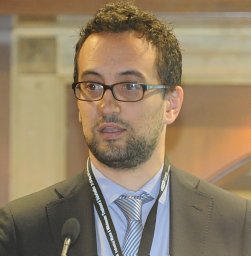 Francesco Fatone合作论文数Department of Biotechnology, University of Verona83
 Alessia Foglia合作论文数Environm & Urban Planning SIMAU, Polytech Univ Marche28
 Nicola Frison合作论文数Department of Environmental Sciences, Informatics and Statistics, University Ca'Foscari of Venice22
 Cagrı Akyol合作论文数22
 Giulia Cipolletta合作论文数15
 Massimiliano Sgroi合作论文数Department of Civil Engineering and Architecture, University of Catania;Department of Chemical &Environmental Engineering, University of Arizona;University of Catania, University of Arizona12Corinne Andreola合作论文数9Serena Radini合作论文数9
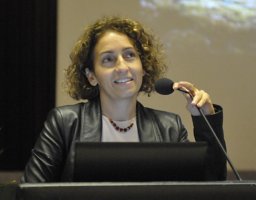 Stefania Gorbi合作论文数Istituto di Biologia e Genetica, Università Politecnica delle Marche9
 Evina Katsou合作论文数School of Chemical Engineering, National Technical University of Athens9
 J. Gonzalez-Camejo合作论文数8
 Paolo Battistoni合作论文数8Diego Cingolani合作论文数7
 McAdam Ewan J合作论文数Cranfield Water Science Institute, Cranfield University7
 Emine Gozde Ozbayram合作论文数Environmental Engineering Department, Istanbul Technical University7Cecilia Bruni合作论文数6Santinelli Martina合作论文数6
 Chiara Giosue合作论文数Department of Materials and Environmental Engineering and Physics, Marche Polytechnical University6
 Lucia Pittura合作论文数6
 Giovanna Darvini合作论文数5Marco Parlapiano合作论文数5Bartosz Szeląg合作论文数5
 Francesca Tittarelli合作论文数Department of Materials and Environmental Engineering and Physics, Marche Polytechnical University5
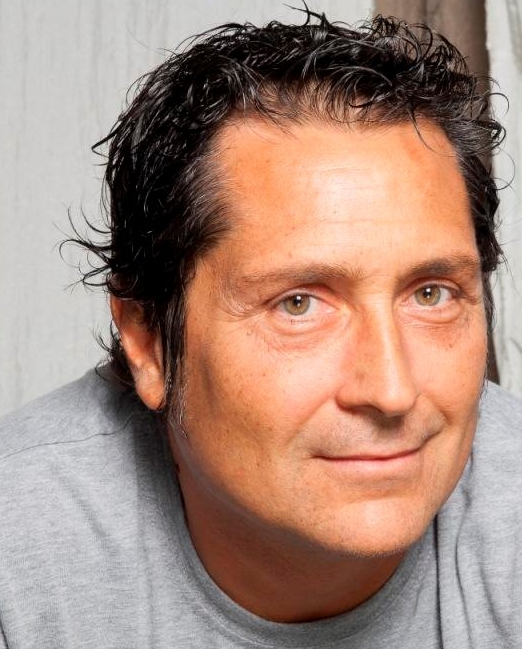 Francesco Regoli合作论文数Dipartimento di Scienze della Vita e dell'Ambiente, Universita Politecnica delle Marche5
 Bruce Jefferson合作论文数Cranfield Water Science Institute, Cranfield University5
 Elise Cartmell合作论文数Centre for Water Science, Cranfield University5Nicola Lancioni合作论文数4Enrico Marinelli合作论文数4
 Vasileia Kyriakoula Vasilaki合作论文数Institute of Environment, Health and Societies, Brunel University London4
 Cinzia Da Ros合作论文数4
 Simona Sabbatini合作论文数4
 David Bolzonella合作论文数Department of Science and Technology, University of Verona4P Nardelli合作论文数3
 Saba Daneshgar合作论文数3
 Vincenzo Conca合作论文数3
 Luigi Alessandrino合作论文数3
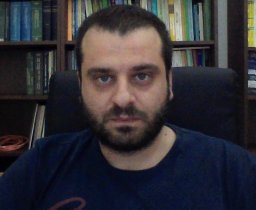 Vassilis Aschonitis合作论文数3
 Nicolo Colombani合作论文数Department of Earth Sciences, University “La Sapienza” of Roma3
 Paola Astolfi合作论文数Dipartimento di Genetica e Microbiologia3
 Paolo Pavan合作论文数Department of Chemical Engineering, University of Barcelona3
 Adriano Mancini合作论文数Dipartimento di Ingegneria dell'Informazione3
 Michela Pisani合作论文数Dipartimento di Scienze dei Materiali e della Terra, Università Politecnica delle Marche3Milo Santini合作论文数2K. Li合作论文数2Francesco Valentino合作论文数2Matteo Spinelli合作论文数2
 Luca Giorgi合作论文数2Franco Cecchi合作论文数2




