This work presents the first investigation of the impact of seasonal variations in seismic noise on the low-frequency performance of the Einstein Telescope (ET) at the Sardinia candidate site, focusing on their effect on compact binary coalescence signals. Using seismic data collected between 2022 and 2025 from a deep borehole, we characterize the seasonal variability of the seismic noise and identify the months of July and December as representative best- and worst-case conditions. The measured seismic spectra are used to estimate the Newtonian noise contribution in the 2–10 Hz frequency range and to derive corresponding modifications to the ET design sensitivity. These sensitivity curves are then used in simulations of binary neutron star and intermediate-mass black hole signals in the triangular ET configuration to quantify the resulting changes in signal-to-noise ratio. We find that median seasonal conditions produce only minor changes in the expected SNR, with deviations from the design case typically below 2%. Larger effects are found for the upper tail of the December noise distribution, where the average SNR loss reaches approximately 20–25%. These results indicate that seasonal seismic variability at the Sardinia candidate site has a limited impact on the low-frequency performance of ET under typical conditions.
Einstein Telescope (ET) is the European project for a gravitational-wave (GW) observatory of third-generation. In this paper we present a comprehensive discussion of its science objectives, providing state-of-the-art predictions for the capabilities of ET in both geometries currently under consideration, a single-site triangular configuration or two L-shaped detectors. We discuss the impact that ET will have on domains as broad and diverse as fundamental physics, cosmology, early Universe, astrophysics of compact objects, physics of matter in extreme conditions, and dynamics of stellar collapse. We discuss how the study of extreme astrophysical events will be enhanced by multi-messenger observations. We highlight the ET synergies with ground-based and space-borne GW observatories, including multi-band investigations of the same sources, improved parameter estimation, and complementary information on astrophysical or cosmological mechanisms obtained combining observations from different frequency bands. We present advancements in waveform modeling dedicated to third-generation observatories, along with open tools developed within the ET Collaboration for assessing the scientific potentials of different detector configurations. We finally discuss the data analysis challenges posed by third-generation observatories, which will enable access to large populations of sources and provide unprecedented precision.
We present a new differential mechanical gradiometer for the detection of low-frequency Gravitational Waves. The frequency range is 0.05 to 1 Hz, a frequency gap not covered either by future space-based detectors such as LISA or by ground-based observatories such as Einstein Telescope or Cosmic Explorer. The proposed detection principle is similar to antennas based on torsion pendulums but solves the problem of physical confinement of these antennas by operating vertically and by having a counterweight at one end of each bar and a mass suspended from a long wire at the other. With this configuration, we enlarge the gravitational force acting on the system without changing the moment of inertia of the system, so that we move from a signal Δθ of the order of Δθ= h, where h is the amplitude of the gravitational wave, to a signal of the order Δθ= hL/D, where D is the length of the arm and L is the length of the wire suspending the test mass. This configuration is a further evolution of the recent development of tiltmeters and balances with double suspended arms and interferometric read-out, where the main working principles are already tested. The expected sensitivity will be discussed with respect to the proposed parameters and the present technology.
Geophysical investigations and studies on the local seismic noise are of paramount importance for evaluating the candidate locations for hosting Einstein Telescope (ET), the third-generation gravitational wave detector. In the Italian candidate site, several active and passive geophysical acquisitions have been carried out, mainly focusing on the imaging of the shallow subsurface, while a full characterization of the noise wavefield was lacking. In this work, we present the results from three temporary seismic arrays installed at the Italian candidate site, each with different geometrical layouts, recording durations, and total numbers of stations. Here, we provide an overview on the seismic noise characteristics and its azimuthal distribution, obtained through beamforming. Moreover, we leverage the noise recordings to extract (i) Rayleigh wave dispersion curves using fk analysis, which are then inverted to obtain a one-dimensional, shear-wave velocity model of the subsurface and (ii) HVSR spectra across all arrays' stations. The recordings confirm the exceptionally low level of seismic noise approaching Peterson's New Low Noise Model for frequencies > 1 Hz. The arrays allowed to reliably reconstruct the seismic wavefield in the 10–20 Hz range, showing an almost azimuthally homogeneous noise source distribution, with slowness values between 0.4 and 0.5 s/km. The inversion of dispersion curves in the same frequency range highlighted a rather homogeneous, high-velocity terrain (VS=2–3 km/s) in the first 100 m. The flat HVSR spectra across all arrays excludes the presence of a resonant, low-velocity layer at shallow depth.
Exploring the complex connection between vacuum fluctuations and gravitational field is the goal of Archimedes experiment. Tiny changes in the weight of the vacuum contained in high-temperature superconductors can be measured using a high-precision balance. These structures can absorb or expel vacuum energy depending on their normal or superconductive status. In the measurement, the state of the sample is modulated into two states, normal and superconducting, with a reversible transition achieved by periodically varying the temperature of the thermal bath. The paper provides the current status of the experiment, highlighting the study and construction of the balance with its thermal modulation and cryogenic systems, and the investigation of high-temperature superconductor candidates.
We present the results of a search for gravitational-wave transients associated with core-collapse supernova SN 2023ixf, which was observed in the galaxy Messier 101 via optical emission on 2023 May 19, during the LIGO–Virgo–KAGRA 15th Engineering Run. We define a five-day on-source window during which an accompanying gravitational-wave signal may have occurred. No gravitational waves have been identified in data when at least two gravitational-wave observatories were operating, which covered ∼14% of this five-day window. We report the search detection efficiency for various possible gravitational-wave emission models. Considering the distance to M101 (6.7 Mpc), we derive constraints on the gravitational-wave emission mechanism of core-collapse supernovae across a broad frequency spectrum, ranging from 50 Hz to 2 kHz, where we assume the gravitational-wave emission occurred when coincident data are available in the on-source window. Considering an ellipsoid model for a rotating proto-neutron star, our search is sensitive to gravitational-wave energy 1 × 10 −4 M ⊙ c 2 and luminosity 2.6 × 10 −4 M ⊙ c 2 s −1 for a source emitting at 82 Hz. These constraints are around an order of magnitude more stringent than those obtained so far with gravitational-wave data. The constraint on the ellipticity of the proto-neutron star that is formed is as low as 1.08, at frequencies above 1200 Hz, surpassing past results.
We present an evaluation of how site dependent noise can affect the signal to noise ratio (SNR) of compact binary coalescence (CBC) signals in the future 3rd generation gravitational wave (GW) detector Einstein Telescope (ET). The design of ET is currently pushing the scientific community to study its scientific potential with respect to known, and possibly unexpected, GW signals using its design sensitivity curves. However, local ambient noise may have an impact on the ET sensitivity at low frequency and therefore affect the SNR of CBC signals at low frequency. Therefore, we study the impact of ambient noise on the ET sensitivity curve at the two sites candidate to host ET - Sardinia, in Italy, and the Euregio Meuse-Rhine (EMR) at the Netherlands-Belgium border - and infer the impact on the ET sensitivity curve and how the SNR of CBC signals at low frequencies is affected. We find that Sardinia shows results which are on par, if not better, than the design case. On the other hand, ambient noise for the current EMR sensitivity curve in Terziet causes a higher degradation of the SNR performances.
We present Fermi Gamma-ray Burst Monitor (Fermi-GBM) and Swift Burst Alert Telescope (Swift-BAT) searches for gamma-ray/X-ray counterparts to gravitational wave (GW) candidate events identified during the third observing run of the Advanced LIGO and Advanced Virgo detectors. Using Fermi-GBM on-board triggers and sub-threshold gamma-ray burst (GRB) candidates found in the Fermi-GBM ground analyses, the Targeted Search and the Untargeted Search, we investigate whether there are any coincident GRBs associated with the GWs. We also search the Swift-BAT rate data around the GW times to determine whether a GRB counterpart is present. No counterparts are found. Using both the Fermi-GBM Targeted Search and the Swift-BAT search, we calculate flux upper limits and present joint upper limits on the gamma-ray luminosity of each GW. Given these limits, we constrain theoretical models for the emission of gamma-rays from binary black hole mergers.
Due to its unique geophysical features and to the low density population of the area, Sos Enattos is a promising candidate site to host the Einstein Telescope (ET), the third-generation Gravitational Wave Observatory. The geophysical characterization of the Sos Enattos former mine, close to one of the proposed ET corners, started in 2010 with the deployment of seismic and environmental sensors underground. Since 2019 a new extensive array of seismometers, magnetometers and acoustic sensors have been installed in three stations along the underground tunnels, with one additional station at the surface. Beside a new geological survey over a wider area, two boreholes about 270 m deep each were excavated at the other two corners, determining the good quality of the drilled granite and orthogneiss rocks and the absence of significant thoroughgoing fault zones. These boreholes are instrumented with broadband seismometers that revealed an outstanding low level of vibrational noise in the low-frequency band of ET-LF (2-10 Hz), significantly lower than the Peterson's NLNM and resulting among the quietest seismic stations in the world in that frequency band. The low seismic background and the reduced number of seismic glitches ensure that just a moderated Newtonian noise subtraction would be needed to achieve the ET target sensitivity. Geoelectrical and active seismic campaigns have been carried out to reveal the features of the subsurface, revealing the presence of small-sized fractured areas with limited water circulation. Finally, temporary arrays of seismometers, magnetometers and acoustic sensors are deployed in the area to study the local sources of environmental noise.
We describe the behavior of a beam balance used for the measurement of small forces, in macroscopic samples, in tens of mHz frequency band. The balance, which works at room temperature, is the prototype of the cryogenic balance of the Archimedes experiment, aimed at measuring the interaction between electromagnetic vacuum fluctuations and the gravitational field. The balance described has a 50-cm aluminum arm and suspends an aluminum sample of 0.2 Kg and a lead counterweight. The read-out is interferometric, and the balance works in closed loop. It is installed in the low seismic noise laboratory of SAR-GRAV (Sardinia—Italy). Thanks to the low sensing and actuation noise and finally thanks to the low environmental noise, the sensitivity in torque τ̃ ̃_̃ñ is about τ̃ ̃_̃ñ≈ 2*10^-12Nm/√(Hz) at 10 mHz and reaches a minimum of about τ̃ ̃_̃ñ≈ 7*10^-13Nm/√(Hz) at tens of mHz, corresponding to the force sensitivity F̃_̃ñ of F̃_̃ñ≈ 3*10^ - 12N/√(Hz) . The achievement of this sensitivity, which turns out to be compatible with thermal noise estimation, on the one hand, demonstrates the correctness of the optical and mechanical design and on the other paves the way to the completion of the final balance. Furthermore, since the balance is equipped with weight and counterweight made of different materials, it is sensitive to the interaction with dark B-L photons. A first very short run made to evaluate constraints on B-L dark photon coupling shows encouraging results that will be discussed in view of next future scientific runs.
Despite the growing number of confident binary black hole coalescences observed through gravitational waves so far, the astrophysical origin of these binaries remains uncertain. Orbital eccentricity is one of the clearest tracers of binary formation channels. Identifying binary eccentricity, however, remains challenging due to the limited availability of gravitational waveforms that include effects of eccentricity. Here, we present observational results for a waveform-independent search sensitive to eccentric black hole coalescences, covering the third observing run (O3) of the LIGO and Virgo detectors. We identified no new high-significance candidates beyond those that were already identified with searches focusing on quasi-circular binaries. We determine the sensitivity of our search to high-mass (total mass $M>70$ $M_\odot$) binaries covering eccentricities up to 0.3 at 15 Hz orbital frequency, and use this to compare model predictions to search results. Assuming all detections are indeed quasi-circular, for our fiducial population model, we place an upper limit for the merger rate density of high-mass binaries with eccentricities $0 < e \leq 0.3$ at $0.33$ Gpc$^{-3}$ yr$^{-1}$ at 90\% confidence level.
The magnetar SGR 1935+2154 is the only known Galactic source of fast radio bursts (FRBs). FRBs from SGR 1935+2154 were first detected by the Canadian Hydrogen Intensity Mapping Experiment (CHIME)/FRB and the Survey for Transient Astronomical Radio Emission 2 in 2020 April, after the conclusion of the LIGO, Virgo, and KAGRA Collaborations' O3 observing run. Here, we analyze four periods of gravitational wave (GW) data from the GEO600 detector coincident with four periods of FRB activity detected by CHIME/FRB, as well as X-ray glitches and X-ray bursts detected by NICER and NuSTAR close to the time of one of the FRBs. We do not detect any significant GW emission from any of the events. Instead, using a short-duration GW search (for bursts <= 1 s) we derive 50% (90%) upper limits of 10(48) (10(49)) erg for GWs at 300 Hz and 10(49) (10(50)) erg at 2 kHz, and constrain the GW-to-radio energy ratio to <= 10(14)-10(16). We also derive upper limits from a long-duration search for bursts with durations between 1 and 10 s. These represent the strictest upper limits on concurrent GW emission from FRBs.
A system was recently implemented in the Virgo detector to cancel noise in its data produced by seismic waves directly coupling with the suspended test masses through gravitational interaction. The data from seismometers are being filtered to produce a coherent estimate of the associated gravitational noise also known as Newtonian noise. The first implementation of the system uses a time-invariant (static) Wiener filter, which is the optimal filter for Newtonian-noise cancellation assuming that the noise is stationary. However, time variations in the form of transients and slow changes in correlations between sensors are possible and while time-variant filters are expected to cope with these variations better than a static Wiener filter, the question is what the limitations are of time-variant noise cancellation. In this study, we present a framework to study the performance limitations of time-variant noise cancellation filters and carry out a proof-of-concept with adaptive filters on seismic data at the Virgo site. We demonstrate that the adaptive filters, at least those with superior architecture, indeed significantly outperform the static Wiener filter with the residual noise remaining above the statistical error bound.
Magnetars are neutron stars with exceptionally strong dipole magnetic fields which are observed to display a range of x-ray flaring behavior, but the flaring mechanism is not well understood. The third observing run of Advanced LIGO and Virgo extended from April 1, 2019 to March 27, 2020, and contained x-ray flares from known magnetar SGR 1935+2154, as well as the newly-discovered magnetar, Swift J1818-1607. We search for gravitational waves coincident with these magnetar flares with minimally modeled, coherent searches which specifically target both short-duration gravitational waves produced by excited f-modes in the magnetar's core, as well as long-duration gravitational waves motivated by the Quasi-Periodic Oscillations observed in the tails of giant flares. In this paper, we report on the methods and sensitivity estimates of these searches, and the astrophysical implications.
Among the various candidates for dark matter (DM), ultralight vector DM can be probed by laser interferometric gravitational wave detectors through the measurement of oscillating length changes in the arm cavities. In this context, KAGRA has a unique feature due to differing compositions of its mirrors, enhancing the signal of vector DM in the length change in the auxiliary channels. Here we present the result of a search for $U(1)_{B-L}$ gauge boson DM using the KAGRA data from auxiliary length channels during the first joint observation run together with GEO600. By applying our search pipeline, which takes into account the stochastic nature of ultralight DM, upper bounds on the coupling strength between the $U(1)_{B-L}$ gauge boson and ordinary matter are obtained for a range of DM masses. While our constraints are less stringent than those derived from previous experiments, this study demonstrates the applicability of our method to the lower-mass vector DM search, which is made difficult in this measurement by the short observation time compared to the auto-correlation time scale of DM.
Gravitational lensing by massive objects along the line of sight to the source causes distortions to gravitational wave (GW) signals; such distortions may reveal information about fundamental physics, cosmology, and astrophysics. In this work, we have extended the search for lensing signatures to all binary black hole events from the third observing run of the LIGO-Virgo network. We search for repeated signals from strong lensing by (1) performing targeted searches for subthreshold signals, (2) calculating the degree of overlap among the intrinsic parameters and sky location of pairs of signals, (3) comparing the similarities of the spectrograms among pairs of signals, and (4) performing dual-signal Bayesian analysis that takes into account selection effects and astrophysical knowledge. We also search for distortions to the gravitational waveform caused by (1) frequency-independent phase shifts in strongly lensed images, and (2) frequency-dependent modulation of the amplitude and phase due to point masses. None of these searches yields significant evidence for lensing. Finally, we use the nondetection of GW lensing to constrain the lensing rate based on the latest merger-rate estimates and the fraction of dark matter composed of compact objects.
Terrestrial gravity perturbations caused by seismic fields produce the so-called Newtonian noise in gravitational-wave detectors, which is predicted to limit their sensitivity in the upcoming observing runs. In the past, this noise was seen as an infrastructural limitation, i.e., something that cannot be overcome without major investments to improve a detector's infrastructure. However, it is possible to have at least an indirect estimate of this noise by using the data from a large number of seismometers deployed around a detector's suspended test masses. The noise estimate can be subtracted from the gravitational-wave data; a process called Newtonian-noise cancellation (NNC). In this article, we present the design and implementation of the first NNC system at the Virgo detector as part of its AdV+ upgrade. It uses data from 110 vertical geophones deployed inside the Virgo buildings in optimized array configurations. We use a separate tiltmeter channel to test the pipeline in a proof-of-principle. The system has been running with good performance over months.
Pick-off beams in Interferometric Gravitational Wave Detectors are often used to derive information on the field circulating in the interferometer. In order to retrieve the wavefront of the field at some chosen location, an optical system has to be deployed so to image the desired field characteristics to an optical bench and ultimately to suitable sensors. In this paper, we detail the requirements in terms of Gouy Phase and ABCD matrix for such an optical system to provide the correct information. We show also that by designing the optical system with adequate Gouy Phase evolution, the same kind of transformation holds true not only for the fundamental Gaussian mode, but also for both even and odd Higher Order Modes (HOMs) of the main interferometer beam. This is important because these HOMs are excited by the aberrations of the optical elements in the interferometer, and carry the information one is interested to. Simulations with two tools (Finesse and Zemax OpticsStudio ® ) are provided to confirm the analytical results obtained using Gaussian modes expansion of a generic field.
In this Letter, we present the design and performance of the frequency-dependent squeezed vacuum source that will be used for the broadband quantum noise reduction of the Advanced Virgo Plus gravitational-wave detector in the upcoming observation run. The frequency-dependent squeezed field is generated by a phase rotation of a frequency-independent squeezed state through a 285 m long, high-finesse, near-detuned optical resonator. With about 8.5 dB of generated squeezing, up to 5.6 dB of quantum noise suppression has been measured at high frequency while close to the filter cavity resonance frequency, the intracavity losses limit this value to about 2 dB. Frequency-dependent squeezing is produced with a rotation frequency stability of about 6 Hz rms, which is maintained over the long term. The achieved results fulfill the frequency dependent squeezed vacuum source requirements for Advanced Virgo Plus. With the current squeezing source, considering also the estimated squeezing degradation induced by the interferometer, we expect a reduction of the quantum shot noise and radiation pressure noise of up to 4.5 dB and 2 dB, respectively.
We describe a proof-of-principle experiment aiming to investigate the inverse-square law of gravitation at the centimeter scale. The sensor is a two-stage torsion pendulum, while actuation is accomplished by a variable liquid mass. The time-varying gravitational force is related to the level of the circulating fluid in one or two containers at a short distance from the test mass, with all moving mechanical parts positioned at a large distance. We provide a description of the apparatus and present the first results. We identified a systematic effect of thermal origin, producing offsets of few fNm in torque and of about 10 pN in force. When this effect is neutralized, the measurements agree well with the predictions of simulations. We also discuss the upcoming instrument upgradations and the expected sensitivity improvement that will allow us to perform measurements with adequate accuracy to investigate the unexplored regions of the α-λ parameter space of a Yukawa-like deviation from the Newtonian potential.
 Enrico Calloni合作论文数Diparitmento di Scienze Fisiche, Università di Napoli Federico II117
 Fausto Acernese合作论文数Dipartimento di Farmacia, Università degli Studi di Salerno114
 Michalis Agathos合作论文数School of Mathematical Sciences, Queen Mary University of London;Department of Applied Mathematics and Theoretical Physics, University of Cambridge108
 Walter Del Pozzo合作论文数Department of Physics, University of Pisa108
 Alberto Gennai合作论文数Università di Pisa;Istituto Nazionale di Fisica Nucleare107
 Luciano Di Fiore合作论文数Università degli studi di Napoli " Federico II "107
 Antonino Chiummo合作论文数European Gravitational Observatory106
 De Rosa Rosario合作论文数Dipartimento Di Fisica "Ettore Pancini", Università degli Studi di Napoli Federico II105
 Alberto Di Lieto合作论文数Dipartimento di Fisica, Università di Pisa105
 Alessandro Bertolini合作论文数Faculty of Science and Engineering, Maastricht University104
 Elisabetta Cesarini合作论文数Istituto Nazionale di Fisica Nucleare Sezione di Roma II103
 Alain Brillet合作论文数Centre National De La Recherche Scientifique103Massimiliano Bitossi合作论文数Istituto Nazionale di Fisica Nucleare;European Gravitational Observatory103R. Cavalieri合作论文数103
 G. Cella合作论文数Istituto Nazionale di Fisica Nucleare103
 François Bondu合作论文数Institut Foton, Université Rennes103
 Fabrizio Barone合作论文数Dipartimento di Medicina, Chirurgia e Odontoiatria “Scuola Medica Salernitana”, University of Salerno102
 Gianpietro Cagnoli合作论文数Institut Lumière Matière, Université Claude Bernard Lyon 1;CNRS102
 Franco Carbognani合作论文数European Gravitational Observatory102
 Marica Branchesi合作论文数Gran Sasso Science Institute102
 Valerio Boschi合作论文数Istituto Nazionale di Fisica Nucleare;Advanced Virgo102
 Luca Naticchioni合作论文数Istituto Nazionale di Fisica Nucleare - Sezione di Roma;Dipartimento di Fisica, Sapienza Università di Roma102
 Francesco Fidecaro合作论文数Physics Department, Pisa University101
 Marco Drago合作论文数Dipartimento di Fisica, Università degli Studi di Roma "La Sapienza"101
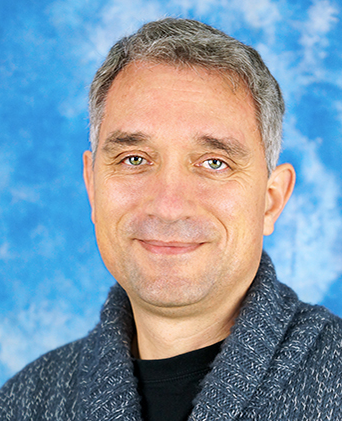 Damir Buskulic合作论文数Laboratoire d'Annecy de Physique des Particules;Université Savoie Mont Blanc100
 Romain Bonnand合作论文数Laboratoire d'Annecy de Physique des Particules;Institut National de Physique Nucléaire et de Physique des Particules100F. Frasconi合作论文数100
 Isidoro Ferrante合作论文数Dipartimento di Fisica, Università Di Pisa100
 Pierre-François Cohadon合作论文数Laboratoire Kastler Brossel;Département de Physique, Ecole Normale Supérieure;Sorbonne Université100
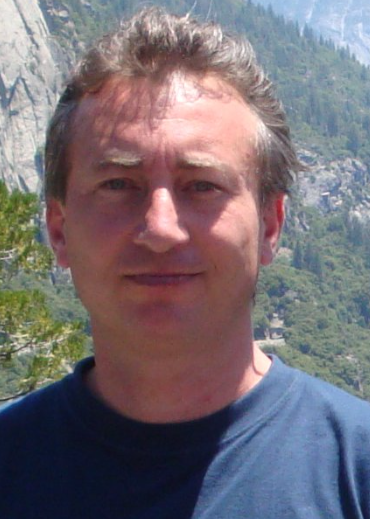 Fabio Garufi合作论文数Dipartimento di Fisica, Università degli Studi di Napoli Federico II100
 Pia Astone合作论文数Istituto Nazionale di Fisica Nucleare;Department of Physics, La Sapienza University;Facoltà Di Ingegneria Dell'informazione, Informatica E Statistica, Sapienza Università di Roma99
 Carlo Bradaschia合作论文数Istituto Nazionale di Fisica Nucleare, Sezione di Pisa98
 Elena Cuoco合作论文数Department of Physics and Astronomy "Augusto Righi", University of Bologna98
 J. S. Kissel合作论文数LIGO Hanford Observatory98
 Marie Anne Bizouard合作论文数Laboratoire de l’Accélérateur Linéaire, CNRS98Andrea Basti合作论文数Dipartimento di Fisica, Università di Pisa;Istituto Nazionale di Fisica Nucleare98
 Antoine Heidmann合作论文数Laboratoire Kastler-Brossel, Sorbonne University;Centre National de la Recherche Scientifique98
 Piotr Jaranowski合作论文数Zakład Astronimii, Astrofizyki i Teorii Pola, Uniwersytet W Białymstoku98
 Viviana Fafone合作论文数Department of Physics, University of Rome Tor Vergata97
 Jan Harms合作论文数Gran Sasso Science Institute97
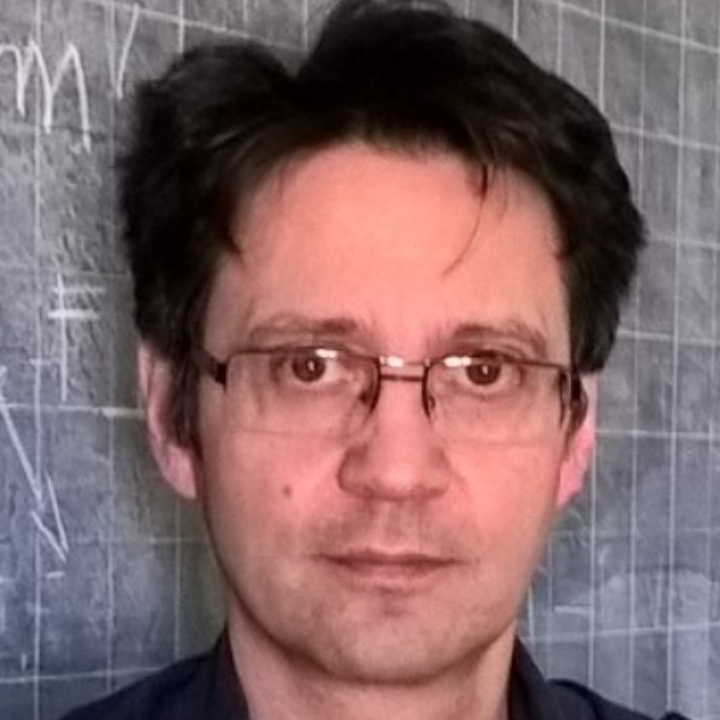 Gianluca Maria Guidi合作论文数Dipartimento di Scienze Pure e Applicate, Università degli Studi di Urbino Carlo Bo97
 Gianluca Gemme合作论文数Istituto Nazionale di Fisica Nucleare97
 Raffaele Flaminio合作论文数Laboratoire d'Annecy de Physique des Particules, CNRS96R. Gouaty合作论文数96I. Fiori合作论文数Istituto Nazionale di Fisica Nucleare96
 Ettore Majorana合作论文数Dipartimento di Fisica, Sapienza Università di Roma96
 Henk Jan Bulten合作论文数Division of Astroparticle Physics, National Institute for Subatomic Physics96
 Maddalena Mantovani合作论文数European Gravitational Observatory96
 Sergio Frasca合作论文数Dipartimento di Fisica Roma, Università di Roma “La Sapienza”96




