For healthcare information to be accessible and effective, both quality translations and their effective dissemination are necessary. This article investigates the dissemination of healthcare translations in the diglossic context of Arabic speakers in Australia and the impact that dissemination medium and Arabic variant have on comprehension and intent. Four groups of Arabic speakers with low English proficiency were exposed to one of the following options and asked to complete a print questionnaire: (1) brochure in Modern Standard Arabic; (2) brochure in Lebanese Arabic; (3) video awareness material in Modern Standard Arabic; and (4) video awareness material in Lebanese Arabic. This was followed by discussions with three focus groups on the strengths and weaknesses of the four dissemination options. The findings show that most participants prefer to receive health messaging through audiovisual resources in Modern Standard Arabic, but content comprehension is higher when information is provided in print.
Multilingualism, the cognitively demanding experience of speaking multiple languages, has been linked to measurable effects on cognition and brain structure and function. These effects, attributed to the constant activation of multiple languages, may contribute to cognitive reserve, expressed as delayed cognitive decline in multilinguals diagnosed with progressive neurological diseases such as Alzheimer's, Huntington's and Parkinson's diseases, and Multiple Sclerosis. However, the evidence remains inconsistent due to methodological shortcomings, including variations in defining multilingualism and inadequate accounting for other lifestyle factors that may also promote cognitive reserve. To address these limitations, we developed a comprehensive protocol which incorporates detailed measurement of factors that are related to cognitive reserve, including multilingual experiences, standardized clinical and experimental cognitive assessments suitable for multilingual patients diagnosed with the above progressive neurological diseases, as well as thorough neuroimaging testing batteries. This protocol enables systematic investigation across linguistic and cultural contexts, facilitating cross-laboratory data pooling to advance understanding of multilingualism's neuroprotective potential in aging and disease. Its purpose is to spearhead an open-ended project which will keep adding to an increasing dataset of multilingual patients internationally; crucially, it sets a new standard in how to gather evidence investigating multilingualism as a factor contributing to cognitive reserve.
With the increasing demand for construction work, the ageing workforce has become an important concern within the construction industry. Despite the benefits associated with an older workforce, such as experience and knowledge, there are also challenges related to health that may adversely affect individual and organisational performance. Therefore, it is essential to develop a deep understanding of the empirical evidence related to physical and psychological issues facing the ageing workforce in the construction industry and then to make recommendations to improve their Work Health and Safety (WHS). This research fills that important knowledge gap by revealing safety and well-being factors that are unique to ageing workforce in the construction industry. The research employed People at Work questionnaire survey with 58 construction employees to evaluate the key hazards in the workplace. Responses to all survey items were subjected statistical analysis using IBM SPSS software. Results revealed numerous factors related to the ageing process that are often implicated with older workers’ health and safety. Within the construction industry, older workers were more likely than their younger colleagues to feel physically drained, have difficulty focusing and thinking, and be unable to care for others. Further, the impact of the COVID-19 pandemic on safety and well-being at work was revealed as part of the survey. According to findings, older construction workers need more support and attention towards their job role responsibilities and duties, supervisor and co-worker relationships, and mental well-being. Findings herein broaden the knowledge on the well-being of ageing construction workforce that could assist industry practitioners in decision-making and developing the best strategies such as flexible work arrangements to establish active ageing within the construction industry as a solution for the labour shortage.
Non-pharmacological therapies have demonstrated efficacy in alleviating dementia-related symptoms in residential aged care settings; however, their uptake remains limited. This systematic review aimed to identify the barriers and facilitators influencing the implementation of non-pharmacological therapies for people with dementia in residential aged care, with the goal of informing future research, practice and policy development. A systematic search was conducted across seven databases (PubMed, MEDLINE, PsycINFO, EMBASE, CINAHL, Cochrane Central Register of Controlled Trials, ProQuest) from January 2000 to March 2025. Studies were eligible for inclusion if they were published in English, involved participants aged 65 years and older with dementia residing in aged care facilities, and reported on implementation challenges or enablers related to non-pharmacological interventions. Three independent reviewers conducted screening, data extraction, and quality appraisal, with discrepancies resolved through consensus. The Mixed Methods Appraisal Tool was used to assess study quality. Data were synthesised using the Theoretical Domains Framework. Fifty-eight studies met inclusion criteria, representing 11 types of non-pharmacological therapies. The majority were qualitative in design (36/58; 62.1%). Music therapy (20/58; 34.5%) and recreation therapy (16/58; 27.6%) were the most studied. Key barriers and facilitators included staff availability (48/58; 82.8%), education and training (49/58; 84.5%), resource availability and cost (34/58; 58.6%), program usability (38/58; 65.5%), and organisational policy structures (34/58; 58.6%). There was no clear pattern in the type of barriers or facilitators reported by therapy type. Improving staff capacity, increasing access to training, ensuring resource availability, and designing flexible and user-friendly programs are critical to enhancing the successful adoption of non-pharmacological therapies in aged care. Addressing these factors may contribute to more sustainable and effective dementia care practices.
Child literacy is a strong predictor of life outcomes at the subsequent stages of an individual's life. This points to a need for targeted interventions in vulnerable low and middle income populations to help bridge the gap between literacy levels in these regions and high income ones. In this effort, reading assessments provide an important tool to measure the effectiveness of these programs and AI can be a reliable and economical tool to support educators with this task. Developing accurate automatic reading assessment systems for child speech in low-resource languages poses significant challenges due to limited data and the unique acoustic properties of children's voices. This study focuses on Xhosa, a language spoken in South Africa, to advance child speech recognition capabilities. We present a novel dataset composed of child speech samples in Xhosa. The dataset is available upon request and contains ten words and letters, which are part of the Early Grade Reading Assessment (EGRA) system. Each recording is labeled with an online and cost-effective approach by multiple markers and a subsample is validated by an independent EGRA reviewer. This dataset is evaluated with three fine-tuned state-of-the-art end-to-end models: wav2vec 2.0, HuBERT, and Whisper. The results indicate that the performance of these models can be significantly influenced by the amount and balancing of the available training data, which is fundamental for cost-effective large dataset collection. Furthermore, our experiments indicate that the wav2vec 2.0 performance is improved by training on multiple classes at a time, even when the number of available samples is constrained.
Listeners adapt efficiently to new talkers by using lexical knowledge to resolve perceptual uncertainty. This adaptation has been widely observed, both in first (L1) and in second languages (L2). Here, adaptation was tested in both the L1 and L2 of speakers of Mandarin and English, two very dissimilar languages. A sound midway between /f/ and /s/ replacing either /f/ or /s/ in Mandarin words presented for lexical decision (e.g., bu4fa3 "illegal"; kuan1song1 "loose") prompted the expected adaptation; it induced an expanded /f/ category in phoneme categorization when it had replaced /f/, but an expanded /s/ category when it had replaced /s/. Both L1 listeners and English-native listeners with L2 Mandarin showed this effect. In English, however (with e.g., traffic; insane), we observed adaptation in L1 but not in L2; Mandarin-native listeners, despite scoring highly in the English lexical decision training, did not adapt their category boundaries for /f/ and /s/. Whether the ambiguous sound appeared syllable-initially (as in Mandarin phonology) versus word-finally (providing more word identity information) made no difference. Perceptual learning for talker adaptation is language-specific in that successful lexically guided adaptation in one language does not guarantee adaptation in other known languages; the enabling conditions for adaptation may be multiple and diverse.
RETRACTION: S. Alispahic, E. Pellicano, A. Cutler, and M. Antoniou, "Auditory perceptual learning in autistic adults," Autism Research 15, no. 8 (2022): 1495-1507, . The above article, published online on 05 July 2022 in Wiley Online Library (), has been retracted by agreement between the authors; journal Editor-in-Chief, David G. Amaral; International Society for Autism Research; and Wiley Periodicals, LLC. The authors received notice from a third party regarding methodological errors which affected participant data. The authors shared this information with the journal and have confirmed that the errors confound the results and conclusions of the article. As the results are fundamentally impacted by the errors, all parties agree that the article must be retracted. The authors have stated that they are preparing a revised version of their article to be submitted in a future publication.
Accommodating talker variability is a complex and multi-layered cognitive process. It involves shifting attention to the vocal characteristics of the talker as well as the linguistic content of their speech. Due to an interdependence between voice and phonological processing, multi-talker environments typically incur additional processing costs compared to single-talker environments. A failure or inability to efficiently distribute attention over multiple acoustic cues in the speech signal may have detrimental language learning consequences. Yet, no studies have examined effects of multi-talker processing in populations with atypical perceptual, social and language processing for communication, including autistic people. Employing a classic word-monitoring task, we investigated effects of talker variability in Australian English autistic (n = 24) and non-autistic (n = 28) adults. Listeners responded to target words (e.g., apple, duck, corn) in randomised sequences of words. Half of the sequences were spoken by a single talker and the other half by multiple talkers. Results revealed that autistic participants’ sensitivity scores to accurately-spotted target words did not differ to those of non-autistic participants, regardless of whether they were spoken by a single or multiple talkers. As expected, the non-autistic group showed the well-established processing cost associated with talker variability (e.g., slower response times). Remarkably, autistic listeners’ response times did not differ across single- or multi-talker conditions, indicating they did not show perceptual processing costs when accommodating talker variability. The present findings have implications for theories of autistic perception and speech and language processing.
This study explores the correlation between social categories and linguistic variables, focusing on the perception of the discourse marker yeah-no in Australian English. Research suggests that these correlations reflect individuals’ recruitment of variables for the purpose of communicating social meaning. However, not all social categories which correlate with a variable in production are recognizable as social meaning. This study investigated how individuals’ positioning to a variable mediates their awareness to its social meaning by examining perceptions of gender and life-stage in yeah-no users and non-users. We found that individuals judged sentences including yeah-no as more likely to be said by a student, and this effect was stronger for individuals who did not self-report as yeah-no users. Furthermore, while there was no significant effect of gender, participants who did not self-report as yeah-no users were more likely to judge yeah-no sentences as said by a male speaker rather than a female speaker. The findings imply that the perception of social meaning is influenced by an individual’s positioning towards a variable. More broadly, the results provide support for using self-report techniques in the investigation of social meaning.
BackgroundThe COVID-19 pandemic has placed a significant pressure on the nursing workforce, leading to an increased risk of infection and work-related issues impacting nurses' mental health. This review aims to explore the workplace challenges faced by older nurses and their impact on mental health.MethodThis qualitative systematic review followed the Joanna Briggs Institute methodology.ResultsThe review included 32 studies and identified three interconnected themes: heavy workload and nature of nursing, lack of recognition and feeling undervalued, and challenges in balancing personal life and work. These themes illustrated the complexity of the workplace challenges faced by older nurses.Discussion and conclusionWorkplace demands and shift work were common negative contributors to mental health and wellbeing. The physical and cognitive capacity of older nurses may diminish due to age-related changes, making the workload more challenging. Recognition and support from the organisation, especially from management and leadership, played a crucial role in nurses' resilience.
Background Construction and nursing are critical industries. Although both careers involve physically and mentally demanding work, the risks to workers during the COVID-19 pandemic are not well understood. Nurses (both younger and older) are more likely to experience the ill effects of burnout and stress than construction workers, likely due to accelerated work demands and increased pressure on nurses during the COVID-19 pandemic. In this study, we analyzed a large social media data set using advanced natural language processing techniques to explore indicators of the mental status of workers across both industries before and during the COVID-19 pandemic. Objective This social media analysis aims to fill a knowledge gap by comparing the tweets of younger and older construction workers and nurses to obtain insights into any potential risks to their mental health due to work health and safety issues. Methods We analyzed 1,505,638 tweets published on Twitter (subsequently rebranded as X) by younger and older (aged <45 vs >45 years) construction workers and nurses. The study period spanned 54 months, from January 2018 to June 2022, which equates to approximately 27 months before and 27 months after the World Health Organization declared COVID-19 a global pandemic on March 11, 2020. The tweets were analyzed using big data analytics and computational linguistic analyses. Results Text analyses revealed that nurses made greater use of hashtags and keywords (both monograms and bigrams) associated with burnout, health issues, and mental health compared to construction workers. The COVID-19 pandemic had a pronounced effect on nurses’ tweets, and this was especially noticeable in younger nurses. Tweets about health and well-being contained more first-person singular pronouns and affect words, and health-related tweets contained more affect words. Sentiment analyses revealed that, overall, nurses had a higher proportion of positive sentiment in their tweets than construction workers. However, this changed markedly during the COVID-19 pandemic. Since early 2020, sentiment switched, and negative sentiment dominated the tweets of nurses. No such crossover was observed in the tweets of construction workers. Conclusions The social media analysis revealed that younger nurses had language use patterns consistent with someone experiencing the ill effects of burnout and stress. Older construction workers had more negative sentiments than younger workers, who were more focused on communicating about social and recreational activities rather than work matters. More broadly, these findings demonstrate the utility of large data sets enabled by social media to understand the well-being of target populations, especially during times of rapid societal change.
The present study examined native language phonological and phonetic factors in non-native lexical tone percep-tion by tone language listeners, manipulating memory load and stimulus variability to bias listeners towards a more phonological or more phonetic mode of perception. Mandarin and Vietnamese listeners categorised the five Thai lexical tones to their native tones, and discriminated five selected Thai tone contrasts that were predicted by the Perceptual Assimilation Model (PAM, Best, 1995) to be discriminated differently. Categorisation responses showed more phonologically-based patterns under high than low memory load but were unaffected by talker and vowel variability, whereas discrimination accuracy was reduced by talker and vowel variability but not by mem-ory load. Phonological factors indicated by type of categorisation and category overlap generally predicted the dis-crimination of non-native tone contrasts in line with PAM principles. Phonetic factors reflected in category overlap scores and fit index difference scores predicted variations in discriminating contrasts of the same contrast cate-gorisation type. These findings uphold the extension of PAM principles to non-native tone perception by native lis-teners of other tone languages. Native phonological and phonetic contributions to non-native speech perception differ between categorisation and discrimination tasks, as reflected in differential modulation by memory load and stimulus variability.CO 2022 Elsevier Ltd. All rights reserved.
1. Foreign language training in community centres has been reported to improve cognitive functions of older adults with mild cognitive impairment. 2. There is evidence of an overall effectiveness of foreign language training on the Alzheimer's Disease Assessment Scale-cognitive subscale score with a medium effect size. 3. Foreign language training may boost cognitive functions in older adults with below-average cognitive abilities; whether long- term or shortterm training is more beneficial requires further studies.
Conversational partners accommodate to one another's speech, a process that greatly facilitates perception. This process occurs in both first (L1) and second languages (L2); however, recent research has revealed that adaptation can be language-specific, with listeners sometimes applying it in one language but not in another. Here, we investigate whether a supply of novel talkers impacts whether the adaptation is applied, testing Mandarin-English groups whose use of their two languages involves either an extensive or a restricted set of social situations. Perceptual learning in Mandarin and English is examined across two similarly-constituted groups in the same English-speaking environment: (a) heritage language users with Mandarin as family L1 and English as environmental language, and (b) international students with Mandarin as L1 and English as later-acquired L2. In English, exposure to an ambiguous sound in lexically disambiguating contexts prompted the expected retuning of phonemic boundaries in categorisation for the heritage users, but not for the students. In Mandarin, the opposite appeared: the heritage users showed no adaptation, but the students did adapt. In each case where learning did not appear, participants reported using the language in question with fewer interlocutors. The results support the view that successful retuning ability in any language requires regular conversational interaction with novel talkers.
PURPOSE:To showcase how applications of automatic speech recognition (ASR) technology could help solve challenges in speech-language pathology practice with children with communication disability, and contribute to the realisation of the Sustainable Development Goals (SDGs).RESULT:ASR technologies have been developed to address the need for equitable, efficient, and accurate assessment and diagnosis of communication disability in children by automating the transcription and analysis of speech and language samples and supporting dual-language assessment of bilingual children. ASR tools can automate the measurement of and help optimise intervention fidelity. ASR tools can also be used by children to engage in independent speech production practice without relying on feedback from speech-language pathologists (SLPs), thus bridging the long-standing gap between recommended and received intervention intensity. These innovative technologies and tools have been generated from interdisciplinary partnerships between SLPs, engineers, data scientists, and linguists.CONCLUSION:To advance equitable, efficient, and effective speech-language pathology services for children with communication disability, SLPs would benefit from integrating ASR solutions into their clinical practice. Ongoing interdisciplinary research is needed to further advance ASR technologies to optimise children's outcomes. This commentary paper focusses on industry, innovation and infrastructure (SDG 9) and partnerships for the goals (SDG 17). It also addresses SDG 1, SDG 3, SDG 4, SDG 8, SDG 10, SDG 11, and SDG 16.
The social categories that characterize a speaker frequently correlate with the use of specific linguistic variables. Research suggests that such correlations are sometimes recognized as socially-indexed meanings. This study examines Japanese individuals' attitudes toward variables that have been shown to correlate with the social category of gender in production. In particular, we contrast patterns of gendered variation that (i) have been prescriptively associated with speaker sex and (ii) tend to correlate with gender in speech production but are outside of the set of prescriptive "women's language". We found that individuals have formed associations between the gender of the speaker and prescriptive variables but not other patterns of variation. Additionally, knowledge of the speech context of the variables had no significant effect on individuals' judgments. The results indicate that not all social information available from patterns of language use is recovered by listeners. More broadly, examining the transmission of social meaning through linguistic variation requires a combination of production- and perception-based research methods.
With the increasing demand for construction work and declining rates of young workers entering construction, the ageing workforce has become an important concern within the construction industry. Although there are benefits associated with an older workforce (e.g., experience, knowledge), there are also challenges, particularly related to health that may adversely affect individual and organisational performance. Therefore, it is essential to develop a deep understanding of the empirical evidence related to physical and psychological issues facing the ageing workforce, and then to make recommendations to improve their work health and safety (WHS). This paper reviews the existing body of knowledge on health and safety in the ageing construction workforce. This study adopts the Joanna Briggs Institute (JBI) methodology for a scoping review. The articles included in the review were found by searching the Scopus and Web of Science databases using complex search strings developed based on keywords. Peer-reviewed journal articles published between 1980 and 2021 were retrieved for further screening. Following data extraction and a three-step screening procedure, 111 journal articles met the inclusion criteria. Results revealed numerous factors related to the ageing process that are often implicated with older workers' health and safety, including hearing loss, muscle pain, respiratory issues, and conditions resulting from the ageing process and prolonged work in and around construction sites. A critical content analysis of empirical and non-empirical studies revealed 27 strategies to support older construction workers and improve their safety and health at work. Inspection of mental health intervention studies revealed four successful interventions including alternative work arrangements, individual support programs, electronic mental health support programs, and health promotion program. Findings herein broaden the knowledge on health and safety requirements of the group of older construction workers that could assist industry practitioners in decision making and developing the best strategies to improve the workability and productivity of older construction workers.
 Catherine T. Best合作论文数Haskins Laboratories17
 Patrick C. M. Wong合作论文数Department of Communication;Sciences and Disorders;Department of Communication|Sciences and Disorders14
 Juqiang Chen (陈居强)合作论文数School of Foreign Languages, Shanghai Jiao Tong University9
 Michael Douglas Tyler合作论文数Macarthur Auditory Research Centre;University of Western Sydney;Macarthur Auditory Research Centre, University of Western Sydney9
 Weicong Li合作论文数8Abílio de Almeida Neto合作论文数5
 Jed Ray Montayre合作论文数School of Nursing and Midwifery, Western Sydney University5Liyaning Maggie Tang合作论文数4
 L. Ann Burchfield合作论文数4
 Samra Alispahic合作论文数MARCS Inst Brain Behav & Dev, Western Sydney Univ4
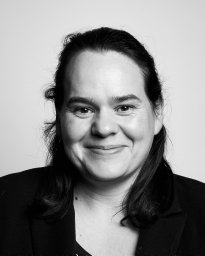 Celia B. Harris合作论文数Macquarie Centre for Cognitive Science, Macquarie University4
 Elizabeth Pellicano合作论文数Department of Clinical, Educational and Health Psychology, University College London;Macquarie School of Education, Macquarie University4Jessica L. L. Chin合作论文数3
 Christos Pliatsikas合作论文数School of Psychology, University of Birmingham3
 Lam-Cassettari Christa合作论文数University of Nottingham, University of Western Sydney3
 Christian Kroos合作论文数University of Western Sydney3
 Stacey Sherwood合作论文数2
 Sarah M Wright合作论文数Family Planning NSW2
 Anne Dwyer合作论文数MARCS Inst Brain Behav & Dev, Western Sydney Univ2Ling Zhang合作论文数2
 Sancia West合作论文数2
 Paola Escudero Neyra合作论文数The MARCS Institute for Brain, Behaviour, and Development, Western Sydney University2
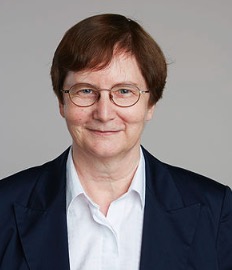 Anne Cutler合作论文数MARCS Institute for Brain, Behaviour and Development, Western Sydney University2Robert Mailhammer合作论文数School of Humanities and Communication Arts, University of Western Sydney/ MARCS Institute, University of Western Sydney2
 Francis Wong Chun Kit合作论文数School of Humanities, College of Humanities, Arts, and Social Sciences, Nanyang Technological University2Ou Jinghua合作论文数2
 Akshay Maggu合作论文数Department of Linguistics and Modern Languages, The Chinese University of Hong Kong2
 Tuninetti Alba合作论文数a Department of Psychology, Learning Research &Development Center, University of Pittsburgh;Learning Research & Development Center, University of Pittsburgh2
 Louis Goldstein合作论文数Department of Linguistics, Dornsife College of Letters, Arts and Sciences, University of Southern California2
 Marc Ettlinger合作论文数University of California2
 Dominique Estival合作论文数MARCS Institute for Brain, Behaviour & Development, Western Sydney University2Benjawan Kasisopa合作论文数Centre for Research in Speech and Language Processing;Chulalongkorn University;Centre for Research in Speech and Language Processing, Chulalongkorn University2Chi-Shing Tse合作论文数2
 Jon Andoni Duñabeitia合作论文数Universidad de La Laguna2
 Linda Chiu Wa Lam (林翠華)合作论文数Department of Psychiatry, Faculty of Medicine, Chinese University of Hong Kong2
 Rama Kanj合作论文数1Maroš Filip合作论文数1San-Hei Kenny Luk合作论文数1
 Ozan Can Caglar合作论文数1
 Gloria Pino Escobar合作论文数MARCS Inst Brain Behaviour & Dev, Western Sydney Univ1
 Udara Ranasinghe合作论文数Sch Architecture & Built Environm, Univ Newcastle1
 Rosemary Hodges合作论文数1
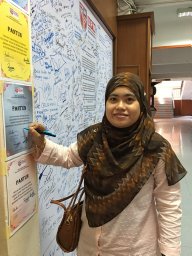 Zuraini Jusoh合作论文数Univ Putra Malaysia1
 Bilal Kırkıcı合作论文数Dept Foreign Language Educ, Middle East Tech Univ1
 Say Young Kim合作论文数1
 Zhen Zeng合作论文数Corresponding author at: Locked Bag 1797, Penrith 2750, NSW, Australia.1Jia Hoong Ong合作论文数1
 Ana Baciero合作论文数Univ Antonio Nebrija, Madrid, Spain1




