Wetlands are significant contributors to global methane (CH4) emissions, a critical driver of climate change. However, the spatial heterogeneity of CH4 fluxes and the underlying mechanisms within these wetland ecosystems remains largely unexplored. This study examines the heterogeneity of CH4 emissions from different types of wetlands in Estonia and California, USA. The studied wetlands include free surface water treatment wetlands, recently restored peatlands in Estonia and three different restored wetlands in California that differ from each other in salinity level, tidal influence, vegetation, and restoration year. All studied sites except the free surface treatment wetlands are equipped with eddy covariance stations for continuous CO2, H2O, and CH4 measurements (open path LI-7500 and LI-7700 analyzers, LICOR Biosciences). Spatial heterogeneity in methane flux was assessed through static chamber measurements using a LI-7810 trace gas analyzer (LICOR Biosciences). Chamber measurement surveys revealed significant variations among gas measurement points within the eddy tower footprint. Additional parameters such as LAI, water pH, electrical conductivity, dissolved oxygen concentration, temperature, turbidity, salinity, water level, and dissolved gas concentration (dCO2 and dCH4; analyzed in the lab with GC-2014, Shimadzu) were measured from each sampling spot. After measurements, we collected surface sediment samples for soil TN, TOC, TIC, DOC, DIC, and DN analyses. Our results indicate significant variation in CH4 fluxes and soil C and N content within different sampling points and in different ecosystems. In the constructed wetland in Estonia, biweekly measurements from twelve distinct points over two years revealed significant heterogeneity in CH4 fluxes, with peak emissions ranging from 144 mg m-2 d-1 to 254.4 mg m-2 d-1 observed from specific chamber measurement plots. In contrast, the restored peatland showed a lower range of CH4 emissions (0.096 mg m-2 d-1 to 34.6 mg m-2 d-1) observed from six measurement plots. The preliminary measurements conducted in California wetlands also showed a large variation within and between the sites. These findings highlight the complex nature of CH4 flux heterogeneity in wetlands and the critical need for site-specific management strategies. Accurately quantifying and understanding these variations is essential for refining CH4 budgets and developing effective mitigation strategies for greenhouse gas emissions from wetland ecosystems.
Coastal enclosed ecosystems, such as lagoons, are vulnerable to anthropogenic impacts because they favor the accumulation of contaminants from the surrounding watersheds, particularly in their sediments. Europe's largest saltwater lagoon, the Mar Menor (SE, Iberian Peninsula), is a highly impacted ecosystem and the first in the continent to be granted personhood rights. Based on a high-resolution spatial and temporal dataset, we present the historical reconstruction of metal contamination in this ecosystem during the last century. Our results highlight that sediment metal contamination has been mainly driven by the development of the mining industry in the nearby Sierra Minera de Cartagena-La Unión in the late 19th and until the mid-20th century when premeditated mining spills were forbidden. Runoff from former mining areas still transported metals to the lagoon even after mining ceased in the 1990s. The southern sector of the lagoon, closest to mining-affected ephemeral streams, is the most impacted by metal contamination and holds the highest metal stocks. Stocks since 1900 for the entire lagoon reached values of 9200, 1.6, 450, 270, 10,000, and 12 tons of Pb, Hg, As, Cu, Zn, and Ag, respectively. Maxima concentrations were reached in the mid-20th century, with values of 3400, 0.53, 100, 50, 3700, and 5.5 mg·kg-1 for Pb, Hg, As, Cu, Zn, and Ag. Afterward, while some metals' concentrations declined, others were still supplied to the sediments through runoff from former mining areas and sources related to urban expansion. Metal concentrations reported in this study surpass sediment quality guidelines and are generally higher than those found in similar ecosystems globally. Current surface metal concentrations are lower than during most of the 20th century, and sediments seem to retain metal stocks effectively. However, climate change and eutrophication could increase the risk of metal remobilization, further impacting this already vulnerable ecosystem. This study emphasizes the need for attention to managing coastal enclosed ecosystems, where global change impacts can exacerbate the impact of legacy contamination.
A significant challenge in global change research is understanding how vegetation interacts with the environment to influence ecosystem gross primary productivity (GPP) through carbon assimilation. One emerging objective is to consistently predict GPP fluctuations worldwide by establishing a robust scaling relationship between GPP measured at flux towers and satellite spectral reflectance data. However, a major hurdle in achieving this goal is the discrepancy in spatial resolution between early satellite measurements and eddy flux measurements. By using a large set of growing season data covering 100 site-years in North and Central America, we explored the potential of transforming incident and reflected shortwave (Rg) and photosynthetically active radiation (PAR) measurements into a broadband normalized difference vegetation index (NDVI) and near-infrared (NIR) reflectance of vegetation (NIRv) which simultaneously explains the GPP variability. We found that the broadband NDVI and NIRv derived from Rg and PAR measurements at the daily time scale were highly correlated with Planet Fusion, Landsat-8/9, and Sentinel-2 narrowband NDVI and NIRv across a wide range of climate and ecological gradients. The differences between satellite and broadband NDVI and NIRv were found to be significantly associated with soil background variations, phenological stages, water stress and signal saturation of broadband NIR reflectance at high biomass. The seasonal variability of broadband NDVI and NIRv remarkably captured the seasonality of vegetation phenology, evaporative fraction, GPP and rainfall in different ecosystems. Although saturation of GPP at high NDVI was evident, a linear relationship between broadband NIRv times incident PAR versus GPP indicated the effectiveness of NIRv-based approach to capture the hidden light use efficiency impacts on GPP. Our study concludes that inexpensive measurement of Rg and PAR components can provide reliable information on NDVI, NIRv, and GPP uninterruptedly. This enhances the sensing capability of flux tower sites without requiring additional spectrometer measurements. The proposed in-situ vegetation indices make a compelling case on using radiation signals for handshaking between ecosystem-scale measurements and remote sensing observables relevant to carbon uptake.
Methane (CH4) is a potent greenhouse gas (GHG) with atmospheric concentrations that have nearly tripled since pre-industrial times. Wetlands account for a large share of global CH4 emissions, yet the magnitude and factors controlling CH4 fluxes in tidal wetlands remain uncertain. We synthesized CH4 flux data from 100 chamber and 9 eddy covariance (EC) sites across tidal marshes in the conterminous United States to assess controlling factors and improve predictions of CH4 emissions. This effort included creating an open-source database of chamber-based GHG fluxes (https://doi.org/10.25573/serc.14227085). Annual fluxes across chamber and EC sites averaged 26 ± 53 g CH4 m-2 year-1, with a median of 3.9 g CH4 m-2 year-1, and only 25% of sites exceeding 18 g CH4 m-2 year-1. The highest fluxes were observed at fresh-oligohaline sites with daily maximum temperature normals (MATmax) above 25.6°C. These were followed by frequently inundated low and mid-fresh-oligohaline marshes with MATmax ≤25.6°C, and mesohaline sites with MATmax >19°C. Quantile regressions of paired chamber CH4 flux and porewater biogeochemistry revealed that the 90th percentile of fluxes fell below 5 ± 3 nmol m-2 s-1 at sulfate concentrations >4.7 ± 0.6 mM, porewater salinity >21 ± 2 psu, or surface water salinity >15 ± 3 psu. Across sites, salinity was the dominant predictor of annual CH4 fluxes, while within sites, temperature, gross primary productivity (GPP), and tidal height controlled variability at diel and seasonal scales. At the diel scale, GPP preceded temperature in importance for predicting CH4 flux changes, while the opposite was observed at the seasonal scale. Water levels influenced the timing and pathway of diel CH4 fluxes, with pulsed releases of stored CH4 at low to rising tide. This study provides data and methods to improve tidal marsh CH4 emission estimates, support blue carbon assessments, and refine national and global GHG inventories.
Orbiting around the non-closure problem in eddy covariance, a new generation of high-resolution thermal imagery has revealed that advection may be more common than previously expected. To investigate this, we conducted an extensive study over an irrigated alfalfa field that experienced heat and moisture advection. Over the course of five analysis periods (37 days total), multiple tower arrays and profile measurements were deployed to measure the horizontal advection and vertical heat flux divergence. Latent heat flux (lambda E) measured at the anchor tower showed an enhancement (i.e., increase) due to both local and non-local processes. Locally, as a result of the upwind lambda E, advection humidified the atmosphere and increased stomatal opening, enhancing the downwind lambda E. Simultaneously, with lowered atmospheric demand, lambda E was suppressed downwind. Our results suggest that stomatal regulation played a dominant role in the enhancement, but not by itself. Spectral analysis revealed that low frequency (i.e., large) eddies contributed high heat and moisture via advection. In combination with thermal remote sensing observations from ECOSTRESS and Landsat 8/9, we found that these large eddies were generated over the upwind surface, and they were independent of the local boundary layer conditions. Consequently, spatiotemporal heterogeneity in land-surface conditions induced large eddies, further enhancing lambda E through non-local transport of heat and moisture. Lastly, by conditionally including the advective fluxes, the energy balance closure improved from 89 % to 97 % (r(2) = 0.97, p < 0.001) over the five analysis periods. Results from this improved energy balance closure suggest an alternative approach for developing validation datasets for remote sensing evapotranspiration (ET) models rather than forcing closure with Bowen-ratio. Furthermore, our findings provide insights for algorithms that may improve remote sensing ET products that treat pixels as isolated columns rather than also considering the lateral effects of heat and moisture transport.
Tidal wetlands provide valuable ecosystem services, including storing large amounts of carbon. However, the net exchanges of carbon dioxide (CO2) and methane (CH4) in tidal wetlands are highly uncertain. While several biogeochemical models can operate in tidal wetlands, they have yet to be parameterized and validated against high-frequency, ecosystem-scale CO2 and CH4 flux measurements across diverse sites. We paired the Cohort Marsh Equilibrium Model (CMEM) with a version of the PEPRMT model called PEPRMT-Tidal, which considers the effects of water table height, sulfate, and nitrate availability on CO2 and CH4 emissions. Using a model-data fusion approach, we parameterized the model with three sites and validated it with two independent sites, with representation from the three marine coasts of North America. Gross primary productivity (GPP) and ecosystem respiration (Reco) modules explained, on average, 73% of the variation in CO2 exchange with low model error (normalized root mean square error (nRMSE) <1). The CH4 module also explained the majority of variance in CH4 emissions in validation sites (R-2 = 0.54; nRMSE = 1.15). The PEPRMT-Tidal-CMEM model coupling is a key advance toward constraining estimates of greenhouse gas emissions across diverse North American tidal wetlands. Further analyses of model error and case studies during changing salinity conditions guide future modeling efforts regarding four main processes: (a) the influence of salinity and nitrate on GPP, (b) the influence of laterally transported dissolved inorganic C on R-eco, (c) heterogeneous sulfate availability and methylotrophic methanogenesis impacts on surface CH4 emissions, and (d) CH4 responses to non-periodic changes in salinity.
Coastal wetlands are hotspots of carbon sequestration, and their conservation and restoration can help to mitigate climate change. However, there remains uncertainty on when and where coastal wetland restoration can most effectively act as natural climate solutions (NCS). Here, we synthesize current understanding to illustrate the requirements for coastal wetland restoration to benefit climate, and discuss potential paths forward that address key uncertainties impeding implementation. To be effective as NCS, coastal wetland restoration projects will accrue climate cooling benefits that would not occur without management action (additionality), will be implementable (feasibility) and will persist over management-relevant timeframes (permanence). Several issues add uncertainty to understanding if these minimum requirements are met. First, coastal wetlands serve as both a landscape source and sink of carbon for other habitats, increasing uncertainty in additionality. Second, coastal wetlands can potentially migrate outside of project footprints as they respond to sea-level rise, increasing uncertainty in permanence. To address these first two issues, a system-wide approach may be necessary, rather than basing cooling benefits only on changes that occur within project boundaries. Third, the need for NCS to function over management-relevant decadal timescales means methane responses may be necessary to include in coastal wetland restoration planning and monitoring. Finally, there is uncertainty on how much data are required to justify restoration action. We summarize the minimum data required to make a binary decision on whether there is a net cooling benefit from a management action, noting that these data are more readily available than the data required to quantify the magnitude of cooling benefits for carbon crediting purposes. By reducing uncertainty, coastal wetland restoration can be implemented at the scale required to significantly contribute to addressing the current climate crisis.
We explore the potential of using a non-parametric statistical method called Alternating Conditional Expectations, ACE, to quantify functional relationships in biogeosciences. Here, ACE is used to quantify the non-linear and multi-faceted responses of greenhouse gas fluxes to a set of biophysical forcings, when the shapes of those response surfaces are unknown. We evaluated the statistical method over two contrasting ecosystems and two contrasting time steps. One case involved quantifying the biophysical controls of water vapor and carbon dioxide (CO2) fluxes over a semi-arid oak savanna using daily integrated fluxes. The other case evaluated the responses of CO2 and methane (CH4) flux measurements to a set of biophysical forcings at a restored tidal wetland using thirty-minute averages. The statistical model, based on 4 independent variables, explained up over 90% of the variation in daily integrated flux densities of water vapor and net carbon dioxide exchange at the savanna site. This fit was defined by distinct non-linear responses to such drivers as gross primary production, photosynthetically active radiation, air temperature, vapor pressure deficit and soil moisture. At the tidal wetland site, we evaluated net carbon dioxide and methane fluxes with short-term measurements to capture the influence of rising and falling tides and seasonality in biological activity. The statistical model defined the shape of the forcing of fluxes due to the roles of carbon exudates, water table depth, oxygen level in the water column, temperature and vegetation status. The statistical fits of the greenhouse gas fluxes were less precise than the savanna case. The fetch varies on a run-to-run basis as it is comprised of a heterogeneous mosaic of open water and vegetation. Furthermore, it is difficult to monitor the environmental conditions of the archaea and bacteria in the sediments that produce methane and carbon dioxide. The breathing of the biosphere can be assessed by measuring the fluxes of carbon dioxide, methane and water vapor. Attribution of the biophysical controls of these fluxes is often complex as these forcings can be non-linear or conditional. We introduce an alternative statistical method that is better suited to disentangle the complex and non-linear interaction of biophysical forcings on the trace gas emissions. It is called Alternating Conditional Expectations. In this paper, we demonstrate the efficacy of this method with test cases over a savanna woodland and a tidal wetland ecosystem. The method provides new insights on how these trace gas fluxes are modulated. Alternating Conditional Expectations can define the shapes of non-linear biophysical forcings on trace gas fluxes Simple statistical models can explain over 80%-90% of the variance in fluxes Method is robust for test cases over ecosystems in dry and wet conditions
The Mar Menor coastal lagoon (Spain) is a critical ecological and socioeconomic ecosystem and the first in Europe to be granted rights of personhood. However, pollution from past and present activities such as mining, agriculture, urbanization, and tourism threatens its health and ecological stability. Previous research has shown the importance of metal contamination in the lagoon and its link to nearby mining activities, but little consideration has been given to historical changes in this industry and in other potential metal sources. In this work, metal concentrations have been analyzed in 12 sediment cores dated with 210Pb, allowing the reconstruction of the recent (last ~150 years) metal contamination in the lagoon. The main metal sources have been identified by using multivariate statistical methods. Metal contamination from mining activities (point-source pollution) peaked in the mid-20th century, whereas nonpoint-source metal contamination reached its highest level in more recent decades. Despite the current decrease in metal deposition trends, concentrations in surface sediments still exceed sediment quality and ecotoxicological thresholds in areas close to former mining sites. Therefore, they need to be considered in future management strategies, which should also include the evaluation of sources and processes that are still supplying them to the lagoon.
Wetlands cover a small portion of the world, but have disproportionate influence on global carbon (C) sequestration, carbon dioxide and methane emissions, and aquatic C fluxes. However, the underlying biogeochemical processes that affect wetland C pools and fluxes are complex and dynamic, making measurements of wetland C challenging. Over decades of research, many observational, experimental, and analytical approaches have been developed to understand and quantify pools and fluxes of wetland C. Sampling approaches range in their representation of wetland C from short to long timeframes and local to landscape spatial scales. This review summarizes common and cutting-edge methodological approaches for quantifying wetland C pools and fluxes. We first define each of the major C pools and fluxes and provide rationale for their importance to wetland C dynamics. For each approach, we clarify what component of wetland C is measured and its spatial and temporal representativeness and constraints. We describe practical considerations for each approach, such as where and when an approach is typically used, who can conduct the measurements (expertise, training requirements), and how approaches are conducted, including considerations on equipment complexity and costs. Finally, we review key covariates and ancillary measurements that enhance the interpretation of findings and facilitate model development. The protocols that we describe to measure soil, water, vegetation, and gases are also relevant for related disciplines such as ecology. Improved quality and consistency of data collection and reporting across studies will help reduce global uncertainties and develop management strategies to use wetlands as nature-based climate solutions.
The Mar Menor coastal lagoon (Spain) is a critical ecological and socioeconomic ecosystem and the first in Europe to be granted rights of personhood. However, pollution from past and present activities such as mining, agriculture, urbanization, and tourism threatens its health and ecological stability. Previous research has shown the importance of metal contamination in the lagoon and its link to nearby mining activities, but little consideration has been given to historical changes in this industry and in other potential metal sources. In this work, metal concentrations have been analyzed in 12 sediment cores dated with 210Pb, allowing the reconstruction of the recent (last ~150 years) metal contamination in the lagoon. The main metal sources have been identified by using multivariate statistical methods. Metal contamination from mining activities (point-source pollution) peaked in the mid-20th century, whereas nonpoint-source metal contamination reached its highest level in more recent decades. Despite the current decrease in metal deposition trends, concentrations in surface sediments still exceed sediment quality and ecotoxicological thresholds in areas close to former mining sites. Therefore, they need to be considered in future management strategies, which should also include the evaluation of sources and processes that are still supplying them to the lagoon.
To understand patterns in CO 2 partial pressure (P CO2 ) over time in wetlands’ surface water and porewater, we examined the relationship between P CO2 and land–atmosphere flux of CO 2 at the ecosystem scale at 22 Northern Hemisphere wetland sites synthesized through an open call. Sites spanned 6 major wetland types (tidal, alpine, fen, bog, marsh, and prairie pothole/karst), 7 Köppen climates, and 16 different years. Ecosystem respiration (R eco ) and gross primary production (GPP), components of vertical CO 2 flux, were compared to P CO2 , a component of lateral CO 2 flux, to determine if photosynthetic rates and soil respiration consistently influence wetland surface and porewater CO 2 concentrations across wetlands. Similar to drivers of primary productivity at the ecosystem scale, P CO2 was strongly positively correlated with air temperature (T air ) at most sites. Monthly average P CO2 tended to peak towards the middle of the year and was more strongly related to R eco than GPP. Our results suggest R eco may be related to biologically driven P CO2 in wetlands, but the relationship is site-specific and could be an artifact of differently timed seasonal cycles or other factors. Higher levels of discharge do not consistently alter the relationship between R eco and temperature normalized P CO2 . This work synthesizes relevant data and identifies key knowledge gaps in drivers of wetland respiration.
In this study, we propose a new technique for mapping the spatial heterogeneity in gas exchange around flux towers using flux footprint modeling and focusing on detecting hot spots of methane (CH4) flux. In the first part of the study, we used a CH4 release experiment to evaluate three common flux footprint models: the Hsieh model (Hsieh et al., 2000), the Kljun model (Kljun et al., 2015), and the K & M model (Kormann and Meixner, 2001), finding that the K & M model was the most accurate under these conditions. In the second part of the study, we introduce the Footprint-Weighted Flux Map, a new technique to map spatial heterogeneity in fluxes. Using artificial CH4 release experiments, natural tracer approaches and flux chambers we mapped the spatial flux heterogeneity, and detected and validated a hot spot of CH4 flux in a oligohaline restored marsh. Through chamber measurements during the months of April and May, we found that fluxes at the hot spot were on average as high as 6589 +/- 7889 nmol m(-2) s(-1) whereas background flux from the open water were on average 15.2 +/- 7.5 nmol m(-2) s(-1). This study provides a novel tool to evaluate the spatial heterogeneity of fluxes around eddy-covariance towers and creates important insights for the interpretation of hot spots of CH4 flux, paving the way for future studies aiming to understand subsurface biogeochemical processes and the microbiological conditions that lead to the occurrence of hot spots and hot moments of CH4 flux.
Our knowledge of the factors that can influence the stock of organic carbon (OC) that is stored in the soil of seagrass meadows is evolving, and several causal effects have been used to explain the variation of stocks observed at local to national scales. To gain a global‐scale appreciation of the drivers that cause variation in soil OC stocks, we compiled data on published species‐specific traits and OC stocks from monospecific and mixed meadows at multiple geomorphological settings. Species identity was recognized as an influential driver of soil OC stocks, despite their large intraspecific variation. The most important seagrass species traits associated with OC stocks were the number of leaves per seagrass shoot, belowground biomass, leaf lifespan, aboveground biomass, leaf lignin, leaf breaking force and leaf OC plus the coastal geomorphology of the area, particularly for lagoon environments. A revised estimate of the global average soil OC stock to 20 cm depth of 15.4 Mg C ha−1 is lower than previously reported. The largest stocks were still recorded in Mediterranean seagrass meadows. Our results specifically identify Posidonia oceanica from the Mediterranean and, more generally, large and persistent species as key in providing climate regulation services, and as priority species for conservation for this specific ecosystem service.
Seagrass meadows store significant carbon stocks at a global scale, but land-use change and other anthropogenic activities can alter the natural process of organic carbon (C-org) accumulation. Here, we assessed the carbon accumulation history of two seagrass meadows in Zanzibar (Tanzania) that have experienced different degrees of disturbance. The meadow at Stone Town has been highly exposed to urban development during the 20th century, while the Mbweni meadow is located in an area with relatively low impacts but historical clearing of adjacent mangroves. The results showed that the two sites had similar sedimentary C-org accumulation rates (22-25 g m(-2) yr(-1)) since the 1940s, while during the last two decades (similar to 1998 until 2018) they exhibited 24-30% higher accumulation of C-org, which was linked to shifts in C-org sources. The increase in the delta C-13 isotopic signature of sedimentary C-org (towards a higher seagrass contribution) at the Stone Town site since 1998 points to improved seagrass meadow conditions and C-org accumulation capacity of the meadow after the relocation of a major sewage outlet in the mid-1990s. In contrast, the decrease in the delta C-13 signatures of sedimentary C-org in the Mbweni meadow since the early 2010s was likely linked to increased C-org run-off of mangrove/terrestrial ma-terial following mangrove deforestation. This study exemplifies two different pathways by which land-based human activities can alter the carbon storage capacity of seagrass meadows (i.e. sewage waste management and mangrove deforestation) and showcases opportunities for management of vegetated coastal C-org sinks.
The role of seagrass meadows in the cycling and accumulation of rare earth elements and yttrium (REEY) is unknown. Here, we measured the concentration of REEY in the different compartments of Halodule wrightii (shoots, rhizomes, and roots) and soils in seagrass meadows near sandy beaches, mangroves, and coral reefs in the Todos os Santos Bay, Brazil. We provide data on the accumulation dynamics of REEY in seagrass compartments and demonstrate that plant compartments and soil properties determine accumulation patterns. The ∑REEY in soils were ~1.7-fold higher near coral reefs (93.0 ± 5.61 mg kg-1) than near mangrove sites (53.9 ± 31.5 mg kg-1) and were slightly higher than in sandy beaches (81.7 ± 49.1 mg kg-1). The ∑REEY in seagrasses varied between 35.4 ± 28.1 mg kg-1 near coral reefs to 59.2 ± 21.3 mg kg-1 near sandy beaches, respectively. The ∑REE bioaccumulation factor (BAF) was highest in seagrass roots near sandy beaches (BAF = 0.67 ± 0.48). All values of ∑REE translocation are <1, indicating inefficient translocation of REE from roots to rhizome to shoot. PAAS normalized REE was enriched in light REE (LREE) over heavy REE (HREE). The REEY accumulation in Halodule wrightii revealed a low potential of the seagrass to act as a sink for these elements. However, their bioavailability and potential uptake may change with soil properties. Our results serve as a basis for a better understanding of REE biogeochemical cycling and its fate in the marine environment. REE have experienced increased use as they are central to new technologies revealing an urgent need for further investigations of potential impacts on coastal ecosystems.
The introduction and establishment of exotic species often result in significant changes in recipient communities and their associated ecosystem services. However, usually the magnitude and direction of the changes are difficult to quantify because there is no pre‐introduction data. Specifically, little is known about the effect of marine exotic macrophytes on organic carbon sequestration and storage. Here, we combine dating sediment cores (210Pb) with sediment eDNA fingerprinting to reconstruct the chronology of pre‐ and post‐arrival of the Red Sea seagrass Halophila stipulacea spreading into the Eastern Mediterranean native seagrass meadows. We then compare sediment organic carbon storage and burial rates before and after the arrival of H. stipulacea and between exotic (H. stipulacea) and native (C. nodosa and P. oceanica) meadows since the time of arrival following a Before‐After‐Control‐Impact (BACI) approach. This analysis revealed that H. stipulacea arrived at the areas of study in Limassol (Cyprus) and West Crete (Greece) in the 1930s and 1970s, respectively. Average sediment organic carbon after the arrival of H. stipulacea to the sites increased in the exotic meadows twofold, from 8.4 ± 2.5 g Corg m−2 year−1 to 14.7 ± 3.6 g Corg m−2 year−1, and, since then, burial rates in the exotic seagrass meadows were higher than in native ones of Cymodocea nodosa and Posidonia oceanica. Carbon isotopic data indicated a 50% increase of the seagrass contribution to the total sediment Corg pool since the arrival of H. stipulacea. Our results demonstrate that the invasion of H. stipulacea may play an important role in maintaining the blue carbon sink capacity in the future warmer Mediterranean Sea, by developing new carbon sinks in bare sediments and colonizing areas previously occupied by the colder thermal affinity P. oceanica.
Support for coastal wetland restoration projects that consider carbon (C) storage as a climate mitigation benefit is growing as coastal wetlands are sites of substantial C sequestration. However, the climate footprint of wetland restoration remains controversial as wetlands can also be large sources of methane (CH 4 ). We quantify the vertical fluxes of C in restored fresh and oligohaline nontidal wetlands with managed hydrology and a tidal euhaline marsh in California's San Francisco Bay‐Delta. We combine the use of eddy covariance atmospheric flux measurements with 210 Pb‐derived soil C accumulation rates to quantify the C sequestration efficiency of restored wetlands and their associated climate mitigation service. Nontidal managed wetlands were the most efficient in burying C on‐site, with soil C accumulation rates as high as their net atmospheric C uptake (−280 ± 90 and −350 ± 150 g C m −2 yr −1 ). In contrast, the restored tidal wetland exhibited lower C burial rates over decadal timescales (70 ± 19 g C m −2 yr −1 ) that accounted for ∼13%–23% of its annual C uptake, suggesting that the remaining fraction is exported via lateral hydrologic flux. From an ecosystem radiative balance perspective, the restored tidal wetland showed a > 10 times higher CO 2 ‐sequestration to CH 4 ‐emission ratio than the nontidal managed wetlands. Thus overall, tidal wetland restoration resulted in a negative radiative forcing (cooling) through increased soil C accumulation, while nontidal wetland restoration led to an early positive forcing (warming) through increased CH 4 emissions potentially lasting between 2.1 ± 2.0 to 8 ± 4 decades.
 Pere Masqué合作论文数School of Science, Edith Cowan University;Oceans Institute, The University of Western Australia;School of Physics, The University of Western Australia29
 Carlos M. Duarte合作论文数Biological and Environmental Science and Engineering Division, King Abdullah University of Science and Technology25
 Oscar Serrano合作论文数Centro de Estudios Avanzados de Blanes16
 Paul Lavery合作论文数School of Science, Edith Cowan University;WestCycle13
 Dennis D. Baldocchi合作论文数Department of Environmental Science, Policy and Management, University of California, Berkeley13
 Nuria Marba合作论文数11
 Jordi Garcia-Orellana合作论文数Universitat Autònoma de Barcelona11
 Gary Kendrick合作论文数Oceans Institute, School of Biological Sciences, University of Western Australia9
 Patty Oikawa合作论文数California State University East Bay7
 Cusack Michael合作论文数Institute of Chemical Process Fundamentals of the CAS, v.v.i.7
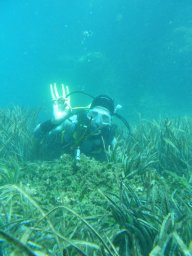 Ines Mazarrasa合作论文数Department of Global Change Research, Instituto Mediterráneo de Estudios Avanzados7
 Vincent Saderne合作论文数Benthic Ecology Group, Helmholtz Center for Ocean Research in Kiel7Joseph Verfaillie合作论文数6Daphne Szutu合作论文数Dept Environm Sci Policy & Management, Univ Calif Berkeley6
 Hanan Almahasheer合作论文数Imam Abdulrahman Bin Faisal Univ IAU, Coll Sci, Dept Biol, Dammam 314411982, Saudi Arabia6
 Lotfi Jilani Rabaoui合作论文数Faculty of Science of Tunis, University Campus6
 Periyadan Kadinjappalli Krishnakumar合作论文数5
 Miguel Á. Mateo合作论文数Centre d'Estudis Avançats de Blanes (CEAB),, CSIC5p y oikawa合作论文数4
 Mohammed Qurban合作论文数4
 Catherine Lovelock合作论文数School of the Environment, The University of Queensland;Facultyof Science, The University of Queensland;Centre for Biodiversity and Conservation Science, The University of Queensland4
 Sara Knox合作论文数Department of Environmental Science, Policy and Management, University of California at Berkeley4
 Scott Bridgham合作论文数Institute of Ecology and Evolution, Department of Biology, College of Arts and Sciences, University of Oregon;Environmental Science Institute, University of Oregon4Irene Alorda-Montiel合作论文数3Julie Shahan合作论文数3
 Marc Diego Feliu合作论文数Institut de Ciència i Tecnologia Ambiental, Universitat Autònoma de Barcelona3
 Aaron Alorda-Kleinglass合作论文数Inst Ciencia & Tecnol Ambientals, Univ Autonoma Barcelona3
 Joseph A Carlin合作论文数3
 Gavin McNicol合作论文数Univ Calif Berkeley, Dept Environm Sci Policy & Management, Berkeley, CA 94720 USA3
 Javier Gilabert合作论文数3
 Rodellas Valentí合作论文数Institut de Ciència i Tecnologia Ambientals (ICTA),, Universitat Autònoma de Barcelona3
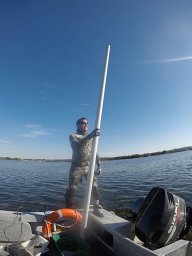 Cristian Salinas合作论文数Laboratorio de Ecología Molecular de Vertebrados Acuáticos-LEMVA, Universidad de los Andes3
 Rozaimi Mohammad合作论文数3
 Adina Paytan合作论文数Institute of Marine Sciences, University of California, Santa Cruz;Departments of Earth and Planetary Sciences, University of California, Santa Cruz;Department of Ocean Sciences, University of California, Santa Cruz3
 Rodrigo Vargas合作论文数School of Life Sciences, Arizona State University;Department of Plant and Soil Sciences, University of Delaware3
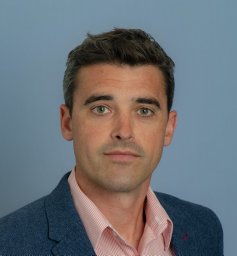 Peter Macreadie合作论文数CSIRO, P-Health;CSIRO Molecular and Health Technologies;CSIRO, CSIRO Molecular and Health Technologies3
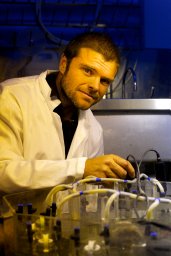 Damien Troy Maher合作论文数Centre for Coastal Biogeochemistry, Southern Cross University3Inke Forbrich合作论文数3
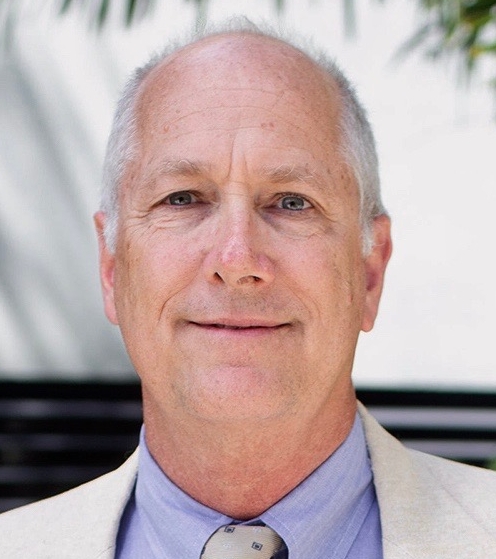 James W. Fourqurean合作论文数College of Arts, Sciences & Education, Florida International University;Institute of Environment Biological Sciences, Florida International University;Seagrass Ecosystems Research Lab, Florida International University;Department of Biological Sciences, Florida International University;Center for Coastal oceans Research, Florida International University3
 Eric J Ward合作论文数Wetland and Aquatic Research Center3
 Charles A Schutte合作论文数Department of Marine Sciences, University of Georgia3L. Windham‐Myers合作论文数2P. Megonigal合作论文数2M. A. Qurban合作论文数2Júlia Rodriguez-Puig合作论文数2
 Carlos Rene Green Ruiz合作论文数2
 Robert Shortt合作论文数2Sadie Kanneg合作论文数2geoff r bastyan合作论文数2




