The proposed multi-modal deep learning system for lung cancer diagnosis and characterisation uses structural (CT), functional (PET), and clinical (EHR) data. The heterogeneous information fusion technique uses a clinical data encoder, an attention-based fusion mechanism, and a convolutional neural network backbone for image feature extraction. Multi-task learning combines tumor categorization and characterization. Optimal hyperparameters for model training are 0.001 learning rate, 32 batch size, and 0.3 dropout rate for steady convergence and enhanced generalization. The ablation investigation’s 9% accuracy gain over the baseline model is mostly due to the attention mechanism. As model components are added, the ablation research shows a continuous and considerable performance increase. From the basic setup, adding PET data, EHR-based clinical characteristics, and enhanced fusion techniques improves all assessment measures. Attention-based fusion improves the most by adaptively weighting modalities. Compared with the baseline CT-only CNN model, the proposed attention-guided multimodal framework achieved consistent improvements across all evaluation metrics. Specifically, classification accuracy increased from 88.2% to 96.5%, corresponding to an absolute improvement of 8.3 percentage points. Precision improved from 87.5% to 95.8% (+ 8.3 percentage points), recall increased from 86.9% to 96.2% (+ 9.3 percentage points), and the F1-score increased from 87.2% to 96.0% (+ 8.8 percentage points). Similarly, the AUC-ROC improved from 0.901 to 0.982, representing an absolute increase of 0.081. These results demonstrate that the proposed multimodal attention-based framework substantially enhances classification performance and discrimination capability compared with the baseline model. According to five-fold cross-validation, the proposed model achieved an average accuracy of 96.5 ± 0.23%, precision of 95.8 ± 0.26%, recall of 96.2 ± 0.21%, F1-score of 96.0 ± 0.24%, and AUC of 0.982 ± 0.003. The performance gains were statistically significant (p < 0.05) compared with competing configurations and baseline models, confirming the robustness and effectiveness of the proposed framework.
Cloud computing has emerged as a cornerstone technology for delivering scalable and on-demand computing resources. Efficient task scheduling in cloud environments is pivotal for optimizing resource utilization and enhancing overall system performance. This paper explores the application of the Golden Search Optimization with the Whale Optimization Algorithm (WOA), called GSWOA-H, to address the complex task-scheduling problem in cloud computing. The GSWOA-H, inspired by whale hunting behavior, offers a nature-inspired approach to global optimization. To validate our proposed method and configure an experimental setup of related performance evaluation metrics. The findings of the experiments are then presented, analyzed, and compared with those carried out by existing algorithms in terms of convergence speed and efficiency with regards to tasks scheduling using GSWOA. Compared with GA, GSO, WOA and QBCSSA, the resource utilization of GSWOA-H was improved by 42.71
In low-contrast modalities like magnetic resonance imaging, medical image augmentation helps reveal anatomical structures and diseased locations. This paper presents an adaptive histogram-based contrast enhancement technique to improve medical picture quality while conserving structure. The suggested approach enhances tumor areas and tissue borders without artifacts using statistical normalization, adaptive histogram modeling, Gaussian-based intensity redistribution, and brightness-preserving contrast modification. T1, T2, FLAIR, and contrast-enhanced T1 MRI scans from the BraTS 2020 Brain Tumor Segmentation Dataset were used in experiments. The proposed method was compared to five state-of-the-art contrast enhancement methods: Histogram Equalization (HE), Contrast Limited Adaptive Histogram Equalization (CLAHE), Gamma Correction (GC), Retinex-based enhancement, and Adaptive Gamma Correction. Quantitative metrics like PSNR, MSE, SSIM, and entropy were used to evaluate the method’s performance. The suggested technique outperforms HE (31.46 dB), CLAHE (34.15 dB), Gamma Correction (32.74 dB), Retinex (35.21 dB), and Adaptive Gamma Correction (36.04 dB) in experimental PSNR (37.82 dB). The suggested technique has an SSIM of 0.962, compared to 0.891, 0.915, 0.902, 0.934, and 0.947 for the competing approaches. The approach decreases reconstruction error with an MSE of 18.4, lower than HE (42.7) and CLAHE (29.6). Qualitative analysis shows better contrast and tumor borders without brightness amplification. These findings show that the adaptive histogram approach enhances medical image analysis and diagnostic assistance systems robustly and efficiently.
The (ABX₃) perovskites form the basis of the future of optoelectronics, but the limiting DFT calculations remain the bottleneck to high-throughput density screening. Our presented explainable machine learning (ML) framework, based on SHapley Additive exPlanations (SHAP), attains a mean absolute error (MAE) of 0.2644 eV in predicting band gaps and revealing physics-consistent drivers (lattice volume and coordination). Combining SHAP-informed feature engineering with gradient-boosted trees with validation on Materials Project (MP) data (that includes locating stable and novel candidates) will bridge the gap between accuracy and interpretability. Compared to literature results of Broad Learning Systems, interpretable GBRT + symbolic regression, attention-based networks, and Conv2D-SVM (Fourier descriptors), our framework is chemically useful, reproducible, and balanced with high interpretability. We report positive demonstration of inverse design of high confidence ABX3 candidates with 1.5–2.5 eV separations, such as the sub-optimized discovery of RbSnS3, which provides a scalable way towards rational discovery of perovskites. Uncertainty quantification through quantile regression and conformal prediction allows the framework to flag out-of-domain predictions automatically, as demonstrated by the NaAlF₃ case.
Medical image processing play a vital role in disease diagnosis and medical research. The most common image acquisition methods include X-ray, CT, MRI and Ultrasound. Every method has its own advantages and disadvantages. Deep learning Models are widely used by image researchers to get clear view of the medical image and thus the diseases like brain tumor, lung cancer, breast cancer, kidney disease, Glaucoma etc. can be diagnosed correctly. In this paper we have analyzed many research papers which include the structure of CNN. We have also analyzed background of transfer learning and types of different transfer learning techniques. An exhaustive study of different deep learning models, their working and their applications in medical field has been done. Through this paper, researchers will get true insight of popular deep learning models and fractal residual networks in field of medical image processing. In the end how different deep learning models can be effectively applied in detection of tumors in different body parts been discussed.
Digital image steganography has evolved from traditional rule-based techniques to advanced data-driven frameworks enabled by deep learning. However, existing surveys remain fragmented, often focusing on limited aspects while overlooking emerging paradigms such as blockchain-integrated and quantum-based approaches. This paper presents a comprehensive and systematic review of digital image steganography following the PRISMA 2020 guidelines, covering studies published between January 2015 and April 2026 across six major scientific databases. From an initial pool of 26,539 records, 83 relevant studies were selected through a rigorous two-stage screening process. The review provides a unified analysis of steganographic techniques by examining five dimensions: structural evolution and taxonomy, algorithmic modifications and hybridisation, application domain mapping, integration of emerging technologies, and future research trends. Comparative evaluation indicates that deep learning-based methods achieve 18–23 PSNR > 42 dB, embedding capacity > 4 bpp, and detection error rate > 0.48 . Six open challenges and seven future research directions are identified and grounded in evidence from the included studies, with explainable steganography, quantum-resistant frameworks, and latent diffusion model integration emerging as the most critical priorities for advancing the field toward practical and secure deployment.
Meta-heuristics are suited for fast search space exploration since mutation testing test suite generation is an NP-complete optimization issue. Genetic Algorithms and Particle Swarm Optimization are frequently used in search-based software testing, however Fish School Search (FSS) for mutation-driven test data generation is underexplored. This paper recommends altering the Fish School Search algorithm to enhance mutation coverage while reducing computing cost by tailoring individual and collective movement operators to mutation scores. The suggested method is compared to Genetic Algorithms and Particle Swarm Optimization utilizing mutation score as the fitness parameter. Two benchmark programs from the Software-Artifact Infrastructure Repository and four open-source scientific tools are tested. Comparative findings show that the revised FSS technique produces competitive mutation scores with reduced computing effort and quicker convergence. Fish School Search seems to be an effective mutation-based test suite optimization meta-heuristic. The FSS-based test data generation technique was experimentally tested on five benchmark systems, including JTcas and Median, using MuJava mutants. GA, PSO, and FSS all killed mutations similarly across population sizes (N = 10, 20) and iteration counts (10, 20, 40). However, FSS regularly outperformed convergence efficiency. With N = 10 and 10 iterations, FSS lowered convergence time by 84
This paper presents a steganalysis approach using Cycle-Consistent Generative Adversarial Networks (CycleGAN) for detecting steganographic content in digital images. The proposed method utilizes the BOSSbase dataset and implements a deep learning framework to distinguish between cover images and their steganographic counterparts. By leveraging the cycle consistency property of CycleGANs, proposed approach captures the intricate differences between clean and stego images, providing improved detection capabilities. The framework demonstrates effectiveness at medium and high embedding rates across various steganographic algorithms, offering enhanced generalization compared to traditional steganalysis methods. Through comprehensive experimentation, we evaluate the system’s performance in terms of detection accuracy, false positive rates, and computational efficiency. The results indicate that the CycleGAN-based approach provides a robust solution for modern steganalysis challenges in digital forensics applications.
This article integrates semantic segmentation and steganographic embedding into a deep learning framework for accurate scene perception and data protection. The proposed CF-UPerNet architecture applies high-precision semantic segmentation to drive neural-network-based steganographic embedding. Instead of embedding secret data heuristically, segmentation output finds structurally complicated and perceptually insensitive image areas that are suitable hiding places. CF-UPerNet generates robust segmentation maps for objects of different sizes using UPerNet’s multi-scale contextual aggregation and ConvNeXt’s strong feature representation. As a semantic prior for the steganography module, these segmentation maps allow the neural network to understand where data may be placed without decreasing visual quality or triggering statistical detection. The embedding technique becomes content-aware and adaptable, outperforming semantically blind steganography. Rotational data augmentation during training improves segmentation accuracy and embedding robustness for generalization. Experimental evaluation on the Vaihingen and Potsdam datasets demonstrates that CF-UPerNet achieves notable improvements in segmentation performance—1.82
The growing requirement for secure multimedia communication has tested typical video steganography methods, which often trade off embedding capacity, visual quality, and signal-processing robustness. This study proposes an adaptive Discrete Wavelet Transform (DWT)-based video steganography architecture that uses key-based pseudo-random frame selection and adaptive coefficient embedding to hide data safely and undetected. Two layers of Haar DWT deconstruct selected video frames, and a dynamic scaling factor based on local and global statistical parameters encodes hidden information in LH and HL sub-bands. We test the proposed system on the UCF101 dataset of human action videos under Gaussian noise, JPEG compression, filtering, and frame dropping. Experimental results demonstrate that the recommended approach generates a high peak signal to noise ratio (PSNR) of 43.85 dB and a low MSE of 4.12, resulting in excellent visual clarity with reduced distortion. The suggested framework has a maximum embedding capacity of 0.58 bpp, outperforming LSB, DCT, and DWT. Robustness analysis shows a bit error rate < 0.02 with common attacks, ensuring data recovery and signal resilience. Results reveal that the adaptive DWT design balances security, embedding efficiency, and visual quality, making it suitable for secure multimedia transmission and digital content protection.
Diabetic foot ulcers (DFUs) are a common and serious complication of diabetes, presenting as open sores or wounds on the sole. They result from impaired blood circulation and neuropathy associated with diabetes, increasing the risk of severe infections and even amputations if untreated. Early detection, effective wound care, and diabetes management are crucial to prevent and treat DFUs. Artificial intelligence (AI), particularly through deep learning, has revolutionized DFU diagnosis and treatment. This work introduces the DFU_XAI framework to enhance the interpretability of deep learning models for DFU labeling and localization, ensuring clinical relevance. The framework evaluates six advanced models—Xception, DenseNet121, ResNet50, InceptionV3, MobileNetV2, and Siamese Neural Network (SNN)—using interpretability techniques like SHAP, LIME, and Grad-CAM. Among these, the SNN model excelled with 98.76% accuracy, 99.3% precision, 97.7% recall, 98.5% F1-score, and 98.6% AUC. Grad-CAM heat maps effectively identified ulcer locations, aiding clinicians with precise and visually interpretable insights. The DFU_XAI framework integrates explainability into AI-driven healthcare, enhancing trust and usability in clinical settings. This approach addresses challenges of transparency in AI for DFU management, offering reliable and efficient solutions to this critical healthcare issue. Traditional DFU methods are labor-intensive and costly, highlighting the transformative potential of AI-driven systems.
The data must be protected from cyber-attacks that benefit from the weaknesses of the databases. Our traditional techniques are unstable. They are not strong enough to withstand the sophisticated and advanced criminal methods that attackers are developing and using to access confidential information. To prevent these kinds of activities, we must use encryption techniques. The most common Brute force encryption method, which can easily break encryption that is not very strong, is one of the many encryption and decryption techniques used by cyber attackers to break unsafe techniques during data transformation over a network. This paper addresses these challenges and provides a strong and effective encryption technique. Fractals are indefinite parameters and functions that can be used to enhance encryption techniques, and one of them we used in our study was to optimize the encryption technique. In this paper, we introduced a new and reliable encryption technique that utilizes the chaotic and fractal nature of Noor iteration. Our study intends to improve real-time protection against new attack vectors. The proposed approach ensures key sensitivity by generating an initial value set throughout the Noor iteration process. Initial Key values are produced by the fractal function using the Julia set and the XOR operator. Our study shows the efficiency, reliability, and potential for secure communications. The sequence encrypts the plain text, and the entire process is evaluated using analysis that includes key space, sensitivity, differential, and statistical evaluations.
An enormous worldwide health problem, cervical cancer is defined by the uncontrolled proliferation of cervix cells that may spread to other parts of the body. Timely discovery has the ability to cure the condition, hence effective treatment of cervical cancer needs early detection. One of the most important screening tools for early detection is the inexpensive Pap smear. Clinical image processing is improved by computer-aided diagnostic (CAD) approaches, which speeds up and improves cancer diagnosis. Variation in image look, morphology, and size, as well as problems with data availability and quality, pose obstacles to deep learning approaches for cervical cancer classification. We use deep learning in two ways: first, by extracting features from pre-trained models using a variety of machine learning techniques for image classification; and second, by applying transfer learning to cervical cancer images using pre-trained models. An innovative approach is introduced here that improves classification by combining ResNet50 and VGG19 architectures. This all-encompassing plan aims to make cervical cancer screening more efficient and accessible over the world while simultaneously improving the accuracy of diagnoses. The proposed method achieved accuracy of 94.53% and F1 score of 93% using transfer learning and pretrained model (ResNet50 and VGG19), thus achieved superior classification performance by outperforming existing methods.
Cancer of bone marrow is classified as Acute Lymphoblastic Leukemia (ALL), an abnormal growth of lymphoid progenitor cells. It affects both children and adults and is the most predominant form of infantile cancer. Currently, there has been significant growth in the identification and therapy of acute lymphoblastic leukemia. Therefore, a method is required that is capable to accurately assessing risk by an appropriate treatment strategy that takes into account all relevant clinical, morphological, cytogenetic, and molecular aspects. However, to enhance survival and quality of life for those afflicted by this aggressive haematological malignancy, more research and clinical trials are required to address the issues associated with resistance, relapse, and long-term toxicity. Consequently, a deep optimized Convolutional Neural Network (CNN) has been proposed for the early diagnosis and detection of ALL. The design of the deep optimized CNN model consisted of five convolutional blocks with thirteen convolutional layers and five max pool layers. The proposed deep optimized CNN model is tuned using the hyperparameters such as 30 epochs, batch size 32 and optimizers, namely Adam and Adamax. Out of the two optimizers, the proposed deep optimized CNN model has outperformed using Adam optimizer with the points of accuracy and precision as 0.96 and 0.95, respectively.
This study presents a novel technique for the segmentation and classification of regions in breast tumour images by integrating a convergence-based density model, coupled with texture feature-based clustering. The segmentation process starts with an active contour that estimates probability densities for foreground, background, and tumour regions. A key advantage of the proposed method is its independence from an annotated training set. Thus, it reduces sensitivity to dataset variability by using intensity-driven convergence. To address overlapping structures in mammographic images, an edge-path contour-splitting methodology is employed for accurate boundary separation. Finally, a probabilistic neural network (PNN) is used to classify the tumour regions based on texture features. Both qualitative and quantitative results are presented to demonstrate the effectiveness of the proposed method. The proposed method achieves an accuracy of 92
Future 6G radio networks will heavily rely on deep learning (DL) models for both signal and data processing. DL-based solutions can be highly effective in classifying various radio frequency (RF) signals influenced by noise or intentional jamming as they are capable of recognizing patterns even under challenging conditions. This paper focuses on the classification of different RF signals using three DL-based models: CNN, GRU, and CGDNN. For this purpose, a dataset containing RF signals influenced by various impairments (e.g., I/Q-imbalance) and transmission conditions (e.g., multipath propagation) was created using MATLAB. Both the dataset and the source code have been made publicly available to support further research in this area. Preliminary results shown that the performance of DL-based approaches depends not only on the RF impairments considered but also on the preparation of the dataset.
In the evolving landscape of digital security, image steganography has gained prominence as a technique to conceal information within media content. However, existing deep learning-based approaches often prioritize imperceptibility and robustness while overlooking critical aspects like usability and interpretability. This paper presents a novel explainable deep learning framework for image steganography that integrates human-centered design principles and usability-aware embedding constraints. Our architecture combines a modified CycleGAN-based embedding mechanism with interpretable attention modules to provide visual explanations of hidden data regions. Additionally, the system is designed with usability metrics in mind minimizing embedding time, simplifying user interaction, and ensuring reversibility and transparency. To evaluate the proposed framework, we conduct comprehensive experiments using the BOSSbase dataset and benchmark it against state-of-the-art methods on PSNR, SSIM, capacity, and steganalysis resistance. Furthermore, a usability evaluation involving real users captures perceived ease-of-use and interaction clarity. Results demonstrate that our method not only maintains high imperceptibility and security but also offers better explainability and operational simplicity than conventional deep learning models. This work bridges the gap between technical performance and real-world applicability, contributing toward the development of secure, user-friendly, and transparent AI-driven steganographic systems.
Breast cancer detection and prognosis prediction is expected to improve significantly if different data modalities such as imaging, genomics, and clinical records are integrated. However, many of the existing methods are not adaptable to weight the modalities according to their relevance and quality; hence, they may not be efficient. In this study, we propose a new technique, Adaptive Context Aware Hybrid Fusion (ACAHF) to take care of this issue. ACAHF combines early, intermediate, and later advantage of fusion strategies along with attention mechanisms and contextual weight for the integrative optimization of imaging-genomic-clinical data sets. In our method, fusion strategies are dynamically adopted based on intermodal relations and input quality, which guarantees the most informative modalities to be prioritized. We illustrate our technique on breast cancer datasets, including TCGA (The Cancer Genome Atlas) and DDSM Digital Database for Screening Mammography, and show that it performs better than currently available models on the dataset.
In the rapidly evolving field of digital security, this study aims to advance image steganography by developing and benchmarking seven deep learning architectures with a focus on imperceptibility, embedding capacity, and robustness against steganalysis. The models implemented include the residual dense network (RDN), vision transformer with adaptive attention (ViT-AA), progressive generation network (PGN), dual-stream architecture (DSA), wavelet-based hybrid network (WHN), mutual attention transformer (MAT), and efficient attention pyramid transformer (EAPT). Using the PyTorch framework and standardized datasets such as DIV2K, COCO, and ImageNet, each architecture was trained through structured preprocessing and evaluated using metrics including PSNR, SSIM, LPIPS, and statistical steganalysis resistance. Experimental results demonstrate that WHN achieved the highest visual quality (PSNR = 43.5 dB, SSIM = 0.995), while MAT and EAPT provided superior security with detection rates near random chance (0.501-0.502) and robustness against JPEG compression and noise insertion. PGN and DSA offered low-latency performance suitable for resource-constrained or mobile applications, while ViT-AA provided a balanced trade-off across imperceptibility and robustness. The findings confirm that deep learning approaches surpass traditional methods and establish new computational benchmarks for covert communication and digital forensics. These results recommend WHN, MAT, and EAPT for high-security contexts, PGN and DSA for embedded platforms, and ViT-AA as a general-purpose framework, while encouraging further research into lightweight variants for IoT and real-time deployments. Tools for data collection and experimentation included benchmark datasets and PyTorch-based implementations.
 Amita Nandal合作论文数Dept. of ECE, Nat. Inst. of Technol.;c59
 Arpit Kumar Sharma合作论文数Arizona State University15
 Hamurabi Gamboa-Rosales合作论文数Department of Electronics Engineering, Universidad Autónoma de Zacatecas9
 Alhudhaif, A.合作论文数Dept. of Comput. Sci., George Washington Univ.;c;Dept. of Comput. Sci., George Washington Univ.7
 Kemal Polat合作论文数Department of Electrical and Electronics Engineering, Abant Izzet Baysal University7
 Vishnu Narayan Mishra合作论文数6
 Vidhyacharan Bhaskar合作论文数6
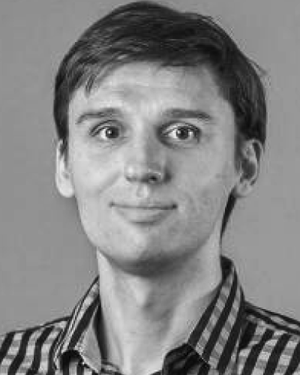 Ladislav Polak合作论文数5
 Zhou Liang合作论文数5
 Rahul Dixit合作论文数National Institute of Technology, Rourkela, India5
 Deepika Koundal合作论文数A.I. Virtanen Institute for Molecular Sciences, Faculty of Health Sciences, University of Eastern Finland;School of Computer Science, University of Petroleum and Energy Studies;Ho Chi Minh City Open University5
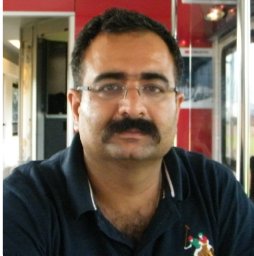 Siddhartha Chauhan合作论文数5
 Lakshmi Narayan Mishra合作论文数Department Of Electrical Engineering;University of Texas at Dallas;Department Of Electrical Engineering, University of Texas at Dallas5
 Mukesh Kumar Sharma合作论文数4francisco eneldo lopez monteagudo合作论文数4
 Fayadh Alenezi合作论文数Department of Electrical Engineering, Jouf University4
 Shyo Prakash Jakhar合作论文数3Liang Zhou合作论文数3
 Satyendra Singh合作论文数3
 Dijana Capeska Bogatinoska合作论文数3
 Tao Wu (吴韬)合作论文数3
 Hasmat Malik合作论文数3
 Yohan Kuriakose合作论文数Sch Comp & IT, Manipal Univ Jaipur2
 Vardan Agarwal合作论文数Department of Computer Science;Engineering, Manipal University Jaipur;Department of Computer Science
Engineering, Manipal University Jaipur2
Vardan Agarwal合作论文数Department of Computer Science;Engineering, Manipal University Jaipur;Department of Computer Science
Engineering, Manipal University Jaipur2 Nitesh Dhiman合作论文数Department of Mathematics, Chaudhary Charan Singh University2
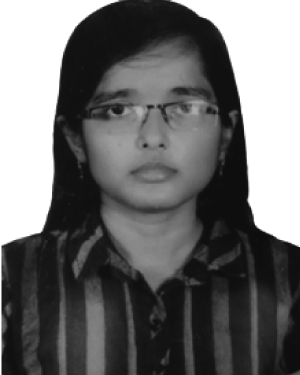 Sonali Singh合作论文数2Anand B. Joshi合作论文数2
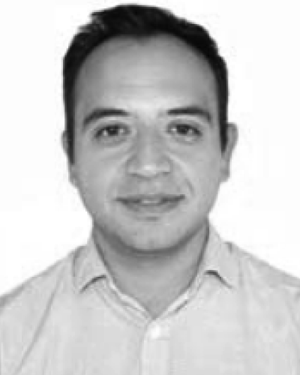 Edgar Gonzalez Fernandez合作论文数Univ Complutense Madrid, Grp Anal Secur & Syst, Dept Software Engn & Artificial Intelligence DISI, Fac Comp Sci & Engn,Off 431, Calle Prof Jose Garcia Santesmases 9,Ciudad Univ, E-28040 Madrid, Spain2
 Vinh Truong Hoang合作论文数Ho Chi Minh City Open Univ, Fac Informat Technol, Ho Chi Minh City, Vietnam2
 Tania A. Ramirez-delReal合作论文数Consejo Nacl Ciencia & Tecnol CONACyT2
 Carlos Eric Galvan Tejada合作论文数2
 Pramod Singh Rathore合作论文数Dept. of C.S, Gov. Eng. Coll., Ajmer, India;c;Dept. of C.S, Gov. Eng. Coll., Ajmer, India|c|2Kufa, Jan合作论文数SIX Research Center, Brno University of Technology;c2
 Jorge Issac Galván Tejada合作论文数Unidad Académica de Ingeniería Eléctrica y Comunicaciones, Universidad Autónoma de Zacatecas "Francisco García Salinas"2
 Vijay Kumar合作论文数Department of Information Technology, Dr B R Ambedkar National Institute of Technology Jalandhar2
 Todor Ganchev合作论文数Wire Communications Laboratory;University of Patras;Wire Communications Laboratory, University of Patras2
 José M. Celaya-Padilla合作论文数2Ninoslav Marina合作论文数Department of Electrical Engineering;University of Hawai;Department of Electrical Engineering, University of Hawai2Kamlesh Gautam合作论文数1S. Nivash合作论文数1
 Sadhna Chaudhary合作论文数1
 Assaye Belay Gelaw合作论文数1
 Sandeep Sancheti合作论文数1
 Dipankar Das合作论文数1
 Sandeep Kaushal合作论文数1Arpana Sinhal合作论文数1
 Radim Zedka合作论文数1
 Abhishek Kumar合作论文数1Adam Stech合作论文数1




