Amidst growing global apprehensions surrounding metal and mineral waste management and trade, this study aims to elucidate the patterns and impacts of such waste, focusing predominantly on the United States. Analyzing data from 2002–2022 for exports and 2008–2022 for imports, it explores state-specific trends, trade dynamics, and their environmental and economic implications. Results reveal the trade of approximately 430 million tons of materials, with 84% constituting exports. While ash, slags, and some metals exhibit a negative trade balance, commodities like Ferrous, Copper, and Aluminum waste and scrap display a notably positive trade balance. Distinct state preferences and international partnerships exist, with California and Washington emerging as leaders in exports and imports, respectively. Internationally, Turkey and China are the main recipients of U.S. exports, and Canada and South Africa are principal contributors to U.S. imports. Economic and environmental analyses reveal marginal advantages of electrorefining in metal recovery, emphasizing its environmental efficiency. Initial assessments of systems focusing on mineral recovery show negative differences, but inclusive of savings from resource extraction and waste avoidance, results are favorable. Conclusively, this study advocates for a shift in waste perception, emphasizing the need for innovative technologies, strategic policies, and international collaborations to unlock the untapped potentials in metal and mineral waste management, promoting global sustainability.
The waste-to-energy (WTE) plant has been deployed in 205 cities in China. However, it always faces public resistance to be built because of the great concerns on flue gas pollutants (FGPs). There are limited studies on the socioeconomic heterogeneity analysis and prediction models of WTE capacity/ FGP emission inventories (EIs) based on big data. In this study, the incinerator level emission factors (EFs) in 2020 of PM, SO2, NOx, CO, HCl, dioxins, Hg, Cd + Tl, and Sb + As+ Pb + Cr + Co + Cu + Mn + Ni were calculated based on 322,926 monitoring values of all the 481 WTE plants (1140 processing lines) operating in China, with uncertainties in the range of ±34.70%. The EFs were significantly 45-96% lower than the national standard (GB18485-2014) and had negative relationships with local socioeconomic elements, while WTE capacity and FGP EIs had significantly positive correlations. Gross domestic product, area of built district, and municipal solid waste generation were the main driving forces of WTE capacity. The WTE capacity increased by 150% from 2015 to 2020, while the total emission of PM, SO2, CO, dioxins, Hg, and Sb + As + Pb + Cr + Co + Cu + Mn + Ni decreased by 42.46-88.24%. The artificial neural network models were established to predict WTE capacity and FGP EIs in the city level, with the mean square errors ranging from 0.003 to 0.19 within the model validation limits. This study provides data and model support for the formulation of appropriate WTE plans and a pollutant emission control scheme in different economic regions.
Generally,plastics pose a variety of environmental impacts due to their increased use and non-biodegradability.End-of-life treatment is a viable way of recovering energy from plastics while at the same time reducing the amount of plastics disposed of in landfills.This paper studies the environmental impact of Non-Recycled Plastics(NRP)-to-energy processes.Three waste treatment processes were considered for NRP:pyrolysis,waste-to-energy(WtE),and landfill.The environmental impact assessment results indicated that conversion technologies such as pyrolysis and WtE are preferred over landfill.The total energy consumed in the pyrolysis process was 24635.7 MJ/tonne.The conversion technologies have a lower environmental impact and produced net positive energy from NRP.The global warming potential shows that pyrolysis(3.91 kg eq.CO2)contributes the least to global warming than waste-to-energy(18.56 kg eq.CO2)and landfill(17.5 kg eq.CO2).However,sensitivity analysis suggested that the inefficiencies of the current conversion technologies should be addressed.Between the two technologies studied,pyrolysis contributed less environmental burden,having a lower global warming potential,a higher efficiency in energy conversion,and less harmful emissions such as selenium and methane.
The renewable and carbon neutral nature of biomass makes it an alternative clean energy resource. However, NOx emission during biomass combustion, a widely used approach for extracting energy from biomass, poses serious environmental concerns. A fundamental investigation of nitrogen species formation mechanism during biomass combustion is important to minimize NOx and nitrous oxide emissions. In this study, a comprehensive computational fluid dynamics (CFD) model that combines nitrogen chemistry with flow and combustion simulations is presented. We call this model BASIC: bulk accumulated solids incineration code. BASIC combined submodels for drying, devolatilization, volatiles combustion, and char oxidation, nitrogen chemistry, and conservation equations. The model is first validated against data on fixed bed combustion of biomass from literature. Results show that particle size and the initial temperature have significant impact on NO and N2O formation, whereas pressure shows a less significant effect. NOx formation mechanism pathways show that the oxidation of ammonia has a significant influence on NO production, while the reduction of NO by surface dominated hydrogen play an important role in reducing its concentration in the gas phase. Net N2O formation is determined both by the reactions of precursors with NO and the process of N2O decomposition to N-2. Unlike prior CFD models, BASIC can predict not only N2O formation for biomass combustion, an important greenhouse gas, but also optimal parameters, e.g., particle size and temperature, for the lowest NOx production.
In recent years, the Chinese waste-to-energy (WTE) industry is growing at the rate of about thirty new plants each year. The municipal solid waste (MSW) fuel has a low heating value of 4–7 MJ/kg, in comparison to about 11 MJ/kg in U.S. and 8–11 MJ/kg in EU. Combustion of the low heating value fuel on a moving grate (MG), the dominant combustion technology worldwide, is difficult to control and measures have to be taken to remove some moisture prior to combustion. For this and other reasons, an alternative technology, the circulating fluid bed (CFB) has been implemented in China. This paper is a comparative study of the two technologies and was carried out by Columbia University and two senior engineers, representing the MG and CFB technologies of China. Data were derived from industrial operating plants and from the literature. The fuel to MG furnaces is as-received MSW, while the MSW to CFB reactors is pre-shredded using high-torque low-speed shredders. The availability of MG plants, over a 1-year period, is 90% + , while that of CFB facilities is 80% +. Also, the in-plant electricity consumption of MG plants is slightly lower than the consumption of CFB plants. The MG furnace is less compact, than that of a CFB combustion chamber, with a heat flux range from 0.5 to 0.6 MW/m2 of grate surface area, while that of CFB furnace was about 1.7 MW/m2 of furnace cross-section. The bottom ash in a MG process is typically wet-discharged and the recovery of metals is less efficient. A drawback of the CFB process is that the fly ash generated is 5–10% of the weight of MSW combusted, as compared to 1–3% for moving grate plants in China.
The study of the gating mechanism of mechanosensitive channels opens a window to the exploration of how different mechanical stimuli induce adaptive cellular behaviors of both the protein and the lipid, across different time and length scales. In this work, through a molecular dynamics-decorated finite element method (MDeFEM), the gating behavior of mechanosensitive channels of small conductance (MscS) in Escherichia coli (E. coli) is studied upon membrane stretch or global bending. The local membrane curvature around MscS is incorporated, as well as multiple MscL (mechanosensitive channels of large conductance) molecules in proximity to MscS. The local membrane curvature is found to delay MscS opening and diminishes moderately upon membrane stretching. Mimicking the insertion of lysophosphatidylcholine (LPC) molecules into the lipid, both downward and upward bending can active MscS, as long as the global membrane curvature radius reaches 34 nm. Based on the different MscS pore evolutions observed with the presence of one or more MscLs nearby, we propose that when coreconstituted, multiple MscL molecules tend to be located at the local membrane curvature zone around MscS. In another word, as MscL “swims around” in the lipid bilayer, it can be trapped by the membrane's local curvature. Collectively, the current study provides valuable insights into the interplay between mechanosensitive channels and lipid membrane at structural and physical levels, and specific predictions are proposed for further experimental investigations.
Catalytic cracking of toluene as a tar model compound was carried out to investigate the effect of operating conditions on the coke formation and performance of nickel catalyst. The deactivation of catalyst depended on the quantity and nature of deposited coke, which were affected by the operating conditions, including temperature, nickel and steam concentration. The highest yield ratio of filamentous coke to the amorphous coke was 1.11 with the Ni/Al2O3 catalyst containing the highest amount of Ni examined, 20%, and heated at 700 °C without steam injection. The formation of filamentous coke maintained the catalyst activity at the first 20 min, which had less serious effect on the deactivation than the amorphous coke. Two types of coke deactivation trends were observed. Type I was associated with the deactivation by amorphous coke and type II was due to the corporate effects of amorphous and filamentous coke, which extended the life time of the catalyst.
The current global production of plastics is over 300 million tons, 20% of which is produced in China. It has been estimated that about 90% of the discarded plastics are not recycled. China was the world’s leading importer of waste plastics, while since January 1, 2018, China’s import ban on waste plastics has been put into force, which has had a far-reaching effect on global plastic production and solid waste management. Southeast Asian countries like Malaysia have replaced China as the leading importer of plastic wastes. As the main exporter of waste plastics, EU has released strategy and initiative about plastics to restrict the use of micro plastics and single-use plastics. Meanwhile main European counties like UK, German and France have also taken own active measures to realize the control of packaging waste and non-recycled plastic and the recycling of plastic wastes in several years. As For the US, some areas such as Seattle and San Francisco have positively responded to the global trend of plastic ban. However, the controversy over “plastic restriction” in the whole state obstructed the promulgation and implementation of the national plastic ban. On the whole, major companies and more than 60 countries all over the world have introduced levies or bans to combat single-use plastic wastes. The Chinese government began to rectify the domestic waste plastics market and the Ministry of Industry and Information Technology of China has clarified the threshold of waste plastic treatment capacity for key enterprises. In addition to landfill, direct recovery and waste to energy processes are the main disposal methods of waste plastics. Thermoplastics like PE, PP and PET that are sorted out from the waste stream by citizens can be directly recycled to the primary material. The mixed waste plastics can be used as fuel in waste to energy plants, or as feedstock to pyrolysis plants that transform them to high value-added oil or chemical materials, which are more promising disposal methods of waste plastics.
This study attempts the development of an algorithm in order to present a step by step selection method for the location and the size of a waste-to-energy facility targeting the maximum output energy, also considering the basic obstacle which is in many cases, the gate fee. Various parameters identified and evaluated in order to formulate the proposed decision making method in the form of an algorithm. The principle simulation input is the amount of municipal solid wastes (MSW) available for incineration and along with its net calorific value are the most important factors for the feasibility of the plant. Moreover, the research is focused both on the parameters that could increase the energy production and those that affect the R1 energy efficiency factor. Estimation of the final gate fee is achieved through the economic analysis of the entire project by investigating both expenses and revenues which are expected according to the selected site and outputs of the facility. In this point, a number of commonly revenue methods were included in the algorithm. The developed algorithm has been validated using three case studies in Greece—Athens, Thessaloniki, and Central Greece, where the cities of Larisa and Volos have been selected for the application of the proposed decision making tool. These case studies were selected based on a previous publication made by two of the authors, in which these areas where examined. Results reveal that the development of a «solid» methodological approach in selecting the site and the size of waste-to-energy (WtE) facility can be feasible. However, the maximization of the energy efficiency factor R1 requires high utilization factors while the minimization of the final gate fee requires high R1 and high metals recovery from the bottom ash as well as economic exploitation of recovered raw materials if any.
1 School of Mechanical Engineering, National Technical University of Athens, Athens, Attica, 15780, Greece 2 CycleFi PC, Athens, Attica, 11635, Greece 3 Earth and Environmental Engineering Department, Columbia University, New York, 10027, USA 4 International Waste Management Consultant, Egaleo, Attica, 12243, Greece
Considerable progress has been made over the last decades in thermal spray technologies, practices and applications. However, like other technologies, they have to continuously evolve to meet new problems and market requirements. This article aims to identify the current challenges limiting the evolution of these technologies and to propose research directions and priorities to meet these challenges. It was prepared on the basis of a collection of short articles written by experts in thermal spray who were asked to present a snapshot of the current state of their specific field, give their views on current challenges faced by the field and provide some guidance as to the R&D required to meet these challenges. The article is divided in three sections that deal with the emerging thermal spray processes, coating properties and function, and biomedical, electronic, aerospace and energy generation applications.
The fine dust of incinerator bottom ash generated from dry discharge systems can be transformed into an inert material suitable for the production of hard, dense ceramics. Processing involves the addition of glass, ball milling and calcining to remove volatile components from the incinerator bottom ash. This transforms the major crystalline phases present in fine incinerator bottom ash dust from quartz (SiO2), calcite (CaCO3), gehlenite (Ca2Al2SiO7) and hematite (Fe2O3), to the pyroxene group minerals diopside (CaMgSi2O6), clinoenstatite (MgSi2O6), wollastonite (CaSiO3) together with some albite (NaAlSi3O8) and andradite (Ca3Fe2Si3O12). Processed powders show minimal leaching and can be pressed and sintered to form dense (>2.5gcm(-3)), hard ceramics that exhibit low firing shrinkage (<7%) and zero water absorption. The research demonstrates the potential to beneficially up-cycle the fine incinerator bottom ash dust from dry discharge technology into a raw material suitable for the production of ceramic tiles that have potential for use in a range of industrial applications.
Incinerator bottom ash (IBA) is normally processed to extract metals and the coarse mineral fraction is used as secondary aggregate. This leaves significant quantities of fine material, typically less than 4mm, that is problematic as reuse options are limited. This work demonstrates that fine IBA can be mixed with glass and transformed by milling, calcining, pressing and sintering into high density ceramics. The addition of glass aids liquid phase sintering, milling increases sintering reactivity and calcining reduces volatile loss during firing. Calcining also changes the crystalline phases present from quartz (SiO2), calcite (CaCO3), gehlenite (Ca2Al2SiO7) and hematite (Fe2O3) to diopside (CaMgSi2O6), clinoenstatite (MgSiO3) and andradite (Ca3Fe2Si3O12). Calcined powders fired at 1080°C have high green density, low shrinkage (<7%) and produce dense (2.78 g/cm(3)) ceramics that have negligible water absorption. The transformation of the problematic fraction of IBA into a raw material suitable for the manufacture of ceramic tiles for use in urban paving and other applications is demonstrated.
In Greece the daily production of Municipal Solid Waste (MSW) is estimated to be 15,000 tones, which means roughly 5.4 million tons per year, from which 77% is deposited in Landfills, 23% is recycled and composted. The European Union Legislation for Sanitary Landfills (1999/31/EC), imposes the decrease of biodegradable waste that are deposit to sanitary landfills; thus WtE methods of MSW is one of the best, in terms of affordability in a competitive world and environmental friendly, proposed solutions. Waste-to-Energy methods produce steam and/or electricity. Also, the weight of MSW is reduced up to 70–80% and the volume up to 90%, and finally the land area requirements are very small. Our proposal for the WtE technology implementation in Greece is the construction of MSW WtE plants in all major cities operating with an annual capacity of 200,000–400,000 tones. The required land area will be only 4–7 ha. The basic income of such plants is the gate fee, varying from 50 to 80 €/ton. The second income comes from selling of the produced electricity to the Public Power Corporation for 87.85 €/ΜWh (referring to the biodegradable fraction of MSW), according to the new Greek law for renewable energy sources (L. 3851/2010). Additional income comes from the recovered metals of the bottom ash. Furthermore, there is a considerable prospect for state subsidy of the whole investment, according to the Greek Development Law.
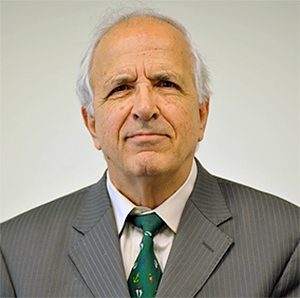 Nickolas J. Themelis合作论文数Earth Engineering Center,Columbia University7
 Qunxing Huang (黄群星)合作论文数College of Energy Engineering, Zhejiang University3
 Mark F. Smith合作论文数2Hossein Ashrafizadeh合作论文数2jeffrey a brogan合作论文数2
 Rudolf Henne合作论文数2J. Oberste Berghaus合作论文数2M.R. Dorfman合作论文数2
 Asif Ansar合作论文数2manolis klados合作论文数2G. Fisher (G.Fisher)合作论文数InnoTech Alberta2Yuk-Chiu Lau合作论文数2
 margaret m hyland合作论文数Department of Chemical and Materials Engineering, University of Auckland2
 Ali Dolatabadi合作论文数Centre for Advanced Coating Technologies, Faculty of Applied Science and Engineering, University of Toronto;Department of Mechanical and Industrial Engineering, Faculty of Applied Science and Engineering, University of Toronto2
 Guanyi Chen (陈冠益)合作论文数School of Mechanical Engineering, Tianjin University of Commerce;School of Environmental Science and Engineering, Tianjin University2
 Sanjay Sampath合作论文数Center for Thermal Spray Research, Materials Science and Engineering, College of Engineering and Applied Sciences, Stony Brook University2
 Chris Cheeseman合作论文数Department of Civil and Environmental Engineering, Faculty of Engineering, Imperial College London2
 Wenchao Ma (马文超)合作论文数School of Environmental Science & Engineering, Tianjin University2
 Pierre Fauchais合作论文数CNRS;Science of Ceramic Processing and Surface Treatment Laboratory, University of Limoges2
 K.A. Khor合作论文数School of Mechanical and Production Engineering, Nanyang Technological University2
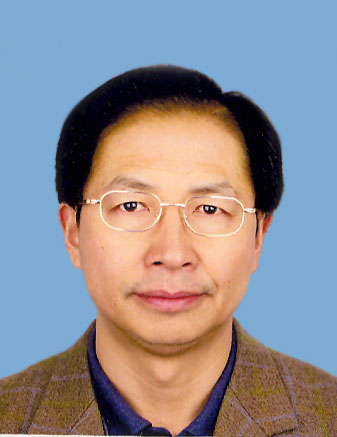 Changjiu Li (李长久)合作论文数School of Materials Science and Engineering, Xi'an Jiaotong University2
 Eric H. Jordan合作论文数Department of Mechanical Engineering, School of Engineering, University of Connecticut2Georg Mauer合作论文数2
 Stavros T. Ponis合作论文数School of Mechanical Engineering, National Technical University Athens2
 Maher Boulos合作论文数Tekna Plasma Systems Inc.2Frank Gaertner合作论文数2Filofteia-Laura Toma合作论文数2
 Jon P. Longtin合作论文数Dept Mech Engn, SUNY Stony Brook2Timothy J Eden合作论文数Applied Research Laboratory, The Pennsylvania State University2Nicolaie Markocsan合作论文数University2
 Eric Irissou合作论文数2
 Luc Vandeperre合作论文数Department of Materials Science and Metallurgy, University of Cambridge2
 Javad Mostaghimi合作论文数Department of Mechanical & Industrial Engineering, Faculty of Applied Science & Engineering, University of Toronto2
 Andreas Killinger合作论文数2
 Andre McDonald合作论文数Department of Mechanical Engineering, Faculty of Engineering, University of Alberta2
 Christian Moreau合作论文数Department of Mechanical, Industrial and Aerospace Engineering, Concordia University2
 Patrick J. Masset合作论文数DECHEMA e.V., Karl Winnacker Institut2
 Petri Vuoristo合作论文数Department of Materials Science and Environmental Engineering, Faculty of Engineering and Natural Sciences, Tampere University of Applied Sciences2
 Jun Akedo合作论文数National Institute of Advanced Industrial Science and Technology2Malko Gindrat合作论文数2
 Jiří Matějíček合作论文数Institute of Plasma Physics, Hefei Institutes of Physical Science;Department of Materials Engineering, Institute of Plasma Physics, Czech Academy of Sciences2
 Christopher Berndt合作论文数Department of Mechanical Engineering and Product Design Engineering, School of Engineering, Swinburne University of Technology2
 Robert Vaßen合作论文数Institut für Energie- und Klimaforschung, Forschungszentrum Jülich GmbH;Ruhr Universität Bochum2
 Kentaro Shinoda合作论文数Center for Thermal Spray Research, Stony Brook University2
 Juan Pablo Trelles合作论文数Department of Mechanical Engineering, University of Minnesota2
 Armelle Vardelle合作论文数Université de Limoges2
 Jicui Cui合作论文数1
 Abdoulaye Bore合作论文数1
 Panagiotis Kokkotis合作论文数1




