The present work reports an innovative modification of graphene oxide (GO) using air nanobubbles (NBs). A comprehensive set of characterizations, including Raman spectroscopy, FTIR, XRD, SEM, porosimetry, and SAXS, confirmed the improved structural features and functional groups. A notable increase in the specific surface area to the value of 109.4 m2 (2.5-fold) was achieved through incorporation of the NBs, along with the introduction of microporosity, which significantly improved ion diffusion kinetics relative to previous methodologies. FTIR analyses confirmed the rise in oxygenated functional groups, mostly C-O entities, which improved the surface reactivity of GO@NBs. XRD confirmed the increase in crystallinity as well as greater crystal size in GO@NBs, while SAXS confirmed the structural integrity as well as material porosity. Air NBs, therefore, impact the physicochemical properties of GO extensively and reveal significant opportunities for energy storage, catalysis, and remediation.
The presence of dyes in industrial effluents causes significant environmental harm. Traditional wastewater treatment technologies are insufficient to remove dyes rapidly. This study examined the degradation efficiency of dyes (Methylene Blue (MB) and Remazol Brilliant Blue R (RBBR)) by using nanobubbles (NBs) of ozone (O3), oxygen (O2), and air. For their generation, hydrodynamic cavitation was selected. The impacts of the flow rate, pH, reaction kinetics, and initial pollutant concentration were investigated. As expected, the flow rate affected NB size and concentration, impacting pollutant removal efficiency. ζ potential showed that O3@NBs achieved the highest absolute value of 27.8 mV at pH 7.5, exhibiting the best stability and performance. Experimental results show that the implantation of O3@NBs rapidly removes 100% of MB and RBBR within 15 min, independent of pollutant concentration or pH. O2 and air NBs had lower removal efficiencies, indicating the higher oxidative potential of O3@NBs. In addition, the soluble O3@NBs managed to degrade 40 and 65% of the total organic content for MB and RBBR, respectively. Kinetics analysis showed that all NBs follow a first-order kinetic model. The stability of produced NBs was explored over the span of 1 year, revealing O2@NBs as the most stable. Exploring the application in real textile wastewater showed that O3@NBs can effectively be employed to obtain clear water, since it removed >70% of both the dye and total dissolved solids present in the solution. Also, scavenger studies revealed that hydroxyl radicals are highly responsible for the degradation of both MB and RBBR. Overall, this work provides a mechanistic understanding of the reactivity of O3@NBs, O2@NBs, and Air@NBs and sheds light on the importance of nanobubble features and reaction parameters in optimizing advanced oxidation processes for wastewater treatment applications.
This study investigates the potential of waste marble slurry as a partial replacement for ordinary Portland cement, with particular emphases on the influence of the water-to-cement (w/c) ratio and the objectives of determining the effect of water content and the optimum marble slurry concentration. Cement pastes were prepared with three w/c ratios (0.3, 0.4, and 0.5) and five substitution levels of marble slurry (0%, 5%, 10%, 15%, and 20%). Workability was assessed through mini slump flow tests, while mechanical performance was evaluated via compressive and flexural mechanical tests. The initial and final setting times were also investigated. Electrical resistivity measurements, combined with X-ray diffraction (XRD), Fourier-transform infrared spectroscopy (FTIR), and scanning electron microscopy (SEM), were used to examine chemical composition and microstructure. Results showed that marble slurry behaves as an inert filler, rather than a reactive component. Its incorporation, up to 10%, significantly improves the fresh properties and mechanical performance of mixes with higher w/c ratios (0.4 and 0.5). At lower w/c ratios (0.3), strength was adversely affected due to insufficient hydration. Electrical resistivity measurements indicated that pastes with w/c = 0.5 and up to 10% slurry replacement became slightly more resistant to electrical current, whereas mixes with lower w/c ratios (0.3 and 0.4) showed only minor reductions at 5% and 10% cement substitution. SEM imaging demonstrated a denser microstructure when marble slurry was incorporated, consistent with a filler effect. Marble slurry was also found to accelerate the setting of cement pastes, an effect most evident at lower w/c ratios and higher substitution levels. Overall, the findings highlight that waste marble slurry can be effectively utilized at moderate replacement levels in cement-based materials, contributing to sustainable construction practices by reducing cement consumption and marble waste disposal.
As academic institutions expand, the proliferation of laboratories dealing with hazardous chemicals has risen. While the physicochemical characterization equipment employed in these academic chemical laboratories is widely recognized, its usage presents a notable risk to researchers at various levels. This paper presents a simplified approach for evaluating the effects of the implementation of prevention investments in regard to working with nanomaterials on a lab scale. The evaluation is based on modeling the benefits (avoided accident costs) and costs (safety training), as opposed to an alternative (not investing in safety training). Each scenario analyzed in the economic evaluation reflects a different level of risk. The novelty of this study lies in its objective to provide an economic assessment of the benefits and returns from safety investments—specifically training—in a chemical laboratory, using a framework that integrates qualitative insights to explore and define the context alongside quantitative data derived from a cost–benefit analysis. The Net Present Value (NPV) was evaluated. The results of the cost–benefit analysis demonstrated that the benefits exceed the cost of the investment. The findings from the sensitivity analysis highlight the significant influence of insurance benefits on safety investments in the specific case study. In this case study, the deterministic analysis yielded a Net Present Value (NPV) of €280,414.67, which aligns closely with the probabilistic results. The probabilistic NPV indicates 90% confidence that the investment will yield a positive NPV ranging from €283,053 to €337,356. The cost–benefit analysis results demonstrate that the benefits outweigh the costs, showing that with an 87% training success rate, this investment would generate benefits of approximately €6328 by preventing accidents in this study. To the best of the researchers’ knowledge, this is the first study to evaluate the influence of safety investment through an economic evaluation of laboratory accidents with small-angle X-ray scattering during the physicochemical characterization process of engineered nanomaterials. The proposed approach and framework are relevant not only to academic settings but also to industry.
During the last few decades, membrane technology has been introduced in many sectors including the electrodialysis, reverse osmosis, and filtration. Among others, the main user of the existing membrane market is that of water processing. As the requested water production capacity and the requested water quality is always increasing, the challenges for developing new membrane materials, but also new methods, are in the first priority of the membrane engineering community. To this end, the introduction of other, sometimes "alternative," technologies into membrane process could provide beneficial results. One such example is the nanobubble technology, a relevant new developed technology, which has been proven that can be established as one new promising factor in the water membrane technology in the near future.
The chemical industry, a cornerstone of the global economy essential for modern life, has raised significant concerns due to its unique nature. Chemical technologies often require high energy inputs, involving ecotoxic reagents thus assessing risks from an economic standpoint becomes complex. While the economic aspects of chemical technologies have been discussed and economic tools have been used to inform investment decisions in this field, many fundamental issues remain unexplored, such as the clear definition of chemical technology economics and the reasons for its importance. The primary contribution of this article is to synthesize insights into these fundamental issues and propose pathways for future research in chemical technology economics. This review is divided into two sections: the first provides an overview of the significance of economic factors in chemical technologies, and the second explores the fundamentals of economics and their application to chemical technology considerations. Our research underscores that economic theories significantly influence the profile of chemical technologies, viewing the chemical sector as a dual asset. First, the sector has a unique opportunity to lead the way in promoting sustainable economic development, and second, it can adopt economic behaviors that align with environmental and societal needs.
As society progresses and industrializes, the issue of water pollution, caused by a wide array of organic and inorganic pollutants, poses significant risks to both human well-being and the environment. Given its distinctive characteristics, water pollution has become a paramount concern for society, necessitating immediate attention. Numerous studies have been conducted on wastewater treatment, primarily focusing on two key approaches: adsorption and photocatalytic degradation. Adsorption offers unparalleled advantages, including its simplicity, high removal efficiency, and cost-effectiveness. Conversely, photocatalysis harnesses abundant, clean, and non-polluting sunlight, addressing the critical issue of energy scarcity. Porphyrins, which are macrocyclic tetrapyrrole derivatives found widely in nature, have attracted growing interest in recent years. These lipophilic pigments exhibit remarkable chemical stability and have retained their major structural features for up to 1.1 billion years. As such, they are considered vital indicators of life and have been extensively studied, from the remnants of extinct organisms to gain insights into the principles of evolution. Porphyrins are often associated with a central metal ion within their ring system and can be modified through various substituents, including additional rings or ring opening, resulting in a wide range of functionalities. This comprehensive review summarizes recent advancements in the field of porphyrins. It begins by introducing the structures and preparation methods of porphyrins. Subsequently, it delves into notable applications of porphyrins in the context of pollutant adsorption in water and their environmentally friendly photocatalytic degradation.
Nanobubbles are sub- micron-sized gas entities that find applications in a wide range of scientific fields. Typically, they are thought to diffuse according to Brownian motion. We report the existence of self-propelled motion of oxygen bulk nanobubbles in ultrapure water at body temperature. Their motion, to a large extent, is self-affine; there are different scaling exponents along the x- and y-axes as well as for the lateral displacement. We use fractal analysis, and we calculate the structure function, the normalised velocity autocorrelation function, the skewness, and the kurtosis. All descriptors attest the existence of a quasi-Gaussian stochastic process, which is classified as fractional Brownian motion. More than 50 % of the trajectories along the x-axis follow superdiffusion, while this amount drops to 30 % for motion along the y-axis as a result of the asymmetry of the field of view.
Antibiotics, recognized as Emerging Contaminants (ECs), have raised concerns due to their pervasive presence in wastewater treatment plants (WWTPs) and subsequent release into aquatic environments, posing potential ecological risks and contributing to the development of antibiotic-resistant genes. The COVID-19 pandemic prompted an unprecedented surge in antibiotic consumption, necessitating a comprehensive assessment of its impact on antibiotic levels in wastewater. In this light, a four-year monitoring study (2020-2023) was conducted in a WWTP located in the Northern Greece (Thessaloniki), employing High-Resolution Mass Spectrometry (HRMS) technology to monitor twenty antibiotics, during distinct phases pre-, during, and post-COVID-19. Our findings revealed that macrolides and fluoroquinolones were among the most often detected categories during the sampling period. Among the compounds detected, azithromycin and clarithromycin showed the most significant increases during the pandemic, doubling their average concentrations. This establishes a clear correlation between the rise in their concentrations and the incidence of COVID-19 cases. A general downward trend after 2021 was attributed to the new restrictions posed in Greece during this year, regarding the liberal prescription of antibiotics. Seasonal variation revealed a minute augmentation of antibiotics' use during the months that infections are increased. Additionally, the study highlights the ecological risks associated with elevated antibiotic presence and emphasizes the need for continued monitoring and regulatory measures to mitigate potential ecological repercussions. These findings contribute to our understanding of the complex interplay between antibiotic consumption, environmental presence, and the COVID-19 pandemic's impact on antibiotic pollution in WWTPs.
Pharmaceuticals have been designated as a point of concern over past few years, because of their growing presence in wastewater and potential toxicity. There are multiple treatment options; however, adsorption has been deemed as an efficient and suitable, yet simple, approach for the extraction of such substances. More specifically, among the many materials assessed, chitosan-based compounds were found to be a markedly effective, as well as environmentally friendly, biopolymers class. This chapter aims to evaluate prior research works regarding their efficacy in adsorbing pharmaceutical compounds in order to determine which chitosan derivatives may provide the best performance and under which circumstances. To this end, the outcomes for each chitosan-based adsorbent versus specified pharmaceuticals, including max quantity adsorbed, efficiency, kinetics, and isotherm models, were summarized in tables, forming an efficient comparison guide. For more in-depth comparisons, the pharmaceutical contaminants were further classified into three groups, namely antibiotics (tetracycline, cefotaxime, ofloxacin, etc.), antiinflammatory (such as naproxen, ibuprofen, and diclofenac), and other pharmaceuticals (pramipexole, furosemide fluoxetine, etc.). Additional information is provided about the composition of the studied adsorbents and potential improvement of their adsorption capacity through the use of different functional groups and their application in large-scale wastewater treatment applications. Furthermore, the influence of the test conditions (pH, adsorbent quantity, temperature levels, material concentration etc.) on the adsorption efficiency, as well as the models that fit the behavior of the system, is examined.
The landfill method for disposal of escalating load of waste is widely accepted due to low environmental impact and economic advantages. Besides its economic advantages, inappropriate landfill management poses significant environmental risks to be evaluated when releasing highly polluted wastewater, often referred to as leachate. Leachate possesses several indicators such as Chemical Oxygen Demand (COD), Biochemical/Chemical Oxygen Demand (BOD/COD) ratio, which along with the landfill maturity are important factors for the selection of suitable treatment options. This chapter summarizes detailed assessments regarding potential leachate treatment practices, focusing on the successful examples of treatment through membrane technology. More specifically, the examined methods fall under the following categories: (1) physicochemical, (2) biological methods, and (3) membrane processes, including their advantages and disadvantages. Today, membrane separation is the most popular technological option for the effective treatment of leachate, since it allows for the efficient removal of more contaminants than any other processes.
Nanoporous materials offer a promising solution for gas storage applications in various scientific and engineering domains. However, several crucial challenges need to be addressed, including adsorptive capacity, rapid loading, and controlled gas delivery. A potential approach to tackle these issues is through rotation-based methods. In this study, we investigate the impact of rotation on CO2 adsorption using activated carbon, both at the early and late stages of the adsorption process. Towards this direction, three sets of experiments were conducted: (i) adsorption isotherm with rotation at each gas loading, (ii) adsorption kinetics with multiple rotations performed in sequence 15 min after CO2 introduction, and (iii) adsorption kinetics with a single rotation after 40 h of adsorption and repetition after another 20 h. For the first two cases, the comparison was performed by respective measurements without rotation, while for the last case, results were compared to a theoretical pseudo-first-order kinetic curve. Our findings demonstrate that rotation enhances the adsorptive capacity by an impressive 54%, accelerates kinetics by a factor of 3.25, and enables controllable gas delivery by adjusting the angular velocity. These results highlight rotation as a promising technique to optimize gas storage in nanoporous materials, facilitating advancements in numerous scientific and engineering applications.
Nanobubbles (NBs) are classified in two distinct categories: surface and bulk. Surface NBs are readily observed using atomic force microscopy (AFM), while the existence of bulk NBs has been a subject of debate, conflicting with the diffusion theory's predictions. Current methodologies for identifying bulk NBs yield inconclusive results. In this study, Langmuir Blodgett (LB) technique and AFM, are utilized to visualize NB imprints on anionic, cationic and zwitterionic lipid films deposited on glass-slide substrates. Our analysis of Langmuir monolayers compression isotherms reveals the impact of bulk NBs on lipid monolayer development. AFM scans of the deposited lipid films consistently show NB imprints. Notably, cationic and zwitterionic film depositions exhibit NB formations from the 1st layer, whereas in anionic films, these formations are observed only after the 3rd layer. These results suggest that the origin of these imprinted formations may be attributed to bulk NBs.
Microplastics (MPs) have been detected in numerous ecosystems worldwide. To better understand their distribution and establish a foundation for risk assessment protocols, detailed information on MP concentrations and polymer compositions is essential. This study assessed the presence and chemical composition of MPs, ranging from 5 mm to 125 µm, in the effluents of a Greek wastewater treatment plant (WWTP) over a one-year period to understand the temporal variation in MP input into the receiving water fidentification and mass data were obtained through pyrolysis coupled with gas chromatography/mass spectrometry (Py-GC/MS) analysis. The study found that fibers (50–78 %) were the predominant form of MPs compared to particles, with the most common size range being 125–200 μm for fibers and 200–2000 μm for particles. Py-GC/MS analysis indicated a clear dominance of polyolefins among the polymers analyzed, with MP mass concentrations ranging from 4.5 to 69.29 μg/L. Increased concentrations of MP items and mass were observed following rainfall events (due to elevated discharge and altered hydraulic parameters) and during windy conditions. This underscores the need for improved assessment of background parameters in future MP monitoring strategies. By providing data on MP input in WWTP effluents over a one-year period, this study enhances our understanding of seasonal MP dynamics and can serve as a crucial reference for future measurements.
This study examines the effect of a short term rotation on a system of constant volume. Adsorption of CO2 is performed on Activated Carbon (AC) at 281, 293 and 298 K with a special designed device that allows rotation. The adsorption isotherms were conducted up to 10 bar for both No Rotational (NoROT) and Rotational (ROT) cases. The ROT case refers to 60 s of rotation at 5000 rpm. The experimental results were fitted to Langmuir as well as to Dubinin-Astakhov (D-A) models with the latter presenting the best fit. A detailed thermodynamic analysis is performed in order to quantify the overall contribution of the rotation on gas adsorption compared to static case. For the ROT case, the maximum amount adsorbed (q (max)) is by 12 % higher than the NoROT counterpart, while a decrease in chemical potential as surface loading is increased, indicates that the process after rotation is entropy driven. The outcome of this work suggests that rotation enables gas molecules to access previously inaccessible sites, thus gaining more vacancies due to better rearrangement of the adsorbed CO2 molecules.
In the present work, a new method for dermal delivery using nanobubbles (NBs) is investigated. Oxygen NBs are generated in deionized water and used to produce cosmetic formulations with hyaluronic acid as an active ingredient. Nanobubbles result in the improvement of the effect and penetration of the active ingredient through Strat-M, a synthetic membrane that resembles human skin. Experiments conducted with the Franz Cell device confirm the greater penetration of the active ingredient into Strat-M due to NBs, compared to cosmetic formulations that do not contain NBs. The effect of NBs was further examined by measuring UV-Vis and FTIR spectra. A possible mechanism was outlined, too. It was also found that NBs do not change the pH or the FTIR spectrum of the cosmetic serum indicating non-toxicity.
Industrial sites are typically located in close proximity to bodies of water, making industrial wastewater a prevalent source of pollution. Microplastics, which are plastic fragments generated from everyday activities or industrial operations and are smaller than 5 mm in size, can readily find their way into wastewater treatment plants (WWTPs). The objective of this research was to offer extensive insight into the fate of microplastics in industrial WWTPs worldwide, as well as to explore the effectiveness of diverse advanced treatment technologies in eliminating microplastics. The prevalence of microplastics and their negative impact on aquatic environments has been acknowledged in recent years. The progressive discharge of plastic waste, insufficient detection processes with specialized elimination methods and a sluggish disposal rate have led to the continuous presence of microplastics in various ecosystems worldwide, such as domestic wastewater and industrial wastewater. Research outcomes have revealed that they can adsorb a variety of pathogens, heavy metals and chemical substances that are commonly used in production processes. Microplastics can be consumed by aquatic life, which might lead them up the food chain to human bodies, resulting in potential digestion tract blockage, digestion disturbance and diminished reproductive growth. Microplastics have thus become a growing threat and cause for concern, demanding the containment of their dispersion. This work offers a critical evaluation of current and developing techniques for microplastic detection and separation from industrial wastewater, which are the most challenging endeavors when treating systems containing microplastics. A review of the effect of microplastics on aquatic environments and human health is also conducted. This analysis offers a comprehensive view of the full microplastic detection and removal strategies and their related concerns in order to establish a waste disposal standard that minimizes the potential hazardous effects of microplastics in aquatic systems.
The origins of metals found in wine could be both natural or relate to human activities; their concentration impacts the wine's ability to be consumed or conserved, considering that metallic ions are crucial in oxidation-reduction reactions that culminate in wine browning, lack of clarity and potential astringency.Metals in wine may affect human health, and although drinking wine may provide partial quantities of the suggested daily consumption of essential metals, it may also become toxic if the metal concentrations exceed the allowed limits.Strict monitoring is thus recommended throughout the wine-making process.This work provides a comprehensive review of current knowledge on the sources of toxic heavy metals that can be detected in wines.The main focus is set on the limits concerning heavy metals that was observed in wines.Our findings indicated that some countries have exceeded the maximum acceptable copper and lead limits set by OIV.In this light, pure materials such as activated carbon and banana or potato peels could assist in processing the wine, to remove the excess of heavy metals, thus rendering them safe to consume.
Concern for environmental protection has increased throughout the years from a global perspective. To date, the predominance of adsorption as treatment technique in environmental chemistry remains unchallenged. Moreover, the scientific attention for investigating nanobubbles due to their unique properties has turned the search for their application in environmental processes with special emphasis on water treatment. This study is aimed at investigating the effect of rotation on batch adsorption process using commercial activated carbon as adsorbent material, compared with the widely used method of agitation. As liquid medium, deionized water and deionized water enhanced with nanobubbles (of air) were used. The wastewater was simulated by dissolving a common dye as model pollutant, methylene blue, at concentration of 300 mg/L in the tested liquid. The results indicated that the utilization of nanobubbles resulted in an improvement on adsorption rate, compared to the corresponding values of deionized water solutions. These results may lead to promising applications in the future, since just 1 h of operation increases the water purification and thus provides a simply applied, cost-effective, and rapid alternative.
 George Z. Kyzas合作论文数Hephaestus Laboratory, School of Chemistry, Faculty of Sciences, Democritus University of Thrace94
 Evangelos P. Favvas合作论文数Department of Petroleum & Natural Gas Technology, Cavala Institute of Technology41
 n k kanellopoulos合作论文数36Konstaninos L Stefanopoulos合作论文数Institute of Physical Chemistry, N.C.S.R. Demokritos33
 D A Gkika合作论文数Complex Systems Lab, Eastern Macedonia and Thrace Institute of Technology28
 Theodore Steriotis合作论文数Institute Nanoscience Nanotechnology, National Centre for Scientific Research25
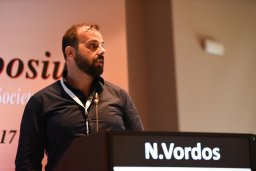 Nick Vordos合作论文数Electrical Engineering Department;Institute of Kavala;Electrical Engineering Department, Institute of Kavala22
 Ramonna Kosheleva合作论文数Dept Chem Technol & Ind Chem, Aristotle Univ Thessaloniki17
 Fotios Katsaros合作论文数National Center for Scientific Research, “Demokritos”,15Athanasios K. Stubos合作论文数Chemical Process Engineering Research Institute, Centre for Research and Technology Hellas14
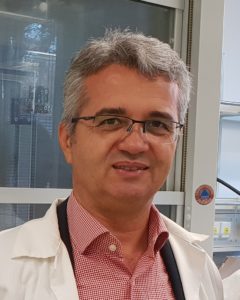 Dimitrios Bikiaris合作论文数Laboratory of Polymer and Colour Chemistry and Technology, School of Chemistry, Faculty of Sciences, Aristotle University of Thessaloniki13
 Dimitra Lambropoulou合作论文数Aristotle University of Thessaloniki;Hellenic Open University;ESYD;EKDDA12Sergios K. Papageorgiou合作论文数12George E. Romanos合作论文数11Efstathios V Liakos合作论文数9
 Athanasios Varoutoglou合作论文数8
 Margaritis Kostoglou合作论文数Laboratory of Chemical and Environmental Technology, School of Chemistry, Faculty of Sciences, Aristotle University of Thessaloniki8George Bomis合作论文数7Nikolaos C. Kokkinos合作论文数7N. Kanellopoulos合作论文数7Uwe Keiderling合作论文数7
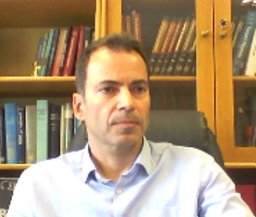 Eustathios S. Kikkinides合作论文数Institute of Physical Chemistry, NCSR Demokritos6
 Dimitrios G. Trikkaliotis合作论文数5
 Pegie Cool合作论文数Department of Chemistry, University of Antwerp;Laboratory of Adsorption and Catalysis, University of Antwerp5Etienne F Vansant合作论文数5
 A. Wiedenmann合作论文数5
 Eleni Efthimiadou合作论文数Faculty of Chemistry, National and Kapodistrian University of Athens5John W. Nolan合作论文数5
 D.V. Bandekas合作论文数Electrical Engineering, Democritus University of Thrace and Public Power Corporation of Greece5
 Kostas A. Matis合作论文数Laboratory of General and Inorganic Chemical Technology, Department of Chemistry, Aristotle University5
 Athanasia K. Tolkou合作论文数Department of Chemistry, International Hellenic University4
 Zoi S. Metaxa合作论文数Dept Chem, Int Hellenic Univ4Konstantinos G. Beltsios合作论文数Materials Science and Engineering Department, University of Ioannina4
 Lykourgos Magafas合作论文数Department of Electrical Engineering, Technological and Educational Institute of Kavala4
 Eleni Evgenidou合作论文数Environmental Pollution Control Laboratory, Aristotle University of Thessaloniki4
 Andreas Sapalidis合作论文数Institute of Nanoscience and Nanotechnology, National Centre for Scientific Research Demokritos4
 Ioannis Kalavrouziotis合作论文数Department of Environmental and Natural Recourses Management, University of Ioannina4Nick K. Kanellopoulos合作论文数4
 Achilleas Christoforidis合作论文数Department of Petroleum Technology and Natural Gas, Technological Educational Institute4K.P. Tzevelekos合作论文数3P.K. Makri合作论文数3Elisavet D. Michailidi合作论文数3
 Nina Maria Ainali合作论文数Laboratory of Polymer Chemistry and Technology, Aristotle University of Thessaloniki3
 Ioannis Anastopoulos合作论文数Department of Agriculture, University of Ioannina3
 Wolfgang Treimer合作论文数HMI3
 Thodoris D. Karapantsios合作论文数Department of Chemistry, Aristotle University of Thessaloniki3
 Stilianos Giannakopoulos合作论文数Department of Urology, University of Thrace3Johan Braet合作论文数3A. Hoser合作论文数3




