e23141 Background: Physical activity and exercise (PAE) are core components of evidence-based cancer care. However, evidence on how PAE recommendations are translated into routine oncology practice remains limited. This nationwide study, one of the very few such studies in Europe, aimed to examine knowledge, attitudes, and behavior toward PAE among Greek medical oncologists. Methods: A nationwide, web-based, cross-sectional survey was conducted among specialist and trainee medical oncologists practicing in Greece. All eligible oncologists (N = 606) were invited to participate. A validated questionnaire assessed oncologists’ subjective and objective knowledge, attitudes, self-perceived abilities, behavior (KAAB), barriers and facilitators to PAE promotion. A modified version of Bloom’s three-level cut-off points was used to classify physicians’ KAAB levels toward PAE. The study was ethics-approved and registered (ClinicalTrials.gov NCT06981143). Results: A total of 162 medical oncologists participated (response rate 26.7%). Mean KAAB scores (± SD) were 16.18 ± 4.23 for subjective knowledge and 12.43 ± 4.77 for objective knowledge (both classified as low), 125.33 ± 14.83 for attitudes (classified as moderate), 18.12 ± 4.87 for self-perceived abilities (classified as low), and 27.96 ± 7.15 for behavior (classified as low). Internal consistency of the questionnaire scales was high, with Cronbach’s alpha coefficients ranging from 0.855 to 0.913. Overall, perceived facilitators to PAE promotion were limited, whereas perceived barriers were of moderate intensity. The most frequently reported barriers included lack of formal training, limited consultation time, absence of structured referral pathways, and limited availability of exercise professionals. In correlation analyses, subjective knowledge (ρ = 0.631, p < .001) and self-perceived abilities (ρ = 0.760, p < .001) were strongly associated with PAE-related behavior. These two variables were also strongly correlated with each other (ρ = .630, p < .001). Spearman’s correlation analysis indicated no association between barriers and overall behavior (ρ = .004, p = .956), whereas facilitators related to PAE counseling and prescription were moderately and significantly positively associated with behavior (ρ = .491, p < .001). Conclusions: The results of this study indicate a significant gap between generally favorable attitudes toward PAE and its systematic clinical implementation. They further suggest that limited subjective knowledge and, more importantly, low self-perceived clinical ability hinder implementation, whereas facilitators play a crucial enabling role in PAE promotion. Based on these findings, interventions focusing on education, organizational support, and structured referral pathways may be particularly effective in promoting PAE among cancer patients.
Background/Objectives: The multiple benefits of physical activity and exercise (PAE) for non-communicable diseases (NCDs) and, thus, for public health underscore the importance of their multidisciplinary implementation in clinical practice. However, there is a lack of validated instruments that comprehensively assess physicians' knowledge, attitudes, intentions, abilities, and behaviour (KAIAB) regarding PAE promotion in NCD management. Methods: This study aimed to develop and validate a new questionnaire to assess physicians' KAIAB towards PAE and to evaluate their KAIAB levels. A two-stage design, including an e-Delphi method and a cross-sectional study, was conducted in Greece from January 2022 to May 2022. Results: In the first stage, after achieving consensus and stability within a purposive sample of 16 physician-experts (response rate 100%), the questionnaire was effectively developed and validated (Content Validity Ratio: 0.5-1) using a two-round e-Delphi method. In the second stage, a cross-sectional study was conducted in two physician populations from 12 medical specialities (response rate: 18.2%) and demonstrated that the new questionnaire had sufficient face validity and high reliability (Cronbach's alpha: 0.805- 0.931). The three original Bloom levels' cut-off points were also used to classify physicians' KAIAB levels in the second stage. KAIAB levels were assessed using median and interquartile range (Mdn/IQR) and were found to be low (13/6), moderate (128/79), high (35/9), moderate (21/8), and moderate (33/8), respectively. Conclusions: The new questionnaire is reliable and valid. It is recommended that the questionnaire be applied in larger studies to further verify its validity and applicability. Additionally, it was found that although physicians reported high intentions and moderately positive attitudes toward PAE promotion, their knowledge in these domains and their exercise prescription practices remained limited. This underscores the need to enhance policies and initiatives in medical education and the healthcare system.
ABSTRACT:Poulios, A, Grammenos, N, Fatouros, IG, Avloniti, A, Tsimeas, P, Papanikolaou, K, Syrou, N, Rosvoglou, A, Tsaousidis, I, Chatzinikolaou, A, Tsiokanos, A, Mohr, M, Jamurtas, AZ, and Draganidis, D. Recovery kinetics after repeated sprint training with directional changes in soccer: It is a matter of angle. J Strength Cond Res XX(X): 000-000, 2026-This study determined the recovery kinetics of performance, delay onset muscle soreness (DOMS), and neuromuscular fatigue after repeated sprint training using 2 angles of changes of direction (COD) in soccer. Ten male players randomly completed 3 conditions using a randomized cross-over, repeated measures design: control, COD45 (COD of 45°) and COD90 (COD of 90°). Training load was monitored using global positioning system with accelerometers and heart-rate monitors. Blood count, maximal voluntary isometric contraction, countermovement jump (CMJ), DOMS, speed, and agility were measured at baseline and at 24-, 48-, and 72-h postexercise. Maximal voluntary isometric contraction, CMJ, and DOMS were also evaluated at 1-, 2- and 3-h postexercise. Agility, DOMS, and blood count levels remained unaltered in all conditions ( p > 0.05). Blood lactate increased (COD45:91%; COD90:89.5%, p < 0.05) postexercise. COD45 was characterized by a higher average (31%) and maximum speed (25%) and lower decelerations (58-77%) and accelerations (66-77%) than COD90 ( p < 0.05). The 10- and 30-m speed in COD45 decreased ( p < 0.05) by 20 and 9% postexercise and remained lower (4-12%) than that in COD90 for as long as 24 h. Countermovement jump declined ( p < 0.05) for 3 h in COD45 (8%) and 24 h in COD90 (5-7%). Maximal voluntary isometric contraction of knee extensors in COD45 declined (8%) and was lower than COD90 (9%) at 24 h in both limbs. Maximal voluntary isometric contraction of knee flexors decreased (COD45:14%) for 24 h in dominant and 3 h (COD45:2%, COD90:14%) in nondominant limb with COD45 inducing a greater decline than COD90 ( p < 0.05). Although COD protocols do not increase DOMS, it seems that COD training at lower angles may be associated with a slower recovery (24 h) than that at greater angles.
PURPOSE OF REVIEW:Obesity is a major risk factor for the development of metabolic disorders, including insulin resistance, hepatic steatosis and metabolic syndrome. The mechanistic link between obesity and metabolic complications largely relay on chronic inflammation and redox status disturbances driven by excess adiposity and reduced glutathione (GSH) levels. This article reviews the latest evidence on the therapeutic potential of glutathione precursors N-acetylcysteine (NAC) and glycine in mitigating metabolic complications associated with obesity. RECENT FINDINGS:NAC demonstrates promising benefits in improving insulin resistance, reducing hepatic steatosis, and mitigating cellular senescence mainly through its antioxidant and anti-inflammatory properties. Glycine, on the other hand, may support metabolic health by enhancing detoxification pathways and improving key metabolic markers in obesity. However, research on this field is limited and predominantly based on animal models and small-scale human trials. SUMMARY:These findings highlight the need for continued investigation on the role of glutathione precursors as part of a broader strategy for the prevention and management of metabolic diseases linked to obesity. In particular, large-scale randomized controlled studies are required to validate the efficacy, safety and optimal dosages for these supplements.
There is a lack of consensus on optimal timing to assess redox biomarkers post-exercise, limiting methodological standardisation and linking oxidative stress to physiology. We determined optimal post-exercise oxidative stress assessment times using three redox biomarkers: glutathione, F2-isoprostanes and protein carbonyls. Standardised mean differences were calculated using random-effects models, with 95% confidence and prediction intervals. Risk of bias was assessed via RoB2 and ROBINS-I tools. Egger's test and funnel plots evaluated publication bias. Certainty of evidence was rated using GRADE. PROSPERO preregistration: CRD42024508049. A total of 103 studies (n = 1418) were included. Glutathione levels decreased immediately (g = -0.70; 95% CI: -0.96, -0.44; P < 0.001), at 30 min to 2 h (g = -0.81; 95% CI: -1.19, -0.43; P < 0.001), and 48 h post-exercise (g = -0.98; 95% CI: -1.50, -0.46; P < 0.01). F2-isoprostanes increased immediately post-exercise (g = 1.01; 95% CI: 0.70, 1.33; P < 0.001) and at 30 min to 2 h (g = 0.46; 95% CI: 0.23, 0.69; P < 0.001). Protein carbonyls increased at all time points, especially at 48 h post-exercise (g = 1.17; 95% CI: 0.73, 1.60; P < 0.001), peaking at 72 h (g = 1.33; 95% CI: 0.52, 2.14; P = 0.0048). Subgroup analyses revealed that non-muscle-damaging exercise elicits responses immediately after exercise or within the first 2 h, while muscle-damaging exercise induces peaks at 48 and 72 h post-exercise. Egger's test indicated publication bias for F2-isoprostanes (P = 0.017) and protein carbonyls (P = 0.031) post-exercise. Risk of bias was moderate in randomised controlled trials and serious in non-randomised studies. Certainty of evidence ranged from moderate to high. In conclusion, non-muscle-damaging exercise elicits early responses within hours, while muscle-damaging protocols produce delayed peaks at 48-72 h. These findings support methodological consistency and are useful for optimising study design, sample size estimation and providing links between redox biology and physiological outcomes.
ABSTRACT:Chatzikamagianni, E, Poulios, A, Avloniti, A, Rosvoglou, A, Liakou, C, Papanikolaou, K, Stampoulis, T, Tsimeas, P, Batrakoulis, A, Chatzinikolaou, A, Draganidis, D, Jamurtas, AZ, and Fatouros, IG. Evaluation of the physiological responses and energy expenditure induced by suspension training exercises. J Strength Cond Res 39(9): 933-944, 2025-This study determined the energy expenditure and physiological responses of 6 beneficial suspension training (ST) exercises (overheads [OS], single-leg squat [SLS], torso rotations [TR], back row [BR], chest press [CP], and plank). Ten healthy young adults randomly completed both of 2 trials of ST exercises, for 30 (T30) or 45 (T45) seconds. The training load was monitored using a mobile gas analyzer, heart rate monitors, and blood lactate measurements. The total energy expenditure (TEE) (classified as the sum of oxidative [OES], glycolytic [GC], and excess postexercise energy cost [EPOC]) was estimated using the V̇ o2 consumption (at rest, during exercise, and postexercise) and blood lactate (La) concentration (at rest and postexercise). The level of significance was set at p ≤ 0.05. All exercises were associated with a low-to-moderate physiological strain (rate of perceived exertion: 7.3-12.3; % of maximal heart rate: 52.3-61.7%; METs: 2.6-3.7; La: 2.2-3.9 mM; EPOC duration: 5.7-7.8 minutes), with the OS and the SLS associated with the greatest physiological/metabolic load in both trials. T45 induced a greater heart rate (53.7-61.7 %HRmax), with SLS and OS inducing the highest values. Minimal differences were noted between T30 and T45 for TEE, MET, and La values for most. EPOC had a greater contribution to TEE compared with OES and GC. Low-to moderate physiological effort during ST results in a TEE of 16.6-24.7 and 20.1-30 kcal·min -1 when performed for 30 and 45 seconds, respectively. There is a variation in TEE and physiological overload among ST exercises. Weight management exercise programs and dietary regimens need to take these finding into account.
The anandamide (AEA) and lipopolysaccharide (LPS) interaction is gaining attention, but evidence on the influence of probiotics on endocannabinoid system (ECS) biomarkers remains limited. This study (NCT05567653) investigated the effects of 12-week supplementation with Lactobacillus helveticus R0052 and Bifidobacterium longum R0175 on AEA (main outcome) and inflammatory biomarkers in female dancers. Fifteen participants (5 probiotic, 10 placebo) were included in the final analysis. Serum levels of AEA, LPS, and cytokines (tumor necrosis factor-alpha-TNF-α, interleukin-1 beta-IL-1β, and interleukin-10-IL-10) were measured using an ELISA (enzyme-linked immunosorbent assay), and the psychological stress responses were evaluated using the Mini-COPE questionnaire. At the baseline, a correlation between AEA and LPS was observed (Spearman's r = 0.9677, p < 0.05). After 12 weeks, no statistically significant differences in the AEA, LPS, cytokine levels, or stress-coping strategies were observed between the probiotic and placebo groups (LPS-probiotic: +3.48 EU/L, p = 0.9361; placebo: +56.98 EU/L, p = 0.0694; AEA-probiotic: -1.11 ng/mL, p = 0.9538; placebo: +14.08 ng/mL, p = 0.4749). The direction of change may indicate a trend toward increased inflammation in the absence of probiotics, consistent with patterns described in previous literature. However, these results should be viewed as hypothesis generating and warrant confirmation in larger trials.
We examined heart rate (HR) and heart rate variability (HRV) in young and middle-aged men after a period of detraining that immediately followed the completion of an exercise training program. Eight young (27.8 ± 3.8 years) and ten middle-aged (41.9 ± 3.8 years) men were randomly assigned to complete an 8-week exercise training program that included either aerobic (young: n = 3; middle-aged: n = 2), resistance (young: n = 3; middle-aged: n = 3), or combined (aerobic/resistance) (young: n = 2; middle-aged: n = 5) exercise. Thereafter, participants ceased all planned exercise training activities during an 8-week detraining period. Resting HR and HRV were assessed at baseline, after exercise training, and after detraining. An analysis of mean differences between age groups at each time-point revealed a significantly higher standard deviation of normal RR intervals (SDNN), square root of the mean of squared differences between successive RR intervals (RMSSD), high-frequency (HF) band (0.15–0.40 Hz), and cardiac vagal index (CVI) in young participants when compared to middle-aged participants at baseline (p ≤ 0.019) and after detraining (p ≤ 0.045), but not after the 8-week exercise training intervention (p ≥ 0.057). Additionally, in middle-aged participants, we observed a significant negative association between the percent change in HRV indices (RMSSD, HF, and CVI) and systolic blood pressure in response to detraining (p < 0.05). In conclusion, young participants had higher levels of HRV indices at baseline, reflecting greater cardiac vagal modulation when compared to middle-aged participants. We showed that these age-related differences in HRV are diminished following exercise training but are reestablished following 8 weeks of detraining. Given that age-related attenuations in HRV may reflect changes in cardiovascular health, it is important to further investigate the relationships between HRV, exercise training and detraining, aging, and the risk of poor health outcomes.
PURPOSE:To determine the recovery kinetics of performance, muscle damage, and neuromuscular fatigue following 2 speed-endurance maintenance training (SEMT) protocols in soccer. METHODS:Ten well-trained male soccer athletes randomly completed 3 trials: work-to-rest ratio SEMT/1:3, SEMT/1:1, and a control trial. Training load during SEMT was monitored using a global positioning system and heart-rate monitors. Isokinetic strength of knee extensors and flexors; repeated-sprint ability (RSA); speed 10-, 30-m, countermovement jump (CMJ); and muscle damage (delayed-onset muscle soreness [DOMS] and creatine kinase) markers were evaluated at baseline and at 0, 24, 48, and 72 hours posttraining. Maximal voluntary contraction of knee extensors and flexors was additionally assessed at 1, 2, and 3 hours posttraining. RESULTS:Strength (eccentric torque) and speed performance (RSA, 10-m and 30-m sprint times) were reduced (P < .05) following the SEMT/1:3 for up to 72 and 48 hours, respectively, and following SEMT/1:1 for up to 48 and ≤24 hours, respectively. Eccentric torque and RSA deterioration was greater in SEMT/1:3 compared to SEMT/1:1 at 72 hours and immediately postexercise, respectively (P < .05). Indicators of neuromuscular fatigue (CMJ and maximal voluntary contraction) declined in SEMT/1:3 at 24 and 2 hours postexercise (P < .05) and in SEMT/1:1 immediately and at 2 hours postexercise (P < .05). Muscle damage (DOMS) in the knee flexors was elevated in both SEMT protocols for up to 48 hours (P < .05). CONCLUSIONS:SEMT/1:3 induces short-term neuromuscular fatigue; provokes a decrease of strength (48-72 h), speed and RSA (48 h), and jump height (24 h); and is related with an elevation of knee flexors' DOMS (48 h). Increased work-to-rest ratio causes higher levels of exercise-induced muscle damage.
This investigation determined the energy expenditure (EE), physical activity (PA), and physiological responses of football for health training (FFH). Twenty middle-aged males with metabolic syndrome (MetS) completed a 60-min FFH and a control trial using a randomized crossover design. The FFH load and EE were determined using a mobile gas analyzer, heart rate (HR) monitors, blood lactate measurements, a global positioning system, and accelerometry. Participants in FFH run a total distance of ~3.800 m (1,121 m at > 7 km/h, accelerations of 141 m, decelerations of 162 m) using a mean and maximal speed of 4.1 km/h and 20.6 km/h, respectively. FFH demonstrated a moderate-to-vigorous PA of > 41 min and a step count of ~4900. FFH increased (p < .001) the perceived exertion (55.8%, 13.6 ± 2.6), HRmean (151.1 ± 15.2 beats/min, 83.1 ± 10.9 %HRmax), lactate (80.8%, 5.4 ± 0.9 mmol/L), V ˙ O 2 (88.6%, 1.9 ± 0.3 L/min, 79.9 ± 10.5% V ˙ O 2 max , 6.7 ± 0.8 METs), breathing frequency (32.6 ± 3.0 breaths/min), and respiratory exchange ratio (0.98 ± 0.03) compared to the control trial. Total EE reached 524.2 ± 81.0 kcals (mitochondrial energy production: 476.8 kcals; anaerobic energy production: AS 5.4 ± 1.0 kcals; EPOC: 42.0 ± 11.8 kcals). The present results suggest that FFH meets the international PA and EE standards for adults with MetS, with participants taking part in moderate-to-vigorous PA (MVPA) for approximately 68% of each session, rendering it a suitable and efficient strategy to lower cardiometabolic risk.
OBJECTIVE:High-intensity resistance exercise may temporarily induce vascular dysfunction mediated by pro-oxidant and pro-inflammatory pathways. In the present study, we aimed to evaluate the possible protective effect of the antioxidant N-acetyl cysteine (NAC) on vascular function after a bout of high-intensity resistance exercise. METHODS:In this randomized, crossover, placebo-controlled study, ten healthy male volunteers (mean age 24.2 ± 2.1 years) who exercised regularly were randomly allocated to a daily oral administration of NAC or placebo during an 8-day recovery after an acute intense eccentric exercise protocol. Pulse wave velocity (PWV) and flow-mediated dilation (FMD) measurements were performed pre- and post-exercise in both study arms. RESULTS:Muscle exercise induced a significant decrease in FMD in the placebo arm (p = 0.017) during the first 48 h after exercise, recovering thereafter. In contrast, in the NAC arm, FMD did not decrease significantly. By linear mixed-model analysis, a higher increase in CD4 cells levels correlated with preserved FMD (p = 0.046) only in the placebo arm (p = 0.811 in the NAC arm). PWV did not present significant fluctuations before and after exercise in either arm (p > 0.05). CONCLUSION:A bout of eccentric exercise induced endothelial dysfunction, which was attenuated by NAC, indicating that oxidative stress may be implicated in vivo in this setting.
Vitamin D deficiency is highly prevalent in individuals with overweight/obesity and this can be largely attributed to the entrapment of VitD in adipose tissue due to impaired lipolytic stimulation. Considering the well-described role of exercise in stimulating lipolysis, the present study investigated the efficacy of multicomponent-type high-intensity interval training (m-HIIT) in increasing 25-hydroxyvitamin D [25(OH)D] levels in males with overweight/obesity. Twenty middle-aged males (43.5 ± 5 years, BMI: 30.7 ± 3.3 kg/m2) participated in three weekly supervised m-HIIT sessions over a 12-week period and underwent assessments at baseline, 6, and 12 weeks. Primary outcomes were total body fat mass, android fat, hepatorenal index, and serum 25(OH)D. Participants’ daily physical activity and dietary intake habits remained unaltered throughout the 12-week training period. The m-HIIT intervention reduced fat mass (by 3% at 12 weeks), android fat (by 3.7% at 6 weeks and 4.4% at 12 weeks), and hepatorenal index (by 8% at 12 weeks). Serum 25(OH)D levels increased by ~14% (+3.21 ng/mL, p = 0.002) and ~31% (+7.24 ng/mL, p < 0.001) at 6 and 12 weeks, respectively. The elevation of 25(OH)D levels at 12 weeks was inversely related to fat mass loss (R = 0.53, p = 0.016). Plasma SGPT, SGOT, ALP, γ-GT, fetuin-A, and calcium levels remained unaltered after the 12-week training period. In conclusion, m-HIIT may be useful as a non-pharmacological intervention to increase circulating VitD levels in adults with overweight/obesity.
Background/Objectives: Despite being widely promoted, protein supplementation’s overall effectiveness during demanding basketball schedules remains unclear. This study investigated whether increased protein intake can accelerate recovery of muscle function during a 6-day congested basketball microcycle consisting of three consecutive games while accounting for the impact of playing time. Methods: In a randomized, two-trial, cross-over, double-blind repeated measures design, eighteen male basketball players were assigned to a high (High PT) or a moderate (Mod PT) playing time group and participated in two trials, receiving daily either milk protein (PRO trial) or an isoenergetic amount of carbohydrates. Each trial included three consecutive games (days 1–3) and a 72 h recovery period following Game 3 (days 4–6), during which players participated in low-load practice sessions. Isometric and isokinetic peak torque of knee extensors and flexors in the dominant limb, serum creatine kinase (CK) concentration, and erythrocyte glutathione (GSH) levels were assessed prior to each game and practice session. Results: CK increased (p < 0.01) on game days in both groups but recovered earlier in Mod PT compared to High PT. Both eccentric and concentric peak torque was impaired (p < 0.01) up to 24–48 h post-G3 in a velocity-dependent manner. Eccentric peak torque of knee flexors at 60°/s declined to a greater extent in High PT compared to Mod PT (p < 0.01). Protein supplementation resulted in higher erythrocyte GSH concentration at pre-G2 (p < 0.05) and pre-G3 (p < 0.05) compared to placebo in both groups but did not affect any of the study outcomes. Conclusions: Increased protein intake during a congested basketball schedule increases erythrocyte GSH concentration but does not accelerate recovery of muscle function.
This study aimed to characterize a Sideritis scardica extract (SidTea+TM) and investigate its effect on the physiological profile, metabolic health and redox status in healthy individuals. The chemical profile and antioxidant potential of the SidTea+TM extract were evaluated by UPLC-HRMS analysis and in vitro cell-free methods. Twenty-eight healthy adults participated in this randomized, double-blind, placebo-controlled study. Participants consumed 1500 mg/day of SidTea+TM or a placebo for 4 weeks. At baseline and post-supplementation, participants were assessed for their anthropometric and physiological profile and provided a resting blood sample. SidTea+TM decreased (p < 0.05) systolic blood pressure (−10.8 mmHg), mean arterial pressure (−4.5 mmHg), resting heart rate (−3.1 bpm) and handgrip strength of the non-dominant limb (−0.8 kg) whereas the placebo decreased (p < 0.05) handgrip strength of the dominant (−5.8 kg) and non-dominant (−3.2 kg) limb. SidTea+TM also resulted in an increase (p < 0.05) in estimated VO2max (+1.1 mL/kg/min) and a reduction (p < 0.05) in γ-GT and SGPT enzymatic activity in serum (−3.7 and −3.3 U/L, respectively). Finally, SidTea+TM increased (p < 0.001) total antioxidant capacity and decreased (p < 0.05) lipid peroxidation levels in plasma. These results indicate that SidTea+TM is a potent and safe to use antioxidant that can elicit positive changes in indices of blood pressure, cardiorespiratory capacity, liver metabolism, and redox status in healthy adults over a 4-week supplementation period.
BACKGROUND:Loss of functional capacity negatively impacts the quality of life in older adults.OBJECTIVE:This single-site randomized controlled study examined whether short- (one week) and long-term (three months) blackcurrant supplementations combined with habitual physical activity would improve functional capacity and quality of life in previously sedentary older women.METHODS:Thirty sedentary, healthy older women were randomly assigned to receive blackcurrant supplementation (400 mg of blackcurrant extract) (Polyphenol group, n=15; 74.2±10.0 years) or no supplementation (capsules of 400 mg of corn flour) (Placebo group, n=15; 72.8±8.7 years). Each group consumed two capsules daily for one week and three months, with a washout period of one week between the two phases. The polyphenol group was required to increase habitual activity levels. Participants underwent a functional capacity assessment consisting of a six-minute walk, sit-to-stand test, Berg balance scale measurement and quality of life evaluation with the Scale of Life Satisfaction Index (LSI) at the start, after one week, and after three months of supplementation.RESULTS:Walking distance and time to sit-to-stand improved by 2.5% (p=0.005) and 7.5% (p=0.005), respectively, after one week in the polyphenol group. After 3 months, walking distance in the six-minute walk test increased by 12.3% (p=0.001) while the time to sit-to-stand decreased by 16% (p=0.002) in the polyphenol compared to placebo group, respectively. No differences in Berg balance scale were observed. Quality of life, indexed by LSI, improved by 39% (p=0.001) in the polyphenol compared to the placebo group.CONCLUSION:Blackcurrant supplementation, combined with habitual activity, may enhance functional capacity and quality of life in older women, offering a potential strategy to maintain independence. However, future studies should address longer durations to validate these findings.
Poulios, A, Fotiou, C, Draganidis, D, Avloniti, A, Rosvoglou, A, Batrakoulis, A, Tsimeas, P, Papanikolaou, K, Deli, CK, Stampoulis, T, Douroudos, II, Chatzinikolaou, A, Jamurtas, AZ, and Fatouros, IG. The energy expenditure associated with body-weight resistance exercises of various movement patterns performed at different durations. J Strength Cond Res 38(12): 2034-2046, 2024-Although body-weight resistance exercises (BWRE) are popular and effective for body mass reduction and neuromuscular performance, limited information exists regarding their total energy expenditure (TEE). This study determined the energy cost associated with seven BWRE of different movement patterns plank, push-ups, squat, single-leg squat [SLS], forward lunge [FL], burpees, and jumping jacks [JJ] using 2 different durations (T30: 30-second; T45: 45-second) in 10 healthy young adults using a randomized, 2-trial, crossover, repeated-measures design. The level of significance was set at p <= 0.05. The burpees were associated with the highest and the plank with the lowest intensity (rates of perceived exertion [RPE] and mean heart rate [MHR]) and metabolic load (blood lactate [BL] accumulation, metabolic equivalents of task [METs], and excess post-exercise oxygen consumption [EPOC]) in both trials. In T30 and T45, TEE (kcals per minute) was 11.3/12.6 in plank, 18.6/22.0 in FL, 19.8/21.2 in SLS, 19.9/23.2 in squat, 22.0/24.9 in push-ups, 23.1/22.8 in JJ, and 32.2/40.7 in burpees. Although RPE, MHR, BL, and EPOC were comparable among T30 and T45, METs and TEE were greater in T45. These results suggest that TEE of BWRE ranges from similar to 11 to 40 kcalsmin-1, depending on the movement pattern and the duration of exercise. This information may be valuable for those using BWRE for body-weight management and improvement of strength performance.
Type 2 diabetes (T2D) is the predominant metabolic epidemic posing a major threat to global health. Growing evidence indicates that gut microbiota (GM) may critically influence the progression from normal glucose tolerance, to pre-diabetes, to T2D. On the other hand, regular exercise contributes to the prevention and/or treatment of the disease, and evidence suggests that a possible way regular exercise favorably affects T2D is by altering GM composition toward health-promoting bacteria. However, research regarding this potential effect of exercise-induced changes of GM on T2D and the associated mechanisms through which these effects are accomplished is limited. This review presents current data regarding the association of GM composition and T2D and the possible critical GM differentiation in the progression from normal glucose, to pre-diabetes, to T2D. Additionally, potential mechanisms through which GM may affect T2D are presented. The effect of exercise on GM composition and function on T2D progression is also discussed.
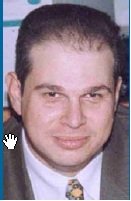 Ioannis G. Fatouros合作论文数Department of Physical Education and Sport Science, Democritus University of Thrace171
 Yiannis Koutedakis合作论文数Department of Physical Education & Sport Science, Thessaly University112
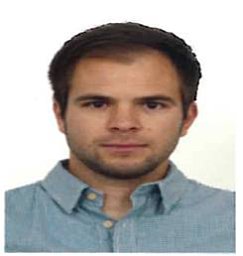 Dimitrios Draganidis合作论文数Department of Physical Education &, Democritus University of Thrace;Sport Science, University Campus;Department of Physical Education & Sport Science, Democritus University of Thrace81
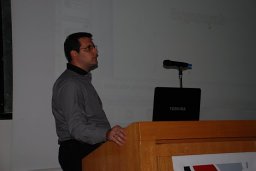 Athanasios Chatzinikolaou合作论文数Department of Physical Education and Sports Science, Democritus University of Thrace75
 Deli Chariklia K合作论文数Department of Physical Education and Sport Science, University of Thessaly72
 Konstantinos Papanikolaou合作论文数Dept Phys Educ & Sport Sci, Univ Thessaly54
 Georgakouli Kalliopi合作论文数Department of Physical Education and Sport Science, University of Thessaly47
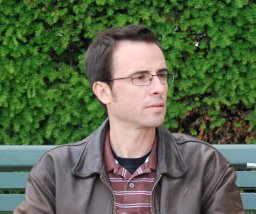 Michalis Nikolaidis合作论文数Department of Physical Education and Sport Science;Aristotle University of Thessaloniki;Department of Physical Education and Sport Science, Aristotle University of Thessaloniki47
 Poulios Athanasios合作论文数Department of Exercise and Sport Sciences, University of Thessaly44
 Andreas Flouris合作论文数Department of Physical Education & Sport Science, University of Thessaly;FAME Lab40
 Panagiotis D Tsimeas合作论文数40
 Alexandra Avloniti合作论文数Department of Physical Education and Sports Science, Democritus University of Thrace36
 Vassilis Paschalis合作论文数Institute of Human Performance and Rehabilitation, Center for Research and Technology33
 Alexios Batrakoulis合作论文数Dept Phys Educ & Sport Sci, Univ Thessaly27
 Athanasios Tsiokanos合作论文数Department of Physical Education and Sports Sciences;University of Thessaly;Department of Physical Education and Sports Sciences, University of Thessaly26
 Ioannis Douroudos - Ntourountos合作论文数24
 Giannis Giakas合作论文数Institute of Human Performance and Rehabilitation, University of Thessaly22
 Anastasios A Theodorou合作论文数Institute of Human Performance and Rehabilitation, Center for Research and Technology21
 Magni Mohr合作论文数19
 Niki Syrou合作论文数Dept Phys Educ & Sport Sci, Univ Thessaly18
 Aristides M. Tsatsakis合作论文数Department of Toxicology, School of Medicine, University of Crete;Forensic Science Department, School of Medicine, University of Crete;University General Hospital17Manthou Eirini合作论文数16
 George Mastorakos合作论文数Department of Pediatrics;University of Parma;Medical School, Athens University;University of Parma, Athens University16
 George S. Metsios合作论文数Dudley Group of Hospitals NHS Trust, Russells Hall Hospital16Dimitrios Kouretas合作论文数15Kyriakos Taxildaris合作论文数14
 Yannis Theodorakis合作论文数Department of Physical Education and Sports Sciences;University of Thessaly;Department of Physical Education and Sports Sciences, University of Thessaly14Leontsini Diamanda合作论文数13
 Dinas Petros C合作论文数Institute of Human Performance and Rehabilitation, Centre for Research and Technology Thessaly13Peter Krustrup合作论文数13Andres E. Carrillo合作论文数13
 Konstantinos Margonis合作论文数Department of Physical Education and Sports Science, Democritus University of Thrace12
 Antonis Kambas合作论文数Department of Physical Education and Sport Science, Democritus University of Thrace12
 Manolis N. Tzatzarakis合作论文数University of Crete Center of Toxicology Science and Research, School of Medicine Crete Greece12
 Yiannis Michailidis合作论文数Department of Physical Education and Sport Science, Democritus University of Thrace12
 Demetrios Kouretas合作论文数School of Agriculture, University of Thessaly12Giorgos S. Metsios合作论文数12Goldfarb Allan H合作论文数11
 Apostolos Sovatzidis合作论文数11Asimina Mitrakou合作论文数Second Department of Internal Medicine-Propaedeutic “Evangelismos” Hospital, Athens University11
 Panagiotis Georgoulias合作论文数9Anastasia Rosvoglou合作论文数9
 Antonios Stavropoulos-Kalinoglou合作论文数Carnegie School of Sport, Leeds Beckett University9
 Leonidas G Karagounis合作论文数School of Medical Sciences, RMIT University9
 Konstantina Poulianiti合作论文数School of Physical Education (PE),, University of Thessaly Trikala9Stampoulis Theodoros合作论文数9Kiriakos Taxildaris合作论文数9
 Dimitris Mandalidis合作论文数Sports Physical Therapy Laboratory, Department of Physical Education and Sports Science, School of Physical Education and Sports Science, National and Kapodistrian University of Athens, 17237 Athens, Greece.8Kitas George D合作论文数Dudley Grp NHS Fdn Trust, Russells Hall Hosp8




