Molecular omics methods are dramatically transforming the field of ecology, allowing research questions and hypotheses to be tested in situ that would have been impossible to answer just a few years ago. A frequently neglected component of terrestrial habitats are microalgae and cyanobacteria, which are found almost everywhere on Earth, from the cold deserts of the polar regions to tropical rainforests and from endolithic species to epiphytic forms growing on trees and free-living and symbiotic forms, and are often important primary producers in their respective ecosystems. Although significant progress has been made in recent years, our understanding of the biodiversity (intra- and interspecific) of these organisms remains limited, particularly with regard to their ability to withstand the extreme conditions of their specific habitats. In this report we explore the potential of omics methods to advance the analysis and facilitate a more comprehensive understanding of these fascinating organisms.
Cyanobacteria are ecologically pivotal microorganisms with immense biotechnological potential, particularly due to their capacity to synthesize fatty acids, terpenes, and other metabolites with applications ranging from biofuels to nutraceuticals. Despite this, many genera remain genomically underexplored. In this study, we present a polyphasic genomic analysis of two native strains, Aphanothece microscopica RSMan92 and A. stagnina RSMan2012, isolated from the Patos Lagoon estuary in Southern Brazil. Whole-genome sequencing and annotation enabled characterization of both genomes: RSMan92 spans 3.69 Mb in 701 contigs with 3,279 protein-coding sequences, while RSMan2012 comprises 3.28 Mb in 153 contigs with 3,567 protein-coding sequences. Phylogenetic analyses using MUSCLE and RAxML positioned these strains within a well-supported clade closely related to other Aphanothece RefSeq genome, highlighting their evolutionary relatedness and reinforcing the integrative taxonomic placement of the genus. Both strains reveal conserved gene repertoires associated with stress response, fatty acid biosynthesis, and secondary metabolite production (terpenes). Functional classification based on COG and KEGG annotations indicated strong representation of genes involved in lipid metabolism. To investigate how variations in temperature and light intensity modulate metabolite profiles, cultures were subjected to different environmental conditions. GC/EI-MS analysis revealed distinct patterns of fatty acid methyl ester production across conditions: both strains synthesized saturated and monounsaturated fatty acids, whereas only strain RSMan92 exhibited the capacity to synthesize polyunsaturated fatty acids, including linoleic acid derivatives, under variable cultivation conditions. This polyphasic genomic approach, providing novel genomic records, also reveals the fatty acid biosynthetic capacity and metabolic plasticity of Aphanothece strains, emphasizing their biotechnological relevance.
Background: Photosynthetic organisms, including cyanobacteria, algae, and bryophytes, are an essential part of biological soil crusts (biocrusts) in Arctic ecosystems. These organisms play key roles in supporting both the biocrusts themselves and associated plant communities by generating energy and nutrients under extreme environmental conditions. However, the genetic mechanisms underlying their adaptation to polar environments remain poorly understood. This study investigated the composition of phototrophic communities and their photosynthetic genetic capacity in Arctic biocrusts located at different elevations. Results: Metagenomic sequencing revealed that cyanobacterial communities exhibited no significant response to elevation, while this factor had a strong effect on the distribution of eukaryotic phototrophs. Increased elevation is typically associated with higher solar radiation, lower temperatures, and reduced water availability, all of which might increase environmental stress and influence the adaptation of photosynthetic organisms. In addition, photosynthetic gene profiling revealed a consistent dominance of photosystem II (PSII) genes across all sites, particularly psbB. In general, genes associated with photosystem I (PSI), chlorophyll biosynthesis, as well as the light-harvesting complexes of PSI and PSII, were significantly influenced by the increased elevation. Conclusions: The results expand our understanding of the functional role of phototrophic organisms in Arctic biocrusts. Furthermore, they highlight the importance of genetic photosynthetic capacity for resilience and adaptability under extreme environmental conditions, which may serve as a key factor in determining the composition of phototrophs in biocrusts.
Antarctic cryptogams and soils harbour diverse microbial communities that are fundamental to nutrient cycling and ecosystem resilience. However, the functional roles of these communities are not yet fully understood. This study investigated the bacterial communities associated with the moss Andreaea regularis, the lichen Usnea aurantiacoatra and adjacent soils in Antarctica. Metagenomic analysis revealed clear host-dependent structuring of microbial communities, with moss and soil supporting diverse and metabolically versatile assemblages, while the lichen harbored a smaller and more specialized bacterial community. Community composition exhibited significant variation among substrates, with U. aurantiacoatra dominated by Pseudomonadota and a narrow set of cyanobacteria (particularly Leptolyngbyales), whereas A. regularis and soils contained richer, more even assemblages dominated by Pseudomonadota, Actinomycetota and Cyanobacteriota. Functional profiling revealed that soil bacteria possessed the broadest metabolic potential, including a complete nitrogen cycle and multiple nutrient uptake pathways, whereas the lichen microbiome showed the most reduced representation of important metabolic pathways.
The green alga Klebsormidium is found worldwide in terrestrial and freshwater habitats. A novel strain was isolated from biological soil crusts on Breinosa Mountain in Svalbard (High Arctic, 78°N) to investigate its adaptation to extreme Arctic conditions, characterized by low temperatures and short periods of snow-free ground. Genetic analyses confirmed the strain's identity as Klebsormidium flaccidum, showing high genetic similarity to strains from polar and temperate habitats. This study explored the effects of nitrogen starvation, cold stress, desiccation, and freezing, focusing on molecular responses and stress resilience. Nitrogen starvation strongly impacted metabolic activity, while cold and desiccation stress had more subtle effects, with K. flaccidum showing permanent stress-related gene expression instead of acute responses. Cold acclimation was found to enhance desiccation and freezing tolerance, while nitrogen starvation worsened the effects of these stresses. These results suggest that K. flaccidum CCALA 1182 is inherently capable of withstanding fluctuating environmental stresses, highlighting its potential for survival in diverse and harsh ecosystems.
IntroductionBiological soil crusts, found in arid and semi-arid areas worldwide, play a crucial role in the carbon cycle. This study analyzed biocrusts from three different altitudes in Svalbard (High Arctic) in 2022–2024.Methods and resultsMonitoring of microclimatic parameters, including irradiance, humidity, air, and soil temperature, revealed unexpected extremes at the lowest elevation site. Molecular methods were used to determine the diversity of microalgae, revealing the presence of Trebouxiophyceae and Chlorophyceae as the dominant eukaryotic algal groups. Among the cyanobacteria, the dominant taxonomical groups were Nostocales, Pseudanabaenales, and Oscillatoriales. Measured photosynthetic activity was largely driven by irradiance across the different seasons and locations. Higher maximum quantum yield (FV/FM) values (approximately 0.6) were measured at lower irradiance levels (< 100 μmol m−2 s−1). Photosynthetic activity was observed in early October 2022, and diurnal changes were even noticeable at subzero temperatures in late October 2023, with the low irradiance curve being mirrored by the development of FV/FM. Furthermore, thawed biocrusts in winter exhibited the ability to rapidly restore photosynthetic activity, which was also supported by the expression of photosynthesis-related genes. Metatranscriptomic analysis revealed that the differential gene expression observed for the D1, RbcS, Ohp1, and ELIP proteins suggests that light stress-induced photoinhibition plays a major role in biocrusts, particularly in winter.ConclusionThe biocrusts can remain active for extended periods and provide carbon fixation during times when tundra plants primarily engage in respiration, making them very important for the polar environment.
Arctic biological soil crusts (biocrusts) are known to host diverse fungal communities that facilitate nutrient cycling and soil stabilisation in these harsh environments. In this study, the diversity and composition of fungi were assessed across elevation and spatial gradients in biocrusts from Kongsfjorden (Svalbard) using metagenomic sequencing. Within the observed fungal phyla, Ascomycota was dominant across all sites, with Basidiomycota and Rozellomycota also exhibiting high abundances. Furthermore, saprotrophic fungi were most abundant, followed by mycorrhizal and parasitic guilds. Lichen-associated fungi were also detected across the samples, although their read counts were substantially lower. Additionally, the fungal genus richness and guild composition exhibited no significant variation between elevations, but location within the fjord strongly shaped community structure.
The polar environment is one of the most extreme environments of our world. However, even in the cold deserts of Antarctica, life thrives, often in the form of biocrusts (biological soil crusts)—complex communities consisting of hundreds of organisms. The reaction to abiotic stress in members of these communities is often inferred from laboratory experiments on isolated species and single factors, without taking into consideration any mitigation effects by the communities or complex habitats. In this study, we aimed to infer the stress situation of the filamentous green alga Klebsormidium in Antarctic biocrusts in situ using metatranscriptomic data. Klebsormidium is ubiquitous in biocrusts and well studied with respect to abiotic factors, allowing the comparison of lab experiments with the in situ situation. In this study, we identified Klebsormidium flaccidum to be present in biocrusts from Livingston Island (Antarctica). Metatranscriptomic data for the biocrust were used to investigate the presence of cold and desiccation stress in situ. To this end, we identified consistently expressed and stress-regulated genes in published stress transcriptomes of Klebsormidium that could serve as markers for environmental stress levels. These “marker genes” were used to construct marker gene indices to assess stress states in biocrusts by comparing transcript expression ratios under different conditions—a novel framework for the assessment of microbial community responses to environmental stressors. However, many potential marker genes behaved quite differently in the laboratory and in the natural environment. In the end, rather than relying on indices based on individual marker genes, comparing the expression levels of whole stressor-regulated gene sets proved to be a more reliable approach to examining stress in situ. This study highlights the potential of marker genes for broader ecological and environmental monitoring using metatranscriptomic data.
Arctic biological soil crusts (biocrusts) are known to host diverse fungal communities that facilitate nutrient cycling and soil stabilisation in these harsh environments. In this study, the diversity and composition of fungi were assessed across elevation and spatial gradients in biocrusts from Kongsfjorden (Svalbard) using metagenomic sequencing. Within the observed fungal phyla, Ascomycota was dominant across all sites, with Basidiomycota and Rozellomycota also exhibiting high abundances. Furthermore, saprotrophic fungi were most abundant, followed by mycorrhizal and parasitic guilds. The fungal richness and guild composition exhibited no significant variation between elevations, but location within the fjord strongly shaped community structure.
The Antarctic terrestrial environment harbors a diverse community of microorganisms, which have adapted to the extreme conditions. The aim of this study was to describe the composition of microbial communities in a diverse range of terrestrial environments (various biocrusts and soils, sands from ephemeral wetlands, biofilms, endolithic and hypolithic communities) in East Antarctica using both molecular and morphological approaches. Amplicon sequencing of the 16S rRNA gene revealed the dominance of Chloroflexi, Cyanobacteria and Firmicutes, while sequencing of the 18S rRNA gene showed the prevalence of Alveolata, Chloroplastida, Metazoa, and Rhizaria. This study also provided a comprehensive assessment of the microphototrophic community revealing a diversity of cyanobacteria and eukaryotic microalgae in various Antarctic terrestrial samples. Filamentous cyanobacteria belonging to the orders Oscillatoriales and Pseudanabaenales dominated prokaryotic community, while members of Trebouxiophyceae were the most abundant representatives of eukaryotes. In addition, the co-occurrence analysis showed a prevalence of positive correlations with bacterial taxa frequently co-occurring together.
Biological soil crusts are integral to Arctic ecosystems, playing a crucial role in primary production, nitrogen fixation and nutrient cycling, as well as maintaining soil stability. However, the composition and complex relationships between the diverse organisms within these biocrusts are not well studied. This study investigates how the microbial community composition within Arctic biocrusts is influenced by environmental factors along an altitudinal gradient (101 m to 314 m). Metagenomic analyses were used to provide insights into the community composition, revealing that temperature, pH, and nutrient availability significantly shaped the community. In contrast, altitude did not directly influence the microbial composition significantly. Eukaryotic communities were dominated by Chloroplastida and fungi, while Proteobacteria and Actinobacteria prevailed among prokaryotes. Cyanobacteria, particularly orders such as Pseudoanabaenales, Pleurocapsales, and Nostocales, emerged as the most abundant photoautotrophic organisms. Our findings highlight the impact of environmental gradients on microbial diversity and the functional dynamics of biocrusts, emphasizing their critical role in Arctic tundra ecosystems. Arctic biocrusts are intricate micro-ecosystems, whose structure is strongly shaped by local physicochemical parameters, likely affecting essential ecological functions.
Biocrusts are crucial components of Arctic ecosystems, playing significant roles in carbon and nitrogen cycling, especially in regions where plant growth is limited. However, the microbial communities within Arctic biocrusts and their strategies for surviving the harsh conditions remain poorly understood. In this study, the microbial profiles of Arctic biocrusts across different seasons (summer, autumn, and winter) were investigated in order to elucidate their survival strategies in extreme conditions. Metagenomic and metatranscriptomic analyses revealed significant differences in microbial community composition among the sites located in different elevations. The bacterial communities were dominated by Actinobacteria and Proteobacteria, while the fungal communities were mainly represented by Ascomycota and Basidiomycota, with lichenized and saprotrophic traits prevailing. Cyanobacteria were primarily composed of heterocystous cyanobacteria. Furthermore, the study identified molecular mechanisms underlying cold adaptation, including the expression of heat shock proteins and cold-inducible RNA helicases in cyanobacteria and fungi. Overall, the microbial communities appear to be permanently well adapted to the extreme environment.
While molecular methods have begun to transform ecology, most algal biodiversity is still studied using the classical approach of identifying microalgae by light microscopy directly in sample material or using cultures. In this study, we compare both approaches (light microscopy and metagenomics as a molecular approach) using the freshwater ponds of the Eifel National Park in Germany as a case study. The ponds were found to be rich in desmids by light microscopy. A total of 299 species representing 81 genera were identified by light microscopy. While the molecular method does not currently allow species identification in most cases, we were able to identify 207 different algal genera. In total, 157 genera were detected only by metagenomics, 50 genera were found with both methods, and 31 genera were found by light microscopy, highlighting the need to continue using light microscopy in addition to a molecular approach. The metagenomics method has several advantages over the light microscopy method: (1) deeper assessment of alpha biodiversity, (2) better abundance numbers, and (3) complete coverage of all living matter. The latter is also a significant improvement over metabarcoding, as universal PCR primers are not available.
The diversity of soil bacteria was analyzed via metabarcoding and metagenomic approaches using DNA samples isolated from the biocrusts of 12 different Arctic and Antarctic sites. For the metabarcoding approach, the V3-4 region of the 16S rRNA was targeted. Our results showed that nearly all operational taxonomic units (OTUs = taxa) found in metabarcoding analyses were recovered in metagenomic analyses. In contrast, metagenomics identified a large number of additional OTUs absent in metabarcoding analyses. In addition, we found huge differences in the abundance of OTUs between the two methods. The reasons for these differences seem to be (1) the higher sequencing depth in metagenomics studies, which allows the detection of low-abundance community members in metagenomics, and (2) bias of primer pairs used to amplify the targeted sequence in metabarcoding, which can change the community composition dramatically even at the lower taxonomic levels. We strongly recommend using only metagenomic approaches when establishing the taxonomic profiles of whole biological communities.
Microorganisms inhabiting Antarctic biocrusts develop several strategies to survive extreme environmental conditions such as severe cold and drought. However, the knowledge about adaptations of biocrusts microorganisms are limited. Here, we applied metagenomic sequencing to study biocrusts from east Antarctica. Biocrusts were dominated by cyanobacteria, actinobacteria and proteobacteria. Furthermore, the results provided insights into the presence and abundance of cold shock proteins (Csp), cold shock domain A proteins (CsdA), and antifreeze proteins (AFP) in these extreme environments. The metagenomic analysis revealed a high number of CsdA across the samples. The majority of the Csp recorded in the studied biocrusts were Csp A, C, and E. In addition, CsdA, Csp, and AFP primarily originated from proteobacteria and actinobacteria.
Streptophyte green algae comprise the origin of land plants and therefore life on earth as we know it today. While terrestrialization opened new habitats, leaving the aquatic environment brought additional abiotic stresses. More-drastic temperature shifts and high light levels are major abiotic stresses in semi-terrestrial habitats, in addition to desiccation, which has been reviewed elsewhere. Zygnematophyceae, a species-rich class of streptophyte green algae, is considered a sister-group to embryophytes. They have developed a variety of avoidance and adaptation mechanisms to protect against temperature extremes and high radiation in the form of photosynthetically active and ultraviolet radiation (UV) radiation occurring on land. Recently, knowledge of transcriptomic and metabolomic changes as consequences of these stresses has become available. Land-plant stress-signaling pathways producing homologs of key enzymes have been described in Zygnematophyceae. An efficient adaptation strategy is their mat-like growth habit, which provides self-shading and protects lower layers from harmful radiation. Additionally, Zygnematophyceae possess phenolic compounds with UV-screening ability. Resting stages such as vegetative pre-akinetes tolerate freezing to a much higher extent than do young cells. Sexual reproduction occurs by conjugation without the formation of flagellated male gametes, which can be seen as an advantage in water-deficient habitats. The resulting zygospores possess a multilayer cell wall, contributing to their resistance to terrestrial conditions. Especially in the context of global change, understanding temperature and light tolerance is crucial.
A wide range of microorganisms inhabit biocrusts of arctic and sub-arctic regions. These taxa live and thrive under extreme conditions and, moreover, play important roles in biogeochemical cycling. Nevertheless, their diversity and abundance remain ambiguous. Here, we studied microbial community composition in biocrusts from Svalbard and Iceland using amplicon sequencing and epifluorescence microscopy. Sequencing of 16S rRNA gene revealed the dominance of Chloroflexi in the biocrusts from Iceland and Longyearbyen, and Acidobacteria in the biocrusts from Ny-Ålesund and South Svalbard. Within the 18S rRNA gene sequencing dataset, Chloroplastida prevailed in all the samples with dominance of Trebouxiophyceae in the biocrusts from Ny-Ålesund and Embryophyta in the biocrusts from the other localities. Furthermore, cyanobacterial number of cells and biovolume exceeded the microalgal in the biocrusts. Community compositions in the studied sites were correlated to the measured chemical parameters such as conductivity, pH, soil organic matter and mineral nitrogen contents. In addition, co-occurrence analysis showed the dominance of positive potential interactions and, bacterial and eukaryotic taxa co-occurred more frequently together.
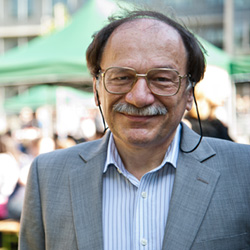 Michael Melkonian合作论文数Melkonian Laboratory, Botanical Institute, University of Cologne;Fakultat fur Biologie, Universitat Duisburg-Essen24
 Ekaterina Pushkareva合作论文数15
 Martin Rippin合作论文数Sect Bioinformat, Haukeland Hosp12
 Ulf Karsten合作论文数Instituts fur Biowissenschaften, Universitat Rostock12
 Karin Komsic-Buchmann合作论文数11
 Andreas Holzinger合作论文数Instiute of Botany, University of Innsbruck;Research Group Cell Biology, Department of Botany, University of Innsbruck9
 Nadine Borchhardt合作论文数6
 Josef Elster合作论文数6
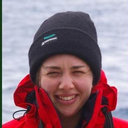 Laura Kate Williams合作论文数Dept Forest Resources, Univ Minnesota5
 Carolin Schlie合作论文数3Andreas Simon合作论文数3Johannis P Kamerling合作论文数Department of Bio-Organic Chemistry, Utrecht University3
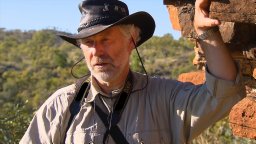 Burkhard Budel合作论文数Dept Plant Ecol & Systemat, Univ Kaiserslautern3
 Henner Brinkmann合作论文数3
 Jana Woelfel合作论文数3Gernot Glöckner合作论文数Leibniz-Institute of Freshwater Ecology and Inland Fisheries3B. Buedel合作论文数2A Grunow合作论文数2M Melkonian合作论文数2
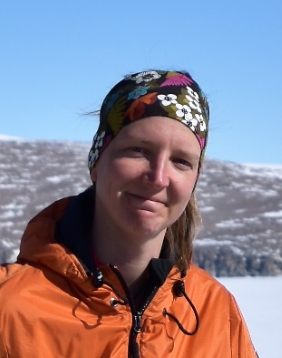 Claudia Colesie合作论文数Institute of Global Change, School of GeoSciences, The University of Edinburgh2
 Ilse Kranner合作论文数Department of Botany, Universitat Innsbruck;Institut für Botanik, Universität Innsbruck2Stephan Lisa Marie合作论文数2
 Erwann Arc合作论文数UMR1318 INRA - AgroParisTech, Institut National de la Recherche Agronomique;UFR de Physiologie végétale, AgroParisTech Paris;AgroParisTech Paris, Institut National de la Recherche Agronomique2
 Martina Pichrtova合作论文数Faculty of Science, Charles University in Prague;Institute of Botany, Academy of Sciences of the Czech Republic;Institute of Botany, Charles University in Prague2
 Hervé Philippe合作论文数Département De Biochimie Et Médecine Moléculaire, Faculté De Médecine, Universite De Montreal2Kviderova Jana合作论文数2M Rüsing合作论文数2
 J.F.G. (Hans) Vliegenthart合作论文数Department of Bio-Organic Chemistry, Utrecht University2Lara Perasso合作论文数2
 Birger Marin合作论文数2Kerstin Hoef-Emden合作论文数2Diko Becker合作论文数2Kumar D. Mukherjee合作论文数1Mariken Rebers合作论文数1
 Joginder Singh Minhas合作论文数1sandra l uratsu合作论文数1René Teich合作论文数1Carol Boyd合作论文数1
 Parani Madasamy合作论文数1Yao Junlan合作论文数1NT KEEN合作论文数1Lommerse J P合作论文数1Stefan Dreschers合作论文数1richard emerick合作论文数1duygu sevilgen合作论文数1
 Sarina Niedzwiedz合作论文数1
 Sandra Kammann合作论文数1
 Charlotte Permann合作论文数1
 Wolfgang Stoggl合作论文数1




