Background:Academic Medical Centers (AMCs) with Clinical and Translational Science Awards (CTSAs) offer a range of resources to support clinical and translational research and science. However, research professionals often face challenges in navigating these resources effectively. Objective:Our study sought to examine research navigation services across CTSA hubs to identify successful strategies, common challenges, and best practices for supporting research teams. Methods:We conducted interviews with representatives from ten CTSA hubs and performed a landscape analysis to explore the types of research navigation services available, the methods of advertising and orienting faculty and staff, and the challenges faced in launching and maintaining these services. Results:Our analysis identified three primary types of research navigation services offered at CTSA hubs: online resource libraries, personalized research navigation with dedicated staff, and interdisciplinary research "studios" for protocol development. Despite these offerings, challenges such as low awareness, difficulties coordinating across siloed university systems, and limited metrics for evaluating navigation services persist. Conclusion:Effective research navigation requires a combination of web-based applications and in-person support, backed by institutional commitment to foster engagement and streamline access. Key strategies for successful navigation services include proactive advertising, integration with orientation programs, and cross-departmental collaboration. Our findings offer actionable recommendations for enhancing research navigation at AMCs, ultimately aiming to increase research productivity and collaboration.
Objectives/Goals: Recognizing a critical need for sustained education and community beyond formalized training periods at Columbia University’s NCATS-CTSA, we created the TRANSFORM (TRaining And Nurturing Scholars FOr Research that is Multidisciplinary) Evolution program to preserve the networks cultivated during the KL2 program. Methods/Study Population: We will provide an overview of the genesis, expansion, key components, and programming for the TRANSFORM Evolution program. The program is designed for current and alumni of the KL2 program and late junior faculty that receive our CTSA’s Irving Scholar Award. TRANSFORM Evolution is a faculty and alumni network offering a platform to support the next generation of clinical and translational researchers while fostering a lasting community of collaboration and educational activities throughout a scholar’s career lifespan. Results/Anticipated Results: Salient components include the opportunities for social interaction, such as social/happy hours and member led education/career development sessions pertaining to topics that support thriving in an academic career. The program operates with financial resources and the support of a program manager. Evolution adopts a holistic, long-term approach, focusing on the entire professional lifespan by encouraging the development of enduring opportunities for our alumni. The program is intentionally structured to meet the evolving needs of its participants, through the beginning to more established phases in their professional careers. This continuity underscores the program’s capacity to adapt and remain relevant, informing and supporting sustained career progression and scholarly productivity. Discussion/Significance of Impact: The program has been an instrumental adjuvant in facilitating the transition to each career stage. By cultivating a community rooted in a common foundation – the KL2 and Irving Scholars programs, the program has created a robust support system that is crucial for the career development of clinician-scientists.
Objectives:Introducing evidence-based treatment strategies into education for emergency medicine (EM) residents might improve treatment for people with opioid use disorder (OUD). Our objective was to evaluate the impact of an educational initiative in treating OUD with emergency department (ED)-initiated buprenorphine. Methods:This was a retrospective analysis of an educational initiative using case-based discussions to train EM residents in the treatment of OUD, including ED-initiated buprenorphine, at a single EM residency program. Patients at the corresponding ED who were given an OUD-related diagnosis were screened for the initiation of buprenorphine. We calculated the odds of receiving ED-initiated buprenorphine among eligible patients 6 months before and 6 months after the educational initiative. Patients currently treated with buprenorphine or methadone were excluded from the analysis. Results:Before the educational initiative, 14% (26/186) of patients with OUD eligible for buprenorphine underwent a novel buprenorphine induction in the ED, which increased to 18% (33/183) after the educational initiative. Following the educational initiative, the odds of receiving ED-initiated buprenorphine compared with the pre-educational initiative was 1.35 (95% CI, 0.77-2.24). Conclusion:The total number of people with OUD treated with buprenorphine increased after our educational initiative, but the odds ratio was not statistically significant. Complementing educational initiatives, other factors are likely needed to significantly increase the likelihood that a person with OUD is treated with buprenorphine.
Objectives Sleep disturbance and burnout are common in emergency department health care workers (HCWs), and the 2 are linked. This cross-sectional study evaluated whether gender, race/ethnicity, and clinical roles moderate the association between sleep quality and burnout among emergency department HCWs (N = 129). Methods Sleep was assessed with the Pittsburgh Sleep Quality Index (Pittsburgh Sleep Quality Index > 5: poor sleep) and Insomnia Severity Index (Insomnia Severity Index > 8: insomnia). The abbreviated Maslach Burnout Inventory-9 assessed the burnout dimensions of emotional exhaustion, depersonalization , and reduced personal accomplishment . Emotional exhaustion > 9 and either (or both) depersonalization > 6 or personal accomplishment < 9 indicated burnout. Logistic regressions were computed for the association of poor sleep and insomnia with burnout for gender, race/ethnicity, and job role separately. Results Poor sleep quality, insomnia, and burnout were seen in 64%, 59%, and 24% of participants, respectively. Poor sleep was more frequently reported in Black, Indigenous, and People of Color (BIPOC) HCWs vs non-BIPOC (72.9% vs 52.5%, P = .017). Overall, poor (vs not poor) sleep quality was associated with burnout (odds ratio [OR], 3.14; 95% CI, 1.14-8.64). There was a significant poor sleep-burnout relationship in women (OR, 4.52; 95% CI, 1.10-18.60) that was not seen in men. The poor sleep-burnout relationship was significantly stronger in attending physicians (OR, 6.92; 95% CI, 1.44-33.24) vs registered nurses (OR, 0.28; 95% CI, 0.03-2.30; P value for group ∗ predictor interaction term = .021). Conclusion BIPOC HCWs had worse sleep quality than non-BIPOC HCWs, and the relationship between sleep quality and burnout was affected by gender and clinical role. These findings highlight the importance of person-level factors in the sleep-burnout relationship in HCWs.
The emergency department clinical environment is unique, and guidelines for promoting supportive and equitable workplace cultures ensure success and longevity for pregnant persons and parents in emergency medicine. There is paucity, variability, and dissatisfaction with current parental (historically referred to as maternity and paternity) leave policies. This paper describes the development of consensus-derived recommendations to serve as a framework for emergency departments across the country for incorporating family-friendly policies. Policies that foster a family-inclusive workplace by allowing for professional advancement without sacrificing personal values regardless of sex, gender, and gender identity are critical for emergency medicine recruitment and retention.
The diagnosis of psychiatric diseases is burdensome, time-consuming, and cost-intensive. The direct measurement and quantification of visual and auditory signs offers a promising alternative through the application of machine learning based on the use of accessible and passively collected data sources. We investigated whether computer vision, semantic and acoustic analysis can be used to accurately assess stress pathologies and neurocognitive performance. Furthermore, we determine how candidate digital biomarkers (DBMs) relate to physiological markers of chronic stress. We used computer vision and voice analysis to extract facial, voice, speech, and movement characteristics from unstructured clinical interviews. Previously, we tested the approach to identify DBMs in a cohort of trauma survivors to discriminate PTSD and depression. Here, we adapted the approach to examine stress pathologies in Emergency Department clinicians. Video- and audio-based markers were able to accurately discriminate PTSD (AUC=0.90) and depression status (AUC=0.86) in trauma survivors. Building on these results, we will present findings for a cohort of COVID-19 frontline workers. DBMs identified in direct clinical observation during free speech can be used to classify stress pathologies using computational methods. Given the advantages of a flexible approach based on free speech rather than a formal clinical assessment, DBMs emerge as a potentially objective, economical, and ecologically valid alternative. Since DBMs are unaffected by subjective biases, lightweight, and low burdening, the proposed approach is of great promise to be scaled-up for recurrent use in routine practice integrated into everyday life and across daily-life contexts.
Objectives:We aimed to assess the attitudes and perceptions of scholarly activity (SA) practices among emergency medicine (EM) physicians who are engaged in training residents. This study examined the belief and need for modern-day SA, potential barriers, and department resources provided. Methods:We conducted a descriptive cross-sectional survey study of EM physicians across the United States identified from the American College of Emergency Physicians and American College of Osteopathic Physicians directories. The survey consisted of 18 items regarding demographics, attitude toward SA, department support, and questions regarding residency programs. Results:A total of 660 survey recipients completed the survey out of a possible pool of 4296 individuals (15% response rate), of which 530 (80%) indicated they were core faculty. Of core faculty, 428 (80.8%) were part of an allopathic program, whereas 102 (19.2%) were part of an osteopathic program. Department support was provided for protected time (385; 58.3%), research staff (346; 52.4%), Institutional Review Board preparation (240; 36.4%), and biostatistics (314; 47.6%). Of all the institutional roles, the largest percentage (82/125, 65.6%) of chair/vice chair/associate chairs strongly agreed or agreed (score of 5 or 4 of 5) with the statement, "Overall, I am satisfied with the scholarly support provided by my department." There was no difference in agreement with this statement between respondents in an allopathic versus osteopathic program (210/428, 49.1% allopathic; 45/102, 44.1% osteopathic). Conclusion:There is a need for increased departmental support for SA. To optimally implement the Accreditation Council for Graduate Medical Education (ACGME) SA requirements into strategy and action, the ACGME should consider providing EM residency programs with an outline of best SA practices to foster a uniform consensus across academic institutions.
Study objective Addition of illicitly manufactured fentanyl to the opioid and nonopioid illicit drug supply has exacerbated the drug overdose crisis in the United States. People who use drugs are often unaware that their drugs contain fentanyl. Awareness about fentanyl adulteration may be protective against fatal overdose. Methods We performed a cross-sectional study of a convenience sample of emergency department (ED) patients who presented with illicit drug-related complaints from April 2022 to January 2024 in New York City, NY. Patients were surveyed about their drug use and provided urine samples for fentanyl testing. Results were analyzed according to the patient's intention of using opioids versus only nonopioid substances. Results Of 338 eligible patients, we enrolled 229 (68% acceptance, men: 78%, mean age: 43 years [SD=12.2], Hispanic/Latino: 57%), with 53% (121/229) and 47% (108/229) intending to use opioids and only nonopioid substances, respectively. Among patients who used opioids and provided urine, 89% (86/97) samples were positive for fentanyl, including 90% (27/30) fentanyl positivity among those who did not believe that they were using fentanyl. Among those intending to use only nonopioids, 24% (23/94) urine samples were positive for fentanyl. Conclusions Many drug-related ED visits involved fentanyl exposure, even when individuals did not believe they were using fentanyl. Knowledge of fentanyl adulteration can inform people who intend to use opioid and/or nonopioid drugs about harm reduction approaches, such as distribution of fentanyl test strips and educational interventions.
The perception of having poor social support is associated with worse symptoms of psychological distress in close family members of critically ill patients, yet this has never been tested after cardiac arrest. Close family members of consecutive patients with cardiac arrest hospitalized at an academic tertiary care center participated in a prospective study. The validated Multidimensional Scale of Perceived Social Support (MSPSS) cued to index hospitalization was administered before discharge. Multivariate linear regressions estimated the associations between the total MSPSS score and total scores on the Patient Health Questionnaire-8 (PHQ-8), Generalized Anxiety Disorder 2-item (GAD-2), and the Posttraumatic Stress Disorder Checklist for DSM-5 (PCL-5), assessed 1 month after cardiac arrest. In 102 participants (mean age 52 ± 15 years, 70
Introduction: A life-threatening medical event such as stroke can trigger symptoms of post-traumatic stress disorder (PTSD). Less is known about the risk of PTSD among individuals who present with stroke-like symptoms but are ultimately diagnosed with a stroke mimic. Aim: To examine the association between final diagnosis of stroke mimic, stroke, or TIA and risk of developing PTSD 1 month after the index event. Methods: We enrolled patients with suspected stroke or TIA from an urban academic medical center. The PTSD Checklist 5 for DSM-5 (PCL-5) was administered at enrollment to assess pre-existing PTSD, and at 1-month after discharge to assess PTSD related to the index event. The index event was adjudicated via chart review as a stroke, TIA, stroke mimic, or equivocal by a neurologist blinded to PTSD status. Logistic regression was used to determine odds of developing clinically significant PTSD (PCL-5 &ge 33) for stroke mimics compared to stroke or TIA at 1 month after adjusting for age, gender, ethnicity, initial NIH Stroke Scale, discharge modified Rankin Score, and prior PTSD. Multiple imputation was used to account for missingness in data. Equivocal cases were excluded. Results: In our sample of suspected stroke ( n = 1,000, 51% female, age = 62 ± 15 y), 596 (59.6%) had a stroke, 79 (7.9%) had a TIA, 274 (27.4%) had a stroke mimic, and 51 (5.1%) were equivocal or missing. PTSD prevalence numbers (rates) at 1 month for stroke mimic, stroke, and TIA, respectively, were 30 (15.1%), 27 (6.3%), and 3 (5.5%). In the fully adjusted model, the odds of 1-month PTSD were higher for stroke mimics vs. patients with stroke, OR = 2.99, 95% CI [1.45, 6.18], p < .01, but not for stroke mimics vs. TIA, OR = 1.67, p = .45. Pre-existing PTSD was associated with increased odds of 1-month PTSD, OR = 10.32, 95% CI [5.30, 20.10], p < .01. No other covariates were associated with PTSD. Conclusion: Experiencing a stroke mimic compared to a stroke was associated with increased risk of having PTSD 1 month after the event. Clinicians should consider the risk of psychological distress particularly among individuals presenting with sudden stroke-like symptoms diagnosed as stroke mimics.
ABSTRACTBackgroundWhile recent guidelines have noted the deleterious effects of poor sleep on cardiovascular health, the upstream impact of cardiac arrest-induced psychological distress on sleep health metrics among families of cardiac arrest survivors remains unknown.MethodsSleep health of close family members of consecutive cardiac arrest patients admitted at an academic center (8/16/2021 - 6/28/2023) was self-reported on the Pittsburgh Sleep Quality Index (PSQI) scale. The baseline PSQI administered during hospitalization was cued to sleep in the month before cardiac arrest. It was then repeated one month after cardiac arrest, along with the Patient Health Questionnaire-8 (PHQ-8) to assess depression severity. Multivariable linear regressions estimated the associations of one-month total PHQ-8 scores with changes in global PSQI scores between baseline and one month with higher scores indicating deteriorations. A prioritization exercise of potential interventions categorized into family’s information and well-being needs to alleviate psychological distress was conducted at one month.ResultsIn our sample of 102 close family members (mean age 52±15 years, 70% female, 21% Black, 33% Hispanic), mean global PSQI scores showed a significant decline between baseline and one month after cardiac arrest (6.2±3.8 vs. 7.4±4.1; p<0.01). This deterioration was notable for sleep quality, duration, and daytime dysfunction components. Higher PHQ-8 scores were significantly associated with higher change in PSQI scores, after adjusting for family members’ age, sex, race/ethnicity, and patient’s discharge disposition [β=0.4 (95% C.I 0.24, 0.48); p<0.01]. Most (n=72, 76%) prioritized interventions supporting information over well-being needs to reduce psychological distress after cardiac arrest.ConclusionsThere was a significant decline in sleep health among close family members of cardiac arrest survivors in the acute phase following the event. Psychological distress was associated with this sleep disruption. Further investigation into their temporal associations is needed to develop targeted interventions to support families during this period of uncertainty.WHAT IS KNOWNSleep health has been identified as a key element in maintaining cardiovascular health.Close family members of critically ill patients experience suboptimal sleep health and psychological distress may contribute to it.WHAT THE STUDY ADDSIt is breaking new ground in understanding the sleep health dynamics of close family members of cardiac arrest survivors, a critical but often overlooked group of caregivers.The study highlights significant associations between psychological distress and poor sleep that further deteriorates within the first month after a loved one’s cardiac arrest.Families of cardiac arrest survivors expressed a high priority for information-based interventions to help alleviate psychological distress during the initial month following the cardiac event emphasizing the need for targeted, accessible, resources to address their psychological and potentially sleep-related challenges.
This paper describes the development, content, structure, and implementation of a case-based, collaborative learning, flipped classroom, integrated preclinical neurology, neuroanatomy, and neuroscience course for first year medical students at Harvard Medical School. We report the methods for pre-class preparation, in-class instruction, and evaluation; student feedback with respect to content, teaching method, and learning environment; and several lessons learned regarding how to optimize preparatory and in-class learning in a case-based flipped classroom course.
Study objective: We aimed to build prediction models for shift-level emergency department (ED) patient volume that could be used to facilitate prediction-driven staffing. We sought to evaluate the predictive power of rich real-time information and understand 1) which real-time information had predictive power and 2) what prediction techniques were appropriate for forecasting ED demand. Methods: We conducted a retrospective study in an ED site in a large academic hospital in New York City. We examined various prediction techniques, including linear regression, regression trees, extreme gradient boosting, and time series models. By comparing models with and without real-time predictors, we assessed the potential gain in prediction accuracy from real-time information.Results: Real-time predictors improved prediction accuracy on models without contemporary information from 5% to 11%. Among extensive real-time predictors examined, recent patient arrival counts, weather, Google trends, and concurrent patient comorbidity information had significant predictive power. Out of all the forecasting techniques explored, SARIMAX (Seasonal Autoregressive Integrated Moving Average with eXogenous factors) achieved the smallest out-of-sample the root mean square error (RMSE) of 14.656 and mean absolute prediction error (MAPE) of 8.703%. Linear regression was the second best, with out-of-sample RMSE and MAPE equal to 15.366 and 9.109%, respectively.Conclusion: Real-time information was effective in improving the prediction accuracy of ED demand. Practice and policy implications for designing staffing paradigms with real-time demand forecasts to reduce ED congestion were discussed. [Ann Emerg Med. 2023;81:728-737.]
 Edmondson Donald合作论文数Center for Behavioral Cardiovascular Health, Columbia University Medical Center33
 Christopher A Walsh合作论文数The Paul G. Allen Frontiers Group Discovery Center for Human Brain Evolution;Howard Hughes Medical Institute;Division of Genetics & Genomics, Boston Children's Hospital;Harvard Medical School32
 Kronish Ian M合作论文数Ctr Behav Cardiovasc Hlth, Columbia Univ24
 Joshua Z. Willey合作论文数College of Physicians & Surgeons, Columbia University19
 Ari Shechter合作论文数Douglas Mental Health University Institute, McGill University17
 Catherine Stamoulis合作论文数15
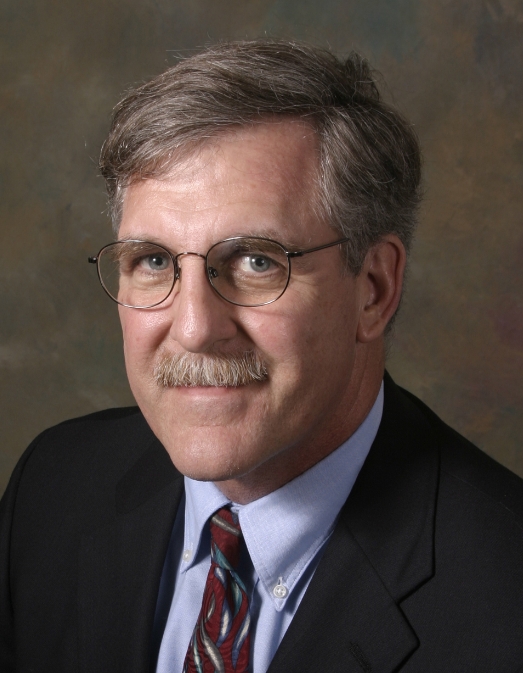 Jim Barkovich合作论文数Department of Radiology and Biomedical Imaging, University of California, San Francisco14
 Katharina Schultebraucks合作论文数Department of Psychiatry, Grossman School of Medicine, New York University13Adria Bodell合作论文数13
 Mitchell S. Elkind合作论文数Department of Neurology Stroke, College of Physicians and Surgeons, Columbia University;Mailman School of Public Health, Columbia University;New York-Presbyterian Hospital12
 Eliza C Miller合作论文数College of Physicians and Surgeons, Columbia University12
 Cornelius Talea合作论文数a Department of Psychology, University of Connecticut12
 Joseph E. Schwartz合作论文数Stony Brook University11
 Benjamin Kummer合作论文数Dept of Neurology, Columbia Univ Med Cntr8Tsion Firew合作论文数8Schomer Donald L合作论文数8Walker Linsey M合作论文数Beth Israel Deaconess Medical Center, Harvard Medical School8Brenda J. Barry合作论文数8
 Jeffrey L. Birk合作论文数Department of Psychology, Harvard University8
 Tami Katzir合作论文数Graduate School of Education 14 Appian Way, Harvard University8
 Marc A. Probst合作论文数8Rachel Mehendale合作论文数Dept of Neurology, Columbia Univ Med Cntr7Sara K. Rostanski合作论文数Department of Neurology, Department of Medicine, New York University7
 Kenrick Cato合作论文数Department of Family and Community Health, University of Pennsylvania;Children’s Hospital of Philadelphia7Shapiro Steven M合作论文数7
 Alvaro Pascual-Leone合作论文数Berenson-Allen Center for Noninvasive Brain Stimulation, Beth Israel Deaconess Medical Center;Harvard Medical School;Harvard-Thorndike Clinical Research Center7
 William Dobyns合作论文数Department of Pediatrics, Medical School, University of Minnesota;Division of Genetics and Metabolism, University of Minnesota7A. Bodell合作论文数7Xianhua Piao合作论文数7Sachin Agarwal合作论文数6
 Allison A Norful合作论文数Columbia University6
 Jennifer Sumner合作论文数Department of Psychology, College of Life Sciences, University of California, Los Angeles6Partlow Jennifer N合作论文数6
 Moise Nathalie合作论文数6Hackney David B合作论文数6
 Annapurna Poduri合作论文数National Institute of Neurological Disorders and Stroke, National Institutes of Health;Eunice Kennedy Shriver National Institute of Child Health and Human Development, National Institutes of Health;Broad Institute of MIT and Harvard6Kira Apse合作论文数6Edward H Suh合作论文数5
 Abdalla Marwah合作论文数Institute of Human Nutrition, Columbia University;Department of Medicine, Columbia University Medical Center;Columbia University, Columbia University5
 Nicholas P. Gavin合作论文数Department of Biology, New York University5
 Burkhard S. Kasper合作论文数Friedrich-Alexander-University of Erlangen-Nürnberg5
 Joanna A. Christodoulou合作论文数Department of Communication Sciences and Disorders, MGH Institute of Health Professions;Brain, Education, & Mind Lab, MGH Institute of Health Professions5
 Susan Whitfield-Gabrieli合作论文数Massachusetts Institute of Technology5David S. Edelman合作论文数4Sabine L. Abukhadra合作论文数4Marie-Laure Romney合作论文数4Maody Miranda合作论文数4Danielle A Rojas合作论文数Division of Critical & Hospitalist Neurology, Columbia University4Kaitlin Shaw合作论文数4




