Reactive oxygen species (ROS) induce the multimerization of Aux/IAA transcriptional repressors, and this ROS–auxin signalling connection functions as a rapid adaptive response to water deficit, inducing a temporary stop in root growth.
Jamieson and colleagues report the effects of spaceflight on haematopoietic stem and progenitor cells isolated from astronauts.
This study reports the successful reprogramming of human blood cells to pluripotent stem cells using small molecules.
A distinct population of adipose progenitor cells contributes to the accumulation of visceral white adipose tissue in middle-aged male mice.
Following skin injury, macrophages infiltrate the adipose tissue, promoting adipocyte lipolysis, and the released fatty acids induce hair regrowth by activating hair follicle stem cells.
Colon stem cells expressing the surface markers NOX1 and NPY1R can give rise to colon cancer in mice.
In mouse models of acute kidney injury, the outcome — scarless tissue repair versus fibrosis — depends on the activity of the transcription factor SOX9.
MYB-related transcription factors are found to function in chloroplast biogenesis alongside GLK in the distantly related species Marchantia polymorpha and Arabidopsis thaliana.
A calcium-dependent pathway induces stress granule formation and promotes cell survival following lysosomal damage.
This study presents a new iPS cell-based model to study the mechanisms of tau propagation in 4R tauopathies.
This study uncovered a link between PI5P, PI5P4Ks and the Hippo pathway, whereby PI5P reinforces the inhibition of YAP, the effector of the Hippo pathway.
mTOR inhibition by deprivation of the amino acids Tyr, Trp and Phe promotes the translocation of the 26S proteasome from the nucleus to the cytosol, which is required for stress tolerance and cell survival.
long non-coding RNA is found to enable the assembly of a glycolytic metabolon that contributes to cell adaptation to metabolic stress and cell survival.
The transcription factor c-Maf is required for the specification of liver sinusoids and for the maintenance of a specialized sinusoidal network necessary for sustaining hepatocyte function.
Tau oligomers bind to m 6 A-modified RNA transcripts in the cytoplasm via the linker RNA-binding protein HNRNPA2B1; such complexes are found in individuals with Alzheimer disease and are part of a stress response that represses translation.
The histone reader PHF7 binds to cardiac super-enhancers and is a strong activator of the reprogramming of adult cardiac fibroblasts to induced cardiac-like myocytes.
iRNA-containing extracellular vesicles produced by osteoblasts in the bone marrow are taken up by granulocyte–monocyte progenitors, which promotes their proliferation, increasing host immunity.
Cancer cells with supernumerary centrosomes have disrupted lysosomes, which enhances the secretion of exosomes that promote malignancy.
Blastoids (blastocyst-like structures) that accurately model human blastocyst development and are capable of implantation are generated, potentially opening up new avenues for basic and clinical research.
Unexpected high levels of recurrent DNA single-strand break repair were detected in enhancer regions of post-mitotic neurons.
 Cathie Martin合作论文数University of East Anglia;Department of Genetics, John Innes Centre4
 Julien Venail合作论文数2
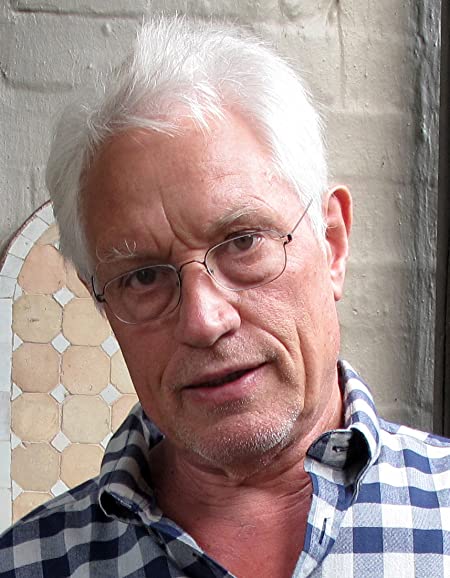 Keith Roberts合作论文数University of East Anglia2
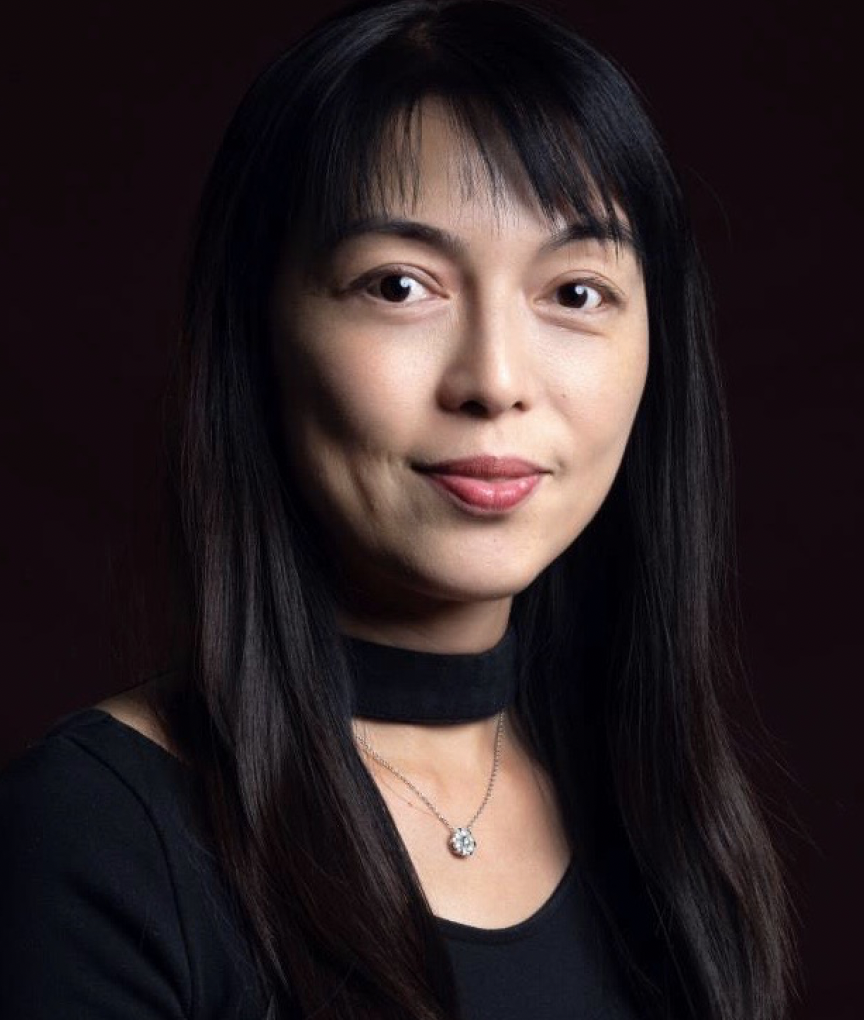 Hailing Jin (金海翎)合作论文数Department of Microbiology and Plant Pathology, College of Natural & Agricultural Sciences, University of California, Riverside;Center for Plant Cell Biology, Institute for Integrative Genome Biology, College of Natural & Agricultural Sciences, University of California, Riverside2Desmond Bradley合作论文数2Alexander P. Sorokin合作论文数1Sean Vincent Walsh合作论文数1
 Giuliana Gualberti合作论文数AbbVie srl1
 Jonathan H Clarke合作论文数1
 Olivier Voinnet合作论文数Department of Biology, Eidgenössische Technische Hochschule Zürich1Domenech M J合作论文数1Nichols John M E合作论文数1
 Jonathan D. G. Jones合作论文数Department of Biology, School of Biological Sciences, University of East Anglia1
 Ronald Koes合作论文数Swammerdam Institute for Life Sciences, Faculty of Science, University of Amsterdam1
 Lucio Conti合作论文数Dipartimento di Genetica e di Biologia dei Microrganismi, Uiversità degli Studi di Milano1
 Beverley Glover合作论文数Department of Plant Sciences, University of Cambridge;Cambridge University Botanic Garden1
 Yoshie Hanzawa合作论文数Graduate School of Science, Hokkaido University1Angelo De Paolis合作论文数1Ana Berbel合作论文数1
 Michael Webster Bevan (Mike Bevan)合作论文数John Innes Centre1
 P. C. Bailey合作论文数John Innes Centre1
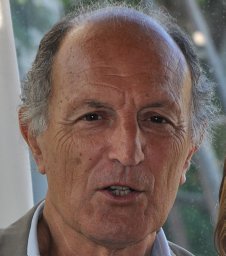 Paolo Costantino合作论文数Sapienza University of Rome1M. Perez-Rodriguez合作论文数1
 Francisco Madueno合作论文数1Sabine Zachgo合作论文数1Zsuzsanna Schwarz-Sommer合作论文数1Tracy Money合作论文数1




