Objective: An increased risk of preeclampsia has been described when performing donor intrauterine insemination. One of the possible causes is immunological tolerance to semen. Both lesbian and single women, who have theoretically lower exposure to seminal fluid than heterosexual women requesting artificial insemination with donor, sperm should have a higher incidence of preeclampsia, although this fact has not been analyzed previously. Methods: The population under study consisted of 439 gestations <24 weeks, achieved with artificial insemination with donor sperm, performed in two different populations: heterosexual couples and SLTG (single women, lesbian women, women with transgender partner). Preeclampsia rates and other perinatal outcomes were compared. Results: No significant differences were found in the development of preeclampsia in the SLTG group 6.03% (12/199) vs. heterosexual patients 5.83% (14/240), p=0.93. In the SLTG group, compared with heterosexual group, age (36 vs. 35, p=0.002) and BMI (24.8 vs. 23.6, p=0.002) were somewhat higher. After adjusting for BMI, age and multiplicity of gestation, there were no significant differences in the risk of preeclampsia between SLTG group and heterosexual women. As expected, in women with preeclampsia, gestational ages and newborn weights (quantitative markers of preeclampsia severity) were significantly lower than in women without preeclampsia. Conclusions: Our study suggests that neither sexual orientation nor previous sperm exposure carries a higher risk of preeclampsia, especially after correction for age and weight. Artificial insemination with donor sperm performed on single women, lesbians or women with transgender partners is a safe, simple and efficient technique, just as in heterosexual couples.
To study the influence of parental age on aneuploidy rates (AR) in PGT-A cycles and on the recurrence rate. A total of 16,029 PGT-A cycles were studied over a 9-year period. The median age was 40.0 [37.0; 41.0] in women and 40.0 [37.0; 43.0] in men. In 48.3
Background:The purpose of the study was to assess whether the coadministration of 150 IU of recombinant LH instead of 75 IU in women aged 35-39 improves the results in agonist ICSI cycles stimulated with 300 IU of recombinant FSH.Methods:In this study, two ovarian stimulation protocols coexisted which were identical except in the administered dose of recombinant LH, for which some patients received 150 IU (n=231) and some received 75 IU (n=216). Both groups received 300 IU of recombinant FSH. Gonadotropins were reimbursed by the National Health System. Statistical analysis was performed by Student's t test, χ2, and ANCOVA. Significance level was established at p=0.05.Results:The number of retrieved oocytes was slightly higher in the 300/150 group (9.06±5.53 vs. 8.61±5.11), but the differences were not significant. Results were similar with the number of metaphase II oocytes (7.18±4.86 vs. 6.72±4.72) and the number of fertilized oocytes (4.64±3.2 vs. 4.23±2.72). The per-transfer clinical pregnancy rates exhibited close similarity between both groups (32.84% vs. 32.46%), as did the per-transfer live birth rates (29.90% vs. 30.37%) and the implantation rate. The rate of hyperstimulation syndrome (OHSS) as well as the rate of cancellation due to OHHS risk was similar in both groups. There was also no difference in the miscarriage rate. When results were expressed by per started cycle or by oocyte pick-up, the results remained very similar in both groups.Conclusion:In women aged 35-39 undergoing ovarian stimulation with recombinant FSH in agonist cycles, the coadministration of 75 or 150 UI of recombinant LH did not influence pregnancy rates. However, a slight increase in the number of retrieved oocytes should not be disregarded.
In relation to maternal and obstetric outcomes after ICSI indicated by a male factor, many studies show a worse obstetric outcome in ART pregnancies – the latest studies suggest that this outcome may not be related to male factor cases more than in unexplained infertility. Children conceived using ART techniques show a slightly increased risk of adverse outcomes, especially premature birth and low birth weight. In terms of long term health, existing data suggest that the metabolic and cardiovascular risk profile could be altered. In the TESA/TESE cycles, it is difficult to reach clear conclusions because there are few studies and mostly of a retrospective nature presenting a limited number of children. Overall, no differences were found in neonatal outcomes; the congenital malformations do not differ significantly; and behavioral, cognitive, and motor development of the children born appear to be reassuring. In cycles using donor sperm, there are no differences in birth defects, chromosomal abnormalities, psychosocial development, or perinatal outcomes. However, low birth weight delivery was lower in donor sperm cycles and the risk of developing preeclampsia was higher.
Abstract Study question Can we accurately assess sex-chromosomes number in testicular cells (germ and somatic) of Klinefelter Syndrome (KS) prepuberal patients by DNA-FISH in paraffin embedded sections? Summary answer We have evaluated the sex-chromosomes content of testicular cells in KS prepuberal patients and the presence of XY lines evidenced a gonadal mosaicism status. What is known already Prepuberal boys with Klinefelter Syndrome usually have fertility problems in adulthood, mainly azoospermia. Due to the symptoms cause by the disease, Spermatogonial Stem Cells (SSCs) are less abundant and spermatogenesis does not occur. These patients do not have any alternative to restore the fertility in the future. When a boy has both XY and XXY cell lines, this patient is mosaic (46,XY/47,XXY). Meaning some cells could undergo spermatogenesis and generate gametes with normal sex-chromosomes number. The aim of this work is to test if KS patients diagnosed as pure can have testicular cell lines with XY chromosome number (mosaic). Study design, size, duration We obtained samples from human prepuberal patients diagnosed with pure Klinefelter Syndrome (47,XXY) for the last 5 years. Testicular biopsy fragments are fixed for histological studies and other fragments are cryopreserved. Some fragments are used for immunofluorescence and subsequently processed by DNA-FISH to determine the sex-chromosomes content of testicular cells. Participants/materials, setting, methods In this study, we used 10 prepuberal patients with KS and 5 prepuberal patients with other fertility problems with normal chromosome set as controls. We performed immunofluorescence to determine expression of germ cells (VASA) and SSCs (MAGEA4) markers and somatic cells markers such as Leydig cells (StAR) and Sertoli cells (SOX9). Afterwards, we perform DNA-FISH, with probes specific for chromosomes X and Y and chromosome 18 as a control. Main results and the role of chance The methodology used allows cytogenetic characterization of testicular tissue in paraffin embedded sections. Testicular mosaicism has been observed in all patients diagnosed as pure KS. We have observed a degree of mosaicism of 66-80% in SSCs, of 20-50% in Sertoli cells and of 30-50% in Leydig cells. We pursued a protocol with a good FISH efficiency that allows colocalization of previous immunocharacterized testicular cells. Limitations, reasons for caution The DNA-FISH technique is made just in a single paraffin section of each KS patient testicular sample. Due to the limited and difficulty to obtain KS testicular tissue, we use a limited number of samples. Wider implications of the findings We succeed to demonstrate the mosaicism of testicular cells in prepuberal patients that are diagnosed with KS. Thus, the better understanding of the SSCs with normal chromosome set (XY) could be useful for future in vitro expansion and stem cell therapies. Trial registration number not applicable
Abstract Purpose To assess the outcome of excess follicle aspiration before intrauterine insemination (EFABI) in intrauterine insemination (IUI) cycles with 4–6 follicles ≥14 mm. Methods A retrospective case–control study with 1559 patients undergoing IUI (donor and husband's sperm), of whom 86 underwent EFABI. We studied also an historical series of 2213 patients before EFABI implementation. For 3.5 years, all women undergoing IUI developing 4–6 follicles ≥14 mm were offered EFABI on the day of hCG administration. Pregnancy rates (PRs), multiple PRs, and adverse effects were measured. Results EFABI was associated with a similar multiple PR (17.8% vs 17.5% in non‐EFABI cases), with no triplets in EFABI patients. Live birth rates were significantly higher in EFABI cycles in IUI overall (25.5% vs 15.2%). When considered separately, the performance of EFABI resulted in significantly increased live birth rates in IUI‐donor cycles (32.5% vs 18.5%), whereas the differences in IUI‐husband cycles (19.5% vs 12.9%) did not reach statistical significance. The PR was 21.2% during the EFABI implementation period and 19.4% in the pre‐EFABI period. Conclusions EFABI in cycles in which 4–6 follicles reach ≥14 mm is a simple option that reduces cycle cancellation rates, results in higher PRs than cycles with 1–3 follicles, and lowers the risk of multiple pregnancy.
The composition of endometrial fluid reflects the status of the endometrium; it is a good atraumatic source of information on embryo implantation processes and possible pathological conditions. Although some attempts have been made to characterise its proteome, the catalogue of its proteins remains incomplete and little has been done to analyse the natural peptides it contains. Here, we present a comprehensive analysis of the proteins and natural peptides of the endometrial fluid. The protein content of samples from 11 individuals was analysed using the novel timsTOF Pro mass spectrometer. We identified 4694 proteins with at least one peptide with FDR < 1%, of which 2261 were found in >50% of the samples. A pooled endometrial fluid sample was used for isolation and analysis of the natural peptides. Mass spectrometry analysis identified 3899 naturally occurring peptides from 238 different proteins. Among these, there were some putative natural antibacterial peptides. Antimicrobial activity of peptides derived from elafin and Cu/Zn superoxide dismutase was confirmed using microbiological assays. Our results substantially expand the catalogue of known endometrial fluid proteins and provide extensive new information on the natural peptide content of this fluid. SIGNIFICANCE: The endometrial fluid contains many proteins whose clinical relevance is still unknown. Some might be merely markers of endometrial function, but others might play a role in embryo nutrition and/or implantation. Human endometrial fluid analysis might open the door to new developments in embryo transfer strategies in in-vitro fertilisation programmes and lead to improvements in the composition of embryo culture media. Here, we report, for the first time, antimicrobial activity of endometrial fluid peptides. Such peptides could play an important role in the balance of the recently described uterine microbiota.
Objective: To evaluate the influence on sperm parameters and in vitro fertilization (IVF) outcomes of the administration of 400 mg/day of vitamin E for 3 months to men from infertile couples who are undergoing IVF. Design: Double-blind, placebo-controlled, randomized study. Setting: Human reproduction unit of a university hospital. Patient(s): A total of 101 couples, 50 in the vitamin E group and 51 in the placebo group, undergoing IVF, among whom 64.4% of cases had an abnormal spermiogram according to World Health Organization (WHO) criteria. Intervention(s): Vitamin E (a-tocopherol), 400 mg daily by mouth for 3 months, with sperm analysis performed immediately before starting the treatment and 3 months later on the day of IVF. Main Outcome Measure(s): WHO sperm parameters and IVF outcomes. Result(s): Although there was a statistically significant increase in progressive motility in the vitamin E group compared with before- treatment values, a similar increase occurred in the placebo group. Normal morphology was even better in the placebo group. Regarding IVF outcomes, better fertilization rates were observed in the placebo group, but the live-birth rate per transfer was statistically significantly higher in the vitamin E group: 17 (41.46%) of 41 versus 9 (20.46%) of 44 in the placebo group. Although the clinical pregnancy rates (both per transfer and per cycle started) and the implantation rate were somewhat higher in the vitamin E group (43.9% and 25%; 36.0% and 22.0%; and 24.7% and 14.1%, respectively), the increase was not statistically significant. Conclusion(s): The effect of vitamin E on classic sperm parameters was not an improvement over placebo. Nonetheless, vitamin E administration was associated with a statistically significantly higher live-birth rate, and there was a trend toward better results in other IVF parameters. Clinical Trial Registration Number: Eudra CT 2007-000960-25. (Fertil Steril Rep (R) 2020;1:219-26. (c) 2020 by American Society for Reproductive Medicine.)
To characterize the most relevant changes in the lipidome of endometrial fluid aspirate (EFA) in non-implantative cycles. Lipidomics in a prospective cohort study. Reproductive unit of a university hospital. Twenty-nine women undergoing an IVF cycle. Fifteen achieved pregnancy and 14 did not. Endometrial fluid aspiration immediately before performing embryo transfer. Clinical pregnancy rate and lipidomic profiles obtained on an ultra-high performance liquid chromatography coupled to time-of-flight mass spectrometry (UHPLC-ToF-MS)-based analytical platform. The comparative analysis of the lipidomic patterns of endometrial fluid in implantative and non-implantative IVF cycles revealed eight altered metabolites: seven glycerophospholipids and an omega-6 polyunsaturated fatty acid. Then, women with a non-implantative cycle were accurately classified with a support vector machine algorithm including these eight lipid metabolites. The diagnostic performances of the algorithm showed an area under the receiver operating characteristic curve, sensitivity, specificity, and accuracy of 0.893 ± 0.07, 85.7%, 80.0%, and 82.8%, respectively. A predictive lipidomic signature linked to the implantative status of the endometrial fluid has been found.
Objective: To determine the implication of general physical activity and some specific sports in semen quality in men from infertile couples. Study design: This is an observational study performed in men from infertile couples (n = 454). The interventions performed involved analyzing semen quality parameters according to 2010 WHO criteria and assessing physical activity by means of an International Physical Activity Questionnaire. Result(s): There was no association between different levels of general physical activity and semen parameters. We neither found association with running, cycling and racquet sports. Interestingly, people who practice weightlifting more than two hours per week presented significantly lower sperm concentration (linear coefficient = -24.80) and lower total sperm count (linear coefficient = -70.87) in comparison with participants that did not practice regular exercise. Conclusion(s): From a reproductive point of view, there does not seem to be any reason to recommend the increase or the decrease in general physical activity in males from infertile couples. However, additional studies are needed to investigate the relationship between weightlifting and sperm quality. (C) 2019 Elsevier B.V. All rights reserved.
STUDY QUESTIONIs there any difference in the protein composition of the endometrial fluid aspirate (EFA) obtained the day of embryo transfer in in vitro fertilization (IVF) cycles achieving and not achieving pregnancy?SUMMARY ANSWERComparative analysis identified a differential protein expression pattern in 'implantative' and 'non-implantative' IVF cycles.WHAT IS KNOWN ALREADYEFA allows non-invasive characterization of the endometrium, and may contain important information on its receptivity when performing (IVF) cycles. Endometrial side of implantation has usually been studied with endometrial biopsy in an IVF cycle prior to embryo transfer, focusing on 'receptive/non-receptive' endometria and with low-throughput proteomic techniques.STUDY DESIGN, SIZE, DURATIONWe have compared the protein expression patterns in EFA from a total of 110 women undergoing IVF, corresponding to 50 implantative and 60 non-implantative IVF cycles. Discovery (38 patients) and Validation (42 patients) sample cohorts were analyzed using a high-throughput differential proteomic approach. Then, the differential expression of glycogen phosphorylase B (PYGB) was validated by western blotting in an additional cohort (30 patients). The study period was 18 months.PARTICIPANTS/MATERIALS, SETTING, METHODSThe population under study consisted of 110 women aged 18-40 years old, undergoing their first or second IVF/ intracytoplasmic sperm injection cycle, with normal uterus and endometrium, and 1-2 good quality embryos, and embryo transfer being performed on Day 3. Endometrial fluid aspiration was performed immediately before the embryo transfer. Samples (80) were initially distributed in two independent cohorts and analyzed by liquid chromatography-mass spectrometry. The first cohort was used for the discovery and the second for the validation of the results. Filter-aided sample preparation was used for the in-solution tryptic digestion of the proteins present in the samples, followed by label-free mass spectrometry analysis. In order to unravel the molecular features of receptivity, the lists of differential proteins were thoroughly analyzed using different bioinformatic tools, including GSEA, IPA and GO analysis.MAIN RESULTS AND THE ROLE OF CHANCEA false discovery rate-based correction of the t-test P-values was carried out in order to strengthen the reliability of the results. Functional analyses denoted the deregulation of important processes governing receptivity, such as antimicrobial response, cell-cell interaction, immune response and inflammatory signaling, among others. Overall eight proteins were commonly deregulated in both studied datasets and brain form glycogen phosphorylase (PYGB) was selected for confirmatory analysis.LIMITATIONS, REASONS FOR CAUTIONOur results were obtained from patients with normal uterus and endometrium and with good quality embryos, who had fresh Day-3 embryo transfer, in stimulated cycles. Therefore, our observations may not be applicable to poor prognosis cases or non-stimulated cycles.WIDER IMPLICATIONS OF THE FINDINGSThis work provides insights into the molecular features of implantative IVF cycles using non-invasive methods. It reveals that EFA may reflect an increased inflammatory state in non-implantative endometrium. Additionally, it proposes PYGB as a potential biomarker for endometrial receptivity or implantation success. This knowledge opens a new avenue for developing embryo transfer strategies, through the improvement of embryo culture media or modifying endometrial fluid composition to increase pregnancy rates.STUDY FUNDING/COMPETING INTEREST(S)This study was partially funded by a Grant for Fertility Innovation (GFI, 2011) from Merck (Darmstadt, Germany). Authors declare no competing interests.TRIAL REGISTRATION NUMBERNot applicable.
Details Session title: Session 04: Recurrent implantation failure and unexplained infertility Session type: Selected oral communications Presentation number: O-019 Differential proteomic analysis of endometrial fluid suggests increased inflammation and extracellular matrix remodeling in non-implantative IVF cycles Abstract title: , I. Escobes , I. Iloro , N. Osinalde , B. Corral , A. Exposito , B. Prieto , F. Elortza , R. Matorras . Science and Technology Park, Proteomics PlatformCIC bioGuneCIBERehdProteoRed-ISCIII, Zamudio, Spain. Department of Biochemistry and Molecular Biology, Basque Country University, leioa, Spain. Human Reproduction Unit., Cruces University Hospital., Bilbao, Spain. BioCruces Health Research Institute, Basque Country University, Bilbao, Spain. Instituto Valenciado de Infertilidad., IVI Bilbao, leioa, Spain. M. Azkargorta Study question: 1 1 1 2 3 3,4 3,5 1 3,4,5 1
Purpose To assess whether there are proteins in endometrial fluid aspirate (EFA) that predict implantation. Methods The population under study consisted of 285 women undergoing embryo transfer (ET). Endometrial fluid aspiration was performed immediately before ET. Results of proteomic analysis of EFA were compared between 33 cases who achieved pregnancy and 33 who did not. Samples were analysed by 2D electrophoresis and mass spectrometry. Blood samples were studied by ELISA Pregnancy rates and maternal complications were compared to those in women refusing aspiration. Results We found 23 proteins differentially expressed in the EFA in conception cycles: 4 up-regulated proteins and 19 down-regulated (FC = 0.31 0.78) (among others, arginase-1, actin B, PARK-7, cofilin-1, stathmin, annexin-2 and CAPZB). Among the five studied proteins that were differentially expressed in EFA, none was differentially expressed in serum. The aspiration procedure had no impact on pregnancy rate. No maternal complications were reported. Conclusions We found a very different protein profile in implantative cycles, the majority of proteins being down-regulated. This probably reflects a different endometrial functional status, more favourable to implantation. EFA proteomic analysis could be a useful tool in the planning ET strategies.
Fragile X-associated tremor/ataxia syndrome (FXTAS) and fragile X-associated primary ovarian insufficiency (FXPOI) are definitely related to the fragile X mental retardation 1 (FMR1) premutation (PM). Additional medical problems have also been associated with the PM, such as fibromyalgia, endocrine, and psychiatric disorders. To improve our understanding in the field, we reviewed all PM carriers and their reasons for any medical referrals from 104 fragile X families molecularly diagnosed in our laboratory and living in the Spanish Basque Country. After signing the written informed consent, we studied their electronic medical records in order to identify the disorders associated with the PM and their frequencies. We obtained clinical data in 188 PM carriers (147 women and 41 men). In women, the frequency of FXPOI (22.61%) was similar to that previously reported in PM carriers. In men, the frequency of definite FXTAS (28.57%) was lower than reported elsewhere. Furthermore, thyroid pathology was associated with the PM, the frequency of hypothyroidism being much higher in the studied region than in the general population (8.84% vs. 0.93%). Finally, we found no association with fibromyalgia or psychiatric problems. These findings represent another population contribution in this field and may be useful for the clinical management of PM carriers.
In this retrospective study, the efficiency of carrying out rescue intrauterine insemination (IUI) in low-responder patients undergoing IVF when no oocytes were retrieved after follicular aspiration and when HCG timing was adequate was analysed. A historical control group was used. Over 13 years, women undergoing IVF with failure to obtain oocytes at follicular aspiration underwent rescue IUI if the following criteria were met: adequate HCG timing; one normal tube; motile sperm count after preparation over 3 million/ml; and ultrasound visualization of one to six follicles over 13 mm. The rescue IUI was carried out 1 h after follicular aspiration. Results were compared with those of a standard IUI population (5394 cycles) in the same period. Confidence intervals were calculated using Poisson 97.5% confidence upper tail limits when no event was observed in the study sample. No pregnancies were achieved among the 54 cases who underwent rescue IUI (confidence interval: 0 to 6.8%). This pregnancy rate was lower than that observed in the general IUI population (17.5%) (relative risk, 19.2). After adjusting for age and endometriosis, the relative risk was 11.7. The rescue IUI is an inefficient procedure. Its efficacy is unlikely to exceed 7% pregnancy rate per IUI.
Objective: To evaluate, in patients with hydrosalpinges, the effect on in vitro fertilization (IVF) outcome of the insertion by hysteroscopy of an intratubal blocking device, in cases where laparoscopic salpingectomy or laparoscopy was contraindicated.Study design: A prospective interventional case series study was conducted in fifteen women with unilateral (N = 6) or bilateral hydrosalpinges (N = 9) submitted for IVF. In all of them, laparoscopic salpingectomy was contraindicated. Hysteroscopic insertion of the Essure intratubal device in a consultation room setting was performed. IVF results were compared with those of women where hydrosalpinx was treated by laparoscopic salpingectomy (48 women, 76 cycles).Results: There were no complications during or immediately after the procedure in any of the patients. There were four pregnancies from 16 embryo-transfers with own oocytes, one spontaneous pregnancy after unilateral Essure insertion, and one pregnancy after oocyte donation. In one case the hydrosalpinx grew and pelvic inflammatory disease developed 6 months after the insertion, requiring bilateral adnexectomy. Although not of statistical significance, IVF pregnancy rates were somewhat lower than in the laparoscopic salpingectomy group, which was attributed to the lower ovarian reserve before Essure insertion.Conclusion: The hysteroscopic insertion of the Essure intratubal device prior to IVF is a reasonable option in cases where laparoscopic salpingectomy is contraindicated. Larger series are required to assess pregnancy outcome. (c) 2013 Published by Elsevier Ireland Ltd.
 Roberto Matorras合作论文数33
 Antonia Exposito合作论文数18
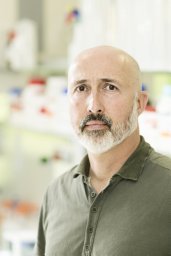 Felix Elortza合作论文数Unidad de Proteómica, CIC-bioGUNE9Mendoza Rosario合作论文数6Rabanal Aintzane合作论文数6Rosario Mendoza合作论文数6Beatriz Corcóstegui合作论文数5
 Jone Ibanez-Perez合作论文数5Nagore Daniel合作论文数5
 Ibon Iloro合作论文数5Blanca Corral合作论文数4
 Maria Diaz-Nunez合作论文数4Crisol Lorena合作论文数4
 Mikel Azkargorta Mujika合作论文数ProteoRed-ISCIII, CIBERehd4Iraide Escobes合作论文数3Maria Iglesias合作论文数3
 Iker Malaina合作论文数3Juan Casado-Vela合作论文数3Nere Alkorta合作论文数3Jose Ignacio Pijoan合作论文数3L. Crisol合作论文数2
 Fermin Aspichueta合作论文数2A. Rabanal合作论文数2C. Rodriguez Antolin合作论文数2Alberto Vendrell合作论文数2Lucía Lainz合作论文数2María Dolores Moragues合作论文数2O. Ramon合作论文数2Marta Bregón-Villahoz合作论文数2Aspichueta Fermín合作论文数2
 Maria-Isabel Tejada合作论文数2
 Cristina Eguizabal合作论文数2Aparicio Victoria合作论文数2Ignacio Brouard合作论文数Instituto de Investigaciones Quı́micas, CSIC2
 Nerea Osinalde合作论文数2Amagoia Ametzazurra合作论文数2Olga Ramón合作论文数2
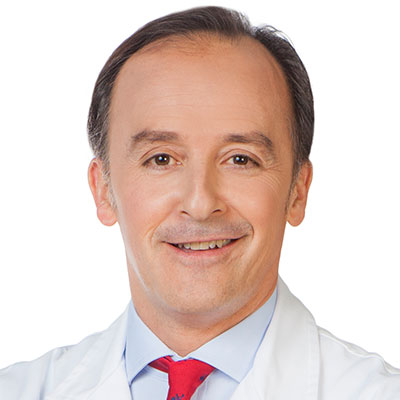 Juan Antonio García Velasco合作论文数Departamento für Especialidades Médicas y Salud Pública, Universidad Rey Juan Carlos;IVIRMA Global Research Alliance2Marcos Ferrando合作论文数2M Luisa Hernández合作论文数1S. Quevedo合作论文数1
 Alba Jimeno Romero合作论文数1M. Diez-Zapirain合作论文数1T. Martínez-Astorquiza合作论文数1C. Martinez-Bouzas合作论文数1M. Diaz-Nunez合作论文数1J. Mugica合作论文数1L. Garcia-Quevedo合作论文数1




