"Recommendations of Good Practice for the Donation and Study of Human Bodies and Tissues for Anatomical Examination" issued by the IFAA, emphasize body donation with explicit consent as the ethically appropriate method for sourcing human remains. Despite these guidelines, institutional and regional practices remain inconsistent with the continuous uncertainty of the provenance of human remains in many countries. The aim of this study was to investigate the source of bodies for anatomical education in the Republic of Serbia, where at the time of the study, legislation allowed for body sourcing by both explicit and presumed consent. Institutional transparency concerning the origin of human remains and implementation of memorial practices was also assessed. A self-administered, online questionnaire, consisting of 13 questions and open-ended responses, was distributed to all five anatomy departments in Serbia. Responses indicated that all the Serbian anatomy departments utilize human remains for teaching. Four departments source bodies from the community (one exclusively by explicit consent and three by both explicit and presumed consent) and one relies on plastinated body parts. The number of bodies used for teaching in four of the departments ranges from one to fifteen per year, while only two departments currently have body donation programs. Only one department informs students about the provenance of the bodies and conducts a memorial ceremony for the donors. These findings indicate the need for more dedicated work on developing body donation programs, improving students' knowledge about donation and establishing memorial ceremonies in Serbia.
The principles underpinning Equity, Diversity and Inclusivity (EDI) are seen by many as being essential in contemporary society while others consider it disparaging and claim it can negatively affect meritocracy. In the USA, EDI is referred to as DEI (Diversity, Equity and Inclusivity) and appears to be under attack by the present governmental agencies. Indeed, multinational companies and other governments are responding in various ways, including partial compliance and outright resistance. Wherever one stands politically on the matter, the International Federation of Anatomical Associations (IFAA) has promulgated a strong statement of intent concerning the importance of EDI and the IFAA Executive, through its Federative International Committee for Equality and Diversity in Anatomy (FICEDA), has also provided guidelines for EDI based on the results of a survey of the IFAA's member associations. The findings of that survey are presented in this article and show a clear recognition by virtually all member associations of the importance of EDI, while highlighting some areas lacking diversity and inclusivity.
Anatomists who work with the Dead often see themselves as custodians of the Dead. To those who opine that the Dead no longer have Rights (legal or moral) or privileges and have nothing more to contribute to the development of Society or to human endeavor, the Dead's custodians might respond that there is ample evidence that some Rights and privileges are accorded to the Dead. In this Viewpoint article, we outline where such Rights and privileges exist, providing a context as to how anatomists should uphold these for the betterment of our discipline.
Provenance is at the center of addressing the complicated ethical stewardship of legacy human skeletal collections. Many South African (SA) health science institutions have skeletal collections. While the history of the collections and the demographics of the skeletons have been reported, the provenance of the individuals within the collections, a key factor in ethical practice, has yet to be fully explored. The aim of this study was to investigate the provenance and demographics of the individuals housed in the modern human skeletal collections of South African anatomy departments to ensure their ethical stewardship. The provenance and demographic data (sex, age at death, year of death, and population affinity) of individuals housed in five modern human skeletal collections in SA health sciences institutions were collected. Descriptive statistics were applied to the data to derive frequencies, percentages, and means (SD). The majority of skeletons (83%; n = 3734) in the collections surveyed have been sourced from unclaimed individuals. For those institutions where population affinity was provided, SA Black individuals comprised 71% (n = 2586) of the unclaimed group. Skeletons from bequests were low (15%; n = 683), of which 99% (n = 452) were SA White, older individuals. Male individuals comprised 71% (n = 3196) of the collections. The high number of skeletons from unclaimed bodies in these collections highlights the challenge of ethical stewardship facing curators and institutions housing these collections. The continued use of these collections requires sustained discourse, policy development, and legislative oversight to facilitate the ethical treatment of the individuals within the collections.
The International Federation of Associations of Anatomists (IFAA) and its Federative International Committee for Equality and Diversity in Anatomy (FICEDA) recommended that terms relation to pudere (to be ashamed) should be removed from Terminologia Anatomica (TA) for 3 reasons: 1) they are unscientific and outside the descriptive objectivity of science; 2) biologists should not regard as ’shameful' the essential functions undertaken by structures in the perineum; 3) the terms have sexist connotations that lie beyond the principles of Equity, Diversity and Inclusivity (EDI) in the anatomical sciences. The IFAA Executive subsequently required the Federative International Programme for Anatomical Terminology (FIPAT) to make ALL necessary changes to terms derived from pudere. However, only partial changes were enacted by FIPAT. The matter is presently unresolved and has provoked controversy. This article provides a review of the course of events and offers arguments against those criticisms levelled against changing pudere-related terms. In light of the IFAA’s EDI principles, and as social thought and practice generally evolve, it is essential that the terminology on pudere is altered to reflect acceptable and unapologetic norms.
A transgressive act is one that breaks a moral code, going beyond what are acceptable boundaries of taste and decorum. In this regard, the history of anatomy, although illustrious, is also inglorious as body snatching by resurrectionists and the anatomisation of convicted and executed prisoners is nowadays universally condemned and recognised as being transgressive. The public display of anatomised bodies in contemporary times, whether or not the bodies are obtained legally, is controversial and is arguably transgressive, as is the dissection of unclaimed bodies for the education of healthcare professionals. It has also been claimed that, even when bodies are obtained from donors who have given informed consent, anatomical dissection for the education of healthcare workers involves transgressive behaviour that does not fit with modern concepts of a caring, life-enhancing practitioner. Consequently, there are medical schools that do not have anatomy dissection rooms, and the use of digitalised anatomical imagery is advocated as a more moral pedagogic tool. However, not all the digitised images emanate from consented individuals. In this article, we argue that the public display of anatomised bodies (including the display and publication of images without informed consent) and the use of unclaimed bodies for dissection are transgressive. We are of the opinion that the dissection of human bodies obtained through a donor programme need not be transgressive if due respect is accorded the donated bodies and if the students benefitting from the experience are properly controlled, well-informed about the ethical issues, and if the process considers issues relating to equality, diversity and inclusivity.
BackgroundThe use of human bodies for anatomy education and research forms an integral part of the training of health professionals around the world. However, the ethical acquisition of human remains for this purpose has been a challenge in many countries, particularly for those on the African continent. South African institutions have however, been able to progressively transition to a more ethical approach to human body acquisition. The aim of the current study was to investigate the provenance of human bodies and the number used in South African health sciences institutions during the period 2017-2021.Methodsan online self-administered anonymised questionnaire was circulated to all health sciences institutions in South Africa. Questions were focused on establishing the provenance and the associated number of bodies and body donor programmes.Resultsresponses were received from thirteen of the fourteen South African institutions. All thirteen institutions use human bodies for teaching and research, with the majority of the institutions being reliant on bequests (77%) and family donations (62%), and less on unclaimed remains (46%). Most institutions have established body donor programmes. Four institutions were negatively affected by the effects of the pandemic. Memorial services, which continued during the pandemic, were conducted by eight of the thirteen institutions.ConclusionSouth Africa is leading the transition to the ethical acquisition of human remains on the African continent. It is hoped that South African institutions will soon transform to the exclusive sourcing of bodies through willed donation and provide guidance and support for the other countries on the continent.
The teaching and learning of human anatomy by dissection has existed for thousands of years. Over the centuries, evolving ethical considerations for the sourcing of human bodies for dissection have resulted in a transition from the use of unconsented individuals to that of body donors and the institution of body donation programmes around the world. However, major challenges on the African continent have resulted in the continued use of unconsented or unclaimed bodies and the ethical dilemma for African anatomy departments regarding their use. Some of the key difficulties in sourcing donor bodies which exist on the African continent emanate from religious, cultural, societal trust and other confounding factors. This manuscript explores the challenges and suggests ways in which some of these constraints may be overcome.
•Subtle size and shape changes of the palate occur relative to changes in the dentition.•Reorientation of the alveolar region across the states of the dentition was observed.•Changes in the protrusion of the orale with growth were unexpected.
While arguments have been made both for and against the value of anatomical eponyms, limited research exists regarding their use by anatomists. As the editors of the principal international anatomy journals have purview and control of terminology in anatomical journals, their perceptions regarding the relevance, ethics and inclusivity of eponym use in anatomy and in publishing in anatomical journals were investigated. A validated, confidential and anonymized self-administered questionnaire which included open-ended questions was distributed to the 22 Editor-in-Chiefs/Senior Editors of anatomical journals. Of the 16 (73%) editors who responded to the survey, only 56% were aware that eponyms had been censured since the time of the 1895 Nomina Anatomica. The majority of responding editors found the use of Latin- and Greek-derived terms more valuable when communicating with students and peers, but also thought eponyms were acceptable in manuscripts submitted to their journals. Thirteen (81%) of the responding editors agreed that eponyms play a vital role in the history of anatomy, and some thought they were important for discussing bioethics concepts. However, 62.5% felt that there were valid reasons for their discontinuation. Half of the respondents did not consider the continued use of eponyms an ethical concern. Responding editors of anatomical journals prefer the use of Latin- and Greek- derived terms when interacting with other anatomists and students. However, the continued use of eponyms was seen as an important opportunity for discussion on the history and ethics of anatomy.
BACKGROUND:The canine fossa, a depression on the surface of the maxillary bone, is important clinically due to the nexus of the neurovascular elements which occur in this region and supply the superficial and deep structures of the face. While it is known that there is much variation in the neurovascular structures of this region, little is known about sex differences. The aim of this study was to investigate and map the neurovascular branching within the region of the canine fossa of a South African population, with particular reference to any sex differences.METHODS:Sixty hemifaces (n=30 female; n=30 male) of individuals between the ages of 40 and 100years were dissected. The origin, number of branches, connections between branches, origin of connecting branches and the distribution of the neurovascular structures associated with the mid-facial and canine fossa regions were documented. The data obtained was qualitative and was statistically analysed with SPSS v26 statistical analysis software. Frequency and contingency tables, along with Chi-squared analysis and Fischer's Exact test, were used for quantitative data analysis.RESULTS:While high levels of variation in the neurovascular elements were documented, there was no statistically significant variation between the sexes. A sex variation was only observed for the terminal branches of CN VII with females displaying a lower number of buccal nerve terminal branches than males.CONCLUSION:While only one sex difference of significance was found in the highly variable neurovascular structures resident in the region of the canine fossa, the variability of the neurovascular elements is of importance to surgeons.
Research integrity is of interest across disciplines, although reported on more frequently by health sciences researchers. This study investigated the experiences and attitudes of academic staff and postgraduate students to scientific misconduct in a South African health sciences institution. An anonymous self-administered, structured questionnaire conducted online was addressed to academic staff and postgraduate students. While the response rate was low (11.4%), it reflects the diversity of the health sciences institution. While fabricating, falsifying, plagiarizing, or presenting results in a misleading way was self-reported as low, 9% of staff reported knowing of cases where misleading results had been presented and approximately 10% of respondents had witnessed misconduct. Authorship misconduct was concerning, with more staff (35.2%) than students (8.8%) reporting unethical pressure regarding inclusion or ordering of authors (p<0.001). The incidence of data altering by staff, and of clinicians who were uncertain about reporting scientific misconduct although low, is disquieting. Institutions should ensure that adequate research integrity training is provided if the standard and veracity of its science is to be upheld.
Historically, adverse events have reflected poorly on both the practice of dissection and the perception of the discipline of anatomy. The recent public dissection of a body donor is a regression to an unethical historical practice and was strongly denounced by anatomists around the world. The individual whose donated body was sourced from a 'for-profit" company in the United States had not given consent for a public dissection. This violates the ethics surrounding consent and body donation and potentially places the future of body donor programs in jeopardy as it compromises community frameworks around epistemic trust. Recent guiding frameworks by international anatomical associations on the ethical use of bodies have cemented the way in which body donor programs should operate. This viewpoint reflects on past and current events pertaining to public dissections and questions how these indignities may influence the public's interaction with human bodies. The authors argue that public dissection should be prohibited as it is against social mores. Social pressure should be applied to individuals or companies who wish to profit from unethical anatomical practice and legislation prohibiting public dissection should be introduced in those countries where it does not yet exist.
Background Equity redress in the higher education and health sectors is a global discourse that seeks to address the inequalities caused by past discrimination practices. The apartheid regime in South Africa fragmented both the higher education and the health sectors, creating White and male dominated systems. Consequently, Black Africans and females were under-represented in these sectors. Furthermore, the provision of higher education including medical training was unequal between the different populations. As democracy was established in South Africa in 1994, it is necessary to assess whether transformation in population affinity and sex of postgraduate students in the higher education and health sector has occurred, as these individuals are crucial for providing the future academic workforce and also healthcare to the public. Methods The demographic profile of postgraduate students graduating in a health sciences facility in South Africa over the period 2008–2017 was retrospectively assessed. Survival analysis models were used to investigate the time taken to graduate. Log-rank tests were used to compare the completion rates. Results More females (53.3%) than males (41.9%) completed their postgraduate degree over the period 2008–2017 (p˂0.0001). In relation to population affinity, more White students (56.4%) than Black African students (40.8%) completed their degrees overall (p˂0.0001). Conclusion While transformation occurred in the sex of graduating students over the ten year period, the same change has not occurred with regards to population affinity. The under-representation of Black African graduates is a major setback for efforts to diversify the South African higher education and health sectors. Transformation of the demographic profile of postgraduate students at South African institutions is vital for developing individuals who will contribute to equitable redress of academic staff in the higher education sector and also of the healthcare workforce. Diversified health personnel including highly skilled clinician scientists will aid in improving the provision of health care to communities particularly the underpriviledged rural areas, and also assist in training the next generation of healthcare staff. The challenges identified in this study may assist other countries where adequate transformation of the education and health sectors has not occurred.
The human body is known to contain many variations in its normal structure which, while of interest to teachers of anatomy, may be vexing to health sciences students when compared to the description of "normal" anatomy in their textbooks. However, these variations, and even dysmorphologies, pose interesting and sometimes challenging learning experiences to students during dissection of the body. Such an instance occurred for undergraduate medical students in the School of Anatomical Sciences, University of the Witwatersrand, South Africa, when three unrelated dysmorphologies were discovered while undertaking a full dissection of a donor's body. An aberrant right subclavian artery was found in the thoracic cavity and two further dysmorphologies, a supernumerary kidney and accessory indentations on the diaphragmatic surface of the liver presented on dissection of the abdominal cavity. The aberrant right subclavian conformed with previous descriptions of the anomaly. However, the supernumerary kidney lacked a ureter, was lobulated and contained large blood-filled spaces, with histological evidence of urinary tubules in the intervening connective tissue. The accesso ry hepatic indentations varied in depth, with the deeper one forming a fissure and the less deep in- dentation, a sulcus. While the described dysmorphologies vary in their incidence, the occurrence of a cluster of three within one body provided a significant opportunity for the students to review the normal anatomy, and especially the complex development of the structures, as well as the clinical significance of each.
Background: The use of 21st Century technology in anatomy teaching and the recent crisis caused by the Coronavirus pandemic has stimulated anatomists to ponder the ethics surrounding the utilisation of digital images from human bodies of known and unknown provenance in teaching.Aim: This novel study explores the awareness of southern African anatomy educators regarding the pro-venance and ethical use of human material in digital resources for E-learning purposes.Materials and method: Anatomy educators (both members and non-members of the Anatomical Society of Southern Africa including postgraduate students in anatomy) located in 15 health sciences facilities in southern Africa were asked to participate in the survey which consisted of an anonymous, cross-sectional, questionnaire conducted on an online research data system, REDCap.Results: While 52% of respondents used E-learning resources sourced from their own departments for teaching, only 58% of these had knowledge of the provenance of the human material used. Of the 72% of respondents using images from external E-learning resources, 64% did not know the provenance of the human material in these resources. Some southern African anatomists considered anonymity as equivalent to informed consent. Regarding the acceptability of unclaimed bodies for online images, 37% of respondents were against the use of these bodies, while 20% indicated that it was acceptable. Personal internal moral conflict was acknowledged regarding the use of material from unclaimed bodies, particularly during crises such as the Coronavirus pandemic when digital resources were limited.Discussion and conclusions: Factors such as lack of awareness of provenance, the law in South Africa and using anonymity for consent, influence the ethical behaviour of southern African anatomists. Clear guiding principles would be of value for anatomists globally with respect to consent to the taking and distribution of images, and transparency on the source of the digital images provided in digital texts and online platforms. The establishment of both an oversight and ethics committee at institutions where digital imaging will be used is recommended.(c) 2022 Elsevier GmbH. All rights reserved.
BACKGROUND:Electronic data capture (EDC) in academic health care organizations provides an opportunity for the management, aggregation, and secondary use of research and clinical data. It is especially important in resource-constrained environments such as the South African public health care sector, where paper records are still the main form of clinical record keeping.OBJECTIVE:The aim of this study was to describe the strategies followed by the University of the Witwatersrand Faculty of Health Sciences (Wits FHS) during the period from 2013 to 2021 to overcome resistance to, and encourage the adoption of, the REDCap (Research Electronic Data Capture; Vanderbilt University) system by academic and clinical staff. REDCap has found wide use in varying domains, including clinical studies and research projects as well as administrative, financial, and human resource applications. Given REDCap's global footprint in >5000 institutions worldwide and potential for future growth, the strategies followed by the Wits FHS to support users and encourage adoption may be of importance to others using the system, particularly in resource-constrained settings.METHODS:The strategies to support users and encourage adoption included top-down organizational support; secure and reliable application, hosting infrastructure, and systems administration; an enabling and accessible REDCap support team; regular hands-on training workshops covering REDCap project setup and data collection instrument design techniques; annual local symposia to promote networking and awareness of all the latest software features and best practices for using them; participation in REDCap Consortium activities; and regular and ongoing mentorship from members of the Vanderbilt University Medical Center.RESULTS:During the period from 2013 to 2021, the use of the REDCap EDC system by individuals at the Wits FHS increased, respectively, from 129 active user accounts to 3447 active user accounts. The number of REDCap projects increased from 149 in 2013 to 12,865 in 2021. REDCap at Wits also supported various publications and research outputs, including journal articles and postgraduate monographs. As of 2020, a total of 233 journal articles and 87 postgraduate monographs acknowledged the use of the Wits REDCap system.CONCLUSIONS:By providing reliable infrastructure and accessible support resources, we were able to successfully implement and grow the REDCap EDC system at the Wits FHS and its associated academic medical centers. We believe that the increase in the use of REDCap was driven by offering a dependable, secure service with a strong end-user training and support model. This model may be applied by other academic and health care organizations in resource-constrained environments planning to implement EDC technology.
 Erin Hutchinson合作论文数22
 Ann Andrew合作论文数17B.B. Rawdon合作论文数12Nalini Pather合作论文数School of Medical Sciences, Faculty of Medicine, The University of New South Wales10Elena Libhaber合作论文数University of Witwatersrand9
 Brendon Kurt Billings合作论文数8Liviu Feller合作论文数Department of Periodontology and Oral Medicine, University of Limpopo8Carol Hartmann合作论文数6J Lemmer合作论文数5
 Desire Brits合作论文数School of Anatomical Sciences, University of the Witwatersrand5J Hattingh合作论文数4Razia Abdool Gafaar Khammissa合作论文数4
 Clem B Penny合作论文数4Moxham B J合作论文数4
 Diogo Pais合作论文数Departamento Universitário de Anatomia, Universidade Nova de Lisboa4Stein B A合作论文数3Penny Clem合作论文数3
 Tanya Augustine合作论文数3Johan Lemmer合作论文数3
 Roy Zent合作论文数Membrane Biology Group, University of Toronto3Odile Plaisant合作论文数3A. Marais合作论文数2Francesca du Toit合作论文数2J P Jordaan合作论文数2J V Bryer合作论文数2G de Wet合作论文数2A D Mendelow合作论文数2Ej Raubenheimer合作论文数2
 Kerri Keet合作论文数Div Clin Anat, Stellenbosch Univ2
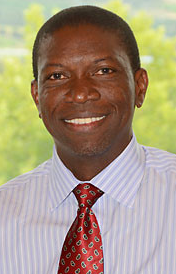 Olusegun Oyedele合作论文数Department of Cellular & Physiological Sciences, Faculty of Medicine, The University of British Columbia2
 Olalekan A Ayo-Yusuf合作论文数2Viljoen Alvaro M合作论文数2Allan J C合作论文数2
 Amadi O Ihunwo合作论文数Faculty of Medicine, Mbarara University of Science and Technology2Hardy G合作论文数2
 Irma Adele Mare合作论文数2Madan A K合作论文数2
 Scott Hazelhurst合作论文数School of Computer Science;University of the Witwatersrand;School of Computer Science, University of the Witwatersrand2Mario Altini合作论文数2
 Tobias Chirwa合作论文数Chancellor College, University of Malawi2
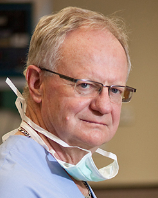 Jules Kieser合作论文数Faculty of Dentistry, University of Otago;Sir John Walsh Research Institute, University of Otago2John T Soley合作论文数2
 Mauro Farella合作论文数Sir John Walsh Research Institute, University of Otago2
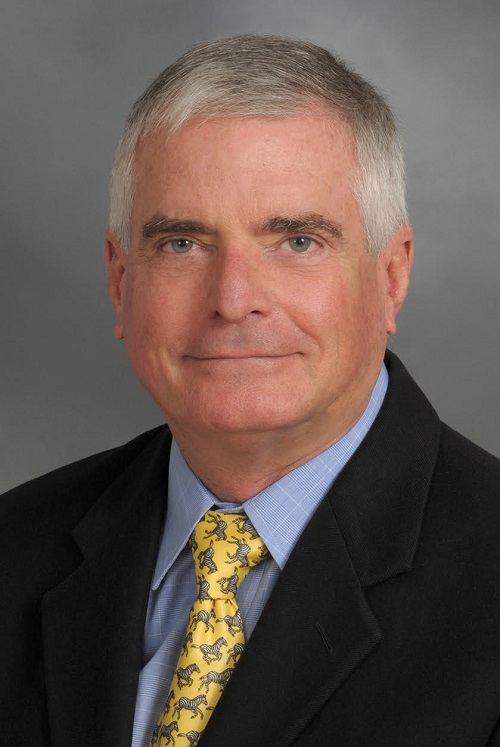 Frederick E. Grine合作论文数Departments of Anthropology, Stony Brook University;Departments of Anthropology and Anatomical Sciences, Renaissance School of Medicine, Stony Brook University2DJ EMBY合作论文数1C Rosendorff合作论文数1
 Peter Tsakiris合作论文数1Laura Borgno合作论文数1




