Posttraumatic elbow arthritis presents a difficult problem in young patients. Total elbow arthroplasty may not be suited to the functional demands placed on the prosthesis in younger, more active individuals. Interposition arthroplasty is a useful nonprosthetic alternative in these patients. Various biologic materials have been employed as an interpositional graft, with Achilles tendon allograft being the preferred material. Successful outcomes have been reported in 26% to 94% cases, with the best results in patients with posttraumatic arthritis with stiffness and no underlying instability. Poor prognostic factors associated with this procedure include malalignment and pre- and postoperative instability. Use of a hinged-distraction device to allow immediate postoperative range of motion while protecting the graft may further improve results. In those patients where postoperative instability occurs or where results deteriorate with time, stability and pain relief can be salvaged by conversion to a semiconstrained total elbow arthroplasty.
Tienda online donde Comprar Year Book of Orthopedics al precio 91,76 € de Bernard F. Morrey, tienda de Libros de Medicina, Libros de Cirugia - Cirugia General
Our purpose was to determine the incidence of transfusion in consecutive patients undergoing total elbow arthroplasty and examine the risk factors for transfusion. Between January 1, 1998, and December 31, 2002, 378 primary total elbow arthroplasties were performed. Risk factors analyzed included the preoperative level of hemoglobin, age, gender, and diagnosis. Indications for transfusion and associated complications were reviewed. The overall transfusion rate was 2.9%. Men and women had a similar incidence of transfusion. The risk of transfusion was not different between patients who underwent elbow arthroplasty for sequelae of trauma, rheumatoid arthritis, or osteoarthritis. Low preoperative hemoglobin level (P = .0002) and older age (P = .015) were risk factors for transfusion. There was no statistical difference in risk of transfusion by operative time. These data demonstrate that the rate of transfusion for total elbow arthroplasty varies by patient age and preoperative level of hemoglobin.
Hip instability remains a costly complication of primary (3%) and revision (10%) procedures. In those with well-oriented components, instability may be anticipated in about 70% from advancement of the trochanter. Articular reorientation readily is affected by the use of modular cups with elevated rims. This has proven to be an effective strategy both to lessen the likelihood of an initial dislocation after both primary and revision procedures. It has also proven to be an effective strategy to treat the unstable implant, especially if cup orientation has been defined as the primary problem. Larger head sizes in the range of low-friction arthroplasty, such as 32 mm, are not any more stable than 22-mm diameter implants. Anatomic-sized heads as used in bipolar devices are effective in treating established instability in up to 90% of instances. The most popular current option is that of the constrained head/cup articulation. Good short-term results have revealed success in more than 90%. However, the effectiveness is design dependent, and the long-term effectiveness understandably is questioned as reports of mechanical failure begin to emerge.
The clinical and radiographic results of 40 modern design condylar total knee arthroplasties (TKAs) in 29 patients with a confirmed diagnosis of Charcot joint were reviewed. The followup averaged 7.9 years (range, 2–15 years) for clinical and 6.4 years (range, 2–15) for radiographic surveillance. There was a significant improvement in Knee Society pain and function scores and ROM after knee arthroplasty. Extensive bone fragmentation and bone defect was present in 38 knees (95%). Metal wedge augments (10 knees, eight patient), autologous bone grafting (17 knees, 13 patients), and bone allografts (two knees, two patients) were used to reinforce the bony defects. Ligamentous instability necessitated the use of long stem components in 27 knees and rotating hinge prostheses in five knees. There were six reoperations for periprosthetic fracture (two knees, two patients), aseptic loosening (two knees, two patients), instability (one knee, one patient), and deep infection (one knee, one patient). Total knee arthroplasty may be offered to a select group of patients with end-stage neuropathic arthropathy. The basic principles of knee arthroplasty in restoring limb alignment, reinforcing bony defects by bone grafting or augmented prostheses, careful ligamentous balancing, and appropriate selection of constrained prostheses particularly are important in these patients. The technical challenges encountered during TKA in patients with neuropathic arthropathy, particularly in those with significant deformities, can require skills, implant systems, and methods usually reserved for complex revision arthroplasty.
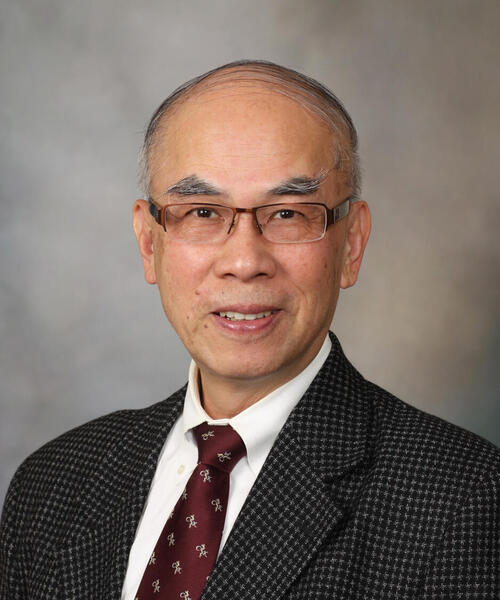 Kai-Nan An (安介南)合作论文数Department of Orthopedic Surgery, Mayo Clinic;Department of Physical Medicine and Rehabilitation, Mayo Clinic;College of Medicine and Science, Mayo Clinic6
 Graham J. W. King合作论文数Hand & Upper Limb Centre, Schulich School of Medicine and Dentistry, Western University
Department of Surgery, Western University4
Graham J. W. King合作论文数Hand & Upper Limb Centre, Schulich School of Medicine and Dentistry, Western University
Department of Surgery, Western University4 Shawn W. O'Driscoll合作论文数Mayo Foundation for Medical Education and Research;Department of Orthopedic Surgery, Mayo Clinic4
 f michael schultz合作论文数2Itoi E合作论文数2William P. Cooney合作论文数2Robert A. Adams合作论文数2
 Marc Swiontkowski合作论文数Department of Orthopedic Surgery, Medical School, University of Minnesota2S Kamineni合作论文数1scott salmon合作论文数1JOACHIM ROBERT合作论文数1david a leibel合作论文数1Theodore W. Parsons合作论文数1Theodore A Blaine合作论文数1Lawrence D. Dorr合作论文数1B C Edgerton合作论文数1dan nd floor cliffside park ueda合作论文数1Aaron G. Rosenberg合作论文数1Judith F. Baumhauer合作论文数1KENNETH A. KRACKOW合作论文数1G Paul DeRosa合作论文数1
 Gary Friedlaender合作论文数Pathology Faculty, Yale School of Medicine, Yale University1
 Francis Lee合作论文数Biomedical Engineering, School of Engineering & Applied Science, Yale University1
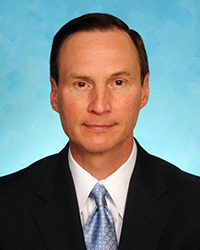 Sanford E. Emery合作论文数Department of Orthopaedics, West Virginia University1
 Allen F. Anderson合作论文数Tennessee Orthopedic Alliance1
 Kirk Dabney合作论文数1
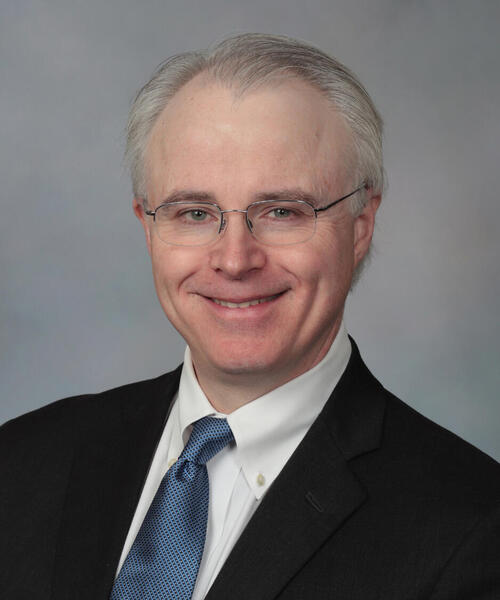 John W. Sperling合作论文数Department of Orthopedic Surgery, Mayo Clinic1Bosse Michael J合作论文数1Stans Anthony A合作论文数1
 Daniel J. Berry合作论文数Department of Orthopedic Surgery, Mayo Clinic;Core Center for Clinical Research in Total Joint Arthroplasty, Mayo Clinic1McFarland Edward G合作论文数1
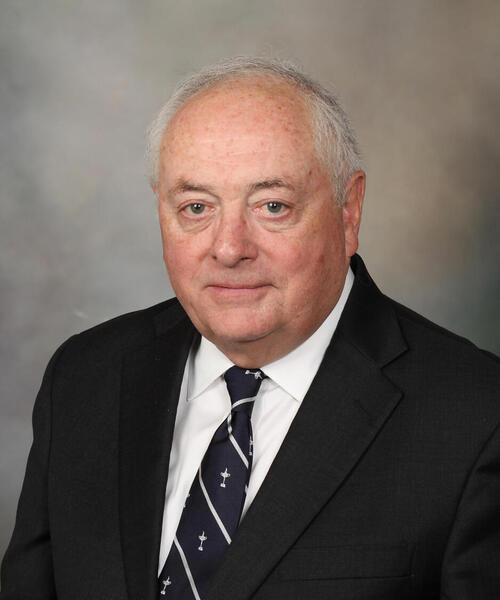 Robert H. Cofield合作论文数MayoClinic1Blaha J David合作论文数1L. Andrew Koman合作论文数1Zongping Luo合作论文数Soochow University1William S. Harmsen合作论文数Division of Biomedical Statistics and Informatics, Mayo Clinic1
 Vincent Pellegrini合作论文数Department Orthopaedics and Physical Medicine, College of Medicine, Medical University of South Carolina1
 Richard S. Laskin合作论文数Hospital for Special Surgery1Mark T. Scarborough合作论文数1
 James A. Hill合作论文数Division of Cardiovascular Medicine, Department of Medicine, College of Medicine, University of Florida;North Florida-South Georgia Veterans Health System-Gainesville;UF Health Shands Hospital1
 Clive P Duncan合作论文数1Mark C. Gebhardt合作论文数1Frank J. Frassica合作论文数1Dan M. Spengler合作论文数1
 Thomas Peter Sculco合作论文数Hospital for Special Surgery;Weill Cornell Medical College, Cornell University1
 James Urbaniak合作论文数1L. Scott Levin合作论文数1
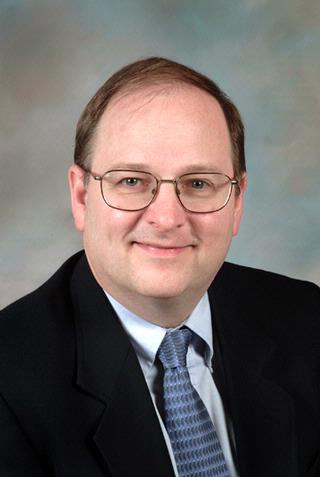 Randy N. Rosier合作论文数Department of Orthopaedics, School of Medicine and Dentistry, University of Rochester Medical Center1
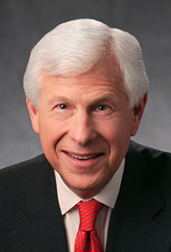 Stuart L. Weinstein合作论文数Department of Orthopedics and Rehabilitation, Carver College of Medicine, University of Iowa1




