Safety and real-time performance are key requirements for decision-making and motion planning in intelligent vehicles. However, existing learning-based methods lack interpretability in terms of safety, making it difficult to effectively avoid collision risks. Additionally, rule-based approaches face challenges such as planning failures and limited real-time performance. To address these issues, an integrated framework for real-time decision-making and motion planning focused on collision avoidance is proposed. First, in terms of safety, a vehicle motion-based safety assessment module (VMSA) is developed to provide interpretable safety guarantees. This ensures continuous checking and timely adjustment of lane change gap, effectively preventing planning failures. Second, in terms of real-time performance, a motion planning module based on multi-objective deep reinforcement learning (DRL) and transfer learning is designed to optimize motion trajectory generation. Additionally, a DRL policy based on global traffic features is proposed to optimize lane selection, and curriculum learning is employed to enhance training stability. Simulation results show that, compared with other methods, the proposed framework enables real-time decision-making while effectively improving driving efficiency and safety.
Robust perception in autonomous driving, especially under adverse weather conditions, remains a significant challenge. While 4D imaging radar offers a cost-effective and weather-resilient alternative to LiDAR, its data is inherently noisy. The noise not only corrupts single-frame perception but also propagates through time, leading to a lack of temporal reliability for downstream radar-camera fusion methods. To solve these problems, this paper proposes RFusion4D, a novel and robust feature-level fusion framework for 4D radar and camera, designed to ensure high performance in all-weather scenarios. RFusion4D introduces a two-fold strategy, realizing a learning process constrained by physics-based priors from the signal domain. First, unlike conventional geometric-level filtering, a signal reliability learning module is proposed to operate directly on the 4D radar’s Radio Frequency (RF) domain. By learning features from the signal’s spatial, spectral and temporal characteristics, this module effectively denoises the source data and provides a reliability score for each point. Secondly, a confidence-aware temporal encoder is introduced that leverages historical data to enhance detection stability. The learned signal confidence score acts as an attention bias within the temporal fusion process, enabling the model to dynamically prioritize more reliable historical cues while mitigating the impact of noise. A dedicated dataset featuring challenging high-speed driving scenarios in rain and fog is collected for evaluation. Extensive experiments show that RFusion4D significantly outperforms baseline methods with a 10.44% improvement in detection accuracy and a 44.59% improvement in temporal reliability, validating its effectiveness and robustness for all-weather autonomous driving perception.
Intelligent vehicles are expected to operate safely under diverse traffic conditions, but ensuring lateral stability in long-combination vehicles (LCVs) remains a critical challenge. While most prior research focuses on enhancing stability, little attention has been given to stable but unsafe (SBUS) conditions. This paper proposes a framework based on modal-analysis to evaluate the dynamic behavior of B-double vehicles. Firstly, the state–variable substitution method is proposed to develop the second-order dynamic model of the B-double vehicle with articulation angles as the state vector and validated through numerical simulations. Then the modal shapes of the B-double vehicle are identified, and the characteristics of each modal shape are determined. To verify the analysis result, the B-double dynamic model is tested under single-lane change (SLC) and emergency obstacle avoidance (EOA) scenarios in Matlab/Simulink with different excitation frequency inputs. Results show that SBUS conditions significantly affect vehicle safety and should be considered as an evaluation criterion. The proposed approach provides a more comprehensive indicator of LCV performance, offering valuable guidance for vehicle design and contributing to safer intelligent vehicle operations in mixed traffic environments.
High-fidelity simulation of background vehicle (BV) is essential for training and validating autonomous driving decision-making in complex urban traffic. Such simulation requires both closed-loop interaction and physical feasibility of vehicle maneuvers. However, many existing BV models rely on predefined trajectories or decoupled car-following and lane-changing rules. This design limits interaction realism and often leads to inconsistent lateral-longitudinal behaviors under strong conflicts. This paper proposes IDC-driver, a microscopic BV behavior modeling framework based on a simplified Integrated Decision and Control (IDC) architecture. The framework integrates human-centric reference-path selection, Frenet-frame obstacle-avoidance trajectory sampling, and dynamics-constrained Model Predictive Control (MPC) tracking into a unified closed-loop pipeline. Experiments conducted on the Large-scale Vehicle Simulation (LasVSim) platform show that IDC-driver can stably execute car-following, lane-changing, and forced merging while maintaining dynamically feasible motions. Furthermore, the simulated time-headway distribution matches the HighD dataset within the target speed range. Urban-scenario benchmarking against a baseline method further demonstrates reduced collision rates and smoother longitudinal and lateral control behaviors. These results indicate that IDC-driver provides a scalable and interaction-capable BV modeling tool for urban scenario testing.
Reinforcement learning (RL) has exhibited substantial potential in sequential decision-making and optimal control tasks. Currently, mainstream RL algorithms are predominantly data-driven, which typically deliver superior asymptotic performance yet suffer from slower convergence compared to model-driven counterparts. In this paper, we propose a mixed policy gradient (MPG) algorithm that integrates empirical data and transition models within the policy gradient (PG) framework, aiming to accelerate RL convergence without compromising performance. Specifically, MPG is formulated as a fusion of data-driven and model-driven PGs: the former corresponds to the gradient of the Q-value function, while the latter denotes the gradient of the model-predictive return. Critically, by minimizing the mean squared error of MPG bias, we find that the optimal weight of the data-driven PG is positively correlated with the bias of the model-driven PG, and vice versa. To further investigate the mathematical formulation of PG bias, we adopt the n-step rollout of a differentiable model to replace the Q-value function in deterministic PG, which degenerates to the data-driven PG when n approaches 0 and the model-driven PG when n approaches infinity. We then prove that the bias bound of this unified PG is exponentially amplified by model predictive error and attenuated by Q-value estimation error as n increases. Building on this theoretical insight, we finally derive a practical algorithmic implementation by substituting the bias in the optimal weight with its upper bound. Experimental results demonstrate that our MPG method not only achieves superior asymptotic performance but also accelerates learning compared to both data-driven and model-driven baseline algorithms.
Purpose The purpose of this study is to improve the accuracy of industrial robot kinematic parameter identification and position accuracy by solving the problem of insufficient consideration of error sources in the kinematic parameter identification model and optimizing the selection of measurement pose set. Design/methodology/approach In this study, a kinematic calibration method for industrial robots considering multiple error sources is proposed. Based on the Modified Denavit Hartenberg (MD-H) model, a robot kinematics identification model including joint reduction ratio error, target ball installation error and coordinate system transformation error is established. Taking the optimal observability index O1 and the minimum flexible deformation as the optimization objectives, a measurement pose set optimization method based on Non-dominated Sorting Genetic Algorithm II (NSGA-II) is proposed to obtain a measurement pose set with higher identification accuracy. Findings Through experiments conducted with the Nantong Zhenkang ZK1400-6 robot as the test subject, the kinematic parameters identified by the optimized measurement pose set are more accurate than the randomly selected measurement pose set, and the positioning accuracy of the robot is improved from 2.11 to 0.31 mm, an increase of 85.3%. Originality/value This study introduces a position error model that comprehensively accounts for the error sources causing positioning inaccuracies. Building on this foundation, a novel flexible deformation index is proposed to quantify the flexible deformation in the measurement pose set, thereby reducing the impact of such deformation on the position error in the model. To the best of the authors’ knowledge, for the first time, this study presents an optimization method for the measurement pose set based on NSGA-II, using the flexible deformation index and observability index as objectives for multi-objective optimization, simultaneously optimizing the pose error and Jacobian matrix in the error model.
Reinforcement learning (RL) is widely used to tackle optimal control problems, with optimality conditions as the principle of algorithm design. Two key optimality conditions are the Pontryagin Maximum Principle (PMP) and the Hamilton-Jacobi-Bellman (HJB) equation. The relationship between these conditions is vital for developing effective policy learning algorithms. Existing studies mainly focus on their relationship in the open-loop optimality, but this property cannot be directly extended to nonoptimal or closed-loop cases due to the absence of extreme condition and the existence of non-zero partial derivative term. This paper unifies the relationship between PMP and HJB equations in all cases by considering optimal control problems as nonholonomic Lagrange systems, and proves the intrinsic equivalence between value function and costate variable from the perspective of Hamilton dynamics. We redefine costate variable as Legendre transformation of state derivative in nonholonomic Lagrange systems, where the Weierstrass condition is selected as a constraint for optimal cases while fixed policy condition is chosen for nonoptimal cases. By utilizing the anti-symmetric property of canonical equations, we identify conservation properties in optimal control where symplectic form remains invariant across all cases. Additionally, we prove that the costate variable has the identical differential equation and boundary conditions as the partial derivative of value function with respect to state in both optimal and nonoptimal, open-loop and closed-loop cases. Numerical experiments are conducted to verify our theoretical results. This discovery can establish more readily available conservation conditions, thereby providing a high-level view angle on algorithm designs.
This paper presents a novel method for predicting motor vehicle trajectory behavior, addressing the challenges of uncertainty and autonomy in trajectory forecasting. Our approach, DenseVectorNet, leverages a human–vehicle–road coupling model to extract interaction features through urban road traffic scene modeling, combining rasterized and vectorized coding to capture map and traffic participant features. The model integrates a hierarchical vector graph neural network, a convolutional neural network, and a multilayer perceptron to obtain global and local context features, enabling accurate trajectory prediction for surrounding vehicles. By incorporating vehicle-to-vehicle, vehicle-to-road, and vehicle-to-person interactions, our method significantly enhances prediction accuracy in complex road scenarios. Experimental results on the Waymo Open Motion Dataset demonstrate superior performance, with a minimum Average Displacement Error (minADE) of 0.8118 and a minimum Final Displacement Error (minFDE) of 1.6364, outperforming most existing models. These findings validate the effectiveness of our approach in improving trajectory prediction accuracy.
For better lateral dynamic stability of an A-double vehicle (comprising a tractor, semitrailer, dolly, and another semitrailer) at high speeds, it is a practical and economical way to control the dolly, a linking structure for long combination vehicles (LCVs). This paper proposes a simple differential brake control strategy based on the feedback of the yaw rate of the dolly. A stability analysis approach is employed by exploring the relationship between damping ratios and speeds, and the critical speed of an A-double vehicle is found. Next, the relationship between the A-double vehicle's damping ratios and the feedback parameter employed in this differential brake control approach is examined, showing that a more favorable feedback value can raise the vehicle's minimum damping ratio. Finally, the method of selecting feedback parameters is also provided, considering the adhesion utilization demanded by the dolly. The time-domain simulation confirms that the stability analysis utilizing the damping ratio is accurate. Using MATLAB/Simulink at various speeds, the effectiveness of this control strategy is tested under single lane-change operations. According to these simulation results, the A-double vehicle using the differential control strategy has a higher critical speed and maintains stability during single lane-change operations at high speeds. This verified that the simple differential brake control strategy has the potential to significantly increase the lateral dynamic stability of the A -double vehicle at high speeds during single-lane change operations economically and practically.
Achieving high-level autonomous driving poses significant challenges, primarily due to the extensive and time-consuming testing required for low-probability abnormal behavior scenarios. Existing simulation platforms are limited by microscopic traffic flow models based on car-following and lane-changing theories (focused on the behavior of individual vehi-cles), which limits the implementation of complex and diverse abnormal behaviors such as road deviation and cutting in. This paper proposes an Abnormal behavior Generation model based on Event Probability triggers and Static paths (AGEPS model), which is capable of continuously and automatically generating abnormal behaviors without disrupting normal traffic flow. The AGEPS model is computationally efficient and scalable, as it decouples path optimization and trajectory tracking from obstacle avoidance, using explicit control law for both tracking and avoidance. The paper demonstrates three typical abnormal behaviors: Overtaking on the Right (OOR), Driving on the Lane Line (DOL), and Sudden Braking (SUB), indicating that the AGEPS model effectively generates these behaviors by selecting and tracking target static paths while adjusting lateral offsets and desired speeds. Experimental results validate the AGEPS model's effectiveness and its ability to generate abnormal behaviors continuously. Simulation results indicate that the AGEPS model reduces single-step computation time (including decision-making and control) by over 92.8 % compared to the MPC controller, with a single-step execution time of just 4 ms.
Level 3 automated driving systems require drivers to occasionally retake control, making it crucial to understand factors influencing takeover performance. This study investigates how single versus multiple non-driving-related tasks (NDRTs) affect driver behavior, perceptions, and takeover capability. Using a high-fidelity driving simulator with 32 participants, conditions varying NDRT types and task-switching frequency were examined. Results indicate that diverse NDRT engagement and frequent task switching significantly influence takeover performance. Moreover, our decision tree models highlighted the number of NDRT types and task-switching frequency as critical predictors of driver response effectiveness. These findings underscore the importance of accounting for task engagement diversity and switching behaviors in automated vehicle system design. This study provides practical implications for optimizing human-automation interactions and enhancing the safety of automated driving systems by managing drivers' attentiveness for their in-cabin activities.
For driver-automation collaborative driving, accurately monitoring driver state in smart cockpits is crucial for enhancing safety, comfort, and human-computer interactions. However, existing research lacks clarity regarding the relationships among driver states, and there is no consensus on the optimal physiological channels to reliably capture these states. This study examined three critical psychological constructs (i.e., perceived risk, trust in the automated driving system, and driver fatigue) using a 37-participant driving simulation experiment. We manipulated multiple factors to induce distinct driver states among participants and recorded subjective scale ratings, heart rate variability, galvanic skin response, and eye movement data. Subjective scale ratings were adopted as the ground truth to examine the corresponding measurement relationships between different physiological signals and the three targeted dimensions of driver states. Our results proved that perceived risk, trust, and fatigue were independent constructs and exhibited distinct and significant associations with physiological metrics from corresponding measurement channels. Specifically, perceived risk correlated with sympathetic and parasympathetic activation, as reflected by heart rate variability metrics such as standard deviation of normal-to-normal intervals and root mean square of successive differences. Trust exhibited negative correlations with galvanic skin response indicators of physiological arousal, including skin conductance level and skin conductance responses, etc. Fatigue, meanwhile, showed consistent correlations with eye movement metrics like percentage of eye closure and mean fixation duration. These findings validate the specificity of physiological metrics as objective indicators for each driver state construct, highlighting their potential for real-time in-cabin monitoring, and contributes to improving traffic safety and comfort of automated vehicles.
Drivers' take-over performance in conditionally automated driving is simultaneously affected by multiple factors, making the involved causal relationships complex. Although existing studies have explored the mechanism, there is still a lack of models for comprehensively analyzing drivers' take-over performance under diverse meteorological visibility and take-over time budget (TB) conditions. This study established a structural equation model to systematically investigate the complicated causal relationships among TB, meteorological visibility, drivers' attention, and take-over performance. Based on a driving simulation experiment, we developed a measurement model of drivers' attention and take-over performance via confirmatory factor analysis. We deconstructed take-over performance into three aspects: reaction time, control instability, and safety margin. Subsequently, we revealed the causal relationships among the above factors by using path analysis. Our results demonstrated the significant total effects of meteorological visibility on reaction time and safety margin, where the indirect effects are mediated by drivers' attention. However, we found that meteorological visibility barely impacts the control instability aspect of take-over performance. Moreover, the direct effects of TB and drivers' attention on take-over performance were substantial. This study reveals the complex mechanism of take-over performance under diverse conditions and provides a theoretical basis for enhancing the safety and user experience of conditionally automated vehicles.
Reinforcement learning (RL) has gained significant interest for its potential to improve decision and control in autonomous driving. However, current approaches have yet to demonstrate sufficient scenario generality and observation generality, hindering their wider utilization. To address these limitations, we propose a unified benchmark simulator for RL algorithms (called IDSim) to facilitate decision and control for high-level autonomous driving, with emphasis on diverse scenarios and a unified observation interface. IDSim is composed of a scenario library and a simulation engine, and is designed with execution efficiency and determinism in mind. The scenario library covers common urban scenarios, with automated random generation of road structure and traffic flow, and the simulation engine operates on the generated scenarios with dynamic interaction support. We conduct four groups of benchmark experiments with five common RL algorithms and focus on challenging signalized intersection scenarios with varying conditions. The results showcase the reliability of the simulator and reveal its potential to improve the generality of RL algorithms. Our analysis suggests that multi-task learning and observation design are potential areas for further algorithm improvement.
Autonomous driving simulation is crucial for testing autonomous driving functions and iterating algorithms. However, most current studies focus solely on normal traffic behaviors, such as car-following or lane-changing, while neglecting abnormal traffic behaviors that are very important for autonomous vehicle training and testing, such as random deviations from the road centerline, random desired speeds, etc. This paper introduces an innovative method that integrates car-following and lane-changing behaviors into a unified framework by designing a path value evaluation function for static path optimization and performing optimal path-following obstacle avoidance. This method allows for random deviations from the road centerline and random desired speeds. By utilizing the highD dataset for model calibration, the simulated traffic flow closely mirrors real-world conditions. Simulation experiments indicate that this model can simulate complex and diverse vehicle driving behaviors, particularly in scenarios involving deviations from the road centerline and abnormal speeds, with the average following distance reaching 95.2% of the standard value. Copyright (c) 2024 The Authors.
Take-over performance plays a significant role in evaluating drivers' state, and serves as a crucial reference for enhancing control transitions in the context of conditionally automated driving. In this study, we aim to predict minimum anticipated collision time (min ACT), an indicator of drivers' take-over performance, in expectation of promoting safer take-overs via deep learning, so that drivers' state detriment of take-over safety could be adjusted accordingly with intelligent human-machine interaction algorithms predictably. By incorporating multi-source information including drivers' state, drivers' demographics, surrounding traffic features as well as driver-vehicle interaction characteristics, network model “ACTNet” was proposed to facilitate continuous estimation. Depthwise separable convolution and non-local self-attention were utilized to prevent overfitting and establish spatial dependency over fixation heatmap, respectively. To overcome data distribution imbalance, class balanced loss was used in conjunction with regression loss to realize more accurate predictions. Driving simulator experiment was conducted with dataset collected for the subsequent verification of the proposed algorithm. Potentialities of deep learning methods were highlighted for take-over studies, contributing to the design of intelligent human-machine interaction systems in conditional automation. Our findings present a valid method of deep learning in predicting drivers' take-over performance and meanwhile have implications for the development of intelligent adaptive take-over time budget regulation and dynamic drivers' state adjustment algorithms.
Reinforcement learning (RL) shows great potential in sequential decision-making. At present, mainstream RL algorithms are data-driven, which usually yield better asymptotic performance but much slower convergence compared with model-driven methods. This paper proposes mixed policy gradient (MPG) algorithm, which fuses the empirical data and the transition model in policy gradient (PG) to accelerate convergence without performance degradation. Formally, MPG is constructed as a weighted average of the data-driven and model-driven PGs, where the former is the derivative of the learned Q-value function, and the latter is that of the model-predictive return. To guide the weight design, we analyze and compare the upper bound of each PG error. Relying on that, a rule-based method is employed to heuristically adjust the weights. In particular, to get a better PG, the weight of the data-driven PG is designed to grow along the learning process while the other to decrease. Simulation results show that the MPG method achieves the best asymptotic performance and convergence speed compared with other baseline algorithms.
Reinforcement learning (RL) has demonstrated considerable potential in addressing intricate control and decision problems such as vehicle tracking control and obstacle avoidance. Nonetheless, the control policies acquired through RL often lack smoothness even in the presence of minor noises or disturbances, which may induce oscillations, overheating, and even damage to the system in real-world applications. Existing methods handle this issue from temporal or spatial domains and are often tightly coupled with specific tasks. This paper studies the smoothness of control policy from the frequency domain perspective. We propose a class of neural networks with low-pass filtering ability, named Smonet, to alleviate the non-smooth issue by learning a low-frequency representation within hidden layers. Smonet features with serial filtering layers responsible for low-pass filtering of the input signal. Each filtering layer contains multiple inertia cells, one adaptive cell, and one activation layer. To facilitate the filtering ability of Smonet, we further proposed a Smonet-based RL training method by integrating an extra regularization term relating to filtering factors to standard RL loss. Finally, we assess the efficacy of Smonet through diverse simulated robot control tasks and a real-world mobile robot obstacle avoidance experiment, comparing its performance with two commonly utilized networks, multi-layer perceptron and gated recurrent unit. Results indicate that Smonet consistently enhances policy smoothness under various observation noises without compromising control performance. Notably, it achieves up to a 72.7% reduction in the action fluctuation ratio compared to traditional network structures.
In the realm of automated driving, automated valet parking (AVP) systems represent a significant leap towards enhancing urban mobility and safety. While existing research has explored various aspects of AVP systems, there is a notable gap in the literature specifically addressing AVP systems in relation to their impact on driver workload and trust. This study evaluates a Level 2 AVP system implemented in a vehicle, focusing on its impact on driver workload and trust. We utilized eye-tracking, physiological monitoring, and self-reported surveys to capture driver responses during AVP operation compared to manual parking. Results indicated a trend towards reduced workload during AVP use, as suggested by eye-tracking data, and a decrease in physiological markers of stress, although these differences were not statistically significant. Driver trust in the AVP system significantly increased after hands-on experience. However, an increase in mobile device usage signaled potential issues of overreliance on automation. The findings underscore the importance of integrating human factors into AVP system design to balance workload reduction with the prevention of overreliance, ultimately enhancing driver engagement and calibrating trust.
In the area of autonomous driving, it typically brings great difficulty in solving the motion planning problem since the vehicle model is nonlinear and the driving scenarios are complex. Particularly, most of the existing methods cannot be generalized to dynamically changing scenarios with varying surrounding vehicles. To address this problem, this development here investigates the framework of integrated decision and control. As part of the modules, static path planning determines the reference candidates ahead, and then the optimal path-tracking controller realizes the specific autonomous driving task. An innovative and effective constrained finite-horizon approximate dynamic programming (ADP) algorithm is herein presented to generate the desired control policy for effective path tracking. With the generalized policy neural network that maps from the state to the control input, the proposed algorithm preserves the high effectiveness for the motion planning problem towards changing driving environments with varying surrounding vehicles. Moreover, the algorithm attains the noteworthy advantage of alleviating the typically heavy computational loads with the mode of offline training and online execution. As a result of the utilization of multi-layer neural networks in conjunction with the actor-critic framework, the constrained ADP method is capable of handling complex and multidimensional scenarios. Finally, various simulations have been carried out to show that the constrained ADP algorithm is effective.
 Shengbo Li (李升波)合作论文数School of Vehicle and Mobility, Tsinghua University68
 Wenjun Wang (王文军)合作论文数School of Vehicle and Mobility, Tsinghua University52
 Jingliang Duan (段京良)合作论文数19Shaobing Xu (徐少兵)合作论文数19
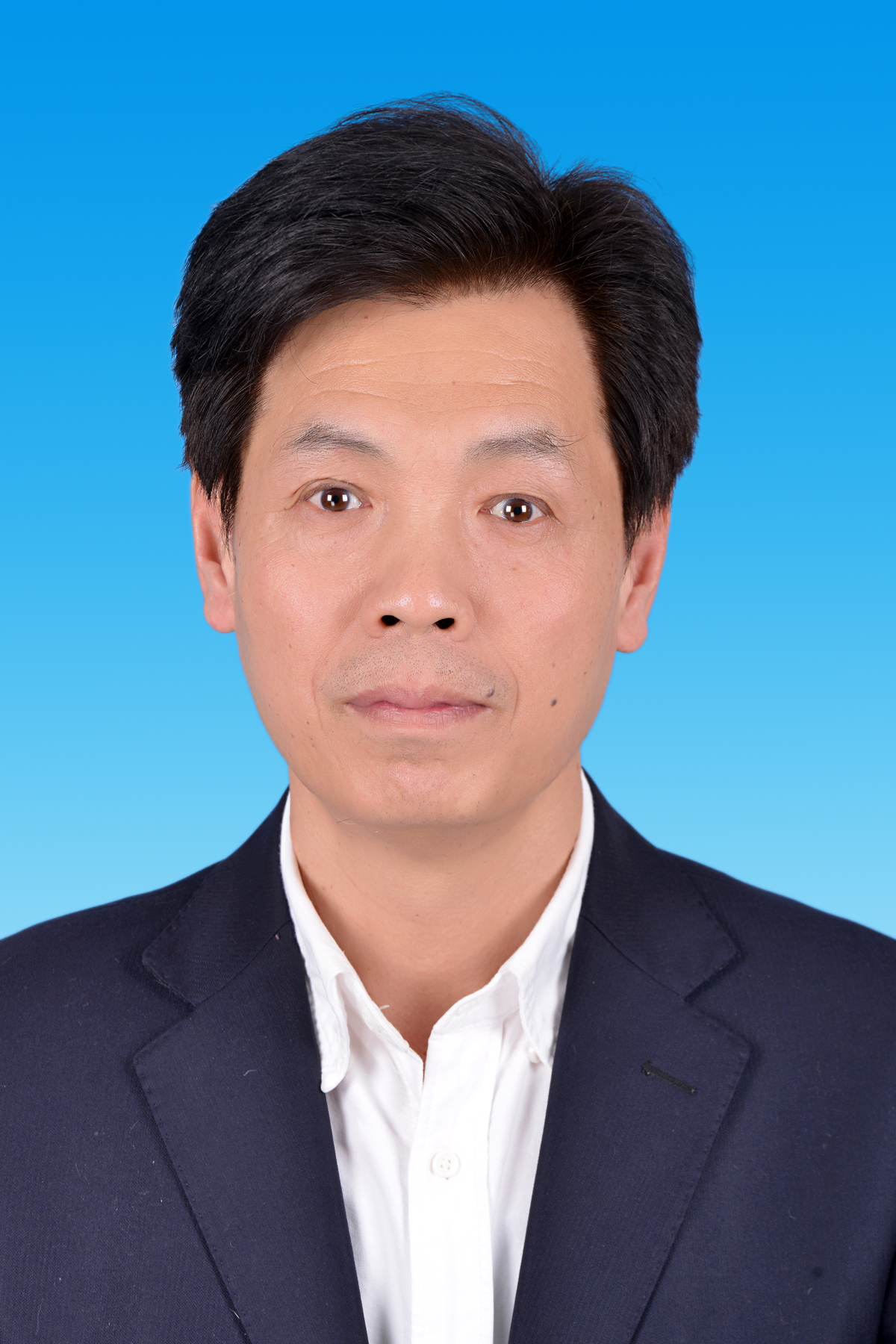 Guofa Li (李国发)合作论文数College of Geophysics, China University of Petroleum-Beijing16
 Keqiang Li (李克强)合作论文数State Key Laboratory of Intelligent Green Vehicle and Mobility, School of Vehicle and Mobility, Tsinghua University;National Innovation Center of Intelligent and Connected Vehicles, Tsinghua University15
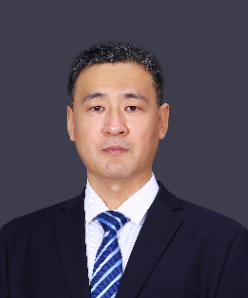 Qingfeng Lin (林庆峰)合作论文数School of Transportation Science and Engineering, Beihang University14
 Chaofei Zhang (张超飞)合作论文数13
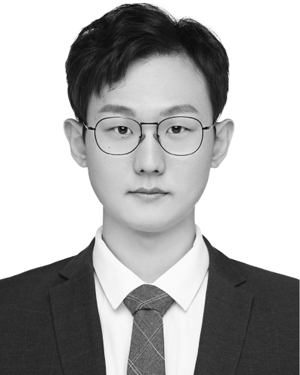 Qingkun Li合作论文数12
 Zhenyuan Wang合作论文数11xin tao合作论文数10
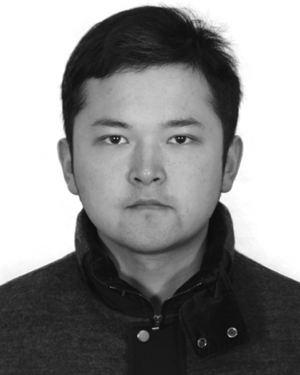 Renjie Li合作论文数9
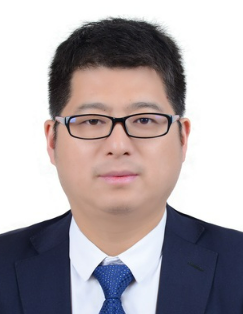 Hongbo Gao (高洪波)合作论文数Department of Automation, School of Information Science and Technology, University of Science and Technology of China9RuiJia Feng (冯睿嘉)合作论文数8Yuan Liao合作论文数8
 Chaoyang Chen合作论文数Department of Biomedical Engineering, Wayne State University;Detroit Medical Center7
 Yang Guan (关阳)合作论文数School of Vehicle and Mobility, Tsinghua University7Xiaoping Jin合作论文数7
 Haitong Ma (马海铜)合作论文数Kenneth C. Griffin Graduate School of Arts and Sciences, Harvard University;Google DeepMind6
 Weimin Liu合作论文数6Xiangjie Meng合作论文数6
 Ziyu Lin合作论文数School of Vehicle and Mobility, Tsinghua University6
 Guangquan Lu (鲁光泉)合作论文数School of Transportation Science and Engineering, Beihang University6
 Anderson Dennis E合作论文数Center for Advanced Orthopaedic Studies, Beth Israel Deaconess Medical Center6
 Qi Sun合作论文数6
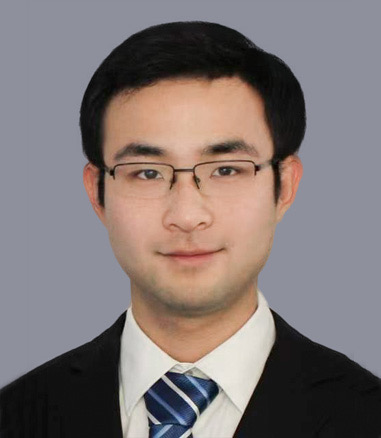 Chang Liu (刘畅)合作论文数School of Advanced Manufacturing and Robotics, Peking University5
 Jianyu Chen (陈建宇)合作论文数Institute for Interdisciplinary Information Sciences, Tsinghua University;Shanghai Qi Zhi Institute;Robot Era5
 Yangang Ren合作论文数State Key Lab of Automotive Safety and Energy, School of Vehicle and Mobility5
 Long Xin合作论文数5FeiRuo Zhang (张非若)合作论文数5
 Bo Wang (王波)合作论文数School of Vehicle and Mobility, Tsinghua University5Jiawen Li (李家文)合作论文数5Wenxuan Wang合作论文数4ZHANG Guang-yuan (张广渊)合作论文数4
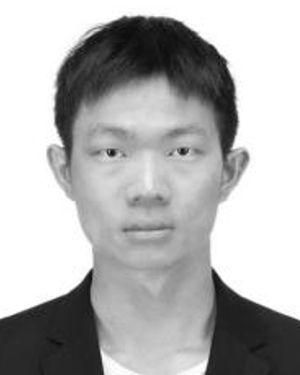 Lian Hou合作论文数4
 Paul Green合作论文数Department of Statistics, College of Literature, Science, and the Arts, University of Michigan-Ann Arbor4
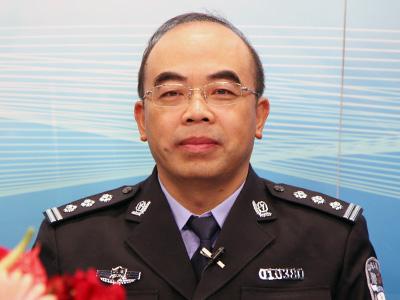 Bingsong Mei (梅冰松)合作论文数Institute of Evidence Law and Forensic Science, CUPL4
 Fang Chen合作论文数Changsha Automotive Innovation Research Institute, Jilin University4
 Quan Yuan (袁泉)合作论文数School of Vehicle and Mobility, Tsinghua University4
 Chao Zeng (曾超)合作论文数School of Resource and Environmental Sciences, Wuhan University4
 Jianqiang Wang (王建强)合作论文数School of Vehicle and Mobility, Tsinghua University4
 Bo Zhang (张波)合作论文数Department of Electrical Engineering, Tsinghua University4
 Huei Peng (彭晖)合作论文数Department of Mechanical Engineering, University of Michigan4
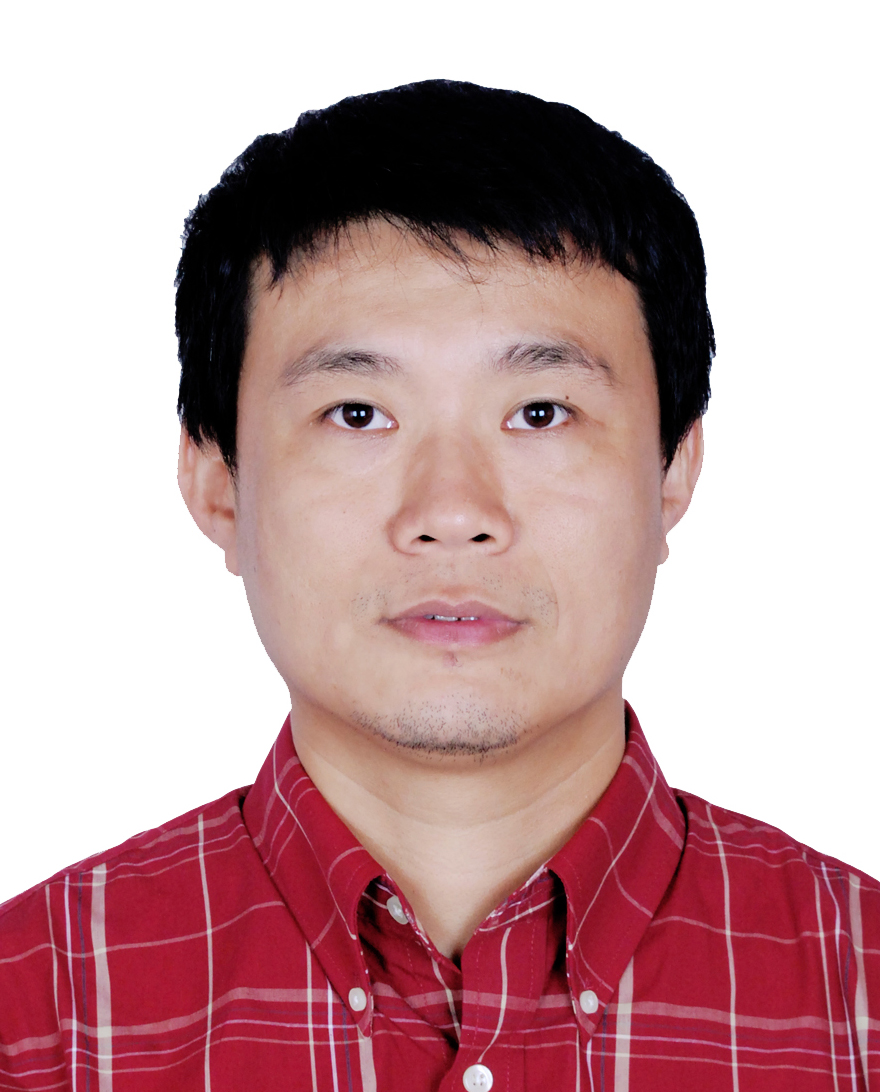 Xingda Qu (曲行达)合作论文数College of Mechatronics and Control Engineering,Shenzhen University4
 Shen Li (李深)合作论文数Department of Civil Engineering, School of Civil Engineering, Tsinghua University3
 Ziyi Su合作论文数3
 Jie Li (李杰)合作论文数College of Mechanical and Vehicle Engineering, Chongqing University3
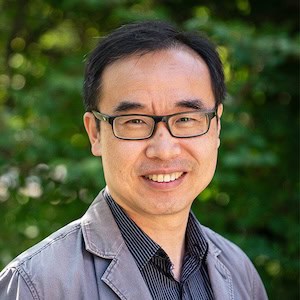 Jingwen Hu合作论文数Department of Industrial and Operations Engineering, College of Engineering, University of Michigan;Transportation Research Institute, College of Engineering, University of Michigan3




