BACKGROUND:The introduction of genomic profiling as a tool for molecular classification and clinical outcome prediction has revolutionised the care of patients with brain tumours. Artificial intelligence (AI) provides advanced avenues to convert complex genomic information into routinely available patient-level information. In this study, we aimed to evaluate whether deep learning could robustly characterise molecular subtypes, predict risk of recurrence, and identify salient chromosome copy number alterations in haematoxylin and eosin (H&E)-stained tissue samples of the most common brain tumour, meningioma. METHODS:For this retrospective, multicentre, model development and validation study, we created a cohort of meningioma cases with paired DNA methylation and matched digitised H&E images. The cohort included a training dataset consisting of a cross-section of real-world clinical cases from the National Cancer Institute (USA; n=439) and a dataset comprising real-world clinical cases from the University Health Network (Canada; n=166). A second test dataset consisting of WHO grade 2 meningiomas after gross total resection (from the Mayo Clinic, USA; n=67) was used for additional clinical validation. We trained and validated five dedicated deep learning models to use H&E staining alone to predict the following: molecular classification of meningiomas (ie, molecular groups 1-4 [MG1-4], which are associated with homogeneous biology and clinical outcomes); three relevant chromosome arm aneuploidies (1p loss, 1q gain, and 22q loss); and DNA methylation-based 5-year progression-free survival risk group (high vs low). Area under the receiver operating characteristic curve (AUC) and balanced accuracy were used to assess classifier performance, and differences in progression-free survival between groups predicted to be at high or low risk of recurrence were compared using the log-rank test. FINDINGS:Our deep learning classifier achieved balanced accuracies of 87-97% for predicting meningioma molecular group from H&E staining when an output probability threshold of 0·4 was used. AUCs were 0·98 (95% CI 0·97-1·00) for MG1 versus other molecular groups, 0·96 (0·94-0·99) for MG2 versus other molecular groups, 0·81 (0·74-0·88) for MG3 versus other molecular groups, and 0·88 (0·83-0·94) for MG4 versus other molecular groups. AUCs for chromosome-level alterations were 0·86 (0·80-0·92) for chromosome 1p loss, 0·86 (0·79-0·93) for chromosome 22q loss, and 0·79 (0·65-0·91) for chromosome 1q gain. The dedicated outcome prediction model was prognostic for progression-free survival after adjusting for WHO grade, extent of resection, and patient age (hazard ratio 3·49, 95% CI 1·54-7·91; p=0·0028). INTERPRETATION:To our knowledge, this study is the first to apply deep learning models that can, beyond diagnosis, identify molecular subtypes and predict outcomes in a single brain tumour entity (meningioma) using H&E staining alone. To date, treatment tailoring and individualised risk prediction for meningioma have only been possible using resource-intensive genomic profiling. The study shows the broad clinical utility of applying AI modelling to readily available H&E-stained samples to democratise access to genomic information globally. FUNDING:Canadian Institutes of Health Research and Brain Tumour Charity.
Current Large Multimodal Models (LMMs) struggle with spatial reasoning tasks requiring viewpoint-dependent understanding, largely because they are confined to a single, static observation. We propose Thinking with Novel Views (TwNV), a paradigm that integrates generative novel-view synthesis into the reasoning loop: a Reasoner LMM identifies spatial ambiguity, instructs a Painter to synthesize an alternative viewpoint, and re-examines the scene with the additional evidence. Through systematic experiments we address three research questions. (1) Instruction format: numerical camera-pose specifications yield more reliable view control than free-form language. (2) Generation fidelity: synthesized view quality is tightly coupled with downstream spatial accuracy. (3) Inference-time visual scaling: iterative multi-turn view refinement further improves performance, echoing recent scaling trends in language reasoning. Across four spatial subtask categories and four LMM architectures (both closed- and open-source), TwNV consistently improves accuracy by +1.3 to +3.9 pp, with the largest gains on viewpoint-sensitive subtasks. These results establish novel-view generation as a practical lever for advancing spatial intelligence of LMMs.
Foundation models for echocardiography promise to reduce annotation burden and improve diagnostic consistency by learning generalizable representations from large unlabeled video archives. However, current approaches fail to disentangle anatomical signal from the stochastic speckle and acquisition artifacts that dominate ultrasound imagery. We present EchoJEPA, a foundation model for echocardiography trained on 18 million echocardiograms across 300K patients, the largest pretraining corpus for this modality to date. We also introduce a novel multi-view probing framework with factorized stream embeddings that standardizes evaluation under frozen backbones. Compared to prior methods, EchoJEPA reduces left ventricular ejection fraction estimation error by 19
Abstract Protein function annotation is fundamental to understanding biological mechanisms, designing therapeutics, and advancing biomedical research. Current computational methods either rely on shallow sequence similarity or treat function prediction as isolated classification tasks, failing to capture the integrative reasoning across sequence, structure, domains, and interactions that expert biologists perform to infer function. We introduce BioReason-Pro, the first multimodal reasoning large language model (LLM) for protein function prediction that integrates protein embeddings with biological context to generate structured reasoning traces. A key input into BioReason-Pro is the set of GO term predictions made by GO-GPT, our autoregressive transformer that captures hierarchical and cross-aspect dependencies of GO terms. BioReason-Pro is trained via supervised fine-tuning on synthetic reasoning traces generated by GPT-5 for over 130K proteins and further optimized through reinforcement learning. It achieves 73.6% F max on GO term prediction and an LLM judge score of 8/10 on functional summaries, substantially outperforming previous methods. Evaluations with human protein experts show that BioReason-Pro annotations are preferred over ground truth UniProt annotations in 79% of cases. Remarkably, BioReason-Pro predicted a novel interaction partner for the renal cancer biomarker RCDG1, which we confirmed in the lab by co-immunoprecipitation. In other binding-partner predictions, its per-residue attention localized to the exact contact residues resolved in cryo-EM structures. Together, GO-GPT and BioReason-Pro establish a framework for protein function prediction that combines precise ontology modeling with interpretable biological reasoning.
Large language models (LLMs) have rapidly advanced in clinical decision-making, yet the deployment of proprietary systems is hindered by privacy concerns and reliance on cloud-based infrastructure. Open-source alternatives allow local inference but often have large model sizes that limit their use in resource-constrained clinical settings. Here, we benchmark on-device LLMs from the gpt-oss (20b, 120b), Qwen3.5 (9B, 27B, 35B), and Gemma 4 (31B) families across three representative clinical tasks: general disease diagnosis, specialty-specific (ophthalmology) diagnosis and management, and simulation of human expert grading and evaluation. We compare their performance with state-of-the-art proprietary models (GPT-5.1, GPT-5-mini, and Gemini 3.1 Pro) and a leading open-source model (DeepSeek-R1), and we further evaluate the adaptability of on-device systems by fine-tuning gpt-oss-20b and Qwen3.5-35B on general diagnostic data. Across tasks, on-device models achieve performance comparable to or exceeding DeepSeek-R1 and GPT-5-mini despite being substantially smaller. In addition, fine-tuning remarkably improves diagnostic accuracy, with the fine-tuned Qwen3.5-35B reaching 87.9
Diffusion Transformers (DiT) trained with flow matching in a VAE latent space have unified visual generation across images and videos. A natural next step toward a single architecture for both generation (visual synthesis) and understanding (text generation) is to apply this framework to language modeling. We propose TextLDM, which transfers the visual latent diffusion recipe to text generation with minimal architectural modification. A Transformer-based VAE maps discrete tokens to continuous latents, enhanced by Representation Alignment (REPA) with a frozen pretrained language model to produce representations effective for conditional denoising. A standard DiT then performs flow matching in this latent space, identical in architecture to its visual counterpart. The central challenge we address is obtaining high-quality continuous text representations: we find that reconstruction fidelity alone is insufficient, and that aligning latent features with a pretrained language model via REPA is critical for downstream generation quality. Trained from scratch on OpenWebText2, TextLDM substantially outperforms prior diffusion language models and matches GPT-2 under the same settings. Our results establish that the visual DiT recipe transfers effectively to language, taking a concrete step toward unified diffusion architectures for multimodal generation and understanding.
Inflammation activates blood cells, contributing to ageing and malignancy1-3. Haematopoietic stem cells (HSCs) survive a lifetime of infection to sustain life-long haematopoiesis1-9, but how human HSCs respond and adapt to inflammatory stress is largely unknown. Here, to empirically understand this adaptation, we developed xenograft inflammation-recovery models and performed single-cell multiomics on xenografted human HSCs. Two transcriptionally and epigenetically distinct HSC subsets were identified with one, termed HSC inflammatory memory (HSC-iM), retaining a molecular memory of previous inflammatory treatments. The HSC-iM subset exhibited quiescence and restrained haematopoietic output. Molecularly, the HSC-iM program was enriched in HSCs from adult and paediatric samples across conditions ranging from COVID-19 recovery, sickle cell disease, ageing and clonal haematopoiesis, establishing both the validity of our xenograft models and the physiological relevance of HSC-iM. Clonal haematopoiesis mutations in HSC-iM attenuated the effects of inflammatory stress by promoting HSC activation and differentiation. Moreover, transmission of the pro-inflammatory HSC-iM transcriptional program to differentiated immune progeny was demonstrated in xenograft and physiological settings. Finally, HSC-iM program enrichment in circulating blood cells was associated with a heightened risk score for all-cause mortality in population cohort analyses, underscoring the clinical relevance of this newly identified HSC subset in characterizing heterogeneous health outcomes across a lifetime.
In the face of rapidly accumulating genomic data, our ability to predict key mature RNA properties that underlie transcript function and regulation remains limited. Pretrained genomic foundation models offer an avenue to adapt learned RNA representations to biological prediction tasks; however, existing models are trained using strategies borrowed from textual domains that do not leverage biological domain knowledge. Here we introduce Orthrus, a Mamba-based mature RNA foundation model pretrained using a self-supervised contrastive learning objective with biological augmentations. Orthrus is trained by maximizing embedding similarity between pairs of RNA transcripts that are formed from splice isoforms of ten model organisms and transcripts from orthologous genes in 400+ mammalian species. This training objective results in a latent representation that clusters RNA sequences with functional and evolutionary similarities. Orthrus' mature RNA isoform representations outperform genomic foundation models on mRNA property prediction tasks, requiring only a fraction of fine-tuning data. Finally, we show that Orthrus is capable of capturing divergent biological function of individual transcript isoforms.
Despite decades of study, large parts of the mammalian metabolome remain unexplored1. Mass spectrometry-based metabolomics routinely detects thousands of small molecule-associated peaks in human tissues and biofluids, but typically only a small fraction of these can be identified, and structure elucidation of novel metabolites remains challenging2-4. Biochemical language models have transformed the interpretation of DNA, RNA and protein sequences, but have not yet had a comparable impact on understanding small molecule metabolism. Here we present an approach that leverages chemical language models5-7 to anticipate the existence of previously uncharacterized metabolites. We introduce DeepMet, a chemical language model that learns from the structures of known metabolites to anticipate the existence of previously unrecognized metabolites. Integration of DeepMet with mass spectrometry-based metabolomics data facilitates metabolite discovery. We harness DeepMet to reveal several dozen structurally diverse mammalian metabolites. Our work demonstrates the potential for language models to advance the mapping of the mammalian metabolome.
Genome language models (gLM) have the potential to further understanding of regulatory genomics without requiring labeled data. Most gLMs are pretrained using sequence reconstruction tasks inspired by natural language processing, but recent studies have shown that these gLMs often fail to capture biological signal. To overcome this, we introduce pretraining tasks that predict the rate of evolution. These tasks are designed so that they can be composed with sequence reconstruction, enabling a controlled comparison of predicting sequence only, evolutionary rate only, or both. To address gaps in existing evaluations, we developed a suite of biologically grounded benchmarks. Across these tasks, and for established variant effect prediction benchmarks, models pretrained on both sequence and evolutionary rate outperform those trained on sequence alone, and training on evolutionary rate can make the even the relatively small models in our work competitive with much larger existing gLMs for some tasks. These results establish evolution as a key training target for genome-scale models.
Digital twins are an emerging concept in healthcare that envisions integration of molecular, physiological, functional and clinical data to create computational models of biological systems such as cells, organs and individuals. However, the lack of large, multimodal datasets has so far precluded the realization of comprehensive digital twins in medicine. Ex vivo lung perfusion (EVLP) allows the study of human lungs outside the body under physiological conditions and generates multimodal data from imaging, physiologic monitoring and molecular assays. Here we report lung digital twins developed from the largest known clinical EVLP dataset. We show that the digital twin framework accurately models >75 parameters spanning lung physiology, biochemistry, radiography, transcriptomics, metabolomics and proteomics. Furthermore, direct comparison to experimental data on EVLP lungs treated with alteplase demonstrates that digital twins can precisely assess therapeutic efficacy. Together, these results establish human lung digital twins developed using EVLP as a data-rich approach to improve the evaluation of therapeutic effects. A comprehensive ‘digital twin’ of a human organ has been built.
Genomic foundation models have the potential to decode DNA syntax, yet face a fundamental tradeoff in their input representation. Standard fixed-vocabulary tokenizers fragment biologically meaningful motifs such as codons and regulatory elements, while nucleotide-level models preserve biological coherence but incur prohibitive computational costs for long contexts. We introduce dnaHNet, a state-of-the-art tokenizer-free autoregressive model that segments and models genomic sequences end-to-end. Using a differentiable dynamic chunking mechanism, dnaHNet compresses raw nucleotides into latent tokens adaptively, balancing compression with predictive accuracy. Pretrained on prokaryotic genomes, dnaHNet outperforms leading architectures including StripedHyena2 in scaling and efficiency. This recursive chunking yields quadratic FLOP reductions, enabling >3 × inference speedup over Transformers. On zero-shot tasks, dnaHNet achieves superior performance in predicting protein variant fitness and gene essentiality, while automatically discovering hierarchical biological structures without supervision. These results establish dnaHNet as a scalable, interpretable framework for next-generation genomic modeling.
Introduction Angina with no obstructive coronary artery disease (ANOCA) affects millions and is frequently under-recognised because diagnostic pathways and risk tools predominantly target obstructive coronary artery disease (CAD). This protocol describes shared methods for two machine-learning (ML) studies: (1) differentiating ANOCA from stable angina with obstructive CAD and (2) predicting long-term mortality among patients with ANOCA and obstructive CAD.Methods and analysis We will develop and cross-site validate ML classification models using a multicentre retrospective cohort drawn from the Alberta Provincial Project for Outcome Assessment in Coronary Heart Disease registry and institutional datasets from the University of Ottawa Heart Institute and the University Health Network. Eligible participants are adults (≥18 years) undergoing initial cardiac catheterisation for chest pain/anginal equivalents since 1995, excluding prior revascularisation, major structural heart disease and predefined non-anginal indications. Outcomes are (1) ANOCA (0% to <50% stenosis) versus obstructive CAD (≥50% stenosis) and (2) 1, 3 and 5-year mortality, modelled separately for ANOCA and obstructive CAD.Model development will use nested cross-validation with stratified k-fold inner-loop tuning and leave-one-site-out cross-validation for repeated external validation. Candidate predictors will be harmonised across sites, filtered for missingness and refined using expert/directed acyclic graph-guided selection plus Boruta and Least Absolute Shrinkage and Selection Operator. Preprocessing includes appropriate encoding, missing-data imputation (multivariate imputation by chained equations) and feature scaling. Algorithms will include elastic-net logistic regression, random forest, LightGBM and multilayer perceptron models; hyperparameters will be optimised via Bayesian optimisation. Performance and threshold tuning will be reported. Explainability and subgroup fairness will be assessed using SHapley Additive exPlanations. Final models will be deployed as a web-based clinical risk calculator.Ethics and dissemination Ethics approval has been obtained from the University of Calgary and the University Health Network (#24-5916). Analyses will use deidentified data in secure environments; only aggregate results will be reported. Findings will be disseminated via peer-reviewed publications, conferences and a web-based calculator.
Clinical care generates patient measurements and records physician decisions, workflows, and measurement practices. This study evaluated physician laboratory test-ordering behavior as an early prognostic signal in care. The primary analysis used 305,732 admissions from MIMIC-IV, a publicly available hospital electronic health records database. Laboratory and vital-sign value features were extracted from the first 48 hours, together with test-ordering pattern features capturing frequency, intensity, breadth, and temporal escalation. These features were used to train machine-learning models based on measured values, ordering patterns, and their combination. The ordering-pattern model, containing no measured laboratory or vital-sign values, predicted adverse outcomes with AUROC values approaching those of the laboratory and vital-sign values model, although measured values retained a small, statistically significant advantage. For mortality, AUROC was 0.905 versus 0.932; for sepsis, 0.912 versus 0.924. Ordering patterns ranked among the most informative data streams, identified a high-risk "deceptively normal" phenotype, provided information beyond severity scores, and remained informative across subgroup, dose-response, and sensitivity analyses. Within four hours of admission, when many laboratory results remained unavailable, test-ordering patterns approached value-based predictive performance. External validation in the eICU-CRD and MC-MED datasets suggested generalizability despite domain shift. Laboratory test-ordering patterns may support earlier risk stratification if prospectively validated.
Integrating AI with robotics offers a promising approach to molecular discovery and optimization, enabling efficient exploration of vast chemical spaces. However, its application in emerging fields is often constrained by sparse historical data. Here, we introduce LUMI-lab, a self-driving platform that integrates a transformer-based foundation model with an active-learning experiment workflow to address the challenges of data scarcity. To demonstrate its potential, LUMI-lab autonomously synthesized and screened over 1,700 lipid nanoparticles (LNPs), identifying ionizable lipids with enhanced mRNA transfection potency in human bronchial cells. It discovered brominated lipid tails as a feature that improves mRNA delivery. Intratracheal administration of LNPs formulated with LUMI-6, the top-performing lipid, to mice achieved 20.3% gene editing efficacy in lung epithelial cells. These findings demonstrate LUMI-lab as a powerful, data-efficient platform for autonomous discovery and optimization of molecules, highlighting the potential of AI-driven robotic systems to advance next-generation RNA delivery technologies.
Deploying medical image segmentation models in routine clinical workflows is often constrained by on-premises infrastructure, where computational resources are fixed and cloud-based inference may be restricted by governance and security policies. While high-capacity models achieve strong segmentation accuracy, their computational demands hinder practical deployment and long-term maintainability in hospital environments. We present a deployment-oriented framework that leverages knowledge distillation to translate a high-performing segmentation model into a scalable family of compact student models without modifying the inference pipeline. The framework is primarily evaluated on nnU-Net, with additional validation across transformer and heterogeneous teacher-student architectures. The proposed approach preserves architectural compatibility with existing clinical systems while enabling systematic capacity reduction. We evaluate framework on a multi-site brain MRI dataset comprising 1104 3D volumes, with independent testing on 101 curated cases, and is further examined on abdominal CT to assess cross-modality generalizability. Under aggressive parameter reduction (94%), the distilled student model preserves nearly all of the teacher's segmentation accuracy (98.7%), while achieving substantial efficiency gains, including up to a 67% reduction in CPU inference latency without additional deployment overhead. These results demonstrate that knowledge distillation provides a practical and reliable pathway for converting research-grade segmentation models into maintainable, deployment-ready components for on-premises clinical workflows in real-world health systems.
Generalist biological artificial intelligence (GBAI) represents a transformative approach to modeling the 'language of life'-the flow of information from DNA to cellular function. This Review synthesizes rapid advances in biological AI to interpret and generate DNA, RNA, proteins and cellular systems. We chart a course toward comprehensive systems that can concurrently process and predict across these domains, performing several critical biological tasks simultaneously. Substantial opportunities lie in synergizing language and structural AI, leveraging specialized models and improving AI agents for autonomous discovery. After addressing challenges in data, biological complexity, scalability and experimental validation, GBAI has the potential to deepen our understanding of disease pathways and biomarkers, advance automated therapeutic design and evaluation, and integrate within virtual cells to meaningfully simulate biological activity.
Single-cell foundation models such as scGPT represent a significant advancement in single-cell omics, with an ability to achieve state-of-the-art performance on various downstream biological tasks. However, these models are inherently limited in that a vast amount of information in biology exists as text, which they are unable to leverage. There have therefore been several recent works that propose the use of LLMs as an alternative to single-cell foundation models, achieving competitive results. However, there is little understanding of what factors drive this performance, along with a strong focus on using LLMs as an alternative, rather than complementary approach to single-cell foundation models. In this study, we therefore investigate what biological insights contribute toward the performance of LLMs when applied to single-cell data, and introduce scMPT; a model which leverages synergies between scGPT, and single-cell representations from LLMs that capture these insights. scMPT demonstrates stronger, more consistent performance than either of its component models, which frequently have large performance gaps between each other across datasets. We also experiment with alternate fusion methods, demonstrating the potential of combining specialized reasoning models with scGPT to improve performance. This study ultimately showcases the potential for LLMs to complement single-cell foundation models and drive improvements in single-cell analysis.
Accurate 3D vessel mapping is essential for surgical planning and interventional treatments. However, the conventional manual slice-by-slice annotation in CT scans is extremely time-consuming, due to the complexity of vessels: sparse distribution, intricate 3D topology, varying sizes, irregular shapes, and low contrast with the background. To address this problem, we propose a few-shot semi-supervised vessel segmentation network (FSVS-Net) applicable to multiple organs. It can leverage a few annotated slices to segment vessel regions in unannotated slices, enabling efficient semi-supervised processing of the entire CT sequences. Specifically, we propose a feature distillation module for FSVS-Net to enhance vessel-specific semantic representations and suppress irrelevant background features. In addition, we design a bidirectional weighted fusion strategy that propagates information from a few annotated slices to unannotated ones in both opposite directions of the CT sequence, effectively modeling 3D vessel continuity and reducing error accumulation. Extensive experiments on three datasets (hepatic vessels, pulmonary vessels, and renal arteries) demonstrate that FSVS-Net achieves state-of-the-art performance in few-shot vessel segmentation task, significantly outperforming existing methods. We collected and annotated three vessel datasets, including clinical data from Tsinghua Changgung Hospital and public sources (e.g., MSD08), for this study. In practice, it reduces the average annotation time from 2 h to 0.5 h per volume, improving efficiency by 4×. We release three organ-specific vessel datasets and the implementation code at: https://github.com/YqunYang/FSVS-Net.
 Anna Goldenberg合作论文数Department of Computer Science, University of Toronto;The Hospital for Sick Children;SickKids Research Institute;Vector Institute15
 Barry Rubin合作论文数Department of Surgery, Temerty Faculty of Medicine, University of Toronto;Peter Munk Cardiac Centre, University Health Network13
 Shaf Keshavjee合作论文数Department of Surgery, Temerty Faculty of Medicine, University of Toronto;Institute of Biomedical Engineering, Faculty of Applied Science & Engineering, University of Toronto;Toronto General Hospital Research Institute;Cancer Clinical Research Unit, Princess Margaret Cancer Centre;Latner Thoracic Research Laboratories;SickKids Research Institute13
 Marcelo Cypel合作论文数Department of Surgery, Temerty Faculty of Medicine, University of Toronto;Toronto General Hospital Research Institute, University Health Network;Department of Surgery, Toronto General Hospital;Department of Surgery, Mount Sinai Hospital;Department of Surgery, Hospital for Sick Children13
 Haotian Cui合作论文数McGovern Institute for Brain Research13
 Mingyao Liu合作论文数Department of Physiology, Temerty Faculty of Medicine, University of Toronto;Department of Surgery, Medicine and Physiology, University of Toronto;Institute of Medical Science, University of Toronto;Toronto General Hospital Research Institute;Latner Thoracic Surgery Research Laboratories, University Health Network13
 Hassaan Maan合作论文数University of Toronto12
 Gary Bader合作论文数Donnelly Centre for Cellular and Biomolecular Research, University of Toronto;Department of Molecular Genetics, Temerty Faculty of Medicine, University of Toronto12
 Augustin Toma合作论文数Univ Hlth Network, Peter Munk Cardiac Ctr, RFE3-410,190 Elizabeth St, Toronto, ON, Canada11Shihao Ma合作论文数11
 Jun Ma (马骏)合作论文数School of Electronic and Optical Engineering, Nanjing University of Science and Technology10
 Adamo Young合作论文数Vector Inst9
 Lin Zhang合作论文数Peter Munk Cardiac Centre, University Health Network9
 Serafim Batzoglou合作论文数Seer;DNAnexus9
 Wenyu Liu (刘文予)合作论文数School of Electronic Information and Communications, Huazhong University of Science & Technology9Chloe X. Wang合作论文数8Rashmi Nedadur合作论文数8Ronald Xie合作论文数8
 Wei Shen (沈为)合作论文数Department of Computer Science and Engineering, Shanghai Jiao Tong University;Artificial Intelligence Institute, Shanghai Jiao Tong University;DeepVisionLab, Shanghai Jiao Tong University8
 Zhuowen Tu合作论文数Department of Computer Science and Engineering, Jacobs School of Engineering, University of California, San Diego;Department of Cognitive Science, University of California, San Diego;Amazon8
 Benjamin Haibe Kains合作论文数Functional Genomics Unit|Institut Jules Bordet8
 Jonathan Yeung合作论文数Division of Thoracic Surgery, Department of Surgery, Temerty Faculty of Medicine, University of Toronto;Toronto General Hospital Research Institute7
 Douglas S. Lee合作论文数Institute of Health Policy, Management and Evaluation, University of Toronto;Peter Munk Cardiac Centre, University Health Network7
 Hannes Rӧst合作论文数Department of Computer Science, Faculty of Arts and Science, University of Toronto7
 Peter Austin合作论文数Institute of Health Policy, Management and Evaluation, University of Toronto;Sunnybrook Research Institute;Institute for Clinical Evaluative Sciences7
 Junwen Zhong (鍾俊文)合作论文数Faculty of Science and Technology, University of Macau6
 Mehran Karimzadeh合作论文数McGill Univ, Dept Human Genet, Montreal, PQ H3A 1B1, Canada6
 Alan L. Yuille合作论文数Department of Cognitive Science, Krieger School of Arts & Sciences, Johns Hopkins University6
 Jun Zhou (周军)合作论文数Wuhan National Laboratory for Optoelectronics, Huazhong University of Science and Technology6
 Bin Hu (胡彬)合作论文数Wuhan National Laboratory for Optoelectronics, Huazhong University of Science and Technology;School of Optical and Electronic Information, Huazhong University of Science and Technology6
 Nan Duan (段楠)合作论文数JD Future Academy, JD.COM;Vision and Multimodal Lab, JD.COM6
 Hani Goodarzi合作论文数Faculty of Science, University of Tehran6B.T. Chao合作论文数5Bonnie T. Chao合作论文数5
 Andrew Sage合作论文数5
 Wen-Bo Li合作论文数5
 Lorenzo Del Sorbo合作论文数Toronto General Hospital, University Health Network;Mount Sinai Hospital5
 George Tomlinson合作论文数Centre for Global Health, Dalla Lana School of Public Health, University of Toronto;Toronto General Research Institute;Biostatistics Division, Dalla Lana School of Public Health, University of Toronto5
 Heather Ross合作论文数Institute of Medical Science, Temerty Faculty of Medicine, University of Toronto5
 Patrick Lawler合作论文数Institute of Medical Science, Temerty Faculty of Medicine, University of Toronto;Peter Munk Cardiac Centre, University Health Network;Toronto General Hospital Research Institute5
 Mamatha Bhat合作论文数Banting & Best Diabetes Centre, Temerty Faculty of Medicine, University of Toronto;Toronto General Hospital Research Institute, University Health Network5
 Samira Mubareka合作论文数Department of Laboratory Medicine and Pathobiology, Temerty Faculty of Medicine, University of Toronto5
 John Giorgi合作论文数Abridge;Allen Institute for Artificial Intelligence5
 Wendy Tsang合作论文数Temerty Centre for Al Research and Education in Medicine, Temerty Faculty of Medicine, University of Toronto;Toronto General Hospital Research Institute5
 Arinjay Banerjee合作论文数Marie Bashir Institute for Infectious Diseases and Biosecurity, University of Sydney5
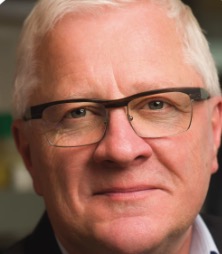 John Dick合作论文数Department of Molecular Genetics, Temerty Faculty of Medicine, University of Toronto5
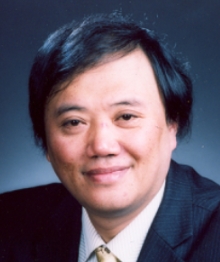 Junjie Zhu (朱俊杰)合作论文数School of Chemistry and Chemical Engineering, Nanjing University;State Key Laboratory of Analytical Chemistry for Life Science5
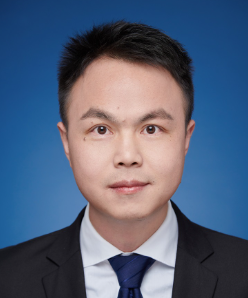 Xinggang Wang (王兴刚)合作论文数Artificial Intelligence Institute, School of Electronic Information and Communications, Huazhong University of Science and Technology5
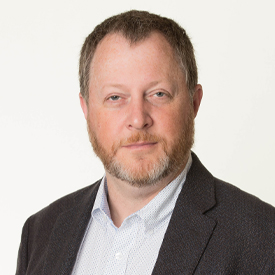 Andrew G. Mcarthur合作论文数David Braley Centre for Antibiotic Discovery, McMaster University/M.G. DeGroote Institute for Infectious Disease Research, McMaster University/Department of Biochemistry and Biomedical Science, McMaster University5




