The North Equatorial Recirculation Region (NERR) in the northern tropical Atlantic functions as the region of origin of the recurring large-scale blooms of pelagic Sargassum spp. that have occurred since 2011, creating the Great Atlantic Sargassum Belt (GASB), with Sargassum rafts extending from West Africa into the Gulf of Mexico. Various nutrient sources are hypothesized to force this bloom. We tested the effects of different nutrient sources on the growth and physiology of Sargassum in controlled on-board experiments during a research expedition through the northern tropical Atlantic (including the NERR) during the summer of 2024. The nutrient sources were Amazon plume, Saharan dust addition, simulated vertical mixing (addition of nutrient-rich water collected from below the mixed layer) and control (ocean surface water) waters as treatments. Pelagic Sargassum species and genotypes exhibited distinct physiological responses when exposed to different nutrient sources. The highest growth rates were observed in the vertical mixing treatment (0.08 ± 0.02 doublings·d-1), accompanied by elevated tissue chlorophyll a, chlorophyll c, and carotenoid concentrations, as well as increased photosynthetic efficiency (Y(II)). Nitrate (∼11-15 μmol g-1·h-1) and phosphate (∼0.6 μmol g-1·h-1) uptake rates were also substantially higher in this treatment. The Amazon plume and Saharan dust treatments resulted in weak or inconsistent nutrient absorption and limited growth. Only the vertical mixing treatment led to balanced stoichiometric ratios (C:N:P), whereas these ratios indicated P deficiency for the other treatments. Multivariate analysis confirmed that deep-sea water conditions led to improved physiological responses whereas dust and control treatments produced high stress responses. Collectively, these results demonstrate that pelagic Sargassum spp. can rapidly exploit nutrients supplied from subsurface waters when they become available and suggest that subsurface nutrient reservoirs may represent an important nutrient source capable of supporting bloom development.
Seagrass meadows attenuate wave energy, contributing to coastal protection by reducing wave height and limiting sediment transport. This study quantifies the wave attenuation capacity of mixed-species seagrass meadows within a Mexican Caribbean reef lagoon. Field data were collected through simultaneous wave measurements along two cross-shore transects, with and without seagrass, at depths of 3-4 m. Even when occupying less than 10% of the water column, seagrass meadows reduced significant wave height (Hs) by more than 30%, over a 250-m section under calm wave conditions (Hs approximate to 0.2 m, Tp approximate to 8 s). Using transect-specific morphological and initial wave data, wave propagation simulated with the IH-2VOF model confirmed that bottom-induced dissipation was negligible. The extended version, IH-2VOFveg, which accounts for vegetation effects, was used to estimate the drag coefficient (Cd) of the seagrass meadow. Assuming a plant width (bv) of 0.007 m, calibrated Cd values ranged from 0.9 to 2.8. A relationship between Cd and the vegetation Reynolds number was significant when outlier dissipation cases (outside the interquartile range) were excluded. Given that the meadow was composed of mixed species with different morphologies and epiphytic coverage, alternative values of bvwere tested, showing their influence on both the estimated Cd and the coefficients in the Cd-Re relationship. This study highlights the relevance of seagrass meadows for wave attenuation under calm conditions, even with limited canopy occupation of the water column. It also underscores the challenges of accurately simulating wave dissipation in mixed-species meadows and defining generalized Cd relationships.
Using multivariate analysis in three zones of the Great Atlantic Sargassum Belt (GASB), we found close associations between the density of sargassum, dust deposition, and surface iron concentration on the sea surface during 2002–2010, before the appearance of the GASB in 2011. Combined with a statistical analysis of dust depositions during 1980–2023 in these zones, the results imply increases in each, concomitant with the behavior of the GASB in recent times, such as its appearance in 2011 in the northern tropical Atlantic and its reach in the Mexican Caribbean in 2015. Given indications that sargassum growth is limited by iron and the close association between dust deposition and iron concentration in the sea surface, we infer that the increase in dust deposition, which is generated mainly in the African Sahara and Sahel deserts, may have contributed to the sargassum growth in the GASB. Although the results of this study showed statistical significance, they remain hypothetical due to the lack of field data. Further surveys measuring chemical compositions and stable isotope rates of samples of Saharan dust, phytoplankton, and sargassum may explain the relevance of dust deposition to the development of the GASB.
Recurrent inundations of holopelagic Sargassum spp. have been arriving to the Mexican Caribbean coast since 2014. The "Sargassum brown tides", murky coastal waters resulting from the decay of massive beached accumulations of this macroalga, reduce water quality, increase organic matter in sediments, and cause mortality of nearshore seagrass and fauna in reef lagoons. To examine the potential effects of Sargassum brown tides on seagrass-associated motile macroinvertebrates, we analyzed the diversity and community composition of this epifauna and the vegetation in the Puerto Morelos reef lagoon, across a gradient of increasing distance from the shore: nearshore zone, mid-lagoon zone, and backreef zone. We also examined the relationships between macroinvertebrates, marine vegetation, and organic matter content (OMC) in the sediments. On the nearshore zone, where the seagrass Syringodium filiforme prevailed, the invertebrate community was dominated by detritivorous and mesograzer gastropods (Cerithium spp.) and hermit crabs (Clibanarius tricolor), showing an association with higher OMC in sediments and cyanobacteria-diatom mats. In contrast, the invertebrate communities in the mid-lagoon and back-reef zones, dominated by Thalassia testudinum, were similar to each other and less influenced by vegetation characteristics or OMC in sediments. Although these results suggest that the impact of recurrent Sargassum brown tides may be altering the community composition of seagrass-associated invertebrates on the nearshore zone, this cannot be ascertained in the absence of previous knowledge on the composition of the macroinvertebrate communities on this zone. Future studies should investigate whether the persistence of Sargassum brown tides eventually induce long-term changes in the benthic communities.
In recent years, global distribution of holopelagic Sargassum spp. (sargassum) has extended from the subtropical Sargasso Sea and Gulf of Mexico into the tropical Atlantic. Climate and current patterns drive seasonal and yearto-year fluctuations of biomass in the ocean, but the underlying drivers of sargassum growth are poorly understood. Previous experimental studies showed that nitrogen (N) and phosphorus (P) can be limiting to sargassum. However, iron (Fe) also limits primary production in large parts of the ocean. We therefore (1) conducted a mesocosm experiment studying the effects of N+P and Fe addition on the growth rate and nutrient content of Sargassum fluitans, and (2) compiled literature on Fe tissue levels in sargassum throughout its distribution area. The Fe levels in collected experimental specimens (Mexican Caribbean) were like those previously reported near coastlines with low terrestrial nutrient runoff, and in the open ocean. The addition of Fe greatly boosted growth, averaging 0.13 doublings day(-1), 40 % faster than our controls, and maximum growth rate (doubling biomass in 51/2d) was 46 % above previously reported maximal value. While oceanic Fe is relatively abundant in the tropical North Atlantic during rain episodes in the summers due to Saharan dust deposition, its availability is likely more limiting during other parts of the year, particularly in the western Caribbean. However, the true limiting potential of Fe depends on many factors. Our study suggests Fe co-limitation might occur widely and urges to include Fe availability in future sargassum forecasting models.
Climate-driven shifts in herbivores, temperature, and nutrient runoff threaten coastal ecosystem resilience. However, ecological resilience, particularly for foundation species, remains poorly understood due to the scarcity of field experiments conducted across appropriate spatial and temporal scales that investigate multiple stressors. This study evaluates the resilience of a widespread tropical marine plant (turtlegrass) to disturbances across its geographic range and examines how environmental gradients in (a)biotic factors influence recovery. We assessed turtlegrass resilience by following recovery rates for a year after a simulated pulse disturbance (complete above- and belowground biomass removal). Contrary to studies in temperate areas, higher temperature generally enhanced seagrass recovery. While nutrients had minimal individual effects, they reduced aboveground recovery when combined with high levels of herbivore grazing (meso and megaherbivore). Belowground recovery was also affected by combined high levels of nutrients and grazing (megaherbivores only). Light availability had minimal effects. Our results suggest that the resilience of some tropical species, particularly in cooler subtropical waters, may initially benefit from warming. However, continuing shifts in nutrient supply and changes in grazing pressure may ultimately serve to compromise seagrass recovery.
Since 2011, holopelagic Sargassum has been accumulating in a region of the tropical Atlantic now referred to as the Great Atlantic Sargassum Belt (GASB). Among the hypothesized contributors to these accumulations are the increased inputs of nitrogen (N) and phosphorus (P) in the tropical Atlantic Ocean. Little is known about the effects of N and P additions on Sargassum physiology and its microbiome. We studied the effects of N, P, and NP additions on the growth, photosynthetic efficiency, and microbiome composition of Sargassum fluitans III in a six‐day experiment on the Caribbean Island of Curaçao. Sargassum fluitans III took up most nitrate and phosphate within 3 days with respective uptake rates of 0.343 and 0.0399 μmol · g −1 DW · h −1 . F v/ F m decreased in the control after 6 days but remained constant in nutrient treatments. Growth rates did not differ significantly among treatments, but a trend in higher growth rates in the NP treatment was discerned, suggesting a possible NP co‐limitation. The relative abundance of epiphytic Cyanobacteria such as Schizothrix and bacteria such as Lentilitoribacter increased under N and P addition, while heterotrophic Rhodobacteraceae decreased in abundance. Microeukaryotic communities responded with varying changes in alpha diversity, possibly steered by increased photosynthesis and growth of S. fluitans III or bacterial interactions. The physiological response to N and P and rapid change of the microbiome demonstrates that the studied S. fluitans III can quickly benefit from increased nutrient concentrations, which might contribute to its growth success in the GASB.
Blue Carbon ecosystems, such as seagrass meadows, contribute to climate change mitigation through carbon sequestration and storage. Organic carbon (Corg) stocks in seagrass meadows are mainly concentrated in their sediments. The seagrasses themselves are usually ignored in Corg stock assessments, even though in some systems they may provide a considerable contribution. The Corg stock in the living and dead tissues of Thalassia testudinum and Syringodium filiforme was determined at five mixed meadows in biogenic calcareous sediments the northern Mexican Caribbean. Per site, three core samples (11.2 cm diam) were taken, and the samples were sectioned into four strata: above the sediment, 0-10, 10-20 and 20-30 cm deep, separating dead and living tissues. The highest biomass was observed in the belowground strata to 20 cm depth. The seagrass Corg content varied between 18.2 and 27.4 % (average 22.7 %) of dry weight. T. testudinum and S.filiforme contributed on average 83 % and 17 % to the seagrass Corg stock, respectively. On average, the Corg stocks in seagrass biomass was 6.10 +/- 0.77 Corg ha- 1 (72 % and 28 % in alive and dead tissues, respectively). The total mean Corg stock (in seagrasses and sediments until 30 cm depth combined) in the five studied meadows was 22.64 +/- 3.03SE Mg Corg ha- 1. The contribution of the seagrass tissue to the total Corg stock varied among the sites (between 15.2 and 38.0 %) with higher contribution in coarser grained sediments. Thus, in some seagrass systems, the seagrass plants, as well as the sediments, can represent a significant share of the Corg stocks.
Holopelagic Sargassum spp. (Sargassum from hereon) are the founding seaweeds of biodiverse high-sea rafts. The floating rafts provide substrate, shelter, feeding-, and breeding grounds for numerous marine species, making them unique communities in the high seas. Similar to other pelagic systems, the community associated with the rafts is dynamic, inherently variable, and defined by the dynamics of the rafts and interactions between the seaweed and associated fauna. The high biodiversity, including organisms from different trophic levels, results in multiple interactions and complex food webs, which are covered in this review. Additionally, we highlight how floating Sargassum acts as a vector of ecological connectivity, influencing distant ecosystems such as coastal and deep-sea habitats. These cross-ecosystem interactions occur through organism transport, organic matter export and trophic linkages. Understanding these connections is key to recognizing the broader ecological role of Sargassum rafts and the multiple ecosystem services they provide.
Natural recolonization of seagrasses may take decades after disturbances and is particularly challenging in near‐shore environments, where sediment mobility inhibits seagrass establishment. We assisted recolonization in fifteen 4x10 m unvegetated experimental plots in a Mexican Caribbean near‐shore fringe where the seagrasses had died due to massive inundations of holopelagic Sargassum species, and where a containment barrier was placed to avoid future inundations. The applied treatments were: artificial substrate (AS: 90 belowground, artificial, biodegradable, 15x15 cm‐sized substrates, cut from a 0.91 x 0.45m Biodegradable EcoSystem Engineering sheet), transplant (TR: 90 cores, 4.5 cm diameter, with Halodule wrightii), and control (C: no manipulation), each with five replicates. After 6 months, 63% of H. wrightii transplants survived, presenting mean rhizome extension of 7.6 cm, and H. wrightii from natural surrounding patches started to colonize the plots. After approximately 8 months, AS and TR plots already showed higher light conditions and lower fluctuations in sediment levels than the controls. After 14 months, the AS and TR plots reached higher mean (± SE) density (respectively, 4024 ± 620 and 3484 ± 360 shoots/m2) and cover (60.3 ± 3.85 and 53.7 ± 2.84 %), compared to the control plots (2043 ± 381 shoots/m2, 35.3 ± 5.7 % cover). Higher density of H. wrightii likely favored the natural establishment of Thalassia testudinum seedlings, with an average of 2.07 (± 0.15) and 1.87 (± 0.18) seedlings in AS and TR plots, respectively, compared to 0.48 (± 0.23) in the controls. Both techniques accelerated seagrass recolonization, but artificial substrates required less effort and avoided harvesting of donor meadows.
Seagrasses can form vast meadows in coastal areas and provide valuable ecosystem services. Despite their importance, seagrasses are threatened, and their spatial extent and ecological condition have declined worldwide. Globally, there are six seagrass bioregions based on ocean basin and species distribution. The Tropical Atlantic Bioregion encompasses seagrasses in the warm waters off the Atlantic American continent, the eastern Pacific and the west coast of Africa. Here, the extinction risk of the species was determined through the Categories and Criteria of the IUCN Red List of Threatened Species. The extinction risk for the 15 native seagrass species in the bioregion was assessed and summarized as an update to the previous IUCN effort, conducted 15 years ago. The updated regional assessments were based on expert opinion and compilation of revised data on species´ distribution, population status and trend. Of the 15 native species, nine were endemic to the bioregion; thus, the regional assessment was also a global one. Two other species were typical for the region but also occurred beyond bioregional boundaries (Halodule beaudettei and H. wrightii). The remaining species were either distributed circumglobally (2 species), or consisted of peripheral populations of species characteristic of neighboring bioregions (2 species). The detailed information of 15 assessments have been made freely accessible in an open repository. Nine species maintained their previous risk of extinction status, while one species (Thalassia testudinum) changed from the Least Concern to the Near Threatened category. Downgrading of the status of T. testudinum is worrying, as this is the dominant climax species in the wider Caribbean. Its replacement by less resistant and smaller but faster growing species, such as Syringodium filiforme and H. wrightii (both classified as Least Concern), could compromise the ecosystem services of seagrasses in this bioregion. An additional two species had been recently introduced, and are also briefly covered. The assessments included past and present taxonomical uncertainties of various assessed species. Issues concerning the current boundaries of the bioregions themselves were also encountered. To address this and better capture future and ongoing range expansion or reduction associated with climate change, we propose overlapping transitional boundaries with neighboring seagrass bioregions.
Since 2011, recurring Sargassum Brown Tides (SBTs), caused by periodic massive influxes of holopelagic Sargassum spp., have impacted seagrass meadows in the 50–200 m wide nearshore fringes of Mexican Caribbean reef lagoons. The present study aimed to assess the cumulative effects of SBTs in 2015 and 2018–2019 through a spatial–temporal analysis of seagrass meadows in the Puerto Morelos reef lagoon. We hypothesized that the impacts of the SBTs likely extended beyond the near-shore fringe and were detectable across the seagrass landscape throughout the entire reef lagoon. Through time, the spatial configuration of the seagrass meadows presented a new self-organized configuration linked to spatial fragmentation, an increase in the number of patches but a decrease in size, and changes in vegetation communities, indicating a shift in ecosystem state. This shift may serve as an early warning signal of reef system deterioration. Monitoring seagrass meadow status using this approach provides a deeper understanding of their dynamics, shifts and resilience, and will facilitate the development of timely management strategies.
Holopelagic Sargassum spp. (sargassum) are the founding species of diverse communities in the Sargasso Sea. Since 2011, a new area of concentration of these algae was formed in the equatorial North Atlantic and Caribbean Sea. We analyzed elemental composition, and the small mobile fauna associated with sargassum collected at 41 stations, during two expeditions in the Caribbean Sea in 2018 and 2019, that covered open-sea stations in two marine ecoregions, and coastal stations (< 20 km from the shore) in one of them. Metal(loid) concentrations generally followed the order As > Zn > Cu > Cd > Se > Pb > Hg, and contents of As (195.5 ± 13.7 µg g−1), Cd (0.59 ± 0.02 µg g−1), and Hg (0.22 ± 0.09 µg g−1) were highest in S. fluitans III in the South-Western-Caribbean ecoregion. Mean [Ctot] per ecoregion varied between 26.1 and 30.1 mg g−1, and variation was mainly accounted for by higher [Cinorg] (likely produced by calcifying epibionts) in the South-Western Caribbean (10.12) compared to the Western Caribbean (8.92 and 7.19); this tendency that was also found for [Ntot] (between 1.06 and 1.27), and these contents were positively correlated with seawater chlorophyll concentrations. Sixty-six taxa of mobile fauna were identified, with the phylum Arthropoda being most abundant and diverse. The faunal community composition was similar in both open-sea regions, but differed in the coastal stations, which was mostly explained by differential relative abundance of Latreutes fucorum, Carpias minutus, Litiopa melanostoma, and some fish species. The Caribbean open-sea rafts harbor a diverse fauna comparable to that found in the Sargasso Sea, and likely provide similar ecosystem services, and thus merit similar protective efforts as those directed towards sargassum in the Sargasso Sea.
A cost-effective particle-tracking model was implemented to study the transport and landing of sargassum in the Mexican Caribbean. Sensitivity analyses were performed to quantify the change in landing percentages varying some model factors: 1) windage factor, 2) the horizontal distribution of sargassum, 3) monthly variability of currents and winds, 4) sargassum growth, 5) thickness of the transporting ocean layer, 6) wind data source, and 7) ocean data source. The windage factor had the greatest effect on landing estimates: as it increased, the sargassum landing percentage increased by 19%. In second place, differences in the initial horizontal distribution of sargassum caused the landing percentage to change by similar to 10%. In third place, the monthly variability of currents and winds changed the landing percentage by 6%. The northern shoreline of Mexican Caribbean (between 20.25 degrees N and 20.75 degrees N) was the most prone to sargassum landings. At the regional scale, this condition is related with a) the shoreline orientation in that region, which more clearly faces the northward flow of the Yucatan Current, and b) the position of Cozumel Island, which acts as an offshore barrier capturing sargassum. Most of landed sargassum in the Mexican Caribbean had floated 0-40 km east and south of Chinchorro Bank, within 18.25 degrees N and 18.75 degrees N (southern Mexican Caribbean), and then spread along the shore. Monitoring, containment, and collection of sargassum east and south of Chinchorro Bank could help predict and mitigate sargassum landings about 5 days in advance.
Few restoration studies have quantified the recovery of the donor meadow. We evaluated the recovery of a monospecific donor meadow of Halodule wrightii , the second most commonly used transplanting species, and assessed the possible effect of 24 plots of 1 m 2 placed in an approximately 3,400 m 2 large monospecific meadow with a mean cover of 45%, foliar shoot density of 1,280 shoots/m 2 , and 16 cm canopy height. Extraction densities were 9, 25, 64, and 121 small‐sized extraction cores (4.5 cm diameter, 20 cm depth), with control and procedural control without extractions ( N = 4 per treatment). After 6 months, even the plots with the highest extraction densities recovered, as indicated by the shoot number in the extraction areas and seagrass cover in the plots approaching the levels in the controls. The recovery occurred under the environmental conditions: light availability (22,000 ± 51 lx), relatively stable sediments (0.8–1.16 cm) with a fine sandy composition (mean grain diameter, D50: 0.5 ± 0.22 mm), and low organic matter (0.22 ± 0.012%). The recolonization rate was 1–3 shoots per month in the 4.5 cm diameter extraction areas, independent of the extraction level. Thus, approximately 20% of the H. wrightii meadow (corresponding with 121 cores/m 2 ) could be extracted in our study area. This high extraction intensity can be attributed to the adequate selection of donor species, meadow, and size of the planting unit.
Many tropical coastal ecosystems face human pressures related to tourism, land or sea use. We developed a practical procedure to involve stakeholders in an early stage of an ecological research project to map the Social-Ecological System (SES) in our case study Lac Bay, Bonaire island, as well as to identify and prioritize ecological research questions and nature management options in relation to a recent new threat: massive sargassum landings. In our procedure we used the Group Model Building methodology for identifying drivers, key variables and feedback loops in this SES. The underlying mechanisms of driving feedbacks were revealed and shared during these sessions. We identified and prioritized urgent ecological research questions for the conservation of seagrass beds and mangrove forests, and practical measures for nature management in Lac Bay. Both were used in follow-up scientific research and nature management plans, illustrating the applicability of our procedure for early science-stakeholder interaction.
Interactions such as mutualism and facilitation are common in ecosystems established by foundation species; however, their outcomes vary and show conditionality. In a Mexican Caribbean Bay, a seagrass-coralline algae (rhodoliths) mutualism protects the seagrass Thalassia testudinum from green turtle overgrazing. We postulate that the state of the seagrass meadow in this bay depends on the strengths of the interactions among seagrasses, green turtles, and coralline algae. Spatio-temporal changes through satellite imagery showed rhodolith bed developed rapidly from 2009 (undetected) to 2016 (bed of 6934 m2). Typically, such rapid expansion of the rhodoliths does not occur in seagrass meadows. An in situ growth experiment of coralline algae showed that a combination of reduction in light and wave movement (usual in dense seagrass meadows) significantly reduced their growth rates. In the rhodolith beds, the growth rates of the coralline algae Neogoniolithon sp. and Amphiroa sp. were high at 9.5 mm and 15.5 mm per growth tip y−1, respectively. In a second experiment, we found lower mortality in coralline algae within a rhodolith bed compared to algae placed outside the bed, likely explained by the reduced resuspension that we found in a third experiment, and this positive feedback may explain the high population increase in the rhodoliths, once established when the turtles grazed down the seagrass canopy. Therefore, the grazing-protection mutualism between seagrasses and coralline algae is thus conditional and came into existence under a co-occurrence of intensive grazing pressure and rapid population growth of coralline algae facilitated by positive feedback from increased growth and reduced sediment resuspension by the dense rhodolith bed.
Seagrass meadow sediments are efficient organic carbon (Corg) sinks and can store Corg for hundreds of years. The temporal variation of Corg burial rates and stocks over recent decades at nearshore seagrass meadows in the Puerto Morelos Reef Lagoon, Mexico, was evaluated in 210Pb-dated sediment cores from nearshore meadows dominated by Thalassia testudinum. The sediments were predominantly sandy (>52% sand) rich in carbonate grains (11.8-12.5% Cinorg) with minor Corg (0.24-1.12%) and Norg (0.02-0.13%) concentrations. The C:N ratio (9.4-13.0) indicated that marine-derived Corg was prevalent. Corg stocks in the upper 30 cm sediment were 15.9 ± 3.0-24.8 ± 4.6 Mg ha-1. Sedimentary mass accumulation rates (MAR) (0.7-1.5 g cm-2 yr-1) were higher than those previously recorded in seagrass sediments from the reef lagoon and other parts of the world. The highest MAR values, recorded in 2015 (±0.13) and 2018 (±0.03), coincided with the peak sargassum influx years. MAR and Corg burial rates (11.4-133 g m-2 yr-1) were correlated (r2 = 0.76), indicating that the massive influxes of sargassum have accelerated Corg burial rates in the region since 2015. This study marks the initial evaluation of the interaction between the massive influx of sargassum, MAR, and Corg burial rates in seagrass sediments, potentially laying the groundwork for future extended monitoring initiatives.
Enhalus acoroides (L.f.) Royle is a large and important foundation seagrass species in the tropical Indo-Pacific. The northern marginal populations in China have been declining over the last decades. The reproductive phenology and fruit set of this dioecious seagrass were investigated from June 2017 to February 2018 in two areas in Li’an lagoon, Hainan Island, China. We found that E. acoroides flowered year-round. However, the flowering intensity varied among seasons and was highest in the summer and lowest in the winter. The shoot sex ratio was male-biased, and the pollen-ovule ratio was approximately 104: 1, based on the sex ratio and the number of male florets per inflorescence. Female and male plants flowered at the same time in this population. Despite the high reproductive investment in terms of flower formation observed throughout the year, the abundance of the mature fruits was low, possibly due to physical disturbance and cover by epiphyte and algae. This study provides insight into the reproductive ecology of E. acoroides, which will be useful for the future conservation of this threatened seagrass.
Recent recurrent inundations of holopelagic Sargassum species (sargasso) in the tropical North Atlantic warrant studies to increase our understanding of this phenomenon. We carried out a multidisciplinary study to determine the drift and associated biota of sargasso rafts in nearshore waters of a reef system in the Mexican Caribbean, during the 2020-2022 influx seasons. Home-designed trackable drifting buoys revealed notorious influence of winds stronger than 4-5 m s(-1) on the rafts' displacement. At lower wind velocities, the drift was almost entirely determined by currents; local topography played a role in concentrating or dispersing the algae. Video cameras attached to the drifting buoys allowed for non-invasive identification of free-swimming ichthyofauna, recording low specific richness with a dominance of species of the Carangidae family. Sargasso associated biota was sampled with a dipnet. The small motile macrofauna was abundant and diverse, with a dominance of few species. Epibionts (epifauna and epiphytic algae) showed low specific diversity, while the microbial communities were dominated by (potentially pathogenic) Vibro spp. Small motile macrofauna was the only biota group with new records for the study region. Differences among sampling events were observed in the associated community; suggesting large inherent variability of the rafts' biota. The information on wind, coastal hydrodynamics and topography on the displacement of the sargasso rafts will allow for better predictions of strandings, and information on associated non-native biota or dominant microbial species helped identify groups that should be closely monitored; thereby aiding in targeted management actions for mitigating the impacts of the inundations.
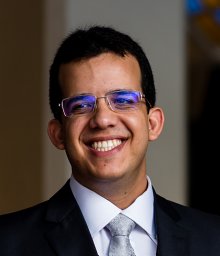 Rodolfo Silva合作论文数Inst Ingn, Univ Nacl Autonoma Mexico19
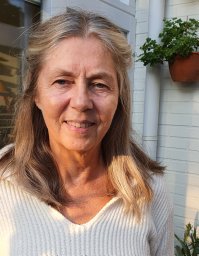 Marieke M van Katwijk合作论文数Department of Aquatic Ecology and Environmental Biology, University of Nijmegen16
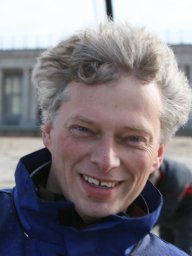 Tjeerd Bouma合作论文数Department of Estuarine & Delta Systems, NIOZ Royal Netherlands Institute for Sea Research10
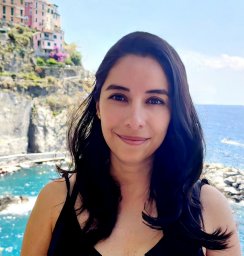 Valeria Chávez合作论文数Inst Ingn, Univ Nacl Autonoma Mexico7
 Marjolijn J. A. Christianen合作论文数Institute for Water and Wetland Research, Radboud University Nijmegen7
 M. Guadalupe Barba Santos合作论文数7Tjisse van der Heide合作论文数6
 Rosa E. Rodríguez-Martínez合作论文数Universidad Nacional Autónoma de México, Universidad Nacional Autónoma de México6García-Sánchez Marta合作论文数Facultad de Biología, Universidad de Murcia6
 Edgar Mendoza合作论文数6L. Verónica Monroy-Velázquez合作论文数5Edgar Escalante-Mancera合作论文数5
 Eden Magana Gallegos合作论文数5
 Ismael Marino-Tapia合作论文数5
 Judith Marquez-Guzman合作论文数Fac Ciencias, Univ Nacl Autonoma Mexico5
 Jimena Samper-Villarreal合作论文数5Jent Kornelis Van Dijk合作论文数5
 Jorge Cortes合作论文数4Abigail Uribe-Martinez合作论文数4
 Olivia Rhoades合作论文数4
 Andrew H Altieri合作论文数Smithsonian Trop Res Inst, Balboa, Ancon, Panama4René M. van Westen合作论文数4
 Rebecca K. James合作论文数Dept Estuarine & Delta Syst, Royal Netherlands Inst Sea Res NIOZ4
 Ligia Collado-Vides合作论文数Lab. Ficologı́a, Universidad Nacional Autónoma de México4
 Julie D. Pietrzak合作论文数Environmental Fluid Mechanics, Department of Hydraulic Engineering, Faculty of Architecture and the Built Environment, Delft University of Technology4Eduardo Cuevas合作论文数Departamento de Ecología Evolutiva Apartado Postal 70-275 México D.F. 04510 Mexico4
 Michelle Waycott合作论文数School of Marine and Tropical Biology, James Cook University4
 Henk A. Dijkstra合作论文数Institute for Marine and Atmospheric research Utrecht, Department of Physics, Utrecht University;Centre for Complex Systems Studies, Utrecht University4
 L.P.M. Lamers (Leon)合作论文数Department of Ecology, Radboud University4
 Ana Carolina Ruiz-Fernandez合作论文数Instituto de Ciencias del Mary Limnologia Mexico, UNAM4
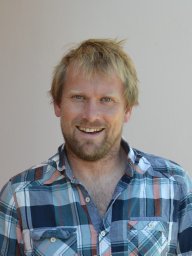 Richard K.F. Unsworth合作论文数Coral Reef Research Unit;Department of Biological Sciences;University of Essex;Department of Biological Sciences, University of Essex4Jose Gonzalo Ricardo Wong合作论文数3Jamie E. Thompson合作论文数3Rachael Glazner合作论文数3
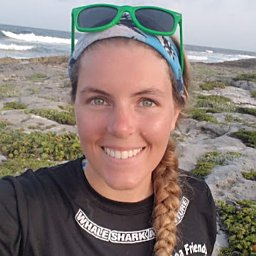 Janelle Goeke合作论文数3
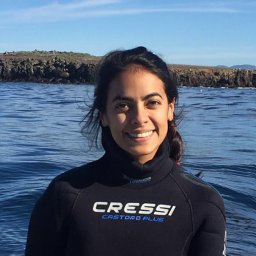 Lucia M Rodriguez Bravo合作论文数Red Sea Research Center, King Abdullah University of Science and Technology (KAUST),3
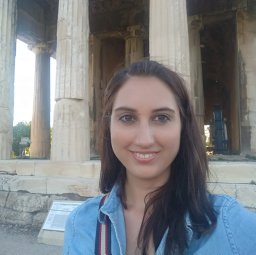 Mireille Escudero合作论文数Inst Ingn, Univ Nacl Autonoma Mexico3
 Fee Smulders合作论文数3
 Ashley M. McDonald合作论文数Dauphin Island Sea Lab3
 Savanna C. Barry合作论文数Nat Coast Biol Stn, Florida Sea Grant3Justin E. Campbell合作论文数Inst Environm, Florida Int Univ3
 Charles Martin合作论文数Dauphin Island Sea Lab3
 Yvonne Sawall合作论文数Department of Benthic Ecology, GEOMAR Helmholtz Centre for Ocean Research3James G. Douglass合作论文数3
 Kenneth L. Heck合作论文数Stokes School of Marine & Environmental Sciences, University of South Alabama3Manuel Sarah A合作论文数3
 Patrick Christopher J合作论文数Smithsonian Environmental Research Center3
 Peter M.J. Herman合作论文数Environmental Fluid Mechanics, Department of Hydraulic Engineering, Faculty of Architecture and the Built Environment, Delft University of Technology3




