Background:There is mixed evidence supporting arrhythmia prophylaxis after lobectomy in patients not taking preoperative beta-blockers (BBs). We sought to determine the safety and efficacy of postoperative-BB versus diltiazem in BB-naïve patients in preventing post-lobectomy arrhythmia. Methods:This was a cohort study at one academic medical center (01/2019-03/2023). All patients undergoing elective lobectomy were included. Before May 2021, all patients undergoing lobectomy received low dose oral metoprolol postoperatively for arrhythmia prophylaxis. After May 2021, patients were started on oral diltiazem postoperatively unless they were receiving BB preoperatively, in which case their BB was continued. Patients were divided into pre-implementation versus post-implementation groups. The primary outcome was the rate of postoperative arrhythmia; secondary outcomes were the rates of postoperative heart failure, nonhome discharge, stroke and hypotension. Bivariable and multivariable logistic regression comparisons were performed. Results:In total, 606 patients were included; 318 patients (52.5%) were in the pre-implementation cohort. There were minimal differences in perioperative characteristics between groups. Patients in the post-implementation cohort had significantly lower rates of postoperative cardiac arrhythmias (5.2% vs. 9.7%, P=0.04). There were no differences in rates of postoperative cardiac failure/arrest, nonhome discharge, or stroke. After controlling for confounders, patients in the post-implementation cohort had lower risk-adjusted odds of postoperative arrhythmias (odds ratio 0.40, 95% confidence interval: 0.20-0.76) and hypotension (odds ratio 0.68, 95% confidence interval: 0.48-0.97). Conclusions:Patients had lower risk-adjusted rates of post-lobectomy arrhythmia and hypotension when using diltiazem for arrhythmia prevention compared to metoprolol. Our findings support the use of postoperative diltiazem preferentially in BB-naïve patients.
INTRODUCTION:Video-assisted thoracic surgery (VATS) is recommended for approximately 30% of hemothoraces that become retained, yet the optimal timing for VATS remains debated. We sought to compare the relationship between VATS timing and associated outcomes. METHODS:The pulmonary morbidity and mortality of early (≤4d), intermediate (5-10d) and late (≥10d) VATS in adults were compared in the 2017-2021 Trauma Quality Improvement Program. RESULTS:Of the 9784 VATS identified, pulmonary morbidity (57%) and mortality (4.5%) were higher in the early group relative to the intermediate (41, 3.0%) and late groups (48, 2.9%, p < 0.01) with higher rates of reintervention including secondary thoracotomy (4.5 vs. 3.1 vs. 3.2% p = 0.04) and tube thoracostomy (51 vs. 24 vs. 24%, p < 0.01). Risk-adjusted rates of both outcomes were inversely proportional to VATS days (p < 0.01). CONCLUSION:This study adds to ongoing debate regarding the optimal timing of VATS for retained hemothorax, supporting the need for prospective study.
OBJECTIVE:To apply interpretable machine learning methodology to electronic health record data to develop models for preoperative risk estimation and postoperative detection of noninfectious postoperative complications. SUMMARY BACKGROUND DATA:We previously developed preoperative risk and postoperative detection models for the surveillance of postoperative infections. The purpose of the present study was to develop and validate similar models for the noninfectious complications of the American College of Surgeons National Surgical Quality Improvement Program. METHODS:Preoperative and postoperative electronic health record data from 5 hospitals across 1 health care system (University of Colorado Health), 2013-2019, including diagnoses, procedures, operative variables, patient characteristics, and medications, were obtained. Lasso and the knockoff filter were used to perform controlled variable selection to develop preoperative risk models and postoperative detection models of 30-day noninfectious outcomes of mortality, overall morbidity, bleeding, cardiac, pulmonary, renal, and venous thromboembolism morbidity, nonhome discharge, and unplanned readmission. RESULTS:Among 30,639 patients included, postoperative complication rates for each outcome ranged from 0.1% (stroke) to 10.4% (overall morbidity). The area under the receiver operating characteristic curve for preoperative risk models ranged from 0.68 to 0.91 and from 0.92 to 0.97 for postoperative detection models. Between 6 and 22 predictor variables were included in each model. CONCLUSIONS:We developed parsimonious models for estimating the risk of and the detection of postoperative noninfectious complications. Our models showed good to excellent performance, suggesting that these models could be used to augment manual surveillance.
Background: The impact of surgeon subspecialty on postoperative outcomes is relatively unstudied in emergency thoracic surgery. The purpose of this study was to compare the outcomes of patients who undergo emergency thoracic operations by cardiothoracic surgeons versus other surgical subspecialties. Methods: This was a retrospective cohort using the National Surgical Quality Improvement Program database (2005-2018). A list of Current Procedural Terminology codes was generated by limiting the database to emergency operations performed by thoracic surgeons. Current Procedural Terminology codes occurring with frequency >10 were then used to search the entire database to identify patients who underwent emergency surgery by any surgeon specialty. Patients were grouped by operative surgeon primary subspecialty (cardiothoracic compared with other). Outcomes were compared using bivariable and multivariable regression analysis. Subgroup analysis was performed for lung and chest wall, hiatal hernia, esophagus, and pericardial operation-specific cohorts. Results: A total of 4,044 patients were included; 2,162 (53.5%) had emergency operations performed by cardiothoracic surgeons and 1,882 (46.5%) by other surgeons. Patients who underwent operations performed by cardiothoracic surgeons were more likely to have 6 of 18 medical comorbidities (all P < .05). Patients who had pericardial operations by cardiothoracic surgeons had lower risk-adjusted rates of mortality (odds ratio, 0.58; 95% confidence interval, 0.34-0.99), renal complications (odds ratio, 0.28; 95% confidence interval, 0.09-0.87), and bleeding (odds ratio, 0.45; 95% confidence interval, 0.24-0.84). There were no risk-adjusted differences in outcomes in the other subgroups. Conclusion: Patients who underwent emergency pericardial operations by cardiothoracic surgeons had improved postoperative outcomes compared with other surgeon specialties. These differences are important to consider when consulting surgeons for emergency thoracic operations. (c) 2025 Published by Elsevier Inc.
Background:Given the continued disruption of the coronavirus disease 2019 (COVID-19) pandemic throughout 2021, we aimed to assess for continued implications of the altered healthcare landscape on non-small cell lung cancer (NSCLC) presentation and treatment in the second year of the pandemic. Methods:This was a retrospective cohort study using the United States National Cancer Database (2019-2021). Demographic, cancer-related, and treatment variables were compared between patients diagnosed in the pre-pandemic year [2019], pandemic-year-one [2020], and pandemic-year-two [2021]. Multivariate logistic regression was performed to control for the impact of demographics on oncologic variables, and then for the impact of oncologic variables on treatment modalities and outcomes. Results:Of 376,193 NSCLC cases, 135,649 (36.1%) were pre-pandemic, 119,338 (31.7%) were pandemic-year-one, and 121,206 (32.2%) were pandemic-year-two. Compared to the pre-pandemic year, patients diagnosed in pandemic-year-two had risk-adjusted increases in clinical T stage [odds ratio (OR) =1.017; 95% confidence-interval (CI): 1.003-1.031], N stage (OR =1.048; 95% CI: 1.033-1.063), M stage (OR =1.044; 95% CI: 1.028-1.060), and overall stage (OR =1.038; 95% CI: 1.023-1.052). Additionally, compared to the pre-pandemic year, patients diagnosed in pandemic-year-two continue to see risk-adjusted increases in time from diagnosis to staging (OR =1.044; 95% CI: 1.017-1.072), to first treatment (OR =1.143; 95% CI: 1.133-1.154), to surgery (OR =1.117; 95% CI: 1.093-1.141) and to systemic therapy (OR =1.021; 95% CI: 1.924-1.039). Conclusions:Compared to the pre-pandemic year, patients diagnosed with NSCLC in the United States during pandemic-year-two continue to present at later clinical stage and experience delays to treatment. The oncologic and treatment characteristics of NSCLC have not returned to pre-pandemic baseline in the United States, possibly due to compounding delays to diagnosis and treatment and a growing back log of cases.
BACKGROUND:Prior data suggest that surgical site infections (SSIs) occur more frequently in warmer months. Although several studies have shown this, most do not adequately account for confounding factors or the non-parametric nature of seasonal trends. This study examined SSI rates across multiple hospitals within a single healthcare system, using previously published statistical models applied to electronic health record (EHR) data. METHODS:We retrospectively analyzed all surgeries from 2014 to 2019. Preoperative risk and postoperative probabilities of SSIs were estimated using our Automated Surveillance of Postoperative Infections (ASPIN) models. Observed to expected (O/E) ratios were calculated and plotted by week, with cubic smoothing splines visualizing trends. Seasonality was modeled using generalized linear mixed models with sine and cosine transformations of the week of the year or quadratic transformations as predictors. RESULTS:348,289 surgeries were analyzed. Most SSIs occurred between July and August. The risk-adjusted O/E ratio and postoperative SSI probabilities significantly increased (P < 0.05) during the summer in Region 1, an academic hospital, but not in the other two regions. CONCLUSIONS:Our study supports prior work suggesting a summer peak in SSIs but not a distinct July spike. We incorporated novel statistical models to predict preoperative risk and postoperative probability of SSI.
INTRODUCTION:Surgery requires dedicated pre-, intra-, and post-operative care. The distance traveled by patients to undergo surgery may affect this care, impacting postoperative outcomes. We aimed to determine whether longer travel time is associated with increased rates of postoperative complications in a broad surgical population. METHODS:This was a retrospective analysis of one health care system's American College of Surgeons National Surgical Quality Improvement Program data, 2012-2018. Patient addresses were used to calculate driving time to their surgical center using Google Maps. Patients were grouped into local (≤1 h) and distant (>1 h) travel cohorts. Unadjusted and risk-adjusted outcomes were compared using multiple logistic regression with outcomes as the dependent variables and travel cohort and the 28 nonlaboratory preoperative National Surgical Quality Improvement Program variables as independent variables. RESULTS:Of 34,525 patients, 18.0% were in the distant travel cohort, were older, had higher rates for 13 of 18 comorbidities, higher American Society of Anesthesiologists class, were more functionally dependent, and more frequently underwent inpatient and more complex surgery. These patients had higher unadjusted rates of overall morbidity, respiratory complications, infections, urinary tract infections, cardiac complications, strokes, bleeding complications, unplanned readmissions, nonhome discharge, and longer length of stay (all P < 0.05). After risk adjustment, overall morbidity, bleeding complications requiring transfusion, and length of stay remained significantly higher in patients traveling longer, while venous thromboembolism and nonhome discharge were significantly lower. CONCLUSIONS:After risk adjustment, longer patient travel was associated with slightly higher overall postoperative morbidity, bleeding complications, and longer length of stay in a broad surgical population. The increases were modest but can be a burden for individual patients and their families.
BACKGROUND:The Surgical Risk Preoperative Assessment System (SURPAS) is a parsimonious surgical risk calculator using 7 preoperative variables to predict 15 postoperative complications for >3000 operations across 10 surgical specialties. Currently only available at our local healthcare system (UCHealth), this study reports on the development of a publicly-available SURPAS web application. MATERIALS AND METHODS:The SURPAS web application was developed as an R Shiny App. Current SURPAS usage within UCHealth, 2017-2023, including patient characteristics and risk profiles, are provided with descriptive statistics. RESULTS:SURPAS was used locally for 24,431 operations; increasing from usage in 0.5 % of operations in 2017 to 10.0 % in 2023. It has been used in ten surgical specialties for mostly inpatient and non-emergent procedures. Usage has increased in all specialties. Average 30-day mortality and overall morbidity risks were 1.6 % and 13.8 %, respectively. CONCLUSIONS:Dissemination of the SURPAS web app could increase SURPAS usage inside and outside of UCHealth, augmenting communication of complication risks.
BACKGROUND:Patients undergoing elective procedures at altitudes >4000 ft have higher deep venous thrombosis (DVT) rates compared to those performed at ≤ 1000 ft. DESIGN:We reviewed the American College of Surgeons Trauma Quality Improvement Program (TQIP) database from 2014 to 2019. Adults are divided into LOW (<1001 ft) or HIGH (>4000 ft) altitude treatment with DVT rates compared by multivariable regression analysis as well as using a 2:1 propensity matched model. RESULTS:Risk-adjusted odds ratio (OR) for DVT at high altitude was 1.53 [95 % CI 1.42-1.64]. In patients with an Injury Severity Score (ISS) ≥ 16, the DVT rate was 1.10 % (LOW) vs 1.59 % (HIGH); risk-adjusted OR for DVT at high altitude with ISS ≥ 16 was 1.67 [1.53-1.83]. Under the propensity matched model, DVT rates at higher altitude had an OR of 1.59 [1.46-1.74]. CONCLUSION:Following traumatic injury, DVT rates are increased in higher altitude treatment facilities compared to their low elevation peers.
INTRODUCTION:Postcardiac surgery complications prolong length of stay (LOS). However, each complication's individual impact on LOS as a continuous variable has not been studied. The purpose of this study was to determine the risk-adjusted increase in LOS associated with individual postoperative complications following cardiac surgery. METHODS:All coronary artery bypass and grafting (CABG)-only, CABG + valve, and valve-only patients in the American College of Surgeons National Surgical Quality Improvement Program participant use file, 2005-2018 were evaluated. A negative-binomial model adjusting for the effect of preoperative characteristics and 18 postoperative complications was used to generate incidence rate ratios. This model was used to estimate risk-adjusted increases in LOS for each complication. RESULTS:Of 29,544 patients, 18,184 (61.6%) were CABG only, 8304 (28.1%) were valve only, and 3056 (10.3%) were CABG + valve, with a median LOS of 6.9 d. The most frequent complications were bleeding requiring transfusion (49.2%), prolonged ventilation (6.0%), and pneumonia (4.1%). Infectious complications, including deep surgical site infection (+18.9 d), postoperative septic shock (+17.2 d), organ space infection (+16.7), and wound dehiscence (+15.9), were associated with the largest increases in LOS, followed by respiratory complications, including unplanned reintubation (+12.5) and prolonged ventilation (+10.9). Bleeding or postoperative transfusion (+0.6) had the least effect on extending LOS. CONCLUSIONS:After risk adjustment for preoperative patient characteristics and other postoperative complications, all postcardiac surgery complications except myocardial infarction were associated with prolonged LOS, ranging from +0.6 d with bleeding requiring transfusion to +18.9 d with deep surgical site infection. The results of this study provide useful evidence for quality improvement initiatives and informing patients and providers on the expected duration of hospital stay following cardiac surgery with and without complications.
OBJECTIVE:To compare statistical models applied to electronic health record (EHR) data to predict and identify non-infectious postoperative complications. The models have been published and are part of the Automated Surveillance of Postoperative Infections (ASPIN) project, which has expanded to include non-infectious complications. SUMMARY OF BACKGROUND DATA:Postoperative complications occur in 15% of nonemergent inpatient surgeries. Most reporting of postoperative complications relies on manual chart abstraction. METHODS:Preoperative and postoperative probabilities of non-infectious complications for patients from 5 large hospitals in Colorado were estimated using ASPIN models that were developed using the American College of Surgeons National Surgical Quality Improvement Program (ACS-NSQIP) gold standard outcomes. Observed:expected (O:E) ratios were estimated by dividing the sum of the postoperative probabilities by the sum of the preoperative probabilities. O:E ratios were compared between local ACS-NSQIP patients using ACS-NSQIP data, local ACS-NSQIP patients using EHR data, and all patients undergoing operations in the study period using EHR data. RESULTS:O:E ratios for 9 non-infectious postoperative complications were estimated. Comparison of the O:E ratios of ACS-NSQIP patients using ACS-NSQIP data vs. EHR data showed overlapping confidence intervals in 44 (98%) of 45 comparisons (5 hospitals x 9 outcomes) and agreement in outlier status for 35 (78%). CONCLUSIONS:Risk-adjusted postoperative outcomes estimated using machine learning on EHR data were similar to those produced by manual chart review. These models could be used to augment manual chart review to guide surgical quality improvement.
Objective: Delays to definitive surgery in esophageal cancer may be associated with disease progression and worsened survival. The objective of this study was to perform a national assessment for predictors of delay to esophagectomy and to assess for their impact on oncologic and survival outcomes. Methods: The National Cancer Database, 2010 to 2020, was queried for patients with locally advanced esophageal adenocarcinoma (stage I-III). Patients were divided into up-front and postneoadjuvant chemoradiation cohorts. The primary outcome was time to surgery. Time to surgery was examined as a continuous and categorical variable, where patients were divided into timely and delayed cohorts (96 days for up-front cohort; 56 days for postneoadjuvant chemoradiation cohort). Results: Of 16,486 patients, 4066 (24.7%) underwent up-front surgery and 12,420 (75.3%) underwent postneoadjuvant chemoradiation surgery. In the up-front surgery group, median [interquartile range] time to surgery was 61 [40-96] days. Risk-adjusted predictors of delay included lack of insurance, lowest quartile of education, biopsy-based staging or surgical staging, and robotic-assisted approach. In the postneoadjuvant chemoradiation, cohort time to surgery was 55 [44-70] days. Risk-adjusted predictors of delay included Hispanic ethnicity, Medicaid or other government-based insurance, lowest quartile of educational status, and robotic approach. In the up-front surgery group, patients who received delayed surgery had increased odds of pathologic upstaging (1.31, 95% CI, 1.06-1.61). In the postneoadjuvant chemoradiation group, patients with surgical delay had increased odds of 90-day mortality (1.27, 95% CI, 1.06-1.51). Conclusions: After risk adjustment for patient, oncologic, facility, and surgical characteristics, there were several predictors of increased time to esophagectomy associated with consequences of upstaging and survival.
OBJECTIVES:Perioperative hypothermia, defined as a temperature <36.0°C, negatively impacts surgical outcomes. The purpose of this study was to evaluate the efficacy of a perioperative hypothermia prevention protocol for thoracic surgery with the aim of reducing incidence and improving outcomes. METHODS:A universal perioperative hypothermia prevention protocol was developed and implemented at 1 academic institution. All consecutive patients who underwent robotic-assisted thoracic surgery (RATS) pulmonary resection were included in the interventional cohort. Patient temperature, and change in temperature, were measured at 5 time points and across 4 intervals. Outcomes included the occurrence of 30-day overall morbidity and any infectious complications. Interventional cohort patients were compared to a historical control. RESULTS:Of 417 patients, 104 (24.9%) were in the intervention and 313 (75.1%) were in the historic control group. Patients in the intervention group had significantly decreased risk-adjusted odds of experiencing a temperature <36.0°C (odds ratio: 0.01 [95% confidence interval: 0.01-0.08]) or a temperature <35.0°C (0.06 [0.02-0.21]). Patients who had a temperature <35.5°C or <35.0°C had significantly increased risk-adjusted odds of overall morbidity (2.22 [1.18-4.17] and 2.17 [1.19-4.00]) and infectious morbidity (3.45 [1.52-8.33] and 3.23 [1.54-6.67]). CONCLUSIONS:Implementation of a thoracic perioperative hypothermia prevention protocol was associated with decreased risk-adjusted odds of hypothermia exposure with observed improvement in patient outcomes. IRB APPROVAL:COMIRB #22-2045, Approved 01/09/2023.
OBJECTIVE:Improvement of surgical care is dependent upon evidence-based practices (EBPs), policies, procedures, and innovations. The objective of this study was to understand and synthesize the use of implementation science (IS) in surgical care. BACKGROUND:This article summarizes the existing literature to identify the frequency and types of EBPs selected for surgical care, IS frameworks that guided the published research, and prominent facilitators and barriers. METHODS:A modified version of the Arksey and O'Malley framework and the Preferred Reporting Items for Systematic Reviews and Meta-analyses Extension for Scoping Reviews Checklist were used to provide the guidance and standards to conduct this scoping review. We queried Ovid MEDLINE, American Psychological Association PsycINFO, Embase, Cumulated Index to Nursing and Allied Health Literature, Web of Science, and Google Scholar for manuscripts published January 2001-June 2023. RESULTS:The initial search found 3674 citations, of which 129 met the inclusion criteria. The heterogeneity and volume of innovations within the surgical IS field were vast. The most frequent innovations were in perioperative care, safety in surgery, and Enhanced Recovery After Surgery. Six constructs were identified as both major facilitators and barriers: support from leadership, surgeon and staff knowledge regarding EBPs, relationship/team building, environmental context, data, and resources. CONCLUSION:Identifying these implementation factors used in the surgical field enables us to determine variables that support and inhibit the adoption and implementation of new practices, support practice change, enhance quality and equity of surgical care, and identify research gaps for future IS in surgical care.
BACKGROUND:Reduction in postoperative length of stay improves financial and operational outcomes and is a target for quality improvement. However, the relationship between postoperative length of stay and unplanned readmission, which may offset these improvements, is poorly understood. The aim of this study was to examine the association between postoperative length of stay and readmission in a broad surgical population. METHODS:Associations between patient preoperative characteristics, in-hospital postoperative complications, postoperative length of stay and unplanned readmissions were examined in surgical inpatients in the American College of Surgeons National Surgical Quality Improvement Program database, 2012-2018. The risk-adjusted association between postoperative length of stay intervals and readmission was assessed using multiple logistic regression analysis. Subgroup analyses by surgical specialty and the 20 most common operations were performed. RESULTS:Of 3,140,280 patients, the majority were female (56.9%), White (66.0%), American Society of Anesthesiologists physical status II or III (88.5%), and underwent general or orthopedic procedures (68.8%). A total of 168,672 patients (5.4%) experienced an unplanned readmission in the 30-day postoperative period. When compared to patients with postoperative length of stay of 0-2 days, risk-adjusted readmission was significantly increased for postoperative length of stay of 3-5 days (odds ratio 1.72, 95% confidence interval 1.70-1.74), 6-8 days (2.29, 2.25-2.33), and 9-10 days (2.32, 2.27-2.38). This association was also observed for each surgical specialty and 17 of 20 different individual operations. Surgical site infection was the reason for 22.9% of all readmissions. CONCLUSION:After adjusting for preoperative risk, surgical complexity, and in-hospital postoperative complications, increased postoperative length of stay up to 10 days was associated with increased 30-day unplanned readmissions. This finding held true across a subanalysis of surgical specialties and operations, with variations in magnitude of effect. The largest effects were seen in otolaryngology procedures and in laparoscopic bariatric surgery procedures.
BACKGROUND:As more operations are performed on older adults, risk assessment for postoperative complications is important to inform patients and providers, especially because older patients have higher complication rates compared with younger patients. The Surgical Risk Preoperative Assessment System, a universal, parsimonious surgical risk calculator, has not yet been evaluated for accuracy in the older patient population. METHODS:Data from the American College of Surgeons National Surgical Quality Improvement Program participant use file, 2009-2018, were used to develop the Surgical Risk Preoperative Assessment System models, and data from 2019 to 2020 were used to test the models in all, older, and younger patients. Multiple logistic regression was used with the Surgical Risk Preoperative Assessment System variables (operation Current Procedural Terminology code, American Society of Anesthesiologists class, functional health status, surgeon specialty, emergency status, inpatient or outpatient, and patient age) as independent variables and 12 common postoperative complications as dependent variables. C-indices, Brier scores, and Hosmer-Lemeshow calibration graphs were used for model evaluation. RESULTS:Developmental and testing data had sample sizes of 6,924,709 and 1,929,287, respectively. In the testing data, 37.7% of patients were older. The mean c-index across all outcomes for older patients was 0.800 vs 0.846 for younger patients. The c-index was good to fair (≥0.70) for 11 of the 12 assessed outcomes for the older group. The average Brier score was slightly higher (worse) for older versus younger patients (0.036 vs 0.019). Hosmer-Lemeshow graphs showed good calibration between older and younger patients. CONCLUSIONS:The performance of the Surgical Risk Preoperative Assessment System was slightly worse in older versus younger patients but was clinically acceptable.
BACKGROUND:The first year of the COVID-19 pandemic significantly impacted the characteristics and care of esophageal cancer patients. We aimed to assess for continued implications of the altered healthcare landscape on esophageal cancer presentation and treatment in the second year of the pandemic. METHODS:This was a retrospective review of the United States National Cancer Database (2019-2021). Characteristics were compared between patients diagnosed in the pre-pandemic year (2019), pandemic-year-one (2020) and pandemic-year-two (2021). Multivariable risk-adjustment was performed. RESULTS:Of 41 807 esophageal cancer cases, 14 127 (35.3%) were pre-pandemic, 13 975 (32.7%) were pandemic-year-one, and 13 705 (32.0%) were pandemic-year-two. Compared to the pre-pandemic year, patients diagnosed in pandemic-year-two had risk-adjusted increases in time to first course treatment (1.06 [1.04-1.08]), to radiation (1.03 [1.01-1.05]), and to systemic therapy (1.04 [1.02-1.05]). When compared to pandemic-year-one, patients in pandemic-year-two continued to experience additional risk-adjusted increases in time to first course therapy (1.08 [1.06-1.11]), to surgery (1.05 [1.00-1.10]), to radiation (1.05 [1.02-1.07]) and to systemic therapy (1.06 [1.04-1.08]). CONCLUSIONS:Compared to the pre-pandemic year, patients diagnosed with esophageal cancer in in the United States during pandemic-year-two experienced delays to treatment, possibly due to a growing back log of cases.
Precise estimates of risk-adjusted increases in postoperative length of stay (LOS) associated with postoperative complications across a range of complications and operations are not available in the existing literature. Associations between preoperative characteristics, postoperative complications and postoperative LOS were tested using medians, interquartile ranges, and nonparametric rank sum tests in a retrospective cohort study using the 2005–2018 American College of Surgeons National Surgical Quality Improvement Program (ACS-NSQIP) dataset. A negative binomial model was used with postoperative LOS as the dependent variable and preoperative characteristics and postoperative complications as independent variables. The model was applied to estimate each patient’s postoperative LOS with and without each postoperative complication to measure the association between each complication and risk-adjusted change in postoperative LOS. A total of 4,495,582 patients were included. After risk-adjustment, occurrence of each postoperative complication was associated with significantly increased postoperative LOS (between + 3.9 and + 20.1 days, p < 0.0001). The longest risk-adjusted postoperative LOS increases were associated with prolonged ventilator use (+ 20.1 days), wound disruption (+ 19.4 days), and acute renal failure (+ 17.1 days). Occurrence of any postoperative complication was associated with increased risk-adjusted postoperative LOS. Degree of increase varied by complication. These data could be useful for patient counseling, allocation of resources, discharge planning, and quality improvement efforts.
Abstract Background The COVID-19 pandemic significantly impacted the stage of presentation and subsequent therapies for patients who were diagnosed with esophageal cancer during the first pandemic year. We aimed to assess for continued implications of the altered healthcare landscape on esophageal cancer presentation and treatment in the second year of the pandemic. Methods This was a retrospective review of the United States National Cancer Database (2019-2021). Demographic, cancer-related and treatment variables were compared between patients diagnosed in the pre-pandemic year (2019), pandemic year one (2020) and pandemic year two (2021). Multivariate logistic regression was performed to control for the impact of demographics on oncologic variables, and then for the impact of oncologic variables on treatment modalities and outcomes. Results Of 42,807 esophageal cancer cases, 15,127 (35.3%) were pre-pandemic, 13,975 (32.7%) were pandemic year 1, and 13,705 (32.0%) were pandemic year two. There were significant differences in the distribution of clinical stage at presentation by year (p=0.0001), see figure, suggesting more advanced stage presentation throughout the pandemic. Compared to the pre-pandemic year, patients diagnosed in pandemic year two had risk-adjusted increases in time to first course treatment (incidence rate ratio 1.057 [95% confidence interval [1.036–1.078]), to radiation (1.029 [1.008–1.050]), and to systemic therapy (1.035 [1.018–1.051]). Additionally, when compared to pandemic year one, patients in pandemic year two continued to experience risk-adjusted increases in time to first course therapy (1.084 [1.063–1.106]), to surgery (1.049 [1.000–1.097]), to radiation (1.046 [1.024–1.068]) and to systemic therapy (1.060 [1.043–1.077]). Conclusions Compared to the pre-pandemic year, patients diagnosed with esophageal cancer in in the U.S. during pandemic year two continued to experience delays to treatment including delays to first course therapy, including delays to surgery, radiation and systemic therapy. The treatment characteristics of esophageal cancer have not returned to pre-pandemic baseline in the United States possibly due to compounding delays to diagnosis and treatment and a growing back log of cases.
Objective: We sought to evaluate how implementing a thoracic Enhanced Recovery After Surgery (ERAS) protocol impacted surgical outcomes after elective anatomic lung resection. Summary Background Data: The effect of implementing the ERAS Society/European Society of Thoracic Surgery (ESTS) thoracic ERAS protocol on postoperative outcomes throughout an entire healthcare system has not yet been reported. Methods: This was a prospective cohort study within one healthcare system (1/2019-3/2023). A thoracic ERAS protocol was implemented on 5/1/2021 for elective anatomic lung resections, and postoperative outcomes were tracked using the electronic health record and Vizient data. The primary outcome was overall morbidity; secondary outcomes included individual complications, length of stay (LOS), opioid use, chest tube duration, and total cost. Patients were grouped into pre- and post-ERAS cohorts. Bivariable comparisons were performed using independent t-test, chi-square, or Fisher’s exact tests, and multivariable logistic regression was performed to control for confounders. Results: There were 1,007 patients in the cohort; 450 (44.7%) were in the post-ERAS group. Mean age was 66.2 years; most patients were female (65.1%), white (83.8%), had a BMI between 18.5-29.9 (69.7%), and were ASA class 3 (80.6%). Patients in the post-implementation group had lower risk-adjusted rates of any morbidity, any respiratory complication, pneumonia, surgical site infection, arrhythmias, infections, opioid usage, ICU use, and shorter postoperative LOS (all P <0.05). Conclusions: Postoperative outcomes were improved after implementation of an evidence-based thoracic ERAS protocol throughout the healthcare system. This study validates the ERAS Society/ESTS guidelines and demonstrates that simultaneous multihospital implementation can be feasible and effective.
 Robert A. Meguid合作论文数The Johns Hopkins University School of Medicine93
 William G. Henderson合作论文数Colorado Clinical and Translational Sciences Institute, University of Colorado Denver, Anschutz Medical Campus85Adam R Dyas合作论文数46Karl E. Hammermeister合作论文数40
 Kathryn L Colborn合作论文数37Lambert-Kerzner Anne合作论文数35
 Christina Stuart合作论文数26
 Mitchell John D合作论文数Harvard Medical School, Beth Israel Deaconess Medical School17Simran K. Randhawa合作论文数Division of Cardiothoracic Surgery, Washington University School of Medicine16Elizabeth a David合作论文数15Helen J Madsen合作论文数13David A. Fullerton合作论文数12
 Velopulos Catherine G合作论文数Department of Surgery, Johns Hopkins University School of Medicine11
 Tevis Sarah E合作论文数Department of Surgery, University of Wisconsin, Madison11
 Joseph Cleveland合作论文数Department of Surgery-Cardiothoracic, School of Medicine, University of Colorado Denver11Natalia O. Glebova合作论文数11
 Muhammad Aftab合作论文数10Paul D Rozeboom合作论文数10
 Thomas Brett Reece合作论文数Department of Surgery, University of Virginia Health System10
 Gretchen Ahrendt合作论文数10
 Abhinav Singh合作论文数9Yaxu Zhuang合作论文数9Huynh Victoria D合作论文数9
 Juarez-Colunga Elizabeth合作论文数University of Colorado, University of Colorado9Gershman Boris合作论文数8
 Jay Pal合作论文数8Simon P Kim合作论文数7Jeffrey C. Morrison合作论文数7Davis M Aasen合作论文数7Robert C. Mcintyre合作论文数Department of Surgery, University of Colorado7
 James H. Black合作论文数The Johns Hopkins Hospital7Martin D. Mccarter合作论文数Department of Surgery, University of Colorado Health Sciences Center7
 Mark Nehler合作论文数Portland7Rodrigo Rodrigues Pessoa合作论文数6
 Nicole M Mott合作论文数Off Med Student Educ, Univ Michigan6Nisha Pradhan合作论文数6
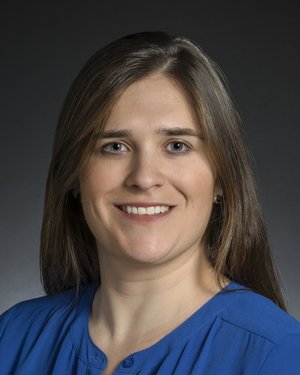 Caitlin W. Hicks合作论文数Department of Otolaryngology-Head and Neck Surgery, School of Medicine, Johns Hopkins University6
 Ana Gleisner合作论文数Division of Surgical Oncology, Department of Surgery, School of Medicine, University of Colorado6
 Raffi Gurunluoglu合作论文数Plastic Surgery, Cleveland Clinic6
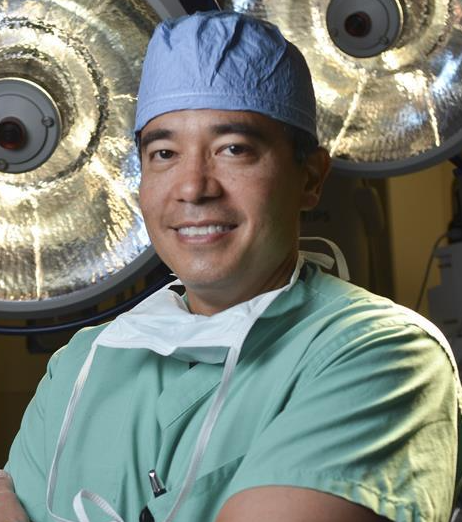 Richard Schulick合作论文数Division of Surgical Oncology, Department of Surgery, School of Medicine, University of Colorado6Douglas R. Gibula合作论文数5
 Gretchen Domek合作论文数5Eric Ballon-Landa合作论文数5Nicholas J Mason合作论文数5
 Diane Fairclough合作论文数Department of Biostatistics and Informatics, Colorado School of Public Health, University of Colorado5Kim Simon P合作论文数5
 John F. Steiner合作论文数School of Medicine, University of Colorado;Institute for Health Research, Kaiser Permanente Colorado5
 Irene V. Blair合作论文数Psychology and Neuroscience, College of Arts and Sciences, University of Colorado Boulder5Ed Havranek合作论文数Denver Health;Division of Cardiology, University of Colorado School of Medicine5




