Background: Well-differentiated pancreatic neuroendocrine tumors (PanNETs) develop in ~80% of patients with multiple endocrine neoplasia type 1 (MEN1) and remain the leading cause of MEN1-related mortality. Whether MEN1-associated PanNETs display distinct clinicopathologic or prognostic characteristics compared with sporadic PanNETs remains incompletely defined. Methods: We retrospectively reviewed clinical, pathological, and outcome data from 817 patients who underwent surgical resection for well-differentiated PanNETs, including 39 MEN1-associated and 778 non-MEN1 tumors, with a total of 7,752 person-years of follow-up. Tumor characteristics, stage, and survival outcomes were compared between two groups. Results: MEN1-associated PanNETs represented 4.8% of the cohort and included both functional and non-functional tumors. Patients with MEN1 more frequently had functional tumors, with insulinomas and gastrinomas pre-dominating. Patients with MEN1 were significantly younger at surgery. Tumor size and grade distribution were similar between two groups, although tumors >2 cm were more prevalent in patients with MEN1. MEN1-associated tumors demonstrated significantly lower rates of lymphovascular and perineural invasion, but similar rates of lymph node metastasis and stage III disease when only lymph node metastases attributa-ble to a pancreatic primary were included. Long-term overall survival, disease-specific survival, and cumula-tive incidence of relapses did not differ significantly between MEN1 and non-MEN1 patients. Conclusions: Surgically resected MEN1-associated PanNETs show comparable histologic grade and tumor size to sporadic PanNETs. MEN1 is associated with more functional tumors and lymph node metastases, but less vascu-lar/perineural invasion. Despite these features, long-term overall survival, disease-specific survival and cu-mulative incidence of relapse are comparable between surgically resected patients with and without MEN1.
BACKGROUND:There is a growing trend towards using a minimally invasive approach (MIS) for patients with insulinoma. We aim to compare the perioperative and oncologic outcomes of open approach versus MIS over a 20-year period. METHODS:We conducted a retrospective single institution cohort study of patients who underwent surgical resection for insulinoma between 2004 and 2024. Patients were grouped by surgical approach: open or MIS, and outcomes were analyzed. RESULTS:28 patients (37.8%) underwent an open approach, and 46 patients (62.2%) underwent an MIS approach. Parenchymal-preserving approach was more commonly done in the MIS group (54.3% vs. 28.6%, p = 0.009). Resection done by a MIS approach was associated with shorter length of stay (5.0 vs. 6.5 days, p = 0.011), fewer grade III/IV surgical complications (19.6% vs. 32.1%, p = 0.15), lower 30-day readmission rates (17.4% vs. 42.9%, p = 0.034), and no cases of incisional hernia (0% vs. 14.3%%, p = 0.018) within two years post-operatively. The difference in local recurrence rates was not statistically significant (4.3% vs. 3.6%, p = 1). DISCUSSION:Our experience highlights that an MIS approach allows for greater use of parenchymal-sparing techniques and improved short-term outcomes while maintaining oncologic integrity.
Abstract Background: Most patients with hepatocellular carcinoma (HCC) experience recurrence after curative-intent resection, highlighting the need for effective perioperative therapies. Neoadjuvant immunotherapy has shown feasibility and pathological changes in clinical trials of early-stage HCC. Here, we evaluate the feasibility of perioperative nivolumab monotherapy and nivolumab plus relatlimab, as dual PD-1 and LAG-3 blockade may synergistically restore T-cell function. Methods: From 2021 to 2025, we conducted an open label, noncomparative, randomized phase II clinical trial (NCT04658147) in patients with potentially resectable HCC with high-risk features (large tumor size, multinodular disease, macrovascular involvement). Patients were randomized to receive 2 doses over 8 weeks of nivolumab (Arm A) or nivolumab with relatlimab (Arm B) prior to surgical resection. Eligible patients continued systemic therapy following resection for up to 10 months. The primary endpoint was feasibility, defined as the proportion of patients who experienced an unacceptable treatment-related adverse which prevented surgery. Secondary endpoints included proportion of complete/major pathologic response, objective response rate (ORR), disease-free survival (DFS), and overall survival (OS). Results: Thirty patients were randomized and received at least one dose of systemic therapy (n=15 per study arm). In both study arms, the trial met its primary endpoint as no patients experienced treatment-related adverse events that precluded surgery. In both study arms, 4/15 (26.7%) patients had grade 3+ treatment-related adverse events. There were no grade 5 toxicities. In Arm A, 13 patients (86.7%) completed neoadjuvant therapy and underwent successful surgery (R0 resection: 86.7% [95% CI: 59.5-98.3%]). Two patients had disease progression prior to surgery. Of the 15 patients in Arm A, 3 (20.0% [4.3-48.1%]) had a complete or major pathologic response. ORR in Arm A at time of neoadjuvant RECIST was 13.3% [1.7-40.4%]. In Arm B, 13 patients (86.7%) completed neoadjuvant therapy and underwent successful surgery (R0 resection: 73.3% [44.9-92.2%]); one patient had a complete radiographic response prior to surgery, and one patient had an aborted surgery due to advanced cirrhosis. Of 15 patients in Arm B, 4 (26.7% [7.8-55.1%]) had a complete or major pathologic/radiologic response. ORR in Arm B at time of neoadjuvant RECIST was 20.0% [4.3-48.1%]. DFS at 2-years was 73.3% in Arm A and 88.9% in Arm B. OS at 2 years was 68.5% in Arm A and 84.8% in Arm B. At C2D1, there was nearly 100% peripheral LAG-3 receptor occupancy (RO) on CD8+ T-cells. At C2D15, LAG-3 RO was approximately 25% in the tumor microenvironment (TME). Conclusions: Nivolumab, and nivolumab with relatlimab, is feasible in the perioperative HCC setting and can result in significant pathologic responses. Ongoing work is evaluating the effects of therapy on the TME. Citation Format: Howard L. Li, Sarah M. Shin, Anne M. Noonan, Chester Kao, Christopher Shubert, Ewa Kulikowicz, Dimitrios N. Sidiropoulos, Jennifer N. Durham, Mari Nakazawa, Waqar Arif, Benjamin Philosophe, William R. Burns, Jin He, Kelly Lafaro, Richard A. Burkhart, Marco Dal Molin, Brad Wilt, Robert A. Anders, Tania Nevers, Elizabeth M. Jaffee, Daniel A. Laheru, Hao Wang, Marina Baretti, Won Jin Ho, Mark Yarchoan. Feasibility and efficacy of perioperative nivolumab with or without relatlimab for patients with potentially resectable hepatocellular carcinoma [abstract]. In: Proceedings of the American Association for Cancer Research Annual Meeting 2026; Part 2 (Late-Breaking, Clinical Trial, and Invited Abstracts); 2026 Apr 17-22; San Diego, CA. Philadelphia (PA): AACR; Cancer Res 2026;86(8_Suppl):Abstract nr CT016.
Representative images of immune, stromal, and architectural markers in the IMC panel
Pancreatic ductal adenocarcinoma (PDAC) carries an extremely poor prognosis, in part resulting from cellular heterogeneity that supports overall tumorigenicity. Cancer-associated fibroblasts (CAF) are key determinants of PDAC biology and response to systemic therapy, and multiple CAF subtypes have been defined. However, defining the effects of patient-specific CAF heterogeneity and plasticity on tumor cell behavior is required to better characterize the role of CAFs in PDAC. In this study, we used multiomic analyses to characterize the tumor microenvironment (TME) in tumors from patients undergoing curative-intent surgery for PDAC. In these same patients, matched tumor organoid and CAF lines were established to functionally validate the impact of CAFs on the tumor cells. CAFs promoted epithelial-mesenchymal transition and a switch in tumor cell classification from classical to basal subtype. Furthermore, CAF-specific interleukin 8 functioned as a modulator of tumor cell subtype. Finally, neighborhood relationships between tumor cells and T cell subsets were defined, demonstrating a distinct spatial coordination among CAF and tumor cell subtypes. Overall, this study provides data supporting CAF signaling as a regulator of the cellular and behavioral heterogeneity in the PDAC TME. These findings can be used to explore rational approaches to improve therapies for this difficult-to-treat disease. SIGNIFICANCE:Multidimensional analyses highlight the diverse role of cancer-associated fibroblasts in influencing cells in the tumor microenvironment and provide a platform for evaluating emerging therapeutic approaches and studying mechanisms dictating tumor behavior.
BACKGROUND:Predicting long-term survival (>5 years; LTS) in resected pancreatic ductal adenocarcinoma (PDAC) remains challenging. The aim of this study was to train and evaluate LTS prediction models. METHODS:We retrospectively included patients with PDAC who underwent resection between 2012 and 2019 from the databases at New York University, the Johns Hopkins Hospital, University of Verona Hospital Trust, and the Dutch Pancreatic Cancer Group. Two models were developed for the (1) post-operative and (2) post-adjuvant treatment phase. Training involved the full dataset followed by internal-external cross validation. RESULTS:4084 patients with resected PDAC were included. The estimated rate of LTS in (1) was 22% (95% CI: 21-24%) and in (2) 24% (95% CI: 22-26%). For model (1) 5-year performance metrics were an AUC of 0.68 (0.60-0.75), O/E ratio of 0.91 (0.45-1.82), and slope of 1.07 (0.56-2.05). Model (2) achieved 5-year AUC of 0.70 (0.64-0.75), O/E ratio of 0.96 (0.60-1.54), and slope of 1.16 (0.60-1.23). CONCLUSIONS:Our models achieved only modest performance despite a large, granular dataset and rigorous statistical methods, demonstrating the need for novel prognostic biomarkers.
BACKGROUND:Minimally invasive parenchyma-sparing pancreatectomy (MI-PSP) is being increasingly adopted for benign and low-grade pancreatic tumors. We sought to evaluate whether this approach is associated with reduced incidence of postoperative diabetes mellitus (DM) and pancreatic exocrine insufficiency (PEI). STUDY DESIGN:We conducted a retrospective single-institution analysis of patients undergoing minimally invasive pancreatectomy between 2006 and 2024 for benign and low-grade pancreatic tumors, defined as localized neoplasms with a low risk of metastases. Propensity score matching (1:1) was performed to compare MI-PSP and minimally invasive standard pancreatectomy (MI-P) based on age, sex, BMI, preoperative non-insulin-dependent DM, and tumor size. The risk of developing postoperative new-onset or worsening DM and PEI was assessed using a multivariable regression model. RESULTS:A total of 184 patients were included. No significant difference emerged between the 2 groups regarding postoperative complications (Clavien-Dindo grade 3 or higher) within 90 days (p = 0.7). Among patients undergoing MI-P, 21 (23%) developed new-onset or worsening diabetes, with 11 (12%) requiring insulin. In contrast, among patients undergoing MI-PSP, only 9 (9.8%) developed new-onset or worsening diabetes, with 3 (3.3%) needing insulin treatment. The 5-year cumulative incidence risk of developing new-onset or worsening diabetes was 38.9% (95% CI 20.7 to 52.9) in the MI-P group and 26.7% (95% CI 7.5 to 42) in the MI-PSP group (p = 0.008). Similarly, PEI developed in 22% of MI-P vs 5.4% of MI-PSP patients (p = 0.001). In the multivariable analysis, patients undergoing MI-P exhibited a significantly higher risk of developing new-onset or worsening diabetes (hazard ratio 3.06, p = 0.006) and PEI (odds ratio 3.18, p = 0.037) compared with those receiving MI-PSP. CONCLUSIONS:MI-PSP was associated with a lower incidence of postoperative metabolic complications in the management of benign and low-grade pancreatic tumors.
e16301 Background: Surgical resection is the mainstay for localized, resectable biliary tract cancers (BTCs). Although genomic clusters have been associated with outcomes in BTCs, data linking specific molecular subtypes to post-surgical outcomes remain limited. We aimed to evaluate the prognostic role of tumor genetic signatures in patients with BTC undergoing curative-intent surgery. Methods: We retrospectively analyzed Liver Multi-Disciplinary Clinic (LMDC) patients who underwent curative-intent surgery between 2015 and 2025 with pathology proven BTC. We included patients with detailed pathological records and next generation sequencing (NGS) results. Our endpoints of disease-free survival (DFS) and overall survival (OS) were defined as the time from surgery to their first documented disease recurrence and death from any cause, respectively. Results: There were 97 patients (52.6% male, 47.4% female) in our cohort with a mean age of 65.1 years. Most patients had AJCC Stage II (28.8%) or III disease (27.8%). Median DFS was 20.1 months (CI 16.0–28.7) and median OS was 40.4 months (CI 37.3-52.5). Recurrence occurred in 64.2% of patients, and the median survival post-recurrence was 15.4 months. In gene-level analyses, alterations in SMAD4 and BRAF were significantly associated with shorter DFS (SMAD4: HR 4.2, CI 1.61-11.00, p 0.003; BRAF HR 3.89, CI 1.17-12.92, p 0.03). Mutations in SMAD4 and NTRK1/2/3 were also associated with worse OS (SMAD4: HR 3.53, CI 1.22-10.19, p 0.02; NTRK1/2/3: HR 7.72, CI 2.23 - 26.70, p 0.001), while mutations in FGFR2 significantly improved OS (HR 0.22, CI 0.05-0.92, p 0.03). Subsequently, cluster-based analysis was performed to prevent distortion from low-frequency alterations. Cluster 1 (TP53/KRAS/ATM) and cluster 2 (CDKN2A/2B) were not associated with OS or DFS. In contrast, cluster 3 (ARID1A/PBRM1/IDH1) alterations were associated with decreased OS (HR 2.36, CI 1.23-4.56, p 0.01). Cluster 4 (FGFR2/BAP1) mutations were associated with improved OS (HR 0.33, CI 0.12, 0.92, p 0.03) relative to patients without these alterations. Conclusions: In the post-surgical setting, patients harboring mutations in chromatin remodeling pathways (ARID1A/PBRM1/IDH1), as well as SMAD4 and NTRK1/2/3, experienced worse outcomes, whereas those with BAP1 and FGFR2 alterations demonstrate improved outcomes. Although limited by sample size, our study lays out the foundation for future investigations evaluating the impact of molecular profiling in BTC patients undergoing surgical resection.
Objective:To report 30-day results from an ongoing 5-year study of intraoperative pancreatoscopy (IOP) in patients undergoing pancreatic surgery for main pancreatic duct (MPD) intraductal papillary mucinous neoplasm (IPMN). Background:IOP may detect skip lesions and objectify disease extent during surgery for IPMN with MPD involvement, but prospective multicenter data are lacking. Methods:Prospective international study including patients with IPMN and MPD diameter >5 mm on preoperative imaging, scheduled for surgery at 8 centers in 6 countries. Primary endpoint was the rate of detection by IOP of discontinuous (skip) lesions along the MPD. Secondary endpoints included IOP technical success, influence of IOP findings on surgical plan, and related serious adverse events (SAEs). Results:Among 100 patients undergoing IOP, skip lesions were documented in 13 (13.0%). IOP was technically successful in 91 (91.0%). In 41 patients (41.0%), IOP findings were reported by the surgeon to be impactful by confirming the absence of lesions in a dilated MPD and hence sparing parenchyma in 26 (26%), extending the initial resection in 12 (12%), or changing the type of partial pancreatectomy in 3 (3%). There were no IOP-related SAEs. Surgery-related SAEs were reported in 27 (27%) patients. Conclusions:IOP identified skip lesions in 13% of patients undergoing surgery for IPMN with MPD involvement. IOP influenced the surgical plan in 41% of patients. There were no IOP-related SAEs. Longer follow-up is ongoing. ClinicalTrials.gov number NCT03729453.
Cells analyzed per patient and subset nearest neighbor analysis by treatment status and at increased radii
Quantification of N-cadherin and Krt17 surface expression on organoids with and without coculture
BACKGROUND:Schwannomas, paragangliomas, and gangliocytic paragangliomas are rare tumors of the pancreas and peripancreas. Diagnosis and management of these tumors remain challenging. METHODS:A retrospective review was conducted at a single institution. Nineteen cases were identified from 1990 to 2022. Descriptive statistics summarized the demographic, clinicopathologic, and long-term outcome data. RESULTS:Schwannomas were encountered within the pancreatic parenchyma, whereas half of the paragangliomas were intraparenchymal and the other half were in the peripancreatic connective tissue. Symptoms varied and occurred in half of the patients encountered. Imaging characteristics were nonspecific. When obtained, EUS-FNA (n = 16) and nuclear imaging (n = 3) assisted in making a preoperative diagnosis. Intraparenchymal tumors were predominantly managed with a pancreatectomy (n = 12) while tumors in the peripancreatic connective tissue were managed with tumor resection without a pancreatectomy (n = 4). The median follow-up for schwannomas and gangliocytic paragangliomas was 66.8 and 13.6 months, respectively, during which time zero recurrences occurred. Paraganglioma patients had a median follow-up of 21.4 months, and tumor recurrence was encountered in 50% of patients. CONCLUSION:Schwannomas and gangliocytic paragangliomas are benign tumors. Paragangliomas have malignant potential and should be managed with an oncologic resection. Accurate preoperative diagnosis using EUS-FNA and nuclear imaging is crucial for recommending the appropriate surgical intervention and minimizing surgical morbidity.
 Jin He合作论文数Department of Surgery, School of Medicine, Johns Hopkins University213
 Christopher Wolfgang合作论文数Department of Surgery, School of Medicine, New York University;Johns Hopkins School of Medicine161
 William R Burns合作论文数Department of Surgery, Johns Hopkins University School of Medicine113
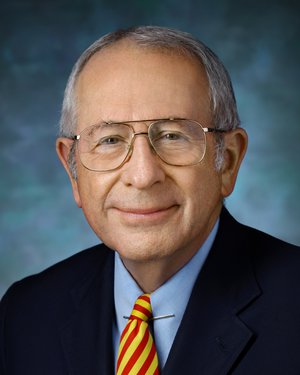 John L. Cameron合作论文数Johns Hopkins School of Medicine;Sidney Kimmel Comprehensive Cancer Center, Johns Hopkins University;Skip Viragh Center for Pancreatic Cancer, Johns Hopkins University85
 Kelly Lafaro合作论文数79
 Lei Zheng合作论文数Department of Oncology and Surgery, School of Medicine, John Hopkins University;Pancreatic Cancer Precision Medicine Center of Excellence,;Sidney Kimmel Comprehensive Cancer Center,77
 Ammar A. Javed合作论文数Department of Surgery, The Johns Hopkins Hospital69
 Elizabeth M. Jaffee合作论文数Department of Pathology, School of Medicine, Johns Hopkins University;Institute for Clinical & Translational Research, Johns Hopkins University69
 Michael G. Goggins合作论文数Department of Pathology, School of Medicine, Johns Hopkins University;Division of Gastroenterology and Hepatology, The Johns Hopkins Hospital;Early Detection of Pancreatic Cancer Laboratory, Johns Hopkins University54
 Matthew J. Weiss合作论文数Institute of Cancer Research, Feinstein Institutes for Medical Research, Northwell Health53
 Ralph Hruban合作论文数Department of Oncology, Johns Hopkins University School of Medicine;The Sol Goldman Pancreatic Cancer Research Center, Johns Hopkins University53
 Shubert Christopher R合作论文数Mayo Clinic Department of Surgery, Division of Subspecialty General Surgery, Section of Hepatobiliary and Pancreas Surgery, 200 First Street SW, Rochester, MN, USA.51
 Laura DeLong Wood合作论文数Department of Otolaryngology-Head and Neck Surgery, School of Medicine, Johns Hopkins University47
 Vincent P Groot合作论文数UMC Utrecht Canc Ctr, Univ Utrecht40
 Jacquelyn W. Zimmerman合作论文数39
 Yu Jun合作论文数Department of Surgery, School of Medicine, Johns Hopkins University;Pancreatic Cancer Precision Medicine Center of Excellence, School of Medicine, Johns Hopkins University38Daniel A. Laheru合作论文数37
 Charles J. Yeo合作论文数Department of Surgery, Sidney Kimmel Medical College, Thomas Jefferson University35Nicholas J. Roberts合作论文数34Elizabeth D Thompson合作论文数34
 David Tuveson合作论文数Tuveson Laboratory, Cold Spring Harbor Laboratory;Cancer Center, Cold Spring Harbor Laboratory33
 Steven Gallinger合作论文数Department of Surgery, Temerty Faculty of Medicine, University of Toronto32
 Pascal Belleau合作论文数Department of Molecular Endocrinology;CHUL Research Centre;Laval University;CHUL Research Centre, Laval University31Jordan M. Winter合作论文数30
 Joseph R Habib合作论文数Dept Surg, Johns Hopkins Univ30Youngkyu Park合作论文数Cold Spring Harbor Laboratory29Narang Amol K合作论文数Johns Hopkins University School of Medicine, Johns Hopkins University29Alina Hasanain合作论文数27
 Jonathan Teinor合作论文数Department of Surgery, Johns Hopkins University School of Medicine27
 Alex Blair合作论文数College of Medicine, University of Toledo27
 Elana J. Fertig合作论文数Institute for Genome Sciences, University of Maryland School of Medicine26
 Elliot K. Fishman合作论文数School of Medicine, The Johns Hopkins University26
 Jonathan R. Brody合作论文数Department of Surgery, School of Medicine, Oregon Health & Science University26
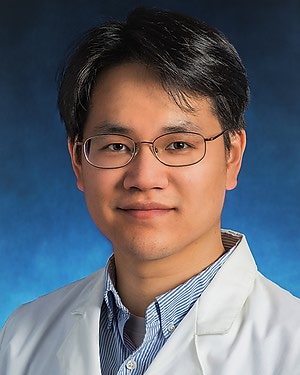 Won Jin Ho合作论文数Department of Otolaryngology-Head and Neck Surgery, School of Medicine, Johns Hopkins University23Macgregor-Das A M合作论文数John Hopkins Medical Institutions, John Hopkins Medical Institutions23A. Floortje van Oosten合作论文数21Benedict Kinny-Köster合作论文数21Michael J. Pflüger合作论文数Sol Goldman Pancreat Canc Res Ctr, Johns Hopkins Univ21
 Timothy M Pawlik合作论文数Department of Surgery, College of Medicine, The Ohio State University Wexner Medical Center21Samantha Guinn合作论文数20
 Ana De Jesus-Acosta合作论文数Sidney Kimmel Comprehensive Cancer Center, School of Medicine, Johns Hopkins University;Skip Viragh Center for Pancreatic Cancer, School of Medicine, Johns Hopkins University20
 Azad Nilofer合作论文数The Sidney Kimmel Comprehensive Cancer Center, Johns Hopkins University;The Sidney Kimmel Comprehensive Cancer Center, Johns Hopkins University20
 Mark Yarchoan合作论文数Department of Oncology, Sidney Kimmel Comprehensive Cancer Center, Johns Hopkins University School of Medicine20Gemma Lionheart合作论文数19Fujikura Kohei合作论文数19
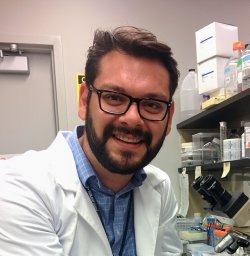 Gemenetzis Georgios合作论文数Medical School of Athens, Attikon University Hospital19
 Dung Le合作论文数School of Medicine, Johns Hopkins University;Skip Viragh Outpatient Cancer Center19S.E. Fischer合作论文数18Melissa R. Lyman合作论文数18




