Parkinsonian disorders comprise a broad spectrum of neurodegenerative diseases with a wide variety of pathogenetic processes. These processes lead to the formation of pathological proteins, resulting in the brain diseases called synucleinopathies, tauopathies or TDP-43 proteinopathies. There is currently growing support for the hypothesis that genetic variants explain a significant fraction of the etiology of apparently sporadic parkinsonian disorders. Genetic risk factors can be stratified according to the metabolic or structural processes that can lead to cellular disturbance; these processes involve protein aggregation, protein and membrane trafficking, stabilization of the neurite structure, prion-like transmission of pathological proteins, ubiquitin–proteasome system balance, mitophagy, lysosome autophagy, synaptic functions, and dopamine transmission. Regarding the environmental risk factors, there are several substances that have been supposed of being a risk for the development of neurodegenerative proteinopathy and Parkinsonism, mainly the agents used in agriculture and the textile industry. The most important and most frequently studied are pesticides and trichlorethylene. Beside the globally ubiquitous substances which are supposedly neurotoxic and exposure to which can cause manifestations of Parkinsonism, there are more geographically (regionally) specific substances, which cause (or quite recently caused) the manifestation of endemically present Parkinsonism. Among ten types of endemic Parkinsonism, three of them are thought to have an environmental cause: Western Pacific Parkinsonism, Caribbean Parkinsonism, and North France cluster of atypical Parkinsonism.
Alzheimer's disease (AD), Parkinson's disease (PD), and amyotrophic lateral sclerosis (ALS) are among the most well-known and prevalent neurodegenerative disorders. These diseases result from an interaction between the environment and genetically predisposed individuals. This review examines the evidence available in the literature underlying this multifaceted interaction, focusing on various chemical substances such as metals, fertilizers, and herbicides, as well as toxic agents of microbiological origin, including cyanobacteria and their neurotoxins. In addition, the pathways through which toxic substances can enter the human body are discussed, such as air and water, which may lead to absorption through the lungs, the gastrointestinal tract, the skin, and mucosae. The routes by which neurotoxic substances gain access to the human body may help explain the increased risk of developing neurodegenerative diseases observed in sports played on soil and grass surfaces, such as soccer, American football, and golf.
INTRODUCTION:Parkinson's Disease (PD) is a highly heterogeneous entity in terms of clinical manifestations, progression, and treatment response. This variability has given rise to the hypothesis that different clinical subtypes of the disease exist. STATE OF THE ART:To date, several clinical subtypes have been described, mostly based on different clinical features, and sometimes with the support of biomarkers, either fluid, neuroimaging, or neurophysiological. The most homogeneous subtypes detected are a 'benign subtype', characterised by younger age at onset, mild non-motor symptoms, and a slower rate of disease progression, and a 'malignant subtype', which features an older age at onset, a higher burden of non-motor symptoms, and faster disease progression. CLINICAL IMPLICATIONS:Despite extensive research, none of the subtypes identified so far seem to be biologically supported, so clinical subtyping does not elucidate PD aetiology and does not allow for the prediction of prognosis or treatment response. This study was aimed to review the literature on this topic and to examine the studies on PD subtyping. We also reviewed the proposed biomarkers for a biological classification of PD, and outlined the role of genetics and pathology within this context. FUTURE DIRECTIONS:In light of the recent proposal of a biological classification of PD, which might overcome the limits of the clinical diagnosis, PD subtyping should hopefully shepherd researchers towards a biological approach, also aided by recent advances in the field of biomarkers.
Tardive dyskinesia (TD) is a chronic, often disabling hyperkinetic movement disorder associated with prolonged use of dopamine receptor blocking agents (DRBAs), particularly antipsychotics (APs) for psychiatric disorders such as schizophrenia and bipolar disorder. It manifests as abnormal, involuntary movements, often involving the orofacial region, extremities, or trunk, and is associated with significant physical and psychosocial impairment. TD is primarily linked to dopamine receptor hypersensitivity, oxidative stress, and genetic susceptibility, with a higher prevalence in patients treated with first-generation APs. However, second-generation APs (SGAs) have not eliminated the risk entirely, particularly in older adults and those with prolonged exposure. Diagnosis relies on clinical assessments such as the Abnormal Involuntary Movement Scale (AIMS) and comprehensive neurological evaluations. Treatment guidelines emphasize early detection, prevention through minimal effective doses of APs, and the use of VMAT2 inhibitors (vesicular monoamine transporter 2 inhibitors) as a first-line therapy in moderate-to-severe cases. VMAT2 inhibitors reduce dopamine signaling dysregulation without directly blocking D2 receptors, effectively managing symptoms in many patients. For treatment-resistant cases, deep brain stimulation and other non-pharmacological interventions offer promising alternatives. Current research underscores the complexity of TD's pathophysiology and the need for personalized approaches. Future directions include developing biomarkers for risk stratification, refining therapeutic strategies, and optimizing long-term outcomes through multidisciplinary care.
Although migraine attacks have been precisely characterized over the years − with significant advances in pathophysiology and treatment − the comprehensive identity of the migraine patient remains poorly defined. Real-world data capturing the full sociodemographic and clinical spectrum of individuals with migraine is still limited. The Italian National Migraine Registry (I-GRAINE) was established to address this gap by systematically collecting data on individuals with migraine across Italy’s public healthcare system. I-GRAINE is an ongoing, nationwide, multicenter, prospective registry involving 43 publicly funded headache centers. Since 19/04/2021, patients diagnosed with episodic migraine (EM) or chronic migraine (CM) have been systematically enrolled. Data were collected through face-to-face interviews conducted by trained neurologists using a dedicated electronic platform. Information included sociodemographic and lifestyle factors, comorbidities, and detailed clinical characteristics. We aimed to define the patient profile, explore the broad clinical phenotype, and compare EM and CM subgroups. As of 02/05/2025, 1,630 patients had been enrolled (81.7
BACKGROUND AND OBJECTIVES:Caregivers of progressive supranuclear palsy (PSP) patients frequently show significant distress. The Parkinsonism Carers quality of life (QoL) (PQoL Carer) is a valid tool evaluating the effect of PSP on caregivers' QoL. Main aim of the present study was to develop a short version of the PQoL Carer, named PSP-ShoQoL Carer. METHODS:PQoL Carer was administered within the PSP-NET. Participants underwent clinical, motor, cognitive, and behavioral evaluations. RESULTS:Data from 344 participants were included. The final PSP-ShoQoL Carer included eight items. The internal consistency was high (Cronbach's α = 0.867) and PSP-ShoQoL Carer showed also good acceptability, reliability, and validity. The PSP-ShoQoL Carer showed a significant correlation with caregivers' standard measures of QoL and with patients' motor, cognitive, and behavioral characteristics, such as neuropsychiatric symptoms. Finally, PSP-ShoQoL Carer showed an appropriate sensitivity to change over 6-month follow up. CONCLUSIONS:PSP-ShoQoL Carer is a reliable and valid time-saving tool for the assessment of caregivers' QoL in PSP.
Oxidative stress (OS), a condition that occurs when the balance between reactive oxygen species production and antioxidant defense mechanisms is disrupted, has been implicated in the pathogenesis of several neurological conditions, including neurodegenerative and vascular disorders. Ferroptosis is a mechanism mediating OS-induced damage, with growing evidence of specific involvement in both Parkinson’s disease (PD) and ischemic stroke. Regular physical activity may have an antioxidant effect by increasing the production and activity of nonenzymatic and enzymatic antioxidants. Among the biological mediators of physical activity, irisin may act as an agent capable of inducing systemic changes and crossing the brain-blood barrier. This review aims to describe the main role of OS in the pathophysiology of PD, highlighting putative neurodegenerative mechanisms and emphasizing the potential targeting by physical activity as a possible shared preventive and symptomatic treatment approach.
Managing vertebrobasilar (VB) stroke, particularly basilar artery occlusion (BAO), presents challenges due to diverse clinical presentations and intricate diagnostics, risking delays in acute-phase reperfusion therapies. The diagnostic complexities of VB stroke prompt questions about whether presentation tempo influences outcomes. For non-urgent cases of basilar artery stenosis (BAS) lacking guidelines, clinical management becomes case-dependent. Current options include aggressive medical therapy (AMT) and percutaneous transluminal angioplasty and/or stenting (PTAS). However, the choice of PTAS remains debated, with recent trials observing higher-than-expected recurrence rates, particularly in intracranial stenosis. Understanding hemodynamic status is crucial in predicting stroke risk, especially in atherosclerotic VB disease. Recent studies highlighted the role of distal flow status in predicting stroke risk, emphasizing the importance of hemodynamic assessment beyond anatomic measures. Neurosonology, especially transcranial color-coded duplex sonography (TCCS), emerges as a valuable tool for assessing hemodynamics. Despite TCCS being operator-dependent and technically challenging for BAS evaluation, it effectively detects significant hemodynamic changes, providing real-time information on collateral flow. This review explores the potential role of TCCS in managing BA hemodynamic failure in VB stroke, with particular regard to the selection of BAS patients who may benefit from PTAS.
BACKGROUND:Family history of Parkinson's disease (PD) is a common finding in PD patients. However, a few studies have systematically examined this aspect. OBJECTIVES:We investigated the family history of PD patients, comparing demographic and clinical features between familial PD (fPD) and sporadic PD (sPD). METHODS:A cross-sectional study enrolling 2035 PD patients was conducted in 28 Italian centers. Clinical data and family history up to the third degree of kinship were collected. RESULTS:Family history of PD was determined in 21.9% of patients. fPD patients had earlier age at onset than sporadic patients. No relevant differences in the prevalence of motor and nonmotor symptoms were detected. Family history of mood disorders resulted more prevalently in the fPD group. CONCLUSIONS:fPD was found to recur more frequently than previously reported. Family history collection beyond the core family is essential to discover disease clusters and identify novel risk factors for PD.
Dropped head syndrome (DHS) is characterized by severe forward flexion of the cervical spine due to an imbalance in neck muscle tone. This condition can be linked to various neuromuscular diseases, including myasthenia gravis (MG). On the other hand, Parkinson’s disease (PD) patients may show a clinically indistinguishable picture named antecollis, which is caused by increased axial tone, but without muscle weakness. Differentiating between DHS and antecollis is crucial due to their distinct treatment requirements. We present the case of a 71-year-old White male with a one-month history of severe neck flexion, mild dysphagia, and dysphonia. His medical history included diabetes mellitus, coronary artery disease, arterial hypertension, and mild cervical spondylosis. Neurological examination revealed features of Parkinsonism, including hypomimia, asymmetric rigidity, and reduced arm swing. There was significant weakness in his neck extensor muscles, with no signs of ptosis or diplopia. Brain/spine MRI scans were unremarkable, but electromyography showed a reduced compound muscle action potentials amplitude in repetitive nerve stimulation, consistent with MG. High-titer acetylcholine receptor antibodies confirmed the diagnosis. Treatment with pyridostigmine (60 to 120 mg/day) and plasma exchange (daily, for five consecutive days) improved the patient’s general condition and neck posture. Concurrently, the patient was diagnosed with PD based on established clinical criteria and improved with carbidopa/levodopa therapy (up to 150/600 mg/daily). This case highlights the rare co-occurrence of MG and PD, emphasizing the need for thorough clinical, neurophysiological, and laboratory evaluations in complex DHS presentations. Managing MG’s life-threatening aspects and addressing PD symptoms requires a tailored approach, showcasing the critical role of neurophysiology in accurate diagnosis and effective treatment.
Questioning the cycad theory of Kii ALS-PDC causation I n a recent Review by Menšíková and colleagues (Menšíková, K. et al.Endemic parkinsonism: clusters, biology and clinical features.Nat.Rev. Neurol.19, 599-616 ( 2023) 1 ), we have identified several statements in relation to the Kii amyotrophic lateral sclerosisparkinsonism-dementia complex (ALS-PDC) that conflict with our own observations.There are several misconceptions and errors that should not be overlooked regarding epidemiology, clinical features, neuropathology and genetics, especially in the section on causative factors, in which the authors assert that extracts from highly toxic cycad seeds were used in traditional medicine to treat diseases such as diarrhoea, dysmenorrhoea, gonorrhoea and haemorrhoids and were given to children in the belief that they would strengthen their bodies and support their development.However, Y.K. has worked directly with many patients with ALS-PDC and their families on the Kii Peninsula for over 30 years and also resided in a multi-occurrence area for 3 years, and he has noted that no residents in areas of high ALS-PDC occurrence eat or drink cycad.The use of cycad in herbal and folk medicine is very rare and seems to be unrelated to the development of ALS-PDC.Furthermore, it is uncommon to use cycad as a tonic in children.Additional findings cast doubt on the proposed link between cycad ingestion and ALS-PDC.First, S. Yokoi was a Japanese soldier who survived for 28 years in the jungles of Guam and developed symptoms of parkinsonism in his later years.He was suspected to have PDC
Blepharospasm is the most frequent cranial dystonia and consists of involuntary, symmetric, tonic or clonic bilateral contractions of the orbicularis oculi muscle, resulting in partial or complete eye closure. Blepharospasm can be primary (idiopathic), secondary or psychogenic. Primary blepharospasm is an adult-onset focal dystonia, manifesting with forceful eyelid closures. Rarely, blepharospasm is secondary to structural brain lesions, drug-induced or other neurodegenerative conditions like atypical parkinsonism. Blepharospasm’s severity may range from increased blinking frequency (only causing minor discomfort) to a persistent and forceful eyelid closure, leading to functional blindness
BackgroundThe glioblastoma’s bad prognosis is primarily due to intra-tumor heterogeneity, demonstrated from several studies that collected molecular biology, cytogenetic data and more recently radiomic features for a better prognostic stratification. The GLIFA project (GLIoblastoma Feature Analysis) is a multicentric project planned to investigate the role of radiomic analysis in GB management, to verify if radiomic features in the tissue around the resection cavity may guide the radiation target volume delineation.Materials and methodsWe retrospectively analyze from three centers radiomic features extracted from 90 patients with total or near total resection, who completed the standard adjuvant treatment and for whom we had post-operative images available for features extraction. The Manual segmentation was performed on post gadolinium T1w MRI sequence by 2 radiation oncologists and reviewed by a neuroradiologist, both with at least 10 years of experience. The Regions of interest (ROI) considered for the analysis were: the surgical cavity ± post-surgical residual mass (CTV_cavity); the CTV a margin of 1.5 cm added to CTV_cavity and the volume resulting from subtracting the CTV_cavity from the CTV was defined as CTV_Ring. Radiomic analysis and modeling were conducted in RStudio. Z-score normalization was applied to each radiomic feature. A radiomic model was generated using features extracted from the Ring to perform a binary classification and predict the PFS at 6 months. A 3-fold cross-validation repeated five times was implemented for internal validation of the model.ResultsTwo-hundred and seventy ROIs were contoured. The proposed radiomic model was given by the best fitting logistic regression model, and included the following 3 features: F_cm_merged.contrast, F_cm_merged.info.corr.2, F_rlm_merged.rlnu. A good agreement between model predicted probabilities and observed outcome probabilities was obtained (p-value of 0.49 by Hosmer and Lemeshow statistical test). The ROC curve of the model reported an AUC of 0.78 (95% CI: 0.68–0.88).ConclusionThis is the first hypothesis-generating study which applies a radiomic analysis focusing on healthy tissue ring around the surgical cavity on post-operative MRI. This study provides a preliminary model for a decision support tool for a customization of the radiation target volume in GB patients in order to achieve a margin reduction strategy.
Neuropsychiatric symptoms (NPS) include apathy, emotional dysregulation, impulse control disorders, social inappropriateness, and abnormal perception or thought content.1 Such symptoms are common and affect quality of life and caregiver burden in people living with Parkinson disease (PD).2 In this issue of Neurology ®, Lee et al.3 publish a study in which they examined which profile of NPS is associated with the risk of cognitive decline in a large clinic-based cohort of patients with PD with mild cognitive impairment (PD-MCI). This single-center retrospective study involved 338 consecutive outpatients with PD-MCI seen at Severance Hospital, Seoul, South Korea, from January 2008 to July 2019. PD was diagnosed according to standard clinical diagnostic criteria, but to improve the diagnostic accuracy of the disease, all patients were confirmed as having dopaminergic depletion in the posterior putamen on 18F-N-fluoropropyl-2b-carbomethoxy-3b-(4-iodophenyl) nortropane (FP-CIT) PET. They all underwent complete neuropsychological testing using the Seoul Neuropsychological Screening Battery and completed the Neuropsychiatric Inventory (NPI) questionnaire.
 Alfredo Berardelli合作论文数Department of Human Neurosciences, Sapienza University of Rome75
 Giovanni Fabbrini合作论文数70
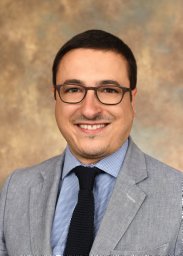 Luca Marsili合作论文数34
 Pascal Maisonobe合作论文数29
 Gregor K. Wenning合作论文数Division of Clinical Neurobiology, Department of Neurology, Innsbruck Medical University27Tae Mo Chung合作论文数26
 Werner Poewe合作论文数Department of Neurology, Medical University Innsbruck25
 David Charles合作论文数Vanderbilt University Medical Center25
 Matteo Bologna合作论文数Department of Neurological Sciences, University of Rome “La Sapienza”24Roberto Marconi合作论文数Neurology Service, ‘Misericordia’ Hospital23
 Paolo BARONE合作论文数Dipartimento di Medicina, Chirurgia e Odontoiatria, University of Salerno21
 Alberto Albanese合作论文数Neurologia I, Fondazione IRCCS Istituto Neurologico Carlo Besta;Istituto di Neurologia, Università Cattolica del Sacro Cuore21
 Angelo Antonini合作论文数University of Padua21
 Francesco Ernesto Pontieri合作论文数Dipartimento di Neuroscienze, Salute Mentale e Organi ei Senso, Università degli Studi di Roma "La Sapienza"21Nicola Vanacore合作论文数National Centre for Disease Prevention and Health Promotion, National Institute of Health19
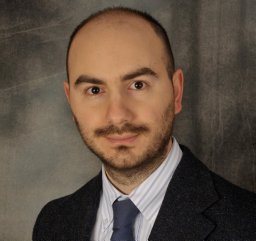 Antonio Suppa合作论文数Department of Neurological Sciences and Neuromed Institute, Sapienza University of Rome19Bentivoglio Anna Rita合作论文数Ist Neurol, Univ Cattolica Sacro Cuore18Lisa G. Defazio合作论文数18Roongroj Bhidayasiri合作论文数17Giuseppe Meco合作论文数16
 Alessandro Pedicelli合作论文数Fondazione Policlinico Universitario Agostino Gemelli 16Tommaso Tartaglione合作论文数15Om Savary合作论文数14G Di Lella合作论文数13Pietro Tonali合作论文数13Letterio Morgante合作论文数13Klaus Seppi合作论文数13
 Simona Gaudino合作论文数Istituto di Anatomia13
 Fabrizio Stocchi合作论文数12V Bonifati合作论文数12S. Om合作论文数12
 Kaliash Bhatia合作论文数Department of Clinical and Movement Neuroscience, Institute of Neurology, University College London12
 Ubaldo Bonuccelli合作论文数11Giovanni Abbruzzese合作论文数Dipartimento di Neuroscienze, Riabilitazione, Oftalmologia, Genetica e Scienze Materno-infantili, Universita degli Studi di Genova11Concezio Di Rocco合作论文数11Armando Tartaro合作论文数11Giulio Maira合作论文数11
 Alfonso Cerase合作论文数Santa Maria alle Scotte” General Hospital, Azienda Ospedaliera Universitaria Senese11
 Donatella Ottaviani合作论文数School of Medicine, University of L'Aquila11M Chianese合作论文数10
 Margil Rollo合作论文数10
 Fanciulli Alessandra合作论文数10
 Mario Zappia合作论文数Dipartimento di Scienze Mediche, Chirurgiche e Tecnologie Avanzate, Università di Catania10
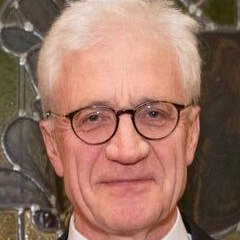 Wolfgang Oertel合作论文数Hertie Foundation, Philipps Universität of Marburg10
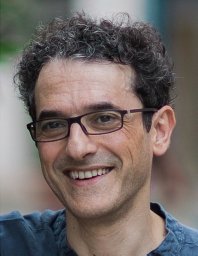 Antonino Nicoletti合作论文数INSERM U10
 David J Nicholl合作论文数Department of Neurology, City Hospital10D. Tiple合作论文数9Niall Quinn合作论文数Queen Square Institute of Neurology, University College London9




