Trans individuals routinely experience discrimination. In this study, thirty-nine couples consisting of a trans partner and a cis male partner from the San Francisco Bay Area were interviewed about their relationship. The interviews were digitally recorded, transcribed and reviewed for accuracy. Guided by grounded theory, coders began thematic analysis until inter-coder reliability was achieved. Further qualitative coding produced several codes, two of which are focused upon here: namely, discrimination and support. This study highlights discrimination at the institutional level, such as being denied housing and employment, and at the interpersonal level, such as experiencing harassment from strangers and exclusion from queer community spaces. Trans individuals reported becoming desensitised to discrimination, moving to safer geographic locations, and acknowledged cis or straight passing as a privilege and a prevention tactic against discrimination, although this sometime left participants feeling their gender had been invalidated. Although most trans individuals sought support from their cis partners, some cis partners reacted with violence to discrimination, provoking the situation’s severity and upsetting their trans partner. Transphobic discrimination is widespread, and it is crucial for frontline health and other service providers to understand the impact it has on both trans individuals and trans/cis couples, and for agencies to offer resources to support these relationships.
Though trans individuals have some of the highest rates of HIV in the U.S., little is known about how trans couples navigate these risks within committed relationships. Thirty-nine couples, composed of one trans partner and one cis male partner, were asked about their relationship agreements, including sexual negotiations, in semi-structured, qualitative interviews. Couples reported definitions of monogamy and non-monogamy that were inconsistent with previous literature, each ranging as if on a continuum. While agreements varied, most non-monogamous couples reported a focus on safe sex practices and HIV risk mitigation, specifically highlighting negotiations around fluid exchange or fluid bonding. Changes in sexual desire arose for many couples, often due to hormonal changes during gender-affirming measures. Most couples navigated these shifts successfully, by changing their relationship agreement or sexual practices. Changing sexual behavior included addressing motivations for sex that were unrelated to one's own sexual pleasure; this motivation is called "maintenance sex." Alarmingly, nearly half of the couples interviewed reported discrepant agreements, which is associated with higher sexual risk. With an apparent ambiguity in defining agreements, it is imperative to trans communities' sexual health that relationship agreements are explicitly communicated to partners and healthcare providers.
Emerging studies focus on minority stressors emanating from society's stigmatization of particular relationship forms (i.e., couple-level minority stressors). The present study examines how same-sex couples experience one such couple-level minority stressor: limitations to participation in families of origin. Qualitative data are drawn from a sub-sample of same-sex couples (N = 18) who participated in a large-scale study of minority stress among 120 same-sex couples distributed equally across two study sites (Atlanta and San Francisco) in 2012 and 2013. Instances of limitations to participation in families of origin ranged in severity, falling into three distinct areas: 1) partial acceptance, where some family members were accepting and others were not, 2) mixed messages where some family members said they were accepting but behaved as though they were not and, 3) rejection, where some family members were blatantly unwelcoming or hostile. These types of exclusion were also evidenced in dyadic minority stress processes of stress proliferation (e.g., stress discrepancies and stress contagion) causing additional stress for both partners. These narratives portray struggles associated with experiences of couple-level minority stress faced by people in same-sex relationships.
HIV disproportionately impacts men who have sex with men (MSM) in the USA. Building upon research on relationship constructs unique to MSM couples’ HIV-prevention needs, we developed two new scales measuring sexual agreement self-efficacy (SASE) and importance of sexual agreement communication (ISAC). Following qualitative item development, we used two large independent samples of MSM couples (N1 = 441, N2 = 388) to conduct scale validation. Exploratory factor analyses indicated both SASE and ISAC to be unidimensional with 7 and 5 items (eigenvalues = 5.68 and 3.50), respectively, with strong factor loadings. Confirmatory factor analyses yielded satisfactory model fit for SASE (CFI = 0.99; SRMR = 0.03) and ISAC (CFI = 0.99; SRMR = 0.05). Reliability was high for SASE (ω = 0.92) and ISAC (ω = 0.84). Predictive validity analysis revealed a protective association between higher scores on both scales and the outcomes of sexual risk behavior and agreement breaks. Convergent and discriminant validity analyses demonstrated associations in the expected directions between these scales and multiple measures of relationship quality. Therefore, SASE and ISAC are two brief, valid, and reliable scales that can facilitate more in-depth explorations of sexual agreements in MSM and thereby contribute greatly to improving our understanding of and ability to intervene on sexual agreements to improve health and relationship outcomes.
Male couples in open relationships tend to have as equally fulfilling relationships as monogamous male couples; however, less is known about communication differences between monogamous and open couples. Because couples with open agreements permit sex with outside partners, they must navigate different relationship issues than monogamous couples, and this can translate to differences in communication. We therefore examined differences between cisgender men in monogamous versus open relationships regarding communication about sexual agreements, safety agreements, breaking of sexual and safety agreements, the disclosure of broken sexual and safety agreements, and general relationship communication. Using a sample of 395 couples, we found that while certain aspects of communication are different for monogamous couples compared to open couples, similarities also exist. Specifically, we identified no differences in how explicitly couples discussed their sexual and safety agreements, attitudes toward communication about safety agreements, and mutual avoidance and withholding communication. However, monogamous couples had more positive attitudes toward communication about sexual agreements. The results were mixed on the perceived impact that broken safety agreements had on communication with the primary partner. Our results are interpreted with attention to relationship well-being and implications for safer sex practices.
AbstractHIV/AIDS is a disease that significantly affects the health outcomes of sexual and gender minorities (SGMs) and the LGBTQ community globally. HIV is frequently associated with mental health issues among many vulnerable populations, such as depression, anxiety, stigma, substance abuse, and discrimination. In addition, risk factors for HIV acquisition often include mental health problems, lack of social support, and experiences of stigma and discrimination. This chapter focuses on the history of HIV/AIDS, current HIV health disparities in SGM communities in the United States and globally, mental health among HIV-positive vulnerable and understudied populations, and future directions for the improvement of HIV prevention programs and mental health interventions. Understudied populations include women who have sex with women, transgender men, and SGM belonging to racial and ethnic minority groups. This chapter aims to summarize the interaction of HIV/AIDS and mental health over the past two decades in order to demonstrate the importance of this subject in current research.
Sharing of injection drug use paraphernalia is a dyadic process linked to the transmission of HIV and hepatitis C virus (HCV). Despite this, limited research exists identifying specific dyadic interpersonal factors driving injecting partners' engagement in needle/syringe and ancillary injecting equipment sharing among young adults. Using semi-structured in-depth interview data collected between 2014 and 2015 from twenty-seven people who inject drugs (PWID), we applied an inductive approach to identify key injection drug-related interpersonal factors and developed a conceptual model integrating the findings based on interdependence theory. Interactions between injecting partners resulted in varying levels of injecting-related trust, cooperation, intimacy, and power. These factors interacted to collectively influence the type and level of risk perceived and enacted by injecting partners. The relationship between these injecting-related interpersonal factors, on the one hand, and risk perception on the other was dynamic and fluctuated between actions that protect the self (person-centered) and those that protect the partnership (partnership-centered). These findings indicate that the interpersonal context exerts substantial influence that shapes risk perception in all types of injecting partnerships. Partnership-focused prevention strategies should consider the dynamics of trust, cooperation, intimacy, and power, in characterizing dyadic risk perceptions and in understanding risky injecting practices among PWID.
Existing social stress frameworks largely conceive of stress as emanating from individual experience. Recent theory and research concerning minority stress have focused on same-sex couples’ experiences of both eventful and chronic stressors associated with being in a stigmatized relationship, including having ongoing or episodic fears of discrimination, and experiencing actual acts of discrimination. Such couple-level minority stressors represent a novel domain of social stress affecting minority populations that is only beginning to become a focus in empirical investigations testing minority stress theory. This article presents the results of psychometric analyses of dyadic data from 106 same-sex couples from across the U.S., introducing the Couple-Level Minority Stress (CLMS) scale featuring eight new couple-level minority stress factors: (1) Couple-Level Stigma; (2) Couple-Level Discrimination; (3) Seeking Safety as a Couple; (4) Perceived Unequal Relationship Recognition; (5) Couple-Level Visibility; (6) Managing Stereotypes about Same-Sex Couples; (7) Lack of Integration with Families of Origin; and (8) Lack of Social Support for Couples. The CLMS demonstrated a clear factor structure with satisfactory model-data fit and subscale reliabilities. The CLMS also exhibited validity as a correlate of one indicator of relationship quality (relationship satisfaction) and three indicators of mental health (nonspecific psychological distress, depressive symptomatology, and problematic drinking) when controlling for individual-level minority stressors and has great potential to extend and enrich minority stress research, particularly studies that deepen understandings of longstanding health inequities based on sexual orientation.
A sexual agreement is a mutual understanding between two partners regarding sexual and relational behaviors both within and outside of their relationship. Sexual agreements have been central to research and programming efforts around HIV prevention, primarily for male couples. A comprehensive scoping review of the primary literature on sexual agreements, including negotiated safety, was performed to identify what is known about sexual agreements among couples (n = 66). Results indicate a wide range of prevalence of agreements and measurements used to characterize sexual agreements. Findings also report associations between sexual agreements and health and relational outcomes. Several knowledge gaps were identified; specifically, the need to expand sexual agreements research beyond MSM populations and the need to better understand agreement breaks, break disclosure, and how variation in agreement categorization may impact reported prevalence. This review demonstrates the importance of broadening the evidence-base of sexual agreements research and programmatic focus.
Few researchers have quantitatively explored the relationship power-HIV risk nexus in same-sex male couples. We developed and validated the Power Imbalance in Couples Scale (PICS) to measure relationship power among men in same-sex, committed relationships and its association with sexual risk behaviors. We recruited three independent and diverse samples of male couples in the greater San Francisco and New York City metropolitan areas and conducted qualitative interviews (N1 = 96) to inform item development, followed by two quantitative surveys (N2 = 341; N3 = 434) to assess the construct, predictive, convergent, and discriminant validity of the PICS. Exploratory factor analysis of the first survey’s data yielded four factors—overtly controlling partner, supportive partner, conflict avoidant actor, and overtly controlling actor—that accounted for more than 50% of the shared variance among the PICS items. Confirmatory factor analysis (CFA) of the second survey’s data supported these four factors: χ 2 (1823) = 2493.40, p < .001; CFI = .96, RMSEA = .03 and WRMR = 1.33. Strong interfactor correlations suggested the presence of a higher-order general perception of power imbalance factor; a higher-order factor CFA model was comparable in fit to the correlated lower-order factors’ CFA: χ 2 (2) = 2.00, p = .37. Internal reliability of the PICS scale was strong: α = .94. Men perceiving greater power imbalances in their relationships had higher odds of engaging in condomless anal intercourse with outside partners of discordant or unknown HIV status (OR 1.27; 95% CI 1.01–1.60; p = .04). The PICS is an important contribution to measuring relationship power imbalance and its sequelae among male couples; it is applicable to research on relationships, sexuality, couples, and HIV prevention.
In 4 states, which include California, pharmacists can now prescribe hormonal contraception directly to patients.1National Alliance of State Pharmacy Associations. Pharmacists authorized to prescribe birth control in more states. 2017. Available at: https://naspa.us/2017/05/pharmacists-authorized-prescribe-birth-control-states. Accessed August 19, 2017.Google Scholar, 2California State Legislature. Senate Bill No. 493. Pharmacy Practice. 2013.Google Scholar Expanding pharmacists’ scope of practice to include prescribing contraception is 1 strategy for increasing a woman’s ability to initiate and continue contraceptive use effectively. In 2017, we found that pharmacist-prescribed contraception was available in 11.1% of California pharmacies, with no statistically significant differences by urbanicity or pharmacy type (chain vs independent).3Gomez A.M. Availability of pharmacist-prescribed contraception in California, 2017.JAMA. 2017; 318: 2253-2254Crossref PubMed Scopus (42) Google Scholar Here, we examine expectations of offering this service in the future among those pharmacies that do not offer pharmacist-prescribed contraception. An audit, or mystery shopper, study of a representative sample of California community-based retail pharmacies (n=1058) was conducted from February–April 2017.3Gomez A.M. Availability of pharmacist-prescribed contraception in California, 2017.JAMA. 2017; 318: 2253-2254Crossref PubMed Scopus (42) Google Scholar The Committee for the Protection of Human Subjects at the University of California, Berkeley, did not consider this study to constitute human subjects research. Trained research assistants called each pharmacy to assess availability of pharmacist-prescribed contraception, primarily speaking with pharmacists (96.1% of calls).3Gomez A.M. Availability of pharmacist-prescribed contraception in California, 2017.JAMA. 2017; 318: 2253-2254Crossref PubMed Scopus (42) Google Scholar When pharmacist-prescribed contraception was not available (n=896), the research assistants asked whether this service would be available in the future, obtaining data from 870 pharmacies. Using Stata statistical analysis software (version 15; Stata Corporation, College Station, TX), we described whether pharmacy staff expected this service to be available and used chi-square tests to examine differences by pharmacy type (independent or chain [≥5 locations]) and urbanicity. Of 870 pharmacies that did not offer pharmacist-prescribed contraception, 33.6% of the pharmacies (95% confidence interval [CI], 30.5–36.8%) indicated that they would offer it in the future; 12.3% of the pharmacies (95% CI, 10.2–14.7%) reported that they would not; 25.2% of the pharmacies (95% CI, 22.4–28.1%) reported that they might; and 29.0% of the pharmacies (95% CI, 26.0–32.1%) reported that they did not know (Table). By pharmacy type, 35.7% (95% CI, 32.1–40.0%) of chain and 28.0% (95% CI, 22.7–34.0%) of independent pharmacies expected that pharmacist-prescribed contraception would be available in the future; independent pharmacies were more likely to indicate that they would not offer this service in the future; chain pharmacies more frequently indicated they might or did not know (P<.001). Among chain pharmacies, 7.2% (95% CI, 5.4–9.5%) indicated they would not offer pharmacist-prescribed contraception in the future, compared with 25.5% (95% CI, 20.4–31.4%) of independent pharmacies. By setting, more urban pharmacies (35.5%; 95% CI, 32.1–39.0%) indicated that they would offer this service than nonurban pharmacies (22.2%; 95% CI, 15.8–30.4%); more than one half (54.8%; 95% CI, 46.0–63.3%) of nonurban pharmacies did not know about future availability, compared with 24.6% (95% CI, 21.6–27.8%) of urban pharmacies (P<.001).TableExpectations of future availability of pharmacist-prescribed hormonal contraception in California pharmaciesVariableNExpects to offer, n (%) [95% confidence interval)Does not expect to offer, n (%) [95% confidence interval)May be offered, n (%) [95% confidence interval)Don’t know, n (%) [95% confidence interval)P valueOverall870292 (33.6) [30.5–36.8]107 (12.3) [10.2–14.7]219 (25.2) [22.4–28.1]252 (29.0) [26.0–32.1]—Pharmacy type Chain627224 (35.7) [32.1–40.0]45 (7.2) [5.4–9.5]169 (27.0) [23.6–30.6]189 (30.1) [26.7–33.9]<.001 Independent24368 (28.0) [22.7–34.0]62 (25.5) [20.4–31.4]50 (20.6) [15.9–26.1]63 (25.9) [15.9–26.1]Setting Urban744264 (35.5) [32.1–39.0]97 (13.0) [10.8–15.7]200 (26.9) [23.8–30.2]183 (24.6) [21.6–27.8]<.001 Nonurban12628 (22.2) [15.8–30.4]10 (7.9) [4.3–14.2]19 (15.1) [9.8–22.5]69 (54.8) [46.0–63.3]Note: Staff in 26 pharmacies that did not offer pharmacist-prescribed contraception at the time of the study did not answer a question eliciting whether they expected to offer the service in the future (recorded by research assistants as yes, no, maybe, or don’t know).Gomez. Pharmacist-prescribed contraception in California. Am J Obstet Gynecol 2018. Open table in a new tab Note: Staff in 26 pharmacies that did not offer pharmacist-prescribed contraception at the time of the study did not answer a question eliciting whether they expected to offer the service in the future (recorded by research assistants as yes, no, maybe, or don’t know). Gomez. Pharmacist-prescribed contraception in California. Am J Obstet Gynecol 2018. One year after California pharmacists were authorized to prescribe contraception, most pharmacies that did not offer this service indicated they would or were uncertain about offering it in the future. A minority of pharmacy staff responded that this service would not be offered in the future. One study limitation is that the beliefs about future service provision that were expressed by the pharmacy staff who responded to our query may not reflect the pharmacy’s actual plans; this is especially salient for chain pharmacies, where decision-making may not occur in individual stores. For this reason, the data from independent pharmacies, which indicated lower expectations of future service provision, may be more realistic. Finally, these data reflect expectations about future availability of this service in pharmacies and should not be conflated with individual pharmacists’ intent or willingness to prescribe contraception.4Vu K. Rafie S. Grindlay K. Gutierrez H. Grossman D. Pharmacist intentions to prescribe hormonal contraception following new legislative authority in California.J Pharm Pract. 2017; ([Epub ahead of print])https://doi.org/10.1177/0897190017737897Crossref PubMed Scopus (27) Google Scholar
Sexual agreements are ubiquitous among male couples, yet little is known about motivations behind agreements and their association with sexual risk for human immunodeficiency virus (HIV). Qualitative interviews with 39 couples informed the development of the items in the Motivations Behind Agreement (MBA) scale. The scale was validated via exploratory factor analysis (EFA) and confirmatory factor analysis (CFA) using quantitative data from two (790 and 882 men) independent samples of couples. The EFA yielded two factors: relationship quality enhancement motive (RQEM) and sex life enhancement motive (SLEM). The CFA indicated satisfactory global model data fit. Finally, in predicting sexual risk, RQEM and SLEM showed significant interactions with agreement type. For men with monogamous agreements, higher RQEM was associated with less condomless anal sex (CAS) with an outside partner of discordant or unknown serostatus (aOR = 0.15; 95% CI = 0.05, 0.46). For men with nonmonogamous agreements, higher RQEM was associated with less CAS (aOR = 0.76; 95% CI = 0.60, 0.97) while higher SLEM was associated with greater odds of CAS (aOR = 1.57; 95% CI = 1.18, 2.08). Men whose agreements were highly motivated by relationship enhancement were less likely to engage in sexual risk with outside partners regardless of agreement type. HIV-prevention interventions targeting male couples will benefit from incorporating an understanding of couples' agreement motivations.
A substantial number of new HIV infections among gay, bisexual, and other men who have sex with men and transgender women occurs in the context of primary partnerships. Given the diversity of risk reduction needs and various approaches available for reducing risk within couples, condomless sex is no longer the gold standard HIV outcome. We present a novel, comprehensive, and flexible Composite Risk for HIV (CR-HIV) approach for integrating evolving biomedical and behavioral HIV prevention strategies into couples-based HIV prevention intervention and survey research. We provide illustrative examples of the utility of the CR-HIV approach based on couples’ HIV status.
Research is clear that power differentials between women and men shape women's human immunodeficiency virus (HIV) risks; however, little research has attempted to examine power differentials within same-sex male (SSM) couples and whether these influence sexual risk outcomes. To produce the first quantitative scale that measures power in SSM relationships, the current work was a Phase 1 qualitative study that sought to understand domains of relationship power and how power operated in the relationship among 48 Black, White, and interracial (Black-White) SSM couples recruited from San Francisco and New York. Interview domains were focused on definitions of power and perceptions of how power operated in the relationship. Findings revealed that couples described power in three key ways: as power exerted over a partner through decision-making dominance and relationship control; as power to accomplish goals through personal agency; and as couple-level power. In addition, men described ways that decision-making dominance and relationship control could be enacted in the relationshipthrough structural resources, emotional and sexual influence, and gender norm expectations. We discuss the implications of these findings for sexual risks and HIV care and treatment with SSM couples that are focused on closing gaps in power.
Research has suggested that men who have sex with men and who have older sexual partners are at increased risk of HIV infection. However, while several studies have explored risk among men in age-discrepant non-primary partnerships, only two have explored age discrepancy and risk in primary same-sex male relationships. We used data from semi-structured in-depth interviews to explore sexual behaviour and HIV risk among 14 Black, white and interracial (Black/white) same-sex male couples with an age difference of 10 or more years. Most couples regularly used condoms, and sexual positioning tended to lead to lower risk for younger partners. Some serodiscordant couples abstained from anal sex, while others used seropositioning to avoid transmission within the relationship. Within some couples, older partners acted as mentors on HIV prevention and broader life lessons. Future studies should further explore the potential risks and benefits of large age differences in same-sex male primary relationships.
Relationship power is an important dyadic construct in close relationships that is associated with relationship health and partner's individual health. Understanding what predicts power in heterosexual couples has proven difficult, and even less is known about gay couples. Resource models of power posit that demographic characteristics associated with social status (e.g., age, income) confer power within the relationship, which in turn shapes relationship outcomes. We tested this model in a sample of gay male couples (N = 566 couples) and extended it by examining race and HIV status. Multilevel modeling was used to test associations between demographic bases of power and decision-making power. We also examined relative associations among demographic bases and decision-making power with relationship satisfaction given the literature on power imbalances and overall relationship functioning. Results showed that individual income was positively associated with decision-making power, as was participant's HIV status, with HIV-positive men reporting greater power. Age differences within the relationship interacted with relationship length to predict decision-making power, but not satisfaction. HIV-concordant positive couples were less satisfied than concordant negative couples. Higher power partners were less satisfied than lower power partners. Demographic factors contributing to decision-making power among same-sex male couples appear to share some similarities with heterosexual couples (e.g., income is associated with power) and have unique features (e.g., HIV status influences power). However, these same demographics did not reliably predict relationship satisfaction in the manner that existing power theories suggest. Findings indicate important considerations for theories of power among same-sex male couples. (PsycINFO Database Record
Men who have sex with men (MSM) in primary relationships engage in condomless sex both within and outside their relationships and a majority of HIV transmission risk may actually occur within primary relationships. Sexual agreements regarding non-monogamy are a critical component to understanding HIV prevention in male couples. Relationship factors have been associated with how sexual agreements function and power is one dyadic construct likely to affect couple’s maintenance of non-monogamy agreements. Multilevel modeling was used in a cross-sectional study of gay male couples (N = 566 couples) to examine associations between partners’ demographic characteristics traditionally used to define relationship power, a scale of decision-making power, and outcomes related to sexual agreements, including investment, agreement breaks, and break disclosure. Results indicated that decision-making power relative to one’s partner was not associated with any agreement outcome, contrary to hypotheses. However, controlling for decision-making power, demographic bases of power were variably associated with sexual agreements’ functioning. Younger partners were less invested in and more frequently broke their agreements. Lower-earning partners broke their agreements more frequently, but also disclosed breaks more often. White men in white-minority relationships broke their agreement more often than their partners. Concordant HIV-positive couples were less invested in their agreements and HIV-positive men disclosed breaks more frequently. HIV prevention efforts for same-sex couples must attend to the social, developmental, and cultural influences that affect their agreements around non-monogamy.
Behavioral and epidemiological studies report high risk for HIV among MSM couples. Over the last decade, studies have examined relationship dynamics associated with sexual risk for HIV. It is important to examine the impact this research has had on HIV prevention and what is still needed. We conducted a review of the literature focusing on relationship dynamics associated with sexual risk for HIV among MSM couples. Procedures used for this review were guided by the Preferred Reporting Items for Systematic Reviews and Meta-Analyses established to provide a framework for collecting, reviewing and reporting studies systematically (Mohler et al. in Ann Intern Med 151(4):264-269, 2009). We found that positive relationship dynamics are associated with less risk with partners outside the relationship, but were associated with greater odds of unprotected anal intercourse with primary partners. We also discuss other factors including sexual agreements about outside partners and make recommendations for next steps in HIV prevention research among MSM couples.
 Deepalika Chakravarty合作论文数25
 Lynae Darbes合作论文数Department of Health Behavior and Biological Sciences, School of Nursing, University of Michigan-Ann Arbor23
 Tor Neilands合作论文数Division of Prevention Science, Department of Medicine, School of Medicine, University of California, San Francisco23Beougher Sean C合作论文数16
 Jeffrey T. Parsons合作论文数Graduate Center, City University of New York13
 Perry N. Halkitis合作论文数Department of Urban-Global Public Health, School of Public Health, Rutgers University;Department of Biostatistics and Epidemiology, Rutgers University10
 David W Purcell合作论文数Division of HIV/AIDS Prevention, Intervention and Support, Centers for Disease Control and Prevention9
 Cynthia A. Gomez合作论文数University of California Center for AIDS Prevention Studies9
 Richard J Wolitski合作论文数Centers for Disease Control and Prevention8
 Patrick Sullivan合作论文数Rollins School of Public Health, Emory University7
 Chadwick K. Campbell合作论文数7
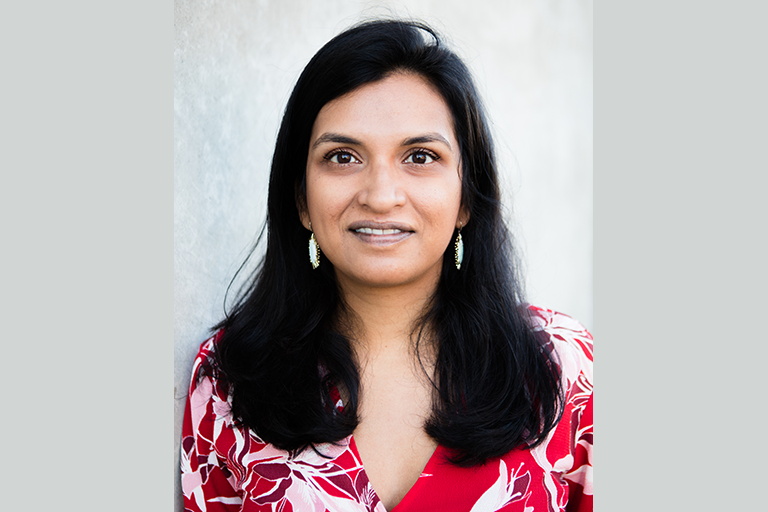 Anu Manchikanti Gómez合作论文数School of Social Welfare, University of California, Berkeley6
 Rob Stephenson合作论文数School of Nursing, University of Michigan6Grisham Kirk K合作论文数6
 Shari L. Dworkin合作论文数School of Nursing and Health Studies, University of Washington6Carla C Garcia合作论文数4Mandic Carmen Gómez合作论文数4
 Robert H. Remien合作论文数HIV Center for Clinical and Behavioral Studies, Division of Gender, Sexuality, and Health, Columbia University;Department of Psychiatry, Columbia University Irving Medical Center4David Huebner合作论文数Center for AIDS Prevention Studies, University of California-San Francisco4Bonnie Faigeles合作论文数3Lamont Scales合作论文数3Jasper Barnes合作论文数3
 Nicholas S. Perry合作论文数3Allen Susan A合作论文数3
 Darcy White Rao合作论文数Department of Epidemiology, School of Public Health, University of Washington3
 Thomas Coates合作论文数Center for HIV Identification, Prevention, and Treatment Services, University of California, Los Angeles;University of California Global Health Institute;David Geffen School of Medicine, University of California, Los Angeles3
 Ralph J. Diclemente合作论文数Department of Psychiatry, Emory University;Department of Social and Behavioral Sciences, School of Global Public Health, New York University3
 Brian R. Baucom合作论文数Department of Psychology, University of Southern California (USC),3
 Laura F Salazar合作论文数Behavioral Sciences and Health Education Rollins School of Public Health 1520 Clifton Rd., N. E., Suite 214 Atlanta Georgia 30322 USA3
 Gina Wingood合作论文数Department of Behavioral Sciences and Health Education, Rollins School of Public Health, Emory University, 1518 Clifton Road NE, Atlanta, GA 30322, USA3Kristin M. Wall合作论文数2Anna E Scandurro合作论文数2Elaika J Celemen合作论文数2
 Kristi Gamarel合作论文数Department of Health Behavior and Health Education, School of Public Health, University of Michigan-Ann Arbor2
 David Frost合作论文数Social Research Institute, University College London2
 Brandon Michael O'Hara合作论文数2
 Jones Jeb S合作论文数Department of Epidemiology, Emory University2Bircher Anja E合作论文数2
 Ron Stall合作论文数Department of Behavioral and Community Health Sciences, School of Public Health, University of Pittsburgh2W. Hussey合作论文数2Michael Acree合作论文数2
 Allen Leblanc合作论文数2
 Steven Gregorich合作论文数Department of Medica, University of California, San Francisco2
 Susan Kegeles合作论文数School of Medicine, University of California, San Francisco;Center for Prevention Studies, Division of Prevention Science, Department of Medicine, University of California2Leo Wilton合作论文数College of Community and Public Affairs, State University of New York at Binghamton2A O'Leary合作论文数1Rand Dadasovich合作论文数1Colleen McCullough合作论文数1Schwartz Ann合作论文数1




