Regular timing of daily activities, like sleeping, eating, and engaging social interactions, may synchronize internal circadian rhythms with the 24-h light–dark cycle, improving health problems among older adults. Insomnia is highly prevalent among older adults and associated with deleterious health effects, including pain, increased body mass index (BMI), and depression. However, little attention has been paid to the impact of behavioral-social rhythms on health, or how they, in combination with insomnia, affect the health of older adults. This study examined: (1) whether behavioral-social rhythms, pain, BMI, and depressive symptoms differ between older adults with and without insomnia; (2) associations between behavioral-social rhythms and these health outcomes; and (3) whether insomnia status moderates these relationships. Participants (Mage: 68.3 years) included 37 older adults with insomnia and 30 good sleepers. Behavioral-social rhythms, BMI, depressive symptoms, and pain were measured via self-report. Independent t-tests and hierarchical regression modeling were used to address the research questions. Both groups exhibited similar behavioral-social rhythms (t(65) = − 0.11, p = 0.46) and BMI (t(64) = − 0.21, p = 0.83). However, those with insomnia experienced more pain (t(65) = − 2.01, p = 0.049) and depressive symptoms (t(65) = 7.35, p < 0.001). More regular behavioral-social rhythms were linked to lower BMI (b = − 1.60, SE = 0.70, p = 0.03), reduced pain (b = 5.84, SE = 2.68, p = 0.03), and fewer depressive symptoms (b = − 0.68, SE = 0.29, p = 0.02), regardless of insomnia status. The results suggest that greater behavioral-social rhythm regularity is associated with more favorable health outcomes and may represent a promising target for educational and interventional strategies for older adults, irrespective of insomnia status.
Trauma-related sleep disturbances warrant assessment, but limitations of laboratory studies preclude a comprehensive understanding of these phenomena. This study assessed the feasibility and acceptability of unattended home polysomnography (hPSG) for trauma-exposed Veterans with nightmares. Signal quality and outcomes of hPSGs in Veterans enrolled in a study investigating nightmares were reviewed. Study staff applied the equipment in the home and Veterans were instructed to go to bed near their usual bedtime. A successful hPSG was defined as ≥4 hours of total recording time (TRT) with interpretable EEG, and other key channels (muscle tone, thoraco-abdominal bands, airflow, and pulse oximetry) with adequate signal quality for ≥80% of TRT. Perception of sleep quality and the occurrence of a nightmare were collected the next morning via a sleep diary. Feasibility was examined by exploring the percentage of participants with successful and failed hPSGs. To assess acceptability, significant differences in self-reported sleep quality and nightmare reports were examined between nights with and without hPSG. Data were available from 46 Veterans. Six participants declined to proceed with the hPSG due to illness, discomfort, or neighborhood safety concerns. Of those who completed a hPSG, 23/40 (57.5%) tests were considered successful based on all pre-specified criteria. Seventy percent had ≥4 hours of interpretable EEG data. Most participants experienced loss of one or more electrodes. Unsuccessful hPSGs were mostly due to EEG recordings being less than four hours. No baseline differences were found between Veterans with and without successful hPSGs. Regarding acceptability between nights with and without the hPSG, no differences were found for nightmare occurrence, but sleep quality was significantly worse with hPSG. Unattended hPSG is partially feasible and acceptable in a group of Veterans with nightmares; however, failure was common and sleep quality was poorer on nights with the hPSG. Characteristics of a trauma-exposed sample, such as increased sweating, sleep movements, and fragmented sleep, may have contributed to these results. Tools designed to be applied independently and to endure these factors should be considered for this population. U.S. Department of Veterans Affairs, Veterans Health Administration Clinical Science Research and Development Service [IK2CX001874].
Generativity, or the capacity to be productive, caring, and concerned with the well-being of the next generation, promotes positive mental health and posttraumatic growth in later life. The pandemic and its aftermath may have increased the importance of generativity for many older adults. To explore how generativity was associated with mental health and positive changes in personal growth and family both concurrently and over time during the pandemic, we collected two waves of data from a community sample of middle-aged to older adults using an online survey in Summer 2021 ( N = 136, M age = 67.8, range = 50–91; 69% females; 93% White), and Winter 2022 ( N = 95; M age = 68.4). We found that generativity was associated with better mental health and increased positive changes in family during Summer 2021, as well as increased positive changes in both family and personal growth in Winter 2022. Hierarchical linear regressions further demonstrated that generativity positively predicted depressive symptoms and personal growth 6 months later when the highly contagious Omicron variant was widespread. Our findings reveal the complex, multifaceted relationship between generativity and mental health outcomes and its meaning-making function, with associations sensitive to historical events.
Compared to the civilian population, Veterans often report higher levels of fatigue and sleep disturbances, which are frequently accompanied by self-medication with alcohol. However, the daily bidirectional dynamics between sleep and fatigue in the context of substance use remain underexplored. This study examined daily alcohol consumption as a moderator of the association between sleep and fatigue among heavy-drinking Veterans. Heavy-drinking Veterans experiencing sleep disturbances were recruited from an insomnia treatment trial. Participants (N=130; 85.5% male; mean age=38.70 years) completed 14 days of morning sleep diaries. Diaries captured sleep parameters [quality, duration, sleep efficiency (SE), wake after sleep onset (WASO), sleep onset latency (SOL)], alcohol consumption (in standard drinks), and fatigue. Multilevel modeling was used to assess within- and between-person effects of sleep on next-day fatigue and vice versa, with daily alcohol use (0=no, 1=yes) as a moderator. Within persons, better sleep quality (b= -2.56, SE=0.64, 95% CI= [-3.82, -1.31], p <.001) and longer sleep duration (b=-0.94, SE=0.30, 95% CI= [-1.54, -0.34], p=.002) predicted lower next-day fatigue. Alcohol moderated the relationship between fatigue and same-night sleep parameters. Specifically, on days of alcohol use, higher fatigue was associated with lower sleep quality (z= -2.13, p = 0.03) and SE (z= -2.15, p=0.03). These relationships were nonsignificant on alcohol-free days (sleep quality: z=1.15, p=0.25; SE: z=1.00, p=0.32). Sleep quality and duration influence next-day fatigue irrespective of alcohol use. However, fatigue adversely affects same-day sleep quality and SE only when alcohol is consumed. This suggests that alcohol use may compound fatigue’s negative effects on sleep at the daily level. Findings can be incorporated into Veteran health education that alcohol use is contraindicated for sleep, particularly when one is already fatigued. This research was supported by the American Academy of Sleep Medicine Foundation and the National Institute on Alcohol Abuse and Alcoholism (K23AA026895).
Abstract Introduction Living in neighborhoods with high levels of stress can have a profound impact on an individual’s sleep quality and mental health. Both chronic insufficient sleep and posttraumatic stress disorder (PTSD) have been linked to a variety of adverse health outcomes. Data indicates that PTSD interferes with sleep in part due to its relationship with sleep-related fears. However, limited research has investigated the contribution of neighborhood stress and sleep-related fears experienced within an individual’s sleep environment. This study aimed to explore associations among exposure to neighborhood violence, sleep-related fears, and PTSD symptomatology. Methods Baseline data were obtained from participants who completed self-report measures as part of a larger study (N=45; Mean age=35.04 (SD=12.95); 62.2% Females). The Fear of Sleep Inventory (FoSI) assessed for past-month sleep-related fears within the sleep environment. The City Stress Inventory (CSI) assessed for exposure to neighborhood violence in the past year, and the PTSD-Checklist-5 (PCL-5) evaluated current PTSD symptom severity. A linear regression model identified the relationships between exposure to violence and sleep-related fears on PTSD symptoms. Results Data showed positive associations between exposure to neighborhood violence and sleep-related fears (r=.298, p=.047). There were also significant correlations between PTSD symptoms and violence exposure (r=.396, p=.007) and sleep-related fears (r=.613, p<.001), respectively. A linear regression model indicated that exposure to violence and sleep-related fears were significant predictors of PTSD symptoms (R2=.426, p<.001). Regression coefficients suggested that sleep-related fears (β=.543, p<.001) were a stronger predictor of PTSD symptoms than exposure to violence (β=.234, p=.062). Conclusion There results indicate that living in an environment characterized by higher exposure to violence may lead to greater fear of going to sleep, likely due to perceived increases in vulnerability during sleep. The results, although cross-sectional, also suggest that greater fear of sleep is predictive of worse PTSD symptomatology. Based on study findings, sleep health screenings may be useful for those individuals experiencing trauma-related stress. Support (if any) This study was funded by a Center Grant from the National Institutes of General Medical Sciences (Grant # P20GM103653).
Some adults in mid and late life may have been particularly sensitive to the negative effects of social disruptions due to COVID-19 restrictions. The current study explored whether sociability moderated links between disrupted contact with friends and family and multiple indicators of mental health. We collected quantitative data via an online survey from a community sample of 136 adults in mid to late life (M age = 67.77, range 50–91; 69.3% females; 92.7% White). We conducted a series of hierarchical linear regressions to test for moderation. Controlling for age, gender, and marital status, sociability moderated the associations between disruptions in social interactions and depressive symptoms, but not anxiety or life satisfaction. Namely, disruptions to social interactions were positively associated with depressive symptoms only for sociable individuals. Given the potential for future social disruptions, our findings point to the importance of considering the role of sociability in developing interventions that target adults.
Abstract Introduction Although individual sleep characteristics relate to mental and physical health among older adults, such sleep characteristics do not exist in isolation. Multidimensional sleep measures may better capture the comprehensive impact of sleep on health. However, few studies have examined multidimensional sleep health in relation to mental and physical health outcomes among retired older adults. Likewise, few studies have examined sex differences in these relationships. This study examined associations between multidimensional sleep and health outcomes (i.e., depressive symptoms, mental health, physical health, and overall perceived health) among retired older adults in models stratified by sex. Methods Older adults (n = 154; Mage = 68.4, 55.2 % assigned female at birth) reported depressive symptoms (CES-D), and perceived mental, physical, and overall health (RAND-12). The measurement of multidimensional sleep health involved utilizing wrist actigraphy to assess sleep efficiency, timing, duration, and regularity, alongside diary measures to evaluate alertness and satisfaction. Each component was dichotomized and summed to create a composite score (0-6); higher values indicated better sleep health. Hierarchical linear regressions were used to examine relationships between multidimensional sleep health and health outcomes. Covariates include race, age, years of education, subjective social status, and shiftwork exposure history. Results Compared to men, women had poorer multidimensional sleep health (t(135)=2.38, p=.028). In the full sample, poorer multidimensional sleep was associated with greater depressive symptoms (b = -.70, se = .31, p =.024, r2 = .39) as well as poorer physical (b = 1.03, se = .37, p = .006, r2 = .45), mental (b = 1.37, se = .40, p < .001, r2 = .44), and overall perceived health (b = 1.42, se = .35, p <.001, r2 = .52). Sex-stratified analyses showed that significant findings were exclusively evident in women and not in men. Conclusion Multidimensional sleep health influences the physical and mental health among older retired women. Future studies should identify the mechanisms underlying sex differences in multidimensional sleep and the links between multidimensional and health outcomes. Such information could provide valuable insights leading to tailored therapeutics that benefit each sex. Support (if any) This research was supported by the National Institute of Aging (R01AG047139; K01AG0751).
Objective: Childhood sexual abuse (CSA) is associated with posttraumatic stress symptoms (PTSSs) and sleep disturbance into adulthood. The latter is thought to emerge from dysregulation in biobehavioral systems, including nighttime hyperarousal; however, studies investigating specific mechanisms to explain these long-term sleep problems are limited. The present study examined presleep arousal, fear of sleep, and the cortisol awakening response (CAR) as putative mediators between PTSS and sleep disturbance in women with a history of CSA. Method: N = 64 cis-gendered women with a self-reported history of CSA completed a baseline diagnostic interview, self-reported mental health and sleep measures, 7 days of actigraphy monitoring with concurrent sleep diary, and 2 days of saliva sampling. Results: PTSSs were not significantly associated with actigraphy-estimated sleep variables but were positively associated with self-reported sleep onset latency (SOL) and negatively associated with self-reported sleep quality. Similarly, PTSSs were not significantly associated with CAR but were associated with higher presleep arousal and fear of sleep ratings. Mediational models identified greater presleep cognitive arousal to partially explain the PTSS-SOL relationship. Specific features of CSA (i.e., age at time of abuse, location of abuse, relationship to the perpetrator) did not moderate this association. Conclusion: Findings suggest that targeting maladaptive cognitions (e.g., worries, rumination) that occur during the presleep period may be a potential intervention target in mitigating sleep disturbance and PTSSs in this population. Clinical Impact Statement Childhood sexual abuse is associated with chronic adverse health outcomes, including posttraumaticstress symptoms (PTSSs) and sleep problems; however, mechanisms maintaining these associationshave yet to be empirically investigated. The present study identified presleep cognitive arousal to par-tially mediate the association between PTSSs and prolonged sleep onset latency and therefore maybe an important target for intervention in mitigating symptoms.
BACKGROUND:Neighborhood-level adverse social determinants may be a risk factor for sleep health disparities. We examined the associations between neighborhood factors and insomnia and explored their spatial clustering in the city of Philadelphia, Pennsylvania. METHODS:We conducted a cross-sectional analysis of data from Philadelphia residents who participated in online screening for insomnia-related research. Participants self-reported sex, age, body mass index, anxiety, post-traumatic stress disorder, depression, and insomnia symptoms. The sample was stratified as "No Insomnia" (≤7) and "Insomnia" (>7) based on the Insomnia Severity Index (range: 0-28). Neighborhood and participant data were merged using geospatial techniques. Multiple regression models and geospatial analysis were used to identify neighborhood variables that are associated with insomnia and their spatial distribution. RESULTS:The sample (N = 350) was predominantly female (53%), middle-aged (40.8 ± 13.8), overweight (body mass index=26.1 ± 5.54), and 53.7% had insomnia. The insomnia group had significantly higher depression scores (14.6 ± 5.5), a large percentage had anxiety (64.4%) and post-traumatic stress disorder symptoms (31.9%), and largely resided in high crime (p < .001) and highly deprived neighborhoods (p = .034). Within the insomnia group, a 1-point increase in the number of spiritual centers in the neighborhood was associated with lower insomnia symptoms (b=-1.02, p = .002), while a 1-point increase in depression scores (b=0.44, p < .001) and residence in a highly deprived neighborhood (b=1.49, p = .021) was associated with greater insomnia. CONCLUSION:Disparities exist in the neighborhood determinants of insomnia and their spatial distribution in Philadelphia. Interventions targeting the spatial distribution of adverse social determinants may improve insomnia disparities.
Abstract Introduction Military Veterans tend to experience chronic pain and sleep problems of higher intensity and prevalence than the general population, and may be more likely to self-medicate with substances such as alcohol. Research suggests that sleep and pain are interrelated. However, few studies have examined bidirectional links between daily sleep quality and duration with pain among Veterans, especially those with alcohol use disorders. Furthermore, it has not been studied whether daily alcohol consumption (whether they drank or not) moderates everyday associations between sleep and pain among Veterans with alcohol use disorders. Methods 114 Veterans with alcohol use disorder (82.5% men: mean age = 38.86 [range 21–67]) completed 14 days of diaries assessing their sleep quality, sleep duration, pain, and drinking quantity. Multilevel modeling examined the effects of daily variability in sleep (within-person effects) and average levels of sleep (between-person effects) on pain the following day. To examine the effects of pain on sleep, multilevel modeling examined the effects of daily variability in pain and average levels of pain on sleep. Results Regarding bidirectional links of sleep quality and pain, greater daily (b=−.86, se=.41, p=.04) and average (b=−15.51, se=3.28, p<.001) sleep quality were associated with lower next-day pain. Higher average pain was associated with poorer sleep quality (b=−.01, se=.002, p< .001), but daily pain was not associated with daily sleep quality. Regarding bidirectional links of sleep duration and pain, there was no daily association between sleep duration and pain, but greater average sleep duration was associated with lower pain levels (b=−4.84, se=1.60, p=.003). Daily drinking did not moderate these associations. Conclusion Both sleep quality and sleep duration are closely associated with pain among Veterans with alcohol use disorder. Fluctuations of daily sleep quality affected Veterans’ pain experience in everyday life regardless of alcohol consumption; in contrast, fluctuation of daily pain did not affect daily sleep quality, implying that Veterans with alcohol use disorder are sensitive to poor sleep quality. The results support that sleep quality may buffer daily pain experiences among this patient population. Support (if any) 5K23AA026895
Abstract Introduction Sleep disturbances are highly prevalent following trauma exposure but tend to persist following trauma-focused treatment, which brings into question the relevance of trauma-specific factors in these sleep problems. Sleep assessment can include subjective methods, like sleep diaries, and/or objective methods, like actigraphy. However, these methods tend to result in low-moderate concordance, and it has been hypothesized that clinical samples report greater sleep disturbance than objective methods record (i.e., sleep-state misperception). This may be due to greater overall distress or bias from experiencing clinical symptoms. This study examined trauma-specific and nonspecific predictors of sleep-state misperception in trauma-exposed women. Methods N=55 cis-gendered women with a self-reported history of sexual abuse in childhood (between ages 6-11) completed baseline surveys assessing sleep and mental health, and one week of sleep monitoring via actigraphy and sleep diaries as part of a larger study. Cohen’s d was calculated to estimate the degree of sleep-state misperception between sleep diary and actigraphy. Results Participants tended to overestimate total sleep times (TST) and sleep onset latencies (SOL) when reported on sleep diary compared to actigraphy. In contrast, participants underestimated wake after sleep onset (WASO) via sleep diary compared to actigraphy. In examining clinical correlates of sleep-state misperception, we found that TST Cohen’s d was significantly correlated with baseline depressive symptoms (r=.295, p=.029) and pre-sleep cognitive arousal (r=.269, p=.047). PTSD hyperarousal symptoms (minus the sleep item) were positively correlated with TST Cohen’s d (r=.358, p=.007) but negatively correlated with SOL Cohen’s d (-.279, p=.039). Conclusion While we observed both trauma-specific (i.e., hyperarousal) and nonspecific (i.e., depression, cognitive arousal) to be associated with sleep-state misperception, it is possible that these variables have similar underlying transdiagnostic factors. For example, rumination (a form of perseverative cognition focused on negative content) underlies both depression and PTSD. Future work should further probe contributing factors to sleep-state misperception to better understand this phenomenon. Support (if any) This study was funded by the University of Houston Small Grants Program (PI: CAA). CJS was supported by the Department of Veterans Affairs, Office of Academic Affiliations, Advanced Fellowship in Mental Illness Research and Treatment, and the University of Houston Dissertation Completion Fellowship.
Abstract Introduction Intimate relationships may impact insomnia symptoms. In particular, marriage may serve as a protective factor against the development of insomnia, particularly for men. However, little research has studied how relationship quality may contribute to insomnia, particularly in military populations where social support may be particularly important. Therefore, this study will examine the associations between indices of relationship quality and insomnia in a sample of Army Soldiers. Methods Data were acquired from the All Army Study of the Army Study to Assess Risk and Resilience in Servicemembers (STARRS; N=21,449; mean age= 28.6; 88.24% male). Participants completed a survey that included questions about insomnia symptoms and their social networks. Items assessed marital status, duration of marriage, frequency of disagreements, and relationship quality and happiness. Chi-squared analyses were used to examine the associations between probable insomnia from the past 30 days and relationship items. Results Approximately 38.2% of this sample experienced past month insomnia symptoms. Insomnia was more prevalent in divorced or separated individuals. Among partnered individuals, Soldiers who reported that they talked more about ending the relationship and had more disagreements with their partners were more likely to have insomnia symptoms. Conversely, those reporting that their relationships were going well or satisfied in their relationship were more likely to not have insomnia. Conclusion In this sample of Soldiers, marriage only served as a protective factor when individuals had a positive outlook in their relationship. These results also suggest that healthier relationships are generally associated with better sleep. These findings underline the importance of relationship quality and its effects on insomnia. Support (if any) This publication is based on public use data from Army STARRS (Inter-university Consortium for Political and Social Research, University of Michigan-http://doi.org/10.3886/ICPSR35197-v1), funded by U.S. NIMH-U01MH087981. CJS’s time was supported by the Department of Veterans Affairs Office of Academic Affiliations Advanced Fellowship in Mental Illness Research and Treatment. KEM’s time was supported by the U.S Department of Veterans Affairs, Veterans Health Administration (Clinical Science Research and Development Service – IK2 CX001874).
Sleep disturbances, namely insomnia and recurrent nightmares, are ubiquitous following trauma exposure and are considered hallmarks of posttraumatic stress disorder (PTSD). Other sleep disorders frequently co-occur with PTSD. This article describes research examining sleep problems most common in PTSD, including prevalence and clinical characteristics. Sleep disturbances are often robust to trauma-focused treatment; thus, evidence for psychological and pharmacological interventions for insomnia and nightmares in PTSD are discussed. Given the high prevalence of sleep problems in PTSD, more work is needed to empirically study putative mechanisms linking trauma exposure and sleep, as well as how to best target these symptoms in patients with PTSD. [ Psychiatr Ann . 2023;53(11):491–495.]
Abstract Introduction The nature of sleep can leave sleepers vulnerable to environmental threats, requiring a balance between the demands for vigilance and the physiological requirement for sleep. Understanding the sleeping context is particularly relevant to understanding the dynamics of sleep disturbance observed in individuals with posttraumatic stress symptoms (PTSS) because of subsequent increased vigilance to threats. This study examined the associations between neighborhood disadvantage, sleep respiratory sinus arrhythmia (RSA), fear of sleep, and nightmare frequency in a sample of trauma-exposed Veterans. Methods Baseline data from an ongoing study examining sleep with trauma nightmares using ambulatory sleep measurement in a sample of U.S. military Veterans were analyzed. Participants completed assessments of nightmare frequency and fear of sleep, and slept on a mattress actigraphy system for at least seven nights, which captured sleep-period RSA as an index of autonomic activation. Neighborhood disadvantage was assessed with the Area Deprivation Index (ADI), a census-based socioeconomic index. For this study, participants’ zip codes were linked to 2020 ADI scores using the Neighborhood Atlas, and the census-block groups were ranked into state-level 1 to 10 deciles (split into halves- low and high). Higher ADI scores indicate greater disadvantage. The differences between the least and most disadvantaged groups were analyzed with binary logistic regression models. Results Data were available from 33 Veterans. The mean state-level ADI was 6.2 (SD = 2.7). Low and high state-level ADI scores were 4.3 (SD = 2, n = 19) and 8.7 (SD = 0.8, n = 14), respectively. Residing in zip codes with greater neighborhood disadvantage was associated with elevated fear of sleep (OR = 1.2, p = 0.04), and a trend for reduced sleep-period RSA (OR = 0.4, p = 0.05). No differences were observed for past week nightmare frequency. Conclusion In this sample of Veterans, living in the most disadvantaged neighborhoods was significantly associated with greater fear of sleep, and may be associated with reduced RSA. Sleep context may increase hypervigilance in turn serving as a mechanism by which trauma-induced sleep disruptions are maintained. Support (if any) Funded by the U.S. Department of Veterans Affairs, Veterans Health Administration Clinical Science Research and Development Service - IK2 CX001874.
Objectives: This study examined associations among neighborhood disadvantage, all-night respiratory sinus arrhythmia, fear of sleep, nightmare frequency, and sleep duration in a sample of trauma-exposed Veterans.Methods: Participants completed baseline assessments and slept on a mattress actigraphy system for seven nights. Neighborhood disadvantage was assessed with the Area Deprivation Index, a census-based socioeconomic index. Differences between the least and most disadvantaged groups on the sleep variables were analyzed.Results: Data were available from 37 Veterans. Residing in neighborhoods with greater disadvantage was associated with elevated fear of sleep and reduced sleep-period respiratory sinus arrhythmia. No significant differences were observed for nightmare frequency or sleep duration. A regression confirmed that neighborhood context had a significant effect on respiratory sinus arrhythmia, after controlling for other baseline sleep variables. Conclusions: In this sample of Veterans, sleep context may increase hypervigilance in turn serving as a mechanism by which trauma-induced sleep disruptions are maintained.Published by Elsevier Inc. on behalf of National Sleep Foundation.
Abstract Introduction Negative affect traits, such as neuroticism, have been shown to be associated with greater risk for insomnia. These trait-based factors are theorized to increase stress reactivity, which can be a predisposing factor to insomnia. Military personnel represent a unique population that are subject to stressors as a nature of their occupations and may therefore be particularly vulnerable to the onset and persistence of insomnia. The present study examined prospective associations among trait-based emotional reactivity and neuroticism, exposure to stressful experiences during a combat deployment, and insomnia symptoms at 9-months post-deployment. Methods Data were obtained from the Army Study to Assess Risk and Resilience in Servicemembers Pre-Post Deployment Survey (PPDS). Soldiers included in these analyses (n = 1448) completed surveys prior to deployment to Afghanistan, immediately after deployment, and 9-month post-deployment. The survey included measures of insomnia symptoms, deployment-related stressors and trait-based personality measures. Logistic regression was used to examine the relationships among emotional reactivity, neuroticism and deployment stress with post-deployment insomnia. Results Higher trait-based neuroticism and greater exposure to deployment-related stressors were independently associated with greater risk of probable insomnia at 9-months post-deployment, but not trait-based emotional reactivity . However, there were significant interaction effects, such that among those with greater range of stressful events, neuroticism was associated with higher risk of post-deployment insomnia, while emotional reactivity was associated with lower risk. Conclusion A trait disposition for negative affect (i.e., neuroticism) may predispose individuals to chronic insomnia in the face of acute stressors . While neuroticism includes negative emotional reactivity, it also encompasses other characteristics (e.g., negative self-perception) that may be a stronger predictor of persistent insomnia symptoms. Service members with higher baseline neuroticism may benefit from pre-deployment skills trainings to better cope in the face of stressors and prevent/mitigate long-term problems. Support (if any) This study is based on public use data from Army STARRS (Inter-university Consortium for Political and Social Research, University of Michigan-http://doi.org/10.3886/ICPSR35197-v1), funded by U.S. NIMH-U01MH087981.
Abstract Generativity, the capacity to be productive, caring, and concerned with the well-being of the next generation, promotes positive mental health and posttraumatic growth in later life (Bellizzi, 2004). Generativity may be particularly important in recent years as older adults have faced the pandemic and its aftermath. For example, our previous work showed that generativity was associated with better mental health concurrently during this initial post-vaccine adjustment period (June - September 2021; So et al., 2022). The current study builds upon this work by using longitudinal evidence from a community sample of 95 older adults (M age = 68.4, range 50-91; 68% females; 93% White) to explore whether generativity predicted older adults’ anxiety, depressive symptoms, and life satisfaction six months later (December 2021-February 2022). Using structural equation modeling controlling for age, gender, and baseline depressive symptoms, we found that generativity positively predicted depressive symptoms six months later. In contrast, generativity at baseline was not associated with anxiety or life satisfaction six months later. It is possible that older adults who were more generative at baseline (when many still believed that COVID-19 pandemic would end with vaccinations) reported more depressive symptoms six months later when the highly contagious Omicron variant took over. Our findings thus underscore the complexity of the role of generativity in mental health outcomes, with associations sensitive to historical events.
Approximately 1.64 million children have one or both parents serving in the U.S. military (Department of Defense, 2019). This translates to about 2.5% of all children residing in the U.S. who have a parent serving in active duty military or the reserves. This entry focuses on the biopsychosocial development of children and adolescents of military families, and in particular, how growing up in a military family may impact the developing child. Given the unique impact that parental deployment and post-deployment reintegration has on their children and family members, this entry will review our current knowledge of the challenges this poses for the family. The entry concludes with a review of resilience in military families and programs designed to support children and adolescents.
Abstract Generativity, the capacity to be productive, caring, and concerned with the well-being of the next generation, has been linked to positive mental health outcomes and posttraumatic growth (Bellizzi, 2004). Generativity may be particularly important nowadays as older adults adjust to the pandemic and its aftermath. For example, after months of social distancing, the availability of vaccines has enabled many older adults to begin resuming social activities. Considering the meaning-making function of generativity, generativity may be associated with more positive outcomes, including better mental health and views on quality of life and family relationships during this post-pandemic adjustment period. The current study used a community sample of 136 older adults (M age = 67.77, range 50-91; 69.3% females; 93% White) to explore whether generativity predicted older adults’ anxiety and depressive symptoms, and attitudes about how the pandemic affected their quality of life and family relationships. Using hierarchical linear regressions controlling for age and gender, we found that generativity was negatively linked to anxiety and depressive symptoms. Furthermore, those with greater generativity were more likely to report that their family relationships improved because of the pandemic. In contrast, generativity was not associated with positive growth in the personal domain or with perceptions that the pandemic had harmed either personal or family domains. Our findings are consistent with Erikson’s theory on the important role that generativity plays in shaping well-being and psychological health in older adults, and our findings suggest these effects may be especially pronounced during this post-pandemic adjustment period.
 Candice A. Alfano合作论文数Department of Psychiatry and Psychology, Children’s National Medical Center12
 Philip Gehrman合作论文数Department of Psychiatry, School of Medicine, University of Pennsylvania;Philadelphia VA Medical Center;Department of Psychology, School of Arts and Sciences, University of Pennsylvania8
 Katherine Miller合作论文数Stanford University Medical Center8
 Katherine Fiori合作论文数Department of Psychology, Long Island University7
 Christina M Marini合作论文数Adelphi Univ6
 Amy J Rauer合作论文数Department of Psychology, University of Michigan5
 Cara A. Palmer合作论文数4Brownlow Janeese A合作论文数4
 Eunjin Lee Tracy合作论文数Dept Psychol, Carnegie Mellon Univ3
 Joanne Bower合作论文数Sch Psychol, Univ East Anglia3
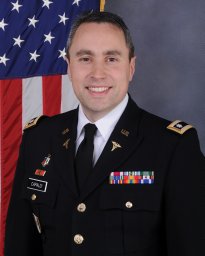 Capaldi Vincent F合作论文数Department of Psychiatry, Walter Reed Army Medical Center3Steven H. Woodward合作论文数3
 Ruthie H Ratcliffe合作论文数Department of Biochemical Pharmacology/Division of Biochemistry, Walter Reed Army Institute of Research3
 Tracy Jill Doty合作论文数Center for Cognitive Neuroscience, Duke University Medical Center3Amna Khan合作论文数2Sirine Harmouch合作论文数2Sk Trach合作论文数2Camila Manrique-Acevedo合作论文数2
 Rogelio Gonzalez合作论文数Dept Psychol, Univ Houston2
 Brian Chin合作论文数Dept Psychiat, Univ Pittsburgh2Quartana Phillip J合作论文数2
 Brant P Hasler合作论文数The Center for Sleep and Circadian Science, Department of Psychiatry, University of Pittsburgh2
 Daniel J Buysse合作论文数Department of Psychiatry, University of Pittsburgh2
 Matthew W Gallagher合作论文数Massachusetts School of Medicine, Boston University2
 Lehrer H Matthew合作论文数The University of Texas2
 Angela Yarnell合作论文数Department of Medical and Clinical Psychology, Uniformed Services University of the Health Sciences Bethesda2
 Emily C.P. LaVoy合作论文数Laboratory of Integrated Physiology, University of Houston2Jill A. Kanaley合作论文数2Phillip J. Quartana合作论文数Department of Psychiatry and Behavioral Sciences, Johns Hopkins University School of Medicine2
 James Moon合作论文数2
 Thomas J. Balkin合作论文数Department of Behavioral Biology, Walter Reed Army Institute of Research (WRAIR),2D Ephrem合作论文数1
 Elizabeth Marguerite Bergman合作论文数1Anthony B. Cifre合作论文数1Katherine E. Miller合作论文数1Eylul Akman合作论文数1
 James Stein合作论文数Dixie State University1jeffrey m osgood合作论文数Dept Psychol, SUNY Albany1T. J. Balkin合作论文数1
 Simon Lau合作论文数1
 Kevin Clancy合作论文数Florida State University1Jinu Kim合作论文数1
 Kyle A. Smith合作论文数Dept Dev Neurobiol, St Jude Childrens Res Hosp1
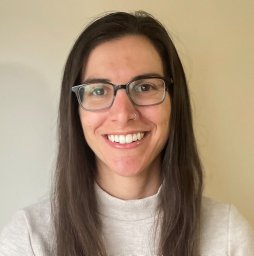 Janna Mantua合作论文数Ctr Mil Psychiat & Neurosci, Walter Reed Army Inst Res1
 Forrest L. Baker合作论文数School of Nutritional Sciences and Wellness, The University of Arizona1
 Foster Osei Baah合作论文数Social Determinants Obes & Cardiovasc Risk Lab, NHLBI1
 Jessica Meers合作论文数Baylor College of Medicine1
 Barbara Riegel合作论文数School of Nursing, University of Pennsylvania1Riviere Lyndon A合作论文数Ctr Mil Psychiat & Neurosci, Walter Reed Army Inst Res1




