Introduction Kaposiform haemangioendothelioma (KHE) is a rare, locally aggressive vascular tumour which primarily affects children. Pancreatic involvement is exceptionally uncommon, and its association with Kasabach-Merritt Phenomenon (KMP), a life-threatening consumptive coagulopathy, poses significant diagnostic and therapeutic challenges. Case presentation A 6-month-old female presented with a five-day history of bilious vomiting, lethargy, and poor oral intake. Initial investigations revealed severe anaemia (Hb 57 g/L), coagulopathy (INR 9.3) and thrombocytopenia (platelets 57x109/L). Imaging identified bilateral subdural haemorrhages and a retroperitoneal pancreatic mass encasing vital structures causing obstructive hepatopathy, biliary dilation, and ascites. Biopsy confirmed KHE, with spindle cell proliferation and immunohistochemical features consistent with the diagnosis. The clinical course was complicated by KMP, recurrent cholangitis with Pseudomonas bacteraemia, and a pancreatic leak. Management included sirolimus, vincristine, corticosteroids, biliary drainage, and a feeding jejunostomy. Despite significant complications, including failure to thrive and prolonged jejunostomy site issues, the patient achieved resolution of coagulopathy, stabilisation of hepatic function, and stable disease on maintenance sirolimus therapy. Chemotherapy was discontinued after six months, with ongoing outpatient monitoring. Conclusion A combination of sirolimus, vincristine and supportive therapy including percutaneous biliary drainage seems to be a safe and effective management option for children with pancreatic KHE with KMP and cholestasis.
OBJECTIVE:Fluid overload in PICU patients is associated with poor outcome. In 2021 we aimed to assess the feasibility of a randomized controlled trial (RCT) of restrictive IV fluid vs. usual IV fluids. DESIGN:Pilot, parallel-arm, open-label RCT (Australian New Zealand Clinical Trials Registry, ACTRN12621001311842). SETTING:Two PICUs in Australia and one in Switzerland. PATIENTS:During 2021-2023, we recruited PICU patients aged younger than 18 years who were expected to be invasively ventilated or were already ventilated for greater than 6 hours. INTERVENTIONS:Patients were randomly allocated to either a restrictive IV fluid strategy or usual care for 48 hours. The restrictive strategy included lower maintenance fluid, smaller fluid boluses and less drug dilution, and earlier diuretics or peritoneal dialysis. MEASUREMENTS AND MAIN RESULTS:Of 1224 eligible patients, 235 parents were approached and 158 consented (i.e., 67%, one child excluded postrandomization; median [interquartile range, IQR] age was 1.3 yr [IQR 0.3, 7.0]), which meant that the trial did not meet the a priori target recruitment rate. The mean ( sd ) number of patients recruited per month was 6.8 ( sd 3.6). None of 80 patients recruited to the restrictive strategy attained a negative fluid balance greater than10% body weight within 24 hours, compared with 5/77 (6%) in the usual care arm. Median fluid balance at 48 hours postrandomization was 11.1 (IQR -13.7, 40.2) and 8.6 mL/kg (IQR -18.7, 38.8) in the restrictive strategy and usual care, respectively. Median survival free of the PICU for restrictive and usual care was, respectively: 25.0 days (IQR 21.3, 26.0) vs. 24.0 days (IQR 22.1, 26.0). CONCLUSIONS:This 2021-2023 pilot RCT shows that the restrictive vs. standard fluid management in mechanically ventilated children (REDUCE-1) protocol would not be feasible if extended to a full RCT, as currently designed. Future approaches may require stricter guidance regarding the intervention, or use of bundled care.
Vitellointestinal malformations are a spectrum of disorders arising from incomplete embryological regression of the vitellointestinal tract. Variants encountered may present as a discharging umbilicus, an acute abdomen, or painless rectal bleeding. The most common variant Meckel diverticulum is often encountered as an incidental finding at operation performed for other indications. Not all vitellointestinal malformations become pathological, so their treatment when encountered incidentally is debated. Pathological Meckel diverticulum tends to present in different ways at different ages. Bleeding is more common in younger children, whereas older children are more likely to present with an acute abdomen from infection, perforation, or obstruction.
AIM:To evaluate whether, in children treated in paediatric intensive care units (PICU) with peripheral venous access devices (PVADs) receiving intermediate- or high-risk peripheral intravenous medications, the use of a tissue-infiltration biosensor (ivWatch), compared to standard care, reduces extravasation injuries. METHODS:A superiority, parallel group randomised controlled trial conducted in a single Queensland quaternary hospital PICU from September 2020 to July 2022. Children with PVADs inserted in the distal half of the limb and receiving intermediate- to high-risk infusates for ≥ 24 h were randomly allocated in a 1:1 ratio to biosensor (ivWatch monitor applied within 10-15 mm of the PVAD tip) plus standard clinical observation, or standard observation alone. Primary outcome was extravasation severity on the 4-point Cincinnati Children's Hospital Medical Centre Extravasation Harm Scale. Injuries were compared between treatment groups using ordinal logistic regression. RESULTS:A total of 175 children were enrolled, 88 to biosensor and 87 to standard care. Extravasation severity was similar between groups, with no, mild and moderate injury occurring in 56 (69%), 25 (30%) and 2 (2%) participants in the biosensor group and 61 (70%), 24 (28%) and 2 (2%) in the standard care group (proportional odds ratio = 1.13; 95% CI: 0.59, 2.15, p = 0.71). No statistically significant between-group differences in extravasation severity, volume, treatment sequelae, PVADs used or dwell time were observed. The biosensor was acceptable to nurses. CONCLUSIONS:In this PICU population, biosensor monitoring in addition to standard care did not significantly reduce extravasation injuries. The technology was acceptable to bedside nursing staff. TRIAL REGISTRATION:ACTRN12620000317998.
BACKGROUND:There are studies on parent, patient and child preferences regarding hospital staff attire, but no corresponding studies on staff preferences. The COVID-19 pandemic in Australia coincided with a rapid change to scrubs as standard staff attire on hospital wards. These are often at staff choice, whereas theatre scrubs are typically mandated and supplied by the hospital. There is therefore choice outside theatre, but no choice for theatre staff. OBJECTIVES:Survey staff preferences regarding two styles and colours of hospital-provided scrubs, along with reasons underpinning staff preferences. METHODS:Anonymous survey of all in-theatre staff in response to a recent change in scrub uniforms. Mixture of survey and free-text responses to questions. RESULTS:A total of 267 staff responded, with the majority completing the survey. There were ~20 000 words of free-text responses to analyse. There was a clear choice for dark colour, elastic waistband and trouser-style pockets over the alternative. Reasons fell into seven major categories: Comfort/fit/availability, professionalism, functionality/practicality, dignity/self-esteem, modesty/privacy, stains/sweat/dirt and safety. There was no clear preference for own scrubs vs. supplied scrubs, or for multiple options vs. everyone looking the same. Female staff particularly did not like lighter scrubs, with their risk of strikethrough menstrual bleeding. INTERPRETATION:Staff have clear reasons for scrub preferences. Poorly designed scrubs present a hazard to physical safety and well-being. Light colours show stains, sweat and blood more. Underwear can be visible through poorly designed or light-coloured scrubs. There is a pride which comes from wearing well-fitting and functional theatre attire.
PURPOSE:The diagnosis and management of paediatric varicocele remain controversial. We aimed to evaluate current practices in Australia and New Zealand (ANZ). METHODS:An anonymous survey using the online Qualtrics platform (© 2024 Qualtrics), distributed to 114 ANZ active paediatric surgeons and paediatric urologists. Data collected included demographics, diagnostic processes, operative indications and techniques, and post-operative follow-up. Descriptive statistical analysis was conducted. RESULTS:A total of 61 (53 %) responses were collected. The most commonly used diagnostic method was clinical examination with ultrasound (63% of respondents), with 82 % of this group requesting ultrasounds of the testes and abdomen. The principal indications for surgery were testicular volume discrepancies (95 % of respondents) and patient discomfort (97 %). A laparoscopic method was the first-line surgical approach for 51 % of respondents, interventional radiology (IR) for 45 %, and an open approach for 4 %. Mass ligation was the most common laparoscopic technique (74 %), with metallic clips used by 52 %. The majority of respondents favouring IR deferred to interventional radiologists regarding specific approaches. Most respondents (76 %) reported following-up patients for 1-2 years post-operatively. CONCLUSION:We have identified consistent practices among ANZ surgeons regarding the clinical assessment and indications for intervention. Differences are noted with the operative management, with a clear divide between a laparoscopic approach and radiological approach; this may reflect institutional expertise and pathways. This survey forms the basis for collaborative research to standardise the diagnosis and management of paediatric varicocele. LEVEL OF EVIDENCE:Level 5.
INTRODUCTION:Peripheral intravenous catheters (PIVCs) are a vital part of care for hospitalized children. Despite commonality, up to 45% fail before treatment completion, with up to 20% of PIVCs resulting in an infusate-associated injury, such as infiltration or extravasation. Biosensors developed to detect preclinical signs of intravenous catheter dysfunction have the potential to prevent significant injuries. METHODS:This multi-site, type 1 hybrid effectiveness-implementation randomized controlled trial will evaluate an IV biosensor for preventing infiltration/extravasation injuries in hospitalized neonates and infants. Participants up to 1 year of age who require a PIVC with continuous or moderate-high risk infusates will be recruited from three Australian hospitals. Participants (n = 532) will be randomized 1:1 to receive either standard observation plus IV biosensor or standard observation alone. The primary outcome is infiltration/extravasation injury occurrence, measured using the Cincinnati Children's Hospital Medical Centre Extravasation Harm Scale by the masked outcome assessment committee. Secondary outcomes include infiltration/extravasation severity, volume, treatment sequelae, quality of life, and cost-effectiveness. The implementation context exploration will use mixed methods, including ecological momentary assessments and semi-structured interviews, to evaluate barriers and facilitators for future implementation. DISCUSSION:The PATCH trial addresses a significant gap in evidence regarding the effectiveness and implementation of IV biosensor technology in preventing extravasation injuries in vulnerable infant and neonatal populations. The hybrid effectiveness-implementation study will provide comprehensive data to inform both clinical practice and future implementation strategies. TRIAL REGISTRATION:ACTRN12623000561684.
AIM:To evaluate the 'Countdown to Theatre' intervention, a co-designed nurse-led approach developed using the COM-B framework to address context-specific barriers and facilitators to preoperative fasting practices. DESIGN:A prospective mixed-method, pre-post study assessed the intervention's impact on fasting adherence and patient experience. METHODS:Participants included children booked for a procedure under general anaesthesia. Adherence was assessed through audited fasting duration, and patient experience was evaluated using caregiver/patient surveys. The intervention was implemented and monitored by nursing staff as a part of a structured quality improvement process. Nurses played a central role in embedding the approach into daily workflows and reinforcing fasting timelines RESULTS: Over 9 months, 901 observations were undertaken from 774 patients. Fasting duration decreased from 7.6 to 5.7 h (mean difference -1.94; 95% CI -3.04, -0.86). Parent-reported patient experience surveys showed improvement in many areas, including an increase in overall satisfaction (from 44.7% to 68.8%). CONCLUSION:The intervention successfully reduced prolonged fasting and improved patient experiences, demonstrating the value of co-designed approaches in addressing evidence-practice gaps in perioperative care. IMPLICATIONS FOR PATIENT CARE:The principles of co-design, structured implementation and the application of the COM-B framework provide a replicable model for addressing similar challenges in healthcare. The study highlights the pivotal role of nurses in improving perioperative practices, supporting both patient safety and satisfaction. Future research should explore the intervention's applicability across diverse settings and patient populations. IMPACT:Despite evidence-based guidelines, excessive preoperative fasting remains prevalent in practice. This study demonstrates that a structured, nurse-led intervention can successfully reduce fasting durations and enhance patient experience, reaffirming the nursing profession's capacity to lead meaningful change in perioperative care. REPORTING METHOD:Standards for quality improvement reporting excellence (SQUIRE 2.0). PATIENT OR PUBLIC CONTRIBUTION:Patients and caregivers contributed to the co-design of the intervention, ensuring that it addressed practical challenges related to preoperative fasting.
AIM:Evidence-based guidelines do not recommend imaging in cryptorchidism, but anecdotally most referrals include an ultrasound report. We aimed to assess the frequency, utility and burden of imaging in children referred with presumptive disorders of testicular descent, and to assess trends over a 7-year period before and after local and international guidelines have been introduced. METHODS:This was a prospective cohort study of children referred to the Queensland Children's Hospital for anomalies of testicular descent between 2015-2017 and 2023-2024. Data were collected regarding demographics, referral details, imaging performed and surgical diagnosis. RESULTS:A total of 268 children were recruited. Ultrasound frequency has not significantly changed over time (72.8%, 2015-2017; 63.6% 2023-2024; P = 0.11). Currently, 17.6% of families are charged, and 31.9% need to take time off work, for the ultrasound. This is a significant increase from the 2015-2017 cohort. Parents report concern and anxiety, and find it traumatic for their child. Following review, the majority (65.7%) had physiologically normal testes, while 4.9% and 22.4% were diagnosed with bilateral or unilateral cryptorchidism, respectively, and 7.0% had other diagnoses. Ultrasound was concordant with the surgical diagnosis in 25.0% (2015-2017) and 30.7% (2023-2024). Ultrasound did not contribute to diagnosis nor management in any patient. CONCLUSIONS:Despite international and local guidelines, cryptorchid children continue to undergo ultrasound prior to referral. Such ultrasounds do not provide utility, or value for cost. We recommend avoiding their routine use for suspicion of testicular maldescent and working together to improve strategies for translating evidence-based guidelines into clinical practice.
PURPOSE:Children with chronic and complex health conditions frequently need intravenous devices. The current approach to intravenous device selection, insertion, and monitoring is inconsistent, and healthcare consumers are often negatively affected by siloed health information, and poor future planning. Despite child- and family-centred care being recognised as a pillar of paediatric nursing care, limited implementation for vascular access device planning and management is evident.DESIGN AND METHODS:To address this, we conducted a multi-phased approach to co-create, then evaluate, a mobile health (mHealth) application: IV Passport. Co-creation involved a prioritisation survey, followed by a Passport advisory panel consensus meeting. Following confirmation of the required content and features of the Passport, the mHealth application was designed and content validation achieved via survey.RESULTS:The prioritisation survey yielded recommendations for seven features (e.g., graphical presentations of current/past devices). Content for nine device types (e.g., totally implanted ports) was suggested, each with 10 related items (e.g., insertion site). Content items for device-associated complications, future vascular access plans, and educational resources were also suggested. Following design, the application was released through Apple and Android platforms; and adapted to a paper version. Content validation was established; 100% strongly agreed the application was easy to use; 80% agreed/strongly agreed that they would recommend the Passport to others.CONCLUSION:IV Passport embodies effective child- and family-centred care through consumer co-creation to empower patients and families manage vascular access devices.PRACTICE IMPLICATIONS:IV Passport remains active; and can be utilised across many healthcare settings and patient populations.
Importance:Catheter dislodgement is a common complication for children with tunneled or peripherally inserted noncuffed central venous catheters (CVCs). A subcutaneous anchor securement system (SASS) may reduce this risk compared with traditional adhesive securement. Objective:To compare dislodgement of noncuffed CVCs secured with SASS with dislodgement of noncuffed CVCs secured with sutureless securement devices (SSDs). Design, Setting, and Participants:The SECURED (Securing Central Venous Catheters to Prevent Dislodegment) trial was a pragmatic, multicenter, superiority randomized clinical trial with an internal pilot and was conducted from August 5, 2020, to August 30, 2022, at 2 Australian quaternary pediatric hospitals. Data analysis was performed in January 2023. Patients aged 0 to 18 years requiring a noncuffed CVC (≥3F catheter) were eligible for inclusion. Follow-up duration was 8 weeks or until device removal. Interventions:Patients were randomly assigned 1:1 to receive an SASS or SSD, stratified by hospital and catheter type. Only 1 catheter was studied per patient. Main Outcomes and Measures:The primary outcome was dislodgement (partial or total), defined as movement of the catheter tip by greater than 1 cm (change in external catheter length) at any point during catheter dwell. Dislodgement, reported as a risk ratio (RR), was estimated using a generalized linear model with binomial family and log link. Secondary outcomes were reported as incidence rate ratios and were analyzed using Poission regression. Outcomes reported as mean differences (MDs) were analyzed using linear regression. Results:Of 310 randomized patients, 175 patients (56.5%) were male and median (IQR) patient age was 48 (16-120) months. A total of 307 patients had a catheter device inserted, of which 153 (49.8%) were SASS and 154 (50.2%) were SSD, and were included in the intention-to-treat (ITT) analysis. Device dislodgement was lower with SASS (8 dislodgements in 153 patients [5.2%]) compared with SSD (35 dislodgements in 154 patients [22.7%]) (RR, 0.23; 95% CI, 0.11-0.48; P < .001). The per-protocol analysis was consistent with the ITT analysis. Partial dislodgement accounted for most dislodgement events, including 6 partial dislodgements in the SASS group (3.9%) and 30 partial dislodgements in the SSD group (19.5%) (RR, 0.18; 95% CI, 0.08-0.42). This contributed to fewer complications during dwell in the SASS group (37 reported complications [24.2%]) vs the SSD group (60 reported complications [39.0%]) (RR, 0.62; 95% CI, 0.44-0.87). Staff reported greater difficulty removing devices anchored with SASS vs SSD (mean [SD], 29.1 [31.3] vs 5.3 [17.0], respectively; MD, 23.8; 95% CI, 16.7-31.0). However, use of SASS resulted in reduced per-participant health care costs of A$36.60 (95% credible interval, 4.25-68.95; US $24.36; 95% credible interval, 2.83-45.89). Conclusions and Relevance:In the SECURED trial, noncuffed CVCs secured with SASS had fewer dislodgements compared with SSDs, with a lower cost per patient and an acceptable safety profile. Future efforts should be directed at SASS implementation at the health service level. Trial Registration:anzctr.org.au Identifier: ACTRN12620000783921.
Background Preoperative fasting is the standard of care for patients undergoing a procedure under general anaesthesia. Despite the increased leniency of fasting guideline recommendations, prolonged preoperative fasting periods continue to disproportionally affect paediatric patients. This review maps existing interventions optimising paediatric fasting practices, to explore strategies that can be best applied in clinical practice. Methods A search strategy applied to PubMed, CINAHL, Embase, Scopus, and the Cochrane Database involved four key concepts: (1) fasting, (2) preoperative, (3) paediatric, and (4) quality improvement intervention. The Preferred Reporting Items of Systematic Reviews and Meta-analyses extension for Scoping Reviews was utilised in this review. Results Thirteen heterogeneous studies, involving approximately 31 000 children across five continents, were included. Each intervention studied fell into at least one of the following six themes: (1) change in facility protocol, (2) technology-based intervention, (3) individualised fasting programs, (4) processes to improve communication between clinicians, (5) processes to improve communication to parents and families, and (6) staff education. Conclusions A variety of interventions have been studied to optimise paediatric preoperative fasting duration. These interventions show potential in reducing preoperative fasting duration.
AIM:Few reports have shown Quality-of-Life long-term outcomes in children with congenital diaphragmatic hernia (CDH) who received extracorporeal membrane oxygenation (ECMO) support. We reviewed the short- and long-term outcomes in CDH patients that were supported with ECMO during their neonatal treatment. METHODS:Telephone interviews of parents of CDH children were performed. The Functional Status Scale (FSS) and the Paediatric Quality of Life Inventory (PedQL, Version 4.0) were completed with the parents. All children with a CDH and supported with ECMO from 2010 to 2023 were included in the study. RESULTS:Twenty children were identified, with two having two ECMO runs. Birth weight was 3.2 kg (median). ECMO support lasted for (median) 13.6 days (range 3.8 to 39). Twelve patients were alive at the time of the survey. The age (median) at time of the interview was 6.3 years (range 1 to 12). The FSS score showed no impairment (FSS score 6) in any domain in eight patients. Two patients had a score of 7, and two patients had a score of 8 and 9, respectively. The PedQL showed a median score 84.5, with a physical health summary score of 92.5 and a psychosocial health summary score of 78.7. The cardiac specific PedQL inventory score was 77. CONCLUSIONS:ECMO support for CDH patients is associated with functional and Quality of Life outcomes that are similar to that in other PICU discharge populations. Denying ECMO support to CDH patients on the basis of predicted poor long-term outcomes does not appear to be justified.
Importance Catheter dislodgement is a common complication for children with tunneled or peripherally inserted noncuffed central venous catheters (CVCs). A subcutaneous anchor securement system (SASS) may reduce this risk compared with traditional adhesive securement. Objective To compare dislodgement of noncuffed CVCs secured with SASS with dislodgement of noncuffed CVCs secured with sutureless securement devices (SSDs). Design, Setting, and Participants The SECURED (Securing Central Venous Catheters to Prevent Dislodegment) trial was a pragmatic, multicenter, superiority randomized clinical trial with an internal pilot and was conducted from August 5, 2020, to August 30, 2022, at 2 Australian quaternary pediatric hospitals. Data analysis was performed in January 2023. Patients aged 0 to 18 years requiring a noncuffed CVC (>= 3F catheter) were eligible for inclusion. Follow-up duration was 8 weeks or until device removal. Interventions Patients were randomly assigned 1:1 to receive an SASS or SSD, stratified by hospital and catheter type. Only 1 catheter was studied per patient. Main Outcomes and Measures The primary outcome was dislodgement (partial or total), defined as movement of the catheter tip by greater than 1 cm (change in external catheter length) at any point during catheter dwell. Dislodgement, reported as a risk ratio (RR), was estimated using a generalized linear model with binomial family and log link. Secondary outcomes were reported as incidence rate ratios and were analyzed using Poission regression. Outcomes reported as mean differences (MDs) were analyzed using linear regression. Results Of 310 randomized patients, 175 patients (56.5%) were male and median (IQR) patient age was 48 (16-120) months. A total of 307 patients had a catheter device inserted, of which 153 (49.8%) were SASS and 154 (50.2%) were SSD, and were included in the intention-to-treat (ITT) analysis. Device dislodgement was lower with SASS (8 dislodgements in 153 patients [5.2%]) compared with SSD (35 dislodgements in 154 patients [22.7%]) (RR, 0.23; 95% CI, 0.11-0.48; P < .001). The per-protocol analysis was consistent with the ITT analysis. Partial dislodgement accounted for most dislodgement events, including 6 partial dislodgements in the SASS group (3.9%) and 30 partial dislodgements in the SSD group (19.5%) (RR, 0.18; 95% CI, 0.08-0.42). This contributed to fewer complications during dwell in the SASS group (37 reported complications [24.2%]) vs the SSD group (60 reported complications [39.0%]) (RR, 0.62; 95% CI, 0.44-0.87). Staff reported greater difficulty removing devices anchored with SASS vs SSD (mean [SD], 29.1 [31.3] vs 5.3 [17.0], respectively; MD, 23.8; 95% CI, 16.7-31.0). However, use of SASS resulted in reduced per-participant health care costs of A$36.60 (95% credible interval, 4.25-68.95; US $24.36; 95% credible interval, 2.83-45.89). Conclusions and Relevance In the SECURED trial, noncuffed CVCs secured with SASS had fewer dislodgements compared with SSDs, with a lower cost per patient and an acceptable safety profile. Future efforts should be directed at SASS implementation at the health service level. Trial Registration anzctr.org.au Identifier: ACTRN12620000783921
Introduction: Subtotal pancreatectomy to treat the diffuse form of congenital hyperinsulinism (CHI) sometimes requires revisional surgery, with further pancreatic resection. In such operations, the intrapancreatic bile duct is at risk of injury during dissection and resection. Case presentation: A macrosomic male infant male was born following elective induction at 35 weeks' gestation, weighing 3.6kg. His nine-year-old sibling had a history of diazoxideunresponsive diffuse CHI requiring near-total pancreatectomy at six weeks of age (one-week corrected age). That sibling had biallelic recessive (compound heterozygote) pathogenic ABCC8 variants c.[2041-21G > A]; [3130_3149del]. The same pathogenic variant was identified in utero in this infant, who was also unresponsive to diazoxide. A laparoscopic subtotal pancreatectomy was performed at six weeks of age (one-week corrected age), with a resection margin to the right side of the superior mesenteric/splenic veins and portal vein confluence. The uncinate process was also resected. Histological assessment confirmed diffuse disease. The patient had persisting hypoglycaemia refractory to maximal medical therapies, necessitating a further resection. Due to concerns regarding the exact course of the intrapancreatic bile duct, ICG was injected into the gall bladder at the commencement of the second dissection. This clearly demonstrated the intrapancreatic bile duct during dissection, becoming visible through the overlying pancreatic tissue during re-dissection. Damage to this duct was avoided by its early identification. Conclusion: Intracholecystic injection of indocyanine green may be used to aid identification of, and decrease the risk of intra-operative damage to, the bile duct during pancreatic surgery.
Background Paediatric donor site wounds are often complicated by dyspigmentation following a split-thickness skin graft. These easily identifiable scars can potentially never return to normal pigmentation. A Regenerative Epidermal Suspension (RES) has been shown to improve pigmentation in patients with vitiligo, and in adult patients following a burn injury. Very little is known regarding the efficacy of RES for the management of donor site scars in children.Methods and analysis A pilot randomised controlled trial of 40 children allocated to two groups (RES or no RES) standard dressing applied to donor site wounds will be conducted. All children aged 16 years or younger requiring a split thickness skin graft will be screened for eligibility. The primary outcome is donor site scar pigmentation 12 months after skin grafting. Secondary outcomes include re-epithelialisation time, pain, itch, dressing application ease, treatment satisfaction, scar thickness and health-related quality of life. Commencing 7 days after the skin graft, the dressing will be changed every 3–5 days until the donor site is ≥ 95% re-epithelialised. Data will be collected at each dressing change and 3, 6 and 12 months post skin graft.Ethics and dissemination Ethics approval was confirmed on 11 February 2019 by the study site Human Research Ethics Committee (HREC) (HREC/18/QCHQ/45807). Study findings will be published in peer-reviewed journals and presented at national and international conferences. This study was prospectively registered on the Australian New Zealand Clinical Trials Registry (available at https://anzctr.org.au/ACTRN12620000227998.aspx).Trial registration number Australian New Zealand Clinical Trials Registry [Available at https://anzctr.org.au/ACTRN12620000227998.aspx]
BackgroundHealthcare consumers require diverse resources to assist their navigation of complex healthcare interactions, however, these resources need to be fit for purpose. AimIn this study, we evaluated the utility, usability and feasibility of children, families and adults requiring long-term intravenous therapy using a recently developed mobile health application (App), intravenous (IV) Passport. DesignMulti-site, parallel, multi-method, prospective cohort study. MethodsA multi-site, multi-method study was carried out in 2020-2021, with 46 participants (20 adults, 26 children/family) reporting on their experiences surrounding the use of the IV Passport for up to 6 months. ResultsOverall, utility rates were acceptable, with 78.3% (N = 36) using the IV Passport over the follow-up period, with high rates of planned future use for those still active in the project (N = 21; 73%), especially in the child/family cohort (N = 13; 100%). Acceptability rates were high (9/10; IQR 6.5-10), with the IV Passport primarily used for documenting new devices and complications. Thematic analysis revealed three main themes (and multiple subthemes) in the qualitative data: Advocacy for healthcare needs, Complexity of healthcare and App design and functionality. ConclusionSeveral recommendations were made to improve the end-user experience including 'how to' instructions; and scheduling functionality for routine care. Implications for the Profession and/or Patient CareThe IV Passport can be safely and appropriately integrated into healthcare, to support consumers. ImpactPatient-/parent-reported feedback suggests the Intravenous Passport is a useful tool for record-keeping, and positive communication between patients/parents, and clinicians. Reporting MethodNot applicable. Patient ContributionConsumers reported their experiences surrounding the use of the IV Passport for up to 6 months.
BackgroundMalrotation and volvulus classically present with bilious vomiting. It is more common earlier in life, but there are other causes of bile‐stained vomiting. This leads some clinicians to ‘watch and wait’. In the presence of a volvulus, this is potentially a fatal decision. It is not clear from the literature if there is a safe time window in which children can be observed in the hope of avoiding transfers or radiological investigations.AimTo determine whether time to identification and management of midgut volvulus correlated with morbidity and mortality; and whether there were patterns to transition of care.MethodsMulticentre, retrospective review of all children with malrotation ± volvulus at two tertiary children's hospitals in Brisbane from 2000 to 2012. Data collected included age at presentation, timing between symptom onset and presentation, radiological findings, and definitive surgical management. Outcomes included patient length of stay (LOS), total parenteral nutrition (TPN) duration, re‐operations and death.ResultsThere were 96 cases of malrotation identified, with 23 excluded (elective operation, insufficient data). Neonates made up 66% of included cases. Only 14% of cases were over 12 months old. Bilious vomiting or bile‐stained aspirates were the presenting symptoms in 71% (52). Overall mortality was 5.56%. Time from symptom onset to presentation or management was not significantly associated with morbidity or mortality. More than half (53%, 39/73) of patients received total parenteral nutrition; 20/39 for more than 10 days. Neonates and infants had a significantly higher rate of TPN compared with older children (P < 0.001). Those requiring TPN post‐operatively had a significantly higher mortality compared with those who did not (P = 0.02). Time from symptom onset to presentation or definitive management was not significantly associated with LOS, TPN duration, or need for re‐operation.ConclusionMalrotation remains a time‐critical diagnosis to secure and treat. Even a short duration of symptoms can be associated with high morbidity or mortality. There is no place for ‘watch and wait’ for such patients, and malrotation/volvulus should be emergently actively excluded with contrast studies.
 Bhaveshkumar Patel合作论文数18
 Roy Kimble合作论文数Child Health Research Centre, Faculty of Medicine, The University of Queensland;Children's Health Queensland Clinical Unit, Faculty of Medicine, The University of Queensland;Kidsafe Queensland15
 Amanda Ullman合作论文数School of Nursing, Midwifery and Social Work, Faculty of Health and Behavioural Sciences, The University of Queensland;Children's Health Queensland Hospital and Health Service;Royal Brisbane and Women’s Hospital;Royal Children’s Hospital12
 Kellie Stockton合作论文数School of Medicine, University of Queensland10
 Tricia Kleidon合作论文数9
 Rickard Claire M合作论文数8Victoria Gibson合作论文数7
 Griffin Bronwyn合作论文数Centre for Children's Burns and Trauma Research, The University of Queensland7
 Bhavesh J. Patel合作论文数6Peter Borzi合作论文数6
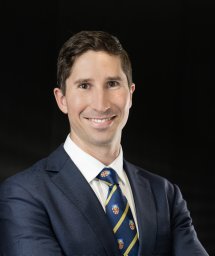 Thomas P. Cundy合作论文数6
 Joshua M Byrnes合作论文数6
 Spencer W. Beasley合作论文数6Kelvin Choo合作论文数6Shinichiro Sakata合作论文数6
 Joanne Aitken合作论文数Viertel Cancer Research Centre, Cancer Council Queensland6
 Jonathan Karpelowsky合作论文数Faculty of Medicine and Health, The University of Sydney5
 Brendan C. Jones合作论文数School of Maths, Physics, Computing and Electronics, Macquarie University5
 Marie L Cooke合作论文数National Taipei College of Nursing5
 Mari Takashima合作论文数Menzies Hlth Inst Queensland, Griffith Univ4Alexander Ngoo合作论文数4Jessica Schults合作论文数Child Health Research Centre, Faculty of Medicine, The University of Queensland4Conwell Louise S合作论文数4Nelson Alphonso合作论文数4
 Robert Ware合作论文数Centre for Applied Health Economics, Griffith University;Menzies Health Institute Queensland, Griffith University4David Winkle合作论文数3Jacqueline Cunninghame合作论文数3
 Nicole Marsh合作论文数3D. Youlden合作论文数3
 Paul Lee-Archer合作论文数Dept Anaesthesia, Queensland Childrens Hosp3
 Rebecca Paterson合作论文数School of Nursing, Midwifery and Social Work, University of Queensland3
 Sainath Raman合作论文数Child Health Research Centre, Faculty of Medicine, The University of Queensland;Queensland Children's Hospital3Youlden Danny R合作论文数3Mihala Gabor合作论文数Griffith University3Adrian Mattke合作论文数Medical School, The University of Queensland3
 Anthony Marius Smith合作论文数Mitochondrial Biology Unit, The Medical Research Council3Prem Venugopal合作论文数3
 Margit Kempf合作论文数3
 Devang J. Desai合作论文数Department of Surgery and Gastrointestinal Surgery, Jagjivan Ram Hospital3Sajid Sayed合作论文数2Giorgio Stefanutti合作论文数2Colleen Pitt合作论文数2Anna Dean合作论文数2Elizabeth Andresen合作论文数2Chris Bourke合作论文数2Paula Cattanach合作论文数2Melanie Kennedy合作论文数2Sean Blackall合作论文数2Holly Campbell合作论文数2




