BACKGROUND:Patients frequently experience severe symptoms after lung cancer surgery. Symptom management using electronic patient-reported outcomes (ePRO) can improve postoperative symptom burden, enhance functional status, and reduce complications. This qualitative study aimed to explore patient perspectives on ePRO-based symptom management. METHODOLOGY:Patients in a multicentre, randomised controlled trial (CN-PRO-Lung 2) conducted in China were asked to participate in qualitative interviews. In the trial, patients with lung cancer were randomly assigned in a 1:1 ratio to receive postoperative symptom management based on ePRO or usual care. To explore perspectives on the model, semi-structured interviews were conducted with 20 patients in the ePRO group. Data were analysed using descriptive and thematic analyses. RESULTS:The median age of patients was 53.5 years (range: 28-73 years), with 55% being female. Two major themes emerged from the qualitative interviews: patient acceptance and patient-derived recommendations. Patient acceptance included four subthemes: patient satisfaction, daily life disruption and burden, postoperative recovery assistance, and long-term implementation needs. Patients were highly satisfied with the ePRO model and felt it did not increase their burden. They also found it beneficial for recovery and recommended long-term implementation. Patient-derived recommendations included two subthemes: enhancing the ePRO model and improving the system. Patients emphasised the importance of timely doctor feedback, a user-friendly interface, recognisable app icons, and additional self-reporting sections to increase engagement and efficiency. CONCLUSIONS:ePRO-based symptom management seems to be acceptable for patients who underwent lung cancer surgery. Future research should focus on optimising the ePRO model and system to better meet patient needs and facilitate its clinical implementation.
OBJECTIVES:Neoadjuvant chemo-immunotherapy is associated with oncologic benefits in patients undergoing resection for locally advanced non-small cell lung cancer (NSCLC). We assessed patient-reported physical and psychological symptoms following neoadjuvant chemo-immunotherapy and surgery compared to stage-equivalent patients who were operated during the same period without neodjuvant treatment. METHODS:All consecutive patients submitted to lung resection for clinical stage II and III NSCLC between March 2023 and December 2024 and alive at the time of the interview were approached for the study. Their patient-reported symptoms were assessed using the Non-Small Cell Lung Cancer Symptom Assessment Questionnaire (NSCLC-SAQ) and their psychological distress was assessed using the Hospital Anxiety and Depression Scale (HADS). RESULTS:Of the 138 patients initially screened, 82 completed the survey. Median time from surgery to the interview was 13.9 months. There was no difference in total NSCLC-SAQ score between patients undergoing upfront surgery (S) and surgery after neoadjuvant chemo-immunotherapy (CT-IO) (P = .64). Chemo-immunotherapy was not independently associated with total NSCLC-SAQ score after multivariable regression analysis. The average anxiety and depression scores were also similar between the 2 groups. Finally, a similar proportion of patients in the 2 groups reported to have symptoms similar or better than before starting treatment. CONCLUSIONS:Our findings show in a real clinical practice setting that neoadjuvant chemo-immunotherapy is not negatively associated with patient-reported physical or psychological symptoms in the medium to long-term follow-up compared to surgery alone. These results can be used as information tool during patients' counselling.
OBJECTIVES:To provide a European-focused overview of the role of patient advocacy groups in shaping surgical lung cancer care, highlighting their contributions to multidisciplinary care, equitable access, psycho-social support, and patient-centred research. METHODS:We conducted a narrative review of the major European and national lung cancer advocacy organizations, integrating perspectives from patient leaders and thoracic surgeons. The analysis focused on initiatives directly impacting thoracic surgery and perioperative care, with attention to education, prevention, survivorship, and research advocacy. RESULTS:Multiple advocacy organizations have significantly influenced lung cancer care with relevance to surgery. Oncogene Cancer Research (UK) promotes transparent information and shared decision-making around surgical options across all disease stages. Women Against Lung Cancer in Europe delivers large-scale initiatives such as European Program for ROutine testing of Patients with Advanced lung cancer, expanding molecular testing and psycho-social support across several European countries. The Israeli Lung Cancer Foundation secured national low-dose CT screening and mandatory multidisciplinary team review for early-stage patients. In Greece, FairLife launched the BREATH program, providing structured psycho-social support integrated with surgical pathways. Longkanker Nederland advances shared decision-making through national decision aids, patient-reported outcomes, and guideline development. ALK Positive UK develops tailored education for patients and clinicians, addressing the impact of biomarker status on surgical pathways. At the European level, Lung Cancer Europe drives large-scale surveys, awareness campaigns, and collaborations with European Society of Thoracic Surgery to embed patient perspectives into surgical discussions. CONCLUSIONS:Patient advocacy is increasingly shaping thoracic surgery in Europe, bridging gaps in communication, equity, and research. By collaborating with advocacy organizations, surgeons can deliver more integrated, communicative, and patient-centred care, ensuring that surgical innovation aligns with the lived experiences and priorities of patients.
OBJECTIVES:This study aimed to evaluate the progress in the collection and interpretation of patient-reported outcomes (PRO) and health-related quality of life (HRQoL) in thoracic surgery. METHODS:We invited all members of the European Society of Thoracic Surgeons (ESTS) and the Japanese Association for Chest Surgery (JACS) via e-mail, providing survey information in both English and Japanese. It consisted of 19 questions addressing the use of HRQoL assessment in clinical practice. RESULTS:In total, we received 234 responses: 84 from ESTS, 128 from JACS, and 22 from other societies. The present survey showed that 58.5% of surgeons have never collected HRQoL data in their practice. The EORTC-QLQ-LC29 was the most frequently used questionnaire, reported by 24.7% of participants. A total of 137 (59.6%) responses identified HRQoL as the most important PROM. As for timing of data collection, 37.1% responded most important timing of data collection was prior to adjuvant chemotherapy and 24.1% of participants rated HRQoL evaluation 6 months after surgery. CONCLUSIONS:This study successfully collected responses from thoracic surgeons in both Europe and Japan. Although still underused, these findings highlight that surgeons increasingly recognize the value of PROMs, particularly in the context of multimodal treatment.
BACKGROUND:Early-stage non-small cell lung cancer (NSCLC) is increasingly treated with either video-assisted thoracoscopic surgery (VATS) or stereotactic ablative radiotherapy (SABR). While survival outcomes of these modalities have been widely studied, the prognostic significance of patient-reported outcomes (PROs), particularly short-term changes in global health status, remains underexplored in radically treated early-stage disease. METHODS:The Life after Lung Cancer (LiLac) study is a prospective observational cohort evaluating quality of life (QoL) trajectories in patients with clinical stage I-II NSCLC treated with VATS or SABR. QoL was assessed using the EORTC QLQ-C30 and LC13 at baseline and at 6 weeks, 3, 6, and 12 months. This analysis includes a 5-year survival follow-up of stage IA patients with available baseline and 6-week global health (GH) scores. Overall survival (OS), event-free survival (EFS), and lung cancer-specific survival (LCSS) were examined. A Fine-Gray competing risks model was used to identify predictors of lung cancer-specific mortality. RESULTS:A total of 142 patients were included (80 VATS; 62 SABR), with a median follow-up of 59 months. OS and EFS at 5 years were higher in surgical patients, while LCSS showed a favourable trend for VATS. A GH score decline > 10 points at 6 weeks were the only factor independently associated with lung cancer-specific death (SHR 5.77, p = 0.019), irrespective of treatment modality. No other QoL scales showed prognostic significance. CONCLUSIONS:Early decline in patient-reported global health status after curative treatment for stage I NSCLC is a strong independent predictor of lung cancer-specific mortality. These findings support the integration of routine PRO assessment to inform risk stratification, recovery monitoring, and shared decision-making. Multicentre validation is warranted.
Highlights• First economic evaluation of prehabilitation across the whole lung cancer pathway• Cost-effective in early-stage (£3,019/QALY) and late-stage (£6,040/QALY) disease• Remained cost-saving when all survival benefit was removed from the model• Greatest benefit accrued to the most deprived quintile, suggesting reduced inequity• Supports commissioning prehabilitation for all lung cancer patients
BACKGROUND:Health-related quality of life (HRQoL) is central to treatment decisions. We conducted a meta-analysis to assess treatment effects on patient-reported HRQoL in non-small cell lung cancer (NSCLC). METHODS:We searched MEDLINE, Embase, PsycInfo and Scopus (January-May 2025) for studies reporting HRQoL in treated NSCLC patients. Article quality was assessed using CONSORT-PRO extension criteria, RoB 2 or ROBINS-I. We evaluated HRQoL changes from baseline to 4, 12, 24, 36 and 52 weeks post-treatment using standardised mean differences from baseline (SMDFB), pooled via a random-effects model. RESULTS:Forty-seven articles (7518 participants) were included. Targeted therapies improved HRQoL, including dyspnoea ((4 w SMDFB 0·20 [95% CI 0·05 to 0·36], I2 = 38%), 12 w 0·35 [0·24 to 0·47], 24%)), and physical functioning (12 w 0·45 [0·03 to 0·86], 93%). Surgical patients experienced deteriorations in pain and dyspnoea symptoms ((24 w ΔPain -0·58 [-1·14 to -0·02], 98%), 52 w ΔDyspnoea (-0·68 [-1·05 to -0·31], 94%)). Chemotherapy was associated with small deteriorations in multiple HRQoL dimensions at four weeks (ΔFatigue (-0·14 [-0·26 to -0·01], 20%), ΔAppetite (-0·24 [-0·39 to -0·09], 14%), ΔFACT-Lung score (-0·19 [-0·38 to -0·01], 21%)). Exploratory analyses suggested immunotherapy improved multiple HRQoL domains (including ΔEmotional functioning (0·16 [0·08 to 0·23], 0%)), but worsened diarrhoea (-0·20 [-0·37 to -0·04], 66%). CONCLUSION:HRQoL changes varied by treatment, with newer therapies potentially offering favourable profiles. This can help patients align treatment with their values, however interpretation is limited by the high risk of bias. We identified evidence gaps in HRQoL reporting and provide recommendations including appropriately addressing missing data. MICRO ABSTRACT:We conducted a meta-analysis of 47 studies (7518 patients) to evaluate treatment effects on health-related quality of life (HRQoL) in non-small cell lung cancer. HRQoL changes varied by treatment, highlighting the potential of newer therapies to align outcomes with patient preferences. Targeted therapies improved dyspnoea and physical functioning; chemotherapy caused short-term HRQoL deteriorations in fatigue and appetite; and surgery resulted in worsenings in dyspnoea and pain symptoms in the longer term. Gaps in HRQoL reporting and missing data handling were identified, with recommendations provided to improve future studies.
INTRODUCTION:Gender disparities in academic productivity remain well described. Although women have historically been underrepresented in cardiothoracic surgery, longitudinal trends in authorship are not fully understood. We aimed to evaluate temporal patterns in women's representation as first and senior authors in major cardiothoracic surgery journals. METHODS:A bibliometric analysis of 4 cardiothoracic surgery journals, Annals of Thoracic Surgery, the Journal of Thoracic and Cardiovascular Surgery, the European Journal of Cardio-Thoracic Surgery, and Journal of Thoracic and Cardiovascular Surgery Open, was conducted of all PubMed-indexed articles published between 2002 and 2022. Author data were extracted using BioPython, and gender was assigned by first name using GenderAPI. Only assignments with ≥90% confidence were included. Linear regression assessed trends in women's first and senior authorship over time, and global patterns were visualized using R (R Core Team, 2023; The R Foundation for Statistical Computing, Vienna, Austria) using RStudio version 2024.04.2+764 (Posit Software, Boston, MA). RESULTS:Of 53,034 publications, 38,091 (71.8%) had gender identified for both first and senior authors and were included in the analysis. A significant association was observed between first and senior author gender (P < 0.001), with most articles authored by men in both positions (82.0%), while only 2.8% had women as both first and senior authors. In the contemporary cohort (2020-2022), this proportion increased to 5.2%. Trends varied by journal, with projected increases in the women-to-men authorship ratio by 2030, highest in Annals of Thoracic Surgery. Globally, Northern European countries demonstrated the greatest representation of women first authors. CONCLUSIONS:Although gender disparities persist, women's authorship in cardiothoracic surgery journals is increasing. Journal-specific and regional differences in representation, considered alongside imperfect workforce benchmarks, highlight areas warranting continued attention.
INTRODUCTION:Despite advancements in adverse events (AEs) reporting, discrepancies often arise between clinician-assessed and patient-reported symptomatic AEs, including in non-small cell lung cancer (NSCLC) trials. This study investigates the extent to which patient-reported questionnaires, particularly the EORTC Questionnaire - Core (QLQ-C30) and the lung cancer-specific module (QLQ-LC29) capture patient-reported symptomatic AEs in systemic treatments for NSCLC. METHODS:A systematic comparison was conducted between symptomatic AEs reported in publicly available Summary of Product Characteristics (SmPC) of systemic NSCLC treatments and patient-reported outcomes captured by the EORTC QLQ-C30 and QLQ-LC29. AEs classified as very common (≥10%) or common (1%-10%) were included. A structured mapping exercise was undertaken to identify overlaps and gaps between symptomatic AEs captured by SmPC and EORTC questionnaires. RESULTS:We analysed 38 systemic treatments and found that the EORTC QLQ-C30 and QLQ-LC29 effectively capture (very) common symptomatic AEs such as diarrhea, nausea and vomiting, pain and skin problems, which are reported in over 75% of SmPCs. A total of 62 symptomatic AEs identified were not captured by the EORTC measures. The majority (58.1%) of these were only reported once and only two symptomatic AEs were reported in >50% of SmPCs: oedema(65.8%) andpyrexia(57.9%). These AEs are well-covered in the EORTC item library. CONCLUSIONS:This study highlights the need for a dual approach to AE reporting in clinical trials that combines clinician assessments with patient-reported outcomes. It also demonstrates the ability of the EORTC QLQ-C30 and QLQ-LC29 questionnaires to capture patient-reported common symptomatic AEs, with the addition of an item list from the EORTC Item Library to capture missing symptomatic AEs. Future research should concentrate on optimizing the integration of these tools to ensure that a broad spectrum of symptomatic AEs is captured, ultimately supporting the understanding of treatment impact on patient health and quality of life.
OBJECTIVES:We examined the impact of short-term, multimodal prehabilitation on perioperative functional and patient-reported outcomes (PROs) in patients undergoing surgical resection for non-small cell lung cancer (NSCLC). METHODS:This is a retrospective study with paired comparisons on consecutive patients worked up for surgical resection for suspected NSCLC referred for prehabilitation including exercise, nutritional, and PROs assessment in a single centre from October 2022 to August 2023. Patients participated in a hybrid programme, with twice-weekly, one-to-one sessions combing high-intensity interval-style and strength training with accompanying app-based exercise and lifestyle support. Functional outcomes were assessed via the 6-minute walk test (6MWT) and 1-minute sit-to-stand (1M-STS), and PROs were evaluated using the EuroQol 5-Dimension 5-Level (EQ-5D-5L) and Patient-Generated Subjective Global Assessment (PG-SGA). A multivariable logistic regression analysis identified factors linked to significant PRO improvement. RESULTS:During the study period, 85 patients were referred, with 98% consenting and 91% (75/85) completing a median of five sessions over 2.5 weeks, with 69% ultimately undergoing surgical resection. There was significant improvement in 6MWT distance (62.8 m, P < 0.001), 1M-STS (8.9 repetitions < 0.001), EQ-5D-5L (+6 points, P = 0.012) and PG-SGA nutritional status (-0.64 points, P = 0.044). Female sex, lower deprivation index (most deprived) and fewer sessions were associated with greater PRO improvements. CONCLUSIONS:Short-term hybrid prehabilitation for resectable NSCLC improves patient functional and subjective outcomes, particularly among females and those from more deprived areas. This approach appears to enhance preoperative fitness and PROs for patients undergoing surgery potentially reducing postoperative complications and improving postoperative quality of life.
Objective: The underrepresentation of women in thoracic surgery has been well described worldwide. Women can serve as role models for trainees and advance their careers through academic appointments, leadership positions, and involvement in thoracic societies. We aimed to characterize differences between representation of women in thoracic surgery in the United States and Europe. Methods: A cross-sectional study was conducted using publicly available data for hospitals with 30 general thoracic-track training programs in the United States and Europe from December 2023 to May 2024. Membership data for national/international societies were obtained directly from respective organizations. Results: Among 30 US institutions with dedicated general thoracic surgery training tracks, women comprised 17.7% (102 out of 475) of faculty, compared with those of 30 general thoracic surgery centers in 8 European countries, where women comprised 29.5% (79 out of 268) of faculty. Of programs with available data, 26.7% (8 out of 30) had women as thoracic surgery program directors in the United States and 13% (4 out of 30) in Europe. Regarding societal membership in the General Thoracic Surgical Club (United States) and European Society of Thoracic Surgeons (Europe), women were well represented as trainee members (United States, 39.2% [20 out of 51] vs Europe, 46.1% [113 out of 245]; P = .367), but comprised a lower proportion of active/senior members (United States, 12.9% [45 out of 349] vs Europe, 19.2% [283 out of 1474]; P = .006). Conclusions: We identified universal disparities in the representation of women in faculty appointments, leadership positions, and membership in professional societies. Efforts to address imbalances may benefit from shared experiences and initiatives, aiding resident recruitment and career advancement for women thoracic surgeons while fostering diversity, equity, and inclusion on a global scale.
INTRODUCTION:Prehabilitation in patients with lung cancer has historically been focused on those undergoing surgical resection. However, its benefits could be applicable to those undergoing all forms of treatment both in the curative- and palliative-intent settings. MATERIALS AND METHODS:Twelve healthcare professionals convened to discuss prehabilitation across the spectrum of lung cancer management, aiming to share best practice and provide practical guidance. RESULTS:Prehabilitation should be considered as part of a holistic treatment package for all patients diagnosed with lung cancer. A robust evidence base exists for patients undergoing surgery, with a developing and promising evidence base in other treatment pathways. Whilst further research is recommended, there is a strong ethical argument based on 'distributive justice' to adopt stage and treatment-agnostic delivery. Prehabilitation should begin as early as possible, ideally when a patient enters the diagnostic pathway. The benefits outweigh any negatives of delivering prehabilitation to people who do not have cancer and can only be delivered with a stage and treatment-agnostic ethos. Prehabilitation in the palliative treatment setting differs from the curative-intent setting, with patients facing more prolonged fluctuations in functional capacity as well as the psychological and physiological impact of ongoing treatment. DISCUSSION:Stage and treatment-agnostic prehabilitation should become a standard of care within the lung cancer pathway.
OBJECTIVES:Many advancements have occurred in surgery from the technical side with increasingly sophisticated minimally invasive surgical options to the patient care side with the advent of ERAS and patient-related outcomes research. Patient-related outcomes research has allowed providers to focus on what is most important to a patient when it comes to quality of life, however, an ill-defined disconnect persists between the desires of patients and the perspectives of surgeons on what the patient values the most. METHODS:A rigorously designed multi-country European survey of 9 carefully curated questions meant to mimic the perioperative journey for both the patient and surgeon distributed through an online link or paper version who recently underwent thoracic surgery and to surgeons involved with thoracic surgical care to explore the possible disconnect of perceptions of care throughout the perioperative journey. RESULTS:A total of 444 participants (230 patients and 214 surgeons) from different parts of Europe responded to the survey. Noted discrepancies were found throughout the preoperative, intraoperative and post-operative phases when it came to perception of information given and understood, what was communicated, and how care was implemented. CONCLUSIONS:This study identifies critical gaps in the communication and perception of surgical care between patients and surgeons, emphasizing the need for the implementation of shared decision-making, and increasing awareness of enhanced holistic support throughout the perioperative journey.
Background We aimed to assess the outcome of patients who were stage-eligible for neoadjuvant chemo-immunotherapy but did not start the treatment and received surgery upfront. Methods All consecutive patients undergoing lung resection with or without prior neoadjuvant chemo-immunotherapy (nivolumab) for clinical stage II and III NSCLC (April 2023 through December 2024) were included in this analysis. The main reasons for not receiving the neoadjuvant treatment were described. Subgroup analyses were performed to assess outcomes by presence of neoadjuvant treatment. Results 129 patients were included. 47 % received neoadjuvant nivolumab in combination with platinum-based chemotherapy (IO group), whereas 53 % did not receive neoadjuvant treatment and proceeded to surgery upfront (S group). There was no difference in minimally invasive approach between procedures performed after neoadjuvant treatment and those without (75 % vs. 73.9 %, p = 0.88).Neoadjuvant treatment was not associated with increased risk of postoperative cardiopulmonary complications (IO = 35 % vs. S = 38 %, p = 0.75) or prolonged hospital stay (IO = 5 days vs. S = 6, p = 0.24). The most frequent reason for not starting neoadjuvant treatment was the lack of adequate tissue sampling for molecular testing or diagnosis/nodal staging confirmation (32 %), followed by the presence of actionable genetic alterations (16 %), patient choice (11.5 %) and underlying immune-related disease (11.5 %). Conclusions A large proportion of patients who could qualify for neoadjuvant systemic anticancer treatment never started it. Our findings may inform future discussions on how to improve the treatment pathway of patients with NSCLC and candidates to neoadjuvant or perioperative immunotherapy.
OBJECTIVES:Pulmonary resection is a cornerstone of lung cancer treatment, but its impact on health-related quality of life (HRQoL) extends beyond oncological outcomes and may vary by sex and gender. Understanding these differences is essential to optimizing patient-centred care in non-small cell lung cancer, particularly with the addition of new therapies in the early-stage space. This systematic review evaluates sex-related disparities in HRQoL following pulmonary resection for lung cancer. METHODS:A systematic review was conducted in accordance with Preferred Reporting Items for Systematic Reviews and Meta-analyses guidelines, using Cochrane, MEDLINE, EMBASE, and PubMed databases, selecting publications from January 2014 to June 2024. Eligible studies reported HRQoL outcomes with sex-disaggregated data in patients undergoing pulmonary resection for lung cancer. The risk of bias was assessed using the Risk of Bias 1 (RoBINS-1) tool, and data were synthesized qualitatively. RESULTS:Among 9861 studies screened, 66 full-text articles were reviewed, and 11 met the inclusion criteria. Health-related quality of life tools included: Short-Form 36 (SF-36; 20%), European Organization for Research and Treatment of Cancer Quality of Life Questionnaire C30 (EORTC QLQ-C30; 20%), Short-Form 12 (20%), and the Visual Analogue Scale (VAS; 30%). The time points for data collection also varied: preoperative/baseline (60%), postoperative day 1 (40%), postoperative day 3 (40%), and postoperative month 6 (40%). The studies assessed diverse HRQoL domains. Around half (5/11) reported sex-based differences, whereas the others found none. Sex-based differences in selected HRQoL domains have been reported by a subset of studies: higher postoperative pain (3/6 studies), worse sleep quality/insomnia (2/2 studies), and more psycho-social, depressive and physical issues (3/6 studies) in female patients. CONCLUSIONS:Available evidence, although limited and heterogeneous, suggests that women may experience greater adverse impacts on HRQoL following pulmonary resection, particularly in pain, mental health, and physical recovery. However, the current findings should be interpreted with caution due to variability in study design, instruments, and timepoints.
 Alessandro Brunelli合作论文数100
 Majed Refai合作论文数Unit of Thoracic Surgery39Armando Sabbatini合作论文数38
 Michele Salati合作论文数36Xiumè Francesco合作论文数22Velikova G合作论文数19Mazzanti Paola合作论文数17
 Kevin Nicholas Franks合作论文数16
 Rossana Berardi合作论文数Universita Politecnica delle Marche;Azienda Ospedaliero Universitaria delle Marche15
 Nuria Maria Novoa合作论文数University of Salamanca13Caramanti Miriam合作论文数13
 Kostas Papagiannopoulos合作论文数Department of Thoracic Surgery, St. James's University Hospital13Onofri Azzurra合作论文数12Stefano Cascinu合作论文数Department of Oncology and Hematology, Universitá di Modena e Reggio Emilia12
 Michael Koller合作论文数Zentrum für Klinische Studien, University Hospital Regensburg12
 Kate Absolom合作论文数Department of Psychology, University of Sheffield11Morgese Francesca合作论文数10Harle Amelie合作论文数8Michela Tiberi合作论文数8Torniai Mariangela合作论文数8
 Leah Backhus合作论文数Department of Cardiothoracic Surgery, Stanford University8Pagliaretta Silvia合作论文数8Richard Milton合作论文数8
 Gaia Goteri合作论文数Sezione di Anatomia Patologica, Dipartimento di Scienze Biomediche e Sanità Pubblica, Università Politecnica delle Marche8
 Qiuling Shi (石丘玲)合作论文数College of Public Health, Chongqing Medical University8Georgios Ioannidis合作论文数7
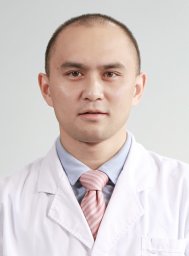 Wei Dai合作论文数Sichuan Cancer Hospital & Institute, University of Electronic Science and Technology of China7
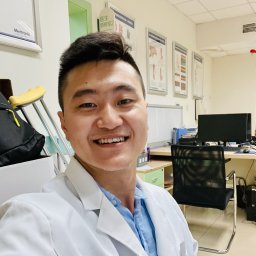 Xing Wei合作论文数Sichuan Canc Hosp & Inst, Univ Elect Sci & Technol China7Kuliś Dagmara合作论文数7
 Matthew Callister合作论文数Leeds Institute of Health Sciences, University of Leeds;Leeds Teaching Hospitals;Department of Respiratory Medicine, Leeds Teaching Hospitals NHS Trust7
 Chaudhuri Nilanjan合作论文数Department of Thoracic Surgery, St. James's University Hospital7
 Andrew Bottomley合作论文数Department of Quality of Life, European Organisation for Research and Treatment of Cancer7
 Qiang Li (李强)合作论文数Department of Chest Surgery, Sichuan Cancer Hospital7
 Colin D Johnson合作论文数Faculty of Medicine, University of Southampton7Vittorio Paolucci合作论文数7Juan Ignacio Arraras合作论文数7Agnese Savini合作论文数6Christian Schulz合作论文数6
 Krzysztof Tomaszewski合作论文数6
 Mara B Antonoff合作论文数6
 Patricia Trish Holch合作论文数6
 Jonathan M. Robson合作论文数6
 Ofir Morag合作论文数6Rinaldi Silvia合作论文数6
 Marianne Jensen Hjermstad合作论文数Department of Oncology, Oslo University Hospital6Giulia Marcantognini合作论文数5
 Wei-Chu Chie (季瑋珠)合作论文数Graduate Institute of Epidemiology and Preventive Medicine, National Taiwan University5Kefaloyannis Emmanuel合作论文数5
 Peter Tcherveniakov合作论文数5




