LGBTQ+ research and policy in Mongolia largely focused on sexually transmitted infections (STIs), particularly among men who have sex with men (MSM). This narrow focus has resulted in a significant lack of evidence on the specific health needs, challenges, and priorities of diverse sub-communities beyond HIV/STIs. To address this, we collaborated with 19 local LGBTQ+ health and rights experts in a two-stage co-creation workshop to identify and prioritise key health issues and to develop a community-driven research agenda. Using thematic analysis, we identified 15 health priorities in Stage 1 and 31 research priorities in Stage 2. Findings from Stage 1 indicated that, despite variations in healthcare needs across sub-communities, participants consistently identified common systemic challenges. These included limited access to LGBTQ+-affirming healthcare services, pervasive prejudice and discrimination, and insufficient capacity within the healthcare system. In Stage 2, the identified research priorities were organised into six overarching domains to address existing gaps: community health needs, health sector capacity, emerging risks, quality of current services, current policy, and LGBTQ+ history and lived experiences. These community-driven health and research priorities can strengthen grassroots advocacy and inform future research, interventions, policy, and funding initiatives focused on LGBTQ+ health in Mongolia.
BackgroundDespite some progress towards disability rights in Cambodia, women with disabilities still experience inequitable access to maternity care. To provide a context-specific understanding of this complex issue, we conducted a study exploring the perspectives of key stakeholders from across the health and disability sectors regarding disability-inclusive maternity care in three locations of Cambodia: Phnom Penh, Kampong Speu, and Kampot.MethodsThis study employed a qualitative descriptive approach, using semi-structured interviews with twelve government and non-governmental stakeholders. Data were transcribed verbatim, translated from Khmer to English, anonymised, and thematically analysed using the WHO Quality of Care framework.ResultsAlongside presenting findings relevant to (1) Perceptions and conceptualisation of disability-inclusive maternity care, results were thematically presented across the relevant WHO Quality of Care framework components, including (2) Competent and motivated human resources; (3) Essential physical resources; (4) Provision of care; (5) Experience of care. All stakeholders unanimously agreed that maternity care services for women with disabilities were not inclusive, including the absence of disability-inclusive maternity care policies, guidelines and training for the healthcare workforce. Barriers to access were exacerbated when health services lacked sufficient human resources, equipment and referral systems to accommodate the needs of this population. Government stakeholders conceptualised disability-inclusive care as equal treatment without discrimination. Some commended existing social protection funding and considered it adequate to support access to maternity care. In contrast, non-governmental stakeholders emphasised that equitable maternity care requires both accessible infrastructure and services and more effective implementation of social protection measures.ConclusionThis study provided the context of the disability-inclusive maternity care in Cambodia from the perspectives of key stakeholders. The study highlighted that the Cambodian health system was inadequately responding to the maternity care needs of women with disabilities. A collaborative approach among government staff and relevant stakeholders is needed to develop a disability-inclusive maternity care policy and ensure effective implementation, monitoring, and evaluation. Additionally, capacity building for healthcare providers with disability inclusion is essential to ensure that women with disabilities are not left behind when they access maternity care.
Background Internationally, investment in hospital-based services for sexual violence is increasing. However, service providers, including in low-income countries such as Ethiopia, report discrepancies between the profile of survivors seeking help and those identified in population-based studies. Research on this remains limited.Methods An explanatory mixed-method study design was employed, analysing 5 years’ of retrospective records of 2283 women and girls attending hospital-based violence response services in Ethiopia; alongside interviews with 20 survivors of sexual violence and 17 key informants. Quantitative data were analysed using Stata V.18 to produce descriptive statistics. Interview data were analysed thematically.Results Analysis of hospital violence response services’ records showed that 43.9% of women and girls seeking services were under 15 years old. Over 93.5% sought services for sexual violence, and 71.0% reported their assailants were strangers. Qualitative interviews revealed that adult women survivors of sexual violence, especially survivors of intimate partner sexual violence, were unlikely to seek help at hospital-based services due to stigma, fear of retaliation, perceptions that services are primarily for gathering criminal evidence rather than providing comprehensive care, and that marital rape is not illegal.Conclusions Analysis of records from hospital-based violence response services revealed a cohort of young clients, largely reporting non-partner sexual violence—in contrast to what might be expected from national prevalence data. Addressing barriers to hospital-based services and ensuring these services provide care for all survivors is essential.
Objective To assess services provided by, and barriers to, hospital-based one-stop centre (OSC) services for women survivors of sexual violence in Ethiopia. Design A mixed-methods study integrating quantitative service data with that from qualitative interviews. Setting Hospital-based OSCs in Addis Ababa, Ethiopia. Participants Hospital records of 2283 female survivors, in-depth interviews with 20 survivors and 17 key informants. Results Quantitative analysis of hospital records showed the majority (61.9%) of survivors seeking OSC care did so within 72 hours of experiencing sexual violence. Most received diagnostic sexually transmitted infection (STI) testing, emergency contraception and postexposure prophylaxis for HIV. Legal and psychosocial referrals were made for 93.5% and 68.4% of survivors, respectively, with 11.8% referred for antiretroviral therapy. The majority of survivors (79%) did not return for follow-up care, including for repeat STI and pregnancy testing. Qualitative findings highlighted women’s experiences of gaps in psychological support, mistrust in legal systems and structural barriers to ongoing care such as work constraints, safety concerns and transport challenges. Conclusions While initial diagnostic services are largely implemented, significant gaps remain in preventive, therapeutic and follow-up care for survivors of sexual violence. This underscores the need to strengthen hospital-based OSCs in Ethiopia to provide comprehensive, survivor-centred care.
PURPOSE:This review explored the inclusion of lesbian, gay, bisexual, transgender, queer, and intersex (LGBTQI) people in current Mongolian health policies, providing an overview and identifying gaps to improve inclusion. METHODS:We conducted a scoping review of health policies and used critical discourse analysis (CDA) to explore how policy language constructs LGBTQI identities, representation in policies, and opportunities for inclusion. CDA assessed LGBTQI inclusion across three levels: textual, contextual, and societal. We included currently active, publicly accessible policies relevant to LGBTQI health, with no date restrictions. Policies were identified through targeted searches of two government websites (Legal Info, Ministry of Health), incorporated with a reference search and expert consultation. RESULTS:The final analysis included 24 documents, and 25 different LGBTQI related terms were identified. LGBTQI communities were mostly mentioned in sexually transmitted infection (STI) related policies, and the most common terms were associated with high-risk sexual behavior. Only one document specifically focused on the LGBTQI community, while four identified LGBTQI people as a priority group; however, all primarily referred to men who have sex with men (MSM), with some including transgender women. At the societal level, we identified three recurring framings (problem, victimhood, and invisible) which reflected broader social norms and values about LGBTQI people. CONCLUSION:LGBTQI inclusion in Mongolia's health policies remains limited, and primarily centered on STI risk among MSM and sometimes transgender women. This has resulted in the needs of other sub-communities being overlooked, rendering lesbian and bisexual women, transgender men, and intersex people largely invisible.
Lived experience (LE) researchers are often lay people who work alongside academics to undertake research within their own communities, particularly in the fields of health and social inquiry. High-quality and rigorous LE research can lead to local, national and international policy and practice impacts; however, if managed poorly, the involvement of LE researchers has the potential to be extractive, inequitable and disempowering. There is a need to understand how universities can support more sustainable and enduring forms of co-investigation with LE researchers. This qualitative research study utilised a phenomenological approach and reflexive thematic analysis in order to understand the lived experiences of LE researchers. Sixteen former and current LE researchers who worked with researchers from an Australian university participated in face-to-face and online semi-structured interviews between May to July 2024. We identified six key themes: (1) LE researchers are motivated to create change; (2) LE research can be both rewarding and taxing; (3) trust must be earned, nurtured and reciprocated; (4) power sharing is less important than responsible leadership; (5) LE research is a methodology NOT a 'fashion'; and (6) an institutional ethic of care is critical. A social ecological model is used to discuss the implications of the findings at an intrapersonal, interpersonal, institutional and policy level. Given participation has become the new zeitgeist and involvement of people with LE in research is fast becoming a prerequisite for some funding streams, it is important to intentionally establish foundational building blocks supporting the ethical and equitable participation of LE researchers across the social ecological model.
Coercive control refers to a pattern of abusive behaviors, and is the underlying dynamic of domestic, family, and sexual violence. Little is known about the experiences and impacts of coercive control on children from culturally and racially minoritized migrant backgrounds. This research was conducted in Victoria, Australia, and aimed to explore mothers’ perceptions of how their partners’ use of coercive control impacted children and family functioning. Consistent with a social constructionist approach, qualitative methods were used to understand mothers’ perceptions. Eleven mothers who had experienced domestic, family, and sexual violence participated in individual interviews. Thematic analysis was used to analyze the data.Findings show that coercive control was the overarching feature and core dynamic of participants’ experiences of domestic, family, and sexual violence, underpinning a range of abusive behaviors. Children were found to experience serious and ongoing impacts from coercively controlling behaviors used by their fathers toward their family. While many of these impacts reflect broader patterns identified in existing research, the findings are grounded in the experiences of children in migrant families. Children in these contexts face ongoing barriers to safety and support that are not always well recognized in service responses. More broadly, the nature, dynamics, risks and impacts of fathers’ coercive control affecting children from migrant backgrounds remain poorly understood at societal and systems levels.These findings highlight the need for improved recognition of children as victim-survivors of coercive control, alongside workforce capacity building and more accessible, culturally responsive support for families from migrant backgrounds.
BACKGROUND:Significant social, technological and medical changes highlight a need for timely and representative sexual and reproductive health surveys, while also posing challenges to their design. This paper describes methods of the Third Australian Study of Health and Relationships (ASHR3). METHODS:From March 2023 to April 2024, data were collected from people aged 16-69 years via an anonymous survey of holistic sexual and reproductive health. ASHR3 collected data via random selection of mobile phone numbers for an interviewer-administered survey and via an online probability panel for a self-administered digital survey. Potential differences between the two modes of sampling and data collection were investigated. Sample-specific design weights were applied and calibrated to the 2021 Australian Census regarding gender, country of birth, education, religion and area of residence. RESULTS:The final sample was 12,833 people: 5693 men (48.63% weighted proportion), 6984 women (49.98%), and 156 non-binary people (1.39%) from every state and territory. Telephone interviews were conducted with 7226 participants and online surveys with 5607. The survey cooperation and response rates for the telephone sample were 86.11% and 3.54%, respectively, whereas the online completion rate was 98.73%. Few participants said the survey made them feel embarrassed (10.96%) and most said they were very honest in their responses (96.54%). Comparisons with the most recent Census found the weighted ASHR3 sample was generally representative of the general population of Australia, with a mean of 1.22% difference across key sociodemographic characteristics (s.d. 2.37). There were no differences observed in sociodemographic characteristics and other responses between the telephone and online samples. CONCLUSIONS:ASHR3 compiled rich, robust, and representative data on sexual and reproductive health from a large national sample. The inclusion of an online probability panel complemented the more traditional telephone-based methods. With more than 20 years of data, ASHR is an important resource for monitoring trends in sexual and reproductive health.
Anaemia affects over one-third of pregnant women in Bangladesh, leading to serious consequences including maternal death and stillbirth. Yet, only about half of pregnant women are tested for anaemia, and few receive intravenous iron – an effective treatment option. It remains unclear whether health facilities have the resources, and whether health workers are willing and able, to deliver these services. Embedded within a demonstration project, our study aimed to evaluate the organisational readiness of Bangladesh’s primary health care system to provide point-of-care anaemia testing and intravenous iron treatment for pregnant women. We employed a multi-phase, mixed-methods, parallel convergent design. Formative research included a baseline health facility readiness assessment (n=20). In the parallel process evaluation, health workers completed the Organisational Readiness for Implementing Change questionnaire (n=35), and a sample participated in qualitative interviews (n=21). Quantitative data were analysed descriptively, while qualitative data were analysed using inductive thematic analysis and mapped to the Capability, Opportunity, and Motivation model of Behaviour Change. Findings were integrated across data sources for a comprehensive evaluation. We found high psychological readiness for implementing anaemia testing and intravenous iron treatment, with health workers demonstrating strong commitment and confidence in providing these services to pregnant women. However, structural readiness was incomplete, with sustaining both interventions beyond the demonstration project requiring addressing resource constraints, including shortages of equipment, guidelines, nurses, and doctors. Government support for implementation and resource provision will be essential to ensure the continued delivery of anaemia testing and intravenous iron treatment in Bangladesh’s primary health care system.
Introduction Anaemia during pregnancy is a significant public health problem, disproportionately affecting women in low-and middle-income countries. In Bangladesh, anaemia affects 38.6% of pregnant women. Although much is known about the prevention of anaemia in pregnancy, it is unknown how women are tested and treated. This study therefore aimed to describe how pregnant women in Bangladesh are tested for anaemia, including variations by social and equity dimensions. We also aimed to explore how women are treated for anaemia and use of intravenous iron in pregnancy.Methods An interviewer-administered cross-sectional survey was conducted in Narayanganj district, Bangladesh, with analysis limited to women who had previously been pregnant (n=1000). Outcomes of interest were anaemia testing, anaemia treatment, and intravenous iron use. We undertook descriptive analyses and derived estimates and 95% confidence intervals of the percentage of pregnant women tested for anaemia stratified by education, wealth, and person making decisions around women's healthcare.Results Approximately half of women were tested for anaemia in their previous pregnancy (505/963, 52.4%), with lower testing in women with no education (15.8%, 95% CI: 6.0 to 31.3), whose husband had no education (25.6%, 95% CI: 18.2 to 34.2), or in the poorest wealth quintile (34.0%, 95% CI: 27.4 to 41.2). Pregnant women were most commonly tested for anaemia at a private health facility (393/505, 77.8%), by a medical technologist (350/505, 69.3%), using venous full blood count (484/505, 95.8%). Most women diagnosed with anaemia in their previous pregnancy received treatment (135/142, 95.1%). In any prior pregnancies, a small number of women received intravenous iron (33/985, 3.4%).Conclusion Our study reveals the need for substantial investments to ensure all women in Bangladesh are tested for anaemia in pregnancy. This could be achieved through increasing point-of-care testing in antenatal care. However, health facilities and health workers may need to be prepared for an increase in women diagnosed with anaemia.
This presentation aims to examine how women involved in temporary forms of labour migration experience gendered harm in the Asia Pacific. Temporary labour migration in the Asia Pacific creates conditions of considerable precarity for women, who are exposed to a range of gendered insecurities that leave them susceptible to harm, violence and ill-health. Efforts to enhance women’s participation in labour migration are seen by some as a mechanism to promote gender equality and sustainable development. In light of these efforts, there is a critical need to build knowledge of how women involved in labour migration may experience gendered harm as they or their partners move across international borders. We conducted a comprehensive scoping review of academic and grey literature published between 2014-2024 and used an expansive definition of gendered harm inclusive of interpersonal and structural forms of harm and violence. The review identified 43 relevant studies for inclusion. Studies focused on migrant domestic labour in Hong Kong, Singapore and Thailand though some research explored women’s experiences of sex work, factory work and agricultural labour. The review identified a broad spectrum of gendered violence was perpetrated against women engaged in temporary labour migration. Women experienced multiple and overlapping types of violence resulting in significant physical, mental, and sexual and reproductive health issues. Harm was perpetrated by multiple actors including employers, health professionals, migration and employment agents, intimate partners, and the state. Findings implicate migration, health and social systems within patterns of harm and emphasise the importance of developing transnational protection mechanisms to prevent gendered violence against women in the context of precarious labour migration.
There is increasing recognition of the challenges young people face in navigating precarious labour markets, particularly during the COVID-19 pandemic. However, the relationship between precarious employment and mental health remains underexplored, especially for young people with disability who face systemic labour market barriers. This study uses data from the Australian Youth Employment Study to: (1) examine patterns of precarious employment among young people with and without disability; (2) compare precarious employment and mental health outcomes across these groups; and (3) explore the lived experiences of young people with disability regarding precarious employment and mental health during the pandemic. Using a mixed-methods design, the study includes survey data from 112 participants (aged 17-27, mean = 21.9, 41.5% with disability) and interviews with 24 young people with psychosocial and/or intellectual disability. Results indicate that young people with disability were more likely to experience underemployment (35% versus 24% of non-disabled peers) and poorer mental health, regardless of work conditions. Interview findings reveal barriers to stable employment, exacerbated by the pandemic, leading to job instability and heightened mental health concerns. This study highlights the need for inclusive workplace practices, strengthened disability employment services, and equitable access to mental health and employment support programmes.
Little is known about how migrant and refugee women who experience family violence interact with the Australian justice system. Drawing on interviews with survivors and service providers and a focus group discussion ( n = 73), this paper explores how survivors view and engage with Australian legal interventions. We found the legal system to be an unreliable site for migrant and refugee women; it was capable of both perpetuating violence through institutional discrimination and offering much-needed protection, at times simultaneously. Interactions were influenced by and influenced survivors’ legal consciousness and informed their relationship with the resettlement state. The findings underscore the importance of legal responses premised upon listening to survivors’ claims, respecting their agency, and accounting for the intersectional realities of their lives.
Objective Current evidence highlights that women with disabilities experience challenges in accessing maternity care. Improving access requires an understanding of the factors influencing the capacity of healthcare providers to provide disability-inclusive care. Although providing maternity care services for women with disabilities has been reported to be a rewarding experience, numerous factors may impact health care providers’ capacity to do so. Limited evidence, especially from low and middle-income countries (LMICs), undermines our understanding of this issue and how to respond. This scoping review, therefore, aims to synthesise the current published literature examining factors influencing the capacity of healthcare providers to deliver disability-inclusive maternity care services. Design This scoping review used the Arksey and O'Malley framework in accordance with the PRISMA extension for Scoping Reviews. A systemic search of six electronic databases, including MEDLINE (Ovid), CINAHL Complete, Scopus, Eric Ebsco, Web of Science Core Collection, and EMBASE (Ovid), was undertaken to identify relevant studies. Snowball searching of reference lists and citations was also performed. The Quality of Care Framework for Maternal and Newborn Health, developed by the World Health Organization, was employed to guide the analysis and synthesis of the findings of this review. Findings Twenty-four studies published between 2000 and 2023 met the inclusion criteria. Factors influencing the capacity of healthcare providers to provide disability-inclusive maternity care were identified and categorised into six domains aligning with the Quality of Care framework: 1) Evidence-based practices for routine care and management of complications; 2) Actionable information systems; 3) Effective communication; 4) Respect and dignity; 5) Competent and motivated human resources; and 6) Essential physical resources available. Key conclusions and implications for practice This scoping review synthesised evidence on six key factors affecting the capacity of healthcare providers to provide disability-inclusive maternity care. It highlights the need to address the limited application of a ‘disability lens’ to evidence-based guidelines and health information. The review also highlights the need to better enable healthcare providers at all stages of their training and clinical practice to develop their knowledge and skills in providing respectful, disability-inclusive maternity care, in addition to ensuring essential physical resources are available. Very few studies examine the capacity of healthcare providers in low- and middle-income countries. Future research should focus on developing context-specific evidence from such countries, particularly given that this is where the majority of women with disabilities live.
An increasing amount of evidence indicates that adolescent boys may be exposed to child sexual abuse in humanitarian emergencies. However, there is currently limited understanding of risk factors for adolescent boys' exposure to sexual abuse in emergency settings and how humanitarian organisations are responding. In this study, we examined sexual abuse against adolescent boys in the 2017 Rohingya refugee crisis and potential risk factors in this context. We collected data from the emergency response in Cox's Bazar, Bangladesh between 2018 and 2019. This included six and a half months of participant observation, 23 semi-structured interviews and 12 informal ethnographic interviews with humanitarian staff, and 10 focus group discussions with a total of 52 child protection caseworkers. Our results showed that younger adolescent boys aged 9-14 were more at risk in the camp environment compared to older adolescent boys. Perpetrators were primarily older Rohingya and Bangladeshi males, with abuse taking place in public places and at home. In the main, the humanitarian response was limited to case management support and referrals to services of varying quality. Our findings suggest that adolescent boys may be at heightened risk of sexual abuse due to their social location and environment. Moreover, our data indicates that adolescent survivors may have been an oversight in the initial crisis response. We believe that public health actors should improve the overall response to adolescent survivors of sexual abuse in the onset of a humanitarian crisis and carefully adapt interventions to account for the needs of adolescent boys.
Background: Over the last decade, public health research has increasingly shown that humanitarian emergencies can negatively impact the wellbeing of adolescents. However, recent studies have largely not addressed the differentiated impact on adolescent boys or how humanitarians are responding. Objective: We sought to understand how humanitarian organisations respond to child sexual abuse against adolescent boys in humanitarian emergencies. Participants and setting: Sixteen humanitarian staff based in Geneva, Switzerland, and 35 humanitarian staff and 52 child protection caseworkers from the Rohingya refugee crisis response in Cox's Bazar, Bangladesh. Methods: We employed a critical ethnographic research design. Between September 2018 and October 2019, we conducted interviews with humanitarians in Geneva, as well as interviews, focus group discussions, and observation of the humanitarian response to the Rohingya refugee crisis in Bangladesh. Results: Sexual abuse of adolescent boys is present in numerous humanitarian emergencies and boys appear to be at risk in certain contexts, including workplaces, streets, and shelters. Humanitarian actors are responding through individualised casework but referrals to services are often limited by the operating environment. The most promising approaches to support survivors are specifically accessible to adolescent boys and provided by services that boys trust. Of note, humanitarian responsibility for adolescent boy survivors appears to be a context-specific negotiation between humanitarian sectors and this may be causing difficulties in the delivery of effective interventions. Conclusion: Humanitarian actors should employ a more systematic approach to supporting adolescent boys that experience child sexual abuse, as an important matter for adolescent rights and health equity.
OBJECTIVE:Midwives often experience challenges in meeting the maternity care needs of women with disabilities. Understanding context-specific factors influencing their experiences is essential if these challenges are to be addressed. This study aims to explore the experiences of Cambodian midwives regarding the provision of maternity care services for women with disabilities in Cambodia. In so doing, this study seeks to understand the barriers and facilitators that midwives encounter when delivering services to women with disabilities. RESEARCH DESIGN:Drawing on the World Health Organization Quality of Care framework, this qualitative study employed a phenomenological design. Purposive sampling was used to recruit fifteen midwives across the diverse geographical settings of Phnom Penh, Kampong Speu and Kampot. Participants engaged in an in-depth semi-structured interview. All interviews were audio recorded, transcribed verbatim, and thematically analysed. RESULTS:Most participants reported past experiences in which they had provided maternity care to women with disabilities and professed their strong commitment to continue doing so. Key challenges undermining the capabilities, confidence, and therefore commitment of the midwives to providing this care included the lack of evidence-based guidelines and training on caring for women with disabilities, including communication challenges, insufficient mechanisms for identifying women with disabilities and their care needs, and inadequate referral systems and processes to respond to emergencies. These midwives also highlighted challenges they faced in supporting women to link into other key services such as social services, rehabilitation, and mental health services. Midwives were eager to receive more training and resources to strengthen their capacity to adequately meet the maternity care needs of women with disabilities. CONCLUSION:Cambodian midwives have identified several barriers to delivering disability-inclusive maternity care. To address these challenges, it is crucial to incorporate disability training into both pre-service and in-service training programs. Establishing evidence-based guidelines for disability-inclusive maternity care, ensuring essential physical resources, and developing accessible and reliable functional referral systems are priorities. Furthermore, midwives would benefit from receiving training in communicating with women with diverse disabilities and in collecting and assessing data on disability-related care needs when women with disabilities access maternity care services. STATEMENT OF SIGNIFICANCE:Globally, women with disabilities encounter substantial socio-economic and health disparities, which are further exacerbated by systemic barriers in accessing essential health services. This is particularly evident in maternity care, where women with disabilities often encounter obstacles such as inaccessible facilities, a lack of awareness about disabilities among healthcare providers, discriminatory attitudes, communication barriers, and limited financial resources to access the necessary care. Although healthcare providers have cited providing maternity care services to women with disabilities as a rewarding experience, several barriers hinder their ability to provide maternity care services with disability inclusion. Numerous global studies have identified the challenges faced by healthcare providers in providing maternity services to this population, including insufficient disability training, a lack of evidence-based guidelines, a lack of functional referral systems, and limited essential physical resources. However, there remains a limited understanding of context-specific factors influencing healthcare providers' capability and experiences, which impedes efforts to support healthcare providers, particularly in resource-constrained settings in low- and middle-income countries such as Cambodia. This knowledge gap negatively impacts the capacity of healthcare providers in offering disability-inclusive care and contributes to ongoing disparities in maternity care outcomes for women with disabilities. Therefore, this study aims to explore the experiences of Cambodian midwives regarding the provision of maternity care services for women with disabilities in Cambodia. In so doing, this study seeks to understand the barriers and facilitators that midwives encounter when delivering services to women with disabilities. This study provides empirical evidence about the challenges and facilitators faced by Cambodian midwives in delivering maternity care services to women with disabilities in a resource-constrained setting. The findings contribute to the existing body of knowledge related to maternity care for women with diverse types of disabilities, which could be used to inform policy, planning, practice, and strategies to improve disability-inclusive maternity care in Cambodia and other countries with similar contexts.
PurposeThis study explores the maternity care experiences of Cambodian women with disabilities and identifies factors influencing their access to services.Materials and methodsA descriptive phenomenological study involved in-depth interviews with 15 women with disabilities who were pregnant or had given birth in the last three years. Data were analysed thematically using Penchansky and Thomas's Access framework.ResultsAccess to care was influenced by location, with rural women with disabilities experiencing geographical and financial barriers travelling to scarce services. Even when services were available, they were less likely to be accessible or resourced with the necessary staff and equipment. Discriminatory attitudes from healthcare providers were commonly reported across all locations. Some rural women reported receiving reasonable adjustments in their care, while women in urban settings rarely cited such accommodations. Broader life circumstances, including family support and experiences of sexual assault, further influenced their access to maternity care.ConclusionsThis study highlights the urgent need for government, healthcare providers and key stakeholders to collaboratively enhance policies, planning and practices to deliver inclusive maternity care. Integrating disability-inclusive maternity care education into the training curricula is a necessary first step, with further research to evaluate the impact of training to improve care.
Forced migration has reached unprecedented levels as millions are forced to seek refuge from conflict, persecution, and violence. This exodus includes women enduring the traumas of displacement alongside sexual and gender-based violence (SGBV). Upon reaching supposed places of refuge, they encounter the structural violence of immigration and asylum regimes. Against this backdrop, the intersection of SGBV, forced migration, and structural violence emerges as an urgent area of study. Drawing from extensive qualitative interviews in Australia, Sweden, and the United Kingdom, we set out to examine the impact of structural violence on the lives of forced migrant survivors of SGBV. The article introduces a novel framework to analyze how SGBV, forced migration and structural violence intersect and impact on the lives of survivors. The framework synthesizes (a) the intimate violence of dependency, (b) the slow violence of everyday life, and (c) the gender insensitivity characteristic of determination regimes. Survivors endure a range of injustices: the intimate violence of dependency traps women in controlling relationships; the asylum system’s slow violence leaves them in substandard and undignified conditions; and gender-insensitivity renders their SGBV experiences invisible, often retraumatizing survivors. Within this framework, we describe how these intersecting forms of structural violence underpinning immigration systems, systematically fail those at risk of SGBV, rendering them vulnerable to interpersonal violence instead of protecting them. We call for immigration and asylum systems to prioritize the protection and well-being of women, many of whom are SGBV survivors. As forced migrants face increasingly hostile statutory regimes, we must recognize and address the structural violence that perpetuates harm and denies them protection. Failure to act risks further perpetuating the cycle of violence, trauma and injustice, undermining principles of safety and refuge for those in dire need.
Anaemia during pregnancy is a serious public health problem, inequitably burdening women in low-and middle-income countries. Despite numerous strategies and programs, anaemia prevalence rates have stagnated. We aimed to explore women's, health workers', and other key stakeholders' perceptions of anaemia in pregnant women, or their experiences with its prevention, testing, or treatment. We conducted a qualitative evidence synthesis. We searched MEDLINE (Ovid), Scopus, and CINAHL from inception to 12 November 2024, with no language or geographical restrictions. Data were analysed using thematic synthesis, and confidence in each review finding was assessed using the GRADE-CERQual approach. We included 61 papers from 23 countries. We grouped 25 review findings under four themes: (a) socio-cultural context of anaemia in pregnant women; (b) prevention and/or treatment of anaemia in pregnant women through diet, supplementation, or clinical intervention; (c) testing pregnant women for anaemia; and (d) factors affecting health workers' engagement in the management of anaemia in pregnant women. Women's management of anaemia in pregnancy was affected by the socio-cultural context, particularly their limited decision-making power and social position. Many women perceived a nutritious diet as integral to managing anaemia; however, high cost was often a barrier. Reasons women did not adhere to supplements included side-effects and difficulty remembering to take them, with family support improving adherence. Blood transfusion was perceived as treatment for severe anaemia, while intravenous iron was considered for women with iron-deficiency anaemia who were unable to take supplements, attended antenatal care late, or could not receive a transfusion. Health workers described difficulties testing pregnant women for anaemia and structural health-system deficiencies that affected their engagement. Findings may inform future WHO recommendations for managing anaemia in pregnant women. Future research could use review findings alongside implementation science frameworks to develop strategies for improving prevention, testing, and/or treatment of anaemia in pregnant women.
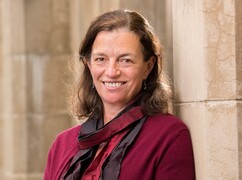 Karen Block合作论文数Centre for Health Equity, Melbourne School of Population and Global Health, Faculty of Medicine, Dentistry and Health Sciences, The University of Melbourne29
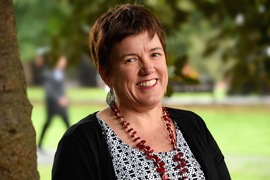 Anne Kavanagh合作论文数Centre for Health Equity, Melbourne School of Population and Global Health, Faculty of Medicine, Dentistry and Health Sciences, The University of Melbourne16
 Alex Devine合作论文数Centre for Health Equity, Melbourne School of Population and Global Health, Faculty of Medicine, Dentistry and Health Sciences, The University of Melbourne13
 Adele Murdolo合作论文数Multicultural Centre for Women's Health12
 Meghan Bohren合作论文数Centre for Health Equity, The University of Melbourne School of Population and Global Health;Faculty of Medicine, Dentistry and Health Sciences, The University of Melbourne12
 Gwynnyth Llewellyn合作论文数School of Health Sciences, Faculty of Medicine and Health, The University of Sydney10
 Linda Murray合作论文数University of Tasmania, Australia University of Tasmania10
 Jasmin Chen合作论文数9Jerome Zayas合作论文数8Regina Quiazon合作论文数8Georgina Sutherland合作论文数Centre for Health Equity, Melbourne School of Population and Global Health, Faculty of Medicine, Dentistry and Health Sciences, The University of Melbourne8
 Eric Emerson合作论文数Division of Health Research, Faculty of Health and Medicine, Lancaster University;Centre for Disability Research & Policy, University of Sydney8Erin Davis合作论文数7Manjula Marella合作论文数Nossal Institute for Global Health, Melbourne School of Population and Global Health, Faculty of Medicine, Dentistry and Health Sciences, The University of Melbourne7Gill-Atkinson Liz合作论文数7
 Allison Carter合作论文数Faculty of Health Sciences, Simon Fraser University7ma j marco合作论文数6Kate Holland合作论文数University of Canberra6Claire Sullivan合作论文数6
 Patricia L. Easteal合作论文数Australian Institute of Criminology Canberra6
 Deborah Warr合作论文数6
 Stefanie Dimov合作论文数Melbourne School of Population and Global Health, University of Melbourne5
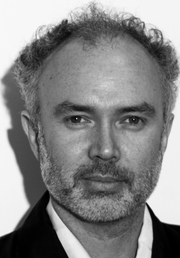 Richard Chenhall合作论文数Research Unit in Public Cultures, Research Units and Centres, Faculty of Arts, The University of Melbourne5Jeanine Hourani合作论文数4Christine Marie Habito合作论文数4Silvina Amaral Mendonca合作论文数4Alexandrina Marques da Silva合作论文数4Mariano da Silva合作论文数4
 Helen Henderson合作论文数4
 Marissa Shields合作论文数Melbourne School of Population and Global Health, The University of Melbourne4
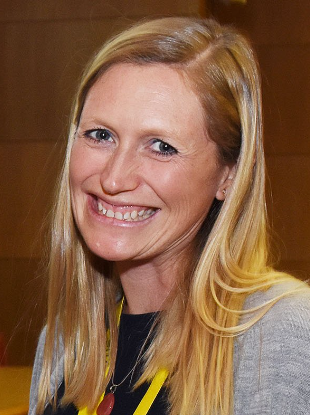 Lauren Krnjacki合作论文数Yarra City Council4
 Tania King合作论文数Centre for Health Equity, Melbourne School of Population and Global Health, Faculty of Medicine, Dentistry and Health Sciences, The University of Melbourne4
 Zoe Aitken合作论文数Centre for Health Equity, Melbourne School of Population and Global Health, Faculty of Medicine, Dentistry and Health Sciences, The University of Melbourne4
 Morgan Alison合作论文数4
 Helen Dickinson合作论文数School of Business, The University of New South Wales Canberra4
 Horas TH Wong合作论文数Stanley Ho Centre for Emerging Infectious Diseases, the Chinese University of Hong Kong4
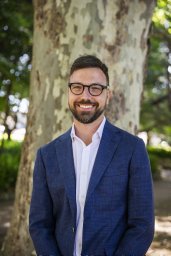 Vujcich Daniel合作论文数4
 Limin Mao合作论文数Centre for Social Research in Health, University of New South Wales4
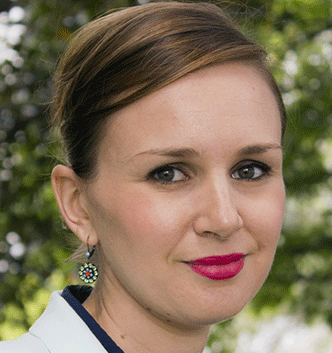 Allison Milner合作论文数University of Melbourne4Raquel Ignacio合作论文数3Rui Maria de Araújo合作论文数3Helio Afranio Soares Xavier合作论文数3Joy Salgado合作论文数3
 Ebony Verbunt合作论文数3
 Liz Comrie-Thomson合作论文数3Shane Harrison合作论文数3
 Deborah Bateson合作论文数School of Medicine, Faculty of Medicine and Health, The University of Sydney3
 Lila Moosad合作论文数Centre for Health Equity, Melbourne School of Population and Global Health, The University of Melbourne3
 Kristin Diemer合作论文数Department of Social Work, Melbourne School of Health Sciences, Faculty of Medicine, Dentistry and Health Sciences, The University of Melbourne3




