People must often sustain cognitive effort to achieve important goals. Although current models recognize that subcortical valuation regions are important for initiating such effort, they have not seen them as playing meaningful roles in sustaining effort throughout task performance. Here, we demonstrate that core subcortical valuation regions-the basolateral amygdala (BLA) and nucleus accumbens (NAcc)-contribute to sustaining cognitive effort on a challenging working memory task. First, convergent univariate and multivariate analyses revealed that the BLA and NAcc represented incentive value, cognitive effort demands, or both, during every task period (encoding, maintenance, and probe/response). Second, trial-to-trial fluctuations in BLA/NAcc multivariate value coding predicted both the strength of frontoparietal cortical engagement and behavioral performance. Third, the BLA and NAcc functionally interacted with frontoparietal regions throughout the task, suggesting that they work in a coordinated manner. These findings reveal a continuous and dynamic role for subcortical valuation regions in sustaining cognitive effort.
In this chapter, we summarize theoretical and empirical work on the development of ability concepts in children. We first examine the form of children's basic concept of ability, asking whether it undergoes major differentiation during development or whether, instead, a near adult-like ability concept is available early on. We then ask when in development children's ability beliefs begin to exhibit coherence and motivational force. The body of evidence reviewed here points to previously unnoticed sophistication, depth, and coherence in young children's ability concepts. We close with a discussion of how theoretical and empirical attention to early ability concepts might advance our understanding of motivational processes in early childhood, as well as offer insights into how to optimize these processes.
Adults hold a broad range of beliefs about intellectual ability. Key examples include beliefs about its malleability, its distribution in the population, whether high levels of it ("brilliance") are necessary for success, its origins, and its responsiveness to intervention. Here, we examined the structure and motivational significance of this network of consequential beliefs in a sample of elementary school-age children (5- to 11-year-olds, N = 231; 116 girls, 112 boys, three gender nonbinary children; predominantly White and Asian children from relatively high-income backgrounds). We assessed five beliefs: (a) growth mindsets (malleability), (b) universal mindsets (distribution), (c) brilliance beliefs (necessity for success), and beliefs about ability's (d) innateness and (e) responsiveness to intervention. Even among the youngest children, these beliefs were empirically distinguishable and also largely coherent, in that they related to each other in expected ways. Moreover, the five beliefs assessed here were differentially related to children's learning (vs. performance) goals, preference for challenging tasks, and evaluative concern (i.e., concern that mistakes will lead others to evaluate the self negatively). Even when adjusting for age, children with growth mindsets were oriented toward learning goals and preferred challenging tasks; children who believed ability has innate origins preferred performance goals; and younger (but not older) children who thought success required brilliance expressed more concern over being evaluated. These findings speak to the multifaceted nature of children's concepts of ability and highlight their significance for children's achievement-related attitudes and behavior in the early school years. (PsycInfo Database Record (c) 2026 APA, all rights reserved).
Overcoming challenges to achieve success involves being able to spontaneously come up with effective strategies to address different task demands. Research has linked individual differences in such strategy generation and use to optimal development over time and greater success across many areas of life. Yet, there is surprisingly little experimental evidence that tests how we might help young children to spontaneously generate and apply effective strategies across different challenging tasks. We test this in an area important to development: delaying gratification. To do this, we developed a "strategic mindset" storybook that encouraged children, when waiting felt hard, to ask themselves strategy-eliciting questions, such as: "What can I try to be better at this?" In two experiments (N = 237), 5- to 6-year-old children who read the strategic mindset storybook with an experimenter (vs. a control storybook) waited significantly longer to receive desirable treats (Experiments 1 and 2) and to watch an appealing YouTube video (Experiment 2). Moreover, they were able to wait longer because they spontaneously generated and applied a greater number of effective waiting strategies. Going beyond classic research that taught children specific strategies to delay gratification, our results suggest that our new "metacognitive" approach can empower children's self-regulation. (PsycInfo Database Record (c) 2026 APA, all rights reserved).
Being diagnosed with a chronic illness is a life-altering experience that can be shaped, for better or worse, by psychological factors. How patients think about their illness—their core beliefs about what it means and what it might bring such as whether it is catastrophic, manageable, or even an opportunity—can influence how they respond and adapt. This research introduces the concept of illness mindsets and presents the initial validation of the Illness Mindset Inventory (IMI), a new tool designed to assess these beliefs and their implications for health and well-being. Study 1 examines the factor structure, internal reliability, and discriminant validity of the 9-item IMI in N = 201 healthy participants and N = 200 participants with cancer, diabetes, cardiovascular disease, and/or chronic pain. Study 2 investigates cancer patients (N = 463) with different degrees of illness severity and tests the pre-registered hypothesis that the IMI will account for variability in functioning over and above measures of illness severity. In Study 1, illness mindsets were associated with between 5.7 and 12.1
Motivation researchers study the forces that drive, select, and direct behavior. As such, we seek to understand how people's thoughts, feelings, and actions work together as they choose and pursue goals in their world. The author begins by tracing the fortunes of the field of motivation over the course of her career, from its heyday, to its fall from prominence, to its current resurgence. In this context, she traces her own career in motivation, starting with reinforcement learning, moving to attribution theory, continuing with achievement goals, and then focusing on implicit theories or mindsets. Throughout, she and her collaborators have tried to zero in on (and often intervene on) the personal and contextual factors that enhance challenge-seeking, effective persistence, educational achievement, and mental health, as well as the factors that influence interpersonal judgments and stereotyping. More recently, she has developed an integrative theory that identifies motivation as the foundation of personality and its development, and she has collaborated on a neuroscience-based theory that identifies motivation as a key factor in intelligent decision-making. The driving theme throughout her career has been how to harness motivation to promote and fulfill human potential.
College students are often urged to "find their passion," but if students believe that passions or interests are fixed, they may not develop interest in fields beyond the academic identity with which they enter college. Can a brief intervention that portrays interests as developable, not fixed, boost interest, and even grades, in mandatory math and science coursework among students who do not identify as a "math or science person"? This would be especially significant because college provides the foundation for developing skills and interests that guide later professional paths. After a successful pilot study at a small liberal arts college (N = 175), we conducted a randomized, controlled field-experiment with matriculating first-year undergraduates (N = 580) in the school of arts and social sciences of a large university. Students completed a 30-min growth-theory-of-interest (vs. control) online module before starting school. At the end of their first and second semesters, they reported their interest in their two required first-year math/science courses. Official final grades were obtained at the end of the year. As predicted, among those who entered college less identified with math and science, the intervention (vs. control) increased interest and final grades in both first-year math/science courses (one conditional effect was marginal). The results suggest that by representing interests as not merely "found" but as having the potential to grow, colleges can encourage the development of skilled, interdisciplinary scholars.
Abstract Motivation is the process that drives, selects, and directs goals and behaviors. Motivation typically arises out of the person’s needs, and it then comes to life through the person’s specific goals. In this essay, the authors examine the concept of “needs” as the crucible from which motivated behavior arises because all individuals are born with needs that jump-start the goal-oriented, motivated behaviors that are critical to survival and thriving. These are both physical needs (such as hunger and thirst) and psychological needs (such as the need for social relationships, optimal predictability, and competence). The aim of motivation is therefore to bring about a desired (need, goal) state. Motivation underlies and organizes all aspects of a person’s psychology. As it does so, motivation “glues” a person together as a functioning individual in their culture and context.
Educational outcomes remain highly unequal within and across nations. Students’ mindsets—their beliefs about whether intellectual abilities can be developed—have been identified as a potential lever for making adolescents’ academic outcomes more equitable. Recent research, however, suggests that intervention programs aimed at changing students’ mindsets should be supplemented by programs aimed at the changing the mindset culture, which is defined as the shared set of beliefs about learning in a school or classroom. This paper reviews the theoretical and empirical origin of the mindset culture and examines its potential to reduce group-based inequalities in education. In particular, experiments have identified two broad ways the mindset culture is communicated by teachers: via informal messages about growth (e.g., that all students will be helped to learn and succeed), and formal opportunities to improve (e.g., learning-focused grading policies and opportunities to revise and earn credit). New field experiments, applying techniques from behavioral science, have also revealed effective ways to influence teachers’ culture-creating behaviors. This paper describes recent breakthroughs in the U.S. educational context and discusses how lessons from these studies might be applied in future, global collaborations with researchers and practitioners.
Adolescents differ in their beliefs, or mindsets, about the nature and workings of their personal qualities. Here we present theory and data that show why changing adolescents' mindsets can lead to more productive coping with challenging situations and improved mental health.
We live in a time of disappearing professions, pandemic-related upheaval, and growing social inequality. While recognizing that good opportunities are unequally distributed in society (an injustice that requires rectification), can beliefs about the nature and workings of opportunities help people see the door to their goals as more open than closed, and can these beliefs influence the likelihood of goal attainment? Seven studies (N = 1,031) examined people's beliefs about whether or not opportunities can be changed (growth vs. fixed theory of opportunity). In Studies 1a-4, participants responded to scenarios about competent people (or themselves) with challenging, long-term aspirations. When opportunities were available, both theories predicted high expectations for success and a preference for active strategies to pursue the goal, like being persistent. By contrast, when opportunities seemed unavailable, a stronger fixed theory predicted lower expectations for success and a preference for passive strategies, like simply waiting. We also established the implicit theories' causal role and demonstrated processes explaining how a growth theory leads to higher anticipated success. The final two studies examined unemployed people. In Study 5, those with a stronger growth theory chose to engage more in a task about cultivating new opportunities for employment. Study 6 showed that those with a stronger growth theory were more likely to report securing employment 5 months later, even when controlling for motivation-relevant variables, education, and socioeconomic status. They also engaged in more active job-search strategies. These studies offer a novel perspective on when, how, and why people initiate and maintain goal pursuit. (PsycInfo Database Record (c) 2023 APA, all rights reserved).
ObjectiveA cancer diagnosis and subsequent treatment can disrupt the full spectrum of physical, social, emotional, and functional quality of life. But existing psychological treatments are focused primarily on specific psychological symptoms as opposed to improving the overall patient experience. We studied the feasibility and efficacy of a novel digital intervention targeting patient mindsets-core assumptions about the nature and meaning of illness-designed to improve overall health-related quality of life (HRQoL) in newly diagnosed cancer patients undergoing treatment with curative intent. MethodsRecently diagnosed (<= 150 days) adult patients with non-metastatic cancers undergoing systemic treatment (N = 361) were recruited from across the United States to participate in this decentralized clinical trial. Patients were randomized 1:1 to receive the Cancer Mindset Intervention (CMI) or Treatment as Usual (TAU). Participants in the CMI group completed seven online modules over 10 weeks (2.5 h total) targeting mindsets about cancer and the body. The primary outcome was overall HRQoL, and secondary outcomes were coping behaviors and symptom distress. ResultsPatients in the CMI group reported significant (p < 0.001) improvements in adaptive mindsets about cancer and the body over time. Compared with the TAU condition, the CMI group reported significant improvements in overall HRQoL (B = 0.60; 95% CI 0.34-0.85; p < 0.001), increased engagement in adaptive coping behaviors (B = 0.03; 95% CI 0.02-0.04; p < 0.001), and reduced distress from physical symptoms (B = -0.29; 95% CI -0.44 to -0.14; p < 0.01). Effect sizes of these changes ranged from d = 0.42-d = 0.54. ConclusionA brief mindset-focused digital intervention was effective at improving physical, social, emotional, and functional HRQoL, increasing adaptive coping behaviors, and reducing physical symptom distress in newly diagnosed cancer patients.
Large language models (LLMs), such as OpenAI’s GPT-4, Google’s Bard or Meta’s LLaMa, have created unprecedented opportunities for analysing and generating language data on a massive scale. Because language data have a central role in all areas of psychology, this new technology has the potential to transform the field. In this Perspective, we review the foundations of LLMs. We then explain how the way that LLMs are constructed enables them to effectively generate human-like linguistic output without the ability to think or feel like a human. We argue that although LLMs have the potential to advance psychological measurement, experimentation and practice, they are not yet ready for many of the most transformative psychological applications — but further research and development may enable such use. Next, we examine four major concerns about the application of LLMs to psychology, and how each might be overcome. Finally, we conclude with recommendations for investments that could help to address these concerns: field-initiated ‘keystone’ datasets; increased standardization of performance benchmarks; and shared computing and analysis infrastructure to ensure that the future of LLM-powered research is equitable. Large language models (LLMs), which can generate and score text in human-like ways, have the potential to advance psychological measurement, experimentation and practice. In this Perspective, Demszky and colleagues describe how LLMs work, concerns about using them for psychological purposes, and how these concerns might be addressed.
Abstract Recent successful interventions work by capitalizing on motivations that already exist within individuals, particularly within the field of adolescent behavior change. This approach is illustrated through interventions that taught adolescents a growth mindset about their abilities, encouraged healthy eating, infused schoolwork with more personal interest and meaning, and fostered “empathic discipline” among teachers of adolescents. In all of these cases, it was the connection to existing goals and values that appeared to help newly learned (or newly activated) beliefs and behaviors take root and bear fruit. This successful approach can be contrasted against the more common unsuccessful approach that tells people what they should think or do.
Learning about the self is one of the most challenging goals that young children face. Yet, much of the prior work on early learning and curiosity has focused on children’s tendency to attend to and explore the external world. Are children actually curious about themselves? The current study examines this question by investigating whether children actively seek information about what others think of their performance. Threeto five-year-old children participated in a task where an experimenter evaluated the quality of their drawing and of another child’s drawing. Children were then left alone with a folder that contained one of these drawings (Self or Other). Children were more likely to peek inside the folder when it contained their drawing than when it contained the other child’s drawing. These preliminary findings suggest that children’s curiosity about what others think of them may emerge early in life and manifest as active information-seeking behaviors.
A growth-mindset intervention teaches the belief that intellectual abilities can be developed. Where does the intervention work best? Prior research examined school-level moderators using data from the National Study of Learning Mindsets (NSLM), which delivered a short growth-mindset intervention during the first year of high school. In the present research, we used data from the NSLM to examine moderation by teachers' mindsets and answer a new question: Can students independently implement their growth mindsets in virtually any classroom culture, or must students' growth mindsets be supported by their teacher's own growth mindsets (i.e., the mindset-plus-supportive-context hypothesis)? The present analysis (9,167 student records matched with 223 math teachers) supported the latter hypothesis. This result stood up to potentially confounding teacher factors and to a conservative Bayesian analysis. Thus, sustaining growth-mindset effects may require contextual supports that allow the proffered beliefs to take root and flourish.
Behavioral science interventions have the potential to address longstanding policy problems, but their effects are typically heterogeneous across contexts (e.g., teachers, schools, and geographic regions). This contextual heterogeneity is poorly understood, however, which reduces the field's impact and its understanding of mechanisms. Here, we present an efficient way to interrogate heterogeneity and address these gaps in knowledge. This method a) presents scenarios that vividly represent different moderating contexts, b) measures a short-term behavioral outcome (e.g., an academic choice) that is known to relate to typical intervention outcomes (e.g., academic achievement), and c) assesses the causal effect of the moderating context on the link between the psychological variable typically targeted by interventions and this short-term outcome. We illustrated the utility of this approach across four experiments (total n = 3,235) that directly tested contextual moderators of the links between growth mindset, which is the belief that ability can be developed, and students' academic choices. The present results showed that teachers' growth mindset-supportive messages and the structural opportunities they provide moderated the link between students' mindsets and their choices (studies 1 to 3). This pattern was replicated in a nationally representative sample of adolescents and did not vary across demographic subgroups (study 2), nor was this pattern the result of several possible confounds (studies 3 to 4). Discussion centers on how this method of interrogating contextual heterogeneity can be applied to other behavioral science interventions and broaden their impact in other policy domains.
Children begin interacting less across racial lines around middle childhood, but it remains unclear why. We examine the novel possibility that, at that time, children's prejudice theories-their understanding of prejudice as a fixed or malleable attribute-begin to influence their desire for interracial affiliation. We devise immersive behavioral experiences to evaluate when and how prejudice theories affect interracial affiliation. Study 1 measured prejudice theories among 8-13-year-olds (N = 152; 76 White, 76 racial minority) and observed children in a newly-developed social interaction task. In line with our hypothesis, children older than 10 years with stronger malleable-prejudice theories exhibited more interest and affiliation in a simulated cross- (vs. same-race) interaction, regardless of their preexisting prejudice level. Study 2 randomly assigned children to listen to a fixed- or malleable-prejudice theory story before engaging in a real, first-time interaction with a same- or cross-race partner at a different school via live video-stream (N = 150; 96 White, 54 racial minority). The malleable theory increased children's interest in further interaction with their cross-race partner. These findings highlight the promise of malleable-prejudice theories for sustaining positive interracial relationships during a critical developmental window-when the frequency of cross-race friendships typically declines.
The contributed papers in this special issue each provide valuable perspectives on how social processes are relevant to academic motivation. Yet a critical question remains: How can this research lead to concrete guidance for educators who wish to create motivating and equitable classrooms? We propose this complex task can be simplified by encouraging educators to address students' concerns about how they are viewed by instructors in school. Our review of the literature suggests that two meta-concerns are particularly important to address for students from groups marginalized in education: whether instructors may (1) see them as limited in academic potential and (2) narrowly define them by their academic success. We argue that effective teaching practices address these concerns by communicating two corresponding messages: (1) inclusive expectations, "I recognize your potential for academic growth" and (2) broad regard, "I regard you as a whole person, with a range of personal values, social identities, and relationships." These messages can shift students away from a "narrow" sense of self, in which their value is defined by current academic performance, and towards an "expansive" sense of self, in which students feel both academically capable and valued for more than just their academic success. We present evidence that novice instructors can use this framework to develop or adapt practices that are attuned to marginalized students' two meta-concerns and enhance student motivation and engagement. Throughout this commentary, we describe how this framework can build on the important theoretical advances presented elsewhere in this special issue.
 David S. Yeager合作论文数Population Research Center, College of Liberal Arts, The University of Texas at Austin;Texas Behavioral Science and Policy Institute, The University of Texas at Austin33
 Gregory M. Walton合作论文数Department of Psychology, School of Humanities and Sciences, Stanford University28
 Rattan Aneeta合作论文数Department of Psychology, Stanford University16
 Dave Paunesku合作论文数Department of Psychology, Stanford University12
 Chi Yue Chiu (赵志裕)合作论文数City University of Hong Kong (Dongguan)12
 Romero Carissa合作论文数Stanford University11
 Catherine Good合作论文数11
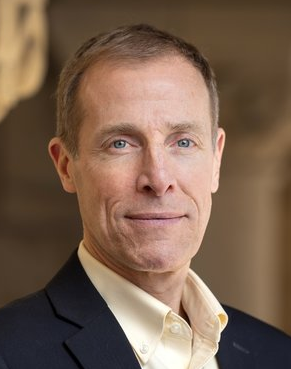 James Gross合作论文数Psychophysiology Laboratory, Department of Psychology, Stanford University11
 Kali H. Trzesniewski合作论文数Department of Psychology, University of British Columbia11
 Murphy Mary C合作论文数Indiana University10
 Ellen M. Markman合作论文数Department of Psychology, Stanford University9
 Ying-Yi Hong (康螢儀)合作论文数Department of Management, Faculty of Business Administration, The Chinese University of Hong Kong9
 Chris Hulleman合作论文数Vanderbilt University8
 Kyla Haimovitz合作论文数Stanford University8
 Andrew Elliot合作论文数Department of Psychology, School of Arts and Sciences, University of Rochester7
 Kristina Olson合作论文数Department of Psychology, University of Washington7
 Veronika Job合作论文数Department of Psychology, Stanford University7
 Jutta Heckhausen合作论文数University of California7Jill Trott合作论文数6Alice Roberts合作论文数6Kate Flint合作论文数6
 Christopher J. O'Bryan合作论文数Ctr Biodivers & Conservat Sci, Univ Queensland6
 Cintia P Hinojosa合作论文数Booth Sch Business, Univ Chicago6
 Daniel Molden合作论文数Department of Psychology, Weinberg College of Arts and Sciences, Northwestern University6
 Weisman Kara合作论文数Department of Psychology, University of Wisconsin-Madison6
 Schumann Karina合作论文数Stanford University6Daniel Greene合作论文数5Joseph O’Brien合作论文数5
 Jason Plaks合作论文数Department of Psychology, Faculty of Arts & Science, University of Toronto5
 Krishna Savani合作论文数School of Social Sciences, College of Humanities, Arts, and Social Sciences, Nanyang Technological University5
 Angela Duckworth合作论文数Department of Psychology, School of Arts and Sciences, University of Pennsylvania;Graduate School of Education, University of Pennsylvania;Character Lab5
 Sheri Levy合作论文数Department of Psychology, State University of New York5Kathleen M. Cain合作论文数5
 Jennifer A. Mangels合作论文数Department of Psychology;Columbia University;Department of Psychology, Columbia University5
 Hae Yeon Lee合作论文数Department of Psychology, Seoul National University5Priyanka B. Carr合作论文数5
 Joyce Ehrlinger合作论文数Florida State University5Eric N. Smith合作论文数4
 Heidi Grant合作论文数4Barbara Schneider合作论文数4Cameron A. Hecht合作论文数Department of Psychology and Population Research Center, The University of Texas at Austin4
 Andrei Cimpian合作论文数Department of Psychology, College of Arts and Science, New York University4
 Paul A O'Keefe合作论文数Departments of Management and Organisation, National University of Singapore Business School4Mueller Claudia合作论文数4
 Katharina Bernecker合作论文数Department of Psychology, University of Zurich4
 Chandra L. Muller合作论文数Department of Sociology, The College of Liberal Arts, The University of Texas at Austin4
 Geoffrey L. Cohen合作论文数Department of Psychology, Graduate School of Education, Stanford University4
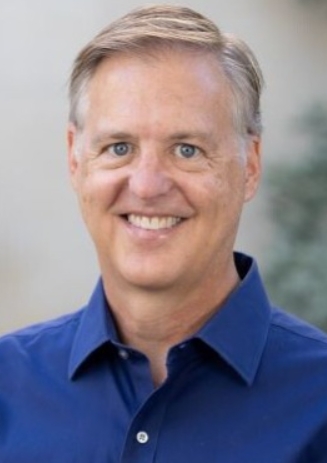 Robert Crosnoe合作论文数Department of Sociology, College of Liberal Arts, The University of Texas at Austin4
 Allison Master合作论文数Department of Psychology, Yale University4




