Background The International Olympic Committee (IOC) Medical and Scientific Commission has supported collating and sharing evidence globally by developing sports medicine consensus statements (‘Statements’'). Publishing the Statements requires substantial resources that must be balanced by use and impact on policy and practice. This study aimed to gain a better understanding of awareness and uptake of the Statements globally through a survey of the National Olympic Committees (NOC), National Paralympic Committees (NPC) and International Federations (IF).Method A cross-sectional survey of medical commission representatives from NOCs/NPCs/IFs. A structured questionnaire was distributed through the IOC head office, informed by prior research. Questions comprised a mix of closed and open-text responses with results presented descriptively by organisation type and total.Results 55 responses were included: 29 (52%) from NOC/NPC representatives (response rate 14%) and 26 (47%) from IF representatives (response rate 63%). All Statements had been used by at least one respondent, with the Statement addressing concussion ranked highest (used by 33/55). The main barriers to use were financial limitations (n=21), club/sport culture and behaviours (n=19) and lack of understanding from coaches/team sport personnel (n=19). Participants believed the Statements were a successful strategy for improving athlete health (n=39/51 agree or strongly agree).Conclusion There was clear support for the continued development of sports medicine guidance, including in the format of these Statements. To ensure Statements lead to demonstrable health benefits for athletes, input from athletes, coaches and supporting staff is needed, as well as clearer identification of the purpose and audience of each topic developed.
Background Research evidence is commonly compiled into expert-agreed consensus statements or guidelines, with an increasing trend towards their publication in peer-reviewed journals. Prominent among these has been the publication of several International Olympic Committee (IOC) tatements to help inform sport and exercise medicine (SEM) practice. This study aimed to assess the citation impact and reach of the IOC statements published between 2003 and 2020.Method Bibliometric analysis focused on identifying core publications (original statement and linked publications) and quantifying their academic citations (number and Field-Weighted Citation Impact (FWCI)) in journal articles up to February 2022. The analysis includes descriptive data on the country of IOC statement authorship affiliations, where they were published and by whom. The extent to which the IOC statements have been cited in the peer-reviewed literature is presented, together with information about the country of authorship of the citing papers as a measure of international academic reach.Results 29 IOC statements were composed of 61 core publications. The IOC statements have had 9535 citations from 7863 citing publications. Individual FWCI ranged from 1.2 to 24.3 for core publications. The IOC statements were coauthored by multiple authors, mostly affiliated to countries with well-resourced SEM Authors of citing publications reflected the same geographical regions (ie, the USA, Canada, Australia, UK and western Europe.)Conclusion Disseminating the IOC statements as open access papers in peer-reviewed journals has resulted in strong citation impact. However, this impact is centred on well-resourced academic circles that may not represent the diversity of SEM. Further research is required to identify if, and to what extent, the IOC statements have impacted SEM practice worldwide.
ObjectivesResearch evidence is commonly compiled into expert-informed consensus guidelines intended to consolidate and distribute sports medicine knowledge. Between 2003 and 2018, 27 International Olympic Committee (IOC) consensus statements were produced. This study explored the policy and practice impact of the IOC Statements on athlete health and medical team management in two economically and contextually diverse countries.MethodsA qualitative case study design was adopted. Fourteen face-to-face interviews were conducted with purposively selected interviewees, seven participants from Australia (higher economic equality) and seven from South Africa (lower economic equality), representing their national medical commissions (doctors and physiotherapists of Olympic, Paralympic and Youth teams). A framework method was used to analyse interview transcripts and identify key themes.ResultsDifferences across resource settings were found, particularly in the perceived usefulness of the IOC Statements and their accessibility. Both settings were unsure about the purpose of the IOC Statements and their intended audience. However, both valued the existence of evidence-informed guidelines. In the Australian setting, there was less reliance on the resources developed by the IOC, preferring to use locally contextualised documents that are readily available.ConclusionThe IOC Statements are valuable evidence-informed resources that support translation of knowledge into clinical sports medicine practice. However, to be fully effective, they must be perceived as useful and relevant and should reach their target audiences with ready access. This study showed different contexts require different resources, levels of support and dissemination approaches. Future development and dissemination of IOC Statements should consider the perspectives and the diversity of contexts they are intended for.
INTRODUCTION:Incident reporting and learning systems are a fundamental component of safety management. The purpose of this study was to evaluate a novel incident reporting system specific to the Australian Led Outdoor Activity (LOA) sector. The Understanding and Preventing Led Outdoor Accidents Data System (UPLOADS), is a recently introduced systems thinking-based incident reporting and learning system that utilises contemporary safety theory and methods.METHOD:The implementation of UPLOADS was evaluated using the RE-AIM framework based on the following dimensions: Reach, Efficacy, Adoption, Implementation, and Maintenance. A pragmatic evaluation approach was used in which evaluation data were collected through the triangulation of multiple sources including different LOA stakeholders from both the individual organisational level (LOA providers) and LOA sector governance level (LOA industry representatives), incident data collected through the UPLOADS National Incident Dataset, and the online and physical presence of UPLOADS.RESULTS:The findings show that a key strength of UPLOADS is its effectiveness as incident reporting tool for improving safety in the LOA sector. However, a weakness of UPLOADS is that it is not being implemented appropriately by the LOA providers.CONCLUSION:Overall, the current findings suggest that UPLOADS incident reporting tool is perceived by SMEs as an effective tool for improving safety in LOA. However, further work is required for UPLOADS to have a greater impact on the LOA sector. Specifically, Implementation of the UPLOADS system requires improvement, as well as additional training and education may be required to upskill and empower LOA providers to improve reporting and enhance the value placed on safety by LOA stakeholders. The RE-AIM framework was an appropriate evaluation framework for understanding the effectiveness of UPLOADS as a LOA sector specific incident reporting and learning system.PRACTICAL APPLICATIONS:The current findings have practical implications for ergonomics researchers applying evaluation frameworks in the real world, and LOA providers for implementing safety interventions. Lastly, contemporary systems-based incident reporting and learning systems have the capability to enhance the safety practices of the LOA sector.
Incident reporting systems are a fundamental component of safety management, however, most systems used in practice are not aligned with contemporary accident causation models. This article presents an analysis of a National Incident Dataset (NID) for adverse incidents occurring in the Australian Led Outdoor Activity (LOA) sector. The aim was to investigate the adverse Injury, Illness, and Psychosocial incidents reported to the NID. In total, 1657 injuries, 532 illnesses, and 146 psychosocial incidents were analysed from 357,691 program participation days. The findings show that the rate of incidents per 1000 program participant days in LOAs was 4.6 for injury, 1.5 for illness, and 0.04 for psychosocial incidents, and incident severity was predominately minor. The analysis of systemic contributory factors demonstrates that incidents in LOA are systemic in nature, with multiple levels of the LOA system identified as contributing to adverse incidents. For example, contributory factors were identified across local government (facilities), schools (communication), parents (communication), LOA management (policies and procedures), people involved in the incidents (mental and physical condition), and the environment (terrain) and equipment (clothing). This study presents an assessment of the current state of safety in the Australian LOA sector and demonstrates the utility of applying systems ergonomics methods in practice. Practitioner summary: This article presents an analysis of 1657 injury, 532 illness, and 146 psychosocial incidents occurring in the Australian Led Outdoor Activity (LOA) sector, using a systems ergonomics method. The findings demonstrate the incident charactersitics and how decisions and actions from across the system contribute to adverse incidents in LOAs.
Musculoskeletal injury mitigation is a priority in military organisations to protect personnel health and sustain a capable workforce. Despite efforts to prevent injury, inconsistencies exist in the evidence used to support these activities. There are many known limitations in the injury surveillance data reported in previous Special Operation Forces (SOF) research. Such studies often lack accurate, reliable, and complete data to inform and evaluate injury prevention activities. This research aimed to achieve expert consensus on injury surveillance methods in SOF to enhance the quality of data that could be used to inform injury prevention in this population. A Delphi study was conducted with various military injury surveillance stakeholders to seek agreement on improving surveillance methods in SOF. Iterative questionnaires using close and open-ended questions were used to collect views about surveillance methods related to injury case definitions and identifying essential and optional data requirements. Consensus was predefined as 75% group agreement on an item. Sixteen participants completed two rounds of questionnaires required. Consensus was achieved for 17.9% (n = 7) of questions in the first-round and 77.5% (n = 38) of round two questions. Several challenges for surveillance were identified, including recording injury causation, SOF personnel’s injury reporting behaviours influencing accurate data collection, and surveillance system infrastructure limitations. Key military injury surveillance stakeholders support the need for improved data collection to enhance the evidence that underpins injury prevention efforts. The consensus process has resulted in preliminary recommendations to support future SOF injury surveillance.
Background The International Olympic Committee (IOC) Medical and Scientific Commission has a goal to provide guidance on athlete health for sports organisations. One strategy to meet this goal has been the development and publication of sports medicine consensus statements. It is currently unknown if there has been use of the consensus statements or if the overall goal of the statements – to improve athlete health and wellbeing - has been achieved. Objective To identify and summarise citation measures of the IOC medical consensus statements. Design Citation analysis. Methods IOC medical consensus statements published from 2004 to 2018, and citing publications, were sourced from the IOC website, Scopus database and Google Scholar. Descriptive analyses over time of the number of consensus statements and citing documents with summaries of the authorship countries and keywords. Citation analyses were conducted to model links between consensus statements and citing publications, field weighted citation index (FWCI), and the SCImago Journal Ranking. Results Twenty-seven consensus statements linked to the IOC medical and scientific commission were identified, addressing a range of topics from broad health and social issues to specific clinical topics. Authors from 30 countries contributed to the statements while citing papers were authored from 86 countries. Concussion was the most prominent key term in all citing documents. The youth athletic development statement has the highest FWCI (19.6), followed by concussion(18.8); load(12.3); relative energy deficiency(11.3); platelet-rich plasma(10.1); and supplements(9.9). Conclusions Several consensus statements are widely used and cited in the literature while others have been less impactful through citation measures. The countries that use and cite consensus statements are much more diverse globally than those that author them. Consideration of how the statements are used in practice and outside of the academic literature needs to be explored.
Background One of the goals of the International Olympic Committee (IOC) Medical and Scientific Commission is to provide guidance in relation to injury prevention and the protection of athlete health. One way of meeting this goal is the development and dissemination of sports medicine consensus statements. It is not known if, or how, these consensus statements are used by staff within the National Olympic medical commissions. Objective This study aimed to identify which of the IOC medical consensus statements were most widely known and used by a selection of Olympic sports medicine professionals in South Africa and Australia, and how they were accessed, regarded and used. Design Qualitative case study. Methods Semi-structured interviews, document analysis and field notes were utilised. Fourteen (n=14) sports medicine professionals directly involved with Olympic athlete health were interviewed in South Africa and Australia. Results The statements most commonly recalled by participants (without prompting) addressed the topics of Periodic Health Evaluation, Relative Energy Deficiency, Concussion and Load. These documents were noted as having practical information such as a decision flow chart that was easily applicable for athlete management. A further reason for use was relevance outside of the Olympic setting (e.g. sourced in preparing a policy for medical care of a sports team). The consensus statements were most commonly accessed through social media and used by sharing with peers, with or without a tailored summary, cited in publications and talks, or re-read when seeking a quick update on a particular topic. Conclusions Of 27 consensus statements available, most were not widely known or used by these participants. The documents that were most familiar were perceived as being relevant and practical. In this case, the documents were shared with colleagues by email/social media but not formally adopted or integrated into athlete care.
Background The IOC Sports Medical and Scientific Commission has supported the development and dissemination of sports medicine consensus statements for athlete health. Evidence on the relevance and dissemination of these statements is important for the development of future statements. Objective The objective of this project was to investigate the relevance and dissemination of the IOC consensus statements among sports medicine professionals directly involved in Olympic athlete health in a developing setting (South Africa). Design Qualitative case study. Methods Semi-structured interviews, document analysis and field-notes were utilised. Seven sports medicine professionals interviewed. Results Awareness around consensus statement topics and perceived access to the statements was limited in South Africa, especially for clinicians who are not currently active within an academic or research setting. In terms of relevance, participants described the importance of practical relevance of the statements, emphasizing the need for inclusion of the athlete's voice and diversity in skills, experience and context of the consensus statement authors. Participants also described the need to align format and content of the information according to the target audience. The usability and utilisation of the statements were determined by the perception of relevance at the time, within the specific context, as well as the ability to provide a practical message. Healthcare inequities, poorly resourced national federations, as well as general resource and time restrictions when managing athletes (reactive versus pro-active management) were also considered as barriers to utilisation. Conclusions The statements were perceived by South African sports medicine professionals as being relevant and beneficial for the management of athlete health. However, issues around awareness, access, usability, and practical application in a developing country were also raised.
Background There have been 27 consensus statements published under the International Olympic Committee (IOC) Medical and Scientific Commission with a goal of contributing to the mission of injury prevention and protection of athlete health. The success of these statements in achieving this goal has not been evaluated. Knowledge management (KM) considers the identification, acquisition, creation and storage, transfer and application knowledge. The KM process of transforming knowledge into relevant and shareable information is important to consider, to ensure the statements are adaptable and useable to local contexts in sports medicine. Objective This study uses a KM-framework to evaluate the IOC consensus statements and identify where improvements for their development and dissemination can be made. Design Mixed methods. . Methods Bibliometric analysis, literature review and qualitative case study, including interviews with fourteen South African and Australian sports physicians/physiotherapists. A proposed new KM framework is presented with practical examples of current and proposed steps for improving the development, dissemination and use of the IOC consensus statements. Results The framework shows how knowledge (both tacit and explicit) is currently brought together in a consensus statement. This process is led by international scientific/clinical experts, but there is scope to include athletes and/or coaches. Subsequently, the steps of gathering knowledge and tailoring it into relevant and shareable information are outlined. Examples for improvement include consistent formatting and key word choices in the written statements, the inclusion of athlete/coach take home summaries and a wider range of dissemination formats to accommodate different access preferences. Stronger awareness of who the audience is and what the consensus statements seek to do are also highlighted. Conclusions A KM-framework is highly applicable for the development and dissemination of the Consensus Statements. Short, simple changes as well as longer-term, more resource intensive opportunities, could help to increase visibility and applicability in practice.
Introduction Sport and recreation is beneficial for health and wellbeing but comes with a probability of loss, including occasional fatal injuries. Following high-profile injury deaths in Australia, concerns are raised regarding the safety of sport participation. To understand the scale and scope of injury deaths, and identify potential prevention opportunities, the aim of this investigation was to describe the number and nature of fatal injuries in Australian sport and recreation. Methods This is a retrospective cohort study of injury deaths reported between 1 July 2000 to 31 December 2019 using data from the National Coronial Information System, Australia. Unintentional deaths with an external cause, where the activity was recorded as sport and exercise during leisure time were included. Drowning deaths were excluded. Presented are the number and % of cases by age, sex, sport, broad cause and annual crude death rate (population). Results There were 1192 deaths, averaging 63 per year. Deaths were mostly in males (84.4%), with the largest proportion in people aged 15–24 years (23.1%). Wheeled motor (26.9%) and non-motor (16.2%) sports accounted for the highest proportion of cases. The primary mechanism of death was most commonly blunt force (85.4%), followed by piercing/penetrating force (5.0%). The years 2001 and 2005 recorded the highest crude injury death rate (2001, n = 92, 0.47 per 100,000 population; 2005, n = 95, 0.47 per 100,000 population). Conclusions On average, there is more than one injury death per week in a sport or recreation setting in Australia. Cases occurred in many sports and recreation activities, including those generally considered to be safe (e.g. individual athletic activities, team ball sports.) Detailed investigation of the coronial recommendations that are present within each case is now needed to understand and identify potential prevention opportunities.
Background The IOC Medical and Scientific commission's mission is to provide a guiding reference for sports organisations on issues relating to the protection of the health of athletes. One strategy to achieve this mission is through supporting the development of consensus statements. Objective This study investigates the relevance and dissemination of the IOC consensus statements among sports medicine professionals directly involved in Olympic athlete health in a developed setting (Australia). Design Qualitative case study. Methods Semi-structured interviews, document analysis and field notes were utilised. Seven sports medicine professionals were interviewed. Results For clinicians (not active in an academic/research setting), knowledge of the statements was limited; invitation to the study was the first awareness of the statements. Participants in leadership roles (with an academic/research component) were generally more familiar with some, but not all, statements. Participants identified a wealth of competing information sources through professional networks in health and sport. Subsequently, participants tend to consider these other avenues as first access point for information. Where statements were identified and used, there were several benefits reported, particularly drawn from the perceived leadership, trust, brand and reach of the IOC. While there is no formal adoption process for the information contained within a consensus statement, where identified as relevant, the information is shared amongst peer networks, via email or face-to-face meetings/seminars. There was agreement that the IOC has a role in the development and dissemination of the statements. However, interviewees also stated that information that is current and tailored to the target audiences (clinicians, coaches or athletes) could enhance the IOC's objective of guiding reference on athlete health. Conclusions A wealth of information is available to sports medicine professionals in Australia. Therefore, to enhance relevance and dissemination in a developed country, the IOC consensus statements must remain current and be tailored to target audiences.
Objectives The aim was to identify and describe outcomes from original published studies that present the number, nature, mechanism and severity of medically treated injuries sustained in community-level cricket. Design Systematic review. Methods Nine databases were systematically searched to December 2019 using terms “cricket*” and “injur*”. Original, peer-reviewed studies reporting injury for at least one injury descriptor (body region, nature of injury and/or mechanism of injury) in community-level cricketers of all ages were included. Qualitative synthesis, critical appraisal and descriptive summary results are reported within the Preferred Reporting Items for Systematic Reviews and Meta-Analysis (PRISMA) guidelines. Results Six studies were included: five reported hospital-treated data and one reported insurance claims data. Two had a low risk of bias. In hospital-based studies, fractures were the most frequent injury type. Upper and lower limb injuries (age ≥15 years) and injuries to the head (age <15 years) were the most common body region injured. Being struck by the ball was the most common mechanism for injury presenting to hospitals. Children were also commonly struck by equipment. One study using insurance claims data reported soft tissue injuries as the main of injury type. Conclusion Hospital treatment data were most prominent, which emphasised injuries of a more serious nature or requiring acute care. These injuries were primarily fractures, dislocation/sprain and strains, bruising and open wounds with the majority resulting from players being struck by the ball. Research into whether properly fitted protective equipment, at an approved standard, is worn and is effective, is recommended.
OBJECTIVE:This systematic review summarises reports of the incidence of exertional heat illnesses (EHI) in organised sports, to examine any trends in the EHI incidence over time, and to describe EHI incidence based on sporting activity, geographic location, and type of EHI.METHOD:Three electronic databases (CINAHL, PubMed, SportDiscuss) were searched from inception to January 2019. Original data in all epidemiological studies (any design except case-studies and case-series) that reported EHI incidence data in organised sports, across all age categories, and published in an English language peer-reviewed journal were included.RESULTS:The primary search yielded 3556 results of which 62 studies were included in the final analysis, with 71% being from the USA. Reported EHI incidence rates ranged from 0.01 (cheerleading) to 4.19 (American football) per 1000 athletic-exposures (AEs), and 0.01 (mini-marathon) to 54.54 (desert ultra-marathon) per 100 participants. Endurance type events (running, cycling, adventure races) reported the highest EHI incidence rates per 100 participants. There was a considerable increase in EHI fatalities reported in the literature over the last three decades in American football and an increased reporting of EHI incidence in endurance type events during the last 5-years.CONCLUSION:Use of different terminology and injury definitions in most studies have resulted in an inconsistency in reporting EHI incidence data, and also likely underreporting of less-severe forms of EHI conditions. Longitudinal studies focused on different sports and conducted in more countries (outside the USA), are needed for better understanding the global impact of EHI and the impact of prevention measures.
ObjectivesTo conduct a document and content analysis of exertional heat illness (EHI)-related documents published by sports organisations in Victoria, Australia, in order to determine their scope and evidence base against current international best practice recommendations.MethodsA qualitative document and content analysis. Official documents relating to EHI were identified through a search of 22 Victorian sport organisation websites, supplemented by a general internet search. The content of these documents was evaluated against recommendations presented in three current international position statements on prevention and management of EHI.ResultsA range of document types addressing EHI were identified (n=25), including specific heat policies, match day guides, rules and regulations. Recommendations about prevention measures were the most common information presented, but these were largely focused on event modification/cancellation guidelines only (n=22; 88%). Most documents provided information on hydration as a preventive measure (n=20; 80%), but the emphasis on the importance of cooling strategies (n=7; 28%) and heat acclimatisation (n=5; 20%) was inadequate. Details on EHI, including its definition, symptoms/signs to look out for, and common risk factors (beyond humidity/high temperatures) were lacking in most documents.ConclusionThere is considerable variation in formal documents with regard to their content and quality of information. Continued efforts to bridge the evidence to practice gap in sports safety are therefore important. This study highlights the challenge for community sport, which relies on high-level policy and governance, across settings and populations that can differ substantially in their needs.
Injury and illness surveillance, and epidemiological studies, are fundamental elements of concerted efforts to protect the health of the athlete. To encourage consistency in the definitions and methodology used, and to enable data across studies to be compared, research groups have published 11 sport-specific or setting-specific consensus statements on sports injury (and, eventually, illness) epidemiology to date. Our objective was to further strengthen consistency in data collection, injury definitions and research reporting through an updated set of recommendations for sports injury and illness studies, including a new Strengthening the Reporting of Observational Studies in Epidemiology (STROBE) checklist extension. The IOC invited a working group of international experts to review relevant literature and provide recommendations. The procedure included an open online survey, several stages of text drafting and consultation by working groups and a 3-day consensus meeting in October 2019. This statement includes recommendations for data collection and research reporting covering key components: defining and classifying health problems; severity of health problems; capturing and reporting athlete exposure; expressing risk; burden of health problems; study population characteristics and data collection methods. Based on these, we also developed a new reporting guideline as a STROBE Extension-the STROBE Sports Injury and Illness Surveillance (STROBE-SIIS). The IOC encourages ongoing in- and out-of-competition surveillance programmes and studies to describe injury and illness trends and patterns, understand their causes and develop measures to protect the health of the athlete. Implementation of the methods outlined in this statement will advance consistency in data collection and research reporting.
The authors would like to highlight an error in their article, as below; the authors apologise for any inconvenience this has caused. The results section should read as follows: The overall participation-adjusted injury rate was 1.5 ED-presentations per 1000 participants (95% CI 0.0–3.9) and 0.3 hospital-admissions per 1000 participants (95% CI 0.0–1.5), respectively (Appendix B in Supplementary material). Figure 1 The trends in participation-adjusted annual hospital-treated injury rates in female cricketers in Victoria from 1 July 2002 and 30 June 2014, inclusive. Appendix B: Number of cricket-related hospital presentations by females in Victoria between 1 July 2002 and 30 June 2014, inclusive and trends in participation-adjusted annual hospital-treated injury ratesTabled 1Financial year/Cricket seasonNumber of casesNumber of female cricketersParticipation-adjusted injury rate of the number of injured cases per 1000 participantsED-presentations in Victoria (%)Hospital admissions in Victoria (%)Total hospital presentations in Victoria (%)ED-presentations (95% CI)Hospital admissions (95% CI)Overall hospital presentations (95% CI)2002–0332 (5.9)12 (9.9)44 (6.6)17,9791.8 (0.0–4.4)0.7 (0.0–2.3)2.4 (0.0–5.5)2003–0442 (7.7)7 (5.8)49 (7.3)19,0442.2 (0.0–5.1)0.4 (0.0–1.6)2.6 (0.0–5.7)2004–0544 (8.0)7 (5.8)51 (7.6)20,8822.1 (0.0–5.0)0.3 (0.0–1.5)2.4 (0.0–5.5)2005–0655 (10.1)12 (9.9)67 (10.0)23,8652.3 (0.0–5.3)0.5 (0.0–1.9)2.8 (0.0–6.1)2006–0744 (8.0)10 (8.3)54 (8.1)23,9451.8 (0.0–4.5)0.4 (0.0–1.7)2.3 (0.0–5.2)2007–0840 (7.3)7 (5.8)47 (7.0)25,7411.6 (0.0–4.0)0.3 (0.0–1.3)1.8 (0.0–4.5)2008–0949 (9.0)13 (10.7)62 (9.3)25,8061.9 (0.0–4.6)0.5 (0.0–1.9)2.4 (0.0–5.4)2009–1051 (9.3)10 (8.3)61 (9.1)31,6561.6 (0.0–4.1)0.3 (0.0–1.4)1.9 (0.0–4.6)2010–1142 (7.7)10 (8.3)52 (7.8)31,8601.3 (0.0–3.6)0.3 (0.0–1.4)1.6 (0.0–4.1)2011–1245 (8.2)12 (9.9)57 (8.5)35,1701.3 (0.0–3.5)0.3 (0.0–1.5)1.6 (0.0–4.1)2012–1344 (8.0)12 (9.9)56 (8.4)45,6861.0 (0.0–2.9)0.3 (0.0–1.3)1.2 (0.0–3.4)2013–1459 (10.8)9 (7.4)68 (10.2)59,0451.0 (0.0–3.0)0.2 (0.0–0.9)1.2 (0.0–3.3)Overall547 (100)121 (100)668 (100)360,6791.5 (0.0–3.9)0.3 (0.0–1.5)1.9 (0.0–4.5) Open table in a new tab Epidemiology of hospital-treated cricket injuries sustained by women from 2002–2003 to 2013–2014 in Victoria, AustraliaJournal of Science and Medicine in SportVol. 22Issue 11PreviewTo present the first comprehensive epidemiological profile of hospital-treated injuries sustained by female cricketers from 2002–2003 to 2013–2014 in Victoria, Australia. Full-Text PDF
Introduction A voluntary State Government-led programme in Victoria, Australia 'Defibrillators for Sporting Clubs and Facilities Program' ran from 2015 to 2019, broadly aimed at increasing access to automated external defibrillators (AEDs), together with a greater number of community members trained for management of medical emergencies. This study aimed to understand whether participating sport clubs/facilities had successfully integrated an AED and medical planning with other club/facility safety practices, 12 months after delivery of the programme. Methods This was a qualitative case study of 14 sport clubs/facilities in Victoria, Australia in 2017, underpinned by the Reach, Effectiveness, Adoption, Implementation, Maintenance (RE-AIM) framework. We conducted observational audits of facilities (to locate AED placement, signage and other relevant location-specific factors) and semi-structured, face-to-face interviews with representatives of the clubs/facilities. Interview questions were designed to determine if and how the related, mandated emergency management programme was adapted for the long term (embedding), whether this aligned to ongoing organisational mission (active engagement), and whether or not it was still ongoing 6 months postinitial implementation (sustainability). Data were evaluated using qualitative descriptive methodology. For reporting, descriptive summaries of the audit were combined with interview data to contextualise and visualise the sport club/facility setting and key results. Results Key issues identified were accessibility and visibility of the AED, with inadequate signage and challenges identifying an efficient location for access and storage. Most interviewees reported the AED and training were received with no further actions taken towards safety planning or integration with club/facility practice. Several challenges regarding remaining up to date with training and ensuring required routine checks of the AED take place were also raised. Conclusions This study identified several challenges for community sport clubs/facilities in the implementation of an AED and medical planning programme, including where to store the AED, how to make its presence known to the community and how to integrate changes alongside other club/facility practices.
Background The International Olympic Committee (IOC) Medical and Scientific Commission has a goal to provide guidance on athlete health for sports organisations. One strategy to meet this goal has been the development and publication of sports medicine consensus statements. It is currently unknown if there has been use of the consensus statements or if the overall goal of the statements – to improve athlete health and wellbeing - has been achieved. Objective To identify and summarise citation measures of the IOC medical consensus statements. Design Citation analysis. Methods IOC medical consensus statements published from 2004 to 2018, and citing publications, were sourced from the IOC website, Scopus database and Google Scholar. Descriptive analyses over time of the number of consensus statements and citing documents with summaries of the authorship countries and keywords. Citation analyses were conducted to model links between consensus statements and citing publications, field weighted citation index (FWCI), and the SCImago Journal Ranking. Results Twenty-seven consensus statements linked to the IOC medical and scientific commission were identified, addressing a range of topics from broad health and social issues to specific clinical topics. Authors from 30 countries contributed to the statements while citing papers were authored from 86 countries. Concussion was the most prominent key term in all citing documents. The youth athletic development statement has the highest FWCI (19.6), followed by concussion(18.8); load(12.3); relative energy deficiency(11.3); platelet-rich plasma(10.1); and supplements(9.9). Conclusions Several consensus statements are widely used and cited in the literature while others have been less impactful through citation measures. The countries that use and cite consensus statements are much more diverse globally than those that author them. Consideration of how the statements are used in practice and outside of the academic literature needs to be explored.
Objectives: Cricket is a popular sport enjoyed worldwide. Injuries in cricket are not well understood at community level but are important to understand for prevention to ensure the game continues to be enjoyed safely. This systematic review was designed to assess the quality of data collection and reporting, and to summarise the injury data, in studies of community cricket players. Design: Systematic review. Methods: Nine databases were searched to November 2018 using the terms "cricket*" and "injur*". A nine-item critical appraisal and three-item likelihood-of-bias evaluation was conducted on included studies. Data completeness was evaluated against recommendations in the international cricket consensus statement for recording/reporting injury and the Australian Sports Injury Data Dictionary (ASIDD). Descriptive injury data (n,%) are presented in tabular format for different subgroups (activity, position, population). Results: Thirteen studies were included, of which eight were rated as unclear, one as high and three having a low likelihood-of-bias. The mean score for completeness of data against the consensus statement was 3.5/10 (95%C.I. 2.8-4.2). The mean score for completeness of data against the ASIDD was 4.4/6 (95%C.I. 3.9-5.0). Bruising and inflammation was the most common injury in junior cricket. Stress fractures were most common in studies of bowlers. Where studies included all activities, batting accounted for most injuries (7-49%). Conclusions: The included studies inconsistently addressed recommended items for injury surveillance in community sport and cricket. Most studies focused on junior levels or adolescent bowlers, with bruising/inflammation and stress fractures being most common, respectively. (C) 2020 Sports Medicine Australia. Published by Elsevier Ltd. All rights reserved.
 Lauren Fortington合作论文数School of Medical and Health Sciences, Edith Cowan University;University of Sydney66
 Alex Donaldson合作论文数61
 David G Lloyd合作论文数School of Allied Health Sciences, Griffith University43
 Jill Cook合作论文数School of Physiotherapy, La Trobe University42
 Paul Salmon合作论文数Loughborough University;Accident Research Centre, Monash University;Centre for Human Factors and Sociotechnical Systems, University of the Sunshine Coast34
 Belinda Gabbe合作论文数School of Public Health and Preventive Medicine, Monash University31
 Natassia Goode合作论文数University of the Sunshine Coast Accident Research (USCAR),, University of the Sunshine Coast29
 Dara M. Twomey合作论文数School of Human Movement and Sport Sciences, University of Ballarat28
 Michael G Lenne合作论文数Human Factors Group, Monash University Accident Research Centre27
 Peta White合作论文数Sch Educ, Deakin Univ24
 Carolyn Emery合作论文数Faculty of Kinesiology, University of Calgary23
 Bruce Elliott合作论文数School of Human Sciences, The University of Western Australia19
 Michael Drew合作论文数University of Canberra19
 Tim L. A. Doyle合作论文数School of Biomedical;Edith Cowan University;Biomechanics Laboratory;Ball State University;Edith Cowan University, Ball State University19Lesley Day合作论文数18
 Evert Verhagen合作论文数Department of Public and Occupational Health, Amsterdam University Medical Center18
 Andrew Mcintosh合作论文数School of Risk and Safety Sciences, University of New South Wales18
 Kemp Joanne L合作论文数Melbourne School of Physiotherapy, The University of Melbourne17John W. Orchard合作论文数17
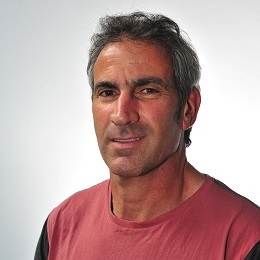 Warren Young合作论文数Institute of Health and Wellbeing, Federation University16
 Paul McCrory合作论文数Centre for Health, Exercise & Sports Medicine, University of Melbourne16
 Soufiane Boufous合作论文数School of Aviation, Faculty of Science, The University of New South Wales16Shahid Ullah合作论文数15
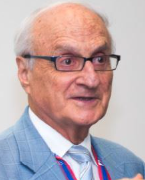 Paul Zimmet AO合作论文数School of Translational Medicine, Faculty of Medicine, Nursing and Health Sciences, Monash University15
 Andrew Hayen合作论文数Sydney School of Public Health, University of Sydney15
 Martin Schwellnus合作论文数14
 Wayne E Derman合作论文数Institute of Sport and Exercise Medicine, Stellenbosch University13Sheree Bekker合作论文数12
 Shannon Gray合作论文数School of Public Health and Preventive Medicine, Monash University12
 Kati Pasanen合作论文数Faculty of Kinesiology, University of Calgary;McCaig Institute for Bone and Joint Health, University of Calgary;Alberta Children's Hospital Research Institute, University of Calgary12
 Rochelle M Eime合作论文数School of Human Movement and Sport Sciences, University of Ballarat12
 Julie Hatfield合作论文数12
 Liam Toohey合作论文数Department of Physiotherapy, La Trobe University11
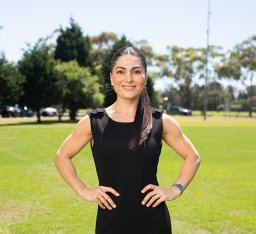 Betul Sekendiz合作论文数11Leonie Otago合作论文数11
 Keith Hill合作论文数Rehabilitation Ageing and Independent Living Research Centre, School of Primary Care and Allied Health, Monash University11
 Marelise Badenhorst合作论文数Institute of Sport and Exercise Medicine (ISEM) Division of Orthopaedic Surgery, Stellenbosch University10White Peta E合作论文数10
 Stuart Newstead合作论文数Monash University Accident Research Centre10
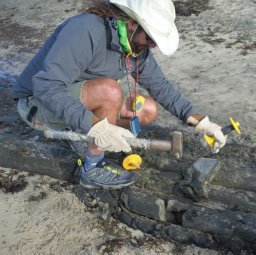 Kevin Norton合作论文数School of Physical Education, Exercise and Sport Studies, University of South Australia10GK DOWSE合作论文数9maria romiti合作论文数9
 Mark Stevenson合作论文数Melbourne School of Design, The University of Melbourne9Kountouris Alex合作论文数School of Exercise &Nutrition Sciences, Deakin University;School of Exercise & Nutrition Sciences, Deakin University9
 Terry Haines合作论文数Department of Physiotherapy, School of Primary and Allied Health Care, Monash University9
 Breanne E Kunstler合作论文数Monash Sustainable Development Institute, Monash University8
 Adam Hulme合作论文数Ctr Human Factors & Sociotech Syst, Univ Sunshine Coast8Angela Clapperton合作论文数Centre for Mental Health, Melbourne School of Population and Global Health, Faculty of Medicine, Dentistry and Health Sciences, The University of Melbourne8
 Wei Du (杜伟)合作论文数School of Public Health, Southeast University8




