Regulatory T (Treg) cells contribute to white matter repair following ischemic stroke, but their limited availability in circulation restricts their therapeutic potential. Exercise, as a non-invasive and effective rehabilitation method, has been shown to restore Treg balance in diseases. This study explores the effects of treadmill training on Treg upregulation and its influence on myelin repair and functional recovery in rats with middle cerebral artery occlusion (MCAO). After four weeks of treadmill training, we analyzed the proportion of Treg cells (Tregs), FOXP3 expression, and oligodendrocyte-related protein levels using flow cytometry, immunofluorescence, and Western blotting. Myelin structure was examined with transmission electron microscopy (TEM), while motor coordination and balance were assessed using the fatigue rotarod and CatWalk analysis systems. To further explore the role of Tregs, the FOXP3 inhibitor P60 was used to inhibit Treg activity. The findings of our study indicate that training on a treadmill supports the maturation of oligodendrocytes, leads to an increase in myelin-associated proteins and the thickness of myelin, and promotes the recovery of motor function. Inhibition of Treg activity diminished these benefits, highlighting Tregs’ key role in exercise-induced remyelination. These findings suggest that treadmill training facilitates myelin regeneration and functional recovery by upregulating Tregs, offering potential new strategies for stroke treatment.
Army aviation is a modern high-tech branch in the army establishment sequence, and has the advantages of flexible mobility and rapid strikes. However, the army aviators face harsh environments, such as low pressure, lack of oxygen, noise, and vibration during long-term flight missions, and often develop various military stresses, bearing greater physical and mental pressure than ordinary people, which is often more likely to lead to psychological stress disorders, thus seriously affecting the combat effectiveness of the army aviation. In this paper, we mainly introduce a series of psychological stress disorders, such as emotional instability, air discomfort, nervousness, anxiety and depression caused by the special circumstances of army aviation while flying, and put forward corresponding countermeasures on this basis, such as optimizing the psychological selection and training standards of army aviation pilots, strengthening psychological tolerance training, paying special attention to the detection and evaluation of mental health in ordinary times, and regularly conducting psychological consultation, intervention and counseling. These measures are of great significance to promote the mental health of army aviators and prevent the occurrence of psychological stress disorder in future wars. Identifying the influencing factors and countermeasures of psychological stress disorder are essential to improve the operational capacity and combat effectiveness of army aviation force.
As a high-tech combat arm, army aviation corps has emerged as a new force for maintaining our country′s strategic security under the strategic requirements of "mobile operations, three-dimensional attack and defense". In front of upgrade and update of army fighters and practical training, the injuries of operational environment cannot be ignored for the pilots under the mode of combat-training integration. And, there is an urgent need for innovation in the aeromedical support system. Therefore, we systematically analyze the main factors for combat-training injuries, consider the injury and disease spectrum and current situation of medical support, and then identify the bottleneck problems which restrict the operational efficiency of army aviation pilots. Then we bring forward the countermeasures to improve their operational efficiency, and provide reference and inspiration for the improvement in army aviators, aiming at establishing a sound support system for army aviation, improving regulations and policies concerning medical support, conducting in-depth research on key issues, deepening the construction of grassroots aviation medical support and strengthening professional talent training.
Objective To establish an acute low back pain (ALBP) model by simulating low-frequency vibration of helicopters and explore the causes of ALBP in army aviation pilots in order to provide a reliable animal model and evaluation method for its pathogenesis and protection. Methods Forty-eight male SD rats (8 weeks old, weighing 200±20 g) were selected and randomly divided into groups A, B and C, with vibration for 1, 3 and 6 h, respectively, and group D as blank control, with 12 rats in each group. The rats were fixed in sitting posture on a vibrating table (10 Hz, with 6 degree vibration) for corresponding durations during 5 consecutive days. Animal behavioral tests were performed before and on days 1, 4, 7 and 14 after modelling, including paw withdrawal threshold, open field test, rotarod fatigue test, gait analysis, and 24-hour food intake assessment. Finally, light microscopy was used to observe the morphological structure of the multifidus muscle. Results Behavioral examinations revealed that persistent low-frequency vibration resulted in decreased foot-contraction reflex thresholds (P < 0.01), amount of 24-hour food consumption (P < 0.01), count of upright standing (P < 0.05), rotarod velocity at rat falling off (P < 0.05), duty cycle (P < 0.05), footprint surface area (P < 0.05), and walking speed (P < 0.05). Histological observation for the multifidus muscle demonstrated cellular edema and myocyte disorganization accompanied by inflammatory cell infiltration and aggregation. Conclusion Continuous exposure to a low-frequency vibration leads to significant low back pain-related behaviors and histological changes in the lumbar multifidus muscle of rats.
Objective To explore the correlation of perceived social support with fatigue and anxiety in army aviation pilots in order to found a basis for precision intervention. Methods From July 10 to 13, 2022, random sampling was conducted to subject from an army air brigade. The participants (n=88) were surveyed with Perceived Social Support, Multidimensional Fatigue, and Anxiety Scale. Then discussions and individual communication were used to collect supplementary data. SPSS 20.0 statistics was employed for descriptive analysis in measure data and frequency analysis in enumerate data. The correlation of perceived social support with fatigue and anxiety was analyzed with Pearson analysis. Results For the 85 issued questionnaires (including all above scales), all of them were retrieved validly, with a rate of 100%. Among the 85 participants, they were 83 males (97.65%) and 2 females (2.35%), and 80 pilots (94.11%), 2 navigators (2.35%) and 3 aerial mechanics (3.53%). There were 82(96.47%) of them in an age range of 20~39 years. Moreover, the proportion of individuals with high perceived social support was 68.23% (58/85), that of low and moderate anxiety was 100% (85/85), and that of non-significant fatigue status (scored 55.71±8.48) was 98.82% (84/85), respectively. Perceived social support (scored 62.22±14.67) was negatively correlated with anxiety (scored 14.44±3.86, P < 0.01), and had no correlation with fatigue, but no obvious correlation was observed between anxiety and fatigue (P>0.05). Conclusion For the army aviators, their perceived social support may cause anxiety, and then in turn affect their operational performance and health levels. Precise intervention should be implemented to learn from social support for this population in order to improve medical support for them.
Objective To determine the effects of treadmill training on the structure of hippocampal myelin and cognitive function in rats exposed to acute plateau hypoxia. Methods With 30 SPF-grade female SD rats (aged 6-8 weeks, weighing 200-220 g), 6 of them were used for observation of myelin structure after injury, and the remaining 24 rats were randomly divided into control group, hypobaric hypoxia group and treadmill training group (n=8). The rats in above experimental groups were placed in a low-pressure oxygen chamber at an altitude of 6 000 m for 7 consecutive days, and the rats of the control group were placed in the confined chamber for the same period without hypoxia. Then, the rats of the treadmill training group received a 4-week treadmill training scheme since the day after hypoxia. Finally, all the rats were tested for cognitive function with open field test (OFT) and Morris water maze (MWM). Transmission electron microscopy (TEM) was used to observe the changes of demyelination in the hippocampus. The expression of oligodendrocyte transcription factor 2 (Olig2) and myelin basic protein (MBP) in the hippocampal CA1 and CA3 regions was measured by immunofluorescence staining and Western blotting. Results Behavioral tests showed that the number into the central area, total distance, distance ratio in OFT and the number of platform crossings and distance to the target area in MWM were reduced in the hypobaric hypoxia group than the control group (P < 0.05), while these indexes were increased in the treadmill training group than in the hypobaric hypoxia group (P < 0.05). Immunofluorescence staining indicated that the number of Olig2 positive cells per unit area and the mean fluorescence intensity of MBP in the CA1 and CA3 regions were significantly lessen in the hypobaric hypoxia group than the control group (P < 0.05), while these indicators were higher in the treadmill training group than the hypobaric hypoxia group (P < 0.05). Western blotting displayed that the expression levels of Olig2 and MBP in the hippocampus were obviously lower in the hypobaric hypoxia group than the control group (P < 0.01), while the levels were increased in the treadmill training group than the hypobaric hypoxia group (P < 0.01). Conclusion Treadmill training promotes the number of the oligodendrocyte spectrum cells in CA1 and CA3 regions, enhances the expression of myelin-related proteins and improves myelin repair in hippocampus of hypobaric hypoxia rats, and thereby ameliorates hypoxia-induced anxiety-like behaviors and memory dysfunction.
Army aviation pilots play a crucial role in "mobile operations, three-dimensional attack and defense", so how to ensure and improve their operational efficiency becomes a scientific problem of concern in army aviation medicine. As the deployment of high-performance helicopters, dynamic changes come in operational, training, and intensity of the Army Air Force, whereat, it is vital to improve the operational efficiency of the flight personnel to ensure mission completion. In the theoretical system about the impact of army aircraft and aviation environment on the physiological and psychological conditions of army aviators, past research in army aviation medicine has made significant contributions to ensuring their physical and mental health and to improving their operational efficiency. Considering the health challenges and medical support needs of army aviators in the new era and future, we, with an eye to the aspects of flight environment, individual protection and body endurance, systematically review the progress in army aviation medicine related to improving operational efficiency, and furthermore, bring forward to future research directions. We aim to provide reference and inspiration for improvement of operational efficiency in army aviators in terms of comprehensive and multi-dimensional support for their physical and mental health.
Objective To investigate the occurrence of flight illusions and explore its influencing factors and countermeasures in army aviators in cold regions. Methods Comprehensive Flight Illusion Scale was applied to investigate flight illusions, related influencing factors and countermeasures among 74 army aviators in cold regions from December 2022 to February 2023. SPSS 22.0 statistics was used for statistical analysis to compare the differences among variables and identify the influencing factors of flight illusions. Results For the 74 issued questionnaires, all of them were retrieved validly, with a rate of 100%. The incidence rate of flight illusions was 32.43%. There was a statistical difference between flight time and the occurrence of flight illusions (P < 0.05). There were 3 types of flight illusions with higher incidences in cold regions, that is distance illusion (20.27%), tilt illusion (18.92%) and relative position illusion (16.22%). The 3 flight illusions with relatively lower incidences were detachment phenomenon (4.05%), rotational illusion (4.05%), and inverted flight illusion (2.70%). After occurrence of illusions, 66.67% of the aviators experienced symptoms such as tension, "hard-to-move lever" headache, dizziness and post-flight insomnia. Almost all of the aviators were of fully awareness and acceptance of the active approaches to dealing with flight illusions, but still 50% of them believed that passive waiting intervention measures could be used. The results of statistical analysis on related influencing factors indicated that statistical differences were observed in all the listed items except flight subject with the occurrence of flight illusions (P < 0.05). Conclusion During short period flight in cold regions in winter, army aviators experience obvious psychological and physiological reactions after occurrence of flight illusions, and their anxiety and fatigue state, external climate and landform environment, and cabin interface and flight parameters are all related to the occurrence.
Spinal cord injury (SCI) results in stalled motor function recovery under the chronic phase. One of the reasons due to the presence of ongoing inflammation. Therefore, regulating the status of immune cells may help reopen the window for neural repair, which represents a potential therapeutic target. In this study, we aimed to investigate whether this could be achieved in mice with cervical 5 crush CSCI (4 W) by utilizing a concentration of 0.5 mg/kg of lipopolysaccharide (LPS) to stimulate microglia/macrophages. Additionally, the mice underwent rehabilitation training for another 6 weeks. Our results showed that systemic injection of LPS enhanced the effects of forelimb rehabilitation training, as evaluated through single pellet grasping (SPG). Electrophysiological studies revealed the restoration of cortical drive to the injured side’s forelimb muscles in the training combined with LPS group. Tract tracing studies demonstrated the reconstruction of cortical innervation to the cervical spinal cord. Furthermore, the levels of pro-inflammatory phenotype markers, such as inducible nitric oxide synthase (INOS) and CD68, decreased, while the expression of anti-inflammatory phenotype markers, including arginase 1 (ARG-1) and CD206, increased. Importantly, this phenotypic switch in microglia/macrophages was accompanied by an increase in phagocytic activity markers as indicated by BODIPY + IBA1 + staining. Collectively, our data suggests that low-dose LPS improves the effects of rehabilitation training by regulating the phenotypic transformation of microglia/macrophages in CSCI. This study provides a fresh perspective and intervention direction for the clinical treatment of chronic spinal cord injuries.
With the outbreak of the Ukrainian crisis, extremely cold environment warfare has once again become the focus of international attention. People exposed to extremely cold environments may suffer from cold damage, further aggravate trauma, trigger high disability and mortality rates, and even cause serious sequelae. To declare the effects and mechanisms of the extremely cold environment on the body after trauma, this paper reviews, firstly, physiological reaction of human body in an extremely cold environment. Then, the post-traumatic body response in an extremely cold environment was introduced, and finally, the sequelae of trauma in extremely cold environment was further summarized in the paper. The results indicated that extremely cold environment can cause a series of damage to the body, especially the body after trauma. The extremely cold factor is a double-edged sword, showing a favorable and unfavorable side in different aspects. Moreover, in addition to the trauma suffered by the body, the subsequent sequelae such as cognitive dysfunction, anxiety, depression and even post-traumatic stress disorder may also be induced. The paper summarizes the human body's physiological response in an extremely cold environment, and declares the effects and mechanisms of the extremely cold environment on the body after trauma, which may provide a theoretical basis for effectively improving the level of combat trauma treatment in extremely cold regions.
Traumatic brain injury (TBI) is a major reason for temporary or permanent dyskinesia and cognitive impairment of the organism. Generally, TBI induces subsequent neuroinflammation to assist cell debris removal and tissue repair and regeneration after injury. However, overactivation or long-term activation of immune cells will exacerbate nerve damage or death, cause cognitive dysfunction, and ultimately lead to neurodegenerative diseases. Therefore, secondary damage caused by persistent inflammation is a key component of TBI pathological process. As the main metabolite of anaerobic glycolysis, lactate is increased after TBI and participates in brain inflammation as an important immune regulatory molecule rather than a metabolic waste. Importantly, histone lysine lactylation as a novel type of histone post-translational modifications (HPTM) derived from lactate allows lactate to participate in the regulation of complex immunopathophysiological processes of the central nervous system after TBI. Further study on the process of histone lactylation and its immune regulation mechanism during TBI may provide new insights for early intervention and improvement of TBI prognosis. Thus, the authors reviewed the role of histone lactylation in the immune regulation of TBI, so as to further elucidate the mechanism of TBI and the explore new warning and prevention measures from the perspective of HPTM.
Objective To investigate the effects of treadmill training on the repair of myelin structure of dorsal corticospinal tract (dCST) in mice with T10 spinal cord mild contusion. Methods Twelve adult C57/BL female mice were used to construct and verify the model of spinal cord mild contusion, and another 30 mice were randomly divided into 3 groups (n=10): sham group, spinal cord injury (SCI) group, and treadmill training group.The mice of SCI and treadmill training groups were given unilateral (left) spinal cord contusion, while the sham group was given laminectomy only.A 4-week training scheme was conducted for the treadmill training group 1 week after SCI surgery (parameters: 12 m/min, 30 min/session, 1 time/day, 5 d/week).The primary motor cortex (M1) of mice in each group was injected with biotinylated dextran amine (BDA) to trace dCST 2 weeks before sampling, followed by the collection of tissue samples when the 4-week training finished.Then the expression levels of platelet-derived growth factor receptor α(PDGFRα), Ki67 protein, oligodendrocyte transcription factor 2(Olig2), adenomatous polyposis coli protein (APC/CC1) and myelin basic protein (MBP) were detected by immunofluorescence assay.Transmission electron microscopy (TEM) was also used to observe the myelination in the left dCST area.Moreover, Basso Mouse Scale (BMS) was performed in each group to evaluate the motor function of left hindlimb before injury, 1 week after injury and 1, 2, and 4 weeks after training. Results Immunofluorescent labeling showed that the ratio of PDGFRα/Ki67 double positive cells to the total number of PDGFRα positive cells, the ratio of Olig2/APC/CC1 double positive cells to the total number of Olig2 positive cells, as well as the mean fluorescence intensity of MBP in the left dCST area of the SCI group were significantly lower than those of the sham group (P < 0.01), while these indexes were higher in the treadmill training group than in the SCI group (P < 0.01).TEM results indicated that the G-ratio of the left dCST area was elevated in the SCI group (P < 0.01), but was reduced greatly in the treadmill training group (P < 0.01).Finally, the BMS scores were improved in the treadmill group at each detection time point after injury, but there was no significant difference as compared with the SCI group (P>0.05). Conclusion Treadmill training can facilitate the proliferation and differentiation of oligodendrocytes precursor cells (OPCs), improve the maturation of oligodendrocytes (OLs) in the left dCST region, and increase the expression of myelin related proteins, thus promoting the repair of myelin structure after SCI in adult mice.
Previous studies reported that the codeletion of PTEN and SOCS3 can greatly enhance the capacity of axon regeneration after central nervous system (CNS) injury. Moreover, the promotion of functional recovery can be improved by rehabilitative training under a use-dependent plasticity mechanism after CNS injury. However, few studies have reported the interaction between these mechanisms after spinal cord injury (SCI). Therefore, we investigated the combined effects of PTEN/SOCS3 coinhibition and rehabilitative training on axon regeneration and upper extremity motor functional improvement after cervical SCI in mice. In this study, we used RNA interference viruses to coinhibit PTEN and SOCS3 and induced a C5 crush injury on the side of preference. The injured upper extremity was trained by single pellet grasping for 4 weeks. We found that the coinjection of viruses significantly increased the expression of p-S6 and p-STAT in the cortex, reduced the dieback pattern of injured axons and promoted traced axon regeneration. More importantly, combination therapy further enhanced axon regeneration compared with PTEN/SOCS3 coinhibition alone. In behavioral tests, the motor performance of the mice in the PTEN/SOCS3 + Training group was better than that of the mice in the other groups. These results indicate that combining task-based rehabilitative training with PTEN/SOCS3 coinhibition further promotes axon regeneration and significant improvement in forelimb skilled motor function after cervical SCI. Our findings provide new therapeutic insights into SCI treatment.
Spinal cord injury (SCI) is a devastating neurological disorder affecting millions of people worldwide, resulting in severe and permanent disabilities that significantly impact the individual's life. Rehabilitation is a commonly accepted and effective clinical treatment modality for neurological disabilities. A single form of rehabilitation training is, however, limited. Indeed, recent studies have reported that a combination of various training strategies may be more promising in promoting functional recovery. However, few studies have focused on combining different forms of rehabilitative training. Here, we investigated the effect of combining treadmill training and single pellet grasping in a well-established model of murine SCI to assess whether combining rehabilitation approaches improve outcomes. In brief, one week following crush SCI, mice were subjected to the treadmill and single pellet grasping training (SPG) for a period of six weeks. Biotinylated dextran amine (BDA) was used to anterogradely trace corticospinal tract axons to assess functionally relevant axonal sprouting. Our results revealed that the combined training upregulated p-S6 expression, facilitated axonal sprouting, increased the formation of functional synaptic connections, and promoted functional recovery of the upper limb. Our study provides experimental evidence for the benefit of combining multiple modalities of rehabilitative strategies.
直升机因机动灵活、搜救高效、受地形地势影响小等特点在海上紧急医疗救援中发挥重要作用.本文着眼造成战斗减员的主要海战伤类特点,结合直升机浅海捞救、岸滩救援医疗措施以及急救设备、药物配置,并从救护力量前移、精准海上搜索、高效空中救护、后方医院有效对接等方面对海战时直升机救援提出对策与实践思考,旨在为伤员一线立体救治提供高效卫勤保障.
Growing evidence has proven the efficacy of physical exercise in remyelination and motor function performance after spinal cord injury (SCI). However, the molecular mechanisms of treadmill training on myelin repair and functional recovery after SCI have not yet been fully studied. Here, we explored the effect of treadmill training on upregulating peroxisome proliferator-activated receptor gamma coactivator 1 alpha (PGC1α)-mediated myelin repair and functional recovery in a mouse model of thoracic T10 contusion injury. A 4-week treadmill training scheme was conducted on mice with SCI. The expression levels of oligodendrogenesis-related protein and PGC1α were detected by immunofluorescence, RNA fluorescence in situ hybridization and western blotting. Transmission electron microscopy (TEM) was used to observe myelin structure. The Basso Mouse Scale (BMS) and CatWalk automated gait analysis system were used for motor function recovery evaluation. Motor evoked potentials (MEPs) were also identified. In addition, adeno-associated virus (AAV)-mediated PGC1α knockdown in OLs was used to further unravel the role of PGC1α in exercise-induced remyelination. We found that treadmill training boosts oligodendrocyte precursor cells (OPCs) proliferation, potentiates oligodendrocytes (OLs) maturation, and increases myelin-related protein and myelin sheath thickness, thus impelling myelin repair and hindlimb functional performance as well as the speed and amplitude of nerve conduction after SCI. Additionally, downregulating PGC1α through AAV attenuated these positive effects of treadmill training. Collectively, our results suggest that treadmill training enhances remyelination and functional recovery by upregulating PGC1α, which should provide a step forward in the understanding of the effects of physical exercise on myelin repair.
This study aims to investigate the effect of insulin-like growth factor 1 (IGF-1) combined with osteopontin (OPN) on the protein expression levels and growth of neuronal axons and its possible mechanism. In this study, IGF-1 combined with OPN promoted neuronal axon growth through the IGF-1R/Akt/mTOR signaling pathway in lipid rafts, and the effect was better than that of either agent alone. This effect was suppressed when given the mTOR inhibitor rapamycin or the lipid raft cholesterol extraction agent methyl-β-cyclodextrin (M-β-CD). Rapamycin could inhibit the expression of phosphorylated ribosomal S6 protein (p-S6) and phosphorylated protein kinase B (p-Akt) and limit axon growth. In addition to the above effects, M-β-CD significantly downregulated the expression of phosphorylated insulin-like growth factor 1 receptor (p-IR). To further investigate the changes in lipid rafts when stimulated by different recombinant proteins, membrane lipid rafts were isolated to observe the changes by western blot. The expression levels of insulin-like growth factor 1 receptor (IR) and P-IR in the IGF-1 combined with OPN group were the highest. When M-β-CD was administered to the lipid rafts of neurons, the enrichment of IR by IGF-1 combined with OPN was weakened, and the p-IR was decreased. Our study found that IGF-1 combined with OPN could promote axon growth by activating the IGF-1R/Akt/mTOR signaling pathway in neuronal lipid rafts.
In this study, we examined the combined impact of osteopontin (OPN) and treadmill training on mice with spinal cord injury (SCI). OPN was overexpressed by injecting AAV9-SPP1-GFP into the sensorimotor cortex, followed by a left incomplete C5 crush injury two weeks later. Mice (Ex or Ex + OPN group) were trained at 50% maximum running speed for 8 weeks. To analyze the effects, we used biotinylated dextran amine (BDA) for tracing the corticospinal tract (CST) and performed Western blotting and immunohistochemical methods to assess the activation of the mammalian target of rapamycin (mTOR). We also examined axonal regeneration and conducted behavioral tests to measure functional recovery. The results demonstrated that treadmill training promoted the expression of neurotrophic factors such as brain-derived neurotrophic factor (BNDF) and insulin-like growth factor I (IGF-1) and activated mTOR signaling. OPN amplified the effect of treadmill training on activating mTOR signaling indicated by upregulated phosphorylation of ribosomal protein S6 kinase (S6). The combination of OPN and exercise further promoted functional recovery and facilitated limited CST axonal regeneration which did not occur with treadmill training and OPN treatment alone. These findings indicate that OPN enhances the effects of treadmill training in the treatment of SCI and offer new therapeutic insights for spinal cord injury.
Transportation-related harms have developed into a social disease, threatening public safety and health in China. We aimed to increase the global understanding of traffic safety and public health in China from past knowledge, current status, and future directions by collecting, collating, and analyzing the Chinese traffic incidents reported in the published literature. A systematic search of China National Knowledge Infrastructure, Weipu, and published articles referenced in PubMed, Web of Science and ProQuest between January 1, 1988 and April 30, 2023 was performed. China encountered the first recorded traffic accident as early as three thousand years ago in the Shang Dynasty. An increase in vehicle capacity and velocity increased the traffic risks during the transition from rickshaws and livestock to motor vehicles in varying traffic environments. Humans are not only the decisive factor of a large number of vehicles, traffic routes, and environmental variables, but also the victims at the end and starting point of traffic accidents. Injuries (mechanical force, burns) and diseases (traffic-related air pollution, noise) caused by traffic activities not only threaten public health, but also cause risks to safe driving. Analysis of traffic activities and biomarkers promotes the treatment of traffic injuries in ethology and medicine. China prepared for the construction of healthy transportation in the "decade of road safety" toward an estimation of worldwide road traffic injuries in 2030. Improvement of traffic safety concerning public health under the "Outline of the National Comprehensive Three-dimensional Transportation Network Planning" in China will propel the realization of worldwide traffic environmental advancement.
Abstract Treadmill exercise is beneficial for spinal cord injury (SCI) both in bench and in bedside, but the most effective treadmill exercise intensity and mechanisms underlying the treadmill exercise on skilled motor function recovery remain elusive. Here, the improved skilled motor function recovery, enhanced nerve conduction capability, neuroplasticity, and axonal sprouting were observed in the SCI mice after training for 4 weeks. However, high exercise intensity (HEI) leads to vulnerability and impaired exercise tolerance during training. We further found that in the moderate exercise intensity (MEI) and HEI groups showed elevated expression of brain-derived neurotrophic factor (BDNF) and insulin-like growth factor 1 (IGF-1). Meanwhile, elevated phosphorylated levels of ribosomal protein S6 (p-S6) and protein kinase B (p-AKT) in mouse motor cortex were also observed, indicating the cortical mechanistic target of rapamycin (mTOR) pathway activation. To investigate the role of the cortical mTOR activation, we performed a rapamycin assay. After using rapamycin, the exercise-induced activation of the cortical mTOR pathway and the exercise-enhanced effects were inhibited. Together, the expression of neurotrophic factors and the activation of the cortical mTOR pathway are in an intensity-dependent manner. And the MEI is safer and more beneficial than the LEI and HEI. Based on the rapamycin assay, the exercise-induced activation of mTOR pathway is necessary for the enhanced motor cortex and spine remodeling, all of which further contribute to better-skilled motor function recovery. These dates may provide a new window to further understand the mechanisms underlying exercise training effects on the skilled motor function recovery following SCI.
 Jianxin Jiang (蒋建新)合作论文数Army Medical Center of PLA69
 Hai-Yan Wang合作论文数29Jun Yan (严军)合作论文数22Jie Gao (高洁)合作论文数19ZaiYun Long (龙在云)合作论文数17HaiYan Wang (王海燕)合作论文数15
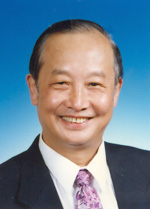 Zhengguo Wang (王正国)合作论文数Army Medical University14Ying Yin (殷樱)合作论文数13
 Botao Tan合作论文数13HeJiang Zhong (钟河江)合作论文数12PeiFang Zhu (朱佩芳)合作论文数12Yongtang Wang (王永堂)合作论文数12Yuan Liu (刘媛)合作论文数11Qing Liu (刘庆)合作论文数11ZhengGuo Wang (王正国)合作论文数10
 Wei Gu (顾玮)合作论文数School of Medicine, Chongqing University;Army Medical University10
 Zhuo Zhuang (庄茁)合作论文数School of Aeronautics and Astronautics, Tsinghua University10YaMin Wu (伍亚民)合作论文数9Juan Du (杜鹃)合作论文数9Jianyun Zhou合作论文数Department of Computer and Information Science, Norwegian University of Science and Technology, 7491 Trondheim, Norway9
 Zhanli Liu (柳占立)合作论文数Department of Engineering Mechanics, School of Aerospace Engineering, Tsinghua University9Yunhang Wang合作论文数8Suna Huang合作论文数8Qin Zhao合作论文数8
 Lu Pan合作论文数8
 Xue-Tao Yang合作论文数8Haisheng Li合作论文数7Lin-lin ZHOU (周琳琳)合作论文数7Jing Yu (余静)合作论文数7
 Ling Zeng (曾灵)合作论文数6Juan Zhong (钟娟)合作论文数5Haodong Luo合作论文数5
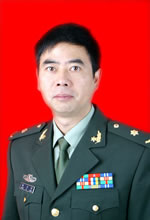 Liyong Chen (陈力勇)合作论文数中国人民解放军第三军医大学5Hong Su合作论文数5Wenting Gao (高文婷)合作论文数5Zhan Zuxiong (詹祖雄)合作论文数4Sen Li合作论文数4Zhijie Li (栗志杰)合作论文数Institute of Nuclear and New Energy Technology, Tsinghua University4Ying Cheng (程英)合作论文数4YongHua Chen (陈永华)合作论文数4
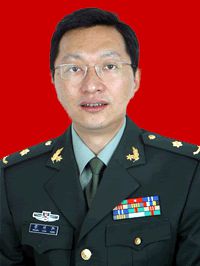 Lianyang Zhang (张连阳)合作论文数Daping Hospital, Army Medical University4Sui Jian-feng合作论文数4
 An-Qiang Zhang合作论文数4
 Ding-Yuan Du (都定元)合作论文数Chongqing University Central Hospital4Haiyan Wang (王海燕)合作论文数4




