Objectives:To determine associations of common infections with self-reported sleep and explore whether these links differ by race in a diverse cohort. Methods:We studied 602 participants from the Baltimore Epidemiologic Catchment Area Study (mean age 59.0±12.8 years; 36.9% male; 35.6% minoritized adults) with data on common infections (IgG antibodies to herpes simplex virus type 1, cytomegalovirus, varicella zoster virus, Epstein-Barr virus, and Toxoplasma gondii ) and self-reported symptoms of insomnia (i.e., difficulty falling or staying asleep and early awakening), hypersomnia, and sleep duration. Results:We observed differences by race in the association of common infections with sleep disturbances (p-values for interactions<0.05). In fully-adjusted models, among White participants, those who were seropositive for CMV had 51% higher odds of insomnia symptoms (OR=1.51, 95% CI: 0.88, 2.60) and 26% higher odds of early awakening (OR=1.26, 95% CI: 0.67, 2.39). Among minoritized adults, however, CMV seropositivity was associated with 75% lower odds of insomnia symptoms (OR=0.25, 95% CI: 0.09, 0.67) and 73% lower odds of early awakening (OR=0.27, 95% CI: 0.10, 0.74). Seropositivity for a higher number of infections (β=0.24, 95% CI: -0.01, 0.48) or for TOX alone (β=0.64, 95% CI: 0.08, 1.20) was associated with longer sleep among minoritized participants, but shorter sleep among White participants. Conclusions:In middle-aged and older adults, common infections are differentially associated with sleep disturbances and duration, with infections linked to better sleep profiles and longer sleep among minoritized adults, but poorer sleep among White adults. Research is needed to identify the sources of these differences.
STUDY OBJECTIVES:To determine associations between multiple domains of psychosocial stressors and coping strategies in relation to sleep health among Black/African American (BAA) women. METHODS:Among 1678 BAA participants with complete data enrolled in the Study of Environment, Lifestyle and Fibroids, we conducted principal components analysis on 43 self-reported stressors, yielding six components of psychosocial stressors and three components of coping strategies. Self-reported sleep measures included sleep duration (very short, short, vs. recommended sleep), frequent insomnia symptoms (trouble falling or staying asleep at least 15 days/month vs. <15 days/month), and waking up feeling unrested (≥4 days/week vs. <4 days/week). Using Poisson regression with robust variance while adjusting for sociodemographic characteristics, we estimated prevalence ratios (PRs) and 95% confidence intervals (CIs) for each sleep measure comparing the presence vs. absence of stressors. RESULTS:Median age (interquartile range) was 29.3 (26.3-32.0) years and 45% had an annual household income of less than $20 000. The following psychosocial stressors were highly prevalent: perceived racism (84.5%), financial strain (84.1%), and emotional distress (73.7%). Emotional distress (PR = 2.26 [95% CI = 1.63 to 3.12]) and financial strain (PR = 1.41 [1.05-1.91]) were associated with more frequent insomnia symptoms. Social/emotional support (PR = 0.80 [0.68-0.95]) and resilience/personal strength (PR = 0.82 [0.70-0.97]) were associated with lower prevalence of very short sleep duration. BAA women reporting experiences with racism vs. not had a higher prevalence of short sleep (PR = 1.14 [1.05-1.23]). Among women who did shift work, financial strain was associated with a 22% (PR = 1.22 [1.03-1.45]) higher prevalence of short sleep. CONCLUSION:These findings may inform interventions aimed at addressing stressors associated with poor sleep. Statement of Significance Based on a novel array of 43 potential psychosocial stressors, we found that stressors such as financial strain, emotional distress, and medical/crime/family problems were associated with poor sleep health (e.g. insomnia symptoms) while coping strategies (e.g. social/emotional support and resilience/personal strength) were associated with more favorable sleep health (e.g. recommended hours of sleep) among an understudied sample of 1678 young Black/African American women. Our study measuring specific, understudied stressors is novel and important to identify which stressors/coping strategies to prioritize for intervention. For instance, our observed associations between racism and medical/crime/family problems in relation to poorer sleep health indicates a need to address medical problems, such as improving healthcare quality, addressing race-based perceived unfair treatment, and increasing access to healthcare.
BACKGROUND:Use of hair straighteners and chemical relaxers has been associated with increased incidence of breast, ovarian, and uterine cancers. However, their potential association with non-reproductive cancers remains unknown, despite evidence that some ingredients in these products may be genotoxic. We therefore examined use of hair straighteners and chemical relaxers in relation to the incidence of non-reproductive cancers. METHODS:We analyzed data from 46 287 cancer-free women aged 35-74 years from the Sister Study, a US-wide cohort enrolled between 2003 and 2009. Participants reported frequency of hair straightener and chemical relaxer use in the 12 months prior to enrollment. Incident cancers (melanoma, thyroid, lung, non-Hodgkin lymphoma, leukemia, pancreatic, colorectal, and kidney cancers) were self-reported and confirmed with pathology reports when possible. We used multivariable Cox proportional hazards models to estimate hazard ratios (HRs) and 95% confidence intervals (CIs) for hair straightener and chemical relaxer use and incident cancers, adjusting for age, race and ethnicity, educational attainment, and smoking status. RESULTS:During a median follow-up of 13.1 years, use of hair straighteners and chemical relaxers was associated with a higher incidence of thyroid cancer (n = 225 cases; HR = 1.71, 95% CI = 1.01 to 2.89), non-Hodgkin lymphoma (n = 313 cases; HR = 1.62, 95% CI = 0.94 to 2.80), and pancreatic cancer (n = 138 cases; HR = 2.66, 95% CI = 1.25 to 5.66). There was little evidence of dose response with increasing frequency of use. We observed negligible or imprecise associations for the remaining cancer types. CONCLUSIONS:Use of hair straighteners and chemical relaxers may be associated with a higher incidence of thyroid cancer, non-Hodgkin lymphoma, and pancreatic cancer. Further research is needed to confirm these findings.
Sleep health is a critical component of maternal well-being, and poor sleep during pregnancy is associated with adverse maternal-fetal and cardiometabolic outcomes. Although sleep across pregnancy has been examined in several longitudinal studies, fewer studies have included frequent repeated assessments in racially and ethnically diverse populations with a high representation of lower socioeconomic status. We aimed to characterize longitudinal patterns of sleep duration, sleep quality, and sleep midpoint across pregnancy; identify groups with similar sleep profiles; and examine maternal and pregnancy characteristics associated with sleep health. This secondary analysis included individuals enrolled in the Human Placenta and Phthalates Study in Norfolk, Virginia and Galveston, Texas (2016–2020). Self-reported sleep duration and quality were collected at up to eight visits (13–36 gestational weeks). Sleep midpoint was calculated from reported bedtime and wake time. Generalized estimating equations evaluated associations between participant characteristics and repeated sleep measures. Group-based trajectory modeling identified joint trajectories of reported bed and wake times for perceived overnight sleep duration and perceived sleep quality; sleep midpoint was excluded because models incorporating it did not converge. Among 303 individuals, 43
Research using the multidimensional sleep health (MDSH) framework has increased globally, often relying on self-report measures. The Ru-SATED scale and Sleep Health Index (SHI) are common self-report measures of MDSH, but comparative data on their measurement properties and contextual characteristics remain limited. Seven electronic databases were searched for measurement properties and uses of the two scales over the past twelve years. This review identified 19 psychometric validation studies concerning two original and 17 cross-cultural, and summarized contextual comparison of MDSH measures and frameworks. Measurement properties of both measures were assessed with the COnsensus-based Standards for the selection of health Measurement INstruments (COSMIN) guideline, and contextual comparisons were conducted narratively. Both measures exhibited acceptable psychometric properties across diverse cultural settings, with the SHI findings showing greater consistency than those of the Ru-SATED scale. Aggregating the Ru-SATED and SHI frameworks fully covered the sleep characteristics assessed by five instruments grounded in the World Sleep Society initiative, encompassing regularity, satisfaction, alertness, timing, efficiency, duration, and disorder. Notably, the SHI framework incorporates targeted sleep disorder assessment while the Ru-SATED framework specifically excludes such assessment, highlighting the distinct focus and scope of each tool. Instrument selection depends primarily on research purpose, study sample, and intended use. We recommend characterizing both sleep health and sleep disorders to fully capture the complex relationships between sleep and health outcomes.
Objectives: Complementary and Alternative Medicine (CAM) approaches vary across race and ethnicity, reflecting different cultural practices. However, its relationship with sleep is understudied. We investigated cross-sectional CAM-sleep associations across racial and ethnic groups. Methods: In the nationally-representative 2012 National Health Interview Survey, participants identified their most important CAM therapies and whether the therapy yielded ″better sleep″ (yes/no). We used Poisson regression with robust variance to estimate adjusted prevalence ratios (aPRs) and 95% confidence intervals (CIs) and examined effect measure modification using Wald tests of interaction terms. Results: Among 9,308 adults (mean age±SE = 46.4±0.3 years), 58.2% were women. CAM therapy prevalence ranged from 0.1% (craniosacral therapy) to 28.9% (herbal supplements). The proportion perceiving ″better sleep″ was 41.3%. When deemed most important for health, massage; meditation; movement or exercise techniques; and yoga, Tai Chi, and Qigong were associated with higher prevalence of perceiving ″better sleep″ similarly across racial and ethnic groups. Chiropractic or osteopathic manipulation was associated with perceiving better sleep only among non-Hispanic (NH)-White adults (aPR=1.14, 95% CI:1.05-1.24). The highest magnitude of associations between herbal supplement use and lower prevalence of ″better sleep″ was among NH-White adults (aPR=0.29, 95% CI:0.25-0.34 vs. aPR range:0.37 (NH-Asian) to 0.50 (NH-Black)). Limited by a small sample size, no associations were observed among NH-American Indian/Alaska Native participants. Conclusion: Many CAM therapies were associated with perceiving better sleep across racial and ethnic groups; however, effectiveness varied by therapy and racial and ethnic groups, yielding mixed evidence of their potential role in sleep health promotion.
OBJECTIVE:Masked hypertension [nonhigh office blood pressure (BP) and high out-of-office BP] is associated with cardiovascular risk. Obstructive sleep apnea (OSA) is associated with high office BP, but few data exist on its association with masked hypertension, especially in Black adults who have a high prevalence of both conditions. METHODS:We analyzed pooled data from 1078 Black adults, 713 in the Jackson Heart Study and 365 in the Coronary Artery Risk Development in Young Adults study, with office BP less than 140/90 mmHg, who completed 24-h ambulatory BP monitoring. Masked hypertension was defined as mean awake BP at least 135/85 mmHg, asleep BP at least 120/70 mmHg, or 24-h BP at least 130/80 mmHg. A high likelihood of OSA was defined using sleep questionnaires and physical measurements. Poisson regression was used to estimate prevalence ratios, adjusting for demographics, lifestyle behaviors, and comorbidities. Analyses were stratified by antihypertensive medication use. RESULTS:Overall, 34% of participants had a high likelihood of OSA; 53.3% had masked hypertension. Among participants not taking antihypertensive medication ( n = 505), adjusted prevalence ratios comparing those with versus without a high likelihood of OSA were 1.31 [95% confidence interval (CI) 1.06-1.61], 0.88 (95% CI 0.59-1.29), 1.37 (95% CI 1.09-1.73), and 1.35 (95% CI 1.00-1.83) for any, awake, asleep, and 24-h masked hypertension. Among those taking antihypertensive medication ( n = 573), the adjusted prevalence ratios were 1.15 (95% CI 0.99-1.32), 1.04 (95% CI 0.83-1.31), 1.14 (95% CI 0.97-1.33), and 1.19 (95% CI 0.96-1.47), respectively. CONCLUSION:A high likelihood of OSA was associated with a higher prevalence of masked hypertension among participants not taking antihypertensive medication.
To investigate whether associations between perceived differential treatment based on race-ethnicity and sleep are mediated by coping strategies. We used data from the nationwide Sister Study. In 2008–2012, participants self-reported perceived lifetime differential treatment and completed adapted Coping Orientation to Problems Experienced Inventory (COPE)/Brief COPE questionnaires which assessed healthy/adaptive (e.g., using emotional support) and maladaptive (e.g., self-blame) coping. Sleep duration, poor sleep quality, and insomnia symptoms were self-reported in 2017–2019. Adjusting for sociodemographic and health characteristics, mediation analysis was performed using the Hayes PROCESS macro. Among 31,443 eligible women (mean ± SD age 55.5 ± 8.6 years), the prevalence of everyday (79
Heat exposure has been linked to sleep disturbances in the general population, but farmers, who are particularly vulnerable due to outdoor occupational exposures—have been rarely studied in this context. this study aimed to investigate associations between heat stress and sleep health among farmers. We conducted cross-sectional analyses of 8,203 male farmers from Iowa (78
STUDY OBJECTIVES:To investigate associations between religiosity/spirituality (R/S) and sleep and potential modification by stress among Black/African American (AA) women. METHODS:Participants from the Study of Environment, Lifestyle, & Fibroids (2010-2018) reported importance of faith and R/S as a source of strength/comfort (ranging from 'very' to 'not at all') as well as frequency of prayer/meditation (ranging from 'everyday,' to '<once/month') at baseline. There were repeated measures of daily stress ('very high/moderate' vs. 'low/none'), short sleep duration (<7-hours), nonrestorative sleep (NRS, waking rested <4-days/week), and insomnia symptoms (difficulty falling/staying asleep). Adjusted prevalence ratios (aPRs) were estimated with Poisson regression with robust variance, and adjusted risk ratios were estimated by applying generalized estimating equations to models. R/S-by-stress terms were tested. RESULTS:Among 1,693 Black/AA women (mean age±SD 29.2±3.4 years), 69.3% reported faith as important, 55.6% perceived R/S as a source of strength/comfort, 58.8% prayed/meditated daily, 43.8% reported high/moderate stress, and poor sleep was prevalent (short sleep:58.4%, NRS:62%, and insomnia symptoms:17.9%) at baseline. There were no associations with short sleep and insomnia symptoms. All three R/S measures were each cross-sectionally but not longitudinally associated with lower likelihood of NRS, however, associations differed by stress. R/S as source of strength/comfort and prayer/meditation showed protective associations with NRS prevalence at baseline only among participants with low versus high stress (e.g., prayer everyday vs. <once/month aPRhigh stress=1.07 [95% CI:0.91-1.26], aPRlow stress=0.76 [95% CI:0.63-0.91], pR/S*stress =0.03). CONCLUSIONS:Higher R/S was associated with lower NRS prevalence, but protective associations were limited to participants with low/no stress.
ABSTRACT Background Complementary and Alternative Medicine (CAM) therapies, such as massage, meditation, and yoga, are widely used to promote wellness, including sleep improvement. Although some CAM therapies may improve sleep through stress reduction, relaxation, and relief of physical discomfort, little is known about associations between individual CAM modalities and sleep health at the population level. Therefore, we investigated the associations between CAM therapies and short sleep duration as well as insomnia symptoms. Methods Participants from the nationally-representative 2012 National Health Interview Survey (NHIS) self-reported the use of CAM therapies and short sleep duration (<7 hours vs. 7–9 hours) as well as insomnia symptoms (yes vs. no). Poisson regression with robust variance was used to estimate adjusted prevalence ratios (aPRs) and 95% confidence intervals (CIs) for cross-sectional associations between CAM therapy use and sleep outcomes. Results Among 30,405 participants, the average age was 46.1 ± 0.2 years and 51% were women. Adults reporting any vs. no CAM therapy use had a higher prevalence of short sleep duration (aPR: 1.11; 95% CI: 1.05–1.16) and insomnia symptoms (aPR: 1.56; 95% CI: 1.47– 1.65) after adjustment for sociodemographic and clinical characteristics. Herbal supplements (aPR: 1.13; 95% CI: 1.07–1.19) and massage (aPR: 1.14; 95% CI: 1.05–1.23) were associated with higher prevalence of short sleep duration. Most CAM therapies were associated with higher prevalence of insomnia symptoms, with the strongest associations observed for meditation/guided imagery/progressive relaxation (aPR: 1.84; 95% CI: 1.68–2.02). Conclusion The higher prevalence of short sleep duration and insomnia symptoms among CAM users may reflect reverse causation, as adults with more severe or persistent sleep disturbances may be more likely to seek CAM therapies. Longitudinal studies are needed to clarify directionality.
Abstract To investigate associations between life satisfaction and sleep health among adults in the United States, we analyzed cross-sectional, nationally-representative data from the 2022 National Health Interview Survey. Life satisfaction was dichotomized as ‘very satisfied/satisfied’ vs. ‘dissatisfied/very dissatisfied.’ Sleep duration was defined as ‘recommended’ vs. ‘short’ (≥ 7 vs.<7 h), infrequent insomnia symptoms as difficulty falling/staying asleep: ‘yes’ [never/some days for both] vs. ‘no’ [most days/every day to either], and restorative sleep as feeling well rested in the past 30 days: ‘yes’ [most days/every day] vs. ‘no’ [never/some days]. Using survey-weighted Poisson regression with robust variance adjusting for confounders, we estimated prevalence ratios (aPR) and 95% confidence intervals (CI) overall and by age, sex, race, and ethnicity to test for effect modification. Among 25,090 adults (mean age of 48.1 ± 0.17 years; 54% women), 96.0% reported life satisfaction with comparable prevalence across age (18–30 years [96.6%], 31–49 years [96.4%], and ≥ 50 years [95.0%]) and among men [95.6%] along with women [95.6%]. Prevalence by race and ethnicity ranged from 93.9% [non-Hispanic (NH)-multiracial/other] to 98.0% [NH-Asian]. Life satisfaction vs. dissatisfaction was associated with recommended sleep duration (aPR:1.14 [95% CI:1.07–1.21]), infrequent insomnia symptoms (aPR:1.25 [95% CI:1.16–1.33]), and restorative sleep (aPR:1.61 [95% CI:1.45–1.79]) even after further adjustment. Age, sex, race, and ethnicity did not modify associations between life satisfaction and sleep. Life satisfaction was associated with recommended sleep duration, infrequent insomnia symptoms, and restorative sleep. Pathways underlying the life satisfaction-sleep relationship should be identified to inform interventions.
Experiencing discrimination may be a risk factor for cardiovascular disease (CVD), which disproportionately impacts Black adults in the United States. With the few prospective, time-varying investigations, evidence of everyday discrimination impacting incident CVD is sparse, especially among older Black adults. This study examined the association between everyday discrimination and incident CVD across a 12-year period using a nationally representative population of older Black adults from the Health and Retirement Study. Weighted Cox proportional hazards regression estimated the association between everyday discrimination (measured on a continuous scale) and incident CVD. Supplemental analyses examined the association between everyday discrimination and incident CVD among those who experienced racial versus nonracial discrimination. Covariates included sociodemographic characteristics, health behaviors, and CVD risk factors. At baseline, participants (N = 988) were 65 years old on average and 57.3% were female. During the 12-year period, 16.3% of participants developed CVD. Each increase in everyday discrimination was associated with a higher incidence of CVD in fully adjusted models (adjusted hazard ratio, 1.28; 95% CI, 1.03-1.59). Older Black adults who experience frequent everyday discrimination may be at higher risk of developing CVD. Clinical and nonclinical interventions assessing and addressing experiences of discrimination may help in CVD prevention efforts among Black adults.
To assess associations between sources of stress and sleep health among married/cohabitating US adults during the COVID-19 pandemic. We analyzed the National Couples’ Health and Time Study, an online survey completed 2020-2021. Stressors were categorized into five domains––1) COVID-19 infection; 2) resources/insurance; 3) overall health; 4) job/income; and 5) public health recommendations. Sleep quality and duration (<7 and 7-9) were measured. Adjusted prevalence ratios (aPRs) and Accepted manuscript ACCEPTED MANUSCRIPT95
Background Exposure to environmental chemicals can influence fetal growth, and these alterations are associated with adverse health outcomes across the lifespan. Personal care products (PCPs) are frequently used by women of reproductive age, including many chemicals known to adversely impact fetal development. Given the high number of chemicals in PCPs, a class-based approach of grouping these chemicals by common characteristic(s) (e.g., chemical structure, mode of action) may support future hazard identification evaluations. Objectives To develop a systematic evidence map (SEM) identifying and characterizing the scientific literature on gestational exposure to PCPs or their chemical constituents and fetal growth to support potential chemical class-based assessments. Methods Following standardized systematic review methodology, three databases were searched for relevant human and experimental animal studies through June 2024. Study characteristics were extracted and summarized in interactive visualizations and text. Results Of the four main chemical classes assessed, phthalates and phenols were most frequently studied (40% and 30% of studies, respectively), followed by per- and polyfluoroalkyl substances (PFAS), and parabens. Few studies evaluated product use. Birthweight was the most frequently assessed outcome (approximately 99% of studies). Many human studies evaluated potential modifying factors of health (% of studies), such as infant sex (58%), race and ethnicity (7%), and socioeconomic status (1%). Discussion Given the availability of well-studied “anchor” chemicals within related chemical groups, this SEM supports the feasibility of class-based approaches to evaluate the association between phthalates, PFAS, phenols, and parabens and fetal growth. Further research on PCPs and fetal growth should address areas of uncertainty, including data gaps on potential effect modifiers, such as socioeconomic status.
To summarize existing evidence of associations between religion and spirituality in relation to multiple dimensions of sleep health, illuminate strengths and limitations of the existing literature, and outline gaps that inform opportunities for future research. Positive dimensions of religion and spirituality, such as spiritual well-being, supportive coping, and community integration, were generally associated with better sleep outcomes across global populations. Adverse experiences, including doubt, conflict, and spiritual struggle, were often associated with poorer sleep. Among the 59 included studies, most were cross-sectional and relied on self-reported measures, used inconsistent conceptualizations of religion and spirituality, did not sufficiently assess potentially adverse religious or spiritual experiences, and were limited to certain geographic regions of the world (e.g., North America and Southwest Asia). Positive dimensions of religion and spirituality (e.g., meaning, coping) were generally associated with better sleep, while struggles and doubt were associated with poorer sleep. Future research that employs longitudinal and experimental designs, validated multidimensional measures, objective sleep assessments, and diverse populations is needed to clarify mechanisms and inform culturally responsive approaches to promoting sleep health.
 Symielle A Gaston合作论文数National Institute of Environmental Health Sciences, National Institutes of Health73
 Dale Sandler合作论文数National Institute of Environmental Health Sciences, National Institutes of Health42
 Susan Redline合作论文数Division of Sleep Medicine, Harvard Medical School;Division of Sleep and Circadian Disorders, Departments of Medicine and Neurology, Brigham and Women's Hospital;Division of Pulmonary Medicine, Department of Medicine, Beth Israel Deaconess Medical Center27
 W Braxton Jackson合作论文数26
 Dana M Alhasan合作论文数National Institute of Environmental Health Sciences, National Institute of Health25
 Dayna Johnson合作论文数Department of Biostatistics and Research Epidemiology, Henry Ford Health System21Harmon Quaker E合作论文数18Rupsha Singh合作论文数Univ Maryland Baltimore Cty17
 Donna D. Baird合作论文数Epidemiology Branch, National Institute of Environmental Health Sciences15
 Frank B. Hu (胡丙长)合作论文数Department of Epidemiology, Harvard T.H. Chan School of Public Health;Department of Nutrition, Harvard T.H. Chan School of Public Health15
 Katie O'Brien合作论文数Department of Mathematics;University College;Department of Mathematics, University College Cork13
 White Alexandra J合作论文数Department of Epidemiology, University of North Carolina12
 Ichiro Kawachi合作论文数Harvard T.H. Chan School of Public Health, Harvard University;Department of Social and Behavioral Science, Harvard University12
 Ketrell L Mcwhorter合作论文数School of Science, Health and Mathematics, Asbury University11
 Adam P. Spira合作论文数Mental Health, Bloomberg School of Public Health, Johns Hopkins University8
 Orfeu M Buxton合作论文数Penn State Univ, University Pk8Frederick L. Brancati合作论文数8John A McGrath合作论文数7
 Anna María Nápoles合作论文数Division of Intramural Research, National Institute on Minority Health and Health Disparities, National Institutes of Health7Park Yong-Moon Mark合作论文数Epidemiol Branch, NIH7
 David R. Williams合作论文数Department of Social and Behavioral Sciences, Harvard T. H. Chan School of Public Health, Harvard University7
 Mario Sims合作论文数School of Medicine, University of California, Riverside;Department of Medicine, University of Mississippi Medical Center7Nyree M. Riley合作论文数6
 Darlynn Rojo-Wissar合作论文数Ctr Behav & Prevent Med, Brown Univ6
 Hsin-Chieh Yeh合作论文数Division of General Internal Medicine, School of Medicine, Johns Hopkins University;Bloomberg School of Public Health, Johns Hopkins University6
 Carmela Alcántara合作论文数School of Social Work, Columbia University6
 Kyla W Taylor合作论文数6Jesse Wilkerson合作论文数5
 Che-Jung Chang合作论文数National Institutes of Health Epidemiology Branch, National Institute of Environmental Health Sciences5Na Guo合作论文数5
 Soomi Lee合作论文数School of Aging Studies, University of South Florida5
 Rebecca Robbins合作论文数a Department of Communication, Cornell University5
 Pamela Lutsey合作论文数Division of Epidemiology & Community Health, School of Public Health, The University of Minnesota5
 Alexander Keil合作论文数Department of Epidemiology, Gillings School of Global Public Health, The University of North Carolina at Chapel Hill5Lauren R Gullett合作论文数4Nathaniel MacNell合作论文数4
 Patrice C Williams合作论文数Dept Urban Studies & Planning, MIT4
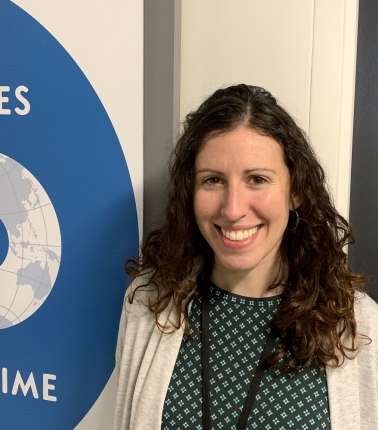 Jill A. Rabinowitz合作论文数Mental Health, Bloomberg School of Public Health, Johns Hopkins University4
 Moyses Szklo合作论文数Department of Epidemiology, Bloomberg School of Public Health, Johns Hopkins University4
 Clarice R. Weinberg合作论文数Biostatistics & Computational Biology Branch, Division of Intramural Research, National Institute of Environmental Health Sciences, National Institutes of Health4
 Lydia Feinstein合作论文数The University of North Carolina at Chapel Hill, The University of North Carolina at Chapel Hill4
 Joseph Lunyera合作论文数4James G. Wilson合作论文数4
 Strassle Paula合作论文数Baltimore School of Medicine, University of Maryland4
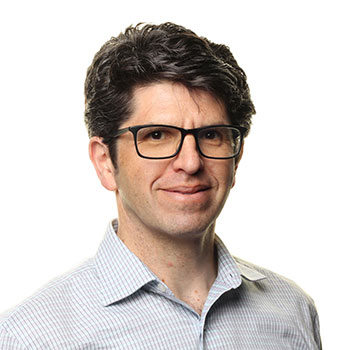 Paul Muntner合作论文数Perisphere Real World Evidence4
 Phyllis C Zee合作论文数Department of Neurology, Feinberg School of Medicine, Northwestern University;Division of Sleep Medicine, Northwestern Medicine;Center for Circadian and Sleep Medicine, Feinberg School of Medicine, Northwestern University4
 Ganesa Wegienka合作论文数Department of Obstetrics, Gynecology and Reproductive Biology, College of Human Medicine, Michigan State University;Public Health Sciences Department, Henry Ford Health4
 Christine Parks合作论文数National Institute of Environmental Health Sciences4
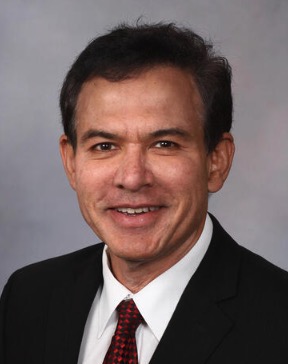 Virend Somers合作论文数Division of Preventive Cardiology, Department of Cardiovascular Medicine, Mayo Clinic;Department of Physiology & Biomedical Engineering, Mayo Clinic4




