Federated domain generalization (FedDG) aims to improve the global model's generalization ability in unseen domains by addressing data heterogeneity under privacy-preserving constraints. A common strategy in existing FedDG studies involves sharing domain-specific knowledge among clients, such as spectrum information, class prototypes, and data styles. However, this knowledge is extracted directly from local client samples, and sharing such sensitive information poses a potential risk of data leakage, which might not fully meet the FedDG requirements. In this paper, we introduce prompt learning to adapt pre-trained vision-language models (VLMs) in the FedDG scenario, and leverage locally learned prompts as a more secure bridge to facilitate knowledge transfer among clients. Specifically, we propose a novel FedDG framework through Prompt Learning and AggregatioN (PLAN), which comprises two training stages to collaboratively generate local prompts and global prompts at each federated round. First, each client performs both text and visual prompt learning using their own data, with local prompts indirectly synchronized by regarding the global prompts as a common reference. Second, all domain-specific local prompts are exchanged among clients and selectively aggregated into global prompts using lightweight attention-based aggregators. The global prompts are finally applied to adapt the VLMs to unseen target domains. As our PLAN framework requires training only a limited number of prompts and lightweight aggregators, it offers notable advantages in terms of computational and communication efficiency for FedDG. Extensive experiments demonstrate the superior generalization ability of PLAN across four benchmark datasets. We have released our code at https://github.com/GongShuai8210/PLAN
Federated Domain Generalization (FedDG) aims to train a globally generalizable model on data from decentralized, heterogeneous clients. While recent work has adapted vision-language models for FedDG using prompt learning, the prevailing "one-prompt-fits-all" paradigm struggles with sample diversity, causing a marked performance decline on personalized samples. The Mixture of Experts (MoE) architecture offers a promising solution for specialization. However, existing MoE-based prompt learning methods suffer from two key limitations: coarse image-level expert assignment and high communication costs from parameterized routers. To address these limitations, we propose TRIP, a Token-level pRompt mIxture with Parameter-free routing framework for FedDG. TRIP treats prompts as multiple experts, and assigns individual tokens within an image to distinct experts, facilitating the capture of fine-grained visual patterns. To ensure communication efficiency, TRIP introduces a parameter-free routing mechanism based on capacity-aware clustering and Optimal Transport (OT). First, tokens are grouped into capacity-aware clusters to ensure balanced workloads. These clusters are then assigned to experts via OT, stabilized by mapping cluster centroids to static, non-learnable keys. The final instance-specific prompt is synthesized by aggregating experts, weighted by the number of tokens assigned to each. Extensive experiments across four benchmarks demonstrate that TRIP achieves optimal generalization results, with communicating as few as 1K parameters. Our code is available at https://github.com/GongShuai8210/TRIP.
Semantic matching is foundational to intelligent scheduling, fault diagnosis, and procurement in Industrial Internet platforms. However, existing approaches lack domain robustness and interpretability when facing noisy, heterogeneous, and terminology-rich industrial texts. Large Language Models (LLMs) promise stronger semantic reasoning, yet direct deployment is hindered by massive parameter scales, high latency, and prohibitive resource demands, especially in edge environments. We address these gaps by leveraging high-capacity LLMs as teachers to build a reasoning-aware semantic matching framework tailored for the Industrial Internet. (i) We employ few-shot prompting with Chain-of-Thought (CoT) reasoning to couple accurate predictions with interpretable reasoning traces. (ii) We construct a reasoning-enriched dataset that augments each pair with CoT explanations, quantitatively vetted for fluency, coherence, diversity, and consistency. (iii) We introduce a knowledge distillation strategy that transfers teacher reasoning to compact student models, preserving interpretability while enabling efficient edge deployment. Extensive experiments show that the distilled compact model outperforms conventional neural baselines and even surpasses its teacher in accuracy, achieving an F1-score of 87.4% and Accuracy of 87.9%, while reducing inference latency from 9.5 s to 1.6 s and GPU memory from 2684 GB to 28 GB. These results highlight the pivotal role of high-capacity LLMs as reasoning teachers and demonstrate a practical path to trustworthy, interpretable, and edge-deployable semantic matching for the Industrial Internet.
Black-box prompt tuning (BBPT) aims to optimize input prompts for large models where internal parameters and gradients are inaccessible. However, existing methods fail to simultaneously address the dual challenges of prompt interpretability and query efficiency. To address these challenges, we propose CRL-BPT, a curriculum reinforcement learning framework that utilizes a large language model as an agent to generate human-readable prompts. Specifically, CRL-BPT implements a dynamic curriculum schedule on two auxiliary objectives: an imitation loss and an innovation loss. By dynamically weighting these objectives, CRL-BPT regularizes the RL process, guiding the agent from mimicking reference prompts to discovering novel patterns. Additionally, we introduce tailored stabilization mechanisms comprising historical loss normalization and relative reward calibration to ensure robust training. Extensive experiments demonstrate that CRL-BPT establishes new state-of-the-art performance and generates highly interpretable prompts under a strict budget of API calls. Code is available at https://anonymous.4open.science/r/CRL-BPT.
Kinship verification aims to determine whether two individuals share a familial relationship based on facial information. Cross-gender relationships (i.e., Father-Daughter and Mother-Son) continue to face formidable challenges due to the diversity and uncertainty of genetic inheritance. Existing studies primarily focus on extracting robust features and measuring similarity, with limited attention given to the fuzziness of gender differences. To address this issue, this paper proposes a kinship verification framework based on a fuzzy neural network, which adaptively extracts gender-independent kinship features and handles relationship fuzziness to improve cross-gender verification performance. Specifically, the Swin Transformer, which has demonstrated excellent performance in facial analysis, is employed to extract initial features. A fuzzy neural network is then designed to disentangle gender and kinship features, with a gender recognition task introduced to further enhance this disentanglement and improve the gender independence of kinship features. Subsequently, a multi-metric fuzzy reasoning module is adopted to integrate kinship features, extract latent kinship cues, and leverage a contrastive loss function to effectively mine potential negative sample information, thereby significantly enhancing the model’s robustness. Experimental results on three publicly available datasets demonstrate that the proposed method achieves state-of-the-art performance.
Under the growing trend of model as a service, black-box prompt tuning (BBPT), which requires neither access to model parameters nor gradient computation, has become a prominent research focus. Existing BBPT methods typically learn a global prompt for all images, neglecting the semantic differences between images. Although mixture of experts (MoE) provides a solution for implementing instance-level prompts, it overlooks the local fine-grained information of images. Besides, the router in MoE is difficult to optimize under black-box conditions. To address these issues, we propose a parameter-free mixture of experts (PAM) for BBPT, which enables instance-adaptive optimization. PAM uses a parameter-free routing mechanism to cluster image tokens based on capacity and assigns them to experts using an optimal transport algorithm, generating instance-specific prompts. Experiments on eight benchmark datasets show that PAM achieves state-of-the-art performance.
Traditional Test-Time Adaptation (TTA) methods primarily focus on updating the parameters of a pre-trained source model to better fit the target domain. In contrast, recent diffusion-driven TTA approaches leverage an unconditional diffusion model trained on the source domain to map target samples towards the source distribution, without modifying the model parameters. In this paper, we propose to combine the strengths of model adaptation and data adaptation to achieve more effective alignment between the source model and target data. Unlike existing two-stage methods that perform model and data adaptation independently, we introduce a unified Collaborative Model and Data Adaptation (CMDA) framework that integrates the two processes in a mutually beneficial manner. Specifically, model predictions on synthetic target samples serve as category-discriminative signals to guide the reverse diffusion process during data adaptation. Conversely, the synthetic data generated through data adaptation are used to progressively update and refine the source model. This bidirectional collaboration between model and data adaptation occurs iteratively, progressively aligning the source model with the target data. To further enhance prediction accuracy, we designed a lightweight and learnable aggregation network that ensembles predictions from the source and adapted models on both the original and synthetic target samples. This network dynamically integrates complementary predictions, improving the robustness and confidence of the final outputs. Extensive experiments on four benchmark datasets demonstrate that CMDA achieves state-of-the-art performance under the TTA setting.
Cross-topic automated essay scoring (AES) aims to develop a transferable model capable of effectively evaluating essays on a target topic. A significant challenge in this domain arises from the inherent discrepancies between topics. While existing methods predominantly focus on extracting topic-shared features through distribution alignment of source and target topics, they often neglect topic-specific features, limiting their ability to assess critical traits such as topic adherence. To address this limitation, we propose an Adversarial TOpic-aware Prompt-tuning (ATOP), a novel method that jointly learns topic-shared and topic-specific features to improve cross-topic AES. ATOP achieves this by optimizing a learnable topic-aware prompt—comprising both shared and specific components—to elicit relevant knowledge from pre-trained language models (PLMs). To enhance the robustness of topic-shared prompt learning and mitigate feature scale sensitivity introduced by topic alignment, we incorporate adversarial training within a unified regression and classification framework. In addition, we employ a neighbor-based classifier to model the local structure of essay representations and generate pseudo-labels for target-topic essays. These pseudo-labels are then used to guide the supervised learning of topic-specific prompts tailored to the target topic. Extensive experiments on the publicly available ASAP++ dataset demonstrate that ATOP significantly outperforms existing state-of-the-art methods in both holistic and multi-trait essay scoring. The implementation of our method is publicly available at: https://github.com/zhaohy777/ATOP.
Test-time prompt tuning (TPT) aims to adjust the vision-language models (e.g., CLIP) with learnable prompts during the inference phase. However, previous works overlooked that pre-trained models as a service (MaaS) have become a noticeable trend due to their commercial usage and potential risk of misuse. In the context of MaaS, users can only design prompts in inputs and query the black-box vision-language models through inference APIs, rendering the previous paradigm of utilizing gradient for prompt tuning is infeasible. In this paper, we propose black-box test-time prompt tuning (B²TPT), a novel framework that addresses the challenge of optimizing prompts without gradients in an unsupervised manner. Specifically, B²TPT designs a consistent or confident (CoC) pseudo-labeling strategy to generate high-quality pseudo-labels from the outputs. Subsequently, we propose to optimize low-dimensional intrinsic prompts using a derivative-free evolution algorithm and to project them onto the original text and vision prompts. This strategy addresses the gradient-free challenge while reducing complexity. Extensive experiments across 15 datasets demonstrate the superiority of B²TPT. The results show that B²TPT not only outperforms CLIP's zero-shot inference at test time, but also surpasses other gradient-based TPT methods.
Cross-prompt automated essay scoring (AES) involves developing a transferable essay scoring model from scored source prompts to unscored target prompts. Existing cross-prompt AES methods attempt to learn shared feature representations by mapping multiple source prompts and the target prompt into a unified feature space. However, aligning multiple source and target prompt distributions simultaneously is challenging, and these methods often ignore the inherent class structure within the data distributions. In this study, we propose a novel Pairwise Dual-level Alignment (PDA) network for multi-source cross-prompt AES. PDA separately learns shared features for each source and target prompt pair and jointly aligns their prompt-level and category-level feature distributions. It maps each source and target prompt pair into alternative feature spaces and aligns their prompt-level and category-level distributions through prompt-adversarial and category-adversarial networks. To ensure classifier consistency, we introduce a consistency constraint that minimizes the divergence between the outputs of all classifier pairs. We conducted extensive experiments on the widely used ASAP and TOEFL11 datasets in AES. The experimental results demonstrate that the average Quadratic Weighted Kappa (QWK) values of PDA on the two datasets exceed those of all baseline methods across all prompts. This verifies the effectiveness of PDA compared to state-of-the-art AES methods.
Unsupervised domain adaptation (UDA) aims to adapt models learned from a well-annotated source domain to a target domain, where only unlabeled samples are available. To this end, adversarial training is widely used in conventional UDA methods to reduce the discrepancy between source and target domains. Recently, prompt tuning has emerged as an efficient way to adapt large pre-trained vision-language models like CLIP to a variety of downstream tasks. In this paper, we present a novel method named Adversarial DuAl Prompt Tuning (ADAPT) for UDA, which employs text prompts and visual prompts to guide CLIP simultaneously. Rather than simply performing a joint optimization of text prompts and visual prompts, we integrate text prompt tuning and visual prompt tuning into a collaborative framework where they engage in an adversarial game: text prompt tuning focuses on distinguishing between source and target images, whereas visual prompt tuning seeks to align source and target domains. Unlike most existing adversarial training-based UDA approaches, ADAPT does not require explicit domain discriminators for domain alignment. Instead, the objective is effectively achieved at both global and category levels through modeling the joint probability distribution of images on domains and categories. Extensive experiments on four benchmark datasets demonstrate the effectiveness of our ADAPT method for UDA. We have released our code at https://github.com/Liuziyi1999/ADAPT.
Portfolio optimization has attracted substantial interest within the artificial intelligence community due to its significant impact on financial decision-making, risk management, and market analysis. Reinforcement learning fits well with portfolio optimization because their goal is to maximize cumulative returns. In reinforcement learning, state transition probabilities are often unknown and must be estimated. However, in portfolio backtesting experiments, these probabilities are deterministic, making the conventional reinforcement learning approach to estimating state transitions suboptimal for portfolio optimization. Addressing this issue, this study decomposes the portfolio optimization into two core tasks: prediction and profit policy optimization and proposes a novel reinforcement learning framework that assumes deterministic state transition probabilities, comprised of three main modules: feature extraction, prediction, and profit strategy optimization. To model assets more effectively and comprehensively, we capture their temporal features, relational features, and market state. We introduce a patch-wise correlation method and attribute based gate to enhance feature extraction. In the profit policy module, we utilize a deterministic strategy, employing a recursive reinforcement learning method based on Monte Carlo sampling to train the policy network. This enables dynamic adjustments of asset investment weights, ensuring the maximization of cumulative returns. Extensive experiments conducted on cryptocurrency datasets demonstrate the superior performance of our approach, and achieving 36.6%-75.6% improvements in main measurements on cryptocurrency datasets.
The rapid increase in encrypted network traffic has made detecting malicious activities a critical challenge in network management, attracting significant research attention. However, most existing methods focus primarily on flow-based features, often neglecting the inherent structural heterogeneity and dynamic temporal variations in encrypted traffic, which limits their effectiveness in capturing the evolving nature of malicious activities. To address the aforementioned issue, we present a novel Dynamic Heterogeneous Information Network framework, DMT-DHIN, for Detecting Malicious Encrypted Traffic. DMT-DHIN constructs dynamic heterogeneous graphs by partitioning traffic into time slices, with nodes representing network entities (e.g., packets, protocols, IPs, and ports) and edges capturing their interactions. A heterogeneous graph attention mechanism effectively captures spatial dependencies among different node types. At the same time, the Transformer captures the temporal evolution of node features, enabling DMT-DHIN to identify dynamic patterns in encrypted traffic. We validate the effectiveness of DMT-DHIN by conducting evaluations on three datasets: CICIDS2017, USTC-TFC2016, and CICIoT2023. The results demonstrate that DMT-DHIN surpasses existing state-of-the-art methods, delivering marked enhancements in detection accuracy and F1-score, highlighting its superior ability to identify malicious encrypted traffic.
>Continual test-time adaptation(CTTA) [1] is a recently emerged method, which is used for the adaptation of a pretrained source model to continuously evolving target distributions during test time. Its purpose is to accommodate the dynamic nature of real-world environments. CTTA is generally performed online; it processes unlabeled target data sequentially and adapts the model to each incoming data batch before the model starts making predictions.
Deep neural networks suffer from severe performance degradation when facing a distribution shift between the labeled source domain and unlabeled target domain. Domain adaptation addresses this issue by aligning the feature distributions of both domains. Conventional methods assume that the labeled source samples are drawn from a single data distribution (domain) and can be fully accessed during training. However, in real applications, multiple source domains with different distributions often exist, and source samples may be unavailable due to privacy and storage constraints. To address multi-source and data-free challenges, Multi-Source-Free Domain Adaptation (MSFDA) uses only diverse pre-trained source models without requiring any source data. Most existing MSFDA methods adapt each source model to the target domain individually, making them ineffective in leveraging the complementary transferable knowledge from different source models. In this paper, we propose a novel COnsistency-guided multi-source-free Domain Adaptation (CODA) method, which leverages the label consistency criterion as a bridge to facilitate the cooperation among source models. CODA applies consistency regularization on the soft labels of weakly- and strongly-augmented target samples from each pair of source models, allowing them to supervise each other. To achieve high-quality pseudo-labels, CODA also performs a consistency-based denoising to unify the pseudo-labels from different source models. Finally, CODA optimally combines different source models by maximizing the mutual information of the predictions of the resulting target model. Extensive experiments on four benchmark datasets demonstrate the effectiveness of CODA compared to the state-of-the-art methods.
Knowledge tracing aims to trace students’ evolving knowledge states by predicting their future performance on concept-related exercises. Recently, some graph-based models have been developed to incorporate the relationships between exercises to improve knowledge tracing, but only a single type of relationship information is generally explored. In this article, we present a novel Dual Graph Ensemble learning method for Knowledge Tracing (DGEKT), which establishes a dual graph structure of students’ learning interactions to capture the heterogeneous exercise–concept associations and interaction transitions by hypergraph modeling and directed graph modeling, respectively. To combine the dual graph models, we introduce the technique of online knowledge distillation. This choice arises from the observation that, while the knowledge tracing model is designed to predict students’ responses to the exercises related to different concepts, it is optimized merely with respect to the prediction accuracy on a single exercise at each step. With online knowledge distillation, the dual graph models are adaptively combined to form a stronger ensemble teacher model, which provides its predictions on all exercises as extra supervision for better modeling ability. In the experiments, we compare DGEKT against eight knowledge tracing baselines on three benchmark datasets, and the results demonstrate that DGEKT achieves state-of-the-art performance.
Knowledge tracing (KT) aims to monitor students' evolving knowledge states through their learning interactions with concept-related questions, and can be indirectly evaluated by predicting how students will perform on future questions. In this paper, we observe that there is a common phenomenon of answer bias, i.e., a highly unbalanced distribution of correct and incorrect answers for each question. Existing models tend to memorize the answer bias as a shortcut for achieving high prediction performance in KT, thereby failing to fully understand students' knowledge states. To address this issue, we approach the KT task from a causality perspective. A causal graph of KT is first established, from which we identify that the impact of answer bias lies in the direct causal effect of questions on students' responses. A novel COunterfactual REasoning (CORE) framework for KT is further proposed, which separately captures the total causal effect and direct causal effect during training, and mitigates answer bias by subtracting the latter from the former in testing. The CORE framework is applicable to various existing KT models, and we implement it based on the prevailing DKT, DKVMN, and AKT models, respectively. Extensive experiments on three benchmark datasets demonstrate the effectiveness of CORE in making the debiased inference for KT. We have released our code at https://github.com/lucky7-code/CORE.
Knowledge tracing (KT) aims to trace students' evolving knowledge states based on their learning sequences. Recently, some deep learning based models have been proposed to incorporate the historical information of individuals to trace students' knowledge states and achieve encouraging progress. However, these works ignore the collaborative information among those students who have similar exercise-answering experiences, which may contain some valuable information. In this paper, we present a novel collaborative self-supervised learning method for KT (CoSKT), which exploits both similar students' collaborative information and individual information to improve knowledge tracing. We firstly use the overlap rate of students' learning experiences to retrieve similar students. Based on similar students' exercise-answering sequences, we leverage attention mechanism to learn the representation of their common knowledge state and expected response to the target exercise. Then, we introduce self-supervised learning by encouraging the consistency between the common knowledge state and individual knowledge state. Finally, we integrate collaborative information and individual knowledge state with a gate mechanism to conduct the response prediction of the target exercise. We compare CoSKT with nine existing KT methods on three public datasets, and the results show that CoSKT achieves the state-of-the-art performance. The codes and models of CoSKT are available at https://github.com/lucky7-code/CoSKT .
Unsupervised domain adaptation aims to transfer the knowledge learned from a labeled source domain to an unlabeled target domain with different data distributions. However, in practice, source samples are not always available due to privacy protection and storage resource limitations. To address this concern, Source-Free Domain Adaptation (SFDA) has recently attracted growing research attention, as it only needs a pre-trained source model without direct access to source data. In this paper, we propose a novel Adversarial SOurce GEneration (ASOGE) method for SFDA, which introduces an additional generative module to produce synthetic labeled source samples and uses them to facilitate cross-domain adaptation. Unlike early studies that train the generator independently and perform the adaptation only after the generator is finished, ASOGE integrates the generation and adaptation stages within a collaborative framework by making them play an adversarial game. In the generation stage, the labeled source samples are not produced blindly; instead, they are hard-to-align samples that provide knowledge more worth learning for the adaptation stage. To achieve a fine-grained domain alignment, a class-aware discrepancy between source and target domains is measured via contrastive learning. Extensive experiments on benchmark datasets demonstrate the effectiveness of ASOGE compared to the state-of-the-art methods.
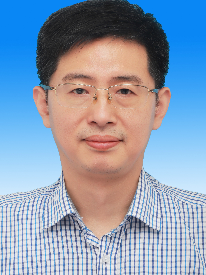 Yilong Yin (尹义龙)合作论文数School of Software, Shandong University;School of Computing and Artificial Intelligence, Southwestern University of Finance and Economics;Shandong University National Science Park, Shandong University51
 Xiushan Nie (聂秀山)合作论文数School of Computer Science and Technology, Shandong Jianzhu University29
 Chunyun Zhang (张春云)合作论文数26
 Jun Ma (马军)合作论文数Information Retrieval Lab., School of Computer Science and Technology, Shandong University18
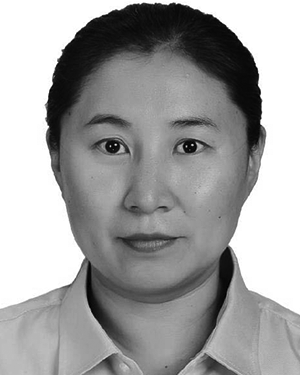 Yuling Ma合作论文数Shandong University17
 Lei Zhu (朱磊)合作论文数School of Computer Science and Technology, Tongji University;Large Model and Algorithm Center, Institute of Engineering Intelligence, Tongji University10
 Tao Lian (廉涛)合作论文数College of Artificial Intelligence, Taiyuan University of Technology9
 Muwei Jian (蹇木伟)合作论文数School of Computer Science and Technology, Shandong University of Finance and Economics9
 Xiaohui Han合作论文数Shandong Prov Key Lab Comp Networks, Shandong Comp Sci Ctr9
 Wenguang Yu合作论文数8
 Yujuan Huang合作论文数8
 Xiaoming Xi (袭肖明)合作论文数Machine Learning and Data Mining Research Center, Shandong University of Finance and Economics7Guangle SONG (宋广乐)合作论文数6Leilei Geng合作论文数6PeiGuang Lin (林培光)合作论文数6
 Shuaiqiang Wang (王帅强)合作论文数Search Science Department, Baidu Inc.;Mobile Ecosystem Group, Baidu Inc.6
 Meng Chen (陈勐)合作论文数School of Software, Shandong University6
 Zhumin Chen (陈竹敏)合作论文数School of Computer Science and Technology, Shandong University;General Artificial Intelligence Lab, Shandong University6Zhen Shen (申朕)合作论文数4Yumo Yao合作论文数4
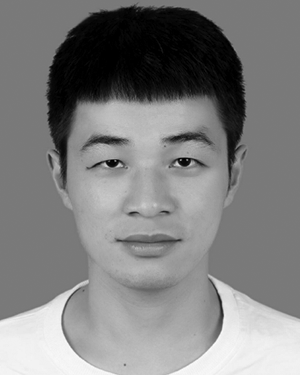 Hebo Ma合作论文数4Shuai Gong合作论文数4Xiaojie Li合作论文数4
 Meng Wang (汪萌)合作论文数School of Computer Science and Information Engineering, Hefei University of Technology4
 Xiang Deng (邓翔)合作论文数School of Computer Science and Technology, Harbin Institute of Technology (Shenzhen)4
 Zhaochun Ren (任昭春)合作论文数Faculty of Science, Leiden University4
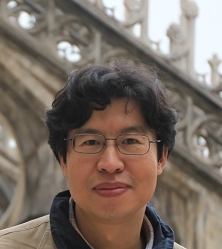 Jialie Shen合作论文数School of Science & Technology, University of London;School of Information Systems, Singapore Management University;Department of Computer Science, School of Science & Technology, City, University of London4
 Liqiang Nie (聂礼强)合作论文数School of Computer Science and Technology, Harbin Institute of Technology (Shenzhen)4Jun Yu合作论文数3Weizhen Jing合作论文数3
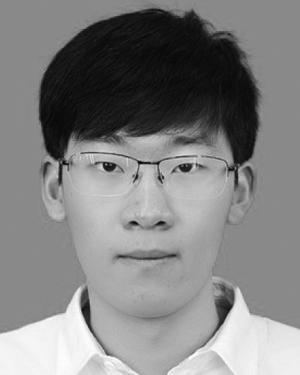 Hao Qu合作论文数3Huidi Fang合作论文数Shandong University, Jinan, China3Jian Zong合作论文数3Guofeng Guan合作论文数3XinLiang Yu (于新亮)合作论文数3
 Huaxiang Zhang (张化祥)合作论文数School of Information Science and Engineering, Shandong Normal University3
 Lei Guo (郭磊)合作论文数School of Information Science and Engineering, Shandong Normal University3
 Cheng Shi (石程)合作论文数3
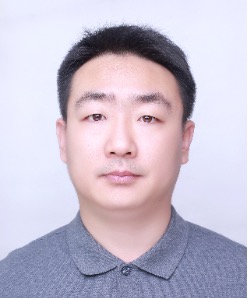 Piji Li (李丕绩)合作论文数College of Computer Science and Technology, Nanjing University of Aeronautics and Astronautic3
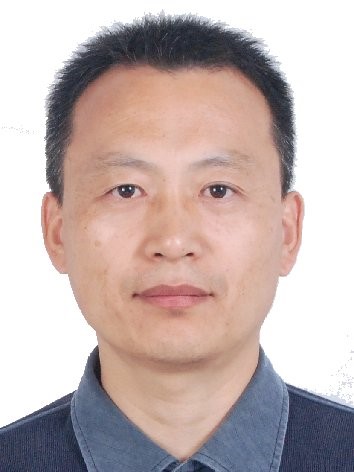 Gongping Yang (杨公平)合作论文数Research Center of Artificial Intelligence, School of Software, Shandong University3
 Huihui Liu (刘慧慧)合作论文数Tsinghua University3Jie Guo合作论文数Shandong University3
 Hui Cui合作论文数Shandong Computer Science Center, Shandong Academy of Sciences2Wentong Wang合作论文数2Lianxin Song合作论文数2Yunfeng Zhang合作论文数2
 Chen Zhang (张晨)合作论文数Huawei Noah's Ark Lab2Xiaofang Wang合作论文数2




